February 16, 2021

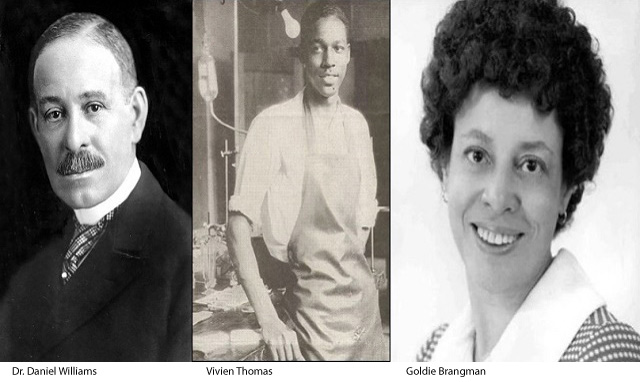
In celebration of Black History Month, Texas Children’s Medical Staff Committee on Diversity, Inclusion and Equity is shining a light on African American pioneers in medicine. This week following Valentine’s Day, we salute Dr. Daniel Hale Williams, who founded the first Black-owned hospital in America and performed the world’s first successful heart surgery; Vivien Theodore Thomas, who developed a procedure used to treat cyanotic heart disease; and Goldie Brangman, who was the first and only African American president of the American Association of Nurse Anesthetists and assisted with an emergency heart surgery on Dr. Martin Luther King, Jr., after an assassination attempt.

Cardiovascular disease is the leading cause of maternal mortality, and the risk of dying from cardiovascular disease-related pregnancy complications is 3.4 times higher for non-Hispanic Black women than non-Hispanic White women, independent of other variables. Increased rates of cardiovascular disease-related complications among women of color can be explained, in part, by racial and ethnic bias in the provision of health care and health system processes.

The diagnosis of cardiovascular disease in pregnancy can be especially challenging because the overlap of cardiovascular symptoms with those of normal pregnancy may lead to delays in diagnosis and subsequent care. However, if cardiovascular disease were to be considered in the differential diagnosis by treating health care providers, it is estimated that a quarter or more of maternal deaths could be prevented. Additionally, the incidence of pregnancy in women with congenital heart disease and acquired heart disease is on the rise. The United States experienced a significant increase in maternal congenital heart disease from 2000 to 2021.

At Texas Children’s, we not only care for infants with the most complex congenital heart disease – we also care for adults with congenital and acquired heart disease. The joint Maternal/Cardiac clinic at the Pavilion for Women offers specialized care for pregnant women with complex heart disease, who are seen by both a specialist in Maternal-Fetal Medicine and Adult Congenital Heart Disease during prenatal visits and delivery. This coordination of care between cardiac and obstetric specialists ensures improved communication and collaboration between these services in caring for these complicated patients.

In addition, the support from all the other services at Texas Children’s and the Pavilion, including a dedicated ICU and critical care service on labor and delivery, leads to the safe and comprehensive care of these women. An adult unit also recently opened at Legacy Tower to provide continuing care for all adults with congenital heart disease.

In recognition of our ability to provide the highest level of cardiac care to Texas Children’s patients throughout the full spectrum of their lives, we honor the physicians who pioneered heart surgery and the Certified Registered Nurse Anesthetist who paved the way for African Americans in the field.

Daniel Hale Williams, M.D.
(January 18, 1856 – August 4, 1931)

Dr. Daniel Hale Williams founded the first Black-owned hospital in America and performed the world’s first successful heart surgery in 1893. At age 20, Williams became an apprentice to a former surgeon general for Wisconsin. Williams studied medicine at Chicago Medical College. After his internship, he went into private practice in an integrated neighborhood on Chicago’s south side. He soon began teaching anatomy at Chicago Medical College and served as surgeon to the City Railway Company. In 1889, the governor of Illinois appointed him to the state’s board of health.

Determined that Chicago should have a hospital where both Black and White doctors could study and where Black nurses could receive training, Williams rallied for a hospital open to all races. After months of hard work, he opened Provident Hospital and Training School for Nurses on May 4, 1891, the country’s first interracial hospital and nursing school.

One hot summer night in 1893, a young Chicagoan named James Cornish was stabbed in the chest and rushed to Provident. When Cornish started to go into shock, Williams suspected a deeper wound near the heart. He asked six doctors (four White, two Black) to observe while he operated. In a cramped operating room with crude anesthesia, Williams inspected the wound between two ribs, exposing the breastbone. He cut the rib cartilage and created a small trapdoor to the heart. Underneath, he found a damaged left internal mammary artery and sutured it. Then, inspecting the pericardium (the sac around the heart) he saw that the knife had left a gash near the right coronary artery. With the heart beating and transfusion impossible, Williams rinsed the wound with salt solution, held the edges of the palpitating wound with forceps, and sewed them together. Just 51 days after his apparently lethal wound, James Cornish walked out of the hospital. He lived for over 20 years after the surgery. The landmark operation was hailed in the press.

In 1894, Dr. Williams became chief surgeon of Freedmen’s Hospital (now known as Howard University Hospital) in Washington, D.C., the most prestigious medical post available to African Americans then. In 1895, he helped to organize the National Medical Association for Black professionals, who were barred from the American Medical Association. Williams returned to Chicago and continued as a surgeon. In 1913, he became the first African American to be inducted into the American College of Surgeons. As a sign of the esteem of the Black medical community, until this day, a “code blue” at the Howard University Hospital emergency room is called a “Dr. Dan.”

Source: Columbia Surgery via PBS American Experience

Vivien Theodore Thomas
(August 29, 1910 – November 26, 1985)

Vivien Theodore Thomas was born in Lake Providence, Louisiana in 1910. The grandson of a slave, Vivien Thomas attended Pearl High School in Nashville, and graduated with honors in 1929. In the wake of the stock market crash in October, he secured a job as a laboratory assistant in 1930 with Dr. Alfred Blalock at Vanderbilt University.

Tutored in anatomy and physiology by Blalock and his young research fellow, Dr. Joseph Beard, Thomas rapidly mastered complex surgical techniques and research methodology. In an era when institutional racism was the norm, Thomas was classified, and paid, as a janitor, despite the fact that by the mid-1930s he was doing the work of a postdoctoral researcher in Blalock’s lab. Together he and Blalock did groundbreaking research into the causes of hemorrhagic and traumatic shock. This work later evolved into research on Crush syndrome and saved the lives of thousands of soldiers on the battlefields of World War II.

Blalock and Thomas began experimental work in vascular and cardiac surgery, defying medical taboos against operating upon the heart. It was this work that laid the foundation for the revolutionary lifesaving surgery they were to perform at Johns Hopkins a decade later. In 1943, while pursuing his shock research, Blalock was approached by renowned pediatric cardiologist Dr. Helen Taussig, who was seeking a surgical solution to a complex and fatal four-part heart anomaly called Tetralogy of Fallot (also known as blue baby syndrome, although other cardiac anomalies produce blueness, or cyanosis). Thomas was charged with the task of first creating a blue baby-like condition (cyanosis) in a dog, then correcting the condition by means of the pulmonary-to-subclavian anastomosis. In nearly two years of laboratory work involving some 200 dogs, he demonstrated that the corrective procedure was not lethal, thus persuading Blalock that the operation could be safely attempted on a human patient. During this first procedure in 1944, Thomas stood on a step-stool behind Blalock coaching him through the procedure. When the procedure was published in the May 1945 issue of the Journal of the American Medical Association, Blalock and Taussig received sole credit for the Blalock-Taussig shunt. Thomas received no mention and, in Blalock’s writings, he was never credited for his role.

Thomas’ surgical techniques included one he developed in 1946 for improving circulation in patients whose great vessels (the aorta and the pulmonary artery) were transposed. A complex operation called an atrial septectomy, the procedure was executed so flawlessly by Thomas that Blalock, upon examining the nearly undetectable suture line, was prompted to remark, “Vivien, this looks like something the Lord made.” To the host of young surgeons Thomas trained during the 1940s, he became a figure of legend, the model of the dexterous and efficient cutting surgeon. “Even if you’d never seen surgery before, you could do it because Vivien made it look so simple,” the renowned surgeon Denton Cooley told Washingtonian magazine in 1989.

After Blalock’s death, Thomas stayed at Hopkins for 15 more years. In his role as director of Surgical Research Laboratories, he mentored a number of African American lab technicians as well as Hopkins’ first black cardiac resident, Dr. Levi Watkins, Jr., whom Thomas assisted with his groundbreaking work in the use of the Automatic Implantable Defibrillator. In 1976, Johns Hopkins University presented Thomas with an honorary doctorate. However, because of certain restrictions, he received an Honorary Doctor of Law, rather than a medical doctorate. Thomas was also appointed to the faculty of Johns Hopkins Medical School as Instructor of Surgery.

Source: Katie McCabe, Washingtonian; Vanderbilt Medical School
Goldie D. Brangman
(October 2, 1920 – February 9, 2020)

Brangman was part of the emergency surgical team at Harlem Hospital that was responsible for a successful emergency heart surgery performed on Dr. Martin Luther King Jr., after he was stabbed during an assassination attempt in 1958.

Many present that day argued for moving King to a different hospital since they were under the assumption that the staff at the Harlem Hospital weren’t up to the task. It was finally decided that King could not survive the move and needed help immediately. Brangman was responsible for physically operating the breathing bag that kept King alive during surgery and once the letter opener used to stab him was removed, she was the anesthetist who finished his anesthetic.

Brangman remained at Harlem Hospital for another 45 years after caring for Dr. King, serving as director of the School of Anesthesia. She also served as the first and only African American president of the American Association of Nurse Anesthetists in history, from 1973-74.

Source: Angelina Walker, nurse.org
February 15, 2021

It’s easier to believe your dreams are within reach when you see someone who looks like you making it happen.

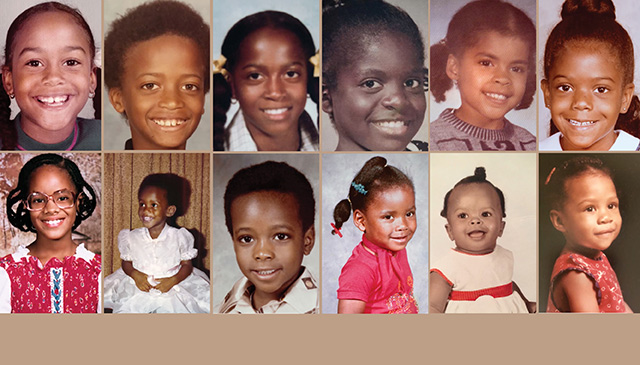
At Texas Children’s, we know representation matters – and we’re taking the opportunity this Black History Month to celebrate our diverse history and workforce. A new site was launched that showcases 12 of our Black clinical and administrative leaders, detailing their journeys from bright-eyed children to successful health care professionals.

The team members featured include:

  • Michelle Riley-Brown, Executive Vice President
  • Binta Baudy, Assistant Vice President
  • Dr. Carla Davis, Chief of Immunology, Allergy and Retrovirology
  • Dr. Cheryl Hardin, Pediatrician
  • Dr. Christina Davidson, Chief Quality Officer for Obstetrics & Gynecology
  • Dr. Gia Washington, Pediatric Psychologist
  • Jackie Ward, Chief Nursing Officer, Senior Vice President
  • Jermaine Monroe, Vice President
  • Dr. Jean Raphael, Chief of Academic General Pediatrics
  • Ketrese White, Vice President
  • Myra Davis, Senior Vice President
  • Dr. Rayne Rouce, Pediatric Hematologist-Oncologist

Texas Children’s Hospital was opened in 1954 to serve all children – regardless of their race, religion, creed or ability to pay. Our founders, Jim Abercrombie and Leopold Meyer, set this clear intention as the organization’s guiding principle, and we’ve continued to live by that principle every day.

At our core, Texas Children’s is an inclusive organization that prides itself on welcoming everyone: patients, families, providers and staff. We recognize our diversity and know that many cultures, religions, races and genders woven together create our One Amazing Team.

To see childhood photos and read more about the team members we’re highlighting, click here. You may also see their images and stories on Texas Children’s social media platforms, and in social media ads throughout February.

December 21, 2020

After a year spent navigating the many impacts of the COVID-19 pandemic, the recipients of the 2020 Mark A. Wallace Catalyst Leadership Award will have a renewed opportunity in 2021 to enjoy a full and uninterrupted honoree experience.

Given how hard the 2020 Catalyst Leaders worked to earn such a significant award, President and CEO Mark A. Wallace decided last month to extend their term for another year. Wallace met with the award recipients in October and later shared that he believes providing them with additional time as Catalyst Leaders is only fair – particularly in light of their continued contributions and commitment throughout the pandemic.

The extended term will also give the recipients more time to take advantage of Texas Children’s premiere leadership development program. Catalyst Leaders are those who set an example to make the biggest possible difference and ensure the best possible outcomes, all while wholeheartedly embracing the organization’s mission and core values. Catalysts boldly and thoughtfully step up to the challenge of leading a project or program, successfully impacting a team, process or element of our mission. More than just recognition, the award is an opportunity for honorees to continue learning and growing those leadership skills, becoming even more effective leaders within our organization and in their personal lives.

Texas Children’s team members will be able to submit nominees for the 2022 Mark A. Wallace Catalyst Leadership Award in fall 2021. Regardless of role, employees at all levels of the workforce can nominate colleagues and be considered for the award themselves. Additional information will be provided before the nomination period opens.

To learn more about Catalyst Leader of the Year Natashia Bush, Catalyst Leaders Matthew Borges, Lindsey Fox, Bobbie Jehle and Dr. Christian Niedzwecki, and our first-ever Heart of Gold honoree Hilda Andrade, click here.

December 14, 2020

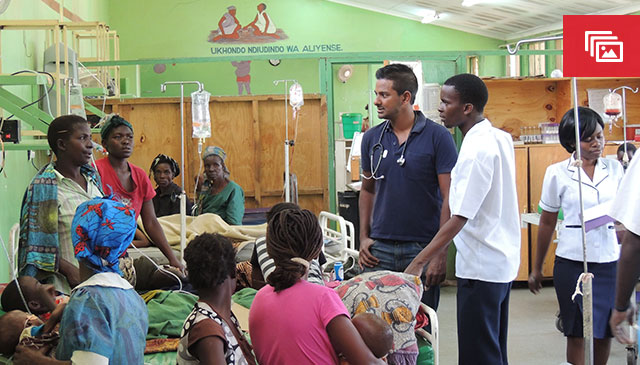
The story you are about to read is part of an ongoing series about Texas Children’s efforts to care for women and children around the globe. The series highlights Texas Children’s efforts in Malawi, one of the 17 countries we currently serve. Today’s story focuses on the care of expectant mothers in Malawi via a unique private-partnership between Texas Children’s, Baylor College of Medicine Children’s Foundation-Malawi and the Ministry of Health of Malawi.

Eneless Janlathanle lives about 12 miles from the nearest hospital in Lilongwe, Malawi. That might not seem far, but it is quite a way when you don’t have reliable transportation. This barrier to health care is what led Eneless to deliver her second child at home, an experience she said she does not want to repeat if she had another child.

“My delivery at home was hard,” Eneless said. “I knew I couldn’t do that again.”

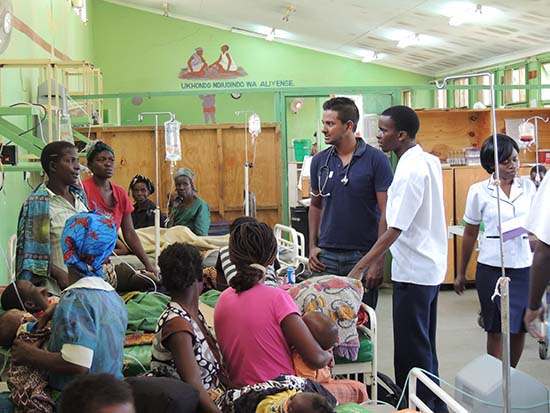
Due to the growth and success of the Area 25 Health Center – a unique public/private-partnership between Texas Children’s, Baylor College of Medicine Children’s Foundation-Malawi and the Ministry of Health of Malawi – Eneless didn’t have to deliver her third child at home. Instead, she spent two-plus weeks at the center’s maternal waiting home and gave birth to her child in the nearby labor and delivery ward.

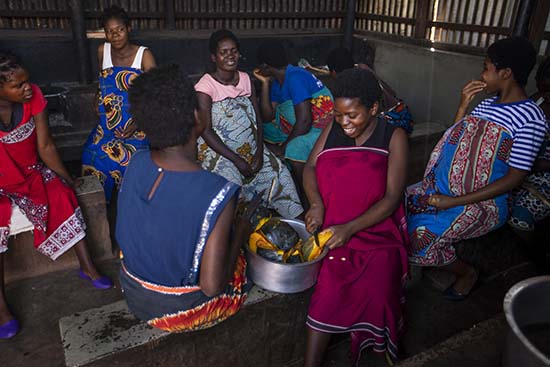
During her stay, Eneless ate food from the center’s permaculture garden and learned how to grow and cook similar food when she returned to her village. The 24 year old also took perinatal classes to better learn how to take care of herself and her baby. The experience, Eneless said, was wonderful.

“I was comfortable and well taken care of,” she said. “I also gained a lot of knowledge that I could take back home.”

A paradigm shift

Women like Eneless and their children are disproportionately affected by lack of access to health care services, particularly in resource limited settings. Malawian women have some of the worst odds with 675 deaths per 100,000 live births – among the highest maternal mortality ratios in the world. By contrast, the ratio for US women is 14 deaths per 100,000 live births.

To improve these odds, the Global Women’s Health program has invested a lot of time and effort into expanding the quality and quantity of services offered at Area 25 Health Center, significantly alleviating the burden of increasing demand for maternal and neonatal services at Kamuzu Central Hospital (Lilongwe’s referral hospital) and Bwaila Maternity Hospital, the largest maternity unit in the region with 17,500 plus deliveries per year.

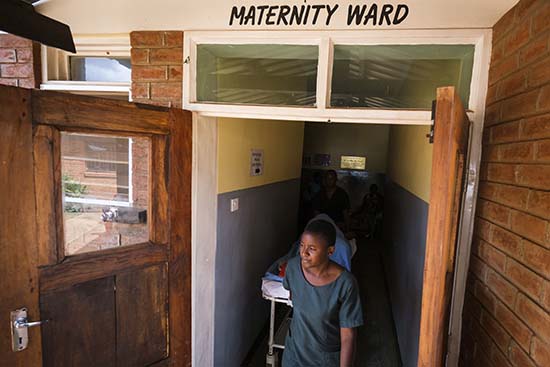
With the help of generous donors, a maternal waiting home, a four-room operating theater and most recently a new maternity ward have been built to help clinicians, midwives and non-medical staff better serve the women and children of Malawi.

“When we first became involved, there were about 1,800 deliveries a year at Area 25,” said Dr. Jeffrey Wilkinson, vice chair of Global Health and professor, OB-GYN and director of the Global Women’s Health Program, public-private partnership that has invested a lot of time and effort into expanding the quality and quantity of services offered at Area 25 Health Center. “Now there are more than 6,500, the same amount of babies born per year at the Pavilion for Women.”

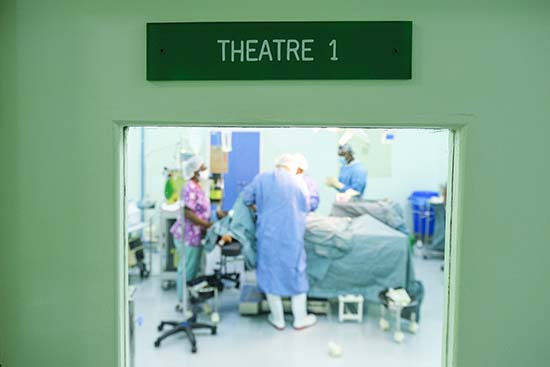
The bulk of that growth began a little more than a year ago when a four-room operating theater opened at Area 25, providing a safe haven to pregnant women and newborns in need of surgical care. Prior to the opening of this theater, women who needed a cesarean delivery and babies with even minor neonatal issues were referred to Kamuzu Central Hospital or Bwaila Maternity Hospital. The theater at Area 25 has helped alleviate the pressure on those hospitals and has given women and babies another chance to receive the care they need.

Dr. Ibe Iwuh, one of the OB-GYNs at the health center, said when coordinated efforts began, more than 20 percent of their patients who needed surgical intervention were referred to a hospital with an operating theater and that about half the time, their babies didn’t survive because the referral either happened too late or there was another delay in intervention.

“Since we started operating here, we have seen significant reduction in those numbers and the overburdening that happens at the referral unit,” Iwuh said. “So, it’s no question the theater has supported and greatly improved the quality of health care we provide.”

A safe haven

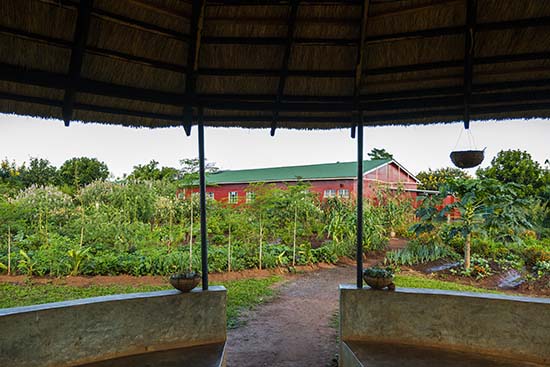
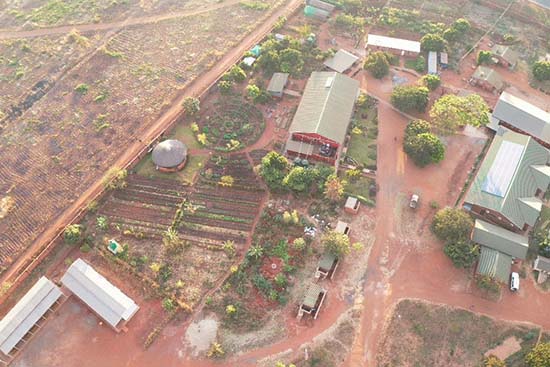
The maternal waiting home has made a significant impact on patient outcomes as well. Built in 2013 with the help of a Bill and Melinda Gates Foundation grant, the red building with green trim can house almost 40 women who are in the latter stages of pregnancy and either need or want to be close to a medical community prior to going into labor to avoid a secondary delay in accessing maternal care.

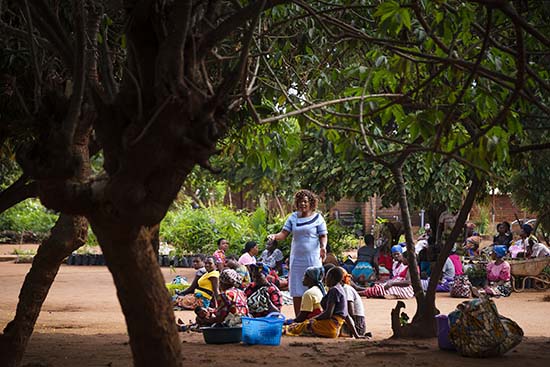
During their time at the home, women learn how to take care of their babies and themselves after pregnancy. They learn about family planning, nutrition and hygiene. They also are taught income generating skills such as sewing, knitting and gardening.

The women are encouraged to take the knowledge and skills back to their communities where they can share it with community members. These programs are unique to Area 25 Health Center and are focused on sustaining a woman and baby’s health beyond the health care setting.

“It’s not easy to take care of a baby, especially in our setup where resources are so limited,” said Ruth Moyo, manager of the waiting home. “Teaching them how to take care of their baby, the importance of vaccines and family planning, and the dangers of pregnancy, is like preventing maternal and neonatal death. It’s also empowering them to be more self-sufficient when they leave and go back home.”

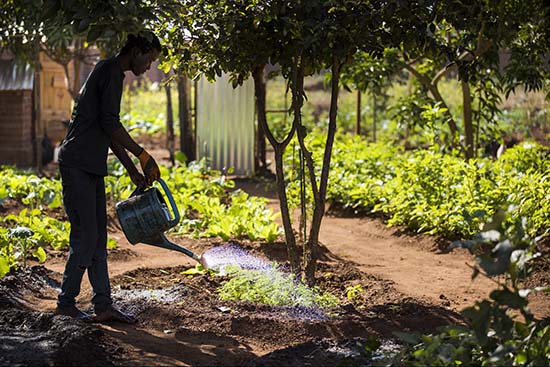
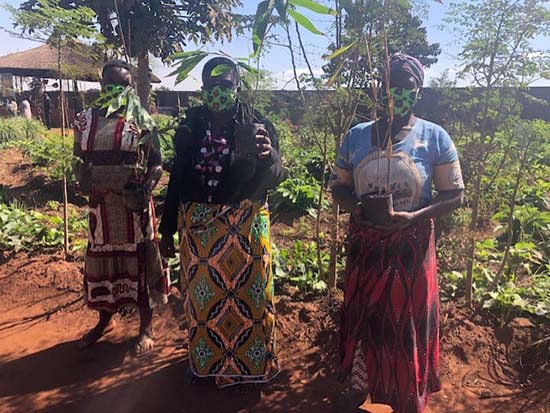
Surrounding the maternity waiting home, is a diverse and vibrant permaculture garden packed with healthy fruits, vegetables and herbs. Cultivated and designed by Afshan Omar and her team, the garden has grown steadily in the two years it has served the community. What started out as a few small beds is now a lush mandala-shaped ever-expanding edible landscape filled with food that women at Area 25 Health Center can learn to cook, eat, grow and cultivate on their properties.

“Permaculture is a design system using sustainable agricultural methods that mimic patterns of natural ecosystems,” said Omar, a native Malawian who oversees the permaculture and environmental program at Area 25 Health Center. “In a country where the majority of people are small scale farmers with a limited range of healthy and diverse crops, the garden provides a unique opportunity to teach healthy crop cultivation, while inspiring an improved quality of a life for the patients to take home.”

Every woman who leaves the center is given two seedlings, a fruit tree seedling and a bamboo seedling. During their stay at the maternal waiting home, they learn how to care for those seedlings and understand their importance in nature, while also growing and cooking the food they are fed from the permaculture garden. Taking this knowledge back home, gives the women at the waiting home a sense of achievement in learning the ability to create a productive and aesthetically green space within their homesteads.

Broadening their nutrition is important. Many women at the maternity home are used to eating a local dish called nsima, which is a blend of maize and water with beans or a type of tomato and onion relish. They are not used to eating different types of vegetables that are more nutritious for their bodies and the bodies of their children.

“Historically in Malawi, people ate a lot of sorghum, millet, cassava and sweet potato, but you don’t find that to be a normal part of the diet anymore,” Omar said. “We are trying to gradually reintroduce these things back into these women’s diets through gardening and cooking classes.”

Omar’s efforts are paying off. Throughout the week, women at the waiting home would walk into the outdoor kitchen and ask Omar how to cook a dish that was served the day before or they ask her how to cook something they’ve found interesting in the garden. More importantly, they clean their plates. They eat the colorful concoctions Omar has created and infused with her passion of connecting people and nature.

“It’s been very positive,” Omar said. “The partnership between Texas Children’s, Baylor and the Ministry of Health is a beautiful synergy that’s allowing an innovative model of care to prosper and grow.”

Model of care

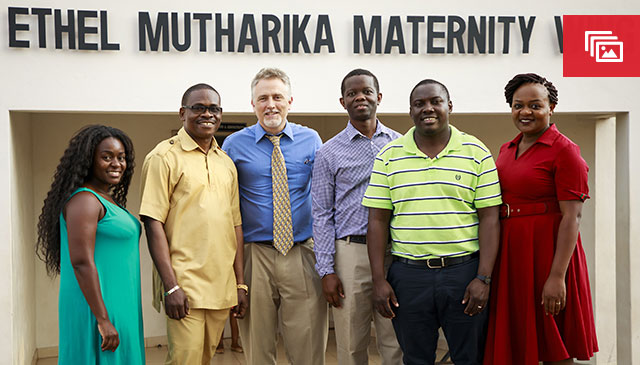
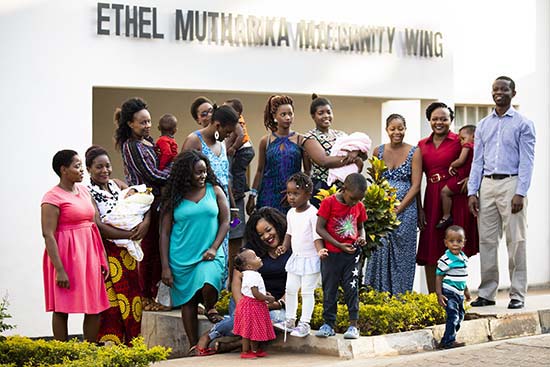
The latest outcome of that partnership is a new nine-bay labor and delivery ward adjacent to the maternity home. The unit opened in May and is providing women a private place to give birth, and clinical workers more space to deliver the same amount of babies per year born at the Pavilion for Women.

Each room in the new labor and delivery ward is equipped with a swinging door that leads out to a nurses’ station. One of the nine rooms has a private bath and shower. The other eight rooms share four private baths and showers, each with a sliding door for easy access.

Prior to opening the new ward, women at Area 25 were delivering their babies in a six-bed labor and delivery ward on beds lined up in one room separated by curtains. Because of the cramped quarters, family members were not able to accompany or help their loves ones during delivery. The new ward has enough space for one family member to be in the room during delivery, an accommodation that is somewhat unique in health care facilities across Malawi and sub-Saharan Africa.

“This has been a transformational gift for the women and babies in this region,” Iwuh said. “It’s helped us not only provide high quality care, respectful care to women but also to demonstrate the potential between a public-private partnership between a US academic institution, a US health care organization, and the Malawi Ministry of Health.”

Dr. Chikondi Chiweza, one of the OB-GYNs at Area 25, said it’s very satisfying to see Area 25 become one of the busiest maternity wards in the area.

“Because of the waiting home, women who might have gone into labor far from a medical institution now have a safe place to wait during their last few weeks and days of pregnancy,” Chiweza said. “The operating theater has enabled us to take care of more complex patients, and the new maternity and labor ward will allow us to better meet the ever-growing demand of births and well-woman services.”

Wilkinson said he believes what’s being done at Area 25 Health Center is a model of care that is sustainable and will be employed in other area of the country. He said it falls right in line with Baylor and Texas Children’s goal of providing the highest quality of care to the women and children we treat through our Global Women’s Health program and its many partners.

“Texas Children’s Hospital and Baylor College of Medicine are working together to respond to the needs of underserved communities throughout the world through a network of health care professionals dedicated to providing the best clinical care and treatment available, building health care capacity through education, and advancing clinical discovery with cutting-edge research programs,” he said. “Texas Children’s Global Women’s Health is proud to partner with the Malawi Ministry of Health, University of Malawi College of Medicine, and many local and international partners. Our work is made possible by the generous support of donors hoping to make a change in the lives of women and children in resource limited settings.”

For more information about Area 25 Health Center, click here. To make a donation to Texas Children’s global health efforts, click here.

December 7, 2020

The story you are about to read is part of an ongoing series about Texas Children’s efforts to care for women and children around the globe. The series highlights Texas Children’s efforts in Malawi, one of the 17 countries we currently serve. Today’s story focuses on how Texas Children’s and Baylor together have expanded the scope of services they offer around the world due to the success their programs have had with diagnosing and treating children with HIV/AIDS.

The foundation of what Texas Children’s and Baylor College of Medicine are doing in Malawi and six other countries across sub-Saharan Africa and Romania lies in the diagnosis and treatment of children with HIV/AIDS. The public-private partnerships formed over the years however now tackle other conditions in the developing world such as cancer, tuberculosis, malaria, sickle cell and malnutrition. They also focus on women, not just children and have expanded this work to Latin America.

“Texas Children’s in partnership with Baylor College of Medicine has created one of the strongest global health programs for children and women in the world,” said Texas Children’s Executive Vice President Dan DiPrisco. “The program started out with a narrow focus but has expanded its reach due to its success and dedication to its mission of providing quality health care, education and research in low-resource settings.”

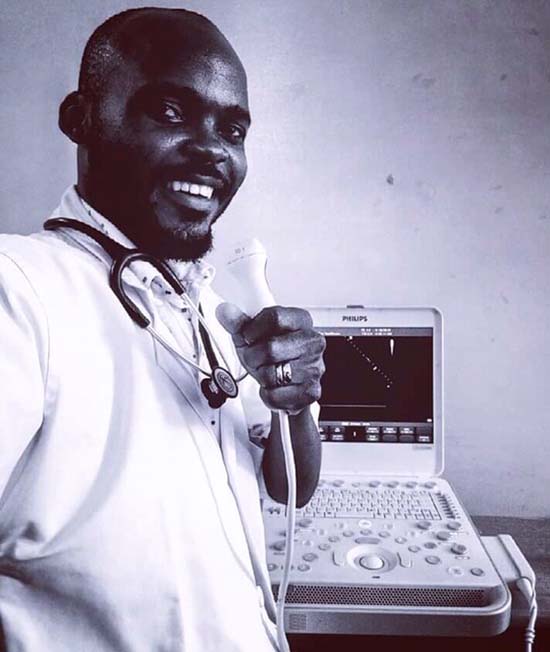
In addition to operating the Center of Excellence in Malawi, Texas Children’s and Baylor College of Medicine provide staff to support the pediatric ward at Kamuzu Central Hospital in Lilongwe, Malawi’s capital city. Staff also works in four busy government health centers in other areas of Lilongwe and performs outreach across the entire country. Texas Children’s and Baylor employ the only pediatric surgeon in the region, a cardiologist and a team of OB/GYNs. They also provide care and training for emergency medicine and have developed a robust oncology program called Global HOPE.

Below is a brief overview of some of these programs and how they are saving lives.

Surgery

Children living in resource-limited settings often lack access to doctors trained in both routine and advanced pediatric surgical and post-operative techniques. This holds very true in Malawi, where there are four pediatric surgeons practicing in the country – our Texas Children’s/Baylor College of Medicine surgeon in the capital, Lilongwe, and three surgeons in Blantyre, the largest city.

Dr. Bip Nandi is the surgeon in Lilongwe at Kamuzu Central Hospital. Being the only pediatric surgeon in a city of one million and a region of more than seven million, he performs about 500 surgeries each year. Some of his patients are just a few days old.

“We don’t take the decision to operate on these children lightly,” Nandi said. “But most of them would not survive without an operation.”

In addition to performing much-needed operations, Nandi said he spends a lot of his time training, teaching and building capacity, all of which are critical to sustaining a strong surgery program in low-resource settings. He is currently working with one local surgeon who is halfway through his general training and hopes to be working with another two soon with the goal of in five years having at least three locally trained pediatric surgeons. Nandi also is working to bolster anesthesiology and nursing as well, both of which support surgery and are key to its success in any setting.

“It’s important to have the institutional support that Texas Children’s and Baylor provide,” he said. “Up until now, we’ve done everything on a wing and a prayer, and you can only get so far on that.”

Maternal Care

Women are essential to social and economic progress yet they shoulder some of the greatest burdens of preventable disease and death. According to the World Health Organization, 303,000 women died as a result of pregnancy and childbirth in 2015 alone, disproportionately in poorer regions of the world. These women often leave children without anyone to protect and care for them, which contributes to staggering under-5 mortality rates. In 2015, 5.9 million newborns and toddlers died.

Since a child’s health is so dependent on its mother’s health, Texas Children’s and Baylor College of Medicine collaborate with public and private partners in regions of greatest need to increase access to and improve delivery of women’s health services. These wide-ranging obstetric and gynecological services include family planning, maternity care, and identification of preexisting conditions that may hamper a healthy delivery such as malnutrition, obstetric fistula, TB and HIV.

Texas Children’s offers community education on the benefits of smaller families, childhood nutrition and a host of other maternal and child health subjects, and its clinical research leads to better outcomes for mothers and children worldwide.

In Malawi, the program helped start the country’s first OB/GYN residency program at the University of Malawi College of Medicine in Lilongwe. Work also includes providing direct OB/GYN services to patients, operating two surgical care centers and training local healthcare providers. U.S.-based residents and fellows from across the U.S. rotate through our program in Malawi, which helps build their skills in a high-volume setting. In Malawi we support more than 6,000 deliveries and 300 c-sections annually. The organization also trains fellows interested in working in global women’s health.

In 2020, Texas Children’s began a new partnership with the International Federation of Obstetrics & Gynecology (FIGO) to support the FIGO Fistula Surgery Training Initiative (FSTI). This program identifies and trains local surgeons, and establishes local training and surgical centers to repair obstetric fistula. There are FSTI training centers in more than 20 countries around the world as well as a Fistula Surgery Training Manual translated into numerous languages.

On behalf of Texas Children’s and Baylor, Dr. Bakari Rajab works with KCH to supervise Malawi College of Medicine residents, teach the fellows from Houston while they are on their two-year rotation, and coordinate various specialized faculty who come to Malawi to help. He also looks after the mothers in the Teen Mother Program, following them throughout their pregnancies and deliveries.

“Having a strong partnership between OB/GYN and pediatrics is so important,” Rajab said. “We try our best as OB/GYNs to keep a mother and her baby healthy and alive during pregnancy. Once the baby is born, as an OB/GYN, you want to see that hard work continue and help toward making that baby into a functioning, well-developed human being.”

Global HOPE

Texas Children’s Global HOPE (Hematology-Oncology Pediatric Excellence) is focused on building long-term capacity to treat and dramatically improve the prognosis of children with cancer and blood disorders in sub-Saharan Africa. The program’s vision is to ensure that children with cancer and blood disorders in Africa receive the most effective therapies available, and ultimately experience treatment outcomes comparable to those in resource-rich settings.

The program operates in four African countries, including Malawi where they diagnose and treat pediatric cancer and hematological cases at Kamuzu Central Hospital. Global HOPE has sent physicians from Texas Children’s to KCH in Lilongwe since 2010. In 2016, the first patient diagnosed with leukemia at KCH was successfully treated by our physicians.

Since then, the program in Malawi has grown, additional patients have been successfully treated, local physicians have been trained and much-needed supplies have been made available.

“We have made a lot of progress in a relatively short amount of time,” said Dr. Nmazuo Ozuah, who oversees Global HOPE’s operations in Malawi. “Capacity building takes time but it is happening and it is making a difference.”

For more information about Texas Children’s Global Health programs, click here.

To make a donation to Texas Children’s global health efforts, click here.

November 30, 2020

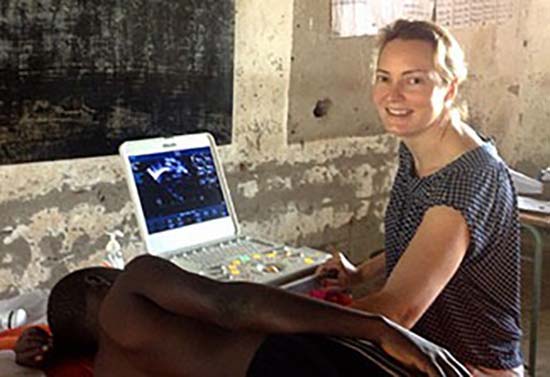
The story you are about to read is part of an ongoing series about Texas Children’s efforts to care for women and children around the globe. The series highlights Texas Children’s efforts in Malawi, one of the 17 countries we currently serve. Today’s story focuses on the Texas Children’s Global Health Corps and how its members support the hospital’s mission.

The Baylor College of Medicine International Pediatric AIDS Initiative at Texas Children’s Hospital (BIPAI) Centers of Excellence are supported by Texas Children’s Global Health Corps and the Dr. Kelly Descioli Global Child Health Residency.

The partnership brings doctors to countries where we work to learn, teach and help provide much-needed clinical services. Residents spend one year of their four-year residency program at one of our global health sites in Africa.

The Texas Children’s Global Health Corps is a successor to the landmark Pediatric AIDS Corps, founded by BIPAI in 2005, which has trained and sent about 150 pediatricians and family doctors to Africa to help scale up medical programs for children and families affected by HIV/AIDS. BIPAI, thanks in large part to its partnership with the Texas Children’s Global Health Corps, now provides HIV/AIDS treatment to about 320,000 children and families – more than any other program worldwide.

In Malawi, the partnership with the Global Health Corps has brought several pediatricians to the Center of Excellence there, including Amy Benson and Allison Silverstein, who talk in the following Q&A about their experience treating children with HIV/AIDS and other aliments in a low-resource setting.

Why did you choose to become involved in Texas Children’s Global Health?

Amy: After college, I was in the Peace Corps in Bolivia, and because of that experience, I knew I wanted to become a doctor and work in a low resource setting. Working in Global Health Corps has helped me reach that goal. It’s exactly what I want to be doing.

Allison: When I was in medical school, I took a year off between my third and fourth year and worked in Rwanda and Zambia doing policy work and helping to build research capacity. It was powerful but I wanted to be able to help clinically. I interviewed at a lot of residency programs but most connected with the model at Baylor and Texas Children’s. The way these organizations are truly building capacity and setting up this huge infrastructure to provide unparalleled care is how I ended up in the Global Health Corps.

Describe what you do in Malawi with the Global Health Corps.

Allison: Most of my time is spent in clinic at the Center of Excellence with pediatric HIV/AIDS patients. A typical day begins with a staff huddle that includes going over caseloads and doing a little singing and dancing to get us off on the right foot. Then, we see patients. Some of them are coming to the center to fill their medication or for a routine checkup. Others are sick and not feeling well, and we do our best to provide them with the best possible care. We see about 100 patients a day.

Amy: In addition to caring for patients at the Center of Excellence, I spend one week each month working at Kamuzu Central Hospital, the largest hospital in Lilongwe. At the hospital, I see children who have HIV/AIDS and have either been admitted to the hospital due to complications of the disease or who have been newly diagnosed. In addition to treating their immediate medical needs, I help get them hooked up with longer term services.

How has your work with the Global Health Corps made you a better doctor?

Amy: When I go outside of my comfort zone, it helps make me a better person and a better doctor. Being able to help take care of people and learn about people who have many different needs and struggles, helps me to understand people in a different way and to be more empathetic. And, that makes me a better doctor for sure, no matter where I’m working or who I’m working with.

Allison: I’m more thoughtful in my decision-making. When you don’t always have accessible imaging or the labs that you want, you have to rely on your clinical skills – your history and physical – and bring it all together to treat the patient.

Is there a patient or an experience that has made a significant impact on you?

Allison: I treated a 6-year-old patient who had recently lost her mother to tuberculosis. Not long after the mother’s death, the girl’s aunt brought the child to us with symptoms consistent with gastroenteritis. While treating her for that, we discovered the girl, like her mother, had tuberculosis. The girl’s aunt was devastated thinking she was going to lose her niece as well as her sister to the disease. But, she didn’t, and she was so unbelievably thankful for the treatment and attention we provided to that child.

Amy: What’s left an impression on me is the network of caregivers at the COE who work together to help these children and their families. For example, I was working in the hospital one day when a mom took her very sick baby home before she was ready to be discharged. One of our community health nurses knew where the woman lived, went to her village and convinced the mom to bring her child back to the hospital where the child could receive medicine for her newly diagnosed illness – HIV/AIDS. She made an effort to understand the mom and the reasons she had left and to offer the support that the mom needed to return. Without people like the community health nurses, that child might never have come back.

For more information about Texas Children’s Global Health Corps, click here. To make a donation to Texas Children’s global health efforts, click here.

November 23, 2020

The story you are about to read is part of an ongoing series about Texas Children’s efforts to care for women and children around the globe. The series highlights Texas Children’s efforts in Malawi and Colombia, two of the 17 countries we currently serve. Today’s story focuses on Baylor College of Medicine International Pediatric AIDS Initiative at Texas Children’s Hospital and its network of Centers of Excellence that have saved a generation of children and young mothers from the ill effects of and possibly death from HIV/AIDS.

Phoebe Nyasulu has six siblings, only two of whom are still alive. Like many in sub-Saharan Africa, Nyasulu spent years watching HIV/AIDS erase the people she loves from her life. When she discovered she could have done something to help save them, she first became angry and then dedicated to advocating for the rights of people in Malawi who are living with the life-threatening disease.

“My goal is to make sure the people of my country know their HIV/AIDS status, and that if they are positive, link them to care,” Nyasulu said. “I don’t want others to die prematurely like my brothers and sisters did.”

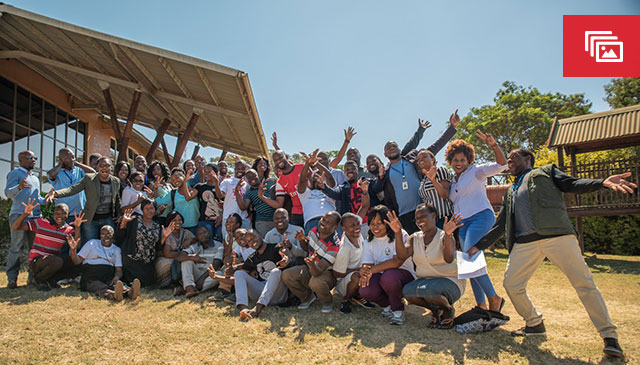
In 2012, Nyasulu’s efforts to combat the spread of HIV/AIDS and help those who are infected led her to the Baylor College of Medicine International Pediatric AIDS Initiative (BIPAI) at Texas Children’s Hospital network. Over the years, Nyasulu has worked in various capacities at BIPAI’s Center of Excellence (COE) in Malawi and is now executive director of the program she and many others credit for saving a generation of children and young mothers from the ill effects of HIV/AIDS.

“Before BIPAI came into Malawi, children with HIV/AIDS were not accessing treatment and were left to die,” Nyasulu said. “Now, they are getting the medical care they need and are growing into healthy adolescents and young adults.”

A recipe for success

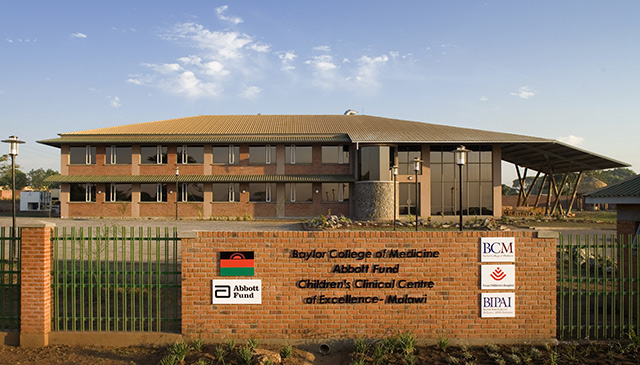
The groundwork for Baylor-Malawi’s operations was laid 14 years ago with the establishment of the Baylor College of Medicine Children’s Foundation-Malawi and the construction of the Baylor College of Medicine-Abbott Fund Children’s Clinical Centre of Excellence (COE) in Lilongwe. The center is part of what is the largest care and treatment network based at an academic institution supporting programs for HIV-infected and -affected children.

Providing care and treatment to nearly 300,000 children, BIPAI has established public-private partnerships in 10 countries across sub-Saharan Africa as well as Latin America and Romania. These partnerships now extend beyond the scope of HIV/AIDS and tackle other conditions in the developing world such as cancer, tuberculosis, malaria, sickle cell and malnutrition.

“The BIPAI network provides a solid framework for some of the best maternal and child health specialists in the world to share best practices and resources in care and treatment, medical education, and clinical and operational research focused on HIV/AIDS, tuberculosis, malaria, malnutrition, neglected tropical diseases and other conditions impacting the health and well-being of children and families worldwide,” said Michael Mizwa, the chief executive officer of BIPAI. “We are always looking for ways to expand the scope and reach of our services, never allowing anything to distract us from our commitment to children and families.”

Created in 1996, the BIPAI network was developed with the goal of improving the health and lives of HIV-infected children and families globally through expanded access to HIV/AIDS care and treatment, capacity building, health professional education and training and clinical research.

With initial support from Houston’s Sisters of Charity of the Incarnate Word, Abbott Fund and AmeriCares, the first center of excellence (COE) in the BIPAI network was created in Romania in 2001. Deaths among children with HIV declined from 15 percent to 1 percent and provided the first proof of concept for providing large-scale HIV treatment to children in a limited resource setting.

The Botswana-Baylor Children’s Clinical COE opened in 2003 with funding through Bristol-Myers Squibb’s Secure the Future program, and treated 1,200 children that year. The model proved to be a success and garnered attention from other governments, leading to centers being established in Lesotho, Eswatini, Malawi, Tanzania and Uganda.

When BIPAI entered Malawi, the country was experiencing an HIV/AIDS epidemic that was ravaging families such as Nyasulu’s. The country had little to no resources to fight the epidemic, misinformation was spreading about the disease and a negative stigma was quickly being attached to those who had HIV/AIDS.

“People were beginning to lose hope,” Nyasulu said. “They couldn’t see how to turn things around.”

A beacon of light

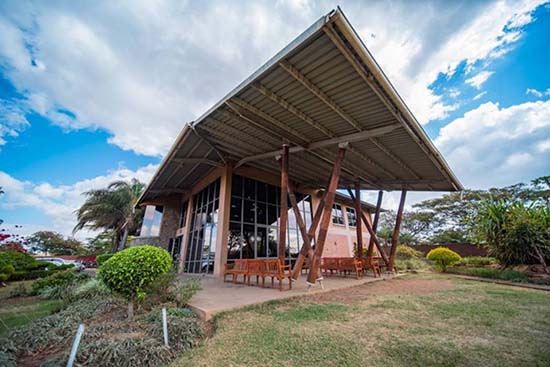
On any given day of the week, the Center of Excellence in Malawi’s capital is a hub of activity from the moment it opens in the early morning until it closes in the late afternoon. Often times, people are scattered across the facility’s lawn before its doors open anxious to get inside and receive the care they need to continue living with HIV/AIDS.

Some are waiting to see one of the center’s clinical workers, visit the center’s pharmacy to pick up medication or talk with a social worker, while others are there to participate in one of the center’s many programs aimed at helping adolescents adhere to their care program.

“Baylor-Malawi is the largest provider of pediatric HIV care and treatment services in the country,” Nyasulu said. “The COE in Lilongwe has an active case-load of more than 3,000 patients with 2,000-plus on medication. The average enrollment is 23 new patients per month. We are a very busy center.”

The center’s team also provides staff to support the pediatric ward at Kamuzu Central Hospital and Area 25 District Health Centre in Lilongwe, works in four busy government health centers in other areas of Lilongwe and performs outreach across the country. The team supplies technical expertise to various HIV technical working groups of the Ministry of Health as they consider various policy issues and management guidelines related to pediatric HIV.

Over the past decade, these efforts have helped make a huge dent in the number of people in Malawi infected and affected by HIV/AIDS. One of those people is Pacharo Mwachitete.

Mwachitete was born with HIV/AIDS and started coming to the Center of Excellence when he was 13. He is now 25 and is a mentor for the center’s Teen Club, one of the center’s various adolescent programs that focus on providing psycho-social and care and treatment support to young people with HIV/AIDS.

“I learned so much from the people I met at the center and through Teen Club,” Mwachitete said. “Without this place and its programs I’m not sure I would be here today.”

Doris Lidamlendo, a 19-year-old Teen Club graduate, agreed and said the skills she learned while in Teen Club taught her how to live with HIV/AIDS. She learned what to do when she was stressed, healthy eating habits, the importance of taking her medicine and more. Most of all, Lidamlendo said she met people like herself.

“Being able to hear how other people like myself have lived with a similar problem has always been a motivation for me,” said Lidamlendo, who recently finished high school and would like to go to college for either civil engineering or social work. “It has made me grow and I am convinced without it you wouldn’t be talking to the girl you are talking to now.”

Judy Lungu is the special projects and training coordinator for Baylor-Malawi and coordinates all of its adolescent programs, including Teen Club, Camp Hope, a Transition Training, Young Mother’s Program and a Teen Support Line. She said the goal of the programs is to teach young people with HIV/AIDS the importance of taking their medication and to convince them that they are not alone in their journey with the disease.

“We believe that for the health of the adolescents to improve and for them to live positively, they must understand that taking their medication is a matter of life and death,” Lungu said, adding that it’s often times easy for a young person who is feeling good and wanting to be more like their non-HIV/AIDS peers to decide to stop taking it. “We also feel it is important for them to know there are people like them who are going through the same thing, and that they are loved and are worthy of being loved.”

The programs Lungu runs are a tremendous success so much so the Malawi Ministry of Health and other partners have embraced the concept and organized similar programs across the country.

For more information about Baylor College of Medicine International Pediatric AIDS Initiative at Texas Children’s Hospital in Malawi, click here. To make a donation to Texas Children’s global health efforts, click here.