July 20, 2020

Texas Children’s Heart Center has once again been named the best place in the country for pediatric cardiology and heart surgery in the U.S. News and World Report 2020-2021 Best Children’s Hospitals rankings – the center’s fourth straight year at No. 1.

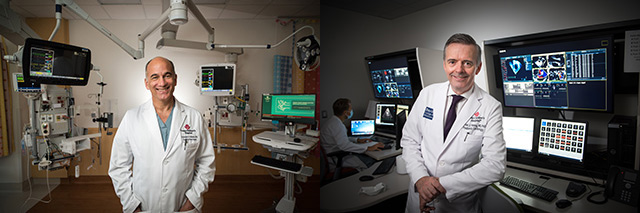
“We are incredibly proud to be named the best place in the country for children who are in need of pediatric cardiology and heart surgery,” said Chief of Pediatric Cardiology Dr. Daniel Penny. “Achieving this honor for the fourth consecutive year is a testament to our dedicated multidisciplinary team who works tirelessly to advance the field and provide the best care possible to our patients and their families. We don’t take this responsibility lightly, and these survey results only inspire us to work harder to be even better for our patients and each other every day.”

The U.S. News rankings use a well-accepted framework for evaluating quality of health care, which factors in patient outcomes, such as mortality and infection rates; available clinical resources, such as specialized clinics and programs and external accreditations; and compliance with best practices. Improved rankings demonstrate a health care organization’s commitment to not only providing high-quality care, but also to identifying gaps where improvements are needed.

This past year, the Heart Center built on the successes of previously existing programs and continued to excel in their outcomes metrics. One of those metrics was related to the center’s heart transplant survival ratio, which earned a top score for its one-year heart transplant survival ratio. The Heart Center continues as one of the busiest programs utilizing ventricular assist devices to support hearts that might need transplantation.

“Leading the field in transplantation and ventricular assist devices is important to ensure that we can provide expert care for the sickest patients,” said Dr. Christopher Caldarone, chief of Congenital Heart Surgery. “We are proud of our teams that keep us at the forefront of medical care. This comes about by maintain a culture focused on continuous improvement. We constantly measure our performance and drive for better outcomes. Quite simply, we never rest.”

Other notable initiatives include:

Public reporting of Heart Center outcomes
The Society of Thoracic Surgeons (STS) is a national leader in health care transparency and accountability and publishes outcomes from congenital heart surgery programs across the country. The members of the Heart Center strongly believe that transparent reporting of outcomes after congenital heart surgery is important to insure that patients and families are well-informed with accurate information to help make informed health care decisions. The STS database publishes risk-adjusted outcomes on its public website and the Heart Center at Texas Children’s Hospital has adjusted operative mortality rates that are among the best reported.

International collaboration to monitor outcomes in the catheterization laboratory
In partnership with clinical and physician leadership, the Heart Center’s Cardiac Catheterization Labs implemented processes to submit metrics on all catheterization procedures included in the American College of Cardiology’s IMPACT Registry®. This national register collects quality-focused data on the management and outcomes of pediatric and adult congenital heart disease (ACHD) patients who undergo diagnostic and interventional cardiac catheterization procedures. The registry also allows Heart Center leadership to compare performance against a national aggregate for quality improvement initiatives.

Expertise to provide care for every patient
The Heart Center provides excellent care for patients with all types of congenital heart disease. From simple to complex problems, the Heart Center has expertise in every field. We have specialists that can provide interventions for babies before they are born and throughout infancy, childhood, and all of adulthood. The Heart Center can provide expert care for all aspects of congenital heart disease.

Continued dedication to Adult Congenital Heart Disease Program
Texas Children’s ACHD Program allows patients with congenital heart disease to receive seamless continuity of care from birth throughout adulthood. As pediatric patients with congenital heart defects transition into adulthood, the program’s multidisciplinary team of experienced congenital heart disease specialists advises them on health and lifestyle choices for their adult needs, including physical challenges, exercise options and family planning. The program offers comprehensive medical and surgical care in collaboration with colleagues at Texas Children’s Pavilion for Women® and Texas Children’s Fetal Center®. The hospital’s ACHD Program is accredited by the Adult Congenital Heart Association (ACHA) and is one of only three accredited programs in Texas.

Learn more about the Heart Center, its services, and volume and outcomes.
June 18, 2020

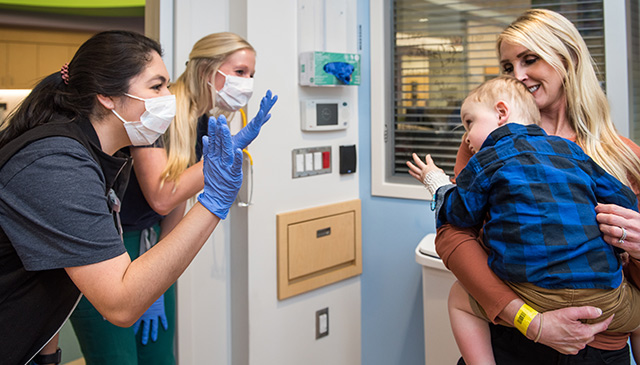
On June 12, Juliana Graves met her donor heart family with her mom, dad and brother by her side. Juliana, now 6, had a life-saving heart transplant at Texas Children’s in 2014 at just 17 days old.

The Graves family knew they would one day want to meet the family who gave their daughter the gift of life. That meeting happened last week when the Graves family met the Aguiars at LifeGift where they shared stories and memories about Juliana and the Aguiars’ son, Christopher.

Christopher’s mom, Jennifer Aguiar, also listened to her son’s heart beating inside Juliana’s chest.

“Meeting the Graves family was both beautiful and comforting,” Jennifer Aguiar said. “It’s helping me process the loss of my son.”

Riki Graves, Juliana’s mother, said her family thinks and prays about Christopher every day and that being able to meet his family was “wonderful.”

During the meeting, Juliana handed Jennifer a teddy bear and gave her a big, long hug.

“The most important thing this family has given me is Christopher’s heart,” the little girl said.

Living without a new heart was not an option for Juliana. Doctors with Texas Children’s Fetal and Heart Centers diagnosed her with a complex heart condition before she was born and initially thought she would need several heart surgeries shortly after being delivered.

Riki was already fighting a battle when she found out, at 20-weeks pregnant, that her unborn daughter might not survive. Earlier in her pregnancy, Riki was diagnosed with breast cancer and decided to pause treatment while still pregnant.

Her team of doctors at the Fetal Center monitored her pregnancy very closely. Juliana was born on April 9, 2014 and it was determined that her heart was too structurally abnormal and weak to undergo surgery. Juliana was placed on the transplant list on April 21. On April 26, at 17 days old, she received her new heart.

Dr. Jeffrey Heinle, associate chief of congenital heart surgery, led the transplant surgery, which was a success. He and Dr. Jeff Dreyer, pediatric cardiologist and medical director of heart failure, cardiomyopathy and cardiac transplantation, have been following Juliana and working with the Graves family to provide them with continuous, ongoing care.

“The Graves’ story is a remarkable one and much of it is owed to the generosity of the Aguiar family,” Heinle said. “Organ donation truly saves lives. This is a perfect example of that.”

Dreyer agreed and said it’s always nice to be part of such a happy ending.

“This mother and child have overcome so many obstacles,” he said. “Continuous monitoring for Juliana will be needed, but she is on a positive path forward thanks to her donor family and others.”

Diana Harter, assistant clinical director of nursing for transplant, was Juliana’s transplant coordinator. She said she knows the Graves family has been waiting a long time to meet their donor family and that such meetings are meaningful and healing for everyone involved.

“Donor meetings are so special to witness,” said Harter, who attended the meeting with the Graves and Aguiars last week via video conference. “They bring everything full circle.”

May 26, 2020

Amid the chaos surrounding COVID-19, Barron Shoemaker, a bright and energetic 1-year-old, got a life-saving gift – a new heart. The boy recently received a transplant at Texas Children’s Hospital where he had been waiting and cared for the past six months. He is now home in Temple, Texas. Read more

May 18, 2020

As the COVID-19 pandemic continues to dominate the news and impact our normal way of life, there is one thing that has not changed – our commitment to ensuring our patients and families have convenient access to the care they need, when they need it, while also continuing to protect their health and safety.

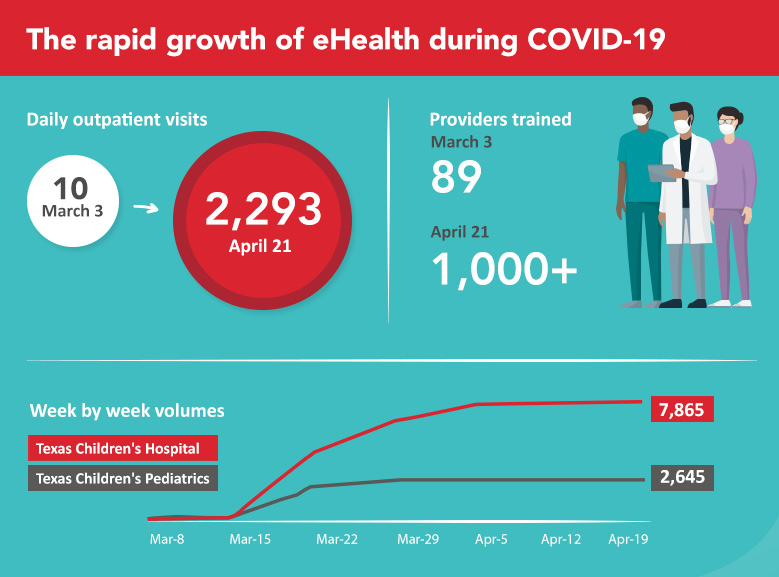
As we begin to adapt to this new normal, more in-person visits are being converted to video or phone appointments. Texas Children’s e-Health team, in collaboration with multiple departments across the system, has rapidly expanded and enhanced these e-Health services to make it easier and more convenient for patients to connect with a Texas Children’s provider without leaving their home.

In less than three months, the organization has seen a rapid growth in e-Health visits across the system. On March 2, Texas Children’s completed 39 video and telephone appointments. As of May 8, our providers had completed 72,285 telephone and video visits across Texas Children’s Hospital, Texas Children’s Pediatrics, Texas Children’s Urgent Care, Texas Children’s Health Plan and Texas Children’s® Anywhere Care. Along with this impressive milestone, over 1,000 providers have been trained to provide care through video visits to their patients across the system.

The Health Plan’s e-Health platform, Texas Children’s® Anywhere Care, which has been a major focus in the organization’s e-Health efforts, has seen an uptick in patient visits. Since launching the platform last summer, over 1,520 video appointments have been completed. A total of 750 e-Health visits were completed from March 1 to May 5 of this year.

“Our recent successes are attributed to the collaborative efforts that went into building the infrastructure that has enabled us to expand our e-Health capabilities more broadly across the system,” said Laura Laux Higgins, director of strategic projects in Information Services and member of the e-Health Executive Steering Team. “Not only did we investigate the technology solutions and invest in them, we had a team of e-Health experts in place across information security, EPIC, MyChart, billing, compliance, legal, credentialing, risk, and administrative and physician leadership who were able to help us move forward quickly because of the work they had done over the past year.”

With the demand for e-Health services on the rise due to COVID-19, Texas Children’s Heart Center, like many other subspecialties across the system, are leveraging the mutual benefits of e-Health services.

Shortly after the COVID-19 pandemic set in and local, state and federal governments asked non-essential businesses to close and residents to stay home, the Heart Center worked swiftly with physicians and staff to engage e-Health services for new and existing patients 6 months old and older who did not need to be seen in person.

Within about a week, the Heart Center was booking about half of its appointments at the Texas Children’s Medical Center Campus via video or phone. Although that number has decreased since Gov. Greg Abbott has started to reopen parts of the state, the Heart Center is still using e-Health services and is dedicated to the virtual patient care model for the foreseeable future.

“Our will to continue to work hard and keep our patients, families and staff safe has never been stronger,” said Chief of Pediatric Cardiology Dr. Daniel Penny. “e-Health is a way we can continue to serve our patients without putting them at unnecessary risk.”

All potential e-Health appointments at the Heart Center are reviewed by a pediatric cardiologist or advanced practice provider to determine whether it is clinically appropriate for a child’s appointment to be completed using one of these modes of virtual visit. If the cardiologist considers that a child’s appointment can be completed in this way, the clinic staff will contact the child’s family to provide more details and guide them through the new system.

Dr. Jeffrey Kim, director of the Arrhythmia and Pacing (Electrophysiology) Service at Texas Children’s Hospital, said his patients are good candidates for e-Health visits because they typically don’t need surgical intervention. For about a month during the pandemic, Kim said almost all arrhythmia and pacing patients were utilizing e-Health visits. Now, about half are using the service.

“Patients are very appreciative of the virtual visits,” Kim said, adding he conducted an appointment with a patient while they were standing in the middle of a field on their ranch. “They are thankful they don’t have to come in and expose themselves if they don’t have to.”

In addition to safety, Kim said e-Health services can be used to treat people in areas where there are limited pediatric cardiology services. Patients in these areas might not be able to drive into places like Houston for an appointment forgoing care altogether or seeking it in less-than-ideal places. e-Health would bring the visit to them, allowing our experts to reach more children and families.

“e-Health has a lot of benefits and possibilities,” Kim said. “I’m excited to see how it develops.”

May 13, 2020

So far, children have been relatively spared from the COVID-19 pandemic. Recently, however, the World Health Organization launched an investigation into a potential link between the disease and a severe inflammatory response that’s being seen in a small number of children across the world.

The symptoms have many of the characteristics of Kawasaki disease, an inflammatory condition experts at Texas Children’s have treated for decades. Our cardiologists, hospitalists and experts in inflammatory diseases, such as rheumatologists and immunologists, see about 100 children with Kawasaki disease each year.

“We believe our expertise in cardiology and rheumatology combined with our vast experience in critical care, patient isolation and infectious diseases will serve us well if we’re required to run toward this new COVID-associated problem,” said Chief of Pediatric Cardiology Dr. Daniel Penny. “We are ready for this.”

Penny, Chief of Critical Care Dr. Lara Shekerdemian, Chief of Rheumatology Dr. Eyal Muscal, and Special Isolation Unit Medical Director Dr. Amy Arrington answer some top-of-mind questions about this new condition, how it’s affecting children and how Texas Children’s can help.

What is Kawasaki disease?
Dr. Penny
Kawasaki disease is a condition that was first described in Japan by Tomisaku Kawasaki in 1967. The first cases outside of Japan were reported in the mid-1970s. About three-quarters of cases occur in children under the age of 5 years and it is more common in boys than girls. Although it may be more frequently found in Asian-American children, it does occur in children of all ethnicities.

What are the signs of Kawasaki disease?
Dr. Penny
The common features of Kawasaki disease are high fever, rash on the chest, back and abdomen, red eyes or conjunctivitis, swelling and inflammation of the mouth, lips and throat, enlarged lymph glands in the neck, and redness and swelling of the hands and feet. Abdominal pain can also occur and appears to be common in recent reports of this condition associated with COVID-19. One particularly important complication of Kawasaki disease is that it can result in damage to arteries, including the coronary arteries, which supply the heart muscle itself. This results in the weakening of the arterial wall causing it to balloon out in a so-called aneurysm. Sometimes clots can form in these aneurysms which can block the artery. While in most children the aneurysms resolve over time, in some, scarring and narrowing can remain. If the artery blocks, it can lead to a heart attack. Another important complication of Kawasaki disease is that it can result in inflammation in the heart muscle directly, which can also impair its function.

What is the relationship between COVID-19 and Kawasaki disease?
Dr. Penny
What is becoming apparent is that the onset of this Kawasaki-like syndrome in a community appears to lag behind the appearance of COVID-19, which supports the idea that it is not the infection itself, but rather the body’s response to it that’s important. This condition was recognized earlier in Europe than in the U.S., where the onset of the community infection was later. What is also intriguing is that the incidence of Kawasaki disease in Japan, where the incidence is usually highest, does not appear to have increased during the coronavirus pandemic. This could potentially mean the precise genetic mechanisms which predispose to usual Kawasaki disease may differ from those for COVID-associated Kawasaki disease. In some children, it appears that the abnormal immune response results in severe multiple organ failure with circulatory collapse, or shock, so what we are really seeing is a spectrum of related conditions, which are all likely to result from an abnormal immune response to a primary infection with COVID-19.

How big of an issue is this?
Dr. Shekerdemian
Right now we don’t have an accurate picture of quite how big a problem this is or how big it’s actually going to be. But obviously as we gain more information from overseas and now from the United States, we’re becoming hyper vigilant so that we don’t miss potential cases that are coming in our direction. Last week, the UK reported around a dozen cases, and every day we’re hearing of more reports from the European epicenters, typically the United Kingdom and Spain. And now over the past few days from the east coast of the US as well.

What types of symptoms do these children have?
Dr. Shekerdemian
Children with this new inflammatory syndrome can present with fever, inflammation, abdominal pain, diarrhea, but sometimes they’re very sick and they have what we call shock. And this means that the heart and circulation can be affected as well. It’s important to know that not all children are critically ill, but we do know that in the extreme, some have required intensive care and very intensive therapies, and even life support.

What types of treatments are there for these patients?
Dr. Muscal
We treat severe inflammation and Kawasaki disease with a few approaches. One is getting the right experts involved to ensure that we make the right diagnosis. And then there’s a variety of interventions and medications we use to dampen the immune response. One of them is called intravenous immunoglobulins from pooled donors. And then there’s a variety of other medications like steroids, like we use for asthma, or other medications we use in rheumatic diseases to turn off the inflammation and sustain the normal immune response.

How prepared is Texas Children’s to care for one of these patients?
Dr. Shekerdemian
At Texas Children’s, we have all of the right specialists ready to care for these patients. If a child like this came to our Intensive Care Unit, we would bring together intensive care specialists, cardiologists, surgeons, and specialists in rheumatology, infectious diseases and immunology. That really gives us a wonderful team to investigate and treat the children as aggressively as needed to ensure they have the best possible outcome.

How would Texas Children’s Special Isolation Unit be used?
Dr. Arrington
Five years ago during the unprecedented Ebola outbreak in the US, Texas Children had the foresight to create a very special, one-of-a-kind pediatric bio containment unit to care for any child with any highly infectious pathogens, such as SARS, Ebola or, now COVID-19. The unit has HEPA filtration, special visualization with large windows, cleanable surfaces and pass through boxes, its own laboratory and its own autoclaves for biohazardous trash. The unit is run by a team of nurses from all over the organization, as well as physicians and advanced practitioner providers. We also have laboratory personnel, respiratory therapists, and even security staff trained to take care of these patients and their families. Between the unit itself, the team that runs it and other expert resources throughout our system, Texas Children’s is incredibly prepared to give children with this condition or others caused by highly infectious pathogens the highest quality of care.

May 11, 2020

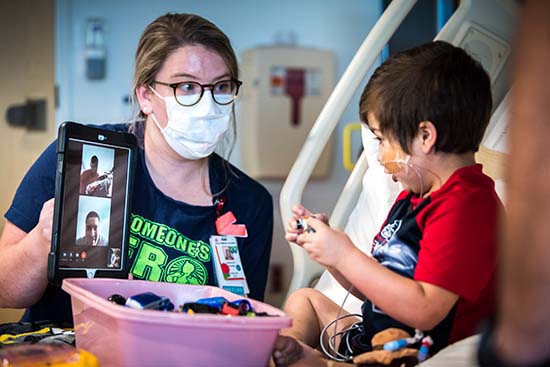
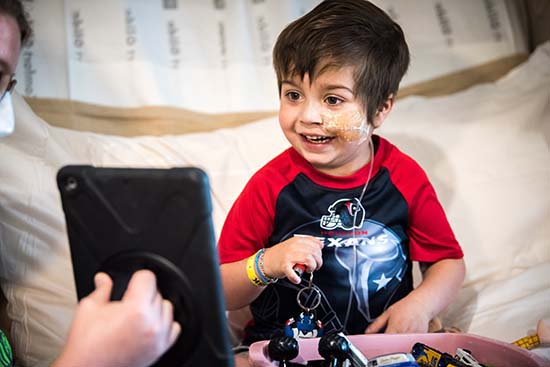
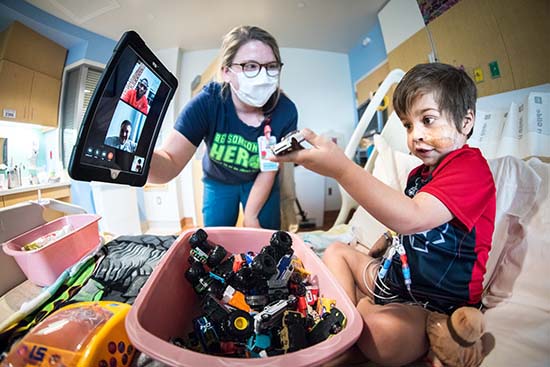
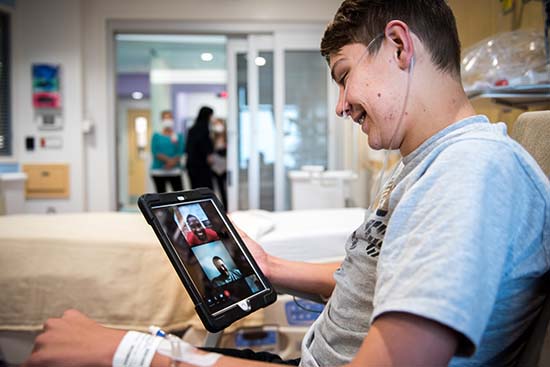
As the Official Children’s Hospital of the Houston Texans, Texas Children’s receives frequent visits from the football team’s players throughout the year. These visits infuse an element of fun in what can be a long stay for many of our patients.

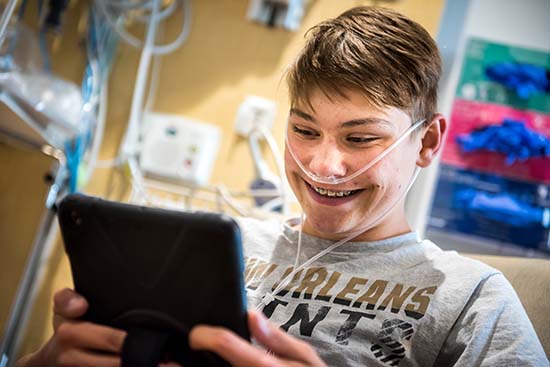
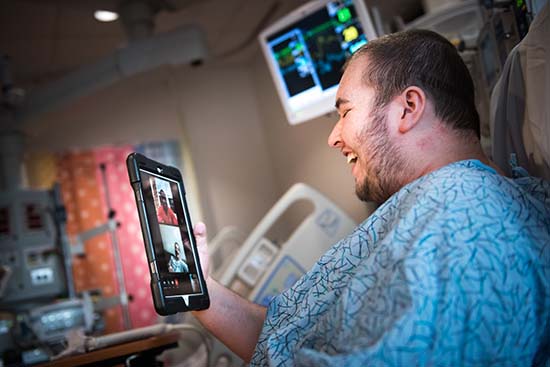
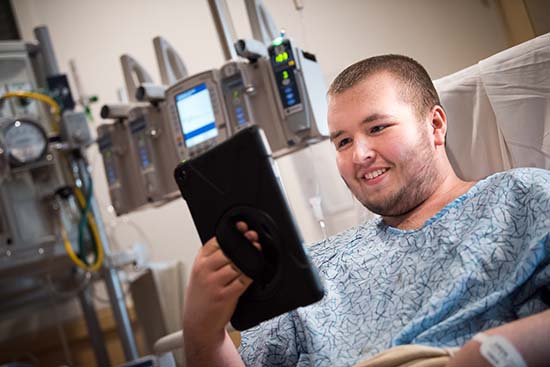
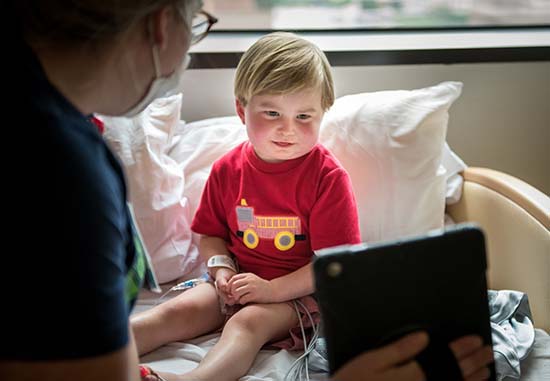
Although the COVID-19 pandemic has halted physical visits to the hospital, it hasn’t stopped the Texans from reaching out to our patients and providing them with a dose of much-needed joy during these uncertain times.

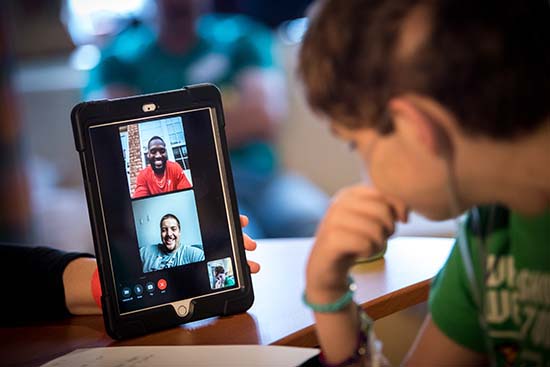
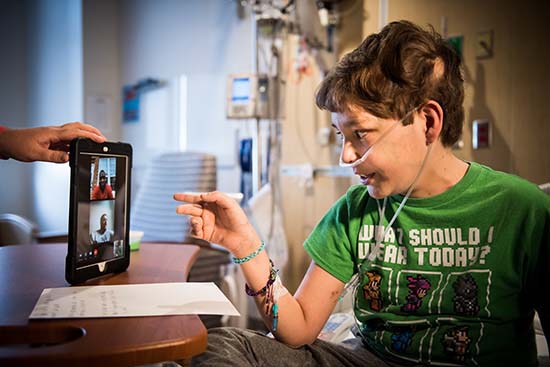
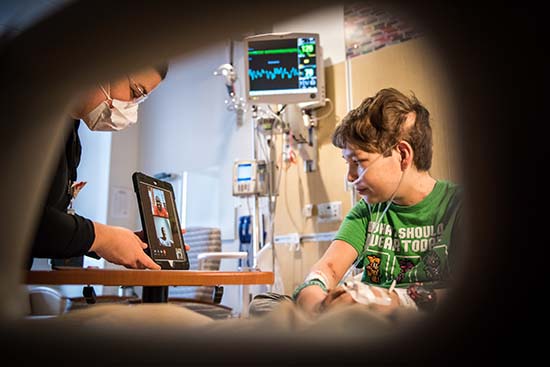
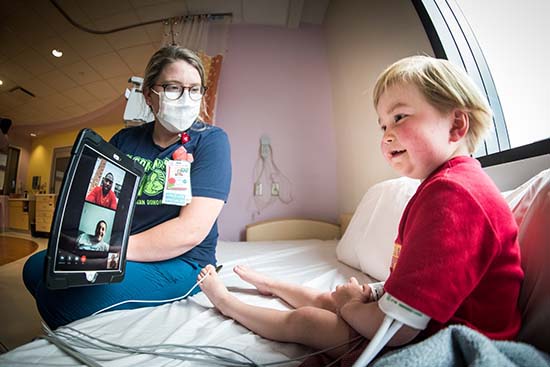
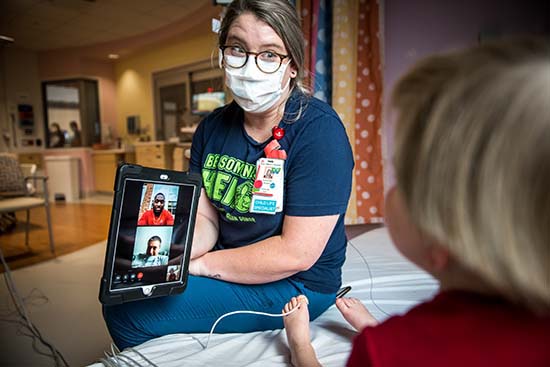
On May 5, Texans players Greg Mancz and Tyrell Adams surprised Texas Children’s Heart Center patients with a very special virtual visit. They chatted with patients over FaceTime about everything from Texas BBQ to who can run the fastest. According to Adams, Mancz is the one with the speed.

Although these lighthearted conversations looked different because of COVID-19, they still brought many smiles to patients who are looking for ways to break up the daily hospital routine.

View photos from the virtual visit with the players below.

We all are looking forward to future visits from our partners and friends with the Houston Texans.

April 22, 2020

Lauren Salinas, a clinical specialist in the cardiac intensive care unit, shares how her experience participating in an intubation simulation is helping her and other nurses prepare for what to expect when caring for potential COVID-19 patients during high-risk procedures. Read more