Elizabeth Ellen “Betsy” Parish, journalist and author of Texas Children’s history book, Legacy: 50 Years of Loving Care, Texas Children’s Hospital, 1954-2004, died at her home on Tuesday, February 13. At 71, she left behind a legacy of her own with her passion for documenting and preserving the history of health care in Houston.
Parish is a native Houstonian, earning a college degree in Journalism from the University of Houston. She used her journalistic skills to become a newspaper columnist and public relations executive, eventually being acknowledged as “Houston’s hot media personality.”
Upon writing Legacy for our hospital, she was given the opportunity to produce historic literature for other medical institutions. She co-authored Houston Hearts: A History of Cardiovascular Surgery and Medicine and The Methodist DeBakey Heart & Vascular Center, published in 2014, as well as, Reflections – Houston Methodist Hospital, published in 2016.
Most recently, she edited Tributes, a compilation of previously published articles regarding Dr. Michael DeBakey, which was published in 2017.
Texas Children’s is appreciative of her contribution to the documentation of our hospital’s story, and we will continue to remember her as her name lives on the cover and throughout our history book.
A memorial service in celebration of the life of Elizabeth Ellen Parish is to be conducted at eleven o’clock in the morning on Friday, the 23rd of March, at St. Martin’s Episcopal Church, 717 Sage Road in Houston.
In lieu of flowers and customary remembrances, memorial contributions may be directed to The Betsy Parish Fund, c/o The Parish School, 11001 Hammerly Blvd., Houston, TX 77043.
February 14, 2018
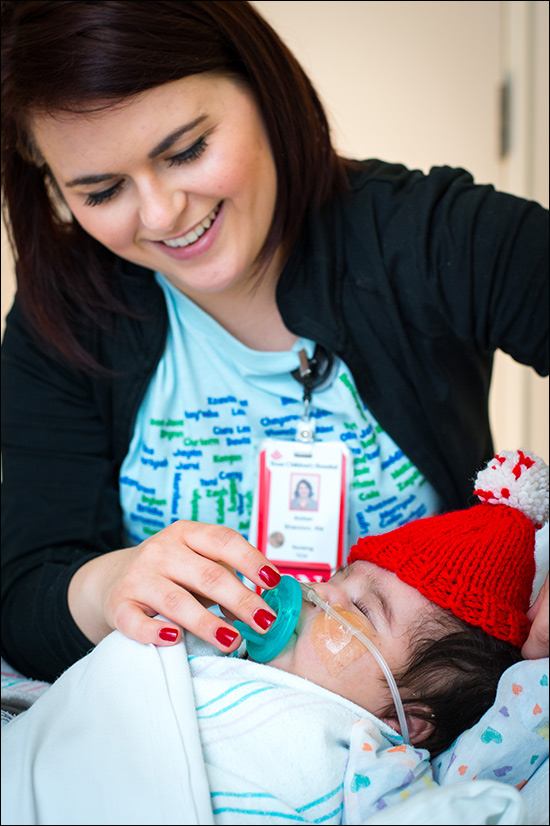
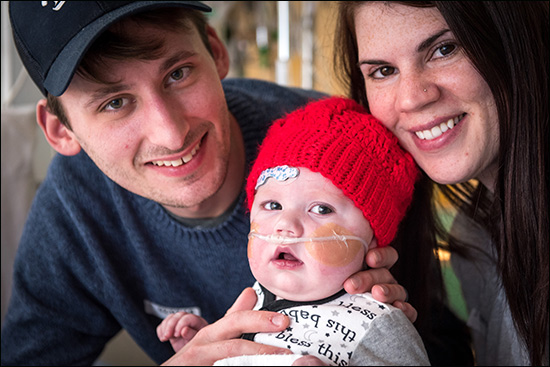
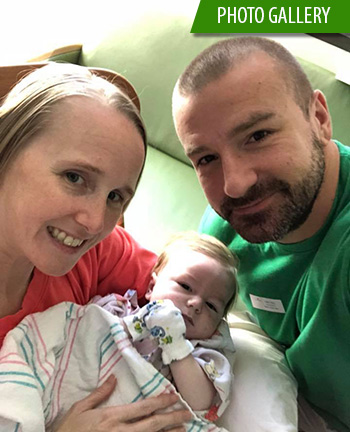
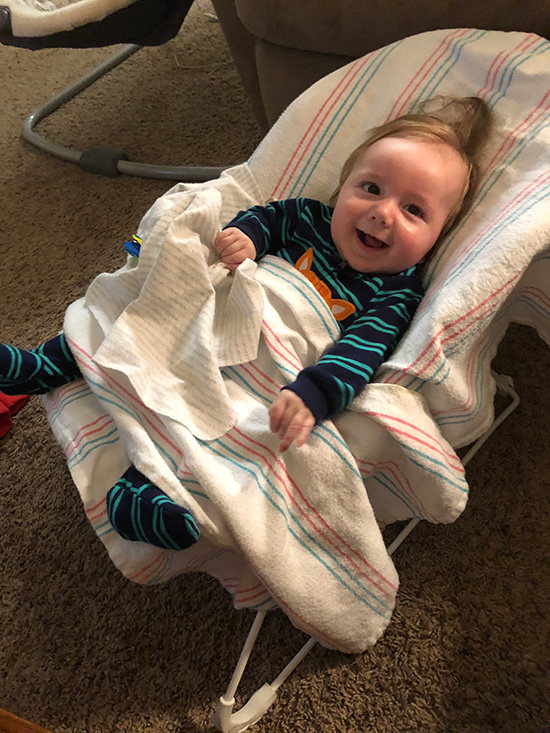
Two-month-old Finley Sloan got a special visit from her interventional cardiologist Dr. Aimee Liou last week when she walked into her room on the 15th floor of the Heart Center carrying a tiny red knit hat.
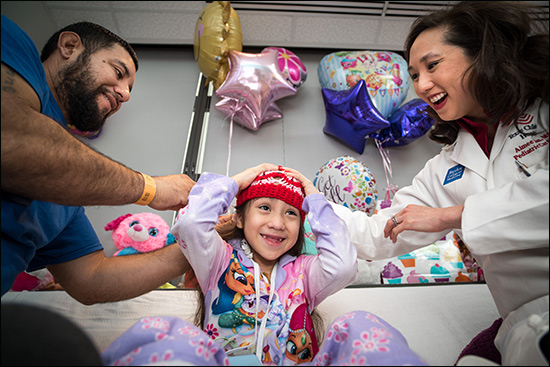
Liou, a self-taught knitter, made the hat herself in honor of National Heart Awareness Month and chose to give it to Finley, who has been a patient at Texas Children’s since she was born. The hat fit the little girl’s head perfectly.
“I am thrilled to be able to serve patients in this capacity,” Liou said. “To be able to show them kindness, compassion and warmth on top of giving them the best possible clinical care is really special.”
In addition to Liou, several other Texas Children’s staff and friends of the Heart Center crafted hats for patients in recognition of Heart Month, a time focused on heart health and the seriousness of cardiovascular disease, which claims the life of one person every 38 seconds in America.
Congenital heart defects are the most common form of cardiovascular disease in children and are the top congenital abnormality. Affecting one out of every 1,000 newborns, more than 35,000 babies in the United States are born with congenital heart defects each year.
To shine a light on these statistics and the work done at Texas Children’s to prevent and treat heart disease, almost 50 hats in various shades of red and pink have been handed out this month to patients of all ages at the Heart Center. Pediatric Cardiologist Dr. Judith Becker made close to 30 of the hats.
A long-time knitter and crocheter, Becker stopped her craft in the early 2000s because of carpal tunnel syndrome. She had corrective surgery in 2010 but was not motivated to pick up her needles again until this year when she learned about the effort to knit hats for patients at the Heart Center to highlight Heart Month.
“It was a great reason to get started again, and I had a great time,” Becker said. “It’s always nice to be able to do something extra for our patients.”
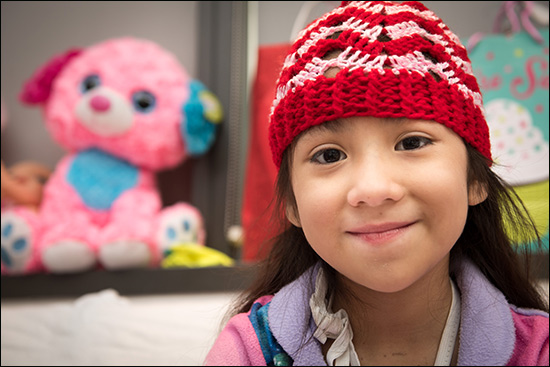
The patients who received the hats were extremely appreciative of the generous gesture. Finley and 8-year-old Stephanie Villafuerte, were all smiles after donning their new festive attire, and may others expressed their gratitude.
Both Liou and Becker said they hope the knitting circle continues to generate hats for patients treated at the Heart Center.
“I would like to see this continue,” Liou said. “It’s a great way to demonstrate our family-centered care.”
For more information on our Heart Center, click here.
February 13, 2018
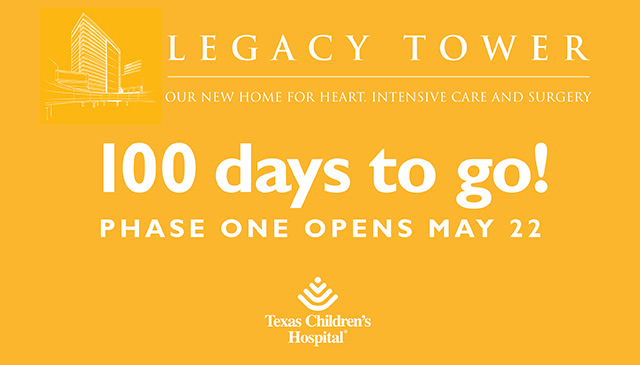
The countdown has begun! February 11, marked 100 days until the first phase of Legacy Tower officially opens at Texas Children’s Hospital Texas Medical Center campus.
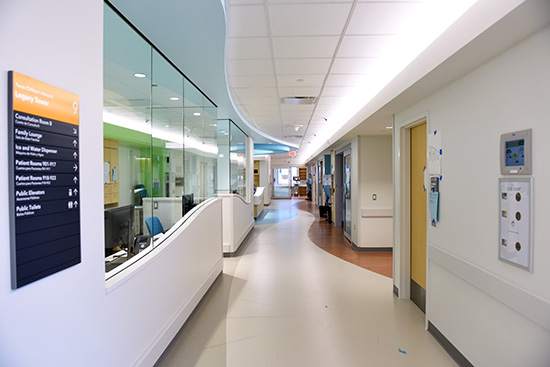
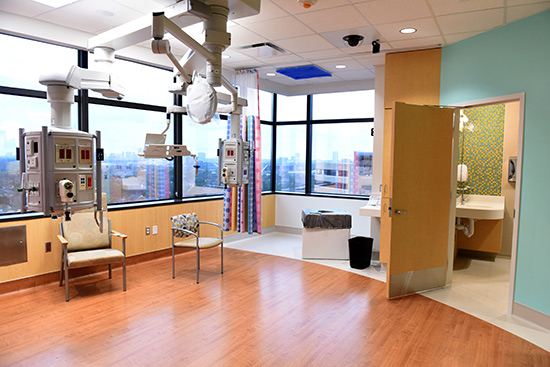
Through this 408-foot vertical expansion, Texas Children’s is adding 657,000 square feet. When Legacy Tower opens its doors to patients and families on Tuesday, May 22, the tower will house new operating rooms with one intraoperative MRI, as well as a new pediatric intensive care unit (ICU), which will span four floors and open with six ORs and 84 ICU beds, including dedicated surgical, neuro and transitional ICU beds.
When the second phase of the Legacy Tower opens in fall 2018, the tower will be the new home of Texas Children’s Heart Center® – ranked No. 1 in the nation by U.S. News & World Report in cardiology and heart surgery. The Heart Center will have an outpatient clinic, four catheterization labs with one intraprocedural MRI, cardiovascular intensive care unit, four cardiovascular operating rooms and cardiology acute care beds. The tower will also have a helistop, allowing for even greater access to Texas Children’s most critically ill patients.
Texas Children’s Legacy Tower team and its external partners have made significant progress to date, including some of our most recent construction, staffing and activation milestones listed below:
Completion of mid-construction simulation-based clinical systems test for the OR/MRI. Detailed simulation and training planning to support the opening of Phase One.
Garage 21 enhancements and reconfiguration to serve both the Pavilion for Women and Legacy Tower to improve traffic flow and wayfinding, increase public parking capacity and create clear access to the Pavilion and Legacy Tower elevators.
Recruitment efforts have been progressing well. Nearly half of the 871 positions for Legacy Tower have been filled. The remaining positions are being actively recruited.
Furniture as well as medical and technology equipment deployment is underway in Legacy Tower.
Texas Children’s also launched a new Legacy Tower website (www.legacytower.org) that features a countdown clock to opening day. The newly designed site provides highlights of all of the services housed in the new tower including a timeline of the phase one and phase two openings of Legacy Tower.
Other exciting milestones on the horizon include the delivery of our intraoperative MRI for Legacy Tower on February 18 and the anticipated arrival of our new Legacy Tower therapy dog, thanks to a generous gift from Texas Children’s CEO Mark Wallace and his wife Shannon in memory of their beloved dog, Cadence.
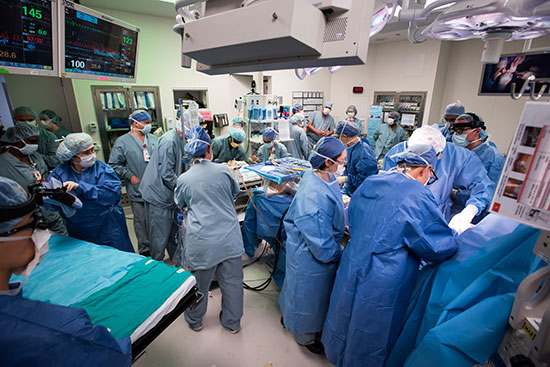
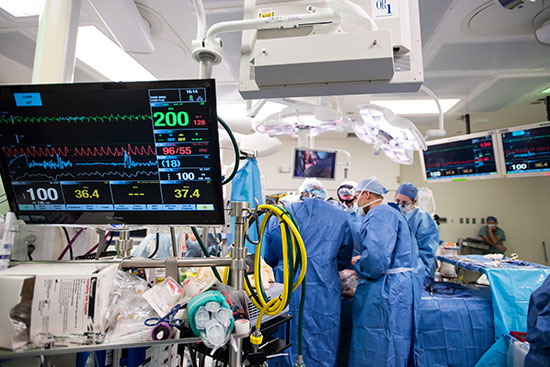
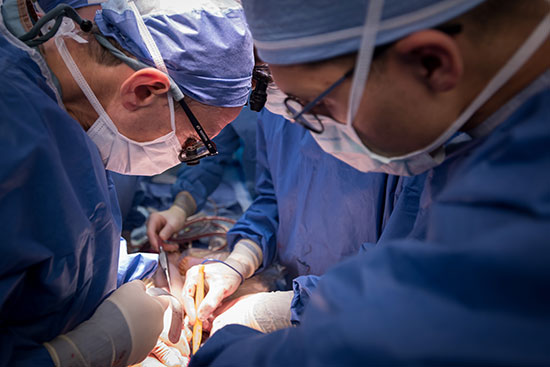
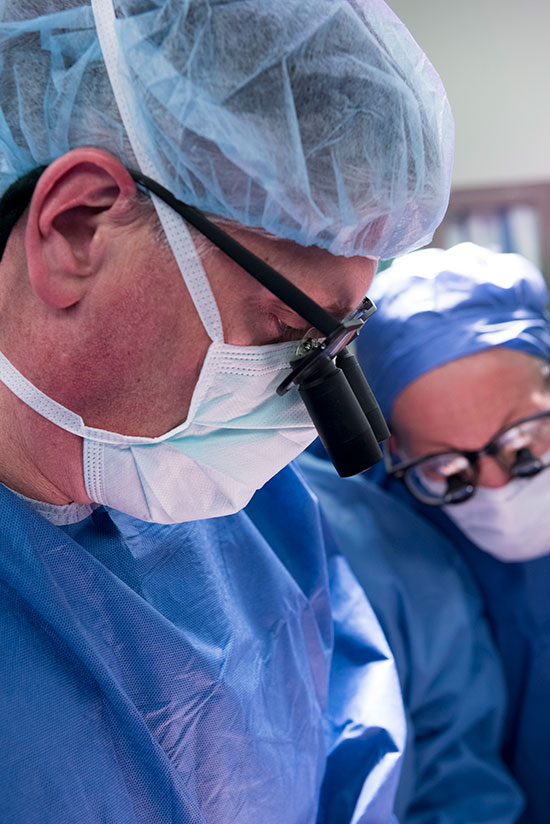
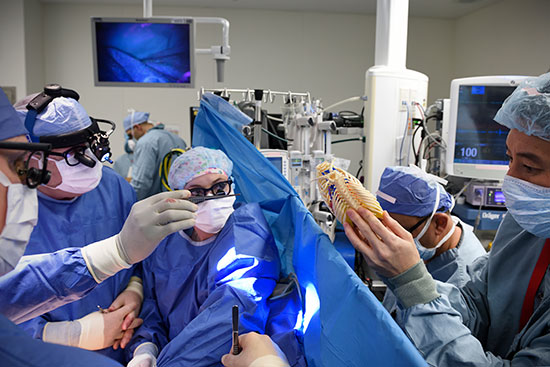
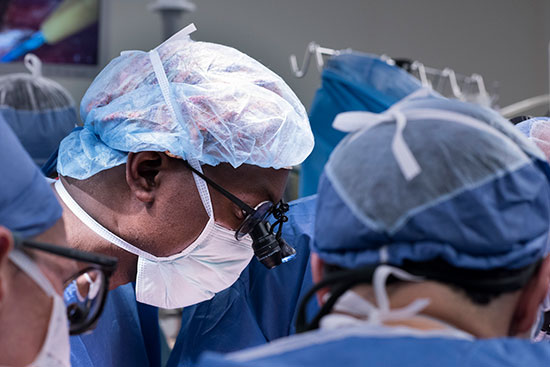
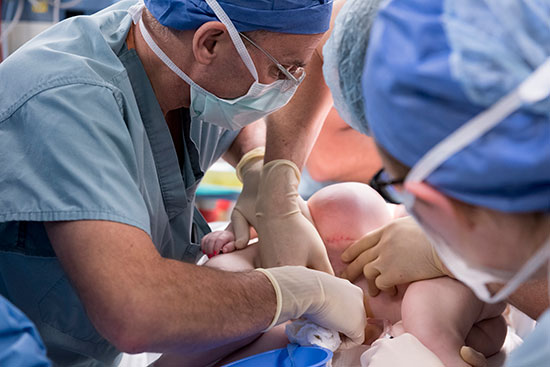
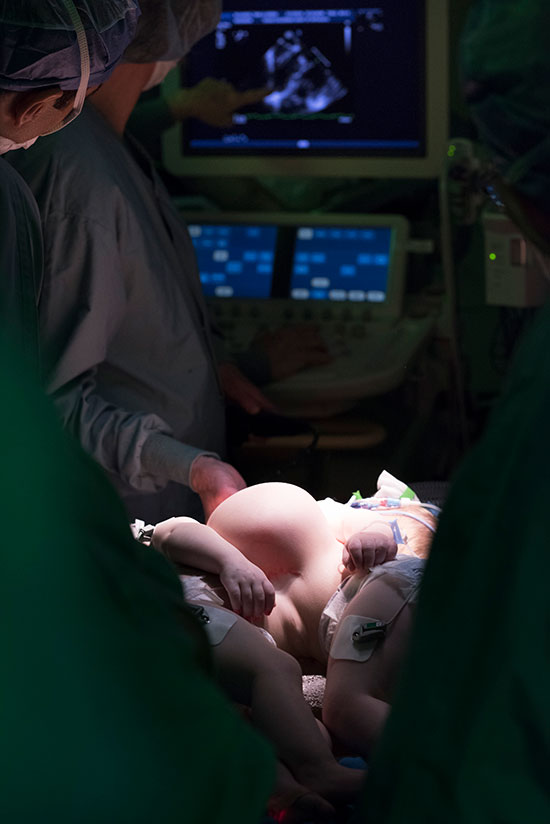
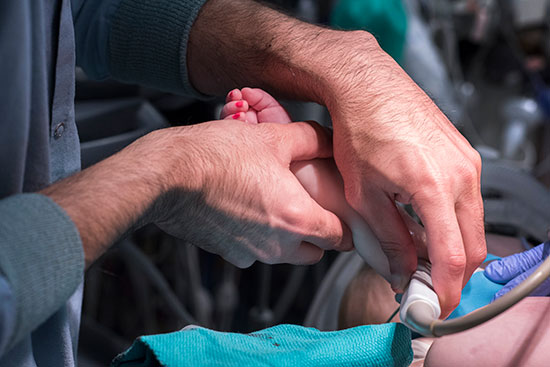
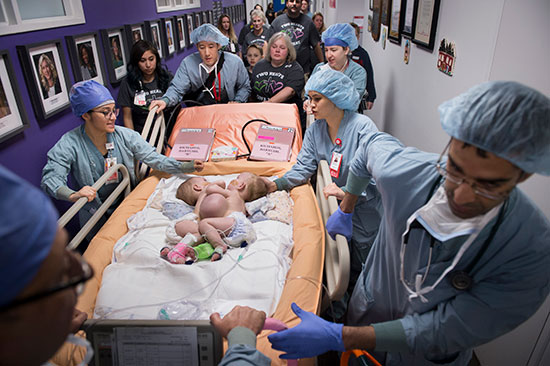
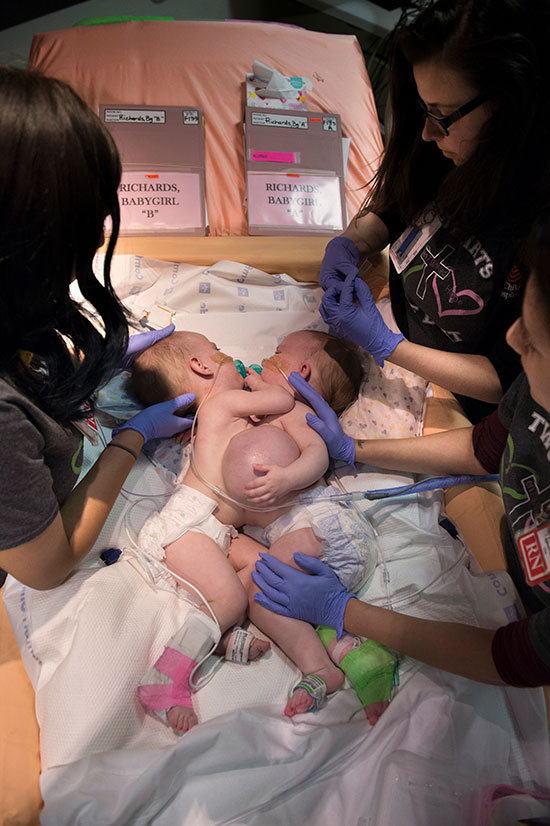
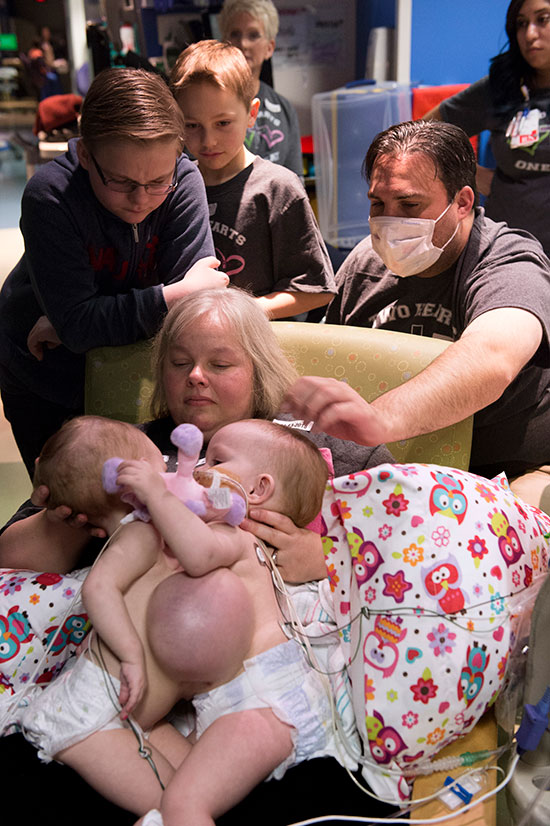
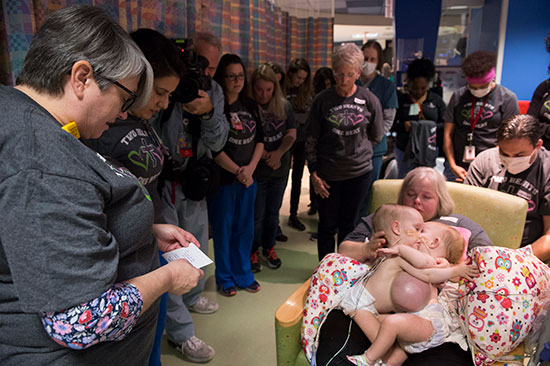
On January 13, Texas Children’s successfully performed its fourth conjoined twins separation, giving identical twin girls Anna Grace and Hope Elizabeth Richards a chance at a normal life.
The 7-hour procedure was performed by a multidisciplinary team of nearly 75 surgeons, anesthesiologists, cardiologists and nurses from eight specialties. Click here to see a list of surgeons, clinicians and nurses in the operating room during the milestone procedure, and here to view a photo gallery documenting the twins’ journey the day of their separation.
“The success of this incredibly complex surgery was the result of our dedicated team members’ hard work throughout the last year,” said Surgeon-in-Chief and Chief of Plastic Surgery Dr. Larry Hollier. “Through simulations and countless planning meetings, we were able to prepare for situations that could arise during the separation. We are thrilled with the outcome and look forward to continuing to care for Anna and Hope as they recover.”
The girls were born on December 29, 2016, at Texas Children’s Pavilion for Women to their parents Jill and Michael, and two older brothers Collin and Seth. Weighing a combined 9 lbs. 12 oz. and delivered via Caesarean-section at 35 weeks and five days gestation, Anna and Hope were conjoined at their chest and abdomen, through the length of their torso and shared the chest wall, pericardial sac (the lining of the heart), diaphragm and liver. In addition, they had a large blood vessel connecting their hearts.
The Richards family, from north Texas, learned Jill was carrying conjoined twins during a routine ultrasound. The family was then referred to Texas Children’s Fetal Center, where they underwent extensive prenatal imaging, multidisciplinary consultation and development of plans to achieve a safe delivery and postnatal care. They temporarily relocated to Houston in order to deliver at Texas Children’s and be close to the girls during their hospital stay. For the past year, Anna and Hope have been cared for by a team of specialists in the level IV and level II neonatal intensive care unit (NICU).
Planning and preparation
During much of that time, medical staff prepared for the separation, using extensive imaging with ultrasound, echocardiography, CAT scans, magnetic resonance (MRI) and even a virtual 3-D model of the girls’ anatomy. Closer to the surgery date, almost 50 medical personnel involved in the procedure participated in a lengthy simulation of the separation.
“These are the kind of procedures you plan for the worst and hope for the best,” said Pediatric Surgeon and Co-Director of Texas Children’s Fetal Center Dr. Oluyinka Olutoye. “We were blessed that this was the best case scenario. Everything went very well. The procedure was as well as we could have hoped.”
The Richards family is grateful to Texas Children’s for the care provided to their daughters since they found out they were expecting conjoined twins.
“We’ve thought about and prayed for this day for almost two years,” said the girls’ mom, Jill Richards. “It’s an indescribable feeling to look at our girls in two separate beds. We couldn’t be more thankful to the entire team at Texas Children’s for making this dream come true.”
Anna and Hope are recovering in the CVICU and expect to be released to a regular room soon. Both girls will face additional surgeries in the future to ensure their chest walls are stabilized. Otherwise, doctors expect them to lead normal lives.
“What we try to do here at Texas Children Hospital is essentially provide our patients with as normal of a life as we can,” said Pediatric Plastic Surgeon Dr. Edward Buchanan. “I think in this case with these two little girls we were able to achieve that.”
A history of success
The Richards separation is the fourth conjoined twins separation performed at Texas Children’s. The first pioneering procedure occurred February 16, 1965, when a team of surgeons separated 9-week-old conjoined twins Kimberly and Karen Webber. The Webber twins were connected at the liver and pericardium. The second separation happened on June 9, 1992, when Texas Children’s surgeons successfully separated Tiesha and Iesha Turner, who were 1 year old and shared a sternum, liver, entwined intestines and fused organs.
The third conjoined twins separation happened nearly three years ago on Feb. 17, 2015, when a team of more than 40 clinicians from seven specialties separated 10-month old Knatalye Hope and Adeline Faith Mata during a marathon 26-hour surgery. The twins were connected from the chest to the pelvis and shared a chest wall, pericardial sac, diaphragm, liver, intestinal tract, urinary system and reproductive organs. Today, Knatalye and Adeline are almost 4 years old and are doing very well, walking, talking, even learning how to ride a bike.
Since Texas Children’s opened its doors in 1954, multiple sets of conjoined twins have been referred to the hospital for consideration. However, in many of these cases, separation was not medically possible. Olutoye, who has participated in five conjoined twins’ separation surgeries, two at Texas Children’s Hospital and three at the Children’s Hospital of Philadelphia, said he and a team of experts from various specialties look at every case very closely and consider many factors before deciding how to move forward.
“Separating conjoined twins takes a tremendous commitment,” Olutoye said. “We all are privileged and honored to be part of each and every case, especially the ones where we can help.”
For nearly 17 years, Maryann Macey has volunteered with the Blue Bird Circle Clinic for Pediatric Neurology at Texas Children’s Hospital – an opportunity that she describes as very rewarding.
“It is amazing to see all of the progress our organization has made in advancing research to help our physicians at the Blue Bird Circle Clinic diagnose and treat patients with neurological diseases,” Macey said. “It is an honor to be a Blue Bird volunteer and work with such an outstanding group of women.”
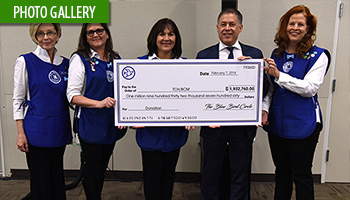
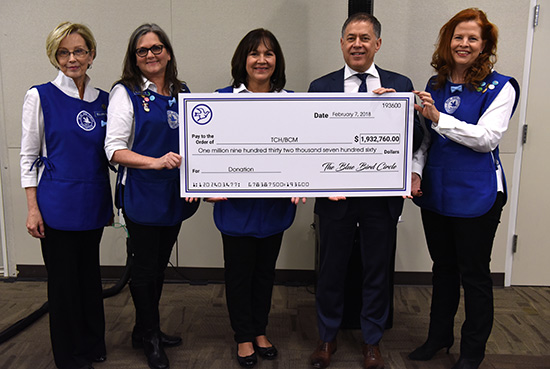
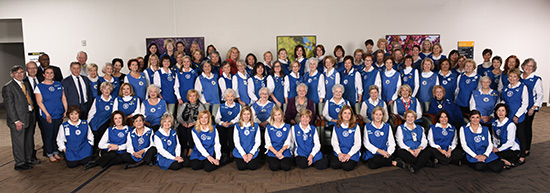
On February 6, Macey and 100 Blue Bird members including many of Texas Children’s employees, staff and leaders, attended a special luncheon at the Pavilion for Women to celebrate the Blue Bird Circle’s 95th birthday. The event included a $1.9 million check presentation from the Blue Bird Circle to Texas Children’s and Baylor College of Medicine. A large portion of this gift will support neuroscience research and training.
Since 1998, the Blue Bird Circle has supported the Clinic for Pediatric Neurology at Texas Children’s with millions of dollars in grants, as well as thousands of volunteer hours. Blue Bird volunteers devote countless hours at the Clinic and The Blue Bird Circle Resale Shop which has helped to raise awareness in the community about pediatric neurological disorders and highlight the incredible work being done at Texas Children’s to improve the quality of life for neurology patients.
“The words, “Blue Bird Circle,” are synonymous with its members’ generosity, volunteerism, commitment and dedication,” said Texas Children’s CEO Mark A. Wallace. “Members of the Blue Bird Circle have been the catalyst for so much of what has happened in pediatric neurology in the past 20 years. The care we provide, the research we conduct because of the Blue Birds benefit the patients we serve here and children with neurological conditions all over the world.”
During the luncheon, Dr. Gary Clark, Chief of Neurology and Developmental Neuroscience, spoke about the tremendous growth of the neuroscience program at Texas Children’s and shared examples of the research progress that has been made through our partnership with the Blue Bird Circle. To treat patients with an enzyme deficiency in the form of Batten disease, Texas Children’s is one of the few sites that provides therapy to these patients by surgically injecting the synthesized enzyme directly into the brain thereby halting this degenerative form of Batten disease. Texas Children’s also is using novel approaches to treat patients with spinal muscular atrophy, a disease of the nervous system where the spinal cord degenerates due to defects in the SMN1 gene. The treatment involves injecting a DNA molecule into the spinal fluid that turns latent gene into an effective one that makes the deficient protein.
“We are contemplating similar treatments for Angelman and Rhett syndromes,” Clark said. “We are so grateful to Texas Children’s Blue Bird Circle Research Center in collaboration with the Jan and Dan Duncan Neurological Research Institute at Texas Children’s for helping us make these research breakthroughs possible, and I am excited about what the future holds for pediatric neurology.”
Guest speakers at the event also included Dr. Charles Gay, medical director of Neurology at Texas Children’s Hospital West Campus, and Dr. Robert Zeller, medical director of the Blue Bird Circle Clinic for Pediatric Neurology. Texas Children’s Chief of Palliative Care Dr. Tammy Kang delivered the keynote address on the interdisciplinary palliative care program and how it supports patients and their families.
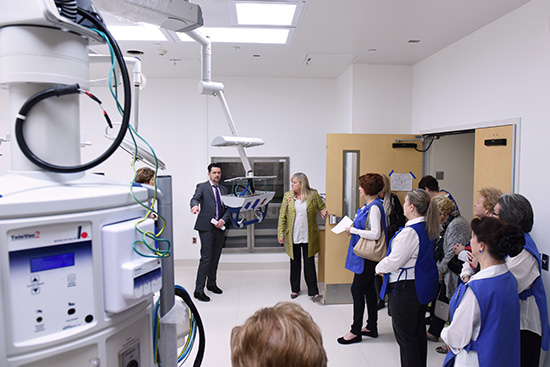
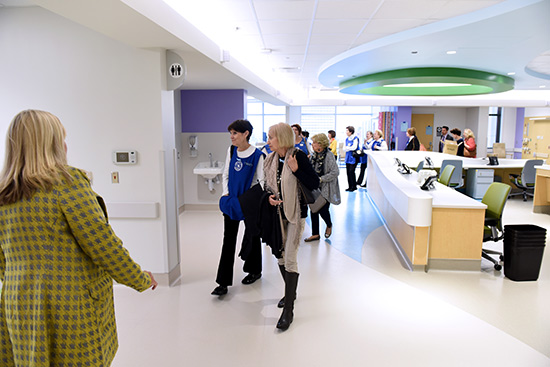
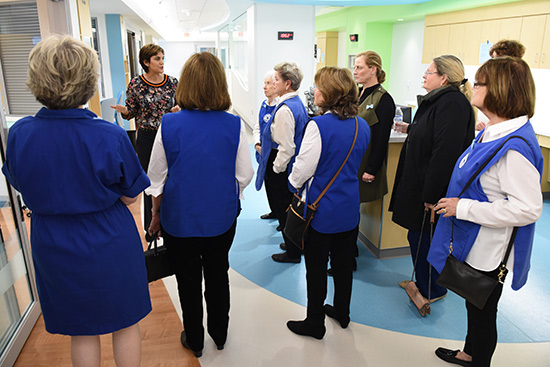
Prior to the luncheon, the Blue Bird members met with neurosurgeon Dr. Daniel Curry and Chief of Critical Care Dr. Lara Shekerdemian to tour different sections of the Legacy Tower which will open on May 22.
For more information about Blue Bird Circle, click here.
Transplant teams with Texas Children’s Hospital performed 112 solid organ transplants in 2017, the most in the history of Texas Children’s Transplant Services.
The liver and the kidney transplant programs were the busiest with 42 liver transplants and 32 kidney transplants completed last year. The heart program completed 28 transplants in 2017 and the lung program finished with 10, including one transplant in a patient under the age of one. There were only three such transplants in the United States last year.
“I’m very proud to be working with a team so dedicated to providing the best possible outcomes for our patients,” said Dr. John Goss, medical director of Transplant Services. “This milestone demonstrates that Texas Children’s continues to earn its reputation as one of the best pediatric transplant programs in the country, and is a testament to the skill and commitment of our multidisciplinary team.”
Since its inception, Texas Children’s Transplant Services has grown at a steady pace and is now one of the largest pediatric transplant programs in the nation. Along the way, the transplant teams have hit many milestones: performing 98 solid organ transplants in 2014, completing four kidney transplants over the course of 18 hours in 2016, and in 2017, performing 112 transplants, a record number for the team, boosting its total number of transplants to more than 1,500.
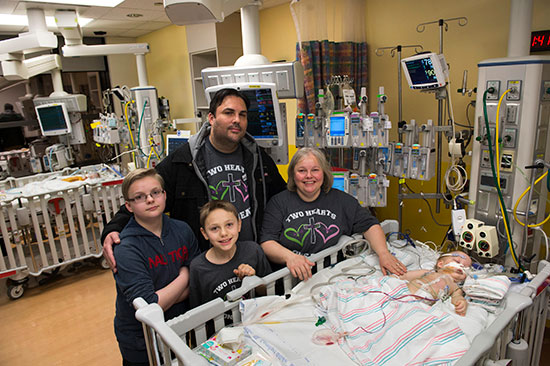
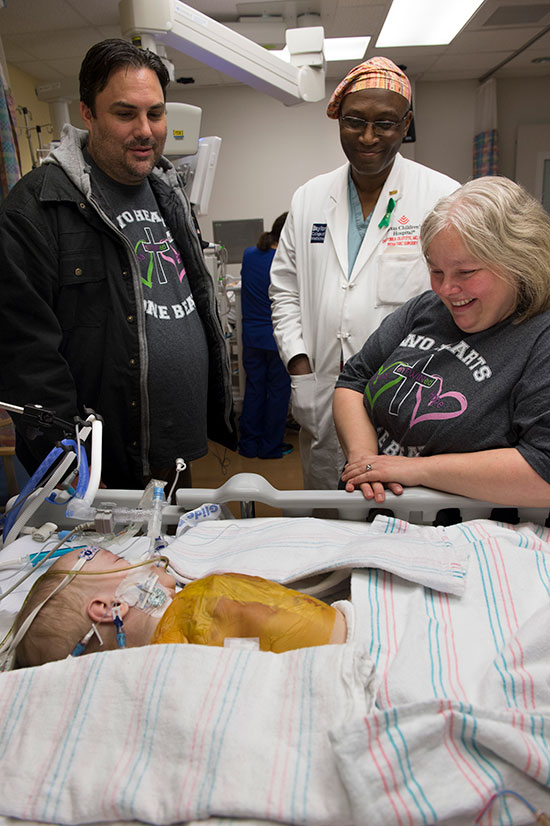
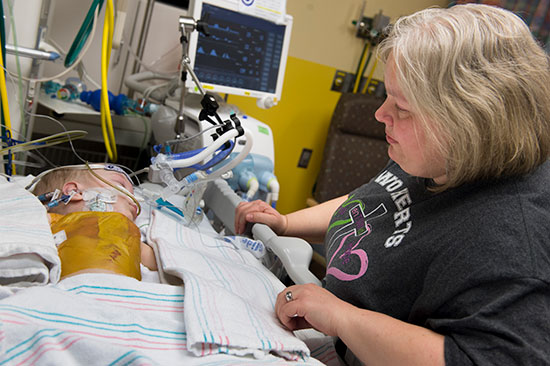
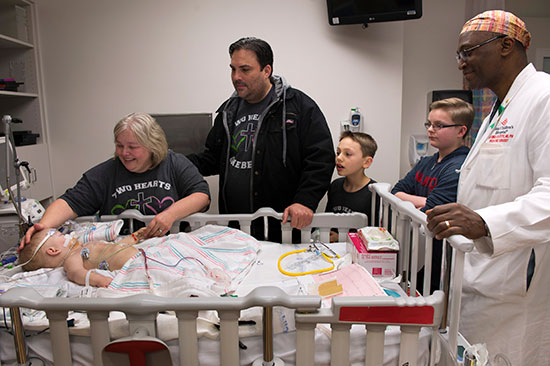
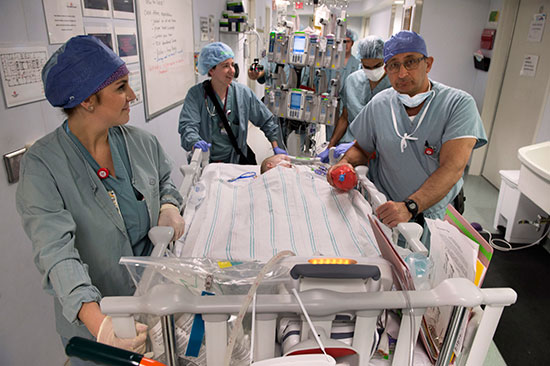
One of the recipients of last year’s 112 transplants was 4-month-old Carter Kraft. Born on June 10, 2017, at a hospital in his home state of Florida, Carter immediately cried loudly, but nurses noticed fluid on his lungs. After a nerve-racking few weeks waiting for answers as to what was causing breathing issues for their son, Carter’s parents, Jennifer and Matt Kraft, were told their son had a rare genetic disorder called ABCA3 Surfactant Protein Deficiency, which prevented his lungs from being able to absorb oxygen. The only treatment for the disorder is a double lung transplant.
Carter was transferred to Texas Children’s Hospital on August 16 because our transplant teams have the depth of skill and unique qualifications to treat patients from newborns to young adults in need of a heart, kidney, liver and lung transplant. In particular, the hospital’s Lung Transplant Program offers a median wait time of less than four months and is one of only two institutions performing 10 or more pediatric lung transplants each year.
Carter spent time in the Neonatal Intensive Care Unit (NICU) before undergoing a procedure to repair a patent ductus arteriosus (PDA) of his heart. Then, on October 27, Carter underwent the double lung transplant he needed with Dr. Jeff Heinle, interim chief of congenital heart surgery at Texas Children’s.
Now, 12 weeks post-transplant, Carter is doing well and his family is looking forward to returning home to Florida soon.
“We are so pleased that we were able to help Carter and that he is doing so well,” Heinle said. “We are fortunate to work at Texas Children’s Hospital where we have the resources to provide this kind of specialized care to complex, challenging patients.”
For more information on Texas Children’s Transplant Services, click here. To watch a story on KHOU-TV Channel 11’s about Texas Children’s Transplant Services milestone, click here.
February 6, 2018
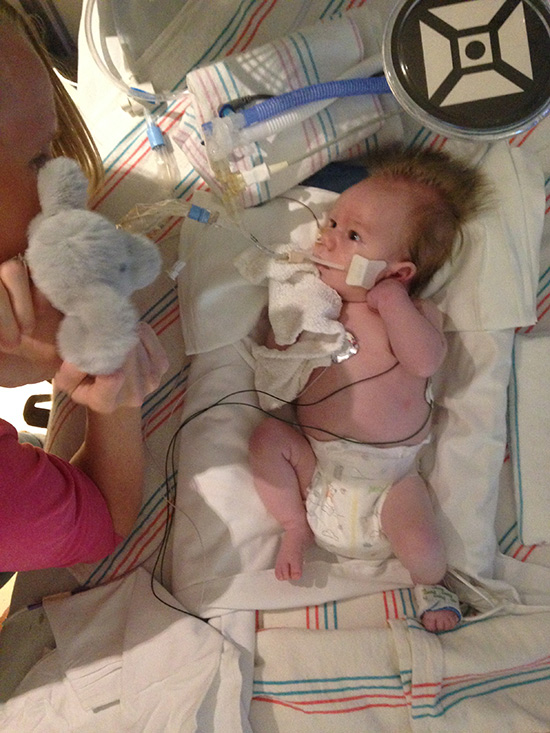
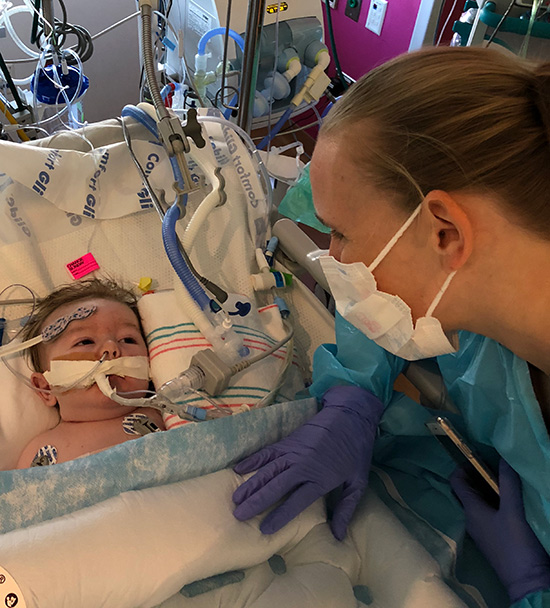
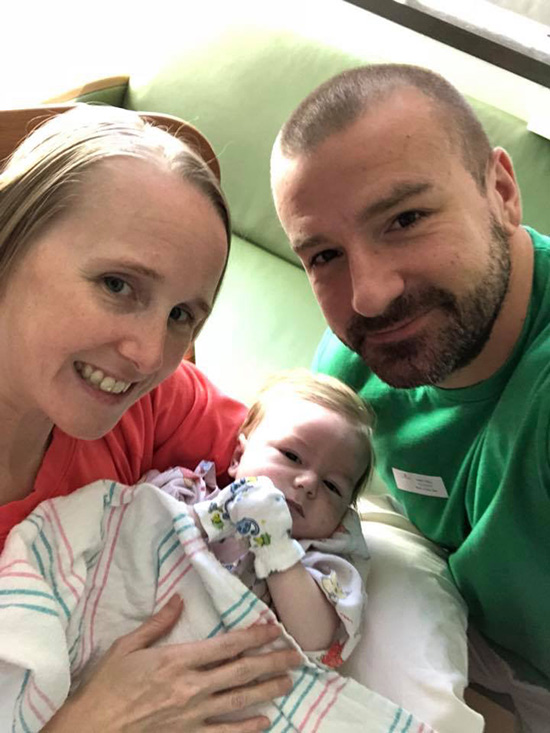
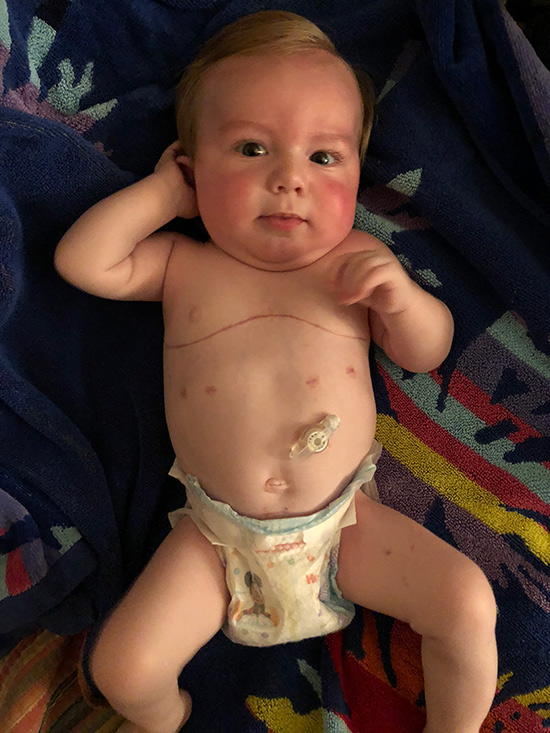
Just in time for Heart Awareness Month, Texas Children’s Hospital’s No. 1-ranked Heart Center by U.S. News & World Report launched its very own Facebook page!
Packed with information about the Heart Center’s roots, expertise and exciting future in providing top notch care, the page will provide an avenue for Heart Center medical staff and leaders to share information with various audiences, including former, current and future patients and families. The page also will allow members to provide feedback about their experiences at the Heart Center and ask questions about our level of care.
“We are excited about having a new way to reach people who want to know more about who we are and how we do things at the Texas Children’s Heart Center,” said Dr. Wayne Franklin, a cardiologist with Texas Children’s Heart Center and director of Texas Children’s Adult Congenital Heart Disease Program. “It’s also a great opportunity to help more children and families who are dealing heart problems and are looking for information.”
With more than half a century of experience in caring for children’s hearts, Texas Children’s Heart Center combines cutting-edge technology with compassion and a family-centered approach to pediatric cardiac care.
The Heart Center has a team of world-renowned leaders in pediatric cardiology, congenital heart surgery, cardiovascular anesthesiology, and cardiac critical care, performing more than 1,000 surgical procedures, 1,200 cardiac catheterizations, and having more than 26,000 patient encounters annually.
Texas Children’s is ranked No. 1 nationally in cardiology and heart surgery by U.S. News and World Report, and is also one of only four pediatric hospital’s with heart programs that are named as a Pediatric Heart Failure Institute in Texas by The Healthcare Accreditation Colloquium. The Adult Congenital Heart Disease (ACHD) Program is also just one of 13 programs in the country to be a Comprehensive Care Center for ACHD.
Later this year, the center will move into Legacy Tower, allowing clinical staff and leaders to serve even more children with critical heart conditions from the Houston community, across Texas and throughout the nation. The 19-floor vertical expansion will house eight floors dedicated just to the Heart Center, including four new cardiac operating rooms, four cardiac catheterization labs, 48 cardiovascular intensive care unit beds, and a cardiac acute care floor.


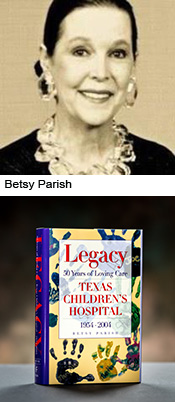 Elizabeth Ellen “Betsy” Parish, journalist and author of Texas Children’s history book, Legacy: 50 Years of Loving Care, Texas Children’s Hospital, 1954-2004, died at her home on Tuesday, February 13. At 71, she left behind a legacy of her own with her passion for documenting and preserving the history of health care in Houston.
 Two-month-old Finley Sloan got a special visit from her interventional cardiologist Dr. Aimee Liou last week when she walked into her room on the 15th floor of the Heart Center carrying a tiny red knit hat.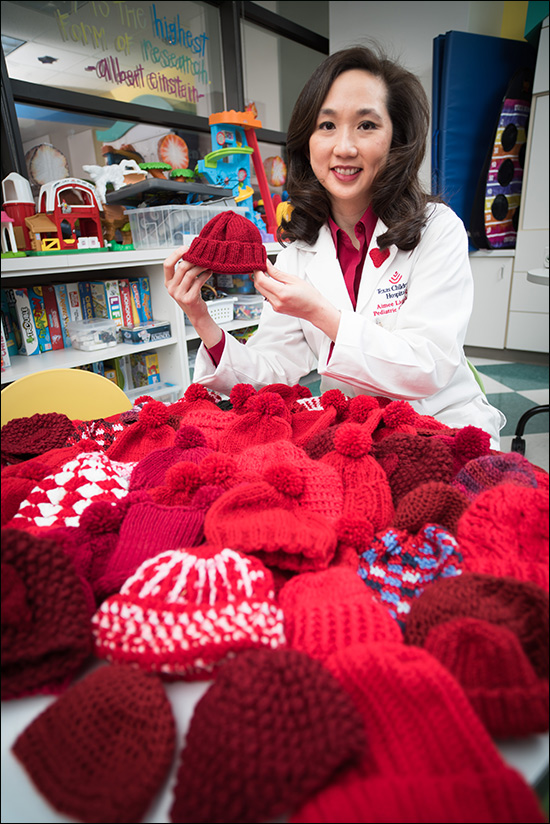







 For nearly 17 years, Maryann Macey has volunteered with the Blue Bird Circle Clinic for Pediatric Neurology at Texas Children’s Hospital – an opportunity that she describes as very rewarding.



 Transplant teams with Texas Children’s Hospital performed 112 solid organ transplants in 2017, the most in the history of Texas Children’s Transplant Services.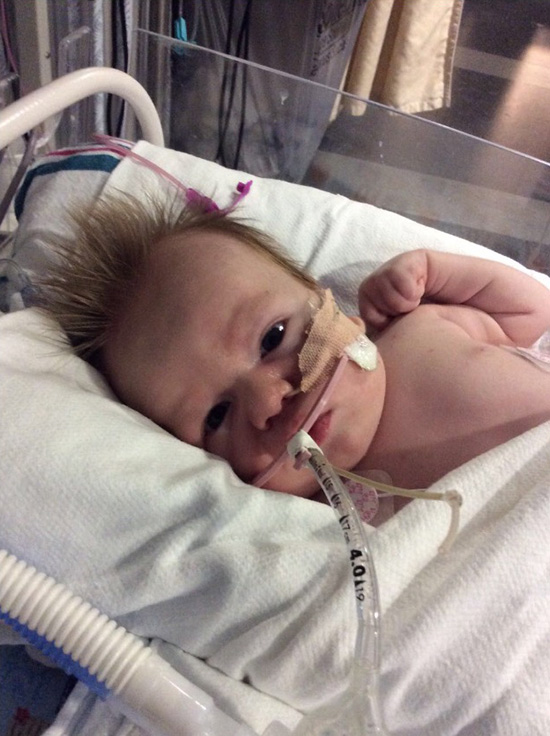
 Just in time for Heart Awareness Month, Texas Children’s Hospital’s No. 1-ranked Heart Center by U.S. News & World Report launched its very own Facebook page!