March 20, 2018

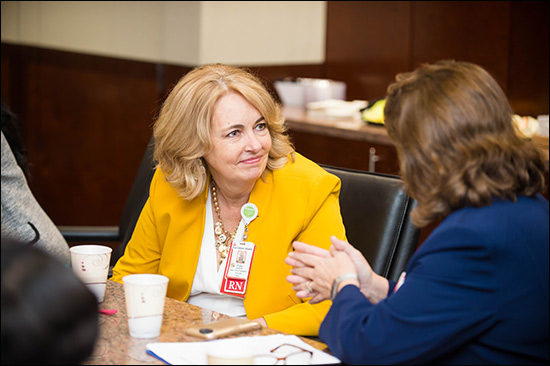
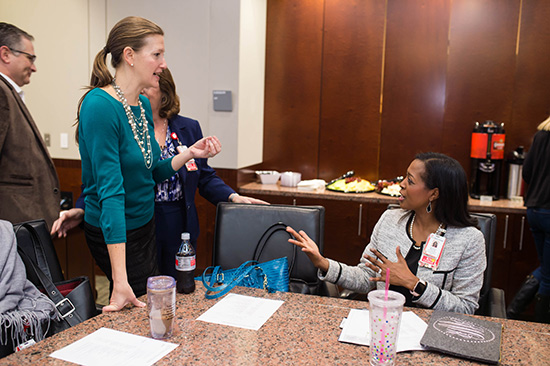
The month of March is not only for Spring break and preparing for the Easter holiday, but it is also nationally recognized as Social Work Month. Texas Children’s social workers are a large part of the hospital’s success. When most people think of social work, the most relatable aspect of the job is helping and protecting others, most commonly through behavioral health. These community servants are known to positively enhance a child or family’s overall well-being.

Along with the rest of Texas Children’s, diversity is extremely prevalent when it comes to our social workers. This diversity is also included in the way social workers approach each patient’s situation. These highly trained individuals are represented in many different units in the hospital, and all have a common goal of helping patients and families with life changes associated with health care, childbirth, and/or hospitalization.

Hester De Jong is a clinical social worker in the maternal and fetal unit. De Jong is originally from Amsterdam, but moved to the United States from Norway. When she eventually realized she was allowed to get an education in this country, she immediately enrolled in school. After meeting several social workers during her matriculation, she knew exactly what she wanted to do.

“It’s been really great, it probably wouldn’t have been what I would have done back home because it never crossed my path, but here it’s really been awesome,” said De Jong. “I really enjoyed going to school, my internships, my first job, and it’s been great.”

Despite her own accomplishments and personal success story, De Jong says that it’s the connection and life changing moments that she has with her patients, and helping them move past their road blocks that means the most.

“I think it’s the interaction with people, said De Jong. “The opportunity you have to be a part of this very personal journey of someone’s is really precious.”

After a patient or family is referred to a social worker, they provide an assessment to develop a plan of care. This plan is then tailored to how each social worker operates in their particular unit. Social workers are trained to seek out hospital and community resources to maintain and increase opportunities to support the individualized needs of each patient and family.

There are several different types of areas that require social workers such as school, community, military and substance abuse, just to name a few.

Texas Children’s employees are medical social workers, who specializes in public health, geriatric and child palliative care, inpatient and outpatient medical, and mental health.

Over the years, the occupation in the medical field has evolved drastically and become more skill intensive, so that our patients receive the highest level of care. Today, our hospital social workers include both basic needs for family’s physical health and safety, as well as focusing on their mental health.

“Mental health is a big part of social work,” said De Jong. “Helping patients figure out how they are going to cope with this bad news, how are they going to cope with a horrible diagnosis is a big part.”

The social work program has grown immensely since the beginning. Vivian Clark has been a pediatric clinical social worker for Texas Children’s for over a decade. She has experienced many different changes that have resulted in our social worker’s success.

“When I started there were 20 social workers and people really recognized that social worked were needed 24 hours a day,” said Clark. “We have grown three times since I started.”

The social work program takes pride in being highly educated and intensely trained. Social workers at Texas Children’s have their Master’s degree which prepares them to have expertise in assessing individuals and families in an effort to enhance social functioning and well-being. They also emphasize healthy employee relationships that encourages each social worker to share their experiences and mentor others on the team.

Lorenzo Benavides is one of the newest social workers on 11 West Tower, the general surgery, trauma, and orthopedic unit. With less than a year of social work experience at Texas Children’s under his belt, he says that he has learned a lot from other social workers who have been in the field longer.

“The biggest piece of advice that I’ve been given is to know when to catch my breath a little bit,” said Benavides. “I’m very much a fast-paced person, and for me if I was in the family’s shoes I would want things to be done quickly, so I do that as a way of serving them.”

Texas Children’s social workers also affects a wide range of people such as patients, their families, and even employees.

“Social workers are here, really, to support all that’s going on with the patient and family, but they’re also supporting staff, said Mary Tietjens, assistant director of Clinical Support Services. “With their background, they have the training to do emotional support and coping. Some social workers on our team even have their therapy license where they can actually go and do therapy in the community.”

As part of her plan of care, Clark implemented support groups that brings people together that are going through similar situations to participate in activities that eases their mind and gives them someone to talk to. After realizing how successful it was, Clark then decided to apply this strategy to her co-workers, which eventually helped with employee retention in the Progressive Care Unit (PCU).

“What I found is that nurses didn’t place a high priority on the importance of taking care of themselves,” said Clark. “I’ve seen a lot of people still get together and just kind of debrief about their situation. I felt I helped them with a new skill.”

Social workers also work with outpatients as well. Anastasia Deeter is Texas Children’s Hospital Primary Care Practice clinical social worker, located on the Palm Center. It is the only hospital clinic that is off-campus, and with the Texas Children’s partnership with Baylor College of Medicine, this particular location also teaches learning physicians. It’s a residence clinic for continuity so that over 50 doctors at a time can learn about primary care.

“I’m in an incredibly unique clinic,” said Deeter. “It is the only primary care practice for the hospital, minus the complex care, which are very complex, medically fragile patients.”

Although social work at Texas Children’s has evolved drastically over the years, there is much more that they intend to do to continue providing the highest level of care for our patients.

“When I think about our future I think about all the growth that Texas Children’s has seen, and as we move into Austin, and as we acquire and build new buildings here in the medical center like Legacy Tower,” said Tietjens. “I feel like social work is going to be really at the forefront at looking at what do we need to continue to do for patients and families and what more could we do.”

Texas Children’s next expansion will be Legacy Tower, a new portion of the hospital that will house new operating rooms with one intraoperative MRI, as well as a new pediatric intensive care unit (ICU). The Legacy Tower doors will open May 22 and that same day Clark and the rest of the PCU will move to their new hospital home.

“For this particular unit what will be different in Legacy Tower is we’ll be called the transitional ICU. We’ll have the patients that stay long-term until they can go home,” said Clark. “I am excited. It’s a new building. It’s fabulous, everyone’s excited about it.”

Despite the hardships that the job entails like most, Texas Children’s social workers will continue to be an integral part when it comes to supporting patients and their families while they are in the hospital and after they have become discharged.

“I want people to recognize the vast scope of a social worker’s job,” said Tietjens. “That they really can support so many things for patients, their families, and really anyone that they encounter.”

Don’t miss out on the fun at the sixth annual Texas Children’s Hospital and Houston Marathon Foundation Family Fun Run at Texas Children’s Hospital West Campus. Registration for the event ends at 5 p.m. Monday, March 26, so hurry and sign up if you haven’t already.

West Campus will host the fun run at its campus on Saturday, April 7 with a 9 a.m. start time. The event will include both a 1K and 3K course. Following the run, families can enjoy various activities until noon at the Family Fun Zone.

Participants – including those who need walkers and wheelchairs – are welcome. There will not be prizes given to top finishers as all participants will receive an award for taking part in an event designed to educate and encourage Houston-area families to adopt active, healthy lifestyles.

Click here to register and learn more about the upcoming event.

Texas Children’s and the Houston Marathon Foundation also are hosting a Family Fun Run in The Woodlands at Texas Children’s Hospital The Woodlands. For more information or to register for that event, click here.

Good luck and happy running!

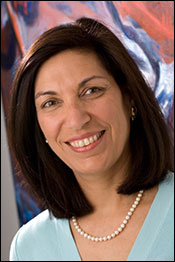
Dr. Huda Zoghbi, director of the Jan and Dan Duncan Neurological Research Institute at Texas Children’s, Howard Hughes Medical Institute investigator and professor at Baylor College of Medicine, has been awarded the sixth annual Ross Prize in Molecular Medicine by The Feinstein Institute for Medical Research at Northwell Health.
The Ross Prize is awarded annually by Molecular Medicine to scientists who have made a demonstrable impact in the understanding of human diseases pathogenesis and/or treatment, and who hold significant promise for making even greater contributions to the general field of molecular medicine.

“It is an honor to be recognized by Molecular Medicine and to join the prestigious roster of past Ross Prize recipients,” said Zoghbi, professor in the Departments of Pediatrics, Molecular and Human Genetics, Neurology and Neuroscience at Baylor. “I look forward to discussing my work and furthering a dialog that I hope will encourage young trainees to join the fields of neurobiology and molecular medicine.”

The prize, which includes a $50,000 award, will be presented to Zoghbi on June 5 at the New York Academy of Sciences in New York City, followed by lectures from Zoghbi and other eminent researchers. The Ross Prize is awarded through the Feinstein Institute’s peer-reviewed, open-access journal, Molecular Medicine, and made possible by the generosity of Feinstein Institute board members Robin and Jack Ross.

“Huda Zoghbi’s examination of the genetic causes for neurological diseases, such as spinocerebellar ataxia and Rett syndrome, has led to a better understanding of neurobiology,” said Feinstein Institute President and Chief Executive Officer Dr. Kevin J. Tracey, who also serves as editor emeritus of Molecular Medicine. “It is through her discoveries that researchers are able to identify new, potential therapies for these conditions that currently have no cure.”

Zoghbi’s research focuses on identifying the genetic causes of neurodegenerative and neurodevelopmental diseases and a broader understanding of neurobiology. Her lab, along with Harry Orr’s team at the University of Minnesota, discovered that excessive repeats of the DNA segment, CAG, in the ATAXIN-1 gene causes the neurodegenerative disease spinocerebellar ataxia type 1 (SCA1). Over time, SCA1 may cause mental impairment, numbness, tingling or pain in the arms and legs and uncontrolled muscle tensing, wasting and twitches. Understanding the genetic cause for SCA1 has inspired additional research that may identify a therapeutic strategy for this condition that affects coordination and balance, difficulties with speech and swallowing, and weakeness in the muscles that control eye movement.

Zoghbi’s lab also has identified the genetic mutations that cause Rett syndrome. Rett syndrome mostly targets young girls and is a postnatal neurological disorder which causes problems in diverse brain functions ranging from cognitive, sensory, emotional, and motor to autonomic functions. These can affect learning, speech, sensations, mood, movement, breathing, cardiac function and even chewing, swallowing and digestion. Zoghbi’s discoveries provide a framework for understanding this disorder as well as the MECP2 duplication disorder and for charting a path for potential therapeutic interventions.

March 13, 2018

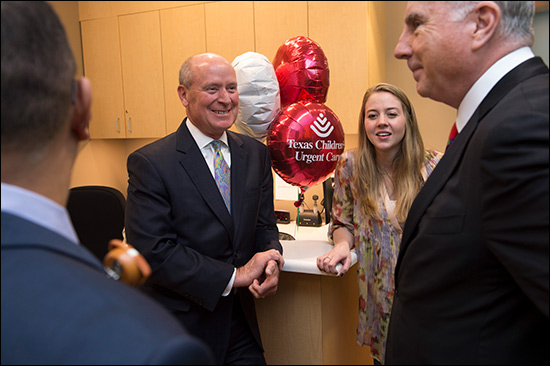
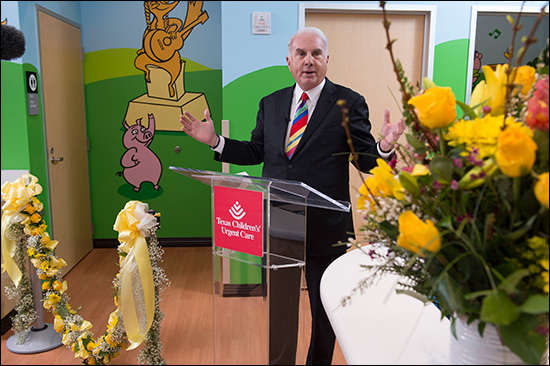
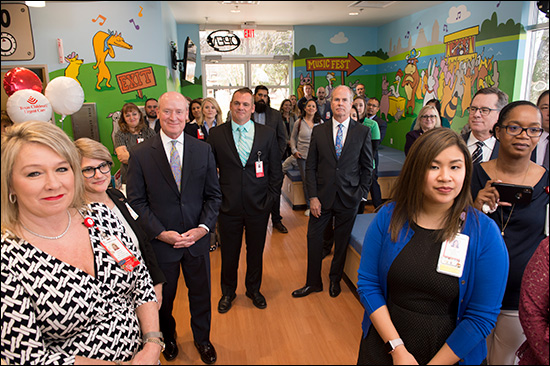
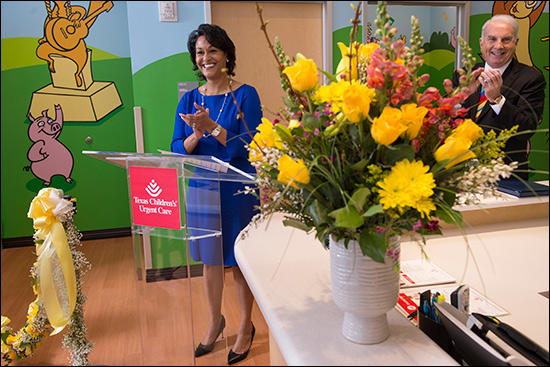
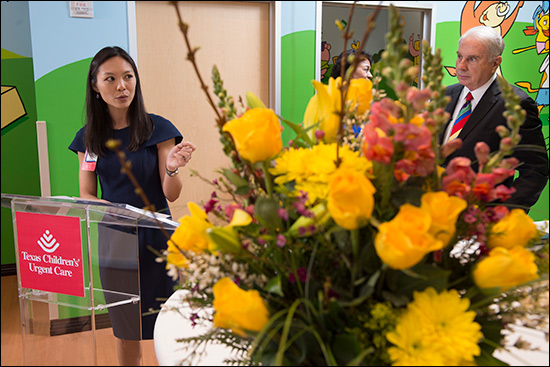
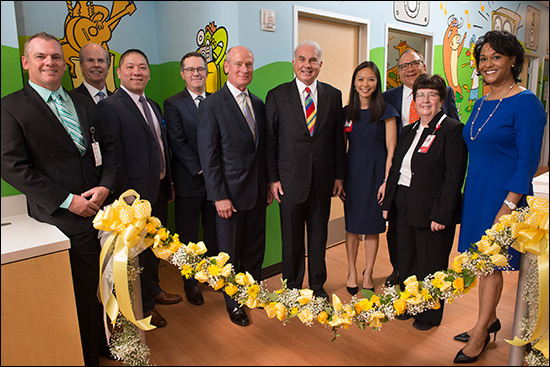
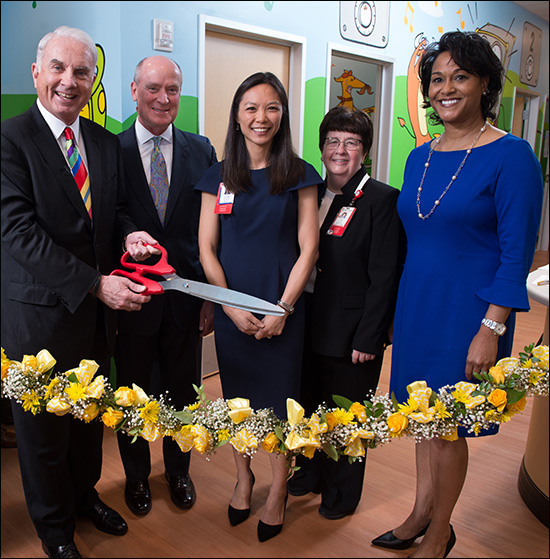
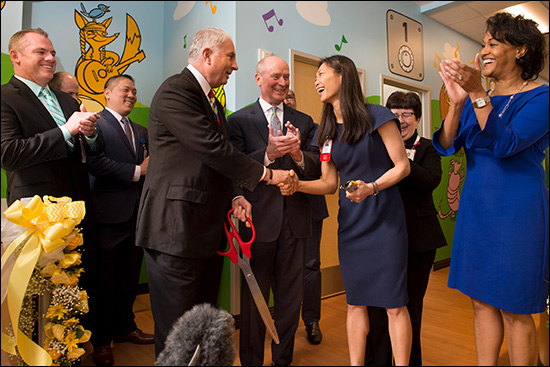
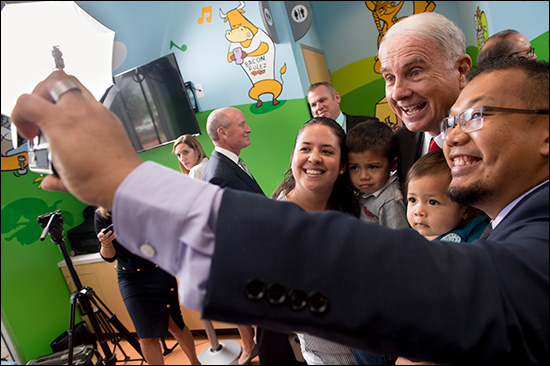
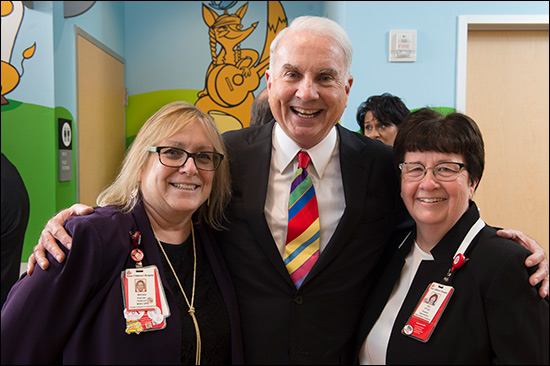
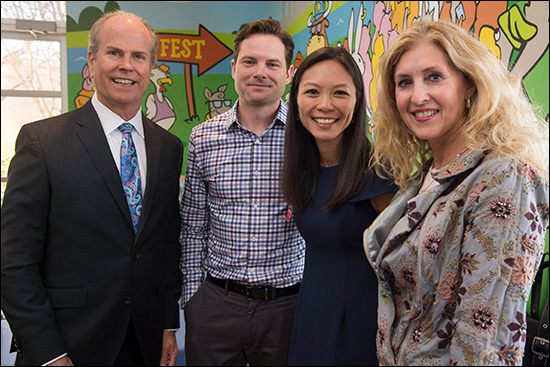
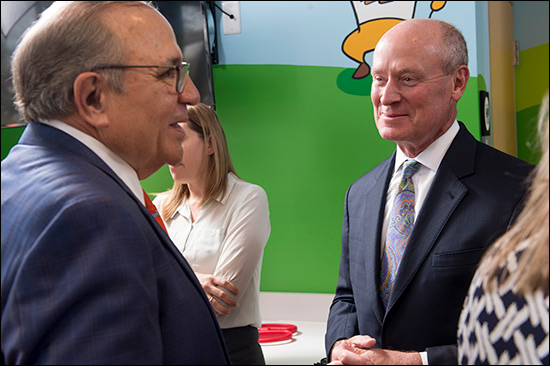
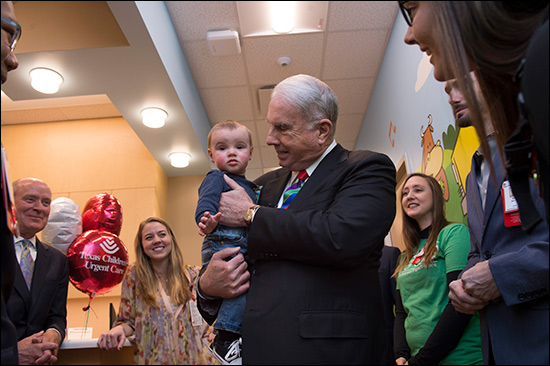
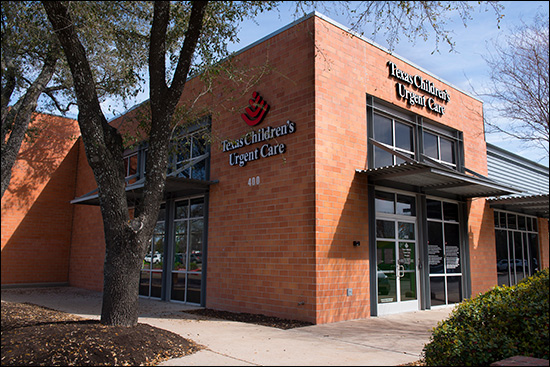
Texas Children’s marked the beginning of an exciting chapter in its history Thursday when President and CEO Mark A. Wallace joined other organization leaders in celebrating the opening of Texas Children’s Urgent Care Westgate – the first Texas Children’s location in Austin.

“It’s great to be in Austin,” Wallace said during a private ribbon cutting ceremony for clinical staff and Texas Children’s leaders. “We can’t wait to serve the children, women and families of the greater Austin area.”

View event photos below.

Texas Children’s leaders announced in June their plan to open a pediatric-focused urgent care in Austin, with the goal of supplementing the great health care options already available to the community and improve access to care, at nights and on weekends, in a convenient location. Texas Children’s Urgent Care Westgate at 4477 South Lamar Blvd. is modeled after other Texas Children’s urgent care facilities, all of which are located in the Greater Houston area and offer high-quality, efficient and affordable pediatric care at a convenient location.

Open Monday through Friday, 4:30 p.m. to 11 p.m. and Saturday and Sunday, noon to 8 p.m., Texas Children’s Urgent Care Westgate is staffed by board certified pediatricians who diagnose and treat a wide variety of ailments, illnesses and conditions, including: asthma, strep throat, fever, minor burns, influenza, ear infections, allergic reactions and more. Procedures to be provided include: antibiotic injections, breathing treatments, fracture care and splinting, IV (intravenous) fluids, lab services, laceration repair and X-rays onsite.

“As we all know, children are not simply tiny adults; their medical care, as well as the tools and equipment used, should be designed specifically to meet their needs,” said Dr. Lisa Gaw, lead physician at Westgate. “This is why it is important children are seen and treated by the experts trained to care for them. We are proud to have created a place local pediatricians and caregivers can feel confident sending their children knowing they will be well cared for by experts specially trained in treating kids.”

Texas Children’s opened its first urgent care facility in 2014 and has since seen tremendous success in getting pediatric patients where they need to be to receive the proper treatment for their illness or injury, decreasing the number of low-acuity cases at Texas Children’s emergency rooms.

In addition to opening Texas Children’s Urgent Care Westgate, Texas Children’s plans to open additional pediatric urgent care clinics, primary care pediatric practices, pediatric specialty care locations and maternal-fetal medicine practices across Austin over the next five years.

“This opening is the first step in a thoughtful plan Texas Children’s has in place to bring pediatric-focused care to Austin in a way that will help us serve the state of Texas even more successfully,” said Executive Vice President Michelle Riley-Brown, who leads Texas Children’s community and outpatient strategy. “We aspire to collaborate with the many established pediatric providers in the region to help support the growing Austin market, and see our growth in the area as an extension of our mission to ensure women and children have access to exceptional health care close to home.”

To learn more about Texas Children’s efforts in Austin, click here, and to find out more about Texas Children’s Urgent Care, click here.

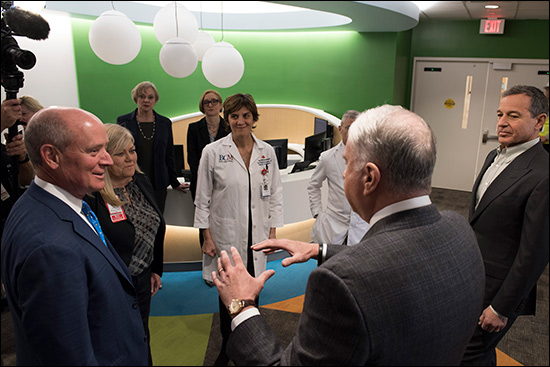
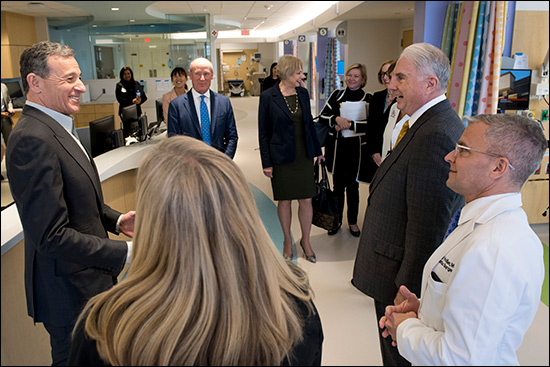
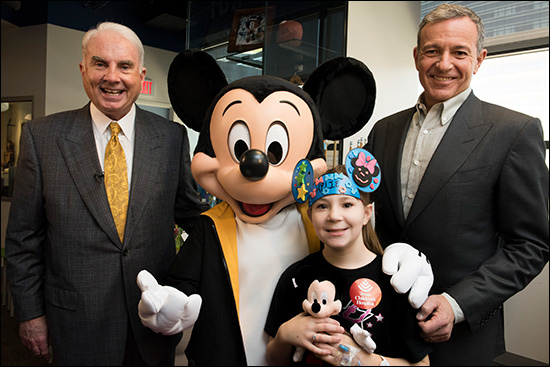
On March 7, The Walt Disney Company’s Chairman and Chief Executive Officer Robert Iger announced an innovative plan that will dedicate more than $100 million to bring comfort to children and their families in hospitals across the globe, beginning right here at Texas Children’s.

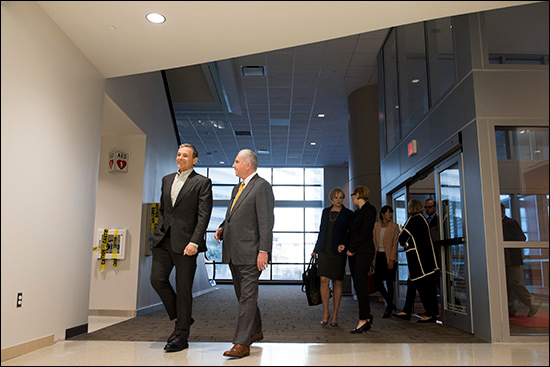
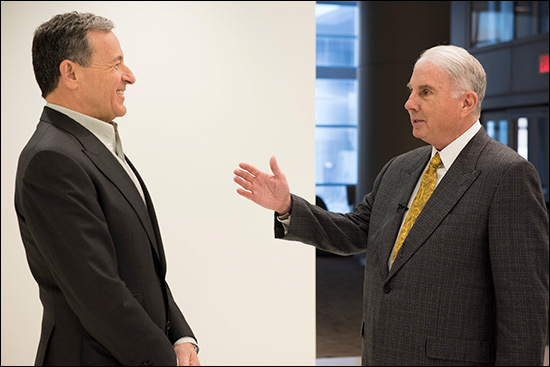
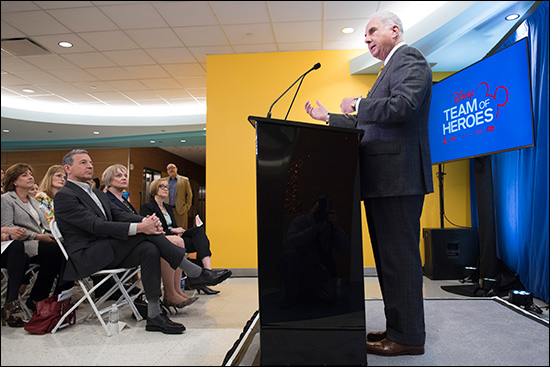
During a special media event held in the lobby of Texas Children’s Legacy Tower, Iger and Texas Children’s President and CEO Mark A. Wallace shared this exciting announcement and partnership with employees and several members of the hospital’s executive leadership team.

This patient-focused initiative will roll out over five years, expanding the Company’s rich legacy of supporting children’s hospitals, which dates back to Walt Disney.

“Disney’s timeless stories have touched hearts and lifted spirits for generations, and we believe they can bring comfort to children and families going through a very difficult time,” Iger said. “Using the powerful combination of our beloved characters and legendary creativity, we’re planning to transform the patient experience in children’s hospitals around the world – creating a personalized and engaging atmosphere that will inspire young patients and ease the stress of a hospital stay.”

Leveraging its renowned “Imagineers” – the global experts in theme park and family entertainment design – the company plans to introduce a rich array of distinctly “Disney” elements into children’s hospitals. Concepts for these elements include:

  • A new RFID-based system allowing patients to customize their hospital visit by choosing their favorite Disney stories and characters, which will surround them during their stay. The system will unlock special elements to further personalize and enhance the experience, such as “enchanted” artwork that comes alive.
  •  Themed treatment and patient rooms featuring interactive murals of Disney stories, bed linens and gowns featuring each child’s favorite characters, and personalized in-room entertainment. Additionally, well stocked mobile “play carts” will include Disney-themed games and activities to give families something to do together to help alleviate stress and boredom.
  •  Disney first-run movies and television shows, available in-room and in themed pop up movie theaters in the hospital, and other Disney entertainment options.
  •  Disney customer-experience training for doctors, nurses and staff. The renowned Disney Institute, a part of The Walt Disney Company that provides professional development training focused on leadership, employee engagement and high-quality service, will create a customized program for health care professionals designed to foster a less stressful, patient and family-centric hospital experience.

View a photo gallery below.

“We are honored to be the inaugural hospital to collaborate with Disney on this exciting patient-focused initiative,” Wallace said. “Patient care is at the center of our mission, and in addition to providing the highest-quality medical care to children, we strive to make the hospital experience as enjoyable and stress-free as possible for every patient and their family. We are looking forward to working with Disney to enhance our efforts in this area.”

Disney is working with a panel of medical experts, including doctors, nurses, hospital administrators, parents and child life professionals from around the world to advise on the best ways Disney can help hospitals – like Texas Children’s – create a more personalized and comforting experience for patients and families.

Following this big announcement, Wallace presented Iger with a colorful illustration of the first Texas Children’s Hospital building dating back to 1952 which was commissioned by Walt Disney himself. This gift symbolized the hospital’s continued collaboration with Disney.

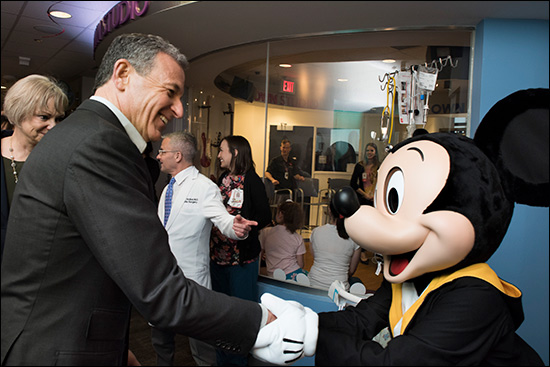
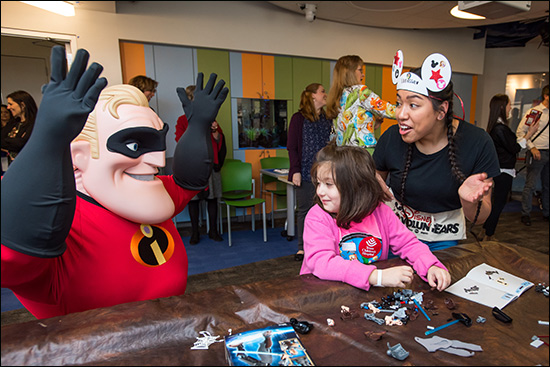
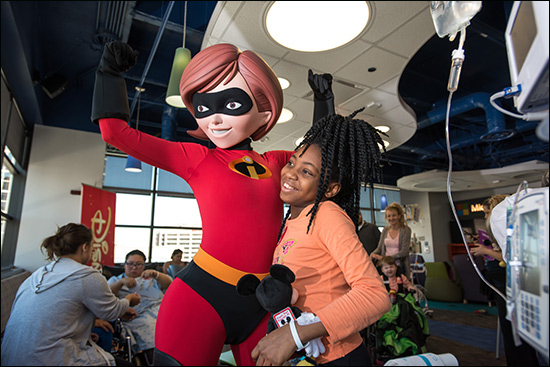
Wallace also gave Iger a tour of Texas Children’s Legacy Tower and patients and their families enjoyed a Disney character party in The Zone featuring Mickey Mouse, Mr. and Mrs. Incredible and Black Panther.

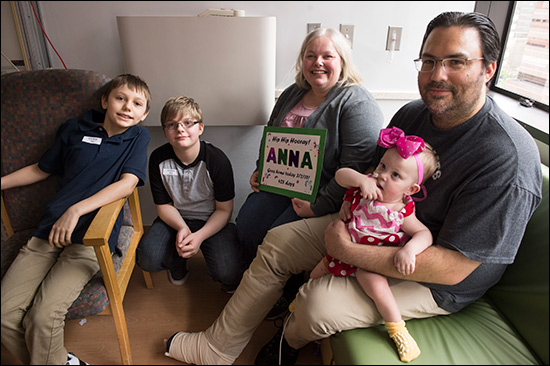
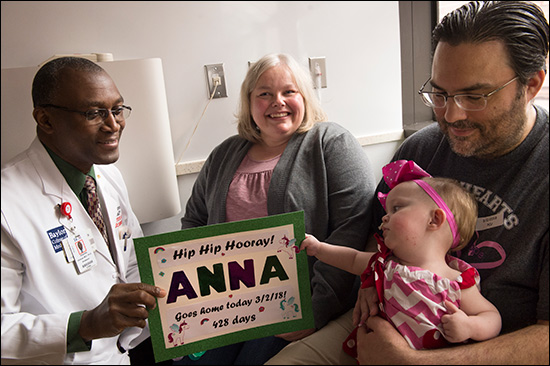
Less than two months after being separated from her sister Hope in a seven-hour surgery at Texas Children’s Hospital, Anna Grace Richards got to go home.
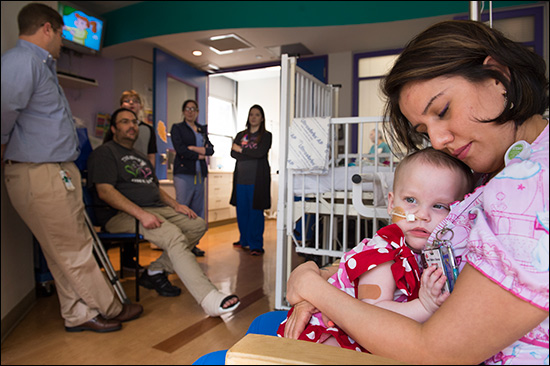
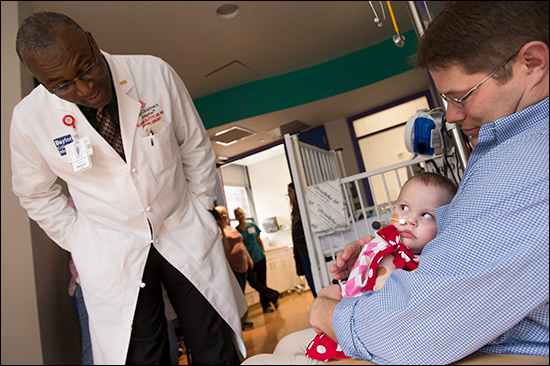
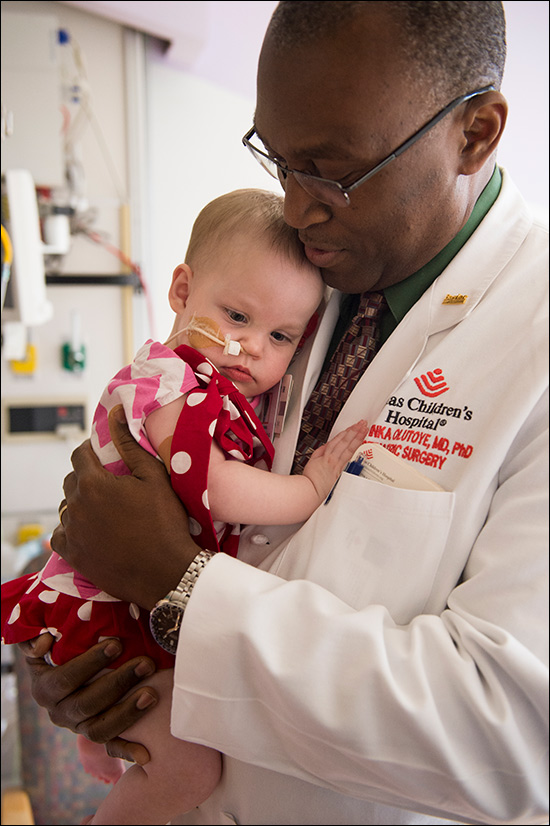
Anna was discharged from Texas Children’s on March 2 after spending 428 days in the hospital. Hope is expected to be able to go home in the near future. The formerly conjoined identical twin girls were successfully separated at Texas Children’s Hospital on January 13. A multidisciplinary team of nearly 75 surgeons, anesthesiologists, cardiologists and nurses from eight specialties performed the seven-hour procedure.

The girls were born on December 29, 2016, at Texas Children’s Pavilion for Women, weighing a combined 9 lbs. 12 oz. Delivered via Cesarean-section at 35 weeks and five days gestation, Anna and Hope were conjoined at their chest and abdomen, through the length of their torso and shared the chest wall, pericardial sac (the lining of the heart), diaphragm and liver. In addition, they had a large blood vessel connecting their hearts. They were welcomed by their parents, Jill and Michael, and older brothers Collin and Seth.

The Richards family, from North Texas, learned Jill was carrying conjoined twins during a routine ultrasound. The family was then referred to Texas Children’s Fetal Center, where they underwent extensive prenatal imaging, multidisciplinary consultation and development of plans to achieve a safe delivery and postnatal care. They temporarily relocated to Houston in order to deliver at Texas Children’s and be close to the girls during their hospital stay. For the past year, Anna and Hope have been cared for by a team of specialists in the level IV and level II neonatal intensive care units (NICU).

The Richards family will remain in Houston until Hope is able to go home.

Click here to read a more detailed story, to watch a video and view a photo gallery below about the separation of Anna and Hope.

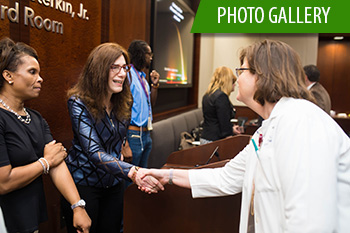
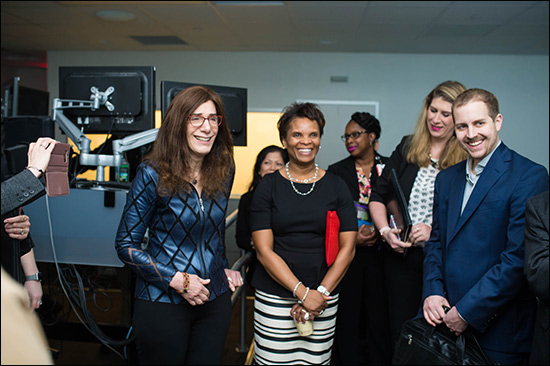
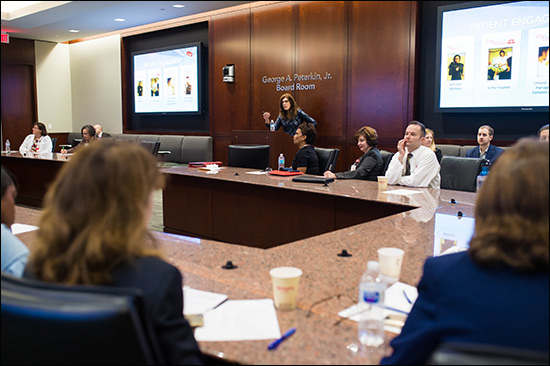
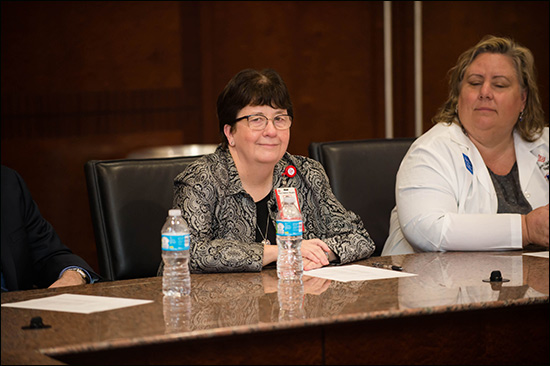
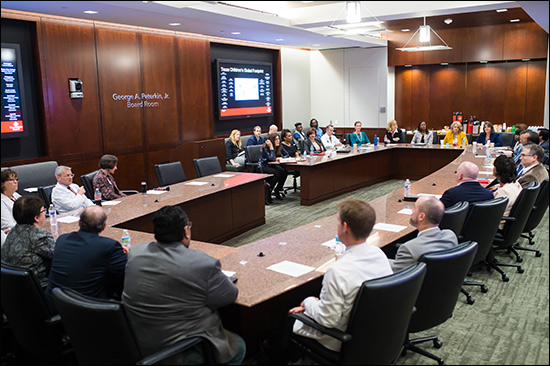
Recently, Texas Children’s executives and employees welcomed Judy Faulkner, CEO and founder of Epic Systems. Faulkner walked the group through a timeline of successes and innovations that have resulted from Texas Children’s 10-year partnership with Epic.
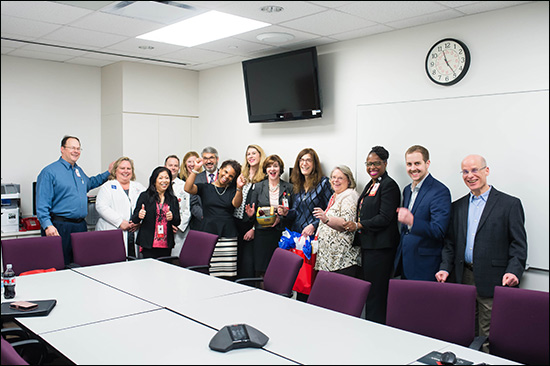
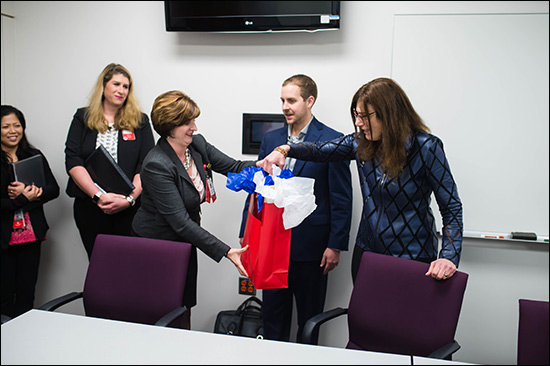
“We meet with our Epic partners on a very frequent basis,” said Julie McGuire, Director of Texas Children’s Enterprise Systems. “However, this is the first meeting with Judy onsite since the vendor demos more than 10 years ago, and it was an honor.”

Epic is essentially applications that support Texas Children’s comprehensive electronic health record system. Epic provides Texas Children’s with an integrated suite of clinical and financial applications, including billing, admissions, scheduling, patient charts and information, and order entry. It touches virtually every employee and, more importantly, every patient that passes through our system. Epic software is used in hospitals, homes and even hand-held devices.

Faulkner’s visit began with a brief overview of Texas Children’s history, presented by Executive Vice President Michelle Riley-Brown, who detailed the expansion of our global footprint and technology development over the years.

“Our goal is not to chase the quantity,” Riley-Brown said. “We chase the quality.”

Faulkner shared Epic’s vision, a current snapshot and plans for the future. Although personal development is always key, she emphasized that “it takes a village” when it’s comes to expanding technology as a whole.

“Keep in touch with other Epic users,” Faulkner said. “Share with others how you have expanded.”

Faulkner said she was impressed with how Texas Children’s has continued to evolve and respond to changing health care methods to meet the needs of patients.

“Texas Children’s Pediatrics was the first to use Epic strategies within the hospital, and we have been extremely successful thus far,” said Texas Children’s Pediatrics President Kay Tittle. “With the opening of multiple urgent cares and expanding to Austin, we are well on our way.”

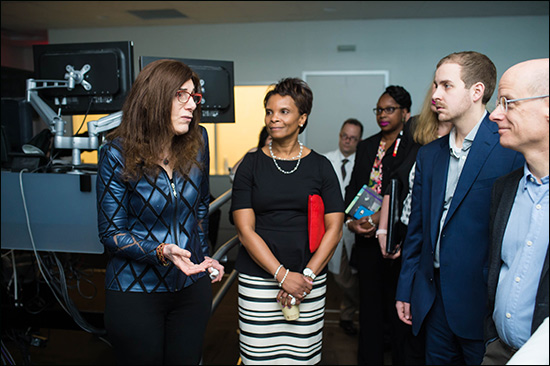
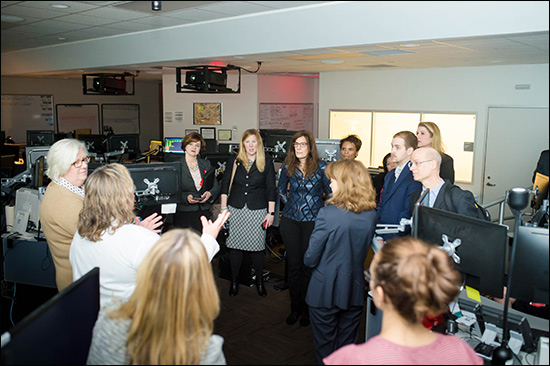
During Faulkner’s visit, the Information Services team took her to the hospital’s nucleus – Mission Control.

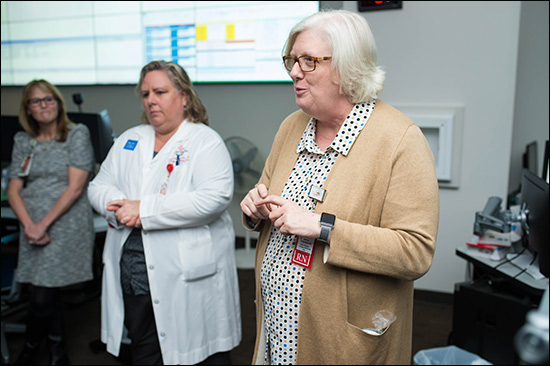
Mission Control is equipped with state-of-the-art technology in a large, high-tech space on the third floor of Texas Children’s Pavilion for Women. The suite houses representatives from Security, Facilities, Room Management, Transport Services and Critical Care.

When a patient is transferred to or from Texas Children’s Hospital, several wheels are set into motion at Mission Control to make the process run smoothly for our patients and their families. During the first month Mission Control was launched last year, the Transport Team reduced their time from dispatch to pick up by 20 minutes. When Faulkner asked about technology to improve remote patient monitoring in Mission Control, the team assured her it is on the horizon.

“We’re definitely on the path to advancing the way we monitor patients,” said Myra Davis, Senior Vice President of Information Services. “Ultimately, our plan is that Mission Control will have remote monitoring so we always have that extra set of trained eyes on our most critical patients”

Also on the horizon is an Epic upgrade, currently scheduled for summer 2019. Both Texas Children’s and Epic Systems continue to be focused on elevating how we use Epic technology, implementing new modules, maintaining a concise alignment with Epic guidelines, and ensuring we meet the system’s strategic priorities of access and care coordination.

“It’s been an incredible 10 years with Epic, and I know as we continue to grow as an organization, the need to become even better as we get bigger will be even more critical,” Davis said. “I’m excited about seeing how our efforts will flourish as a result of this partnership.”