April 24, 2018

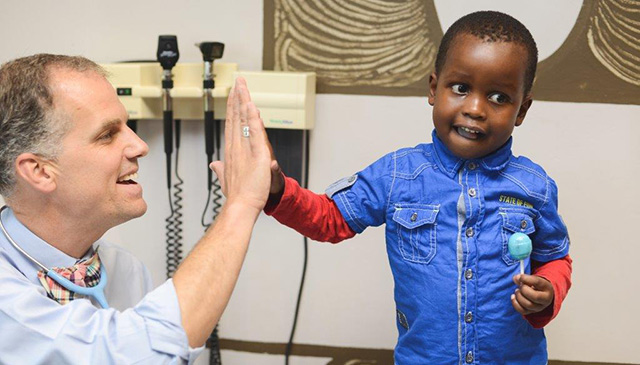
Just 12 short months ago, Texas Children’s Cancer and Hematology Centers, Baylor College of Medicine International Pediatric AIDS Initiative at Texas Children’s Hospital, the Bristol-Myers Squibb Foundation, and leaders in Botswana, Uganda and Malawi, announced a $100 million initiative to create an innovative pediatric hematology-oncology treatment network in sub-Saharan Africa.

Called Global HOPE (Hematology-Oncology Pediatric Excellence), the aim of the initiative is to build long-term capacity to treat and dramatically improve the prognosis of children with cancer and blood disorders in sub-Saharan Africa where the overwhelming majority of pediatric cancer and hematology patients do not survive. The mortality rate is estimated to be as high as 90 percent, in large part due to an inadequate health care infrastructure and a significant lack of expert physicians and other health care workers trained to treat children with cancer.

Global HOPE already is making great strides to change these outcomes and the reasons behind them. Since its creation in February 2017, more than 1,000 patients have been treated, 369 health care professionals have been trained, eight physician fellows have enrolled in the first Pediatric Hematology Oncology Fellowship Program in East Africa and seven cancer awareness and survivor events in Botswana, Uganda and Malawi have been organized.

“We’re very excited by the progress in a relatively short amount of time,” said Dr. David Poplack, director of Texas Children’s Cancer and Hematology Centers. “Capacity building takes time. This may mean we exceed our original expectations.”

Initially, Global HOPE leaders envisioned treating 5,000 patients in the first five years, but the expectation assumed the numbers would ramp up as the program did. A similar situation occurred in 2003 after the largest pediatric HIV treatment network in the world was created by the Bristol-Myers Squibb Foundation, Baylor College of Medicine International Pediatric AIDS Initiative and the Governments of Botswana, Uganda and Malawi. The network has leveraged existing experience, infrastructure, and public/private partnerships to train 52,000 health care professionals and provide care for nearly 300,000 children with HIV and their families in sub-Saharan Africa, lowering the mortality rate for these children to 1.2 percent.

“The success we’ve had in radically changing the course of pediatric HIV/AIDS in sub-Saharan Africa is due in large part to the tremendous support provided by the country governments, health care providers on the ground and donors who have made our work possible,” said Dr. Mark W. Kline, president and founder of BIPAI, physician-in-chief of Texas Children’s Hospital and chair of the Department of Pediatrics at Baylor College of Medicine. “We are very pleased by the progress Global HOPE already has made in building a self-sustaining infrastructure that changes the tide of these childhood diseases in sub-Saharan Africa.”

Global HOPE is building on the work Texas Children’s Cancer and Hematology Centers and its partners have been providing children with cancer and blood disorders in Africa for a decade. Through the partnership, Global HOPE is active in three countries and has 51 faculty and staff working in Texas Children’s global sites.

These sites, called Centers of Excellence, are being expanded in Botswana, Malawi and Uganda, and aim to serve as regional hubs for pediatric hematology/oncology programs. Progress also is being made on implementing standard treatment protocols and clinical practice guidelines to ensure quality pediatric hematology/oncology care and services are provided across the cancer care continuum, and positively impact overall pediatric health services.

To develop local leaders in Africa in the pediatric hematology/oncology field, Global HOPE has established the first Hematology/Oncology Fellowship in East Africa in Uganda. This two-year fellowship is accredited by the Uganda Medical and Dental Practitioners Council and incorporates online training, live lectures, rotations from sub-specialists to provide training on-site, and professional development opportunities, including attending scientific conferences and participating in leadership seminars.

“This fellowship is one of the most important things we are doing in Africa,” Poplack said. “It is the formal educational program that enables us to build medical capacity to diagnose and treat pediatric blood disorders and cancer.”

The Bristol-Myers Squibb Foundation is committing $50 million over five years to fund the training of health care providers as well as clinical infrastructure and operations. Global HOPE will raise an additional $50 million for the initiative.

Read these blogs to learn more about Global HOPE:

Global HOPE supports parent-led advocacy group in Uganda

How a blueprint for treating HIV/AIDS is helping address childhood cancer in Africa
All kids with cancer deserve a fighting chance

On April 17, Texas Children’s Hospital launched the new podcast series “Outcomes.” The seven-part series captures just a few of the remarkable stories that occur inside the walls of our hospital every day. Join patient families and Texas Children’s experts on their journey to save lives.

New episodes will be released every Tuesday and will feature patient stories and physician commentary from Texas Children’s Heart Center, Texas Children’s Cancer Center, Texas Children’s Neuroscience Center, Texas Children’s Fetal Center, Vaccine, the Vascular Anomalies Center, and more.

Subscribe now at texaschildrens.org/podcasts or where ever you get your podcasts like iTunes, Spotify, and Soundcloud.

Contact brand@texaschildrens.org with questions or comments.

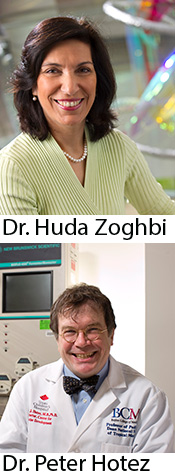
Dr. Peter Hotez, director of the Texas Children’s Hospital Center for Vaccine Development, and Dr. Huda Zoghbi, director of the Jan and Dan Duncan Neurological Research Institute at Texas Children’s Hospital, have been elected as the newest members of the American Academy of Arts and Sciences, one of the nation’s most prestigious honorary titles.
“Membership in the Academy is not only an honor, but also an opportunity and a responsibility,” said Jonathan Fanton, president of the American Academy. “Members can be inspired and engaged by connecting with one another and through Academy projects dedicated to the common good. The intellect, creativity and commitment of the 2018 Class will enrich the work of the Academy and the world in which we live.”

The Academy is one of the country’s oldest societies and independent policy research centers. It recognizes exceptional scholars, leaders, artists and innovators and engages them in sharing knowledge and addressing challenges facing the world. This year, Hotez and Zoghbi join more than 200 other individuals from a wide range of disciplines and professions as elected members of the Class of 2018.

The Class of 2018 members were elected in 25 categories and are affiliated with 125 institutions from across the globe. They include scientists, scholars, an academy award winner, philanthropists, CEOs, historians, a past U.S. president and a current Supreme Court judge.

See a full list of new members.

The new class will be inducted at a ceremony in October 2018 in Cambridge, Mass., at which the newly elected members will sign the Book of Members, and their signatures will be added to the Academy members who came before them, including Benjamin Franklin (1781) and Alexander Hamilton (elected 1791) in the 18th century; Ralph Waldo Emerson, (1864), Maria Mitchell (1848) and Charles Darwin (1874) in the 19th; and Albert Einstein (1924), Robert Frost (1931), Margaret Mead (1948), Milton Friedman (1959) and Martin Luther King, Jr. (1966) in the 20th.

Hotez

In addition to his responsibilities at Texas Children’s, which include being the Endowed Chair in Tropical Pediatrics, Hotez is professor and dean of the National School of Tropical Medicine at Baylor College of Medicine and is a Fellow in Disease and Poverty for the James A. Baker III Institute for Public Policy at Rice University. He also holds a title of university professor at Baylor University and is founding editor in chief for the open access medical journal PLOS Neglected Tropical Diseases.

Hotez has been recognized for his work in research and advocacy as a world-renowned expert in neglected tropical diseases. He founded the National School of Tropical Medicine at Baylor College of Medicine in 2011. There, he leads an international team of scientists working to develop vaccines to combat some of the world’s most common yet potentially deadly diseases such as hookworm infection, schistosomiasis and other infectious and neglected diseases, including Chagas disease, leishmaniasis and SARS. These diseases affect millions of children and adults worldwide in some of the most poverty stricken areas.

In 2006 at the Clinton Global Initiative he helped to launch a Global Network for NTDs, and 10 years later in 2016, Hotez became known as the thought leader on the Zika epidemic in the Western Hemisphere and globally. He was among the first to predict Zika’s emergence in the U.S. He has been called upon frequently to testify before Congress and served on infectious disease task forces for two consecutive Texas governors.

Zoghbi

Zoghbi, a professor of pediatrics, molecular and human genetics, neurology and neuroscience at Baylor, is the world’s leading expert on Rett syndrome. The disease strikes after about a year of normal development and presents with developmental regression, social withdrawal, loss of hand use and compulsive hand wringing, seizures and a variety of neurobehavioral symptoms.

After encountering girls with Rett syndrome, Zoghbi set out to find the genetic cause of the disease. She and her research team identified mutations in MECP2 as the cause and revealed the importance of MeCP2 for the function of various neuronal subtypes. Her work in mouse models showed just how sensitive the brain is to the levels of MeCP2. Too little MeCP2 causes Rett syndrome; doubling MeCP2 levels causes progressive neurological deficits. The latter disorder is now recognized as MECP2 duplication syndrome.

The discovery of the Rett syndrome gene provided a straightforward diagnostic genetic test, allowing early and accurate diagnosis. It also revealed that mutations in MECP2 can cause a host of other neuropsychiatric features ranging from autism to juvenile onset schizophrenia. Further, it provided evidence that an autism spectrum disorder or an intellectual disability disorder can be genetic even if it is not inherited.

Her discovery opened up a new area of research on the role of epigenetics in neuropsychiatric disorders. Her more recent work has shown that symptoms of adult mice modeling the duplication disorder can be reversed using antisense oligonucleotides that normalize MeCP2 levels. This discovery provides a potential therapeutic strategy for the MECP2 duplication syndrome and inspires similar studies for other duplication disorders.

Zoghbi and collaborators also have made many discoveries toward understanding mechanisms driving adult-onset neurodegenerative disorders and are now focused on identifying potential therapeutics for these disorders.

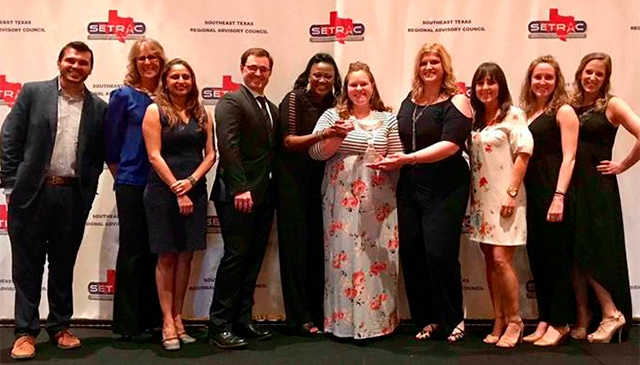
Texas Children’s Hospital’s Trauma Center has received the prestigious 2018 Trauma System of Care Award from the Southeast Texas Regional Advisory Council (SETRAC). The Trauma System of Care Award recognizes Texas Children’s Hospital as one of the best in SETRAC’s nine-county region for excellence in the development and advancement of pediatric trauma services.
At a recent awards ceremony, SETRAC honored Texas Children’s as well as other hospitals and first responders who have exhibited outstanding performance in areas such as trauma care, stroke care, cardiac care, multi-agency teamwork, disaster preparedness and citizen hero of the year. The ceremony was held at the Hilton of America’s and was attended by nearly 700 individuals and elected officials, including State Representatives, City of Houston EMS Physician Director Dr. David Persse, and Jim “Mattress Mack” McIngvale, owner and operator of Gallery Furniture.

“This award means a lot because, being only in our eighth year, we are the youngest Level I trauma center in Houston,” said Dr. Bindi Naik-Mathuria, Trauma Center director. “We have come a long way in developing programs to provide the best care for injured children as well as injury prevention education for our community. It was rewarding to be recognized as the best pediatric trauma hospital in the region.”

Texas Children’s Hospital has been verified as a level I Pediatric Trauma Center since 2010. The level of verification was requested by the hospital and the on-site review of the hospital was conducted by a team of reviewers experienced in the field of trauma. Using the current Resources for Optimal Care of the Injured Patient manual as a guideline, this team determined if the criteria for the requested level have been met.

Established by the American College of Surgeons in 1987, the Consultation/Verification Program for Hospitals promotes the development of trauma centers in which participants provide not only the hospital resources necessary for trauma care, but also the entire spectrum of care to address the needs of all injured patients. This spectrum encompasses the prehospital phase through the rehabilitation process. Verified trauma centers must meet the essential criteria that ensure trauma care capability and institutional performance.

SETRAC was founded by the late Dr. James H. “Red” Duke, Jr., legendary trauma surgeon at Memorial Hermann-Texas Medical Center and John B. Holmes Professor of Clinical Sciences at UT Health Medical School, and has been funded by the Texas Department of State Health Services for the last 25 years.

April 19, 2018

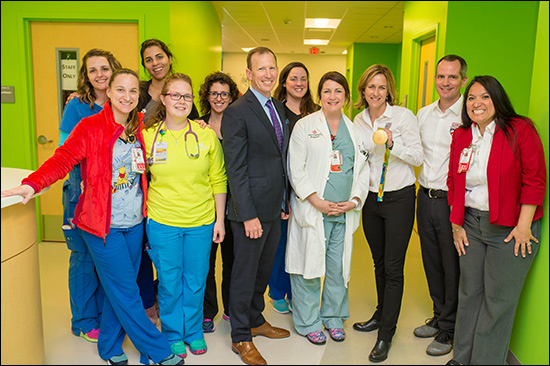
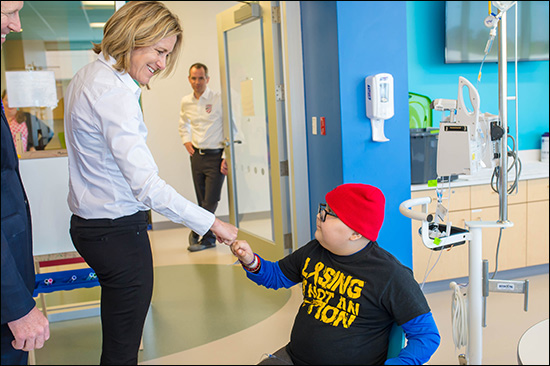
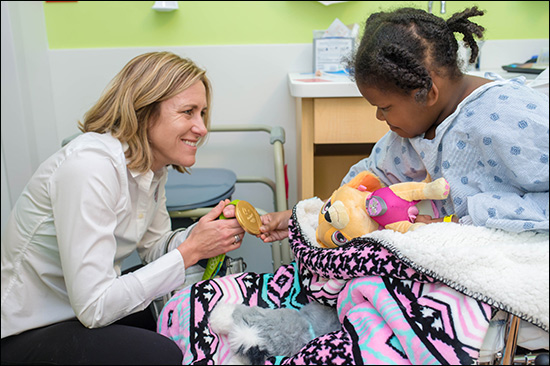
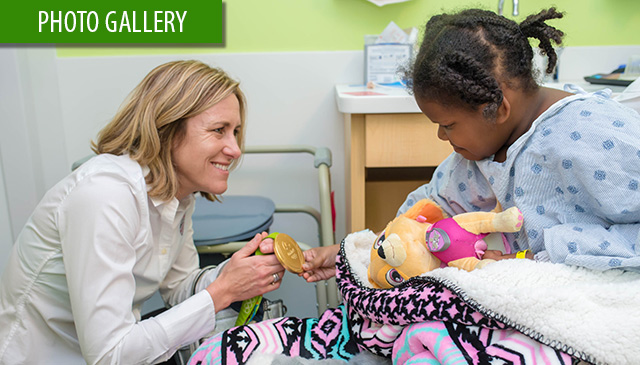
On April 18, Olympian Kristin Armstrong and Scott Schnitzspahn, vice president of Elite Athletics, USA Cycling, met with employees and visited with patients during a tour of Texas Children’s Hospital The Woodlands. Armstrong, a three-time gold medalist, and Schnitzspahn brought smiles to many of the patient’s faces and were enjoyed by the many employees and leaders who got to meet them.
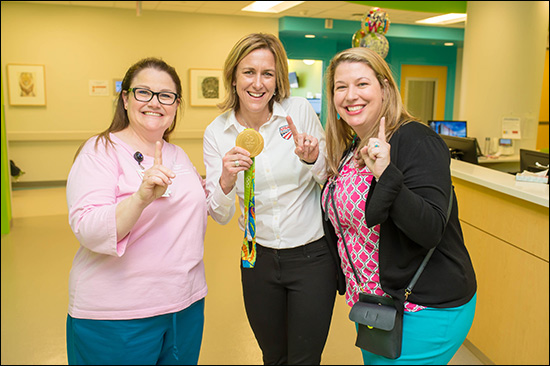
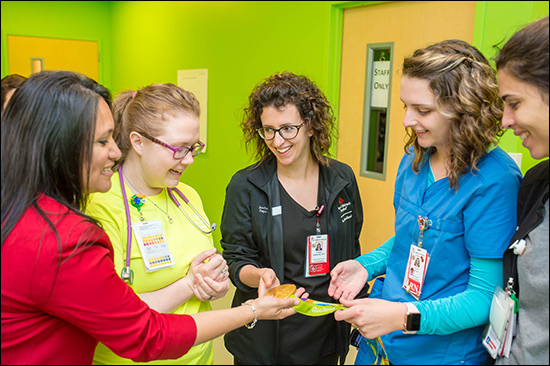
Armstrong is the winner of the women’s individual time trial in 2008, 2012 and 2016.

At the 2008 Summer Olympics in China, Armstrong completed one of the biggest achievements of her career by winning the gold medal in the women’s road time trial competition. Finishing in under 35 minutes, Armstrong was 25 seconds ahead of silver medalist Emma Pooley from Great Britain and with Karin Thurig from Switzerland, who took the bronze.

Armstrong successfully defended her Olympic title in the individual time trial at the 2012 Olympics in London and became the oldest rider to win an Olympic time trial, finishing 35th in the women’s road race.

In August 2016, Armstrong made history again at the 2016 Summer Olympics in Rio de Janerio after coming out of retirement to win the gold medal in the women’s individual time trial and becoming the first rider ever to win three gold medals in the same discipline. She also became the oldest female cyclist to win an Olympic medal.

In September 2017 Armstrong joined USA Cycling as Endurance Performance Director.

April 17, 2018

For many patients and their families, trying to find parking in the garages at Texas Children’s Medical Center Campus can be challenging at times. But Texas Children’s employees and staff are finding creative solutions every day to address the concerns and needs of our patients and their families.
Coupled with the hospital’s on-going efforts to provide patients, families and visitors priority access to proximal parking to help get them to their clinical appointments on time, new enhancements to our parking garages are making it easier for patient families to find available spaces quickly while saving time.

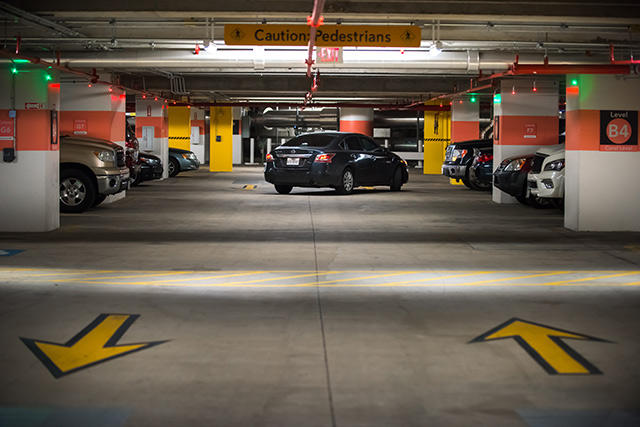
To optimize the patient parking experience and meet the current parking demand, construction on the Parking Guidance System (PGS) in Garage 21 (Pavilion for Women/Legacy Tower) is almost complete. This project involved the installation of light sensors over parking spaces to help visitors identify whether a space is occupied (red) or available (green).

“The lights are clearly visible from several hundred feet away and electronic signage helps drivers identify the number of spaces available in various directions,” said Texas Children’s Facilities Project Manager Ted Gillis. “Since its installation, the Parking Guidance System in Garage 21 has improved the flow of traffic, and is making it easier for hospital visitors to find a spot in the garage more quickly.”

The installation of the red and green light sensors is currently in progress in Garage 16 (Wallace Tower). The PGS installation in Garage 12 (West Tower) will begin after the project is completed at Wallace Tower.

Texas Children’s continually receives feedback from patient families – and employees and staff – about impactful changes that can be implemented across the organization to promote a positive patient experience.

“By ensuring patients and families are considered first through both organization practices like the recent parking guidance enhancements and through decisions we each make as individuals, we personalize and improve what might otherwise be a stressful event for a family,” said Katie Kalenda Daggett, director of Patient and Family Services.

Additional enhancements to Garage 21

In preparation for the opening of Legacy Tower on May 22, Garage 21 under the Pavilion for Women and Legacy Tower is undergoing additional enhancements to create garage elevator lobbies for Legacy Tower, improve traffic flow and wayfinding, and increase public parking capacity.

Traffic flows have been re-configured to direct pediatric patients to Legacy Tower and women’s services patients to the Pavilion for Women. Below is a list of the designated parking areas in Garage 21.

  • Level B1 – Executives and Pavilion for Women physician leaders; valet, Wells Fargo Bank reserved spaces
  • Level B2 – Patient and visitor parking; Legacy Tower physician leaders, Wells Fargo Bank reserved spaces
  • Level B3 – Patient and visitor parking
  • Level B4 – Patient and visitor parking overflow, physicians and contract parking

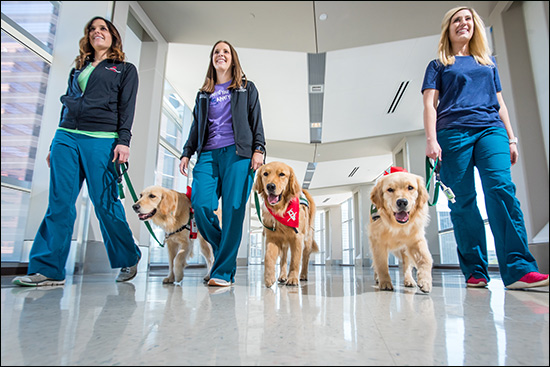
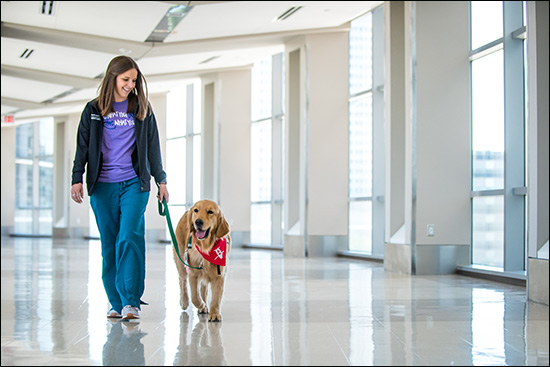
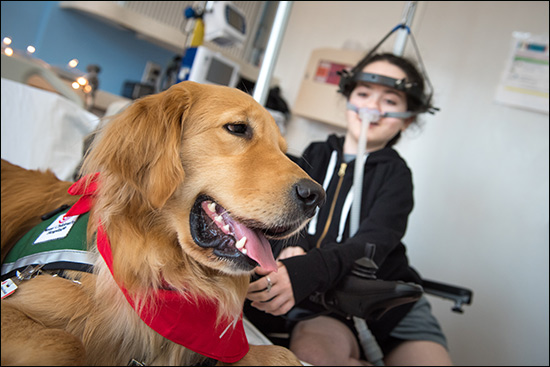
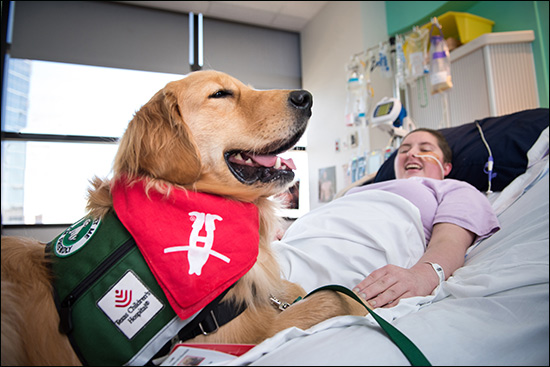
The hospital’s canine crew now has a male pup joining the team. He has officially been added to the roster as a part of Texas Children’s Pawsitive Play Program that uses animal-assisted therapy to enhance the emotional well-being of pediatric patients by reducing their anxiety, perception of pain and fear of hospitalization.
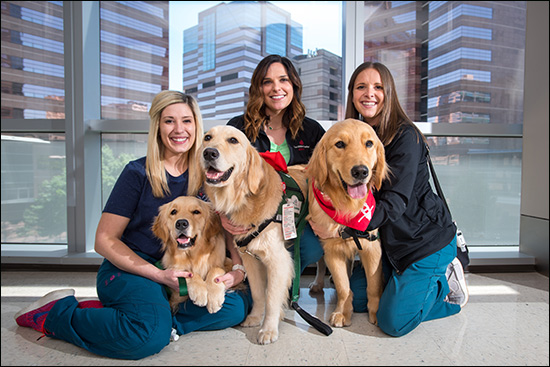
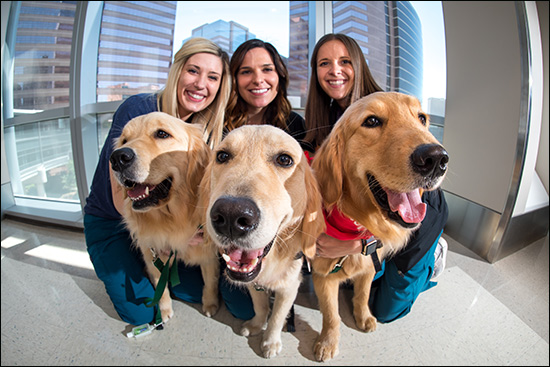
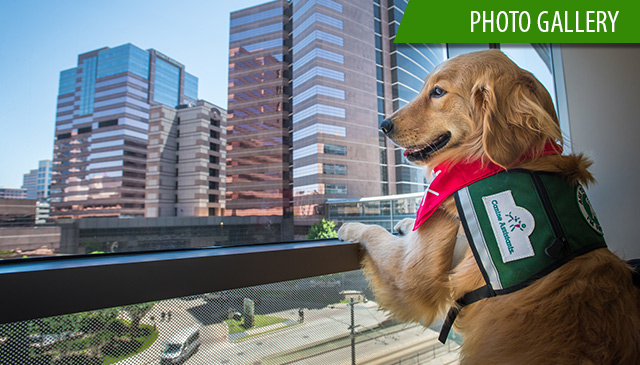
Pinto is a two-and-a-half-year-old golden retriever who was generously funded through a gift from The Auxiliary to Texas Children’s Hospital, a volunteer led organization that has been providing compassion to patients and their families for over 60 years.

He will be working in Acute Care, including units like Inpatient Rehab, the Emergency Center, and others around the hospital.

Like Elsa and Bailey, Pinto will offer distraction and motivation to patients undergoing certain medical procedures, along with his trusted handler. Shelby Bonnet is a Texas Children’s child life specialist who collaborates with medical teams and physical and occupational therapists to visit with five to ten patients each day who are having a particularly difficult time during their hospitalization. She is looking forward to expanding her role, and transitioning into being the newest therapy dog handler.

“I have been able to see the great work that Sarah and Adair (other therapy dog handlers) have done with Bailey and Elsa,” Bonnet said. “I am really excited to incorporate Pinto into helping patients and families around the hospital.”

As a child life specialist, who worked in the Emergency Center, Bonnet is no stranger to creating a comfortable atmosphere for children in a difficult environment, and Pinto is able to connect with patients in ways that no one else can.

Recently, Pinto took a small tour around the hospital to become more acclimated with patients and his co-workers. Just like any other employee, he was greeted by his fellow co-workers with the warmest welcome, encouragement, and motivation to uphold Texas Children’s mission of creating a healthier future for children and women throughout our global community.

“I expect a lot of promoting some normalization in the hospital,” Bonnet said. “I really hope that Pinto is able to help decrease anxiety, and to be an encouragement during procedures.”

Pinto is a bit larger and a shade or two darker than Bailey and Elsa, so it will be easy to spot him around the hospital. He is still adapting to being in this environment, but feel free to greet him and show that he has all of the love and support from his Texas Children’s family.