Chief Nursing Officer Mary Jo Andre shares highlights from last week’s virtual Nursing Town Hall, which included presentations on the organization’s COVID-19 response, nursing quality outcomes, and system updates. The event also included a spotlight on our Adult Congenital Heart Program and nursing recognitions. Read more
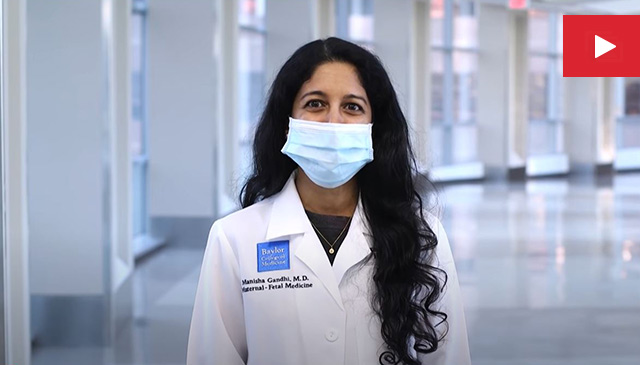
Get the latest information from some of our frontline workers about COVID-19 and how Texas Children’s is working to prevent the virus and treat patients with it. Read more
October 5, 2020
What is Vishing?
Vishing is an electronic fraud tactic using voice or voice over IP (VoIP) phishing to trick individuals into revealing critical financial or personal information to unauthorized entities. Vishing is the phone’s version of email phishing and uses automated voice messages to steal confidential information. Vishing attacks use a spoofed caller ID, or a toll free number which can make an attacker appear to come from a known number that entices an individual to pick up the phone.
Common vishing scams
Compromised bank or credit card account
Whether it’s a person or a prerecorded message on the other end, you’ll be told there’s an issue with your account or a payment you made. You may be asked for your login credentials to fix the problem or asked to make a new payment. Instead of giving out your information, hang up and call your financial institution on their publicly available number.
Medicare or Social Security scam
Phone calls are the No. 1 method scammers use to reach older adults, according to the Federal Trade Commission. Thieves pose as Medicare reps and often during Medicare open enrollment season and try to extract financial information from the victim, such as their Medicare number or bank account details. Then the scammer will either fraudulently use the victim’s Medicare benefits or steal their money. Scammers may also claim to be from the Social Security Administration and threaten to suspend or cancel the victim’s Social Security number.
What can you do to protect yourself against Vishing?
Attackers use Vishing because their targets do not have time to think a situation through prior to providing information. A victim can easily be confused by alarming claims and disclose valuable information. Vishing attacks can be focused on all employees, or against employees that mainly deal with people outside the organization. Departments like Marketing, Sales, the help desk and HR are good to include in vishing security tests.
Block Robocalls
A robocall is an automated phone call that usually delivers a recorded message. Scammers will also use auto-dialers to make a large number of calls in a matter of minutes, so they have a better chance of reaching a real person. There are several applications you can install from the play store and app store to help stop the unwanted calls. Some of the mobile apps you can install are Robocall Blocker, RoboKiller: Spam Call Blocker, Hiya, Nomorbo, Truecaller and many others.
Don’t answer unfamiliar numbers
Sometimes even blocking phone numbers won’t stop vishing attempts because scammers use software to scramble their real phone number. For example, scammers often mimic the area code and the first three digits of your phone number to trick you into thinking it’s a local call. If you block one number, scammers will simply call you from another.
If you answer the phone and then hang up immediately, the scammer will know that your line is active. However, if you do not pick up the phone, scammers will eventually consider your number to be dead. Resist the urge to answer the call, and you should see the frequency with which you receive robocalls begin to fall.
October 2, 2020
Texas Children’s is celebrating our multicultural team and the rich fabric of our culture throughout October as part of Global Diversity Awareness Month, the annual observance that reminds us all of the positive impact that diverse workforces make on our society. (Click on the graphic above for a full view.)
Equity and inclusiveness have been embedded in Texas Children’s foundation since the hospital first opened its doors, and President and CEO Mark A. Wallace has often reaffirmed during his decades of tenure that we believe our diversity is one of the organization’s greatest strengths.
As the nation faced widespread unrest this year in the ongoing struggle for racial justice, Wallace again called on Texas Children’s team members to lead tirelessly in addressing these issues and working to achieve meaningful change – starting within our own organization and workplace, then rippling through our communities to create a tidal wave of action.
In keeping with this commitment, our Human Resources team will be inviting employees across the organization this month to share their thoughts and experiences around diversity and inclusion at Texas Children’s. Each opportunity will be designed to provide a platform for you to tell your own unique story, while also expanding your awareness, respect and appreciation for your colleagues’ varied experiences and perspectives.
Look for additional information about our ongoing diversity and inclusion efforts in your Texas Children’s e-mail and on Connect over the next few weeks, and make plans now to raise your voice in an upcoming survey about how we can continue to cultivate an even more diverse and inclusive culture.
Did You Know?
Together, Texas Children’s One Amazing Team is a very diverse group. In fact, fully 66 percent of our employees represent ethnically diverse backgrounds – a more diverse workforce overall when compared to health care organizations nationally. When compared to the local population, our workforce most closely reflects the diversity of the greater Houston area. That’s a significant benchmark to set in one of the largest and most racially and culturally diverse cities in the country.
September 29, 2020
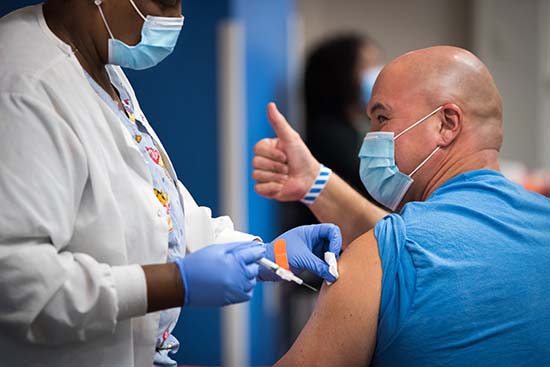
STAR Kids Program Lead Educator Lynette Winters said getting her flu shot every year is a no brainer.
“It’s like exercising and eating healthy,” Winters said. “It’s for prevention. It’s a measure we can take to try and keep ourselves healthy.”
Opera Wagner-Ross, director of member services with Texas Children’s Health Plan, agreed and said she gets her flu shot every year to protect herself, her family, her coworkers and anyone else she might encounter, but that this year, with the pandemic, it’s even more important.
“The last thing I want to do is get really, really sick with either of the two,” she said. “So, I’m here to do my part to make sure I’m safe as well as my coworkers and family.”
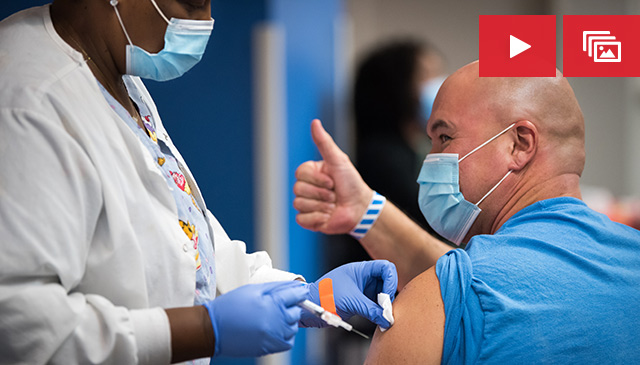
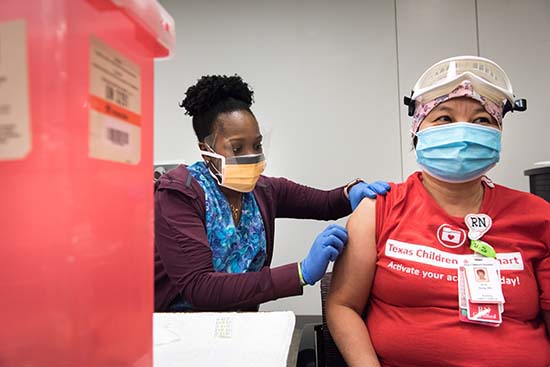
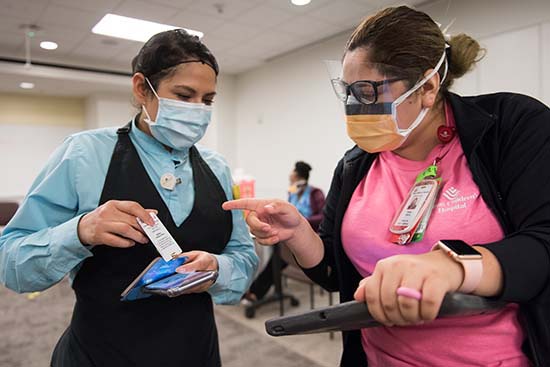
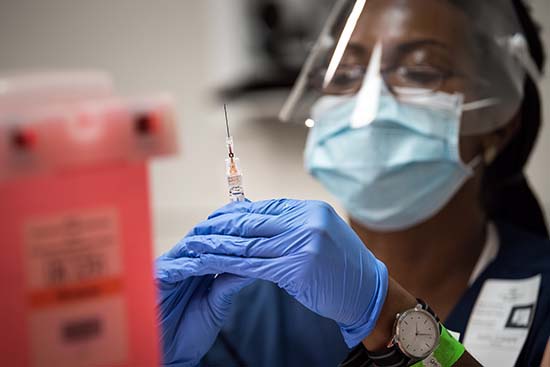
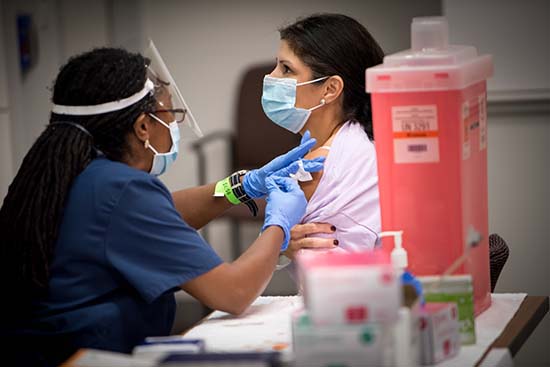
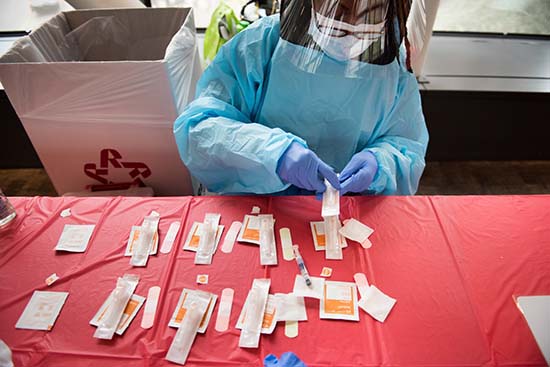
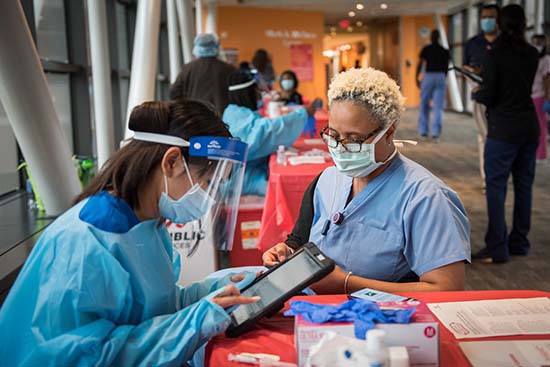
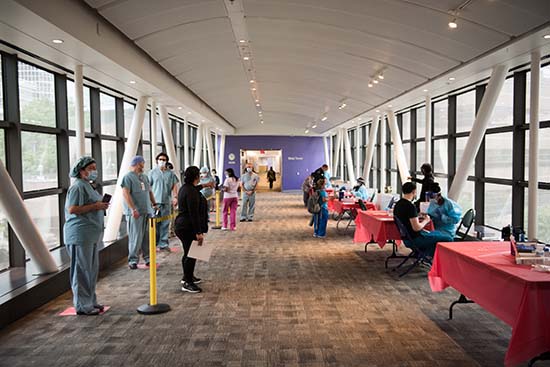
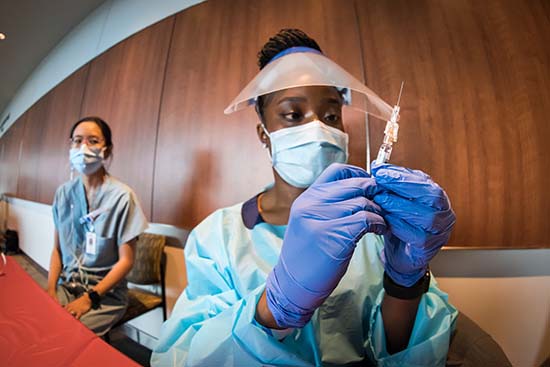
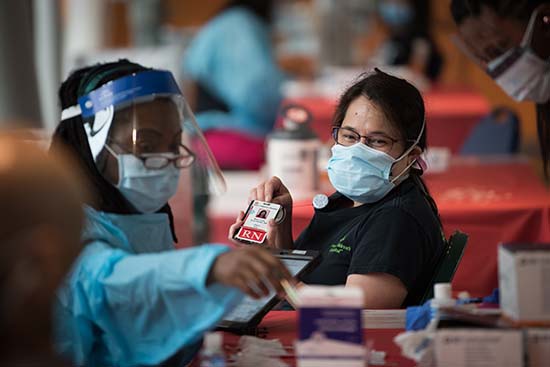
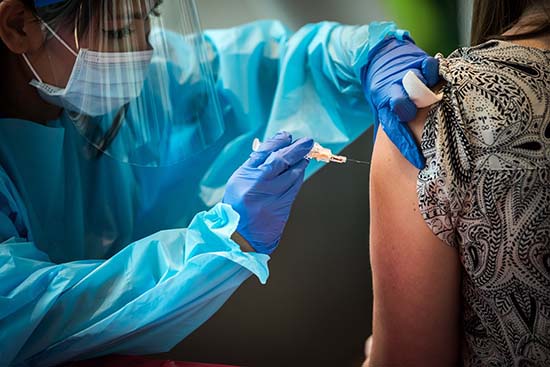
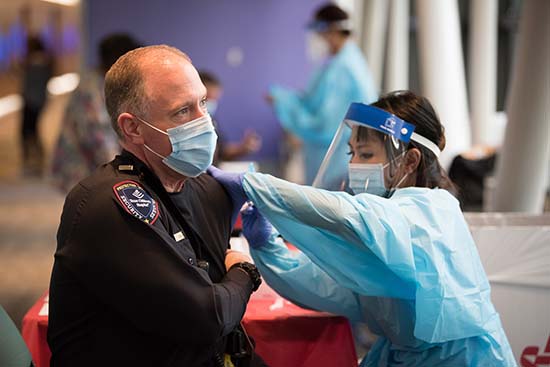
More than 5,000 employees have taken the lead in getting their flu shots over the past couple of weeks. If you are one of them, thank you for stepping up. If you haven’t yet gotten your shot, make a plan today and get it as soon as possible.
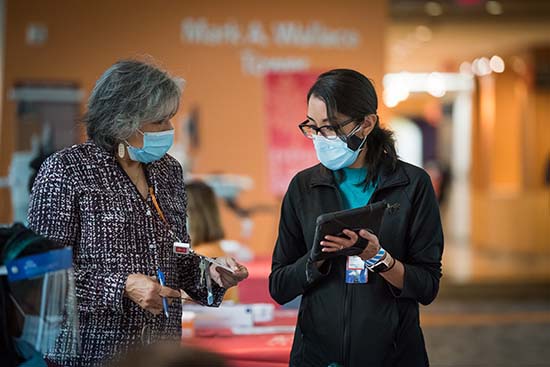
View photos of your colleagues getting their flu shots below.
Getting your flu vaccine is the first and most important step you can take to prevent transmission of the flu and protect yourself and others – and it’s even more critical this year, with the COVID-19 pandemic still ongoing and health care systems around the country closely conserving resources.
Employee Health will administer flu vaccines at no cost to Texas Children’s employees; Baylor College of Medicine employees working at Texas Children’s facilities; Morrison, Crothall contract employees; and volunteers at Texas Children’s.
All you need to know about making your flu shot plan can be found at texaschildrensbenefits.org/flu. On this site, you will be able to:
View information on the new and convenient ways to receive the flu vaccine. These options include attending an on-site or car-side event at Texas Children’s; visiting the Texas Children’s Pediatrics practice where your child receives care; and getting your shot from your primary care provider or a retail pharmacy. Each option is also detailed on this flyer, which you may spot around your campus.
View our robust on-site event schedule, which includes multiple dates and locations across the system to better accommodate our team members’ needs.
Schedule a car-side appointment or one-on-one flu appointment online.
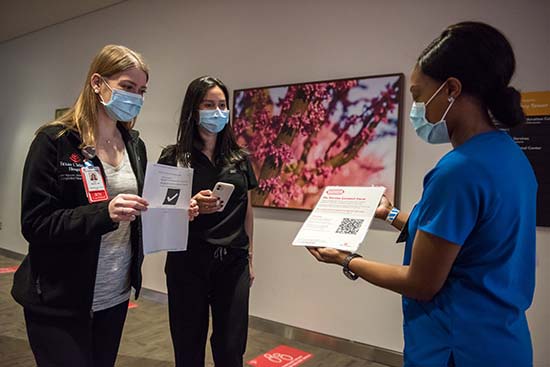
Complete consent forms online in support of a touchless experience.
Review answers to the most frequently asked flu questions.
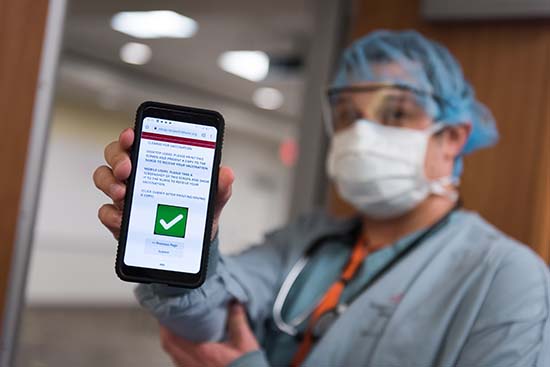
Upload proof of vaccination with a mobile device.
“By getting vaccinated against the flu, you are helping to keep our patients and their families, our entire workforce and our community safe,” said Vice President of Human Resources Jermaine Monroe. “It’s the right thing to do for everyone involved, especially with the COVID-19 pandemic still ongoing. The Centers for Disease Control and Prevention and other medical experts agree that being vaccinated against the flu is more important this year than ever – not only to reduce the risk of infection, but to help conserve health care resources. So, please, if you haven’t already, make a plan and get your flu shot.”
This installment of the “Take Five” series provided by The Psychology Section’s Collaborative on Racial Equity and Inclusion (REI) for Black Youth acknowledges that the month of September is not only Disease Literacy Awareness Month, but also the Awareness Month for Sickle Cell, Pulmonary Fibrosis, Childhood Cancer, Childhood Obesity, and Blood Cancer. Access to high quality health care and other health resources are essential to ensure optimal health for children with these conditions. Yet, African American and Black children with any of these diseases have lower access to health resources and as a consequence experience worse health outcomes.
We encourage you to “TAKE FIVE” and learn about the FIVE diseases and what action steps you can take to increase and promote equitable health care access and services, such as by getting involved in organizations or advocacy, or making a donation:
Texas Children’s Hematology Center participated in virtual celebrations and community awareness activities during National Sickle Cell Disease and Immune Thrombocytopenia (ITP) Awareness Month.
Throughout the month of September, our Hematology Center staff honored our patients and their families who have been touched by sickle cell disease and ITP, two types of blood disorders that the center treats annually. While this year’s activities were celebrated in a virtual and socially distant way to keep everyone safe during COVID-19, the celebrations not only recognized our patients, but celebrated our hematology staff who play an important role in improving the care and outcomes of patients with blood disorders.
“We look forward each year in September to raising public awareness about sickle cell disease and ITP,” said Dr. Jenny Despotovic, director of Texas Children’s Hematology Center. “We are grateful to our patients and to our team, who continue to help us advance research towards developing novel treatment approaches to improve the long-term outcomes for patients with these rare types of blood disorders.”
Several highlights from Texas Children’s sickle cell disease and ITP awareness activities included:
Sport Purple for Platelets Day
In recognition of Sport Purple for Platelets Day on September 25, Dr. Jenny Despotovic explains in this video, why we wear purple to show support and advocate for children and adults with ITP, an immune-related blood clotting disorder of platelets that can lead to excessive bruising and bleeding. Approximately 60 to 70 new patients with ITP are seen at Texas Children’s Hematology Center every year.
Making a Mark Virtual art gallery
Presented by The Periwinkle Foundation, the Making A Mark® exhibition showcased art and creative writing by children ages 3 to 22 who have been affected by cancer and blood disorders. The exhibit opens each year in September and this year it was hosted virtually on The Periwinkle Foundation website. The exhibit featured over 130 pieces of art and creative writing made by patients and their siblings. A panel of guest judges selected 15 purple ribbon pieces which they feel convey a positive message about childhood cancer and blood disorders awareness. Click here to access the art gallery.
Sickle Cell Twitter party
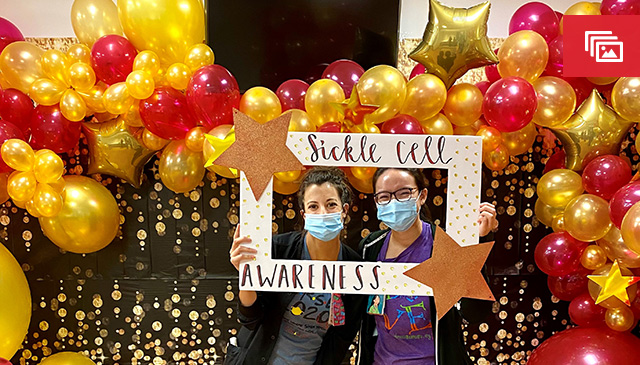
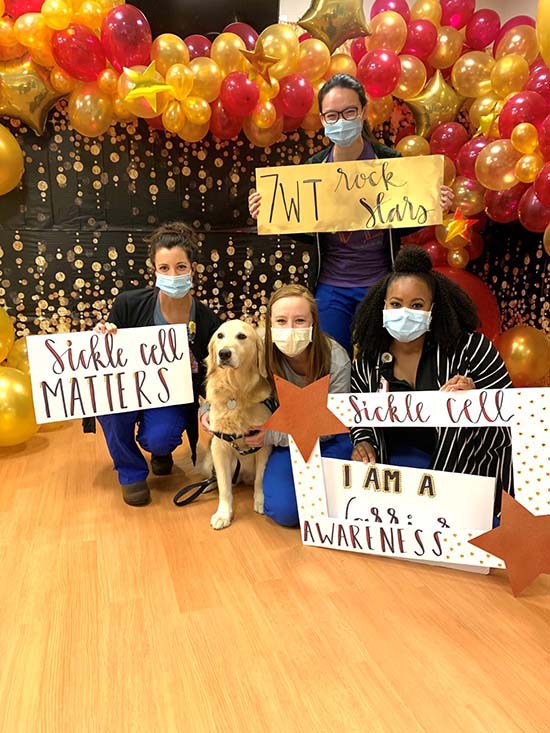
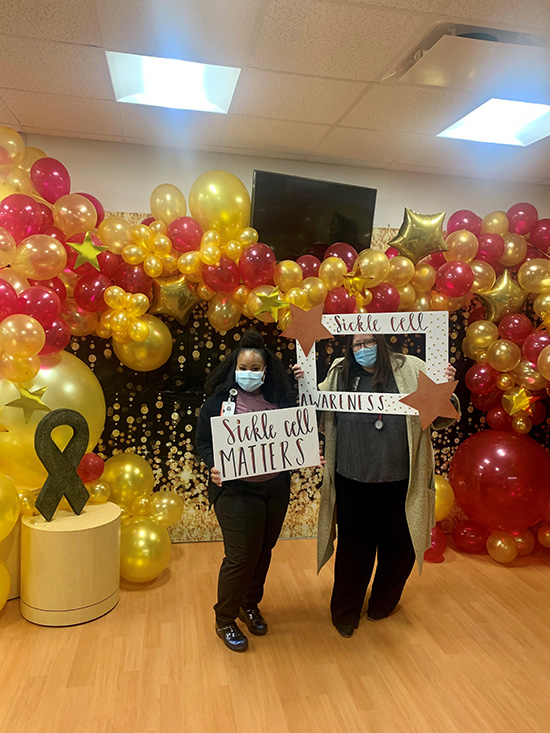
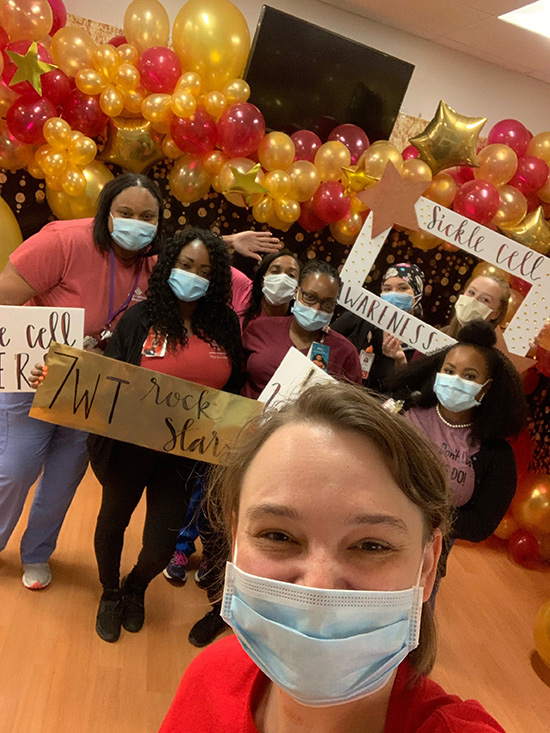
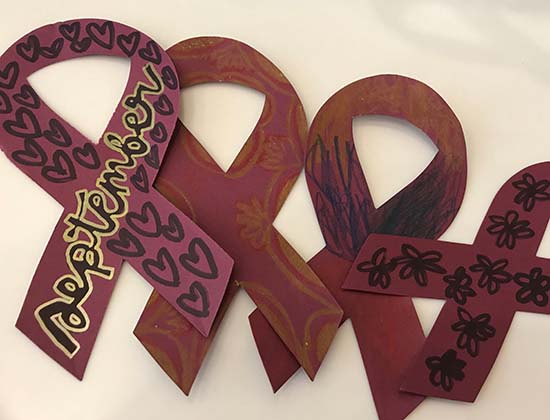
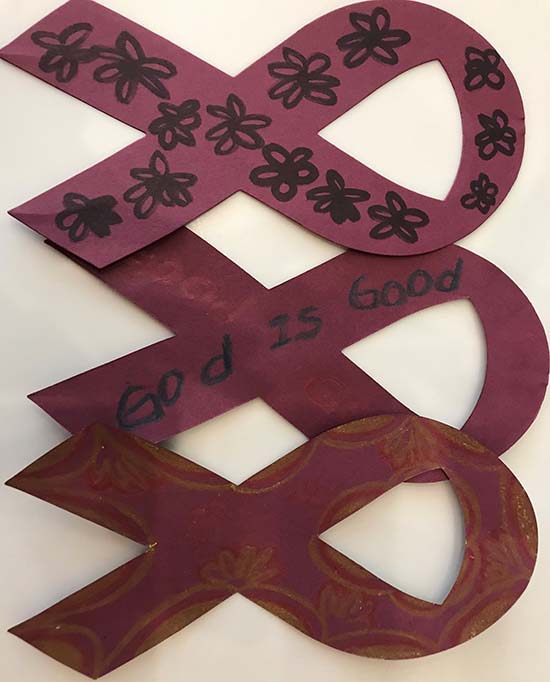
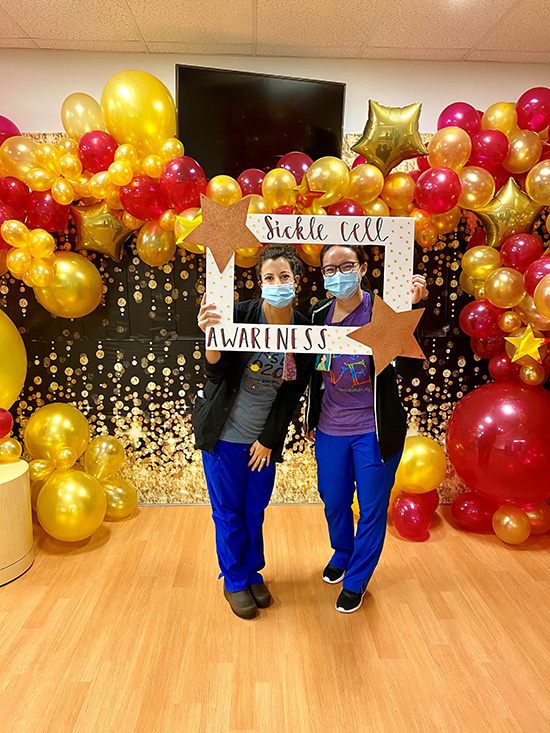
To focus attention on the need for research and treatment of sickle cell disease, the 7WT nursing unit partnered with the Sickle Cell Disease Association of America (SCDAA) for a Twitter party. This year’s theme was “Sickle Cell Matters”. The staff on the unit decorated the family lounge with a balloon wall for photos and gifted their Sickle Cell Disease patients with a token of love. The patients, nursing and physician staff were all invited to join in on the fun. Photos were taken with signs in an effort to increase awareness about sickle cell disease and sickle cell trait during the month of September. In recognition of sickle cell disease awareness month, patients visiting our outpatient clinic received red Mardi Gras beads and red ribbons to decorate and write inspiring messages for others facing this disease.
Hematology staff video messages
To celebrate our patients and their families, our Hematology team gathered virtually to share inspiring video messages throughout the month of September. Click here to view messages from Drs. Titi Fasipe and Venée Tubman, co-directors of the Sickle Cell Disease Program, and Dr. Amber Yates, associate director of the Pediatric Hematology and Oncology Fellowship Program.
Other community outreach efforts
Our Hematology staff also engaged in numerous sickle cell disease and ITP awareness activities:
Dr. Jenny Despotovic was recently recognized as an Expertscape World Expert in Idiopathic thrombocytopenic Purpura (ITP), the most common immune hematologic disorder. Despotovic is the editor of the Immune Hem textbook. A number of our hematologists at Texas Children’s Hospital contributed to this textbook. Click here to read more about this scholarly milestone.
Dr. Venée Tubman was recently awarded a five year K23 grant from the National Heart, Lung and Blood Institute of the National Institutes of Health for her project, “Characterization of B lymphocyte deficiency in pediatric sickle cell disease.” On September 30, Tubman will deliver a presentation on “The Impact of Race and Racism on Individuals with Sickle Cell Disease” during a webinar hosted by Harvard Medical School that focuses on addressing health care disparities.
Dr. Titi Fasipe was an invited co-guest with Mary Hulihan, Dr.PH, of the Centers for Disease Control on a live podcast, Saturday Mornings with Joy Key, on September 12..The podcast was aired on BlogTalkRadio. Also, Fasipe participated in the American Society of Hematology (ASH) Virtual Hill Day and met with congressional staff virtually during the week of Sept 21. Fasipe was selected as a reviewer of the consensus report on “Addressing Sickle Cell Disease: A strategic Plan and Blueprint for Action.” As Chair of the Houston Sickle Cell Collaborative, Fasipe will participate in a panel discussion during the Virtual Sickle Cell Advocacy Summit on October 8 titled “Harnessing the Power of the Collective,” and will provide closing remarks. TCH Sickle Cell Program will have a virtual booth.
Dr. Amber Yates participated in a webinar sponsored by the Red Cross – Los Angeles as part of their Community Conversations series titled Sickle Cell: The Heroes and the Facts. She also presented on the use of Hydroxyurea in the treatment of sickle cell disease for a program called SCD Talks with Agnes, who is the founder of Australian Sickle Cell Advocacy, a community based organization for people with SCD in Australia. Yates was asked to “takeover” the HHS Office of the Chief Technology Officer Twitter handle on Sept. 22 to amplify her voice about SCD and she also participated in the Roundtable on Leveraging Data to Address Sickle Cell Disease hosted by the HHS Office of the Chief Technology Officer. Yates was asked to serve on the Editorial Board for Pediatric Blood and Cancer, and as deputy editor of AAP PREP Hematology-Oncology Editorial Board.
Click here to learn more about Texas Children’s Hematology Center.