October 2, 2018

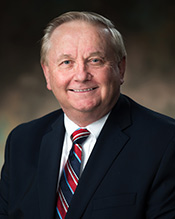
Bert Gumeringer, Vice President, Facilities Engineering & Support Services, is now the Texas Children’s Environment of Care Safety Officer. In accordance with Texas Children’s policy #331 as the EOC Safety Officer, Bert Gumeringer is authorized to take action necessary to assure a safe working and patient care environment in this capacity, he has full access to all personnel and facilities in order to identify and correct safety hazards.

The EOC Safety Officer will take immediate and direct action to alleviate conditions that pose an immediate threat to life or health, or a threat of damage to equipment or buildings for Texas Children’s’ Hospital and/or designee of senior management before taking any action which will prevent or interrupt the delivery of patient care according to policy #331.

September 26, 2018


As the largest children’s hospital in one of the fastest growing cities in the country, Texas Children’s high-quality care is always in high demand. However, due to high volume, getting patients and referring providers the answers and access they need in a timely fashion can be a challenge, which is why improving access has been a key focus at Texas Children’s in recent months.

Since the March 2018 launch of the Patient Access Initiative, several key improvements have been made to streamline processes for patients, including standardized clinic sessions and enhanced implementation of MyChart. On September 5, the Department of Surgery took a major step in improving access for referring providers with the launch of 1-855-TCH-KIDS, Texas Children’s new Provider Priority Line, available 24/7 exclusively for referring physicians and advanced practice providers.

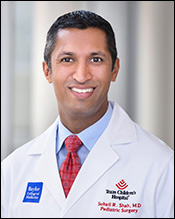
“The Provider Priority Line creates a pathway for referring providers to have easier access to Texas Children’s surgeons for questions about patients,” said Dr. Sohail Shah, surgical director of Perioperative Services at Texas Children’s. “We want to make ourselves available to referring providers to assist them in the care of children across the state of Texas, and ultimately the region.”

Previously, if a referring provider had a question for a Texas Children’s surgeon, the communication pathway might route them across numerous Texas Children’s campuses, offices, clinics, and health and specialty care centers. This fragmented approach had the potential to result in multiple call transfers, which could contribute to delayed response times. Now providers can simply call the Provider Priority Line and reach on-call attending surgeons for specialties including Neurosurgery, Ophthalmology, Orthopedics, Otolaryngology, Pediatric Surgery, Plastic Surgery and Urology.

Department of Surgery leadership partnered with Texas Children’s Mission Control and Telecommunications Services to develop the line’s efficient communication flow.

  • When a referring physician calls the line, the call is triaged through Mission Control.
  • Mission Control gathers patient information, and determines the specialty area needed and whether the call is urgent or non-urgent.
  • The call is routed to the on-call attending surgeon at the Texas Children’s campus nearest to the referring provider’s location.
  • The attending surgeon calls Mission Control and is connected to the referring provider on a recorded line, which closes the communication loop.

Early metrics have shown rapid connection times between providers and on-call specialty surgeons, with responses for urgent calls occurring in 15 minutes or less. Initial referring provider reactions have been overwhelmingly positive.

“An early call we received was from a physician at a regional emergency center who had a question about a 14-year-old patient,” Shah said. “He was pleased to be able to speak directly with a pediatric surgeon and relay a care plan to the family immediately afterward. He said the usual course of action would have required an opinion from a local adult surgeon, which often led to a delay in definitive care.”

The Provider Priority Line will not only create easier access to Texas Children’s pediatric surgical expertise, it will also make interactions with providers more customer focused.

“Dr. Shah and his team, in collaboration with Mission Control, have developed a system that delivers an enhanced level of service for our referring providers, who very much appreciate help and advice when seeing pediatric patients who are dealing with complex problems,” said Texas Children’s Surgeon-in-Chief Dr. Larry Hollier. “As the largest children’s hospital in the country with the largest number of surgeons and operations, we should be able to provide them with the help they expect from us. With the Provider Priority Line, we can show them we’re committed to meeting and exceeding their expectations.”

In the near term, the service will be promoted to referring providers across the region with the ultimate goal of routing all such referring provider calls through the Provider Priority Line for a more streamlined experience. The long-term goal will be to extend the service to emergency centers and urgent care facilities as well. And in addition to 1-855-TCH-KIDS, there is also a local number available: 832-TCH-KIDS.

Learn more about how Texas Children’s is improving access.

Sickle cell disease affects more than 100,000 Americans and millions more worldwide. This red blood cell disorder can be treated, but a widely available cure has yet to be found. Texas Children’s hematologist and Assistant Professor of Pediatrics Dr. Vivien Sheehan has recently developed a new sickle cell treatment based on her laboratory research. Sheehan has found that metformin, a commonly used medication for diabetes, has the ability to induce fetal hemoglobin in developing red blood cells.

Since higher levels of fetal hemoglobin reduce sickling in red blood cells of patients with sickle cell disease, the medication could potentially be useful in reducing the severity of sickle cell complications in patients. It also can be taken with another drug that increases fetal hemoglobin, hydroxyurea, to get even more clinical benefit.

Sheehan has been a part of Texas Children’s Cancer Center faculty since 2012, working tirelessly toward advancing sickle cell treatments. During a cancer related conference she attended, it was mentioned that the drug metformin could help with cancer by increasing amounts of proteins that her research showed increased fetal hemoglobin. This led Sheehan to wonder if the drug would increase fetal hemoglobin in cells from patients with sickle cell disease, and sure enough, it did.

“Because metformin is so well studied, so safe, there are millions of people literally taking it,” Sheehan said. “I then went to my Institutional Review Board (IRB) and asked if I could start a clinical trial of metformin in sickle cell patients since it was known to be safe, and wouldn’t cause hypoglycemia even in non-diabetics.”

With funding from Pfizer, in 2016 Sheehan and other researchers were able to launch a clinical trial that is currently assessing the effectiveness of metformin to make fetal hemoglobin in patients with sickle cell cared for here at Texas Children’s Hospital Hematology Center. Pfizer is a world leader in global medical advancement that provides medical research grants and scholarships for new drug development and the latest in cutting edge technology and applications. This not only led to developing the clinical trial, but also led to other acknowledgements and funding such as Sheehan’s Best of ASH recognition, given by the American Society of Hematology at the 2016 annual meeting.

“Her passion truly exudes from her and so a lot of times when you get into conversation with her, you always leave so much more educated because she’s letting you know the newest things that she has learned,” said nurse practitioner Precious Uwaezuoke. “She’s letting you know how her research studies are going. Thus, hearing her speak is always so rewarding and fun. I truly have this huge respect for her just because of how passionate she is about Sickle Cell Disease and our kids.”

Uwaezuoke works closely with Sheehan and the research team, as well as patients, and is responsible for helping to determine who may be good candidates for clinical trials. Fighting sickle cell herself, she knows that at times handling the disease can be very difficult; so she verses how important research is to getting closer to finding a cure for the disease.

“This is a big deal because having sickle cell is not easy. It affects way too many people for us to only have developed one therapy 20 years ago,” Uwaezuoke said. “To be able to see something come to fruition like this because somebody had a dream, and chased it and didn’t let it fall to the wayside is exciting. Anytime somebody wins after trying a therapy and it actually helps them, I feel like I won as well.”

Following the clinical trial, the next step will be commercialization. Sheehan says that the progress is very exhilarating and that it is amazing for a process of this magnitude to have been executed in just four years.

“Usually it takes around 15 years,” Sheehan said. “That’s the average time it takes to develop a drug from the bench to the bedside, and that’s a pharmaceutical company with all of their staff. So now we’re in 2018, we’re almost done with the first arm of our clinical trial, patients taking both hydroxyurea and metformin, and can now analyze and publish our results.”

Overall, preliminary research results show fetal hemoglobin induction, the repair of blood vessels, which is so important to help prevent complications of stroke, retinopathy, renal failure, and the other issues that cause a lot of damage or even death to some patients with sickle cell disease.

“Ultimately, I needed to determine whether patients were having more pain crises or less pain crises on metformin and whether they’re needing more transfusions or fewer transfusions”, Sheehan said. “So I compared the time period before they started the drug to the time period on metformin and they were having fewer pain crises and they were needing fewer transfusions.”

Sheehan says that research is key to improving the use of the tools that we already have. She is now looking for a few more participants to complete the second arm of the clinical trial, patients not on hydroxyurea, and also add adult patients up to the age of 40 years. Sheehan has formed a collaboration with University of Texas Health Sciences Center’s Comprehensive Sickle Cell Center and Dr. Juneja and Dr. Idowu to be able to enroll these patients.

“It’s the only way to advance in a meaningful way. You can make incremental advances just by improving access to care or use of the drug, but you’re not going to make a big, significant change without research. Those with Sickle Cell are doing better through childhood, but they’re still not living longer in adulthood and I think it’s the lack of therapies that will continue to work in our older patients and I feel like this is going to be one of them and I want to see it improve life spans and not just number of years, but health.”

September 19, 2018

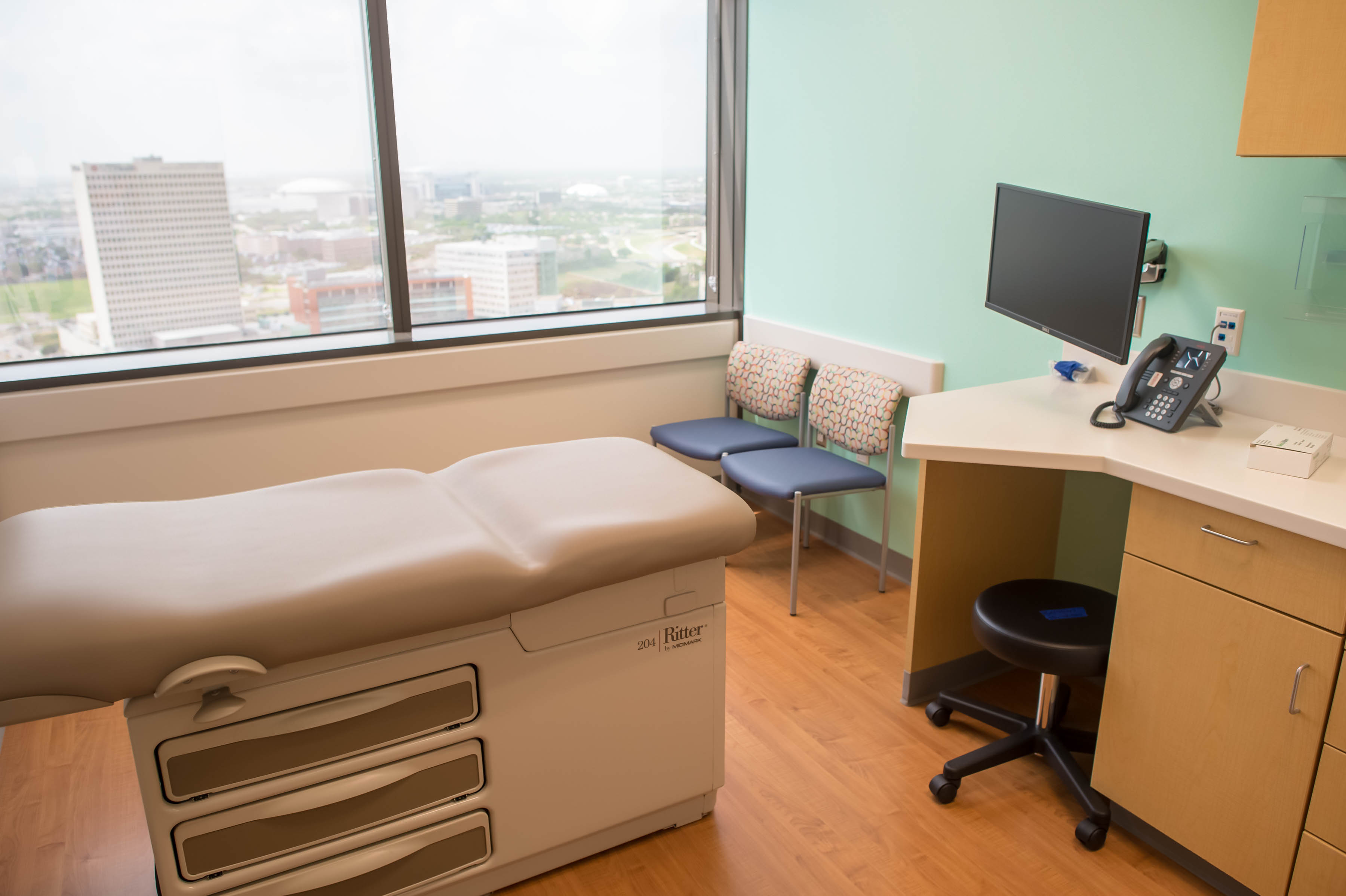
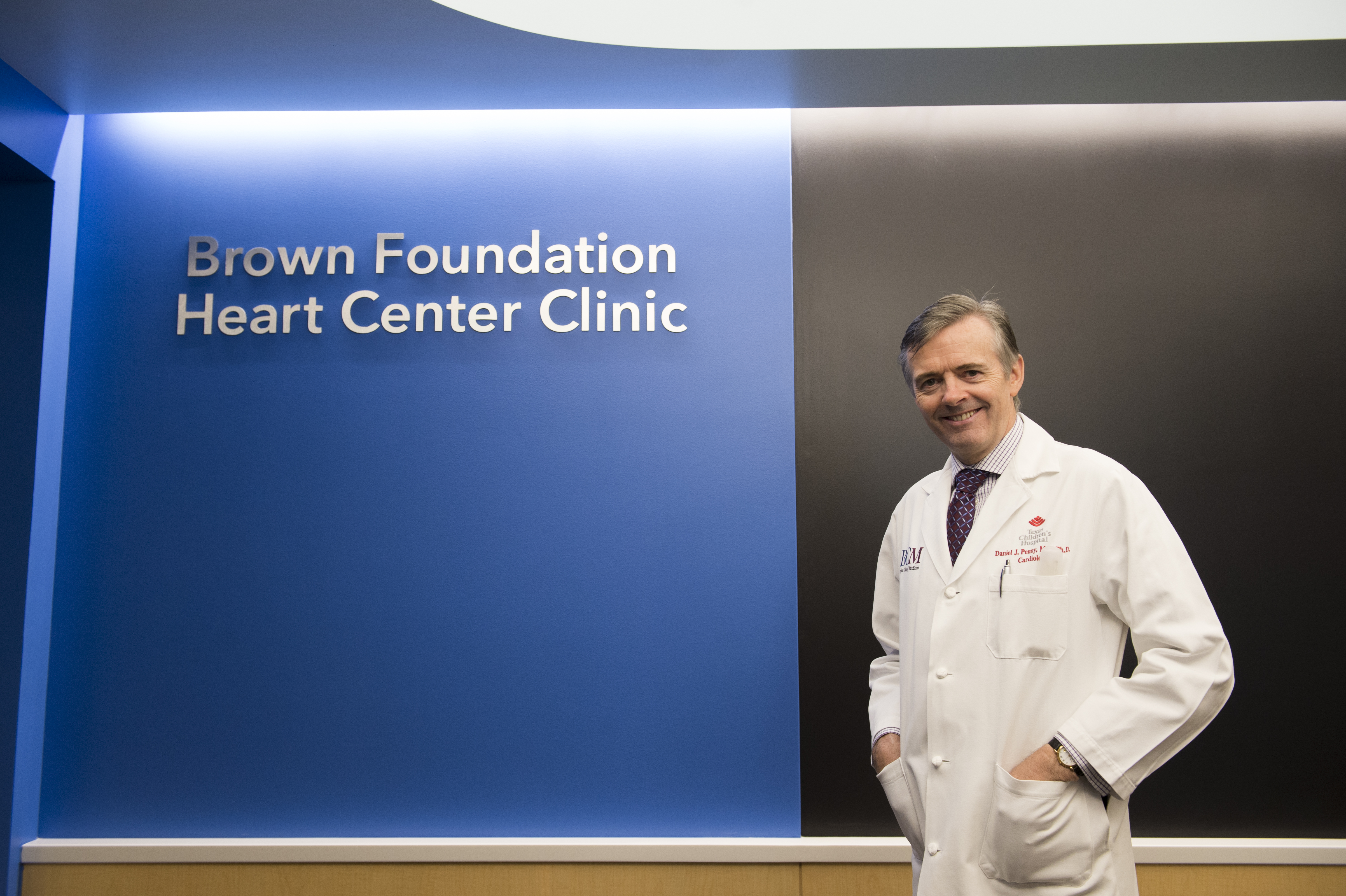
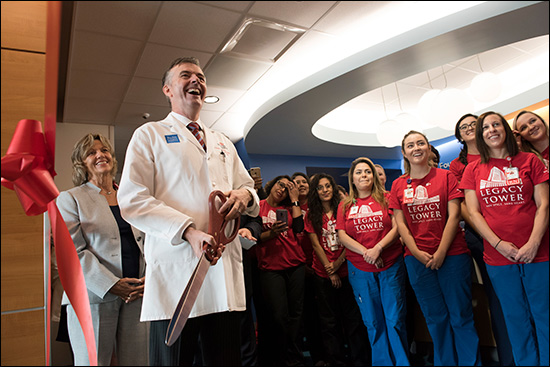
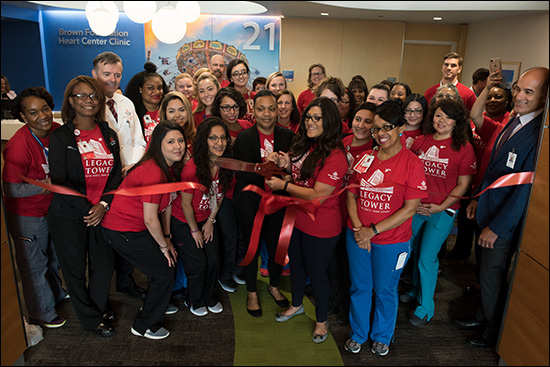
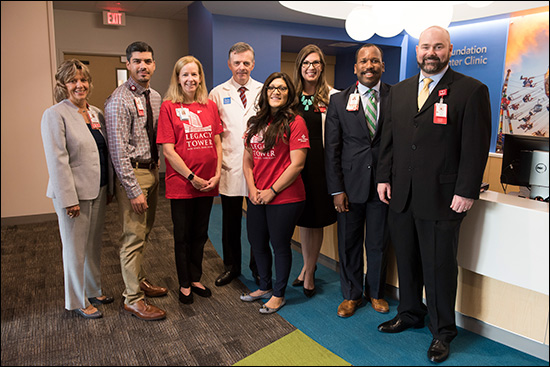
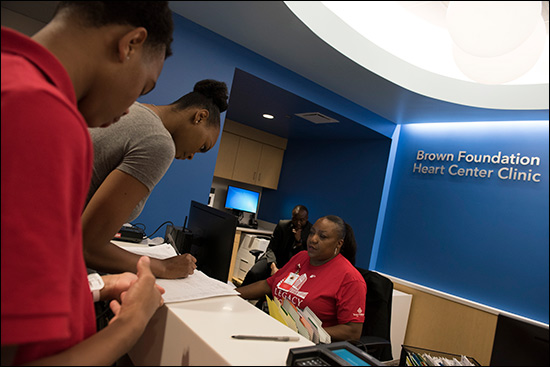
The new outpatient clinic at Texas Children’s Heart Center® is now open! As patients and families came through the doors of the new clinic for the first time on September 18, they entered a space designed from top to bottom with them in mind.

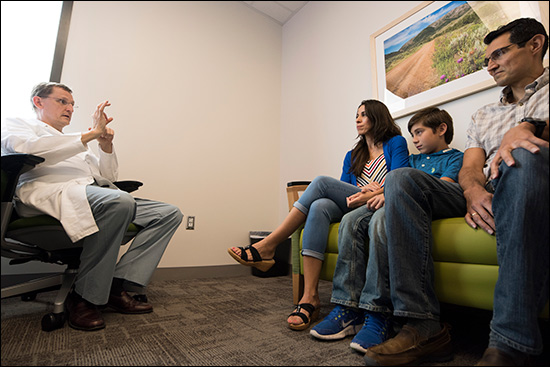
“From the very beginning of the design process, the opening discussion for every space has been about making sure the focus is on the patient and that they have everything they need,” said Texas Children’s Chief of Pediatric Cardiology Dr. Daniel Penny.

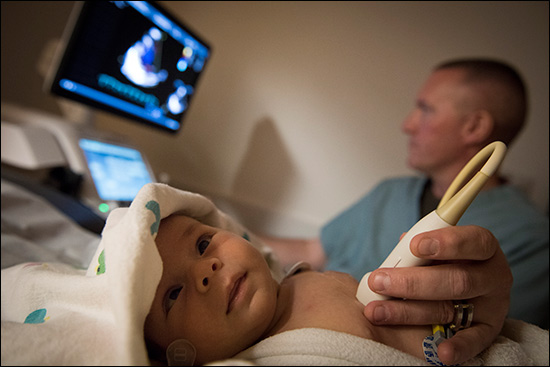
The outpatient clinic is situated across the 21st and 22nd floors of Legacy Tower and has been specially configured to offer families a more personal approach to care, and to handle high clinical volume. Last year, there were nearly 29,000 outpatient clinic visits, 2,300 of which were part of the Adult Congenital Heart Defect program, and more than 27,000 echocardiograms were performed.

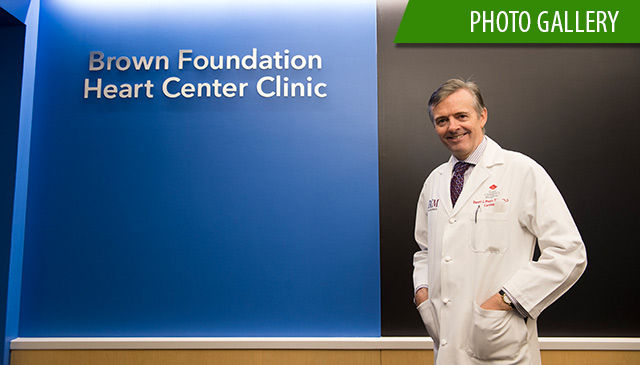
On a recent walkthrough in advance of the opening of the new outpatient clinic, Penny showed off a few of its special features and described the care and painstaking attention to detail that has gone into every aspect of the facility.

Pod-based model
One of the key differences in the model of care in the new outpatient clinic compared to our previous facilities is the integration of echocardiography and exam rooms. To incorporate the two, a pod-based model that will enhance the patient experience and streamline the care we provide has been implemented.

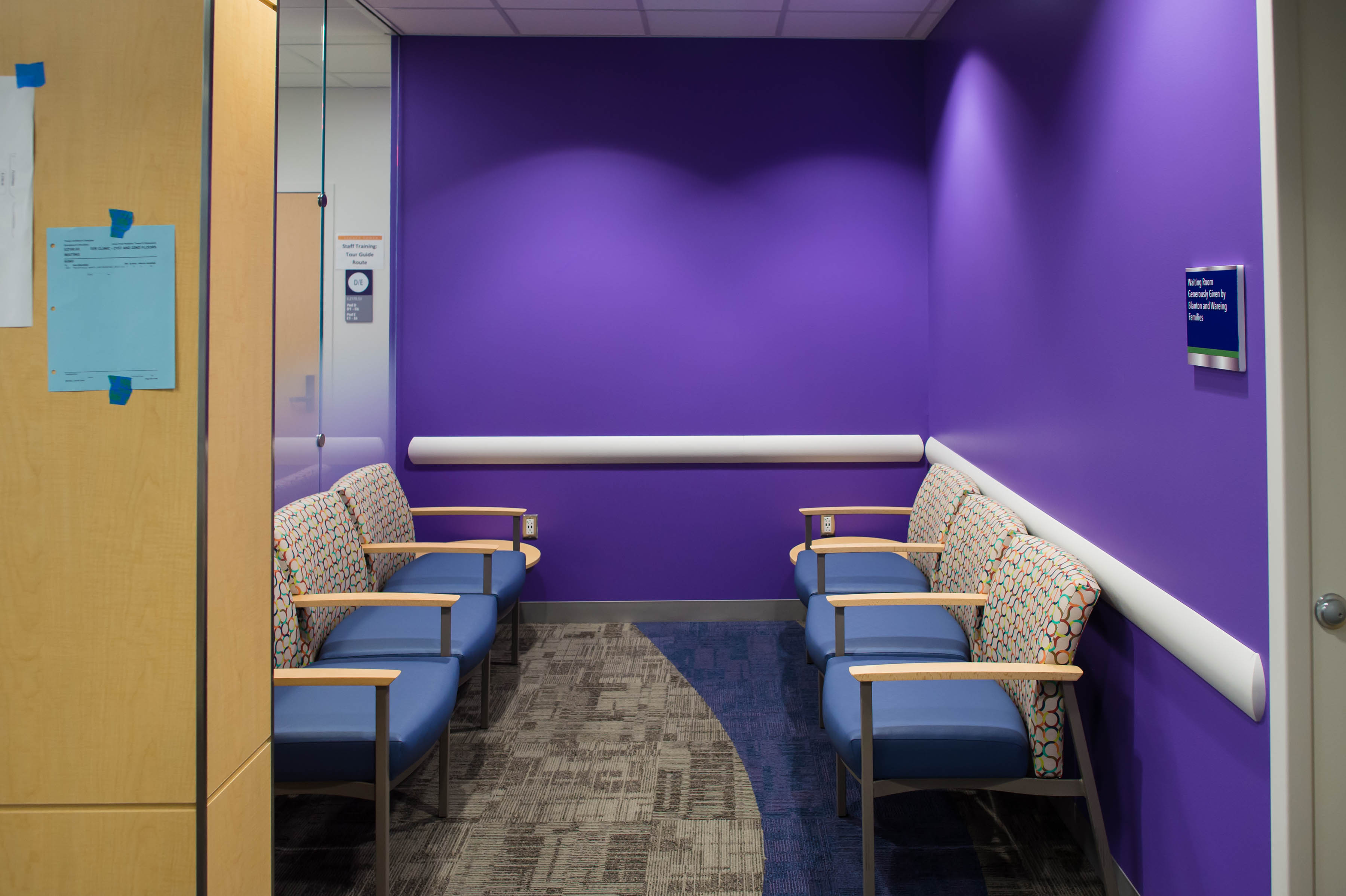
The clinic houses five pods, each with its own separate waiting area. Two of the pods comprise six exam rooms and four echo rooms apiece. Close proximity between rooms will enable greater coordination of care between care teams. A third pod has been designed specifically for patients in the Adult Congenital Heart Disease Program. It has three exam rooms, two echo rooms and a private waiting area. Two more pods are dedicated for cardiac surgery and arrhythmia specialists and house an additional six exam rooms apiece. Additionally, each pod is equipped with a large, centrally located high-definition care board to help teams monitor patients along the examination and treatment pathway.

“Now, rather than traveling from one side of a building to the other, families will have access to all the care they need in one convenient location,” Penny said. “This system will also encourage closer interaction between care givers. And even with the greatly expanded footprint, we have additional shell space that will allow for additional consult and echo rooms when the demand arises.”

Sedation Area
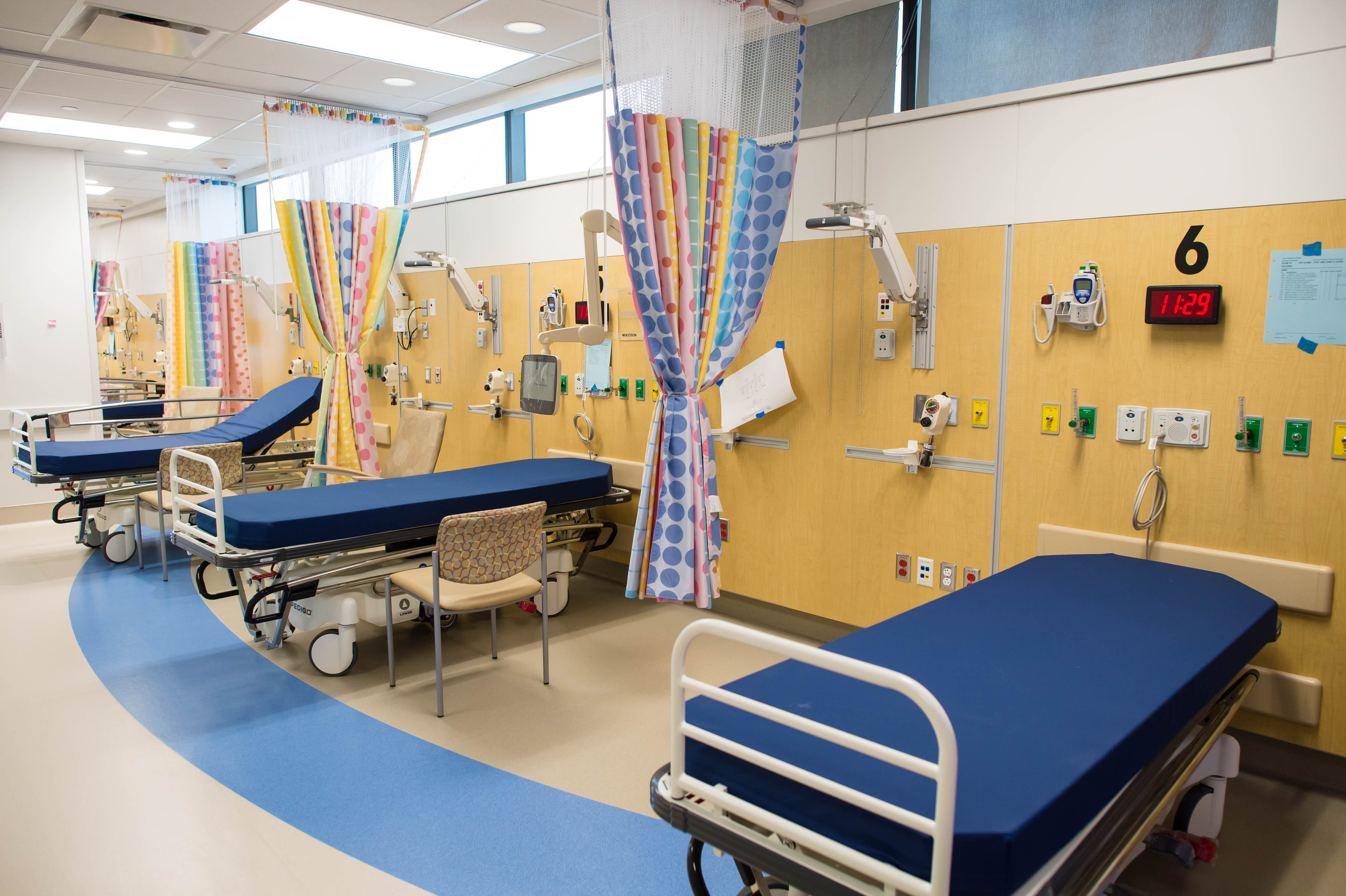
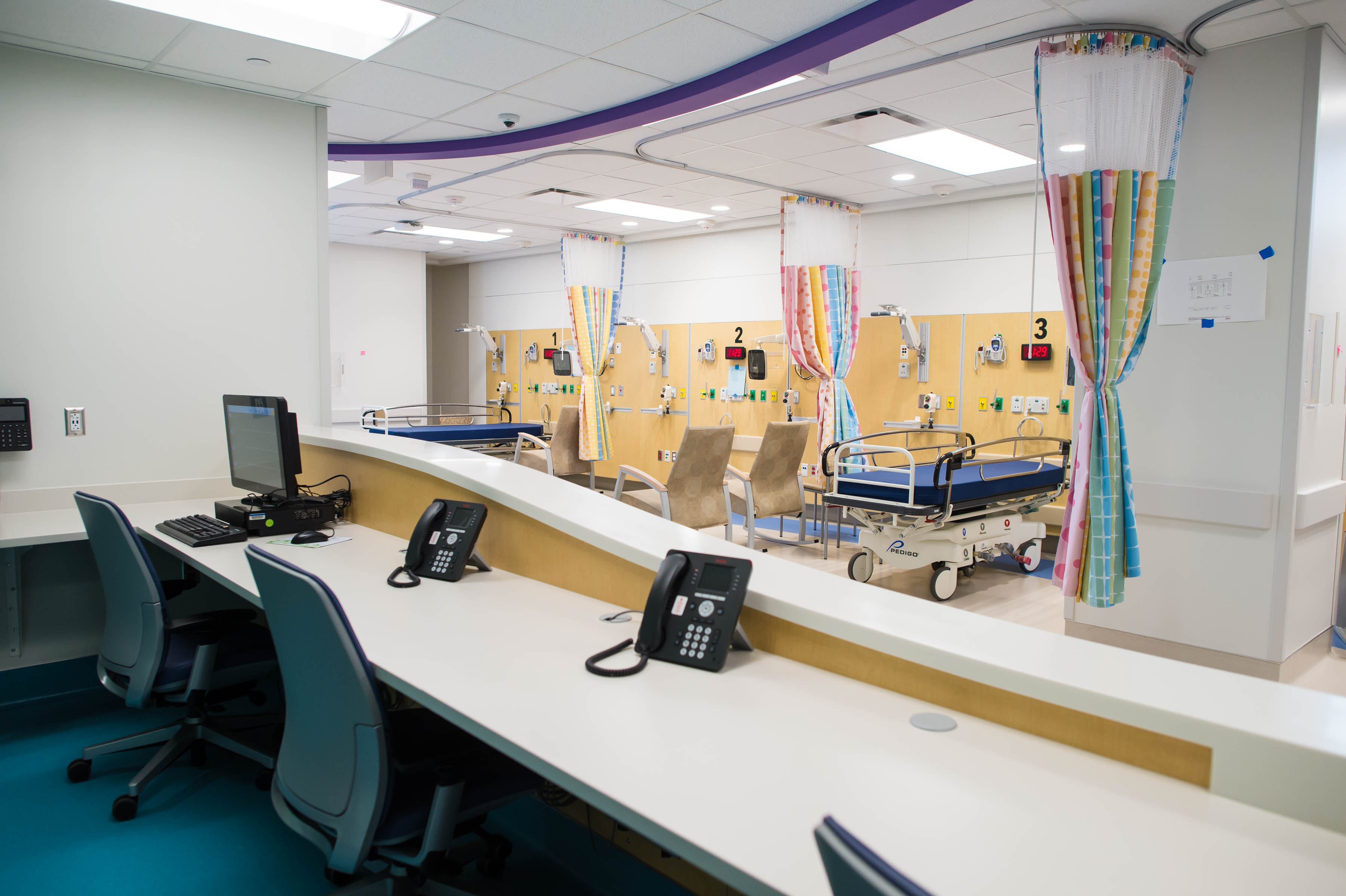
The Heart Center receives many echo patients, as well as patients transferred from inpatient units, who require sedation. The new outpatient clinic features an expansive six-bed sedation area, with an additional five echo rooms. The sedation area’s layout, similar to an anesthesia area or recovery room, has improved visibility and access, which will allow caregivers to monitor patients more closely. And its location will afford patients and families more privacy.

Exercise labs
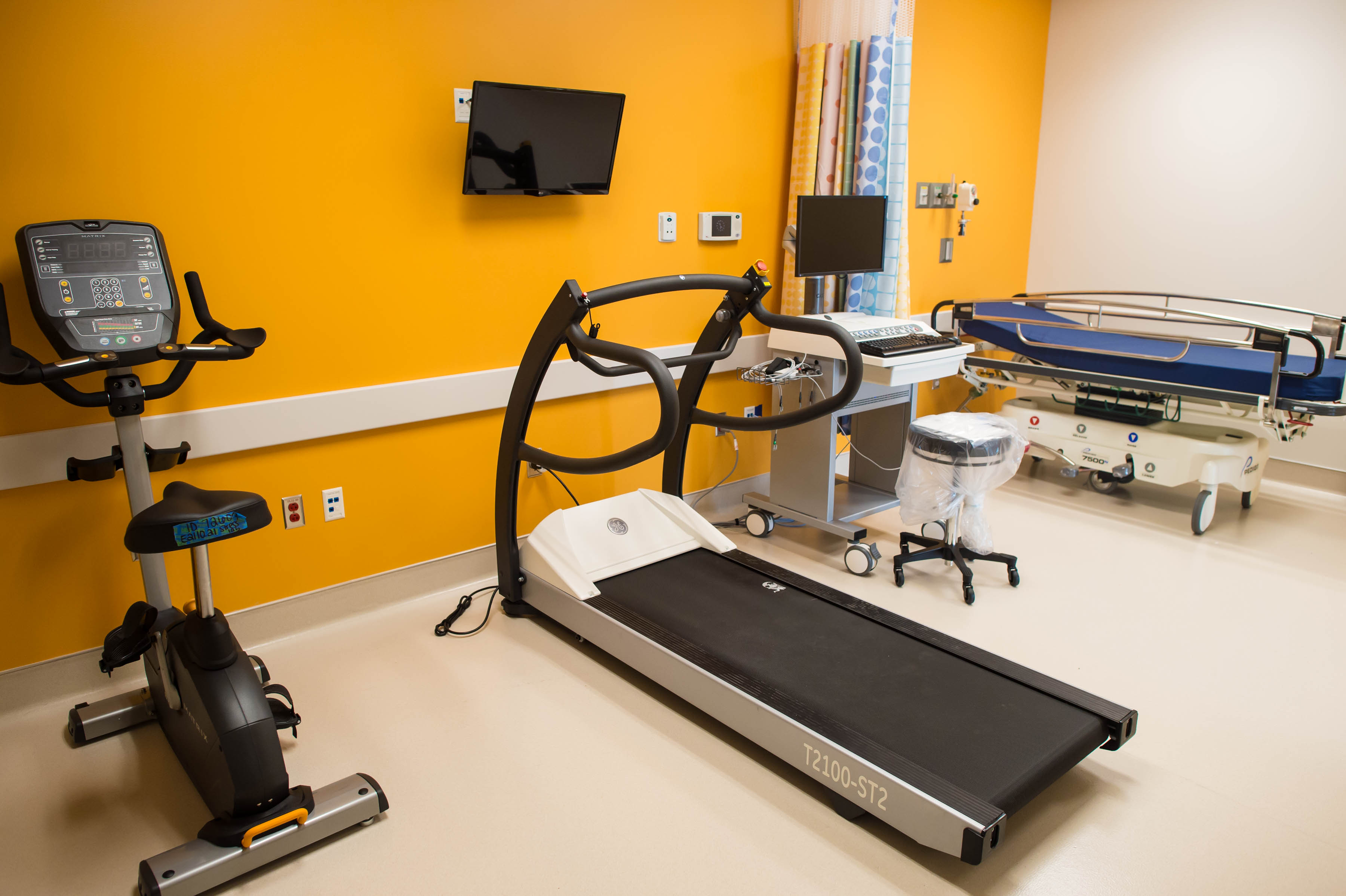
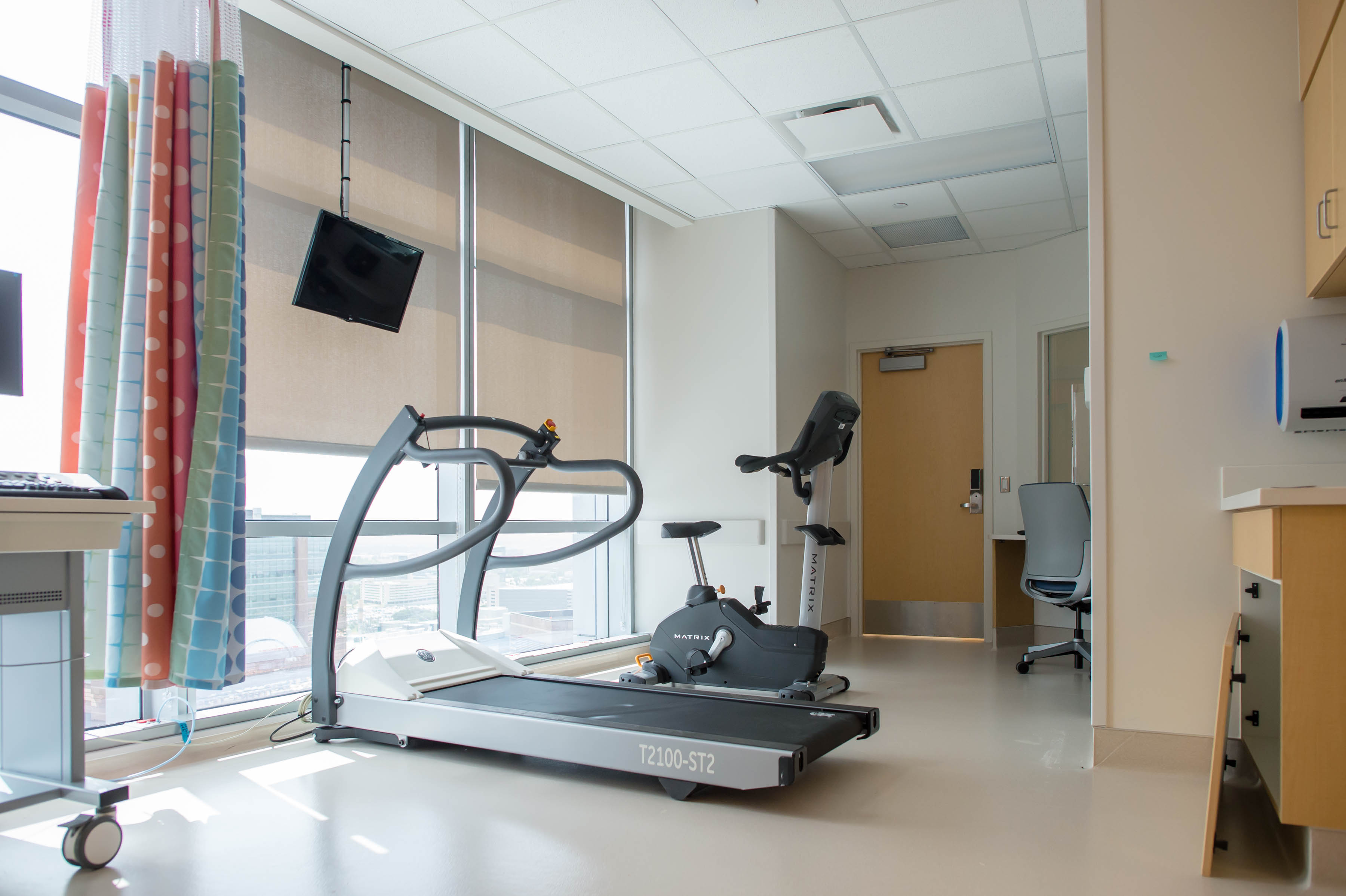
One of the most important aspects of a patient’s ongoing assessment is exercise function. For that reason, the new outpatient clinic has two exercise labs. The labs are linked by a central control room, similar to a catheterization lab, from which physicians can supervise tests and monitor real-time patient data displayed on banks of high-resolution monitors. The exercise lab also features a dedicated space for pacemaker care.

Simulation
Simulation and process mapping have been crucial in the clinic’s development. Because the layout of the new clinic’s pod-based space is significantly different than the previous outpatient clinic, simulations were necessary even as part of the initial design process.

High-fidelity simulations used mannequins to test clinical systems, documentation systems, patient safety processes and more for single-patient interactions. Comprehensive workload and patient flow simulations were conducted to test patient movement through the clinic at various volume levels, which is important for a clinic that often sees more than 80 patients in a day. This unique, hands-on process involved clinical staff and simulated patients and families entering the clinic, tracked the flow of multiple patients moving through the clinic simultaneously, and also monitored the utilization of space. Additionally, computer-based simulation models were used to monitor check-in processes, wait times and potential bottlenecks to help make necessary changes to the process flow.

Part of a united heart center
At Texas Children’s, cooperation and teamwork are pervasive across the hospital system, within specialty and subspecialty areas and across service lines. The same is true of the Heart Center, which combines cutting-edge technology and surgical expertise with research and compassionate, family-centered cardiac care – all located in the same, state-of-the-art complex.

“We’re not a cardiology section and a cardiac surgical section siloed from one another,” Penny said. “In everything we do, we want to emphasize that we are, both culturally and, indeed, physically, a unified heart center. That has been one of the fundamental philosophies of this whole endeavor: we can do more for our patients working together as a comprehensive team.”

Texas Children’s Heart Center is a global leader in pediatric cardia care, treating some of the rarest and most complex heart cases. With several multidisciplinary teams working in conjunction with pediatric subspecialties throughout the hospital, the Heart Center strives to provide unparalleled care at every point from diagnosis through treatment and follow-up to achieve the best outcome for every patient. For the past two years, Texas Children’s Heart Center has led the nation as the No. 1 place for children to receive cardiology and surgery care according to U.S. News and World Report.

Learn more about the Heart Center.

September 18, 2018

Through dedication, hard work, research and partnership, Texas Children’s Newborn Center has lowered its rate of a serious lung condition in premature infants by more than 13 percent over the past year.
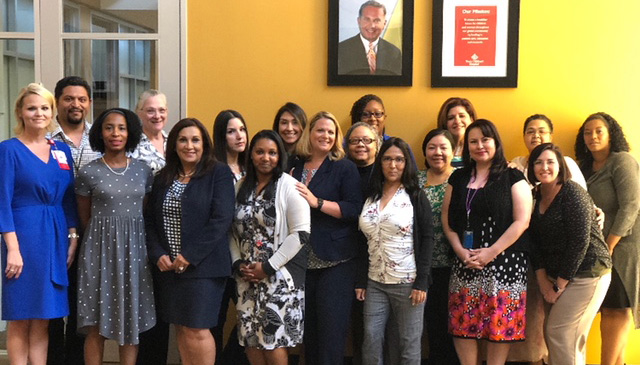
The center’s current rate of Bronchopulmonary Dysplasia (BPD) is below the national average for the first time in a decade and is well below what is expected based on the size of the unit and the type of patients cared for in the NICU at Texas Children’s Hospital, according to the Vermont Oxford Network, an organization that helps hospitals track outcomes of premature babies and allows comparison to other institutions across the country.

“This is a dramatic improvement for us,” said Dr. Monika Patil, one of the neonatologists involved in Texas Children’s campaign to lower BPD rates. “We now have the lowest rate of BPD since we joined the Vermont Oxford Network in 2006.”

Patil said every team member in the Newborn Center contributed to this outstanding achievement and that their work has been directed by the Avoiding Lung Injury (ALI) team. ALI is a multidisciplinary group focused on improving the respiratory outcomes of very low birth weight infants in the NICU through quality improvement projects. This team was created by Dr. Lakshmi Katakam, medical director of the NICU, and Dr. Gautham Suresh, chief of Neonatology, with the vision of empowering NICU staff to tackle one of the most important determinants of long-term outcomes in premature babies – that is, whether or not a premature infant develops BPD.

BPD is one of the key conditions that influences long-term outcomes in a low birth weight infant, Katakam added. And, for many infants, it determines whether they go home on oxygen or ventilator. That’s why close monitoring of these patients is so important.

What ALI has found, and clinicians have worked to implement, is that rates of BPD can be lowered if infants who need respiratory aid are treated with gentler modes of therapy that protect the premature baby’s lungs from being injured , such as Continuous Positive Airway Pressure (CPAP) instead of being intubated and placed on a ventilator. If intubation and assistance of ventilator are necessary, the group discovered infants fare better if clinicians closely watch the amount of ventilator support and oxygen being administered, only giving infants what they needed when they need it.

To implement and maintain these changes, the Newborn Center is trying innovative staffing models that enable nurses and respiratory therapists to become even more involved in respiratory care of premature patients. Instead of tending to more than one patient during their shift, nurses caring for infants on CPAP are now assigned to care for only one patient at a time during the first few days of life when premature babies’ lungs are most vulnerable to injury. There is also a team lead respiratory therapist that offers an extra layer of support and keeps a watchful eye to ensure that CPAP is successful.

“This method of care is highly involved and requires a lot of support from our nurses and respiratory therapists, but is what’s best for our patients during such a critical period in their lives,” Katakam said. “It’s also what sets us apart from other institutions that might not have the resources to give patients such individualized care.”

To ensure such close care is continued, the Newborn Center is working alongside nursing leaders, Rebecca Schiff and Heather Cherry, to perform a nursing research project to improve CPAP management. The project is focused on understanding the correlation between nurse-patient ratios and respiratory outcomes in infants on CPAP.

In addition, the ALI group is continuing its efforts to research and implement strategies for minimizing time a newborn spends on the ventilator by extubating as early as possible, using gentle ventilation modes, optimizing use of medications proven to be effective in reducing BPD, and minimizing exposure to oxygen, which can be harmful to premature infant’s lungs and eyes, if used in excess.

The ALI team is hosting a regional respiratory care conference on October 19 at Texas Children’s Hospital. NICU providers from all across the country will share their experiences and learn from experts at Texas Children’s. For more information about the First Annual Baylor Avoiding Lung Injury conference, please contact Katakam at Katakam@bcm.edu or ext. 6-1365. Online registration is available at https://www.bcm.edu/bali-conference.

“We are very excited about our progress but still have a long way to go,” Katakam said. “Preventing BPD is an ongoing effort but our team is determined and energized to do everything we can to prevent lung injury along a premature infant’s journey, from the time a baby takes the first breath in the delivery room to the time they leave our NICU.”

Excluding those mentioned above, those involved in the NICU’s effort to lower the rate of BPD in premature infants include:

  • Isa Baruah
  • Dr. Rebecca Cavazos
  • Dr. Milenka Cuevas
  • Dr. Shaeequa Dasnadi
  • Anne Debuyserie
  • Dr. Cary Fernandes
  • Jennifer Gallegos
  • Dr. Behru Gandhi
  • Suzanne Iniguez
  • Sheela John
  • Maxine Keller
  • Dr. Brian King
  • Dr. George Mandy
  • Jessica Ramirez
  • Dr. Rita Shah
  • Kymberly Sherwood
  • Dr. Binoy Shivanna
  • Dr. Nathan Sundgren
  • Eva Vuong

The National Committee for Quality Assurance (NCQA) recently accredited Texas Children’s Hospital’s Centralized Credentialing Office.
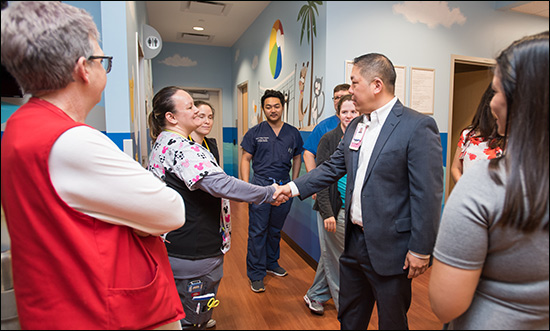
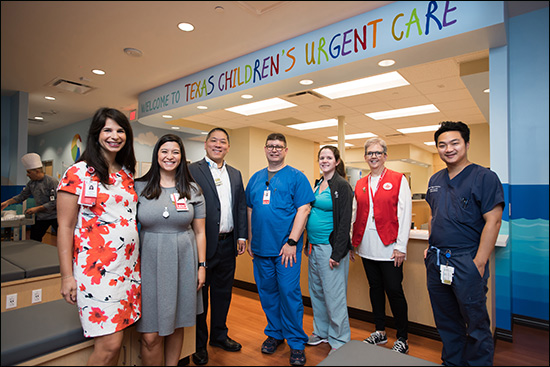
The NCQA is a nonprofit organization in that works to improve health care quality through the administration of evidence-based standards, measures, programs, and accreditation. An NCQA accreditation is considered a best practice in the field of credentialing.

To earn the status, NCQA auditors performed a comprehensive evaluation of the Credentialing Office to determine if it met the organization’s standards of having a well-defined credentialing and re-credentialing process. The office demonstrated excellence with a near-perfect score of 99.6 percent.

September 10, 2018

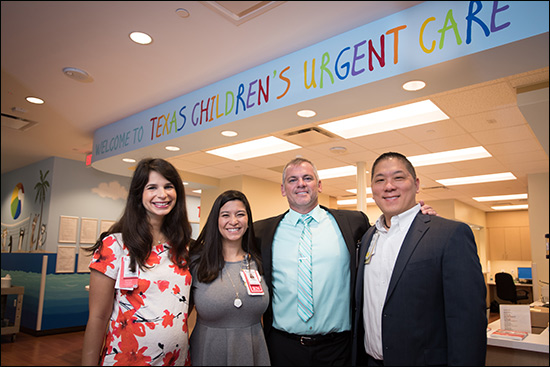
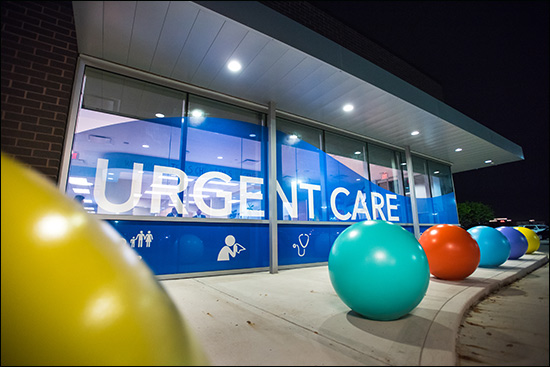
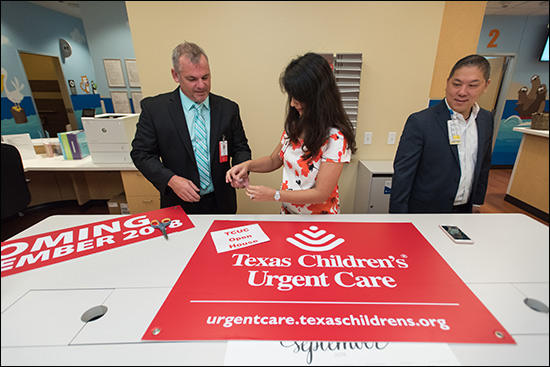
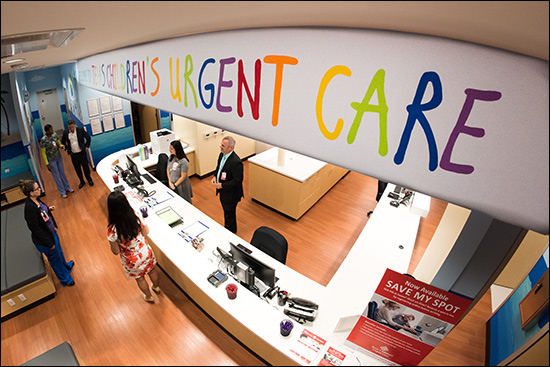
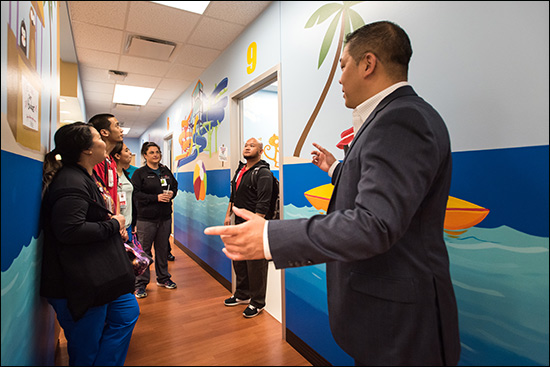
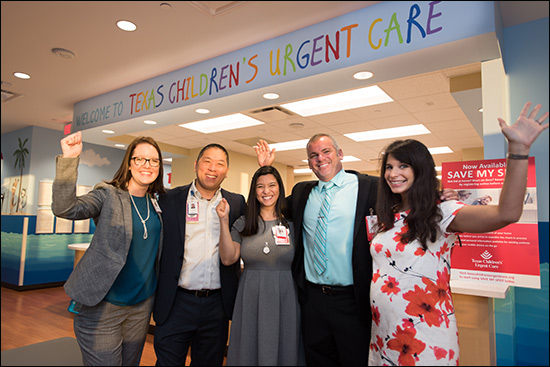
On September 11, Texas Children’s opened its 12th urgent care clinic, the second of which is located near a Texas Children’s Emergency Center.

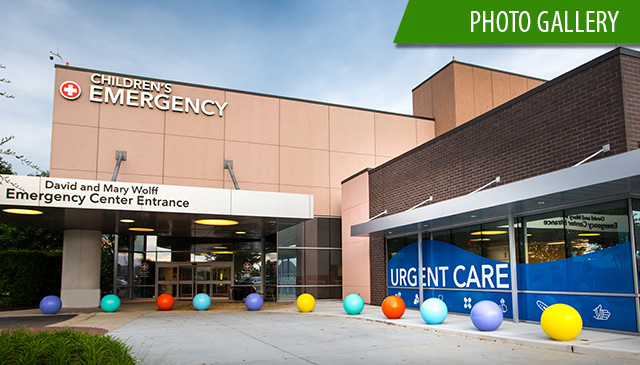
The recently opened urgent care is located next to the Texas Children’s Hospital West Campus Emergency Center to help manage the Emergency Center’s low-acuity patient population and to serve patients and families in the West Houston area. The care team includes front office staff, nurses and clinical support staff, and board certified pediatricians and pediatric-focused advanced practice providers.

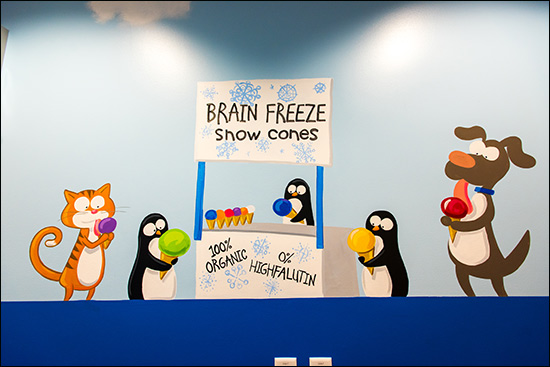
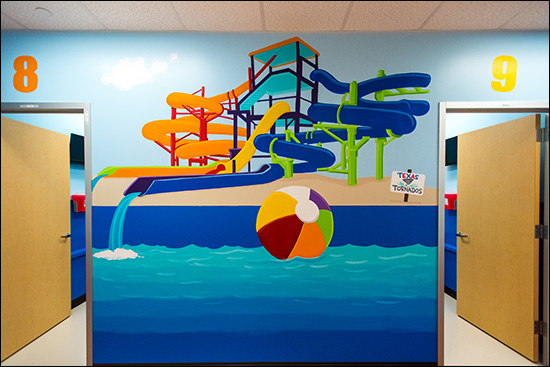
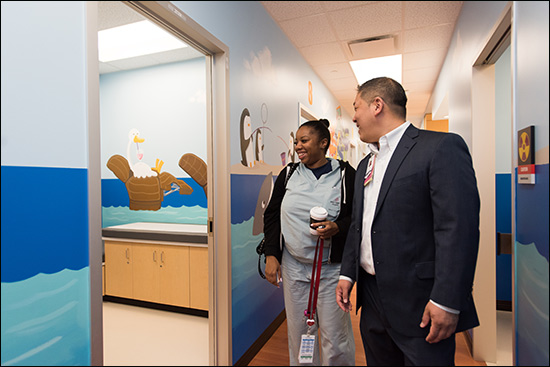
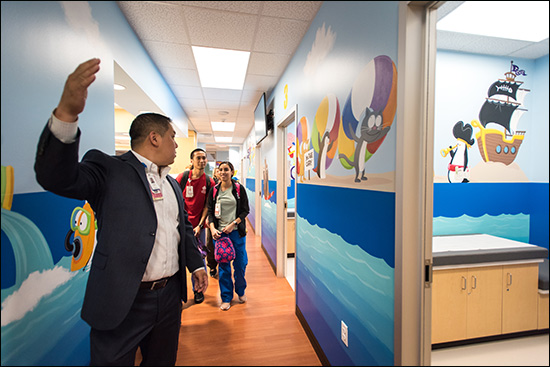
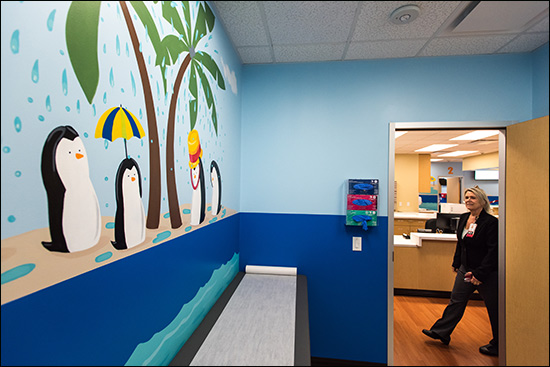
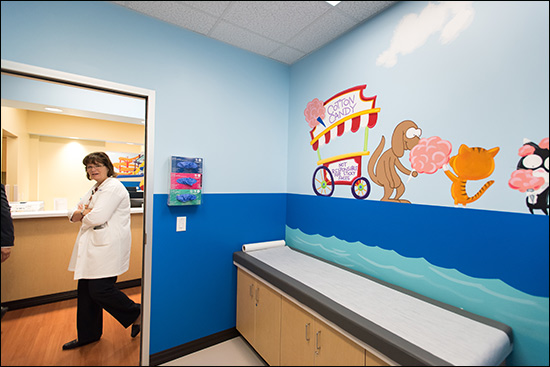
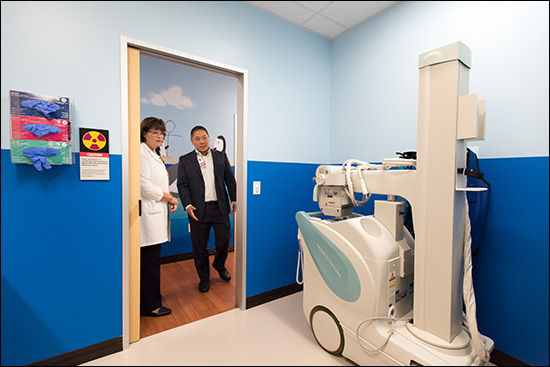
At 4,250 square feet, the clinic has 11 exam rooms, an X-ray room, and a spacious waiting area covered in murals, providing a relaxing, child-friendly atmosphere.

“A strong collaboration between this Urgent Care and the Emergency Center is going to be critical,” said Sara Montenegro, assistant vice President at West Campus. “It has been great so far as we have simulated ahead of time and practiced best and worst case scenarios to make sure we are as prepared as possible.”

This collaboration with the Emergency Center offers a quicker and less expensive option for low-acuity patients. To be seen at the clinic, patients can go directly there or be transferred from the Emergency Center after being assessed. If they are transferred, patients and their family members will be escorted to the clinic’s location.

“We are very excited to be out here at West Campus,” said Gary Macleod, the clinic’s director of clinical operations. “Hospital-based urgent cares are always really exciting for us. The ability to work hand-in-hand with the hospital makes us more effective.”

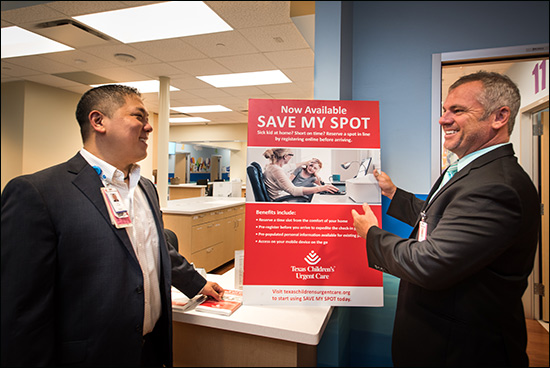
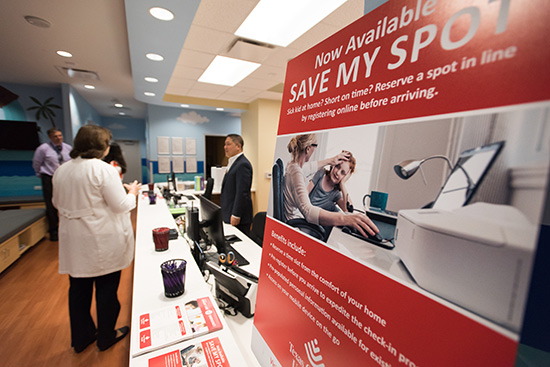
The West Campus Urgent Care is open from 11 a.m. to 11 p.m., seven days a week. The “Save My Spot” feature, which allows patient families to reserve a time slot at the clinic from the comfort of their own home, is live and wait times are also posted on the website so families know how long it will be before they are seen. Electronic check in is also available to expedite the registration process and potentially aid in lowering wait times.

“Our mantra is to ensure that patients are getting the right care, at the right place at the right time, and with us specifically, at the right cost,” said Roula Zoghbi Smith, director of Business Operations for the Urgent Care. “The urgent care is typically a more cost effective option for families, than seeking care in the Emergency Center, which is always appreciated.”

For more information about Texas Children’s Urgent Care and its locations, click here.