October 8, 2018

Physicians and scientists at Texas Children’s Hospital are known for treating patients with some of the most complex pediatric medical conditions. They’re also known for helping patients with some of the rarest.

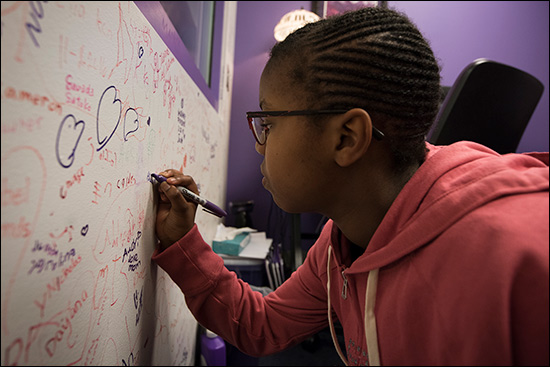
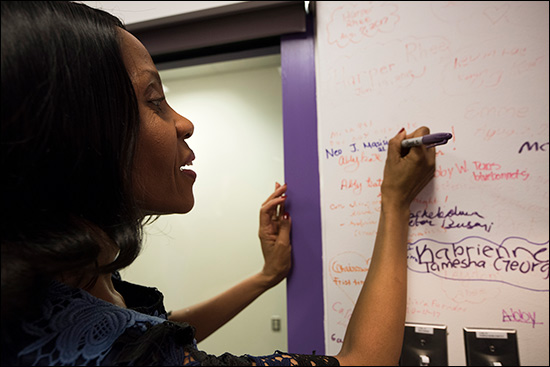
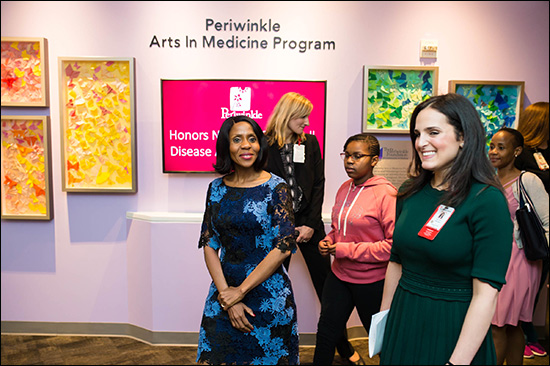
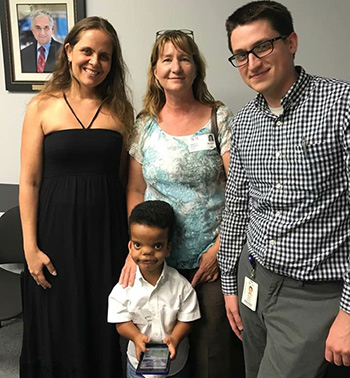
From July 18 to 22, 20 individuals with Robinow syndrome and their families came to Houston from across North America for the 25th Robinow Syndrome Foundation Convention and Medical Conference, which was hosted by Texas Children’s Hospital. This group of patients represented a large cohort – about 10 percent – of all currently documented cases of Robinow syndrome, an ultra-rare disorder that affects the development of many parts of the body, usually resulting in distinctive craniofacial features, skeletal and genitourinary abnormalities, and in some cases heart defects.

Because there are several genes associated with Robinow, the physical characteristics and their severity can vary between individuals, affecting their health and quality of life in different ways. To gain a better understanding of specific health needs, and to gain new insight into the genetic reasons behind the variance in symptoms, Texas Children’s physicians held a special research day as part of the conference.

The multidisciplinary effort was two years in the making and driven by the research of Texas Children’s clinical geneticist Dr. V. Reid Sutton and co-investigator, Dr. Claudia Fonseca, adjunct assistant professor of molecular and human genetics at Baylor College of Medicine, whose work together on Robinow recently garnered a grant from the Eunice Kennedy Shriver National Institute of Child Health and Human Development, part of the National Institutes of Health.

“Our work with the Robinow Syndrome Foundation two years ago led to us being able to observe differences in individuals depending on which gene was causing the disorder,” said Sutton. “We were excited to host the event this year at Texas Children’s so we could follow up on initial studies, get new samples for research, and gather more detailed information on the differences in physical symptoms in the hope that we can improve care for these patients.”

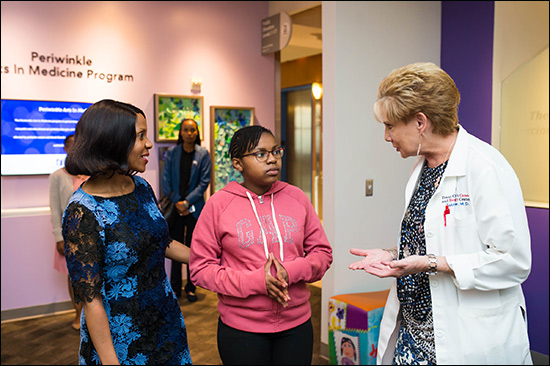
Clinical and lab space was set aside specifically for the research day. Texas Children’s Child Life Department was on hand to direct families, assist with procedures, and alleviate any stress or anxiety with activities and fun ways to pass the time. For six hours, the patients and their families met individually with teams of physicians across six different disciplines, including urology, plastic surgery, psychology, endocrinology and genetics.

In addition to collecting new samples, Sutton also measured bone density in about half the patients using DEXA (dual-energy X-ray absorptiometry) scanning and high-resolution peripheral quantitative computed tomography at the Children’s Nutrition Research Center’s Body Composition Lab. Dr. Renata Maricevich from the Department of Plastic Surgery examined patients’ craniofacial symptoms, noting the health implications of structural deformities, particularly breathing and speech problems, and how surgical options could help. Additionally, a team of pediatric urology fellows and residents, led by Dr. Paul Austin, director of Texas Children’s Complex Urologic Reconstruction program and professor of Surgery for the Department of Urology at Baylor, observed patients’ genitourinary abnormalities, which can affect both appearance and function, particularly among males with Robinow.

“I anticipate the collaborative research conducted during the conference will culminate in a landmark reference document for the treatment of Robinow,” Austin said. “The specialty-specific data will help better characterize and delineate the phenotypic features based on the mutation present. So in the case of urology, we will have a better understanding of urologic issues associated with the various genetic forms of Robinow and will be able to develop more specialized treatments.”

In addition to possible surgical interventions, findings from the research day demonstrated that there could be potential non-surgical treatment options for Robinow patients as well. Dr. Shilpi Relan from pediatric endocrinology spoke to families about growth hormone therapies, as well as the possibility of testosterone therapy for males to help mitigate, or perhaps even avoid, some of the genitourinary symptoms. Experts at Texas Children’s also addressed the potential psychological repercussions of living with Robinow. Drs. Marni Axelrad and David Schwartz from Texas Children’s Clinical and Pediatric Health Psychology assessed cognitive and fine motor strengths and weaknesses, and created behavioral and emotional profiles for individual patients.

“Texas Children’s provides fabulous support for individuals living with syndromes like Robinow and their families,” Axelrad said. “Whether they need help for emotional, behavioral or cognitive challenges, our providers work together to better understand each patient and their needs. The information gathered at this conference has the potential to help patients understand how Robinow specifically affects them, as well as providing information about potentially helpful clinical assessment and intervention.”

The event was incredibly well received by the families who attended.

“The response from our families was very positive,” said Kimberly Kremeier, executive director of the Robinow Syndrome Foundation. “The physicians at Texas Children’s took time to explain in detail their findings and potential treatment plans. Our families were pleased to get answers, and some needing treatment now have a plan of care that hadn’t been available in their local communities. We welcome future collaboration with Texas Children’s in the future.”

The multidisciplinary research team will reconvene in the coming months to compile their findings from the research day, as well as presenting subsequent ideas for treatment and therapies, into manuscripts for joint publication.

“Ultimately we want to understand all the physical manifestations of Robinow in detail, as well as correlating the genetic basis in individual patients,” Sutton said. “Knowing why we’re seeing the physical differences is going to help us improve the care we can provide.”
October 2, 2018

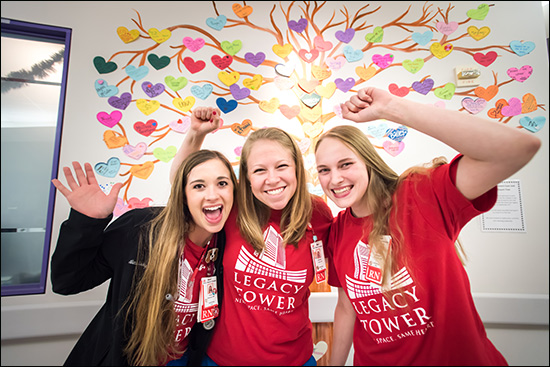
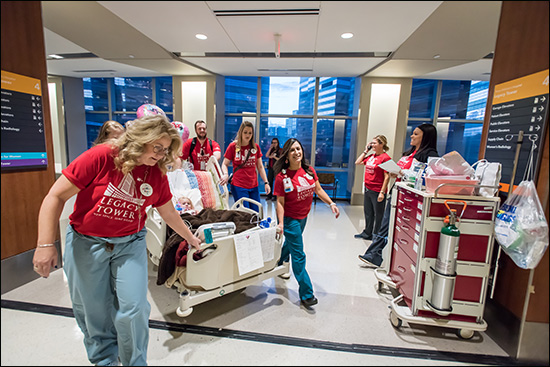
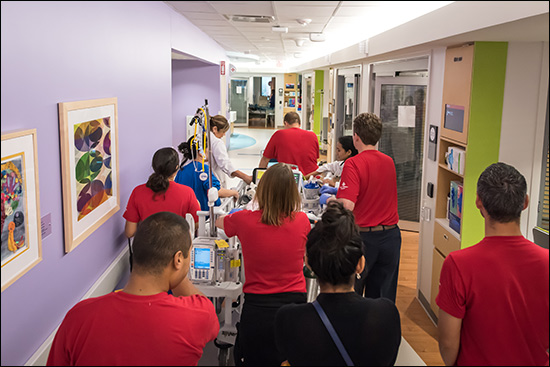
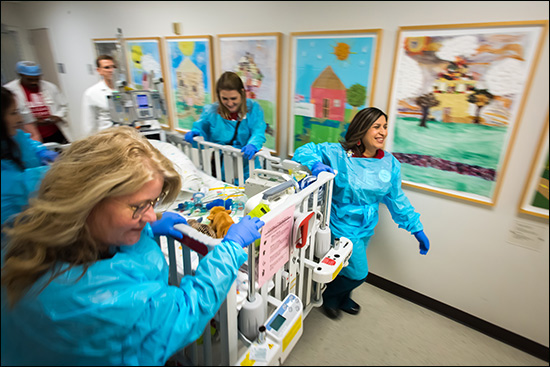
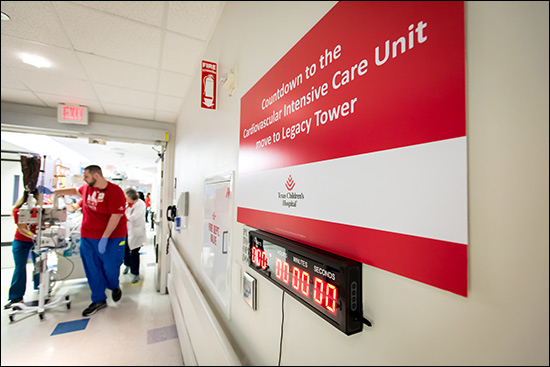
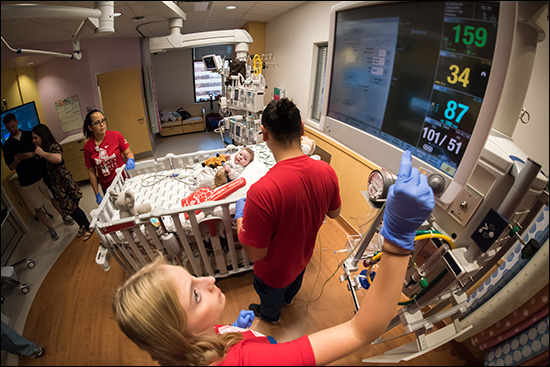
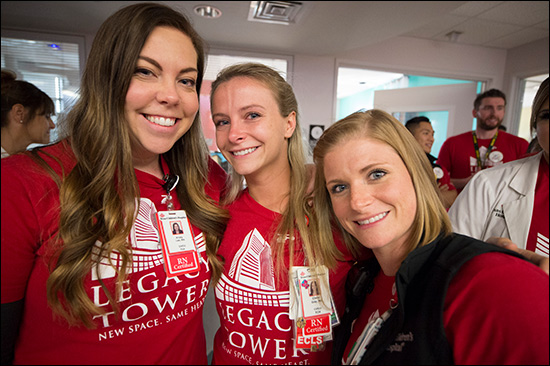
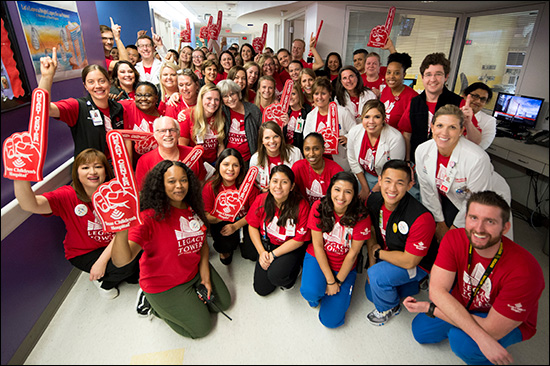
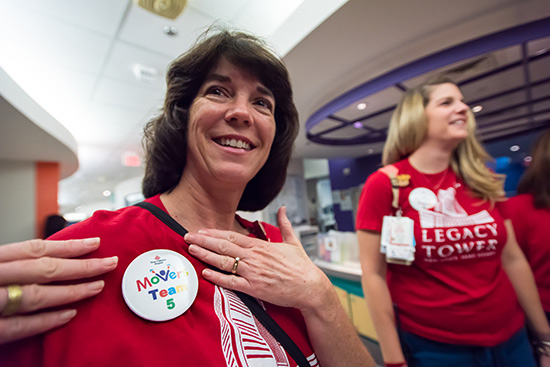
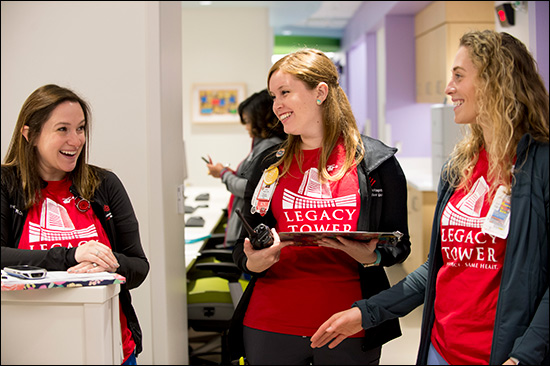
Last week was monumental for Texas Children’s with the move of our No. 1 ranked Heart Center into the new state-of-the-art Legacy Tower. The milestone came just months after the historic May 22 move of our pediatric intensive care and progressive care units into the spacious, high-tech tower adjacent to the Texas Children’s Pavilion for Women and across the street from Mark Wallace Tower.

“What a great day it’s been for everyone at Texas Children’s as we’ve moved into the upper floors of Legacy Tower,” said Texas Children’s President and CEO Mark Wallace. “We’ve transferred a lot of patients today and everything has gone flawlessly. This remarkable new space will make a world of difference for the critically ill patients and families we serve.”
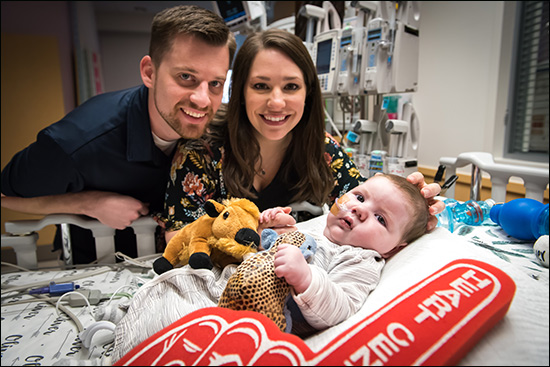
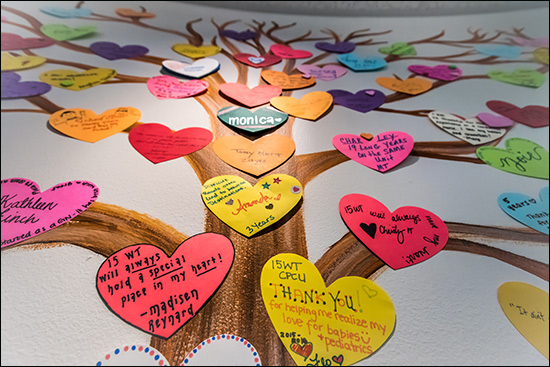
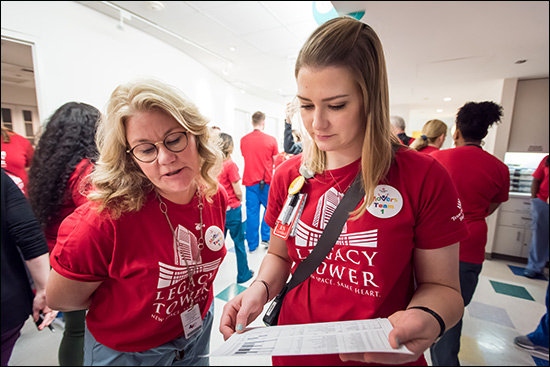
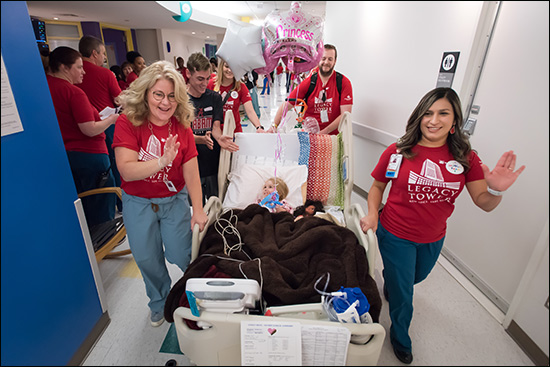
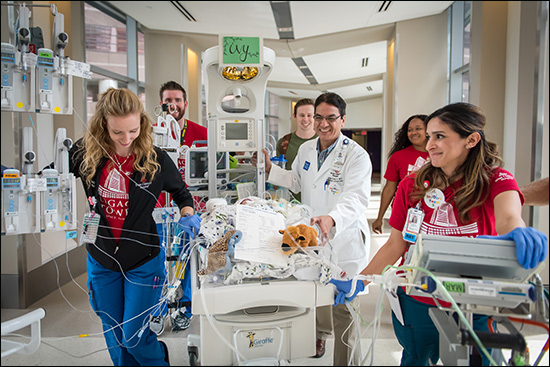
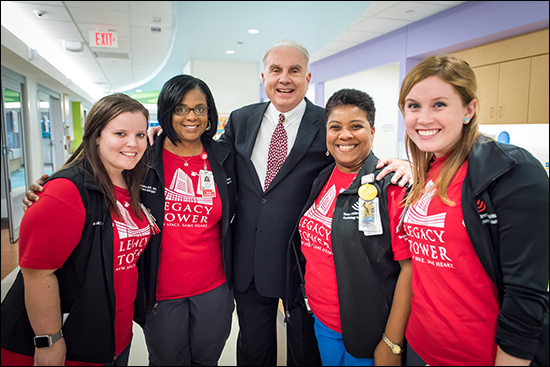
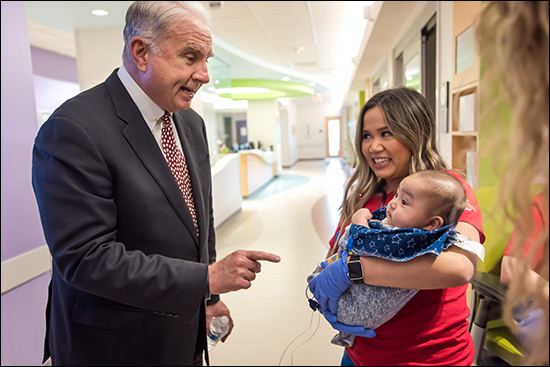
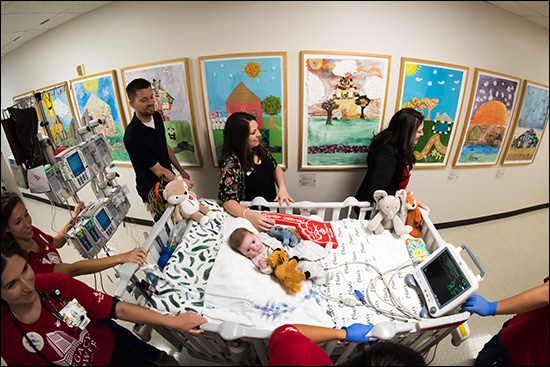
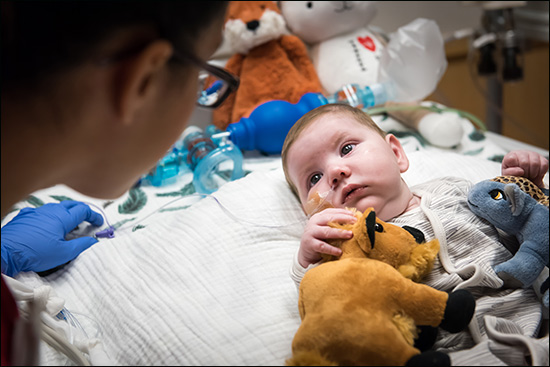
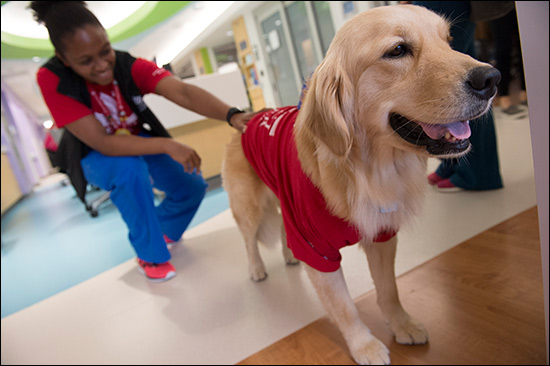
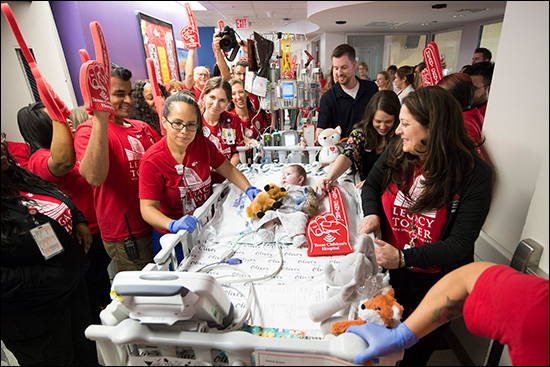
View photos below from the move and the events that followed.

The Move
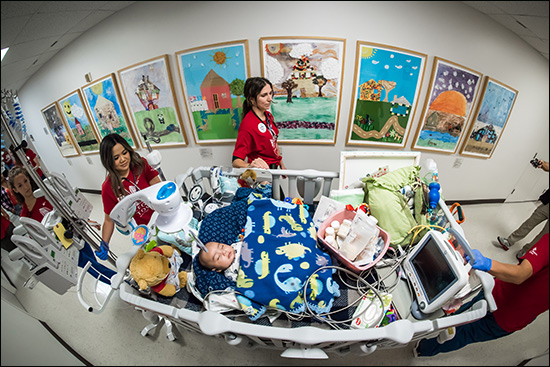
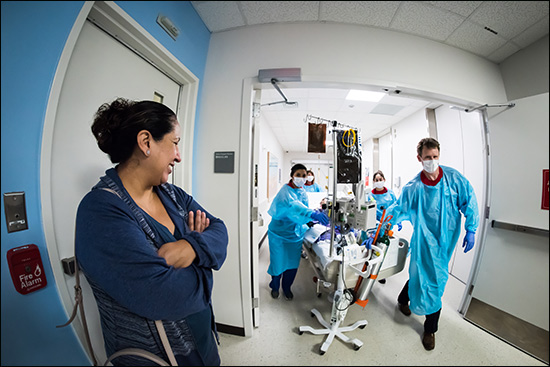
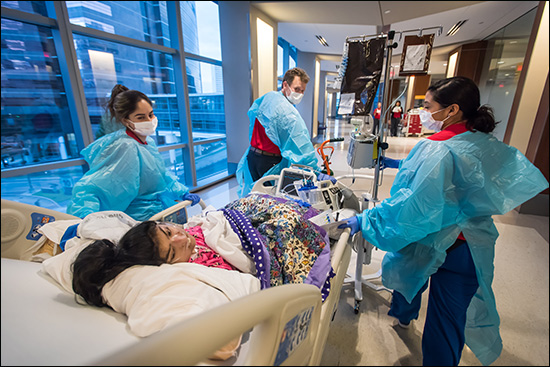
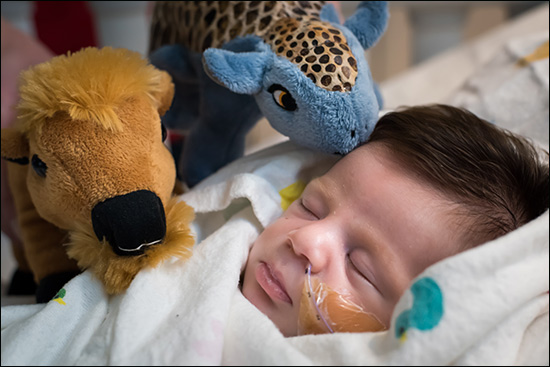
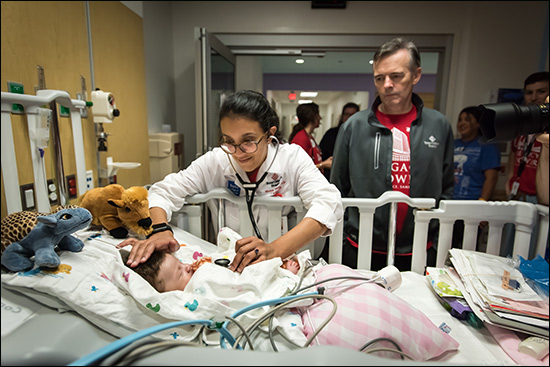
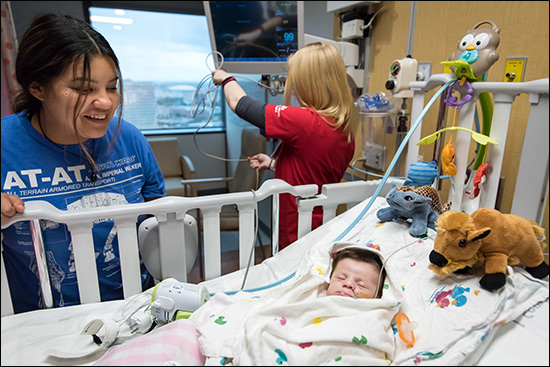
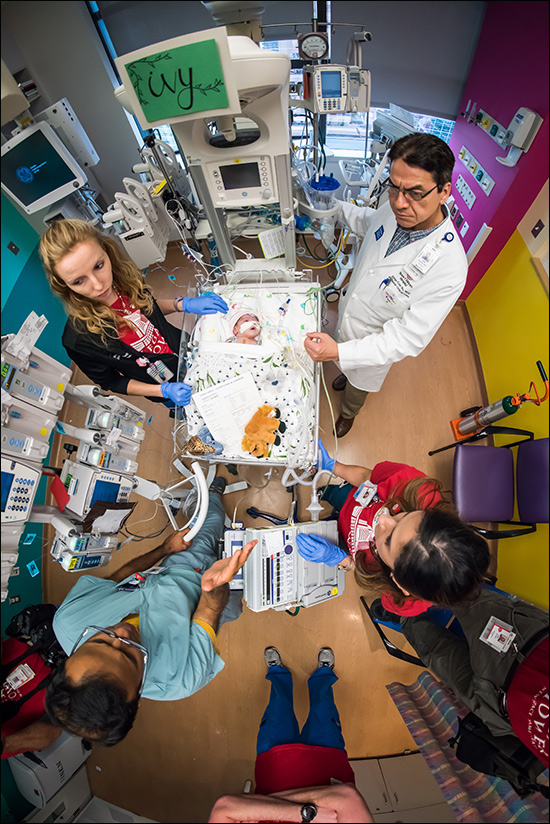
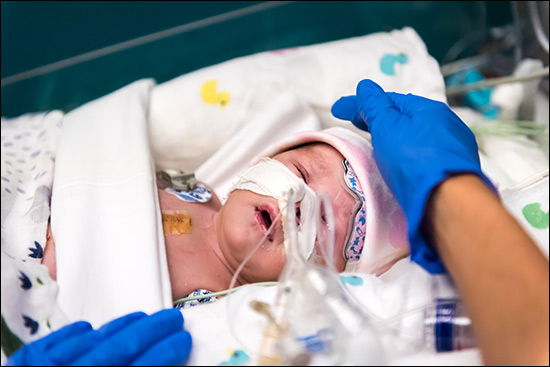
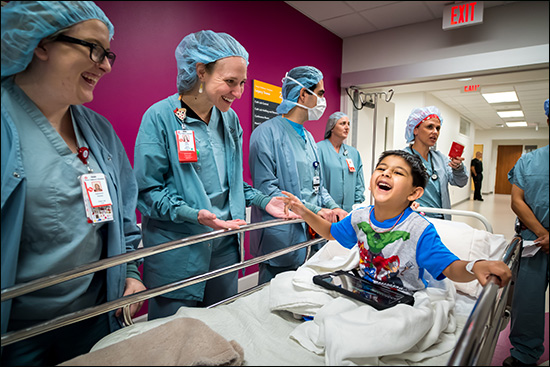
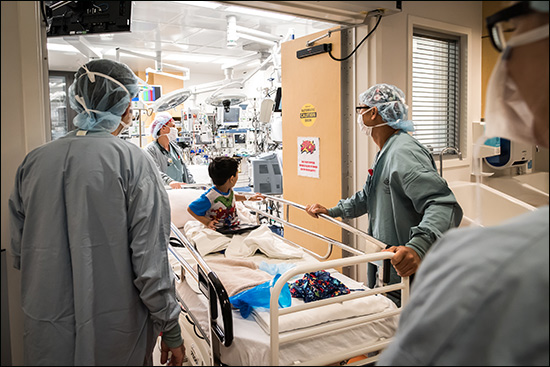
Over the course of about eight hours on September 25, six specially-trained clinical teams comprised of more than 200 members transported 64 heart patients, some critically ill, safely to their new, state-of-the-art rooms in Legacy Tower. The patients ranged in age from 3 days to 22 years.

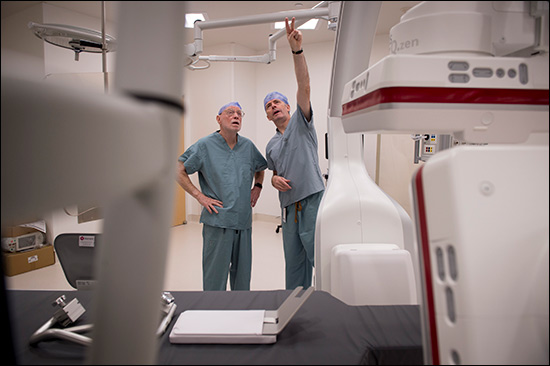
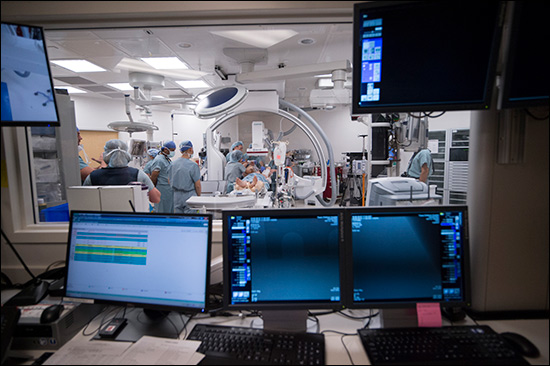
The following day, on September 26, 11-year-old Colin Rankin of Dallas, became the first patient to undergo a cardiac catheterization procedure and an intra-cath MRI in Legacy Tower at the Heart Center’s new Charles E. Mullins, M.D. Cardiac Catheterization Laboratories.

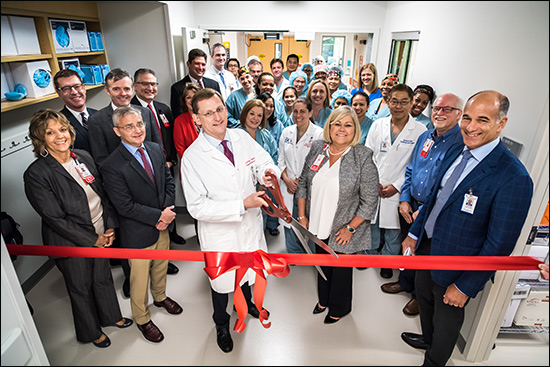
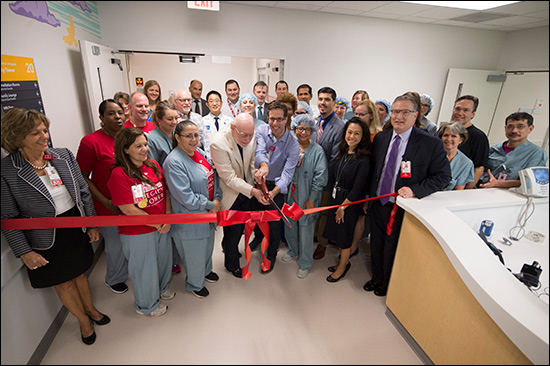
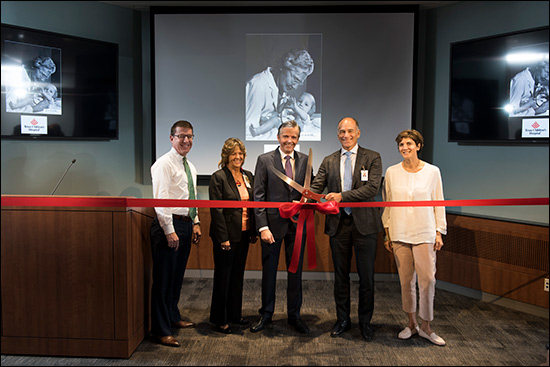
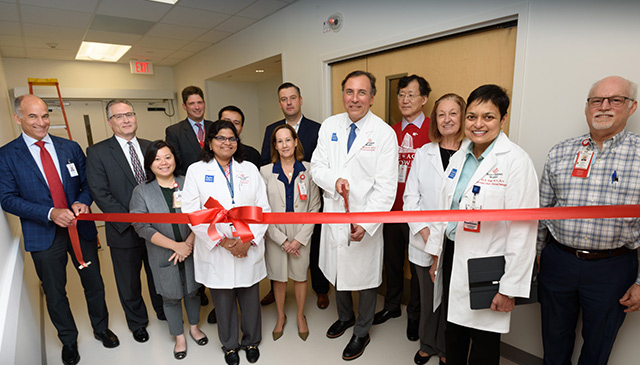
Moments before Colin’s procedure, performed by Dr. Athar Qureshi, a ribbon cutting ceremony was held to commemorate the opening of our four new catheterization labs and integrated MRI. Dr. Charles E. Mullins, the pioneering Texas Children’s physician and father of modern interventional pediatric cardiology for whom the suite of labs are named, was present at the ceremony and cut the ribbon along with Dr. Henri Justino, director of the Mullins Cardiac Catheterization Labs.

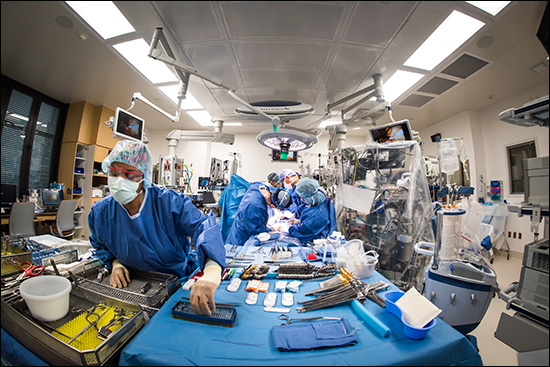
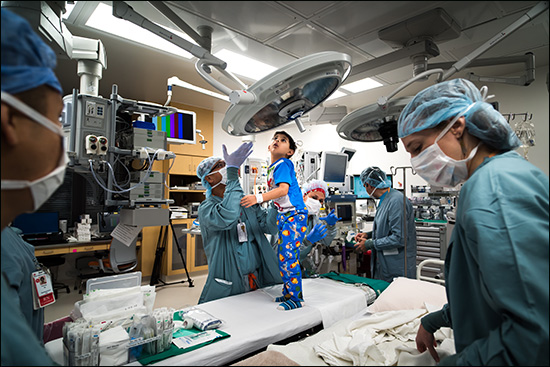
On September 27, Associate Chief of Congenital Heart Surgery Dr. Jeff Heinle cut the ribbon to officially open the Heart Center’s new cardiovascular operating rooms, and to usher in a new era of cardiac surgery at Texas Children’s. Later that morning, 4-year-old Rizan Merchant underwent the first surgical intervention in the expansive new space – a Fontan procedure, performed by Heinle.

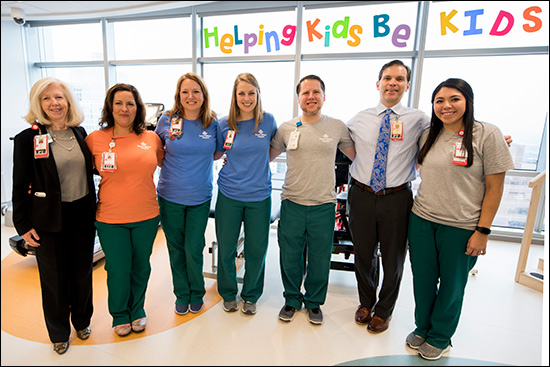
And on October 1, patients received treatment for the first time in the new Legacy Tower Therapy Gym. The gym is a powerful resource to help children and parents learn and focus on what they can do, rather than what they can’t. Features include machines for building core strength and balance, exercise bikes, and a bathtub and set of stairs for parents to practice everyday tasks at home with their children.

A week before the move, patients and families entered the doors of the Heart Center’s new outpatient clinic for the first time. Situated on the 21st and 22nd floors of Legacy Tower, the clinic is designed top to bottom with Texas Children’s families in mind. The bright, welcoming space was specially configured to offer a more personal approach to care, and to handle high clinical volume. During the first afternoon clinic session, 25 patients were seen, and 18 outpatient echocardiograms and 18 outpatient ECGs were performed. To read more about the new Outpatient Clinic, click here.

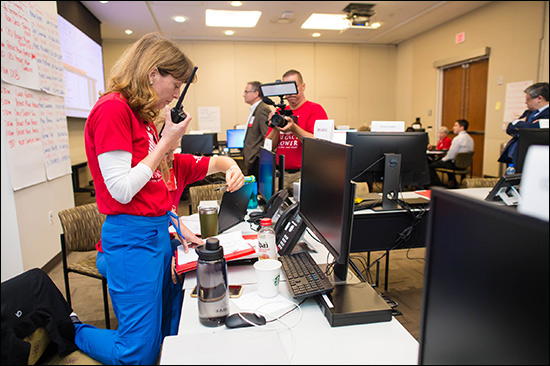
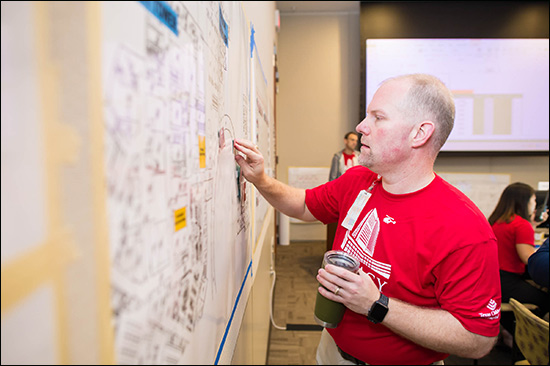
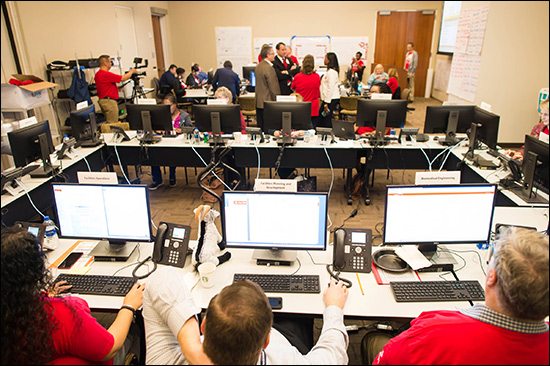
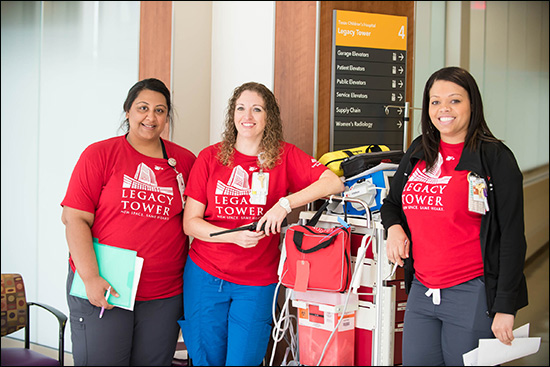
Throughout the entire move and for days afterward, the Legacy Tower Go Live Support Center was set up on the fourth floor of the Pavilion for Women and comprised of hundreds of individuals from across the hospital system who focused on patient move tracking from West Tower to Legacy Tower. The team included support staff from Supply Chain, Security, BioMedical Engineering, Facilities Operations, Information Services, Pharmacy and Respiratory Care.

“We all are incredibly blessed by this space, but this move isn’t just about the building. It’s the people as well,” said Vice President Judy Swanson. “We have such a committed, amazing team, all of whom worked so hard to make this move happen and to make it special for our patients and families.”
The Purpose
Texas Children’s started planning for Legacy Tower more than five years ago as an effort to reinvest in the programs our most critically ill patients need. Demand for these services continues to grow – here in our community and far beyond Houston. And prior to Legacy Tower, our core areas – Critical Care, Emergency Center and ORS/PACU – were often at capacity.

As an organization, we needed to make changes that advance quality, service, safety and strategic growth. We needed to broaden our expertise and better coordinate care to improve the experiences of our patients and their families. And we needed to expand our access to make certain we do not have to turn children away when they need us most.

Legacy Tower is helping Texas Children’s accomplish all of this and more. The 640,000-square-feet of new space includes:
– 8 floors for Texas Children’s Heart Center
– 7 floors of intensive care patient rooms
– 1 radiology suite
– 6 high-intensity surgical operating rooms
– 4 cardiovascular operating rooms
– 2 intraprocedural MRIs
– 4 cardiac catheterization labs.

A helistop atop Legacy Tower is scheduled to open in November.

“The building of Legacy Tower has been a long journey and has really shown Texas Children’s at its best,” said Executive Vice President Mark Mullarkey. “This effort is and has always been focused around our patients and families.”

The Future
For our clinical staff, Legacy Tower will give them a better place to do what they do best – treat some of our most critically ill patients. It also will position them to continue to provide some of the best pediatric care in the world.

“Everything we would ever want as a specialty is here,” said new Chief of Congenital Heart Surgery Dr. Christopher Caldarone. “We have new and innovative centers like the exercise center, the gym where we can show patients what they’re capable of doing rather than telling them what they can’t do.”

All of this sets Texas Children’s apart, Caldarone said, adding that the only way to stay ahead of everyone else is make sure we bring all the expertise available to bear to every decision for every baby in a timely manner.

“That’s no small feat,” he said. “I think that’s where we’re going to be able to set ourselves apart.”

Chief of Pediatric Cardiology Dr. Daniel Penny said everything about the new Heart Center is about reducing the impact of heart disease on children and on their families.

“Whether it’s the amazing new clinical technologies that we’ve built, our new magnet in the Cardiac Catheter Lab, right down to the tiny design features,” Penny said. “They were all done with one thing in mind and that is what was best for parents and their children.”

Dr. Lara Shekerdemian, service chief of Critical Care Services, said everyone is extremely excited about Legacy Tower, the additional capacity it provides and the overall better environment it has made available to patients, families and staff. Patient rooms, Shekerdemian noted, are twice the size of the old rooms in West Towers. Dedicated family space has been incorporated into the design of the building and each inpatient room has its own bathroom.

“It’s a bright, beautiful, spacious, quiet and peaceful environment,” she said. “It’s a huge change from what we had previously.”

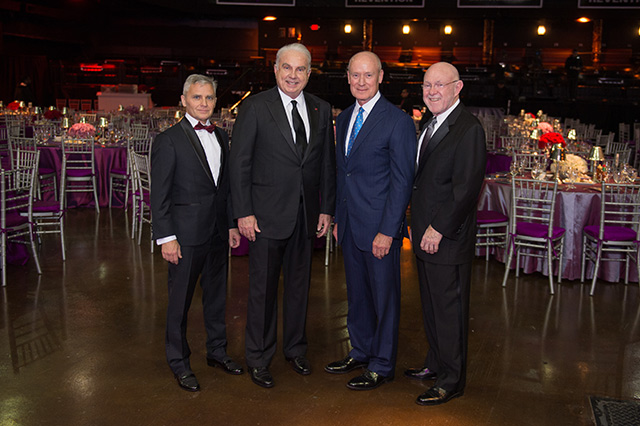
The Legacy of Motown Gala on September 29 at Revention Music Center topped the philanthropy charts, raising more than $83 million and making it the highest-grossing fundraising gala in Texas. The event was underwritten by The Lester & Sue Smith Foundation, whose commitment to match funds raised inspired others to generously give.

But the biggest hit of the night was the announcement of the naming of Texas Children’s latest expansion project – the Lester and Sue Smith Legacy Tower. The Smiths, who have dedicated their private wealth for public good, generously pledged $50 million to Texas Children’s to support Legacy Tower, the hospital’s new home for heart, intensive care and surgery, as well as to support patient care and research at Texas Children’s Cancer Center.

“I am incredibly grateful to Lester and Sue for this transformational gift,” said Mark Wallace, president and CEO of Texas Children’s. “Their unwavering commitment to our patients and families over the years is unmatched, and this is another shining example of their extraordinary generosity and compassionate care for others.”

Drawing from a place of gratitude for the life-saving care Lester received during his battles with cancer, the dynamic couple has dedicated more than $150 million to support research at numerous institutions including Texas Children’s, Baylor College of Medicine and Harris Health System. Following the Disco Legends event in 2012, which benefitted Texas Children’s Cancer Center, the clinic was named in their honor as the Lester and Sue Smith Clinic.

“Giving to others is our guiding philosophy,” said Lester and Sue Smith. “There is nothing more precious than a child, and we hope this gift will help support the incomparable patient care for which the hospital is known. It is truly our honor to leave a legacy of support for generations to come at Texas Children’s.”

Legacy Tower adds 640,000 square feet to Texas Children’s sprawling Texas Medical Center campus. In May, the first phase of the tower opened with six technologically advanced operating rooms for neurosurgery, orthopedics, plastic surgery, transplant and pediatric surgery – one with intraoperative MRI – and 84 ICU beds, including dedicated surgical, neurological and transitional ICU rooms. The second phase of Legacy Tower opened last week and serves as the new home for Texas Children’s Heart Center®, ranked No. 1 nationally in pediatric cardiology and heart surgery by U.S. News & World Report. This milestone will help Texas Children’s continue to provide the highest-quality care possible to patients and families, particularly those children who are critically ill.

To learn more visit legacytower.org.

Texas Children’s Cancer Center is consistently ranked as one of the best cancer programs in the nation by U.S. News & World Report. It is the largest pediatric cancer center in the nation and the destination for children from more than 35 states and 26 countries to receive individualized, state-of-the-art cancer care. Additionally, more than 91,000 outpatient visits occur in the Lester and Sue Smith Clinic each year.

To learn more visit texaschildrens.org/cancer.

The past few weeks have been a flurry of activity as phase II of the Legacy Tower move-in drew to a close. In the final push, we opened the Heart Center outpatient clinic, moved 65 cardiovascular acute care and cardiovascular intensive care unit patients from West Tower to Legacy Tower, and opened our new catheterization labs and cardiovascular operating rooms. We also celebrated another exciting opening – a third blood bank, located on the 16th floor of Legacy Tower.

“The new blood bank is another major milestone for Texas Children’s,” said Transfusion Safety Officer Nicole Crews, RN. “Ensuring potentially life-saving blood products are quickly and more easily accessible is key to the care of many patients in Legacy Tower. This new location will increase efficiency and ensure we have the right blood products available when they’re needed.”

In an emergency situation when a blood product is needed, time is of the essence. If blood is closer to the bedside, runners don’t have to go as far to travel. Now, with locations in Legacy Tower, the Pavilion for Women and Abercrombie Tower (servicing both West Tower and Mark Wallace Tower), transport times could be reduced to as little as 5 to 10 minutes, down from 20 to 30.

In addition to proximity convenience, Texas Children’s blood banks are committed to providing the safest and highest quality blood products for our patients.

“Due to our tremendous volume and the diverse needs of not only our patients, but of the departments and service areas that require blood, we have to make sure we always have the right blood products available,” Crews said. “We provide plasma, platelets, red blood cells and cryoprecipitate for everything from pre- and post-op procedures to PICU patients, who can need three to four transfusions a day.”

At Texas Children’s, we’re fortunate to have a blood bank at each of our three hospital campuses. Combined, between 2,400 and 2,800 products (units and aliquots) are issued every month across our campuses, making transfusions possible for more than 500 patients.

The transfusion process comprises several steps and touchpoints – including type/screen collection and processing – and must be completed with the utmost safety, and at the highest standards, to mitigate risk and provide the patient with the best possible care. The blood bank is committed to meeting and exceeding the highest safety standards for every patient and every transfusion. To ensure that high level of excellence, Crews teaches the Five Rights of safe transfusion practices:

  • Right patient
  • Right processes
  • Right blood product
  • Right place
  • Right volume/rate

“We want staff across the hospital to know that the new blood bank in Legacy Tower is open and fully operational,” said Crews. “Many months were spent planning, preparing and validating equipment to ensure the utmost service is provided, and Transfusion Medicine and blood bank personnel are ready and excited to continue to grow with Texas Children’s and our patients.”

Learn more about our blood bank locations and which one you should visit to pick up your patient’s blood.

Texas Children’s Hospital The Woodlands has marked another significant milestone with the recent Level III designation of its 14-bed Neonatal Intensive Care Unit.

The designation by the Texas Department of State Health Services (DSHS) comes as a result of legislation passed in 2013 requiring Texas to establish and implement neonatal and maternal level of care designations by March 1, with the intent of ensuring that neonatal intensive care units have the resources and expertise to provide high-quality patient care that leads to the best outcomes for newborn patients and their families.

Texas is one of the first states requiring NICUs to undergo a site visit by the American Academy of Pediatrics’ NICU Verification Program to verify the level of care provided to patients meets the Neonatal Levels of Care classifications as defined in the Texas Administrative Code. Completing the designation process is a requirement to receive Medicaid reimbursement for neonatal services.

Texas Children’s Hospital The Woodlands underwent its first site visit in April. The Level III NICU designation was announced this month.

“This is an impressive accomplishment in our 17 months of operations and validates our commitment to providing world-class pediatric care to The Woodlands community and beyond,” said Ketrese White, director of Patient Care Services in The Woodlands. “The surveyors emphasized how impressed they were with our accomplishments to date and how well our team performed during this rigorous process.”

A level III NICU designation must provide care for mothers and comprehensive care of their infants of all gestational ages with mild to critical illnesses or requiring sustained life support, provide for consultation to a full range of pediatric medical subspecialists and pediatric surgical specialists, have the capability to perform major pediatric surgery on-site or at another appropriate designated facility, among many other criteria. View the full list of level III Neonatal Levels of Care classifications here.

“Babies born prematurely and those who are critically ill require highly-specialized resources and 24/7 multidisciplinary care in order to have the most optimal outcome,” said Dr. Lisa Owens, medical director of The Woodlands NICU. “This designation helps ensure neonates are treated in the right level of NICU and thereby receive high-quality care.”

Susan Romero, assistant clinical director of the NICU in The Woodlands, said receiving the designation was a true team effort that involved team members from across the hospital.

“It’s a tremendous honor to be associated with such a wide-range of expert care,” she said. “Such an accomplishment shows a tremendous amount of work and planning.”

To learn more about Texas Children’s Newborn Center, please visit www.texaschildrens.org/newborn.

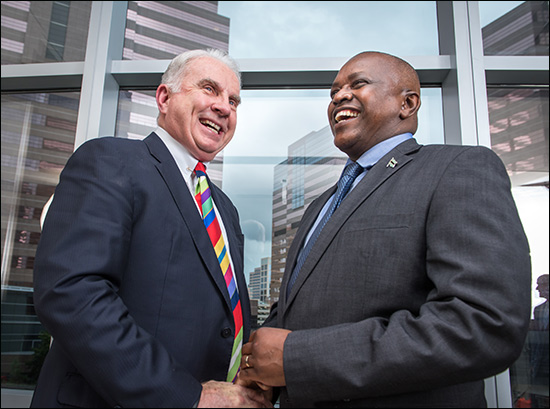
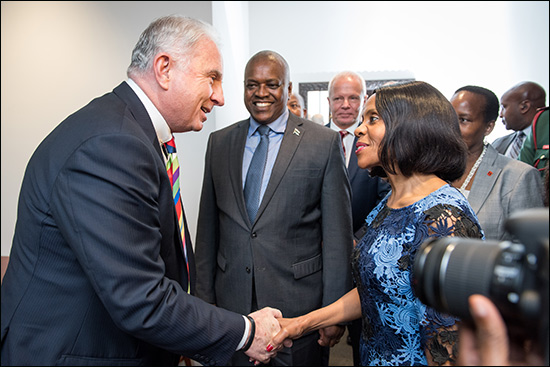
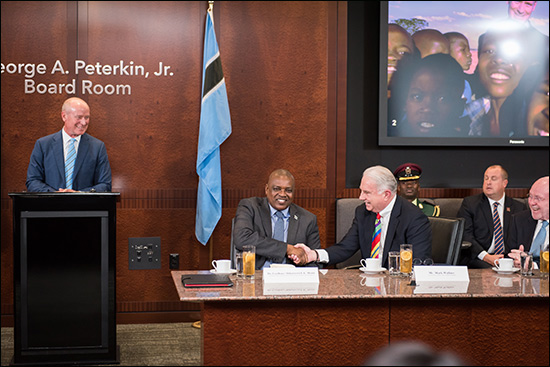
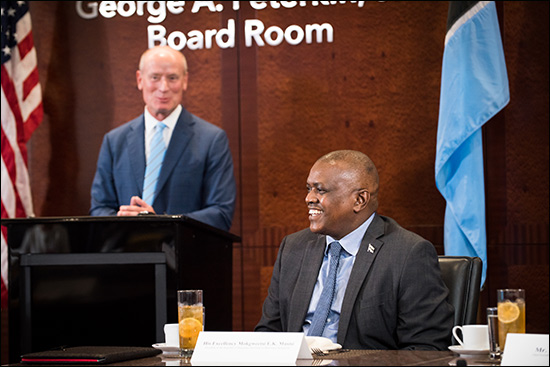
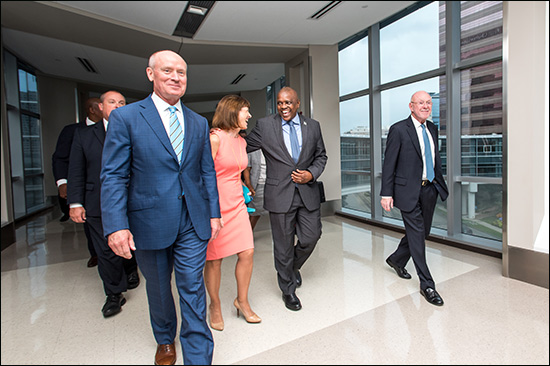
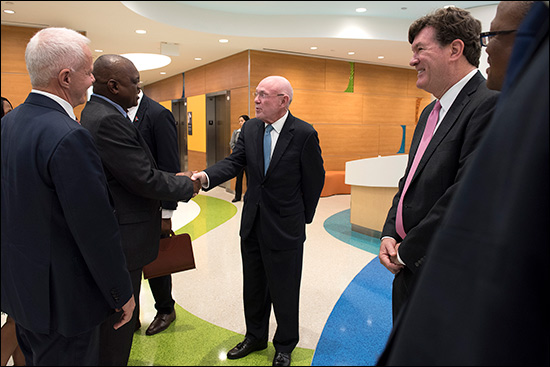
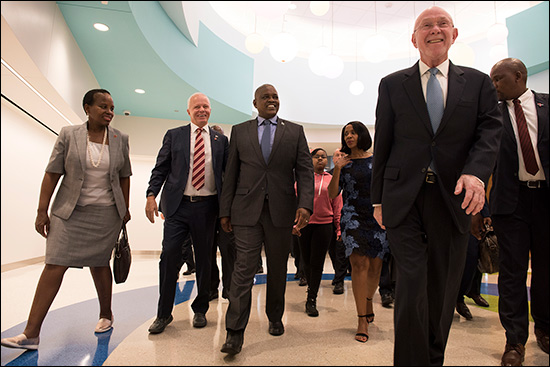
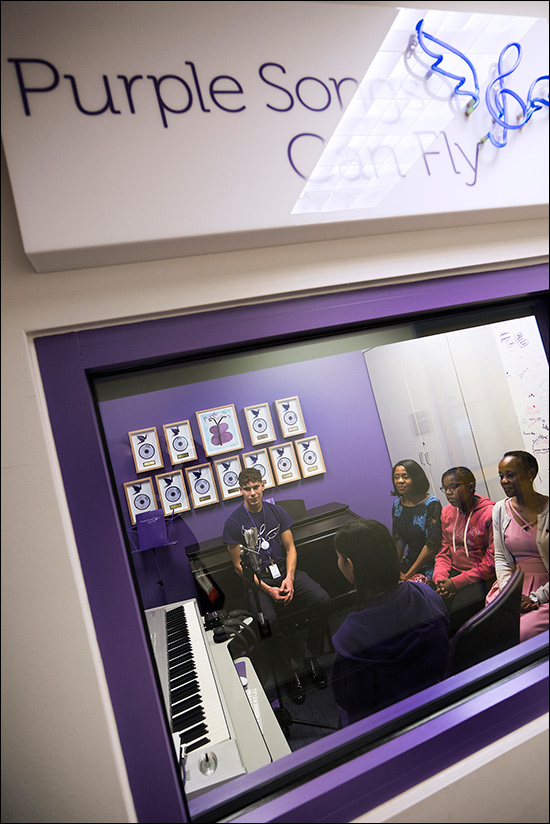
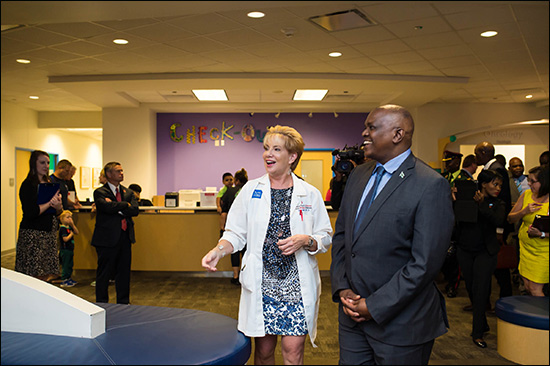
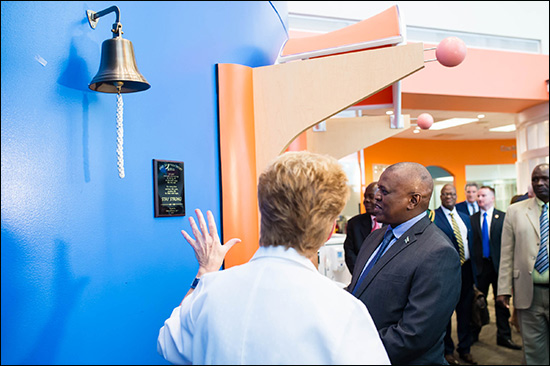
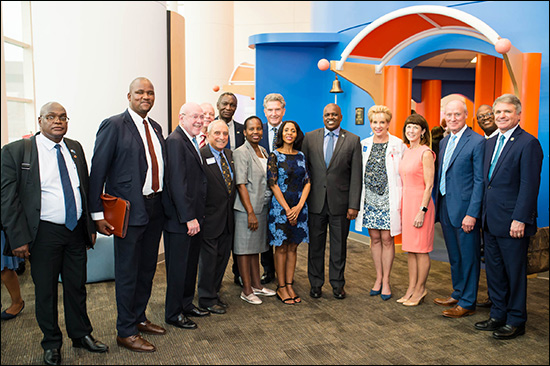
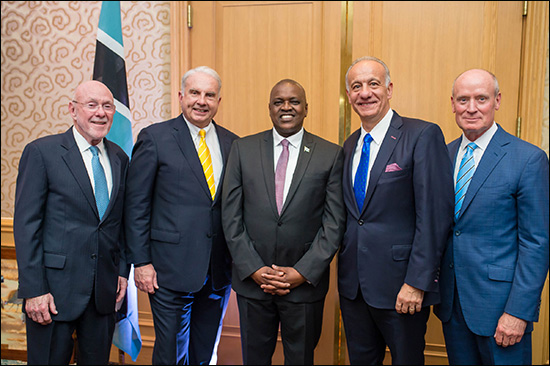
On September 21, Texas Children’s Hospital hosted His Excellency Mokgweetsi E.K. Masisi, president of Botswana, along with his family and members of his delegation. President Masisi met with clinical and executive leaders at Texas Children’s for a luncheon and tour to discuss pressing health care issues facing Botswana. The gathering also served as an opportunity to assess the progress we have made together to help combat pediatric illnesses in his country, including HIV/AIDS, cancer and hematologic diseases.

“I must begin by giving a very direct word of appreciation and thanks to Texas Children’s and Bristol-Myers Squibb, for you might not fully comprehend what you did for a whole nation state and civilization,” President Masisi said during his opening remarks at the luncheon held in Peterkin Board Room. “The government and people of Botswana will remain forever grateful for your generous response to our urgent appeal during literally our darkest and most perilous hour at the height of the HIV/AIDS pandemic. When we thought all else was lost, your generosity, your humanity, your assistance among others brought smiles to many of our families, and the nation at large.”

With the generous support of Bristol-Myers Squibb, Baylor College of Medicine International Pediatric AIDS Initiative at Texas Children’s Hospital (BIPAI) began working in Botswana in 2001. They started out small, training doctors and nurses, and testing and treating children with HIV. They then went big in 2003, building the Botswana-Baylor Children’s Clinical Centre of Excellence, a Centre of Excellence where state-of-the-art HIV/AIDs care is administered to children.

“It’s been a blessing to be in partnership with the Ministry of Health, and with the government of Botswana in absolutely everything we’ve done,” said Dr. Mark W. Kline, president and founder of BIPAI, physician-in-chief of Texas Children’s Hospital and chair of the Department of Pediatrics at Baylor College of Medicine. “It really has changed the world for hundreds of thousands of children across the African continent and around the world.”

The goal of Bristol-Myers Squibb, Texas Children’s, BIPAI and the Ministries of Health, Kline explained, is to implement the same principles that have been applied to HIV/AIDS to the treatment of cancer among African children, who for decades have not received the life-saving therapy they need and deserve.

In the United States, where there are 15,000 cases of pediatric cancer a year, 80 percent of children survive and most have a very good quality of life, statistics show. In Sub-Saharan Africa, of the more than 100,000 children who develop pediatric cancer each year, 90 percent die.

View photos below from His Excellency Mokgweetsi E.K. Masisi, president of Botswana’s visit.

Dr. David Poplack, director of Global HOPE (Hematology-Oncology Pediatric Excellence) and associate director of Texas Children’s Cancer and Hematology Centers, said the discrepancy and inequity these statistics represent are intolerable, and are why the Global HOPE cancer program – a partnership between Texas Children’s Hospital, BIPAI and Bristol-Myers Squibb Foundation, along with the Ministries of Health in six sub-Saharan African countries, including Botswana – are working to correct it.

“Africa is now poised to make major advances in the diagnosis and treatment of cancer,” Poplack said. “Based on our experience in the United States, we know what is possible, and we know what it takes to achieve success. We believe Botswana now has a similar opportunity to dramatically improve childhood cancer treatment and care; not only in Botswana, but across the continent.”

To help accomplish this, Global HOPE is working with the Ministry of Health to establish a Center of Excellence in pediatric care in Botswana as well as a pediatric hematology/oncology fellowship training program that will make Botswana a hub for training across Southern Africa. Centers of Excellence also are being established in Malawi and Uganda as part of the Global HOPE program.

Global HOPE was created in February 2017 as a $100 million initiative to create an innovative pediatric hematology-oncology treatment network in sub-Saharan Africa. The program already is making great strides, treating more than 1,000 patients, training 369 health care professionals, and graduating the first class of physician fellows enrolled in the first Pediatric Hematology Oncology Fellowship Program in East Africa.

“Our relationship with Botswana has spanned 15 years, a long time, and was the inception point of Texas Children’s global work in Africa,” said President and CEO Mark Wallace. “We look forward to continuing our extraordinary partnership for many, many years to come and know that your focus on innovation and continuing to create a higher standard of excellence for health care for your country will impact the quality of life for the people of Botswana for generations to come.”

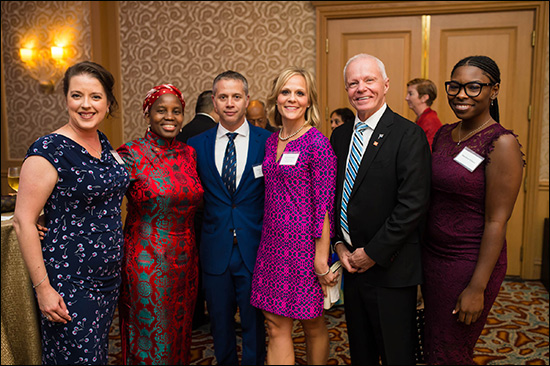
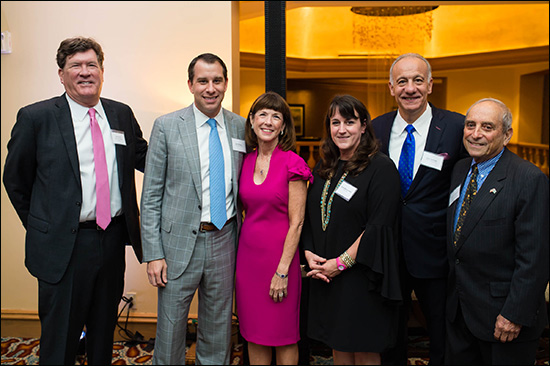
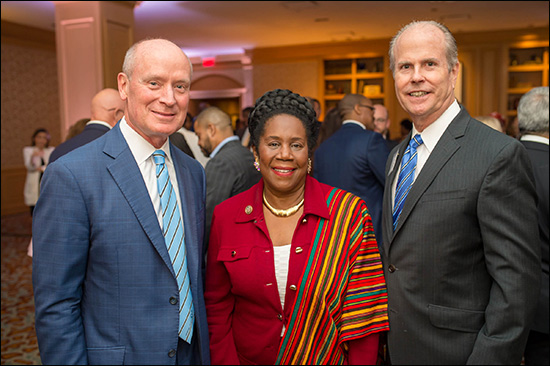
Discussions about these efforts continued throughout the evening at an event at the St. Regis Hotel where leaders from Houston, throughout the United States and Botswana gathered to celebrate the incredible work underway.

Click here for more information on Global HOPE.

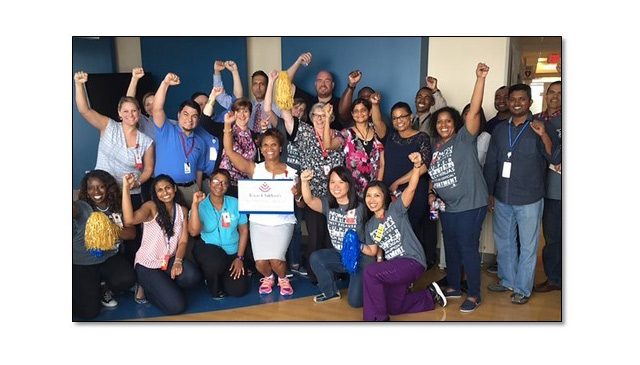
Fueled by a passion for healthy living and motivating their colleagues to make health a priority in their own lives, our wellness ambassadors are spreading the word about all the ways Texas Children’s can support you in your well-being journey – from free boot camp classes, to exciting challenges that bring our employees together to focus on feeling their best inside and out.

In addition to their awareness campaign, the wellness ambassadors are also looking for employees to join the program. In taking on the role, ambassadors agree to undergo training, serve a one-year term and complete approximately one hour of service per month in promoting on-site wellness offerings at Texas Children’s. This service could include sharing communications from the Employee Health and Well-Being team, which manages and oversees the ambassador program; making announcements in staff meetings; and being the departmental point of contact for questions about wellness offerings.

“Sometimes people are hesitant to put more on their plate when it already feels full, but being a wellness ambassador is far from a chore; it sparks conversation and motivates others to be the best they can be,” said Amber Rosta, quality assurance coordinator at The Woodlands campus who was drawn to volunteer because she wanted to amplify unity and be involved in rallying her department around a positive, shared cause.

“It’s exhilarating to hear success stories and inspiration under our very own roof,” Rosta said. “Initiatives to take the stairs, do squats as a group and get up and move really bring a sense of community, and there’s far more to offer than only working out.”

Along with access to wellness perks and invitations to community wellness events, ambassadors also get the inside scoop on the latest offerings developed by Employee Health and Well-Being. They receive monthly newsletters and are the first to know when a new challenge will start, a new program has been added or a new event has been planned.

Sr. Project Manager Bethany Lowe saw becoming an ambassador as a unique opportunity to bring her love for all forms of wellness – especially physical activity, nutrition and mental health – into the workplace. She enjoys learning and sharing information about the wide variety of well-being programs available to employees at Texas Children’s, such as weight loss assistance and discounted gym memberships.

“Wellness does not have to be limited to time outside of the office. You can focus on drinking enough water or getting your steps in while you are at work and still be a productive employee,” Lowe said. “As wellness ambassadors, we get to provide encouragement to our teams so that together, we can strive towards improving our health and well-being – mind, body and soul.”

Interested in volunteering to be a wellness ambassador?

Mark your calendars and plan to join the Employee Health and Well-Being team at one of the ambassador recruiting and reconnection events below. Meet and talk to our current wellness ambassadors and get an exclusive sneak peek at upcoming well-being initiatives. Registration for all events will be open until Monday, October 8.

Main Campus
Tuesday, October 9
3 p.m. to 4:30 p.m.
Click here to register

West Campus
Wednesday, October 10
3 p.m. to 4:30 p.m.
Click here to register

The Woodlands
Thursday, October 11
3 p.m. to 4:30 p.m.
Click here to register

For more information about the Wellness Ambassador Program at Texas Children’s or to volunteer, send an e-mail to wellbeing@texaschildrens.org.