October 16, 2018

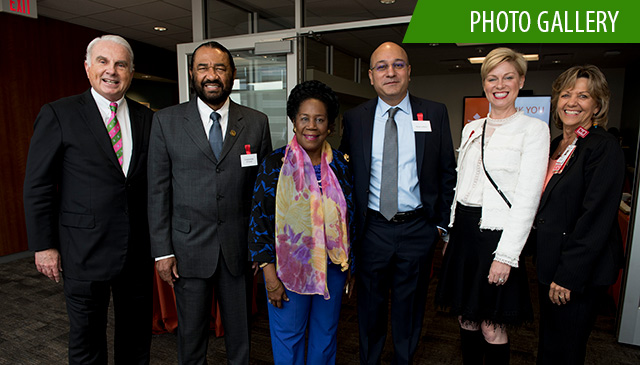
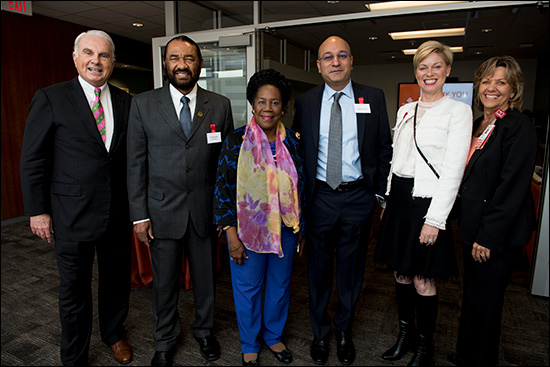
Sweeping views of the Houston skyline from high atop the Lester and Sue Smith Legacy Tower were the backdrop for a special ceremony to formally dedicate the 23rd floor as the Direct Energy Patient Floor. The floor will serve as the new home of the Heart Center’s Cardiac Patient Care Unit.

Texas Children’s and Direct Energy executives, as well as physicians, staff and volunteers celebrated the milestone alongside U.S. Representatives Sheila Jackson Lee and Al Green, and State Representative Sarah Davis. A bright orange ribbon cutting ceremony followed remarks from Texas Children’s President and CEO Mark Wallace, Manu Asthana, president of Direct Energy Home, and Chief of Pediatric Cardiology Dr. Daniel Penny.

“This facility, with all its new technologies, is something that we’ve all accomplished together,” Penny said. “But the point of all this technology is to shorten these children’s hospital stays, to reduce the number of operations they need, and to give them back their childhood. Direct Energy has been with us from the start and has helped us see it through. And we owe them a heartfelt thank you.”

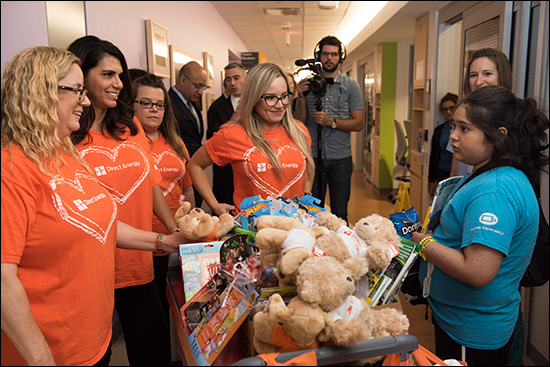
Following the ribbon cutting, the festivities continued as Direct Energy volunteers visited patient rooms with the Direct Energy Fun Cart, which is full of toys and activities for patients and their families to enjoy during their hospital stay.

In 2015, Direct Energy committed $5 million to Promise: The Campaign for Texas Children’s Hospital to support the expansion of the Heart Center. It is the largest corporate gift ever made to a Texas Children’s campaign priority. With Direct Energy’s generous support, Texas Children’s is able to provide highly specialized care to even more children who come to the hospital for help – and particularly to those who are the most critically ill and have the most complex cardiac conditions.

To learn more about the Heart Center visit texaschildrens.org/heart.

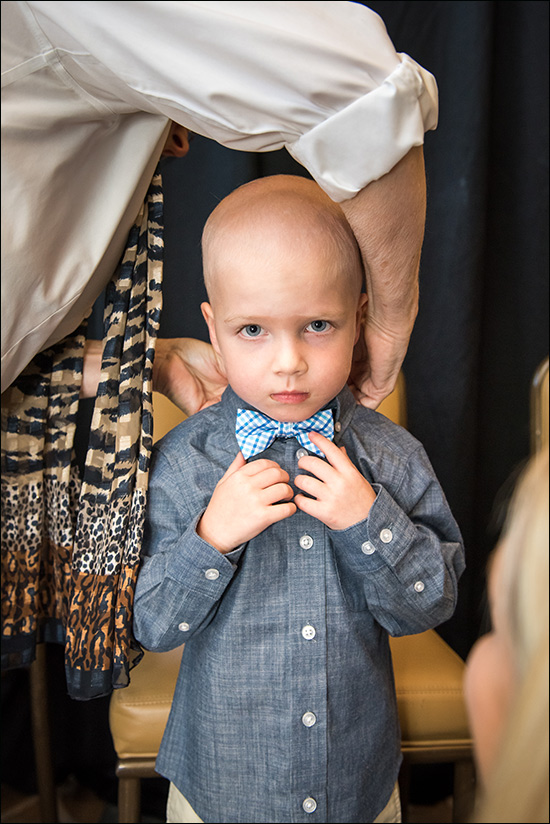
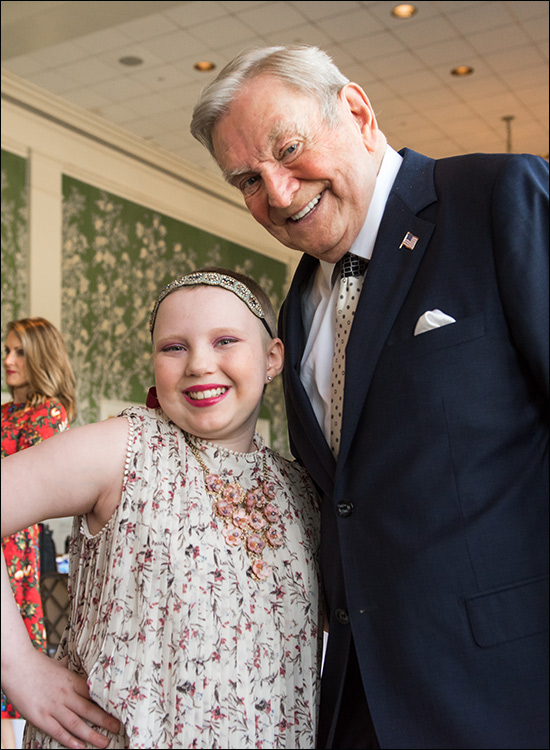
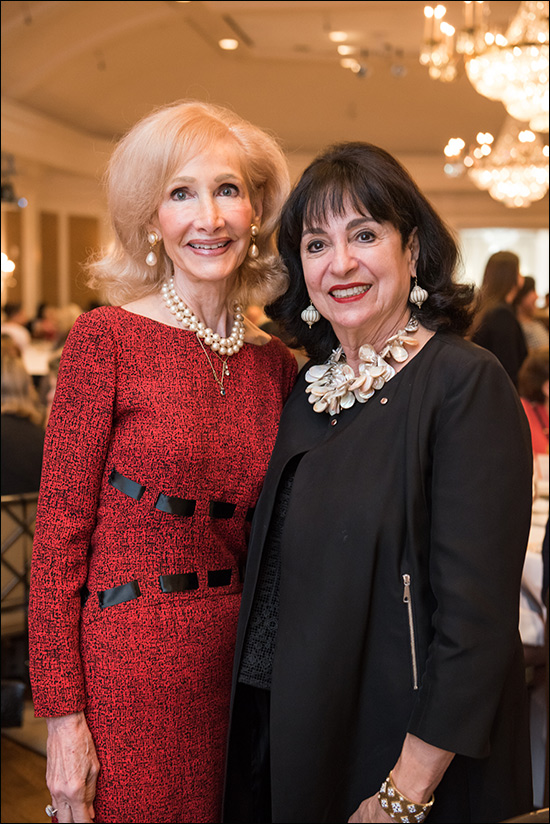
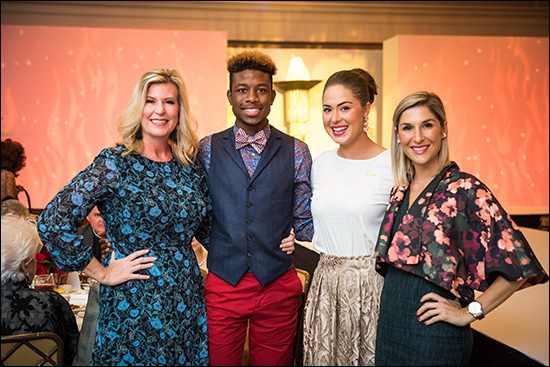
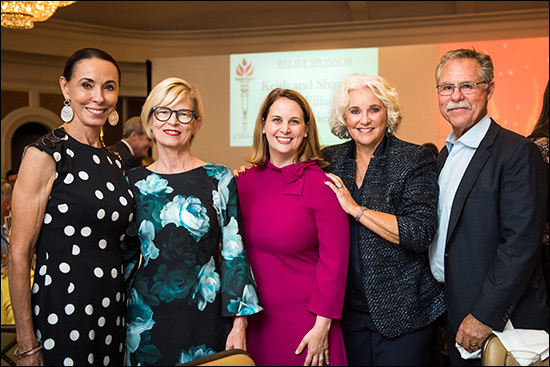
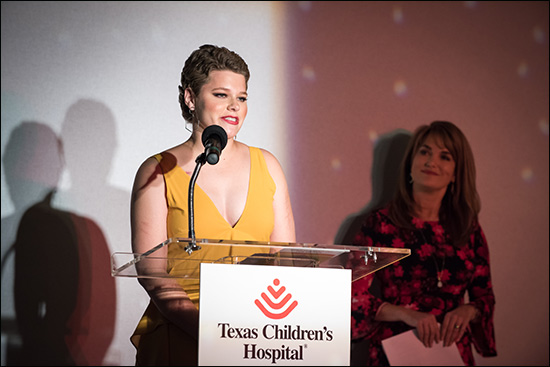
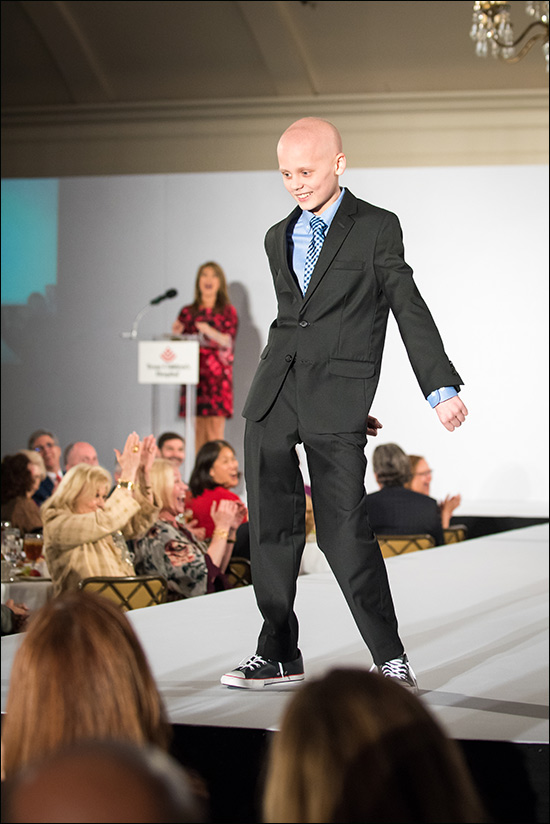
On October 12, hundreds of guests attended the 11th annual Celebration of Champions fashion show and luncheon at River Oaks Country Club to honor event participants and to raise money for Texas Children’s Cancer Center.

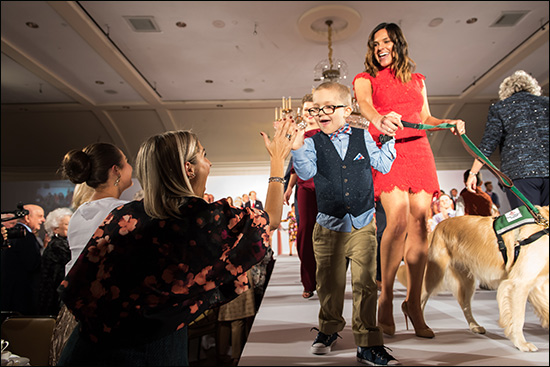
During the event, pediatric cancer patients and survivors from Texas Children’s Cancer Center were escorted down the runway by local philanthropists or “Community Champions.” One patient, Max Boatwright, walked with our very own therapy dog, Elsa, who was guided by Animal Assisted Therapy Coordinator Sarah Herbek.

“This event really demonstrates the progress we’ve made in the treatment of childhood cancer, and it celebrates our patients, who are our champions,” said Dr. Susan Blaney, director of Texas Children’s Cancer and Hematology Centers. “We’re also so grateful for the community of Houston, which so strongly supports our mission, and we’re celebrating those champions today as well.”

The event was chaired by Sidney Faust, Judi McGee, Elsie Eckert and Scott Basinger, who have overseen the luncheon each year since its inception. Thanks to underwriting by Faust Distributing Company and Mach Industrial Group, Inc., each patient was able to keep his or her hand-picked outfit – much to the delight of the models.

All funds raised during the luncheon will benefit Texas Children’s Cancer Center’s Long-Term Survivor Program, one of the nation’s only long-term childhood cancer survivor programs that sees survivors through adulthood. Today, more than 30,000 long-term pediatric cancer survivors nationwide are enrolled in Texas Children’s Passport for Care, an online resource developed at Texas Children’s Hospital and Baylor College of Medicine that provides individualized health care information to guide care for effects from childhood cancer treatment.

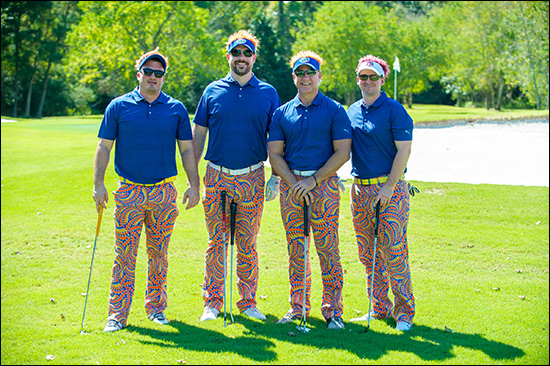
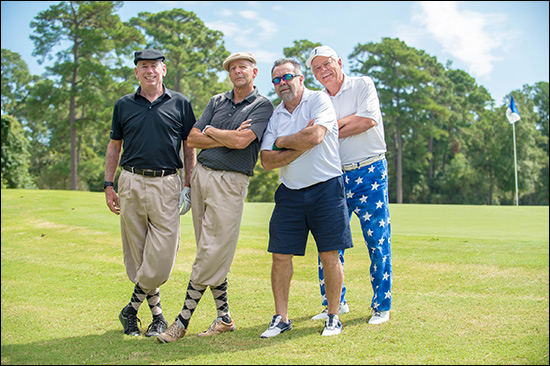
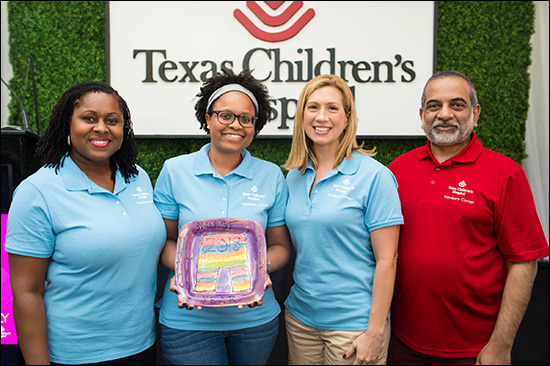
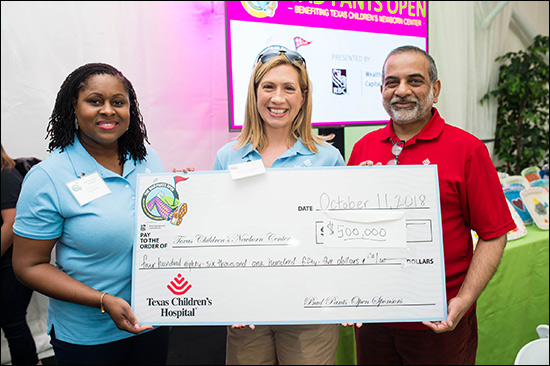
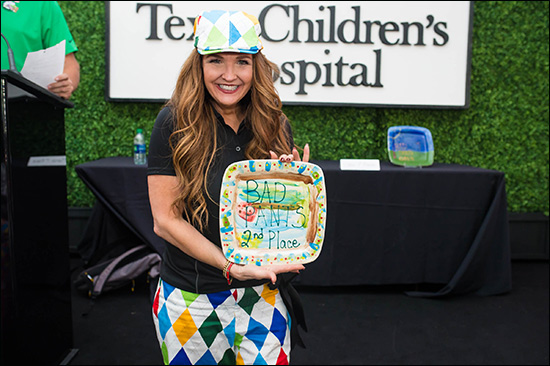
Golfers wore their baddest pants, played their best golf and raised more than $500,000 for Texas Children’s Newborn Center at the Clubs of Kingwood last week. The Bad Pants Open, an annual golf tournament now in its 21st year, has raised more than $6.5 million in the past two decades to support continued innovation and excellence in the research, treatment and care of critically ill and premature infants as well as helping to fund support services for families with babies in the hospital’s neonatal intensive care unit (NICU).

Presented by RBC Wealth Management/Capital Markets and chaired by Rob Cooksey, vice president of Texas Aromatics, golfers enjoyed breakfast provided by Chick-Fil-A, a long drive exhibition by Dan Boever and lunch on the course provided by Beck’s Prime. Players also enjoyed complimentary pre-golf stretching provided by Reach Stretch Studios and live on-site broadcasting by ESPN 97.5 Houston, the tournament’s media partner.

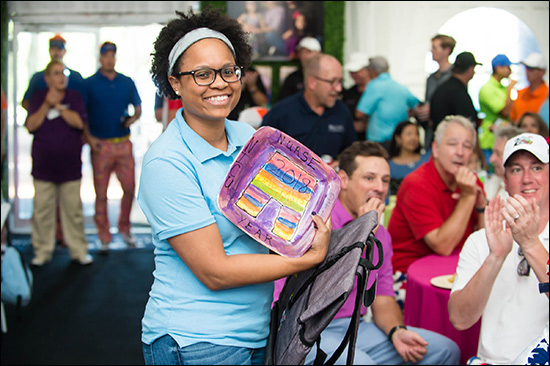
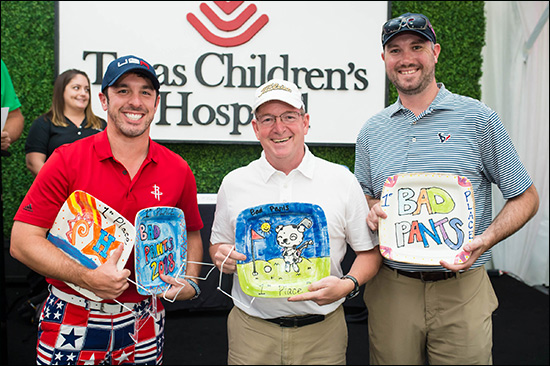
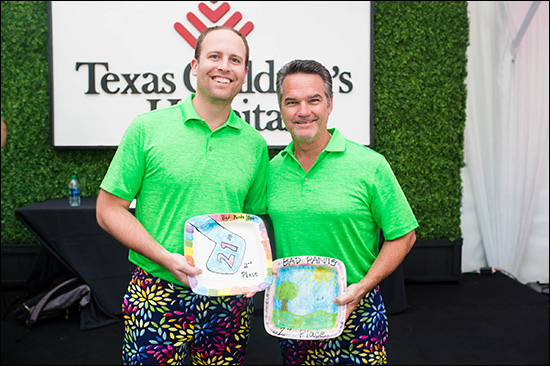
The event featured a post-play awards ceremony and dinner catered by Swift Events, where players were awarded plates painted by Texas Children’s patients for both the best golf scores and baddest pants. Monique Landor, a NICU nurse at Texas Children’s Pavilion for Women, was presented with the NICU Nurse of the Year award, a special recognition awarded at each tournament.

More than 2,500 critically-ill and premature infants receive essential care in Texas Children’s NICU each year, many of whom are born at nearby Houston-area hospitals. Texas Children’s is the nation’s largest NICU and one of only two Level IV NICUs in the greater Houston area. The next Bad Pants Open golf tournament is scheduled for Wednesday, October 2, 2019. More information is available at www.badpantsopen.com.

October 10, 2018

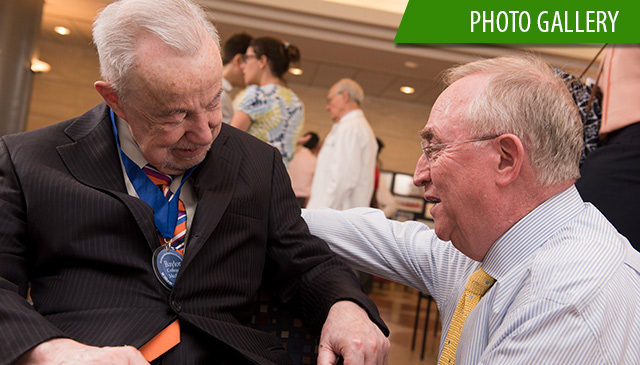
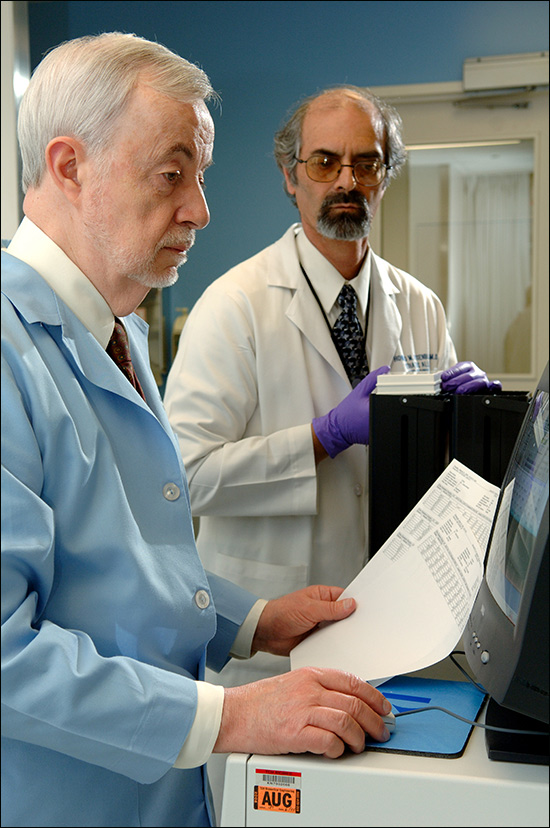
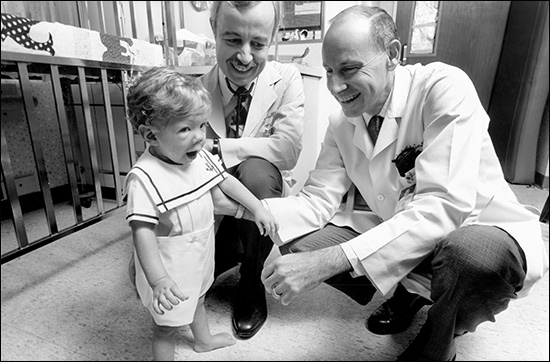
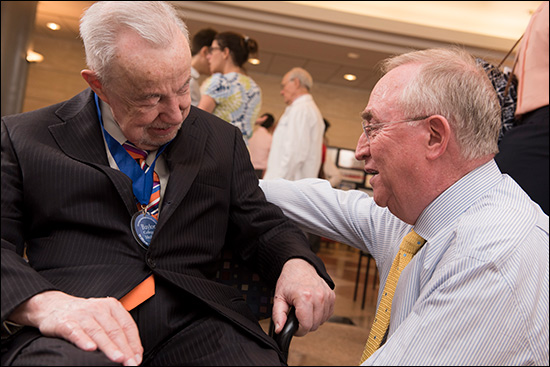
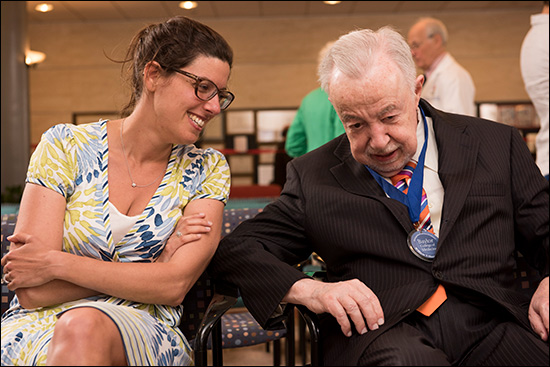
The medical community lost a legend on October 9, 2018, with the death of Dr. William T. Shearer, founder and former chief of the Allergy and Immunology Service at Texas Children’s Hospital and professor of Pediatrics and Immunology at Baylor College of Medicine. Dr. Shearer was 81.

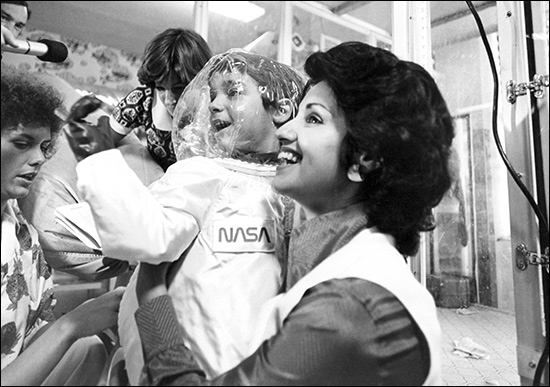
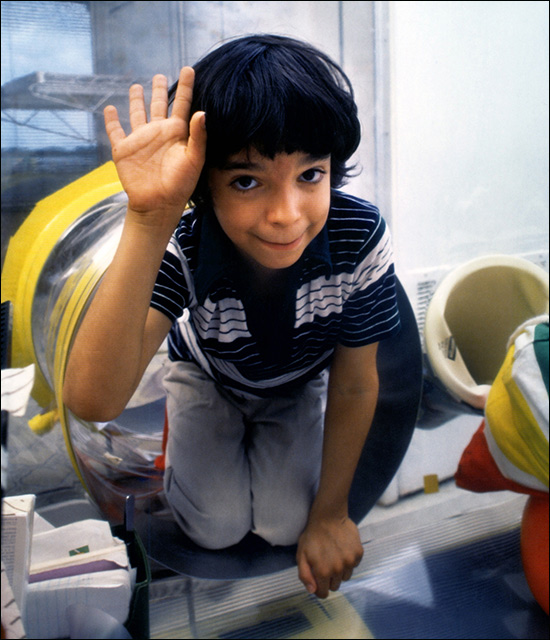
Shearer was an internationally-respected leader in the field of allergy and immunology. One of the things he is best known for was providing innovative care to Texas Children’s most famous patient – David “The Bubble Boy” Vetter – which led to revolutionary immunologic discoveries.

Throughout his lengthy career, Shearer pursued his passions in basic and clinical research in primary and secondary immunodeficiency with continuous funding from the National Institutes of Health during his 40-year tenure at Texas Children’s. He authored over 500 journal articles and textbook chapters, and was the editor-in-chief of the world’s premier textbook of clinical immunology for more than 20 years.

Shearer served in leadership positions with virtually every major professional organization concerned with patient care, training and research in pediatric immunology and HIV/AIDS. He was active in clinical research for children with HIV infection and participated in numerous pioneering studies in the prevention and treatment of the disease and its complications. Shearer was passionate about this work and continuously pursued research in this area until his passing.

For many who knew him, Shearer was described by his colleagues as an incredibly compassionate mentor. Throughout his career, he mentored 117 trainees as the Program Director of the Allergy and Immunology Fellowship Training Program at Texas Children’s and Baylor College of Medicine.

“It was my good fortune to work side-by-side with Dr. Shearer for many years,” said Texas Children’s Physician-in-Chief Dr. Mark W. Kline. “No one worked harder or was more dedicated to his patients and trainees than Bill. I learned an enormous amount from him during the formative stages of my career development. He was a mentor and friend for nearly 30 years, and I will miss him tremendously.”

Shearer received many prestigious awards for his work as a clinician, researcher and mentor including a Research Scholar Award from the Cystic Fibrosis Foundation, a Faculty Research Award from the American Cancer Society, and the Arnold J. Rudolph – Baylor Pediatric Award for Lifetime Excellence in Teaching. In addition to these accolades, Shearer received the 2017 Clinical Immunology Society Distinguished Service Award.

“It is truly an honor to be able to witness the incredible passion and productivity of this international leader, eminent immunologist, superlative teacher and incredibly compassionate mentor,” said Dr. Carla Davis, chief of Immunology, Allergy and Rheumatology Service at Texas Children’s. “We will all miss him dearly.”

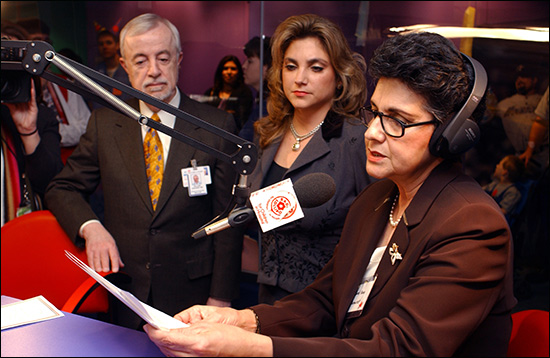
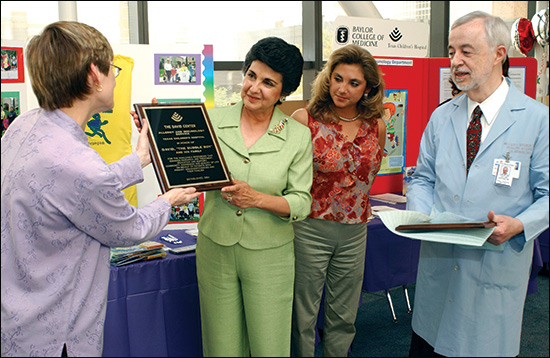
Because of Shearer’s care of David Vetter, he and the late Dr. Ralph D. Feigin wanted to create a lasting tribute in David’s memory, the David Vetter Memorial Fund. The David’s Dream Run was founded by the David Elementary School and the Parent Teacher Organization to support this Memorial Fund.

Click here to make a donation to the David Vetter Memorial Fund in memory of Dr. Shearer. Donations made in memory of Dr. Shearer will benefit the Memorial Fund which is dedicated to research, diagnosis and treatment of immune deficiencies.

October 8, 2018

Before Dr. Thierry A.G.M. Huisman accepted his new position as chief of radiology, he knew that Texas Children’s Hospital was the place to be. So, when he and his family made the 1,445-mile journey from Baltimore to Houston a month ago, the move was a no brainer.

“From the moment I walked into Texas Children’s, one of the many things that attracted me to this hospital was the people and their enthusiasm and dedication to patient care,” Huisman said. “I am thrilled to join this wonderful team at Texas Children’s and love the opportunity to bring the best of radiology to the bedside of each patient to guide the care, and consequently optimize the health, of all the patients we take care of.”

Before joining Texas Children’s radiology team, Huisman obtained his medical degree from Erasmus University Rotterdam in The Netherlands. He completed his radiology and pediatric residencies, and his pediatric radiology and neuroradiology fellowships, at the University Hospital Zurich in Switzerland where he also served as chairman and radiologist-in-chief of the Children’s Hospital Zurich before he was recruited to Johns Hopkins in Baltimore. Most recently, Huisman served as chairman of the Department of Imaging and Imaging Science at Johns Hopkins Bayview Medical Center in Baltimore and chief of pediatric radiology.

As Texas Children’s new radiologist-in-chief, Huisman will lead one of the nation’s most clinically and academically active radiology programs, bringing together world-class multidisciplinary expertise with leading-edge technology in a family-centered environment to provide comprehensive, accurate and safe imaging.

“Besides leveraging the most advanced, objective imaging techniques at Texas Children’s, it is my overall vision for our radiology team to lead the way in identifying new approaches to diagnose disease as well as advance the discovery of new treatment options that will lead to even better outcomes for our patients,” Huisman said.

As a clinician-investigator, Huisman’s primary field of expertise and research focuses on advanced, quantitative, precision imaging in the field of Pediatric Neuroradiology. He has given more than 380 invited lectures, published 320 articles, 30 reviews, 60 book chapters, five text books, serves on multiple scientific committees of the various radiological societies and has organized multiple national and international meetings in Europe and the USA. He has been the founding member of the Swiss Symposium in Pediatric Neuroradiology.

“I am thrilled Dr. Huisman, who is a talented radiologist and collaborative leader with a history of bringing radiology expertise to the bedside, has joined our one amazing team at Texas Children’s,” said Texas Children’s President and CEO Mark Wallace. “In addition to his focus on patient care, Dr. Huisman’s significant accomplishments as a clinician-investigator, as well as his passion for education and mentorship, will continue to enhance our radiology research and education efforts.”

A world-class, multidisciplinary team at Texas Children’s is making huge strides in the care of children with extremely complex tumors.

The Head and Neck Tumor Program, begun in February 2016 as collaboration with partner institutions within the Texas Medical Center, has performed more than 20 major ablation free-flap multidisciplinary cases – a staggering number, considering the rarity and complexity of the tumors, which can be malignant or benign and can affect any combination of the sinuses, skull, jaw, mouth, neck and face. The ability to handle that volume of complex cases, combined with tremendous outcomes in the first two years, puts Texas Children’s Head and Neck Tumor Program among the best such programs in the country.

“Our institutional expertise is in taking care of these kinds of critically ill children, and Texas Children’s does it better than anyone,” said Dr. Daniel Chelius, attending surgeon in the Division of Otolaryngology and co-head of the program. “We’ve built a collaborative, coordinated program on that foundation of expertise in many different areas to provide the best care possible for the sickest children, while also reviewing and analyzing the care from every angle to see what went well and what processes could improve.”

Treatment of children with head and neck tumors around the country has historically been ad hoc, due to the varying functional issues or oncologic needs present from patient to patient and the extreme rarity of the tumors in any given city. Compound these complex physiological issues with the fact that most children these tumors have been treated in adult hospitals and the result has been a largely disjointed approach to care.

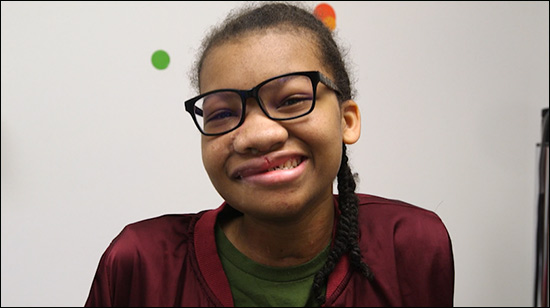
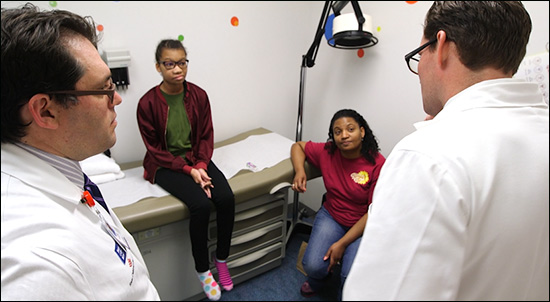
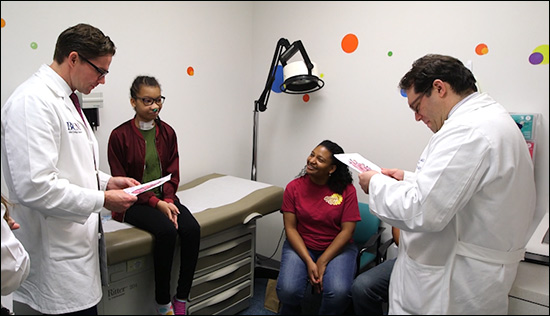
Texas Children’s Head and Neck Tumor Program, spearheaded by Chelius and Dr. Edward Buchanan, chief of Plastic Surgery, has developed a coordinated process around a multidisciplinary team approach that builds crucial experience in the treatment of these rare tumors and provides consistent, personalized care for patients – like 15-year-old Kami Wooten.

Last year, Kami began to notice swelling in her gums. Just months later, a benign tumor had covered half her face and threatened her vision. The team at Texas Children’s developed a specialized care plan that included removing the mass and reconstructing a portion of her face including the roof of her mouth and her orbit (eye socket). Additional procedures will be necessary in the future, but Kami and her family are grateful for the care Texas Children’s gave them.

Learn the rest of Kami’s story here.

The collaborative program comprises more than 10 Texas Children’s specialties and subspecialties, including Otolaryngology, Plastic Surgery, Neurosurgery, Oncology, Interventional Radiology and Anesthesiology, as well as a dedicated operating room team – led by Audra Rushing and Kelly Exezidis – that has been instrumental in building robust perioperative protocols. The additions of pediatric head and neck surgeon Dr. Amy Dimachkieh and microvascular reconstructive surgeons Dr. W. Chris Pederson and Dr. Marco Maricevich have increased the program’s abilities and improved the quality of its recommendations.

“It takes a lot of thought and planning to remove these complex tumors completely, while sparing as many nerves and other important structures as possible, and then to reconstruct those structures to provide both a good functional and cosmetic outcome,” Chelius said. “We tell our patients that the process might not be fast because they need the right surgery the first time. That requires recommendations from a team of experts, not just one surgeon. And that means carefully coordinating to make sure everything is as perfect as possible.”

The care required to treat these tumors, particularly if the patient is also undergoing cancer treatment, can also take a massive emotional and psychological toll. The Head and Neck Tumor Program provides additional care support through the department of Clinical Psychology and Child Life Services.

The team also uses technology to enhance the patient experience, from diagnosis to recovery. The program uses 3-D modeling to reconstruct children’s anatomy to help predict the extent of resection and to develop the surgical plan. The team also developed a data-driven protocol for pediatric tracheostomy removal, in close collaboration with Speech and Language Pathology, which uses a pressure monitoring device to signal when the trach is loose enough in the airway to be removed without adverse effects.

As a result of this innovative approach to care, 100 percent of patients treated have left the hospital breathing, eating and swallowing on their own. And the average stay in the hospital: just 14 days.

The program has been steadily building a referral base, drawing patients from across the region and from as far away as Mexico and the Middle East. In the near term, the team will continue to solidify the program, publish data and findings, and work to increase Texas Children’s reputation as the leading referral center for these complex cases. Long-term goals include building a basic science research infrastructure around understanding the underlying causes of these tumors, as well as collaborating with Texas Children’s Cancer Center and other research partners.

“We know that families are coming to us shocked and scared,” Chelius said. “We want them to know that we’re building our experience, we’ve walked families through this before, and we’re going to get them through this with the absolute best care available.”

Learn more about Texas Children’s Head and Neck Tumor Program.


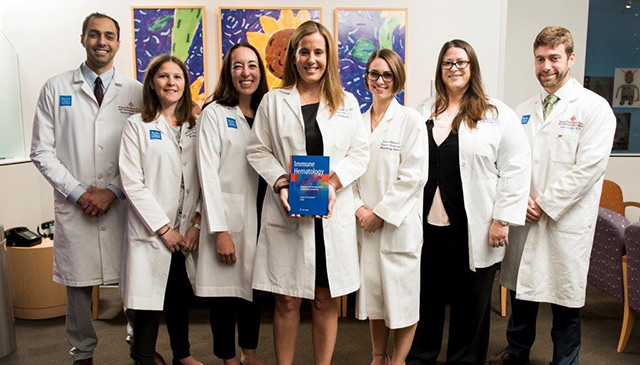
Dr. Jenny Despotovic, director of the Immune Hematology program at the Texas Children’s Hematology Center, served as editor of the recently published textbook Immune Hematology: Diagnosis and Management of Autoimmune Cytopenias. The textbook provides a concise yet comprehensive overview of the most common autoimmune cytopenias affecting adults and children.

This is the first textbook dedicated exclusively to immune cytopenias. Despotovic worked with several of her colleagues to develop, write and edit the content in the textbook, which had over 2,000 downloads in the first two months since publication.

The book is divided into four sections, each of which focuses on a major autoimmune cytopenia. The first section features background, pathophysiology, presentation, evaluation, and treatment strategies for immune thrombocytopenia (ITP), the most common cause of antibody-mediated platelet destruction. The second section reviews common forms and treatment strategies for autoimmune hemolytic anemia (AIHA), including a chapter dedicated specifically to Evans Syndrome. The third section comprehensively reviews the pathophysiology, diagnosis and current management approaches to thrombotic thrombocytopenic purpura (TTP), a potentially life-threatening autoimmune syndrome. The book concludes with a final section on autoimmune neutropenia. Each section includes a review of common underlying systemic autoimmune conditions and immune deficiency syndromes that can accompany or cause autoimmune cytopenias.

“It was a privilege to be part of the creation of this very important textbook,” Despotovic said. “It is an important addition to the body of literature available to guide providers in the diagnosis and management of these challenging disorders, and will hopefully positively impact the care of patients with these complex conditions.”

Those in the Hematology Center who contributed to the effort include:
Dr. Alicia Chang
Dr. Clay Cohen
Dr. Jenny Despotovic
Dr. Amanda Grimes
Dr. Taylor Olmsted Kim
Dr. Jacquelyn Powers
Dr. Shawki Qasim
Dr. Sarah Sartain