May 1, 2018

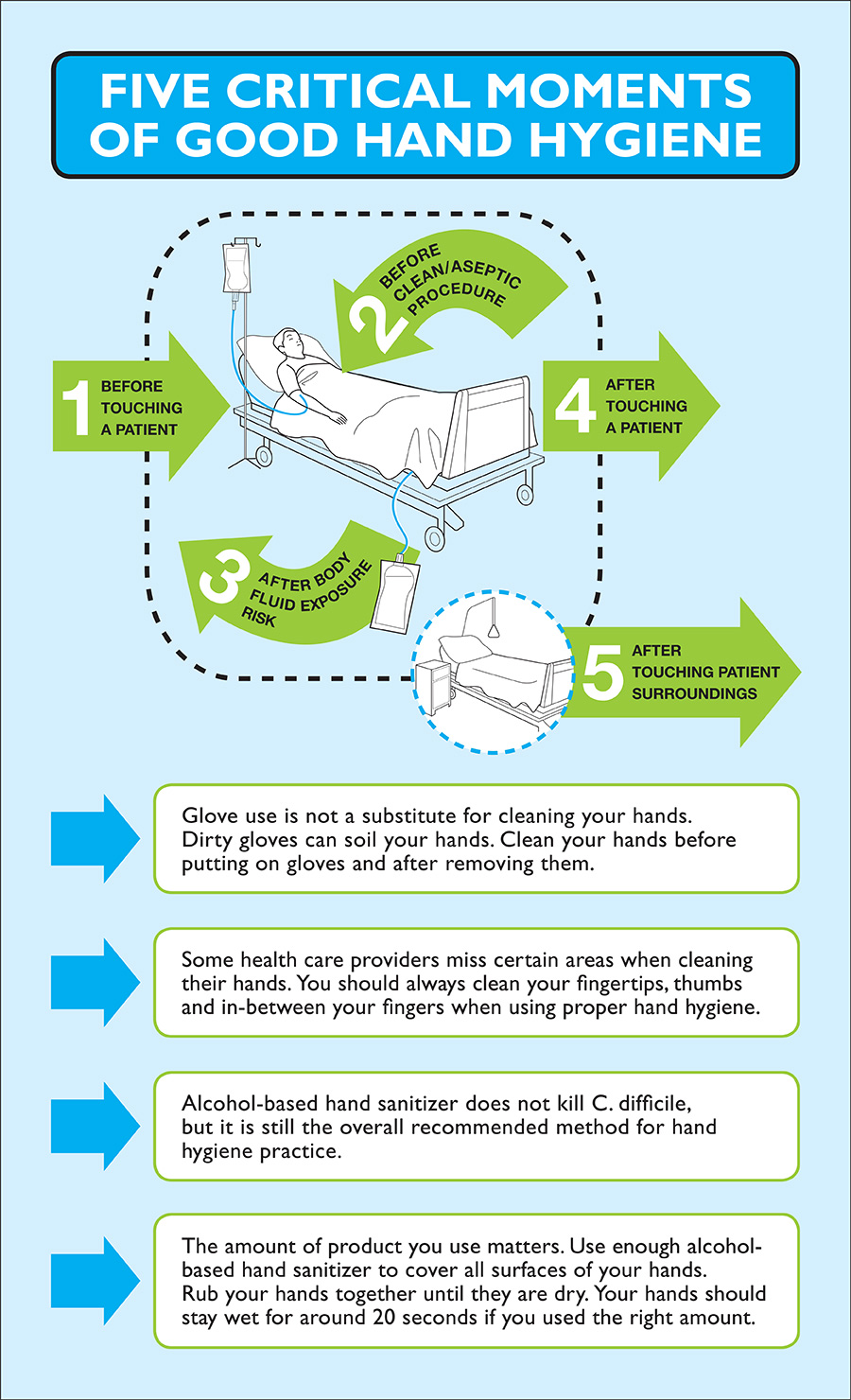
Hand hygiene is key in keeping our kids healthy and on the road to a speedy recovery here at Texas Children’s. That’s why on Saturday, May 5 – World Hand Hygiene Day – leaders are asking providers to take a close look at whether they are cleaning their hands frequently and properly.
“Practicing hand hygiene is a simple yet effective way to prevent infections,” said Director of Quality and Safety Elaine Whaley. “Cleaning your hands can prevent the spread of germs, including those that are resistant to antibiotics and are becoming difficult, if not impossible, to treat.”

On average, health care providers across the nation clean their hands less than half of the times they should, according to the Centers for Disease Control and Prevention. As a result, about one in 25 hospital patients, on any given day, has at least one health care-associated infection.

At Texas Children’s, we strive for a hand-hygiene compliance rate of 95 percent or higher. So far this fiscal year, we have an average compliance rate of 88 percent. Compliance is measured by “secret” shoppers to determine how many opportunities to perform hand hygiene are met and how many opportunities are missed.

“Practicing good hand hygiene is the right thing to do for our patients and their families,” said Dr. Judith Campbell with Infectious Disease. “It reduces the transmission of organisms and infections while they are receiving our care.”

Learn more about how and when to properly wash your hands by clicking on the infographic above, and stay tuned for more information about competitions and additional educational opportunities for front line clinical workers for whom this information is so important.

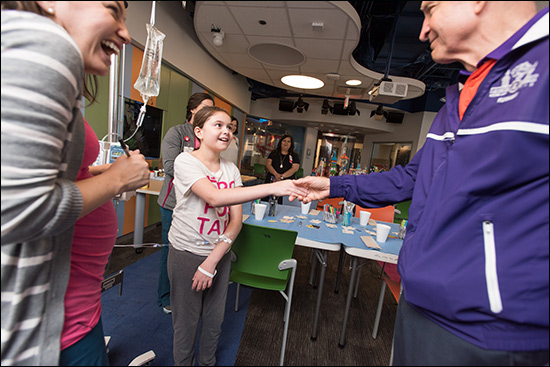
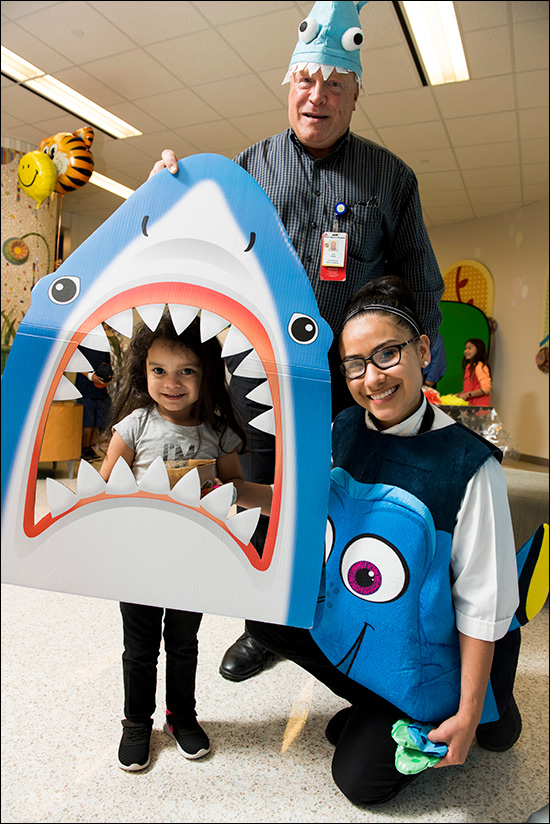
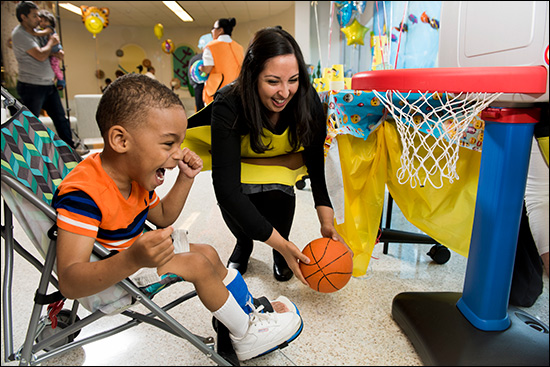
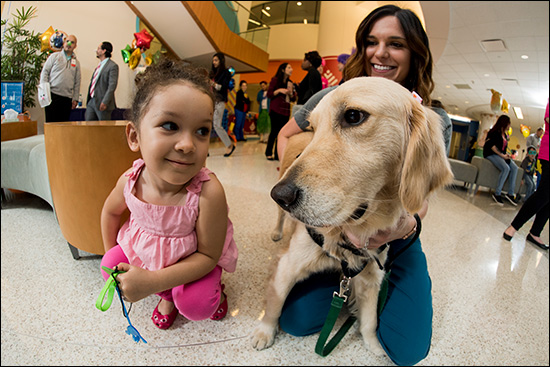
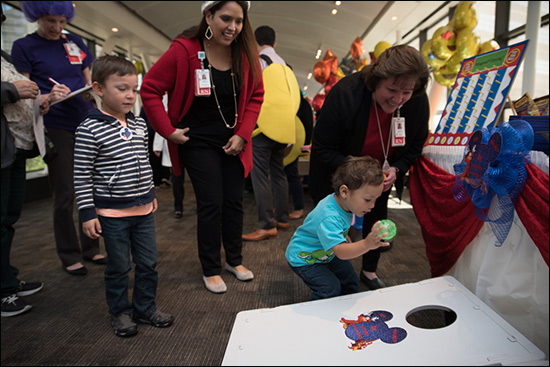
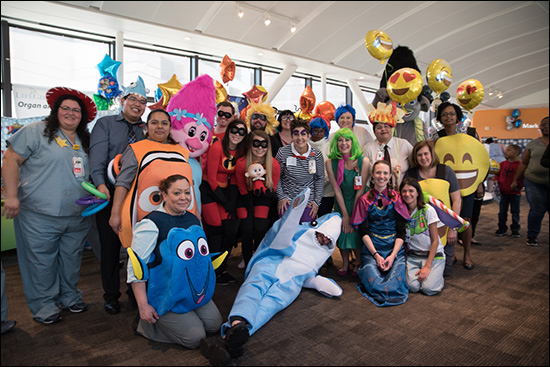
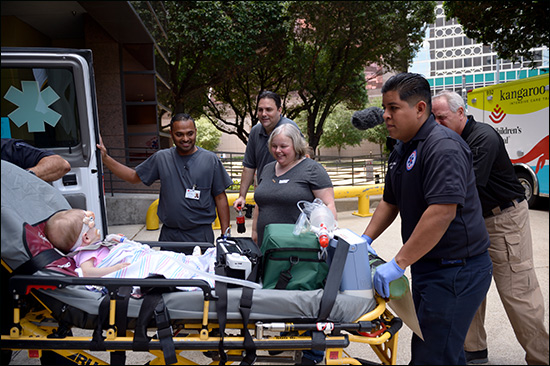
This year’s Patient Experience Week celebration lived up to its theme, “A Magical Experience,” as patients and their families participated in fun and engaging activities at Texas Children’s Hospital Medical Center Campus, Texas Children’s Hospital West Campus and Texas Children’s Hospital The Woodlands.

Patient Experience Week was held from April 23 to 27. New this year, the Patient Experience Team launched the Compassion Challenge. Each day during Patient Experience Week, employees and staff across the organization completed a challenge that focused on the concepts of compassion, communication and connectedness. Completed Compassion Challenge forms are due Tuesday, May 1, to patientexperience@texaschildrens.org to be eligible for the prize drawing of Houston Dynamo tickets.

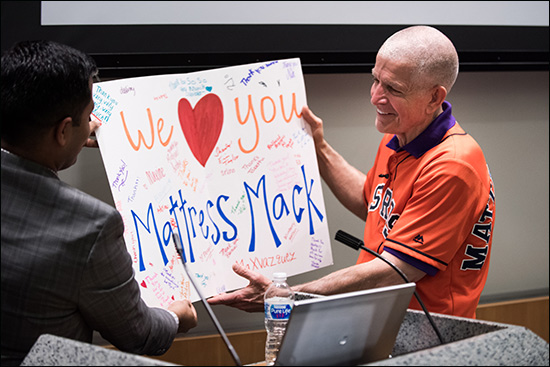
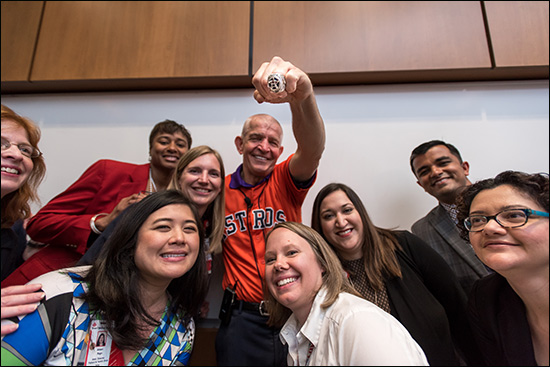
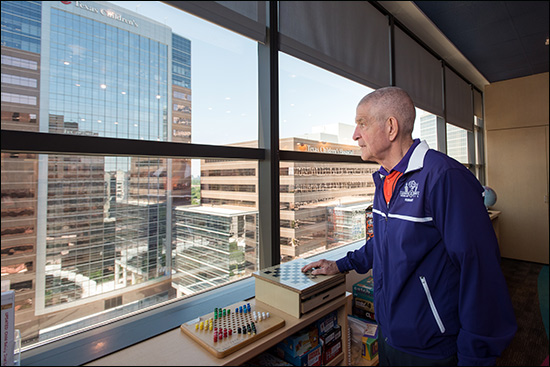
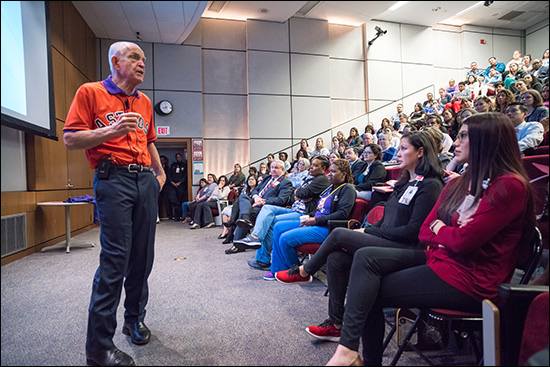
The week began with an inspiring speech from Houston business owner and community leader Jim McIngvale, also known as Mattress Mack. In front of a packed auditorium in the Abercrombie Building, McIngvale shared his insight about the importance of serving others and how he builds his business on these core values.

“Helping people is what I was put on this earth to do. It is what we all were made to do,” said McIngvale. “No one helps children like Texas Children’s Hospital. It is beyond amazing how you do it.”

The week also included a speech from Kelly Fuhlman from the Disney Institute who shared the magic behind the customer experience created at Disney parks and resort locations throughout the world.

Hundreds of people attended patient and family experience events across Texas Children’s three campuses. The events provided many fun children’s movie themed activities along with sweet treats and photo booths.

“These kids go through so much every day, and when we have an opportunity to make them laugh and smile, it’s exciting,” said Nazish Ahmad, West Campus Ambulatory Clinic manager. “Especially as leaders, we don’t normally have that face-to-face interaction all the time, so to be in such a fun environment and make the kiddos smile just makes the day.”

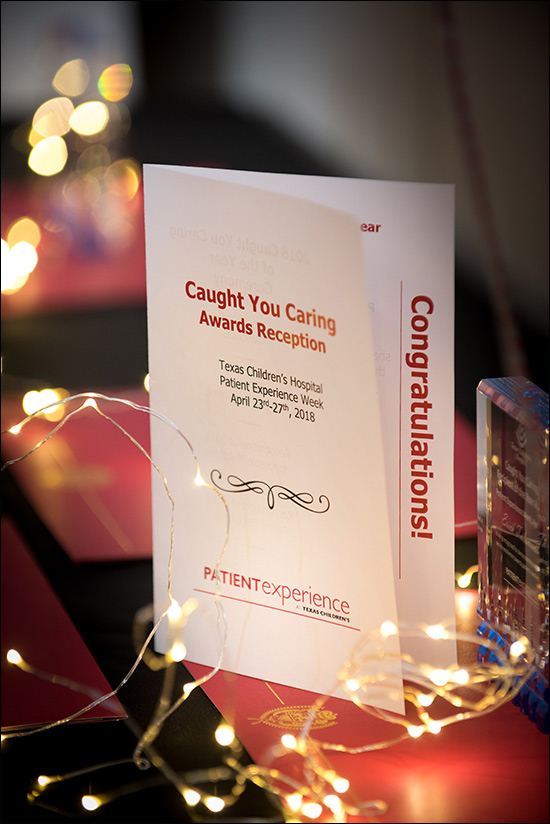
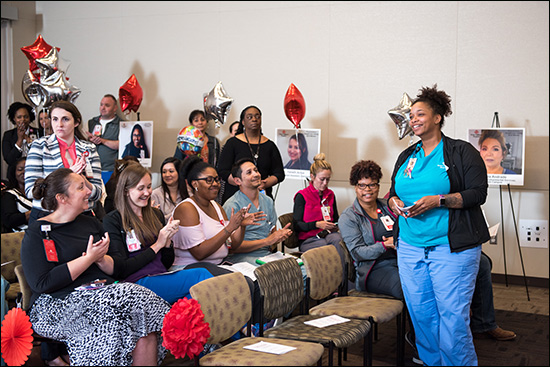
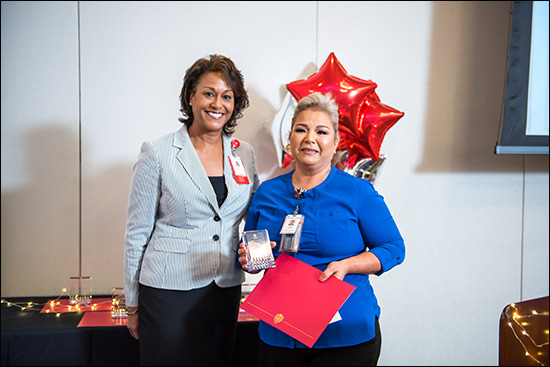
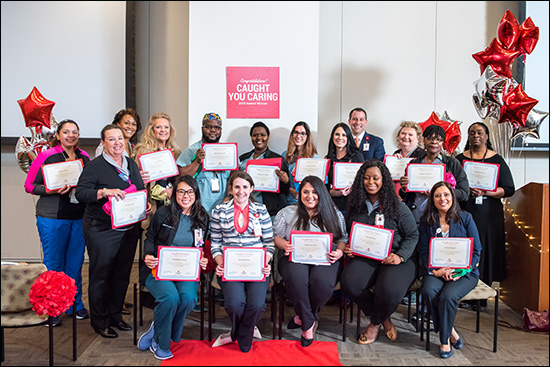
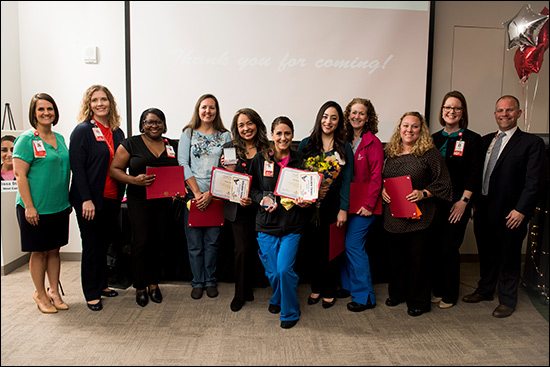
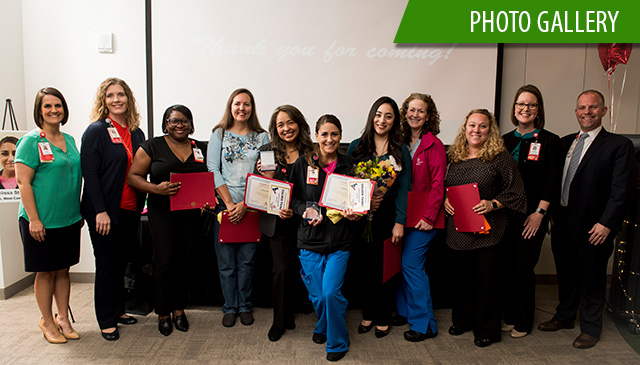
Caught You Caring (CYC) Awards ceremonies were also held at the Medical Center Campus, West Campus and The Woodlands Campus to recognize our 2018 recipients who have gone above and beyond to show compassion to our patients, families and co-workers.

The CYC program’s idea was brought to life after a physician read a heartfelt letter written by the mother of one of our patients. She described the care and compassion her whole family received during her son’s admission. Since then, CYC was conceptualized, piloted in our surgery areas in 2015, and has been launched system-wide with more than 6,000 CYC cards received. CYC boxes are located throughout all campuses so that anyone can recognize a staff member or a colleague.

A panel of judges scored each nomination to select the top employees and this year’s winners received a CYC award, a T-shirt, and the highlight of the ceremony – tickets to an upcoming Houston Texans event.

Texas Children’s Hospital Medical Center Campus:
Hilda Andrade, Lead Tech for Environmental Services
Yaneth Arrue, Unit Support Assistant in Abercrombie
Shatovia Cerf, Patient Care Assistant on 14 West Tower
Krista Miller, Staff Nurse in Labor and Delivery
Sandy Rodriguez, Front Office Specialist in Partners in OB/GYN at the Pavilion for Women
Erick Talamantes, Surgery Patient Liaison in West Tower

Texas Children’s Hospital West Campus:
Rosy Alvarado, Ambulatory Services Representative in the Urology clinic
Melissa Starner, Staff Nurse for West Campus 5th floor inpatient

Texas Children’s Hospital The Woodlands:
Lisa Carr, Staff Nurse in the Woodlands Pediatric Intensive Care Unit
Melanie Johnson, Ambulatory Services Representative in the Neurophysiology department

Overall, the Patient Experience events were a success at reminding employees, patients and families that care at Texas Children’s goes beyond the bedside. It has to do with how we treat our patients and their families from the moment they call to schedule an appointment with us to the point they leave our care.

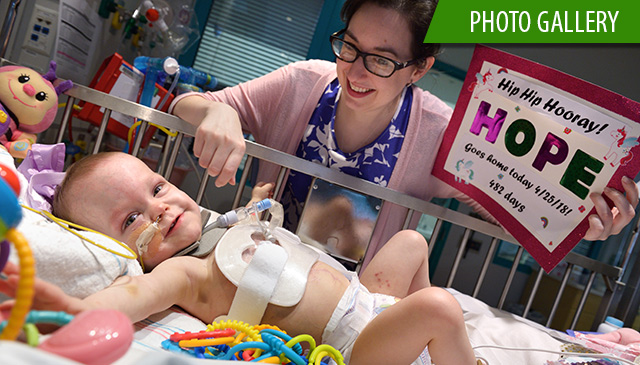
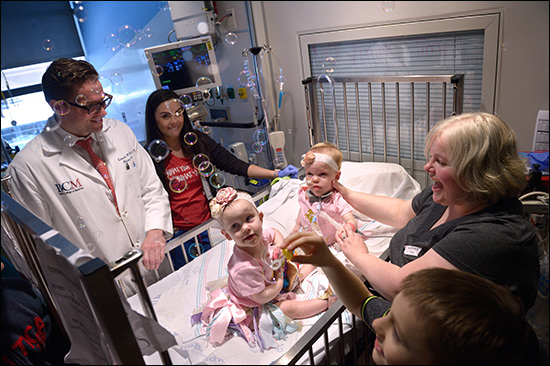
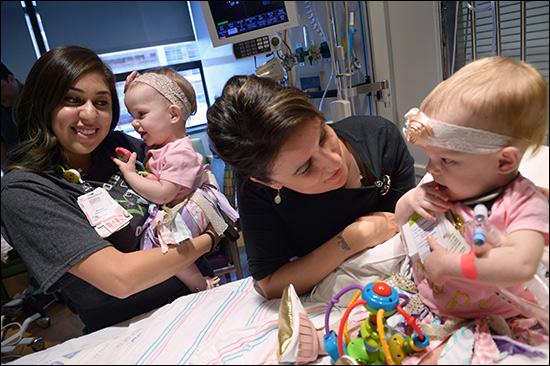
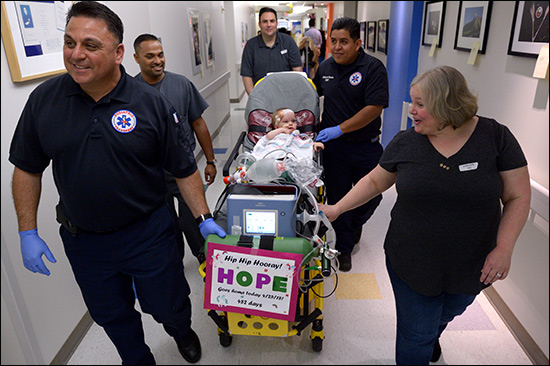
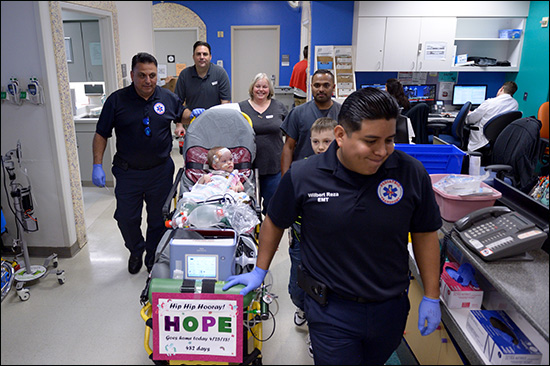
Hope Elizabeth Richards, one of the formerly conjoined twin girls separated at Texas Children’s earlier this year, was discharged April 25 after spending 482 days in the hospital. Hope joined her sister, Anna Grace, who was discharged on March 2.
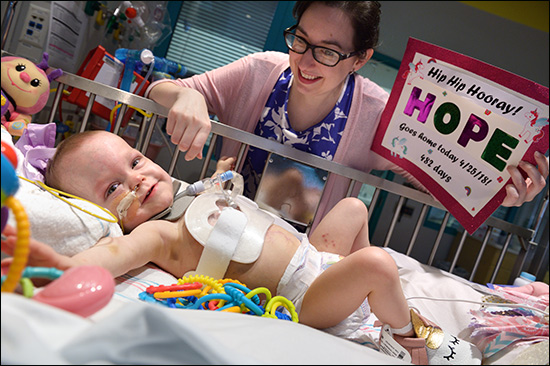
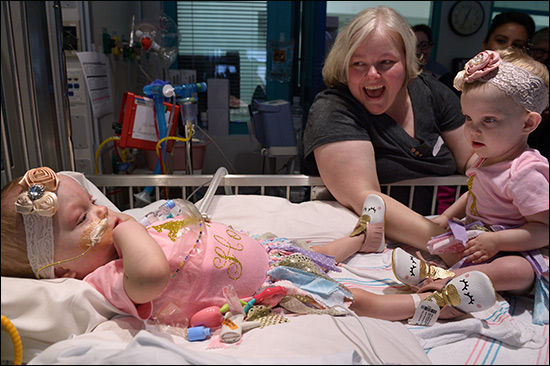
The Richards family is looking forward to returning to their North Texas home soon. They are grateful for all of the support and prayers they received throughout their daughters’ journey.

“This is the moment it all feels real,” said Jill Richards. “We are so excited for Hope to join Anna and her brothers at home. Our family is eternally thankful for the doctors, nurses, child life specialists, physical therapists and many others at Texas Children’s who took incredible care of our precious girls.”

On January 13, Anna and Hope were successfully separated by a multidisciplinary team of nearly 75 surgeons, anesthesiologists, cardiologists and nurses from eight specialties performed the seven-hour procedure. In preparation for separation, on November 6, 2017, Anna and Hope underwent surgery to place tissue expanders in order to allow their skin to grow and stretch.

The girls were born on December 29, 2016 at Texas Children’s Pavilion for Women, weighing a combined 9 lbs. 12 oz. Delivered via Cesarean-section at 35 weeks and five days gestation, Anna and Hope were conjoined at their chest and abdomen, through the length of their torso and shared the chest wall, pericardial sac (the lining of the heart), diaphragm and liver. In addition, they had a large blood vessel connecting their hearts. They were welcomed by their parents, Jill and Michael, and older brothers Collin and Seth.

The Richards family, learned Jill was carrying conjoined twins during a routine ultrasound. The family was then referred to Texas Children’s Fetal Center, where they underwent extensive prenatal imaging, multidisciplinary consultation and development of plans to achieve a safe delivery and postnatal care. They temporarily relocated to Houston in order to deliver at Texas Children’s and to be close to the girls during their hospital stay. For the past year, Anna and Hope have been cared for by a team of specialists in the level IV and level II neonatal intensive care units (NICU).

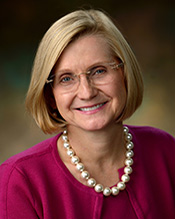
On April 29, Dr. Lisa M. Hollier became the 69th president of the American College of Obstetricians and Gynecologists’ (ACOG) during the Presidential Inauguration and Convocation ceremony.

Hollier is a professor in the department of obstetrics and gynecology at Baylor College of Medicine in Houston, serves as chief medical officer of obstetrics and gynecology for Texas Children’s Health Plan and is the medical director of obstetrics and gynecology for The Health Plan’s Centers for Children and Women.

Hollier has held many roles in ACOG over her career. She was assistant secretary of ACOG and served on many college committees and Presidential Task Forces and work groups. She chaired the Committee on Professional Liability, the Committee on Credentials and the Work Group on Women’s Health Care Team Leadership. Additionally, she served as the ACOG representative to the Society for Maternal-Fetal Medicine board of directors for five years. Currently, she is chair of the Texas Maternal Mortality and Morbidity Task Force.

Past president of the Texas Association of Obstetricians and Gynecologists and past chair of District XI of ACOG, Hollier has throughout her career been dedicated to caring for the underserved and improving women’s health by advancing women’s health policy.

She earned her medical degree from Tulane University School of Medicine and her master’s in Public Health from Tulane University’s School of Public Health and Tropical Medicine in New Orleans. She completed her residency training in obstetrics and gynecology at Baylor University Medical Center in Dallas, followed by subspecialty fellowship training in maternal-fetal medicine at The University of Texas Southwestern Medical School in Dallas.

Texas Children’s congratulates Hollier on this well deserved recognition and honor.

Click here to read the text of Hollier’s speech.

Texas Children’s Hospital is committed to creating the best possible experience for our patients and their families. A significant part of this experience, that perhaps at times goes unnoticed, is our linen services. Linen forms an integral part of the services we provide – from clinical visits, to emergency visits or long stays.

Effective Friday, May 4, Texas Children’s will partner with a new linen vendor, Texas Textile Services. With more than fifteen years of experience and a state-of-the-art facility, Texas Textile has worked with various prestigious health care organizations throughout the Houston area.

Contact Linen Services at LinenServices@TexasChildrens.org or at ext. 4-5000, option 4, with questions regarding linen, scrubs, or ScrubEx machines.

April 26, 2018

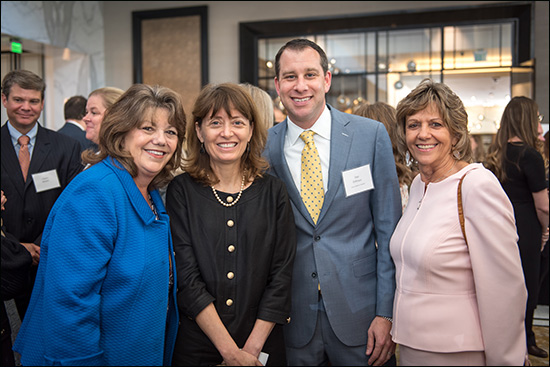
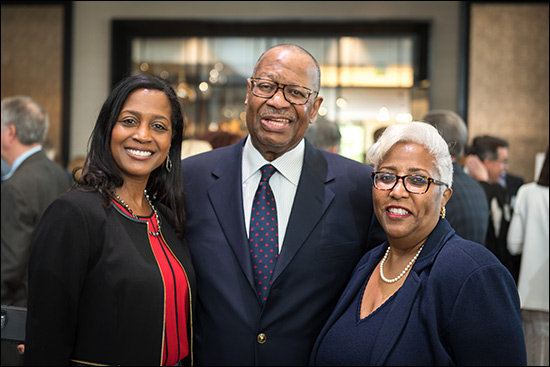
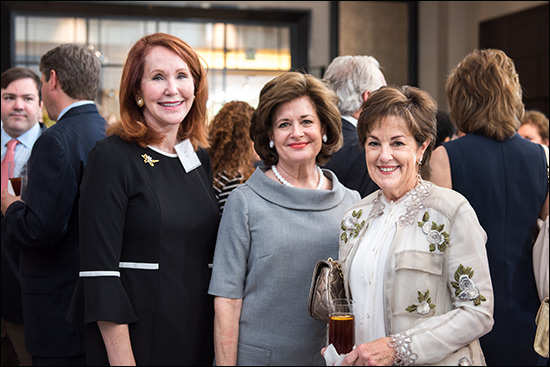
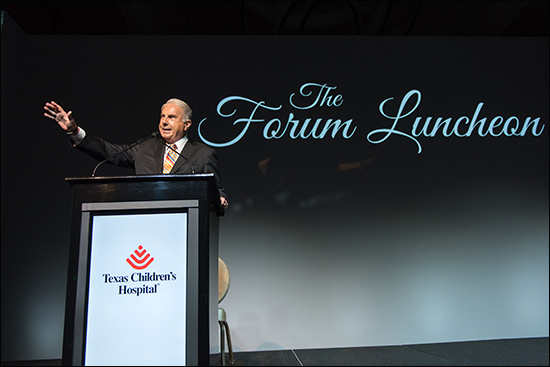
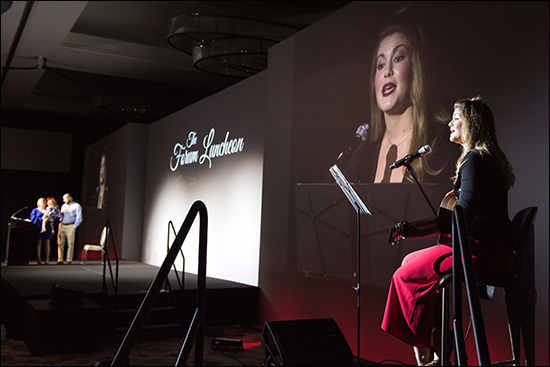
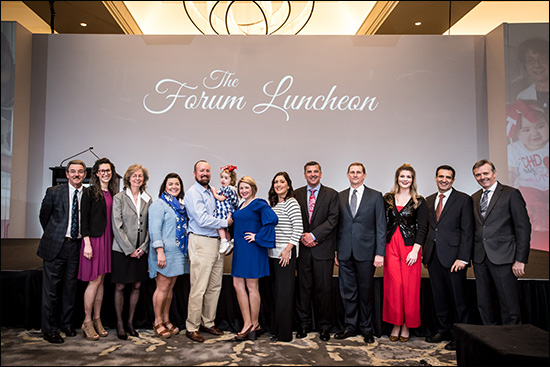
On April 24, Texas Children’s friends and supporters attended The Forum Luncheon highlighting the amazing work of the Texas Children’s Heart Center, currently ranked No. 1 in the nation for cardiology and heart surgery by U.S. News & World Report.

Held at The Post Oak Hotel at Uptown Houston, the program highlighted the story of Tenley Kennedy, who was diagnosed with a life-threatening heart condition when her mother, Kelly Kennedy, was 20 weeks pregnant.

Kelly said she’d never give up on her baby girl, and neither did the team at the Heart Center.

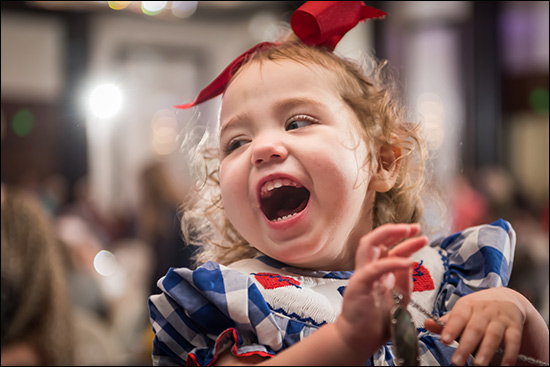
Two-year-old Tenley was born with hypoplastic left heart syndrome, a congenital heart defect that affects normal blood flow through the heart. As a result of her disease, Tenley spent most of her life at Texas Children’s Hospital waiting for a heart transplant. On May 13, 2017, her day finally came. Tenley received a heart transplant. The little girl is now at home in Louisiana and thriving.

“Texas Children’s Hospital saved Tenley’s life, and we are forever indebted,” Kelly said.

April 24, 2018

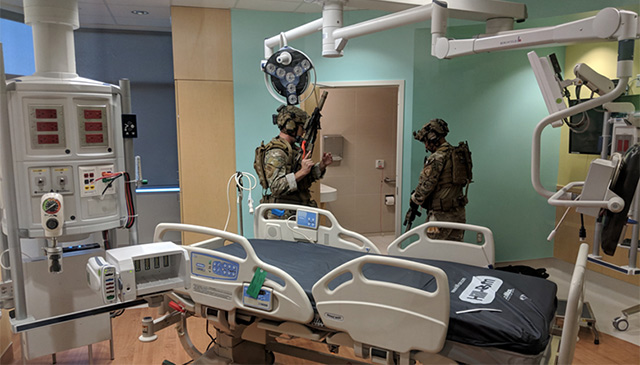
Texas Children’s emergency operations plan was put to the test during a comprehensive active shooter exercise on April 16. This was the first time an emergency exercise of this scale and scope with external and internal participants was completed at Texas Children’s Hospital Medical Center Campus. Two similar exercises were previously conducted at the Woodlands and West campuses in 2017.

The exercise included over 200 Texas Children’s staff and employees and 30 members of local law enforcement including, the University of Texas Police Department, Harris County SWAT Team, and the state department diplomatic security service. There were also multiple external observers and evaluators onsite. Having multiple agencies involved in simulating an active shooter incident creates an environment that is as realistic as possible and allows law enforcement agencies to practice their skills in a new environment. A secondary benefit is having the opportunity to train in our hospital footprint which would be valuable in the event of a real active shooter incident.

After the participants arrived, they were put through a safety briefing with Texas Children’s Hospital Emergency Management, followed by further orientation with The University of Texas Police Department, and “Run, Hide, Fight” Training provided by Texas Children’s Security. During these exercises blank ammunition was used to simulate gunfire increasing realism while maintaining safety.

The exercise was held on the twelfth floor of the Legacy Tower, a new extension of Texas Children’s Hospital that officially opens Tuesday, May 22. Legacy Tower was the perfect place to host this exercise since it is vacant, so patient care would not be disturbed, and due to its convenient location on Texas Children’s Hospital Medical Center Campus.

The exercise involved two scenarios both presented within each of the five sessions. The first scenario was a disgruntled parent seeking retribution against the staff following the recent death of his child. The enraged father came into the hospital looking for a particular physician, became agitated, pulled out a weapon, and then started shooting. Once the father started shooting, people began to scramble, and at that point, all the staff were expected to execute the “Run-Hide-Fight” training that was provided. The shooter eventually isolated himself then took his own life.

After law enforcement entered the scene they began searching the area, located the shooter, secured the floor and evacuated all of the participants to a safe area. At that point the first evolution of the exercise ended and all the participants were gathered for a quick debriefing to discuss what happened before being repositioned for the next evolution of the exercise with participants changing roles.

“So that first time kind of startles them,” Aaron Freedkin, manager of Emergency Management, said. “Then they really settle into the “Run-Hide-Fight” training.”

The second scenario was a domestic dispute involving a person looking for his ex-wife, accusing her of taking custody of their kids and seeking retribution. While the scenes played out looked and sounded real, fortunately, this was only an exercise. However, these realistic situations are needed to evoke the intensity that would arise in the event of a real active shooter incident.

According to Texas Children’s Hospital Emergency Management, the first time they ran through the drill participants had the tendency to hesitate rather than react. However, the second time they were more comfortable and as a result, their performance improved. After the second evolution of the exercise, Texas Children’s Hospital Emergency Management conducted a follow-up discussion and debriefing in a process to capture lessons learned from the exercise.

“We are always seeking to improve our processes and our plans, so we do what’s called an after action debriefing or a hot wash,” Freedkin said. “This is where we sit them down and talk about what they went through and ask them what went well and if there are any opportunities for improvement.”

During the process, Everbridge, our emergency notification system, was tested by sending messages stating that there is an active shooter, the specific floor, and everyone is told to “run-hide-fight.”

“Overall, it was a very successful exercise. We really want people to get that visceral reaction,” Freedkin said. “It’s one thing to show people a video or to give them a PowerPoint and show them how to respond during an active shooter event. It’s very different to stick them on a floor and then have somebody shooting off a weapon. So, this really gets your adrenaline going and gives them more of a realistic feel for what a real event would be like.”

We are better prepared today than we were before, and the lessons learned from this exercise will drive improvements to our planning and response for many months to come.