September 26, 2018

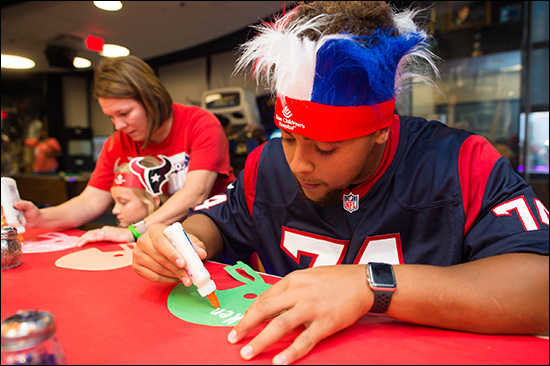
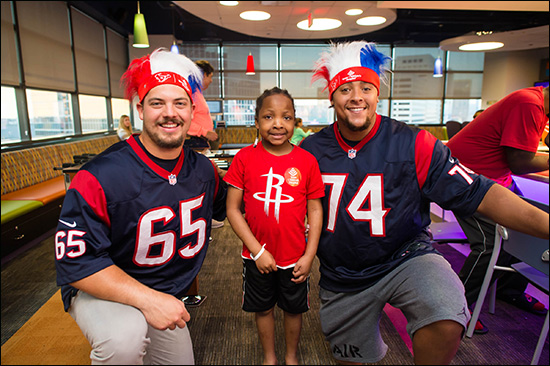
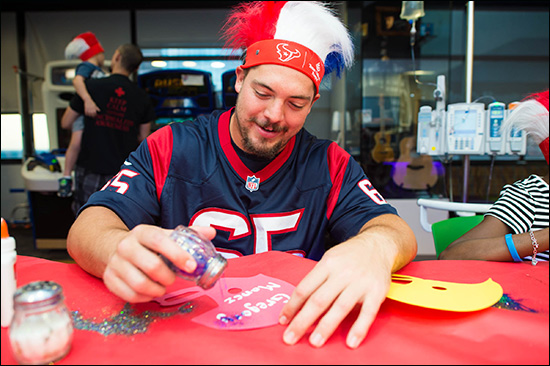
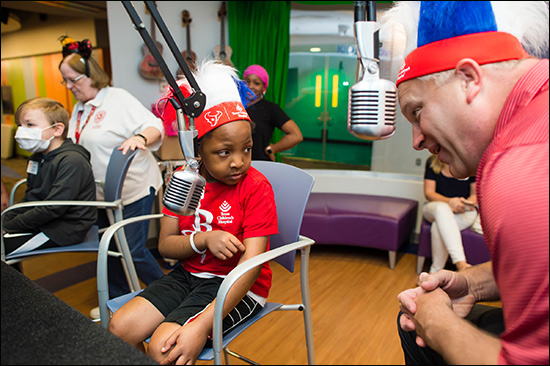
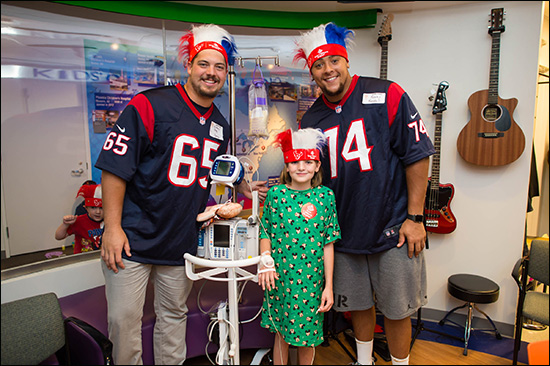
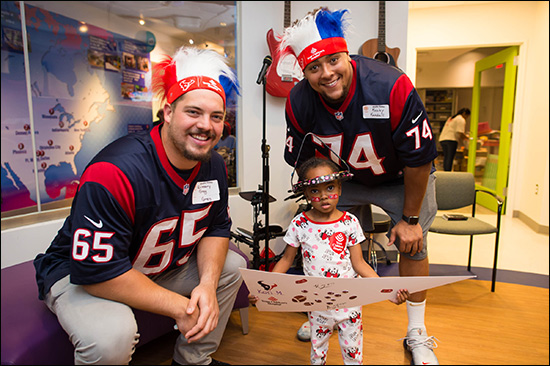
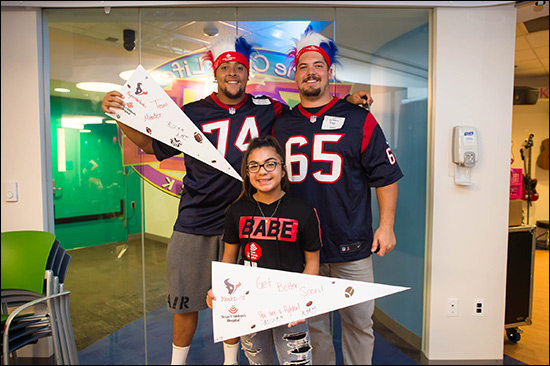
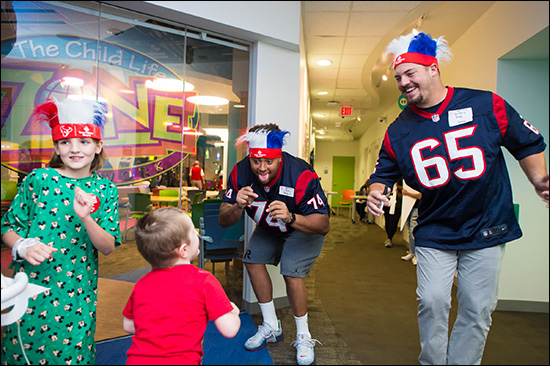
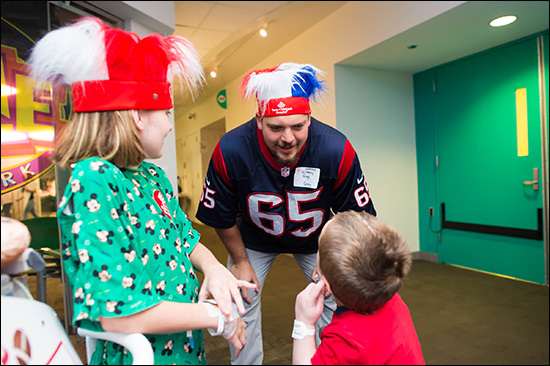
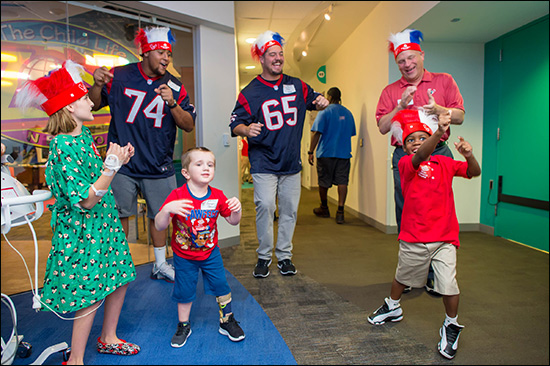
This week’s Radio Lollipop broadcast was extra special as Houston Texans offensive tackle Kendall Lamm, center Greg Mancz and Texans Analyst John Harris joined in on the fun! They played games with patients and their families, decorated football helmets, danced to patient-requested songs and spent time in the Kids Own Studio answering questions from patients and families.

Radio Lollipop is a fully-equipped, on-site radio station at Texas Children’s that broadcasts to patients’ rooms via the hospital’s television system. It is a volunteer-driven program that involves children in play and activities, using the sounds of radio to help stimulate the children’s imagination. Volunteer deejays create excitement among patients by playing Top 40 hits, taking call-in requests and putting kids “on-air” to actively participate in the magic of radio. Each on-air broadcast also features games, art projects, storytelling and contests in which kids win prizes.

Texas Children’s is the Official Children’s Hospital of the Houston Texans. To learn more visit texaschildrens.org/texans.

September 25, 2018

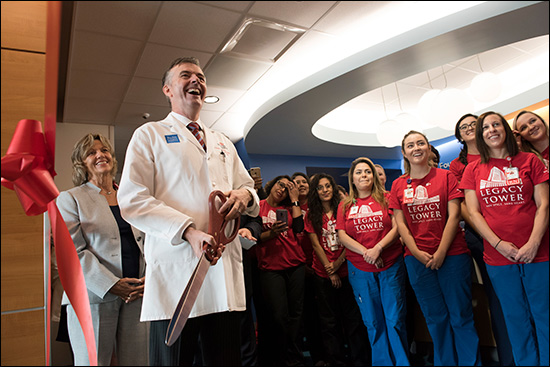
For months, teams have been preparing for the opening of the new Texas Children’s Heart Center® in Legacy Tower. The outpatient clinic went live on September 18. And this week, Move Day into our inpatient space has finally arrived.

Before the flurry of activity, we had the opportunity to sit down with new Chief of Congenital Heart Surgery Dr. Christopher Caldarone, who shared a little about his background and his vision for the No. 1 heart center in the nation.

Tell us a little about yourself. Where’d you grow up?

“I was born in Boston and grew up in Upstate New York and New Jersey. We still have a lot of family in Boston and spend time there in the summer.”

Were you always interested in medicine as a career?

“I had a predisposition toward engineering and science as a kid. I ruptured my spleen in a high school wrestling match and spent a few months in hospitals. I was fascinated by the environment and I think that’s when it really started for me. I went to college at Johns Hopkins for bioengineering but found the subject matter to be too dry. I realized I really liked the medical part of my studies, so I switched over to pre-med.”

How did that lead to your interest in surgery?

“Sometimes people find that they just fit in a field. You just feel like there are places in life where you belong and others you don’t, and I always felt like I belonged in surgery.”

How does it feel to be a part of the team at Texas Children’s?

“It feels amazing. I think that for those of us who’ve been at other institutions, it’s easy to appreciate how special this place is. It’s a spectacular environment.”

What was it about Texas Children’s that attracted you?

“It was all about fit and impact. I spent fifteen years in Toronto with a great team. But from the very first call from Texas Children’s, I felt that we shared a common vision and I felt that I was a good fit for what they were looking for in a very genuine way. That was very compelling. Secondly, the potential here to make a difference is vast. There is an opportunity to take what I learned in my previous role as surgeon-in-chief and refocus on congenital heart disease, which is the area that interests me the most.”

Why is multidisciplinary collaboration so important?

“Being part of a team and functioning as a team is my preferred environment. I just enjoy it more. But that isn’t the reason why it’s important. It’s important because the congenital heart program at Texas Children’s is already competing at the Olympic level. The gradations between the best pediatric hospitals are so fine that to compete at this level, you have to optimize every aspect of the entire program. People can’t work harder and there are no better people to hire. The only option we have is to create an organizational structure that functions more efficiently than other programs, if we want to improve faster than they’re improving. That’s why a multidisciplinary team approach is important. It’s literally the only way to compete at this level.”

How does the layout of the new Heart Center help facilitate improved interaction?

“Architecture influences culture. It can enhance or detract from it. Locating cardiology, cardiac surgery, anesthesia, perfusion, the advanced practice providers and our administrative staff in one environment helps make magic. Having everyone in close proximity on the same floors is enormously beneficial for our patients and our care providers.”

You have an active translational research background. Will you continue to build on that?

“I want to continue my own research, but my main objective here is to support other clinician’s translational science efforts throughout the Heart Center. I’ve found that if you get a team together, find resources and focus on a target, you can produce powerful results. My role is to support an environment where multidisciplinary teams routinely get together, target specific areas and create impact. I think of it as translational science ‘one step removed’. I think that’s one of the reasons I’m here.”

What’s something you want people reading this to know about the leadership team’s vision for the Heart Center?

“I want people to know that the Heart Center leadership is dedicated to creating a shared stewardship model, through which we work together to identify specific targets, pool our resources and act upon those targets as a unified group. The model makes collaboration the expectation rather than the occasional nice outcome. In most other institutions, collaboration can happen; there’s nothing to restrict it. But if it doesn’t happen, it’s a silent failure and a missed opportunity.

“Here, we have a group of leaders that is accountable to see that our resources are deployed in a meaningful way that drives change. This creates the dynamic that is necessary to provide that Olympic level of care. If the patient is truly our focus, then every little thing we do here has to be better. Everything has to keep improving. And every single person in the Heart Center has a role and the potential to influence how we extend our lead and, more importantly, how we can improve care for our patients.”

Time for rapid fire: What’s your favorite film?

“The Year of Living Dangerously.”

Favorite sport?

“I don’t really have a favorite. I appreciate a good contest, regardless of the sport.”

Favorite place you’ve traveled?

“Thailand.”

What are you listening to right now on the way to work?

“NPR.”

Beatles or Rolling Stones?

“Tough one! It’s a toss-up. Depends on my mood.”

Caldarone is an internationally recognized leader in congenital heart surgery and most recently served as surgeon-in-chief at The Hospital for Sick Children in Toronto. He received his undergraduate degree from Johns Hopkins University and his medical degree from Columbia University, and he completed his general surgery and cardiothoracic surgery residencies at Beth Israel Deaconess Medical Center/Harvard Medical School. He also completed a fellowship in congenital heart surgery at The Hospital for Sick Children. Caldarone is a member of the American Association for Thoracic Surgery, the Society of Thoracic Surgeons and the Congenital Heart Surgeons’ Society. His specific research interests include the role of apoptosis related mitochondrial dysfunction and remote ischemic preconditioning as mediators of reperfusion injury. Most recently, Caldarone has focused on pulmonary vein stenosis and tissue engineering of pulmonary valves.

September 19, 2018

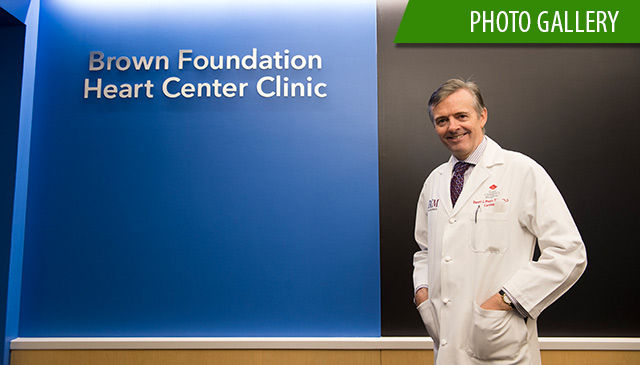
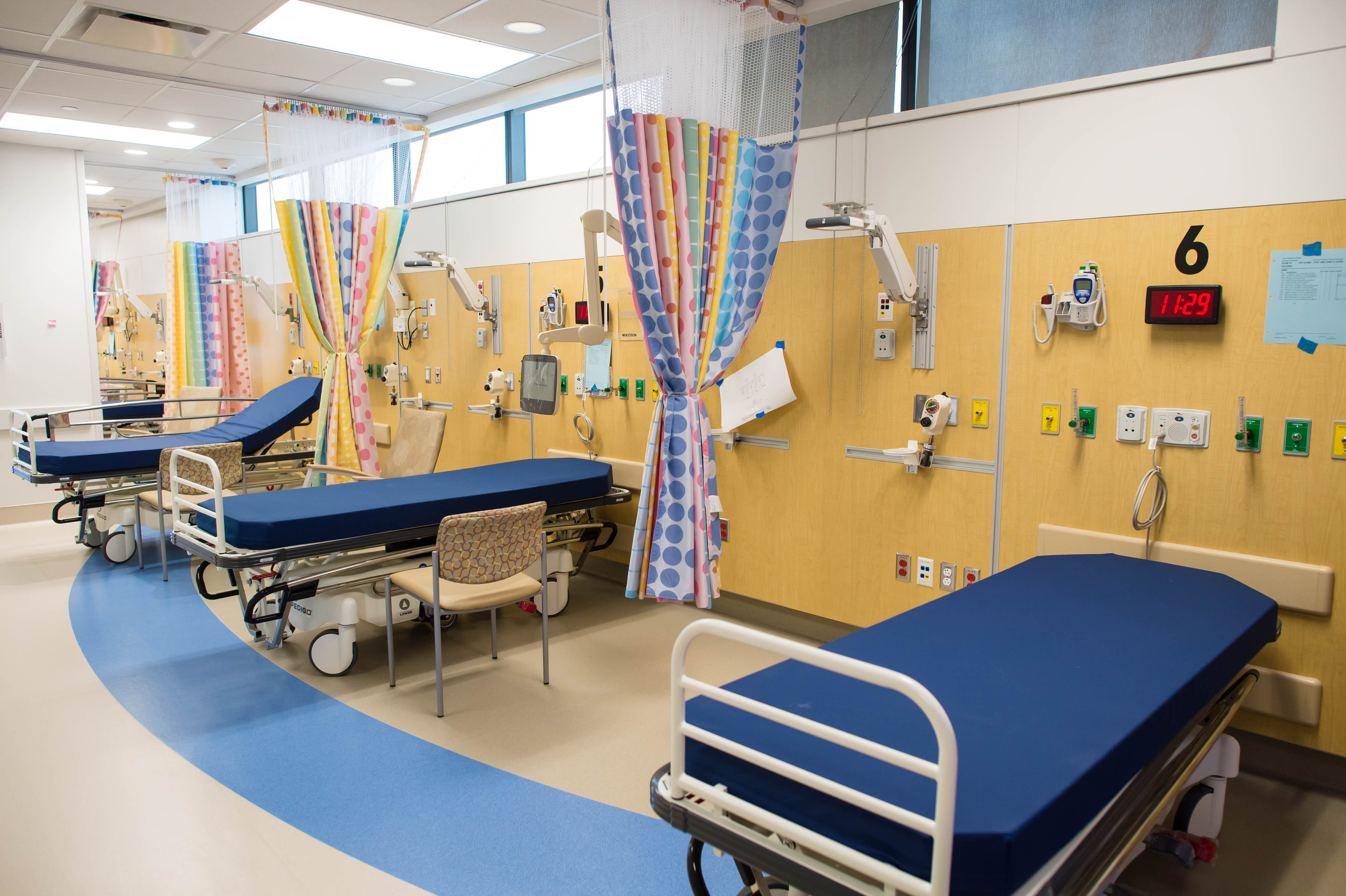
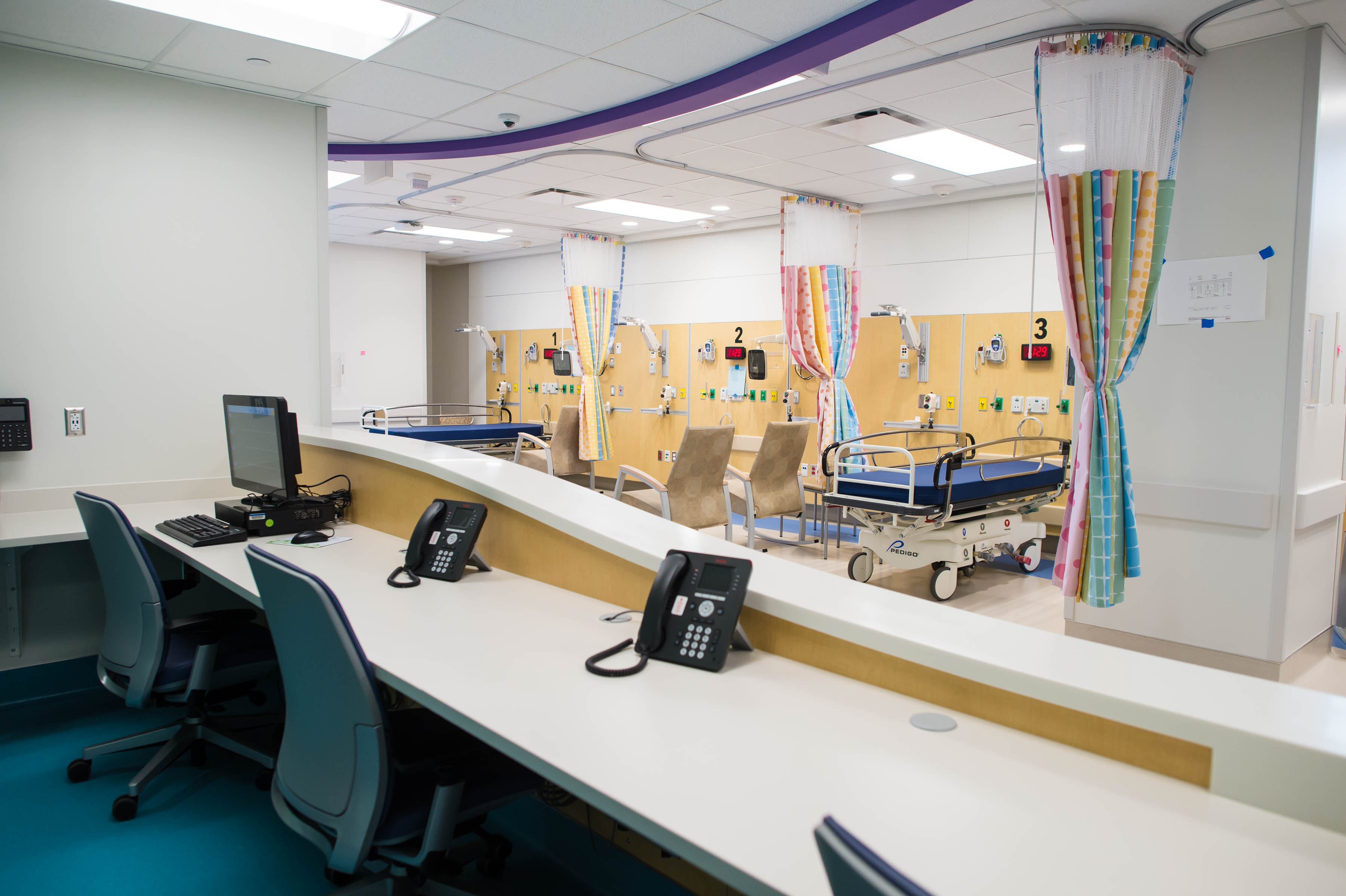
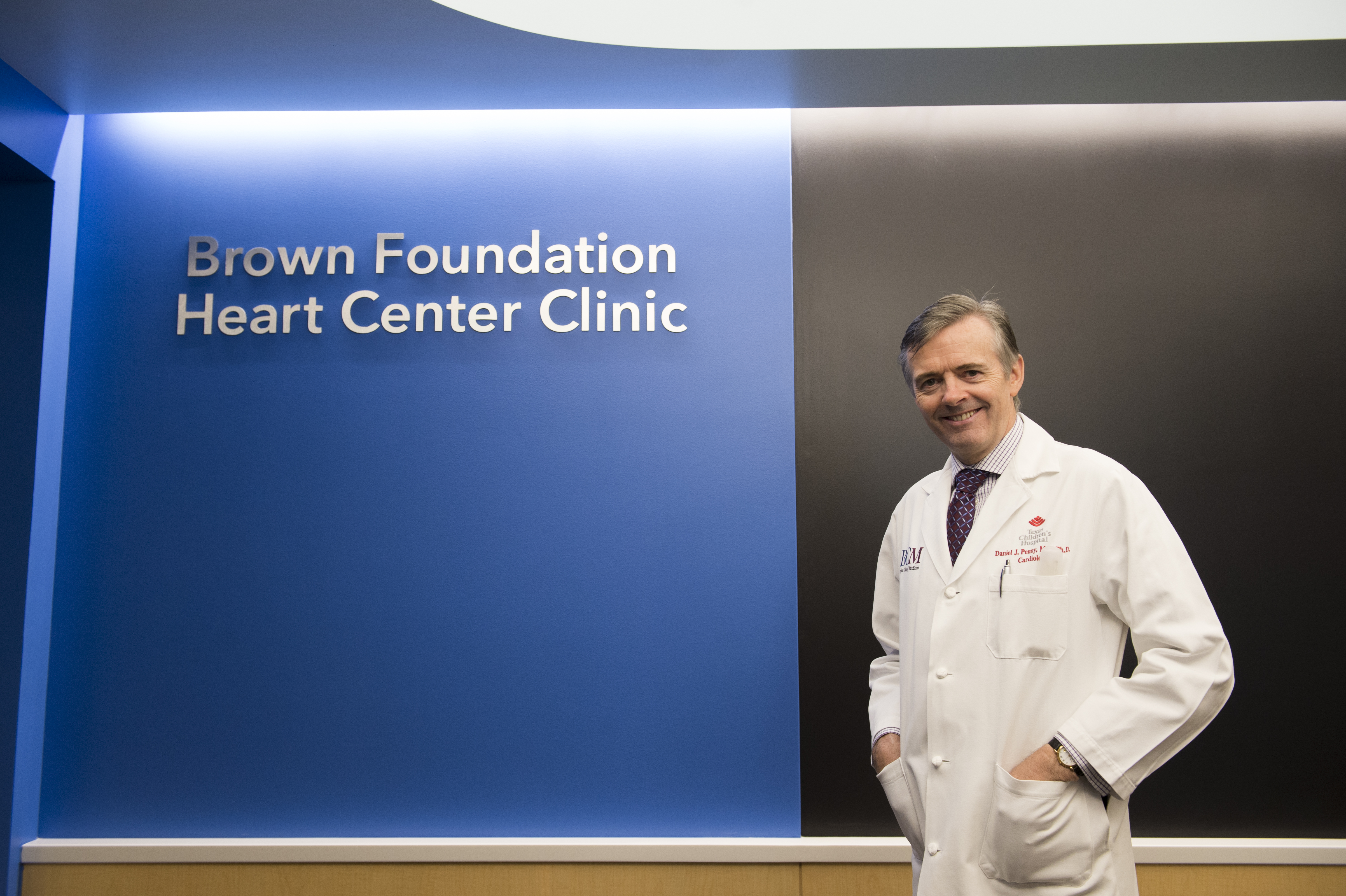
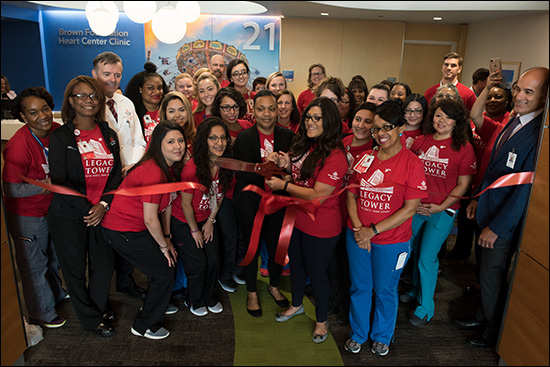
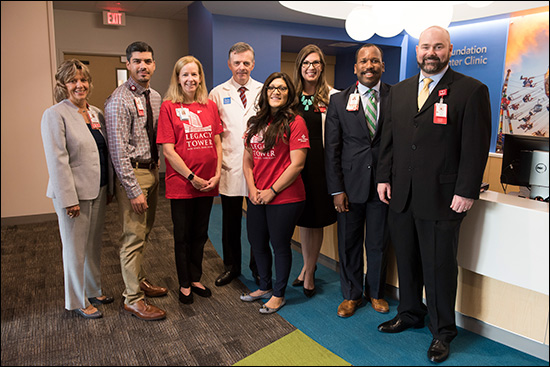
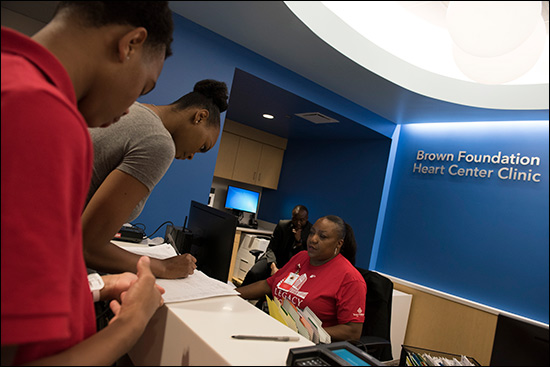
The new outpatient clinic at Texas Children’s Heart Center® is now open! As patients and families came through the doors of the new clinic for the first time on September 18, they entered a space designed from top to bottom with them in mind.

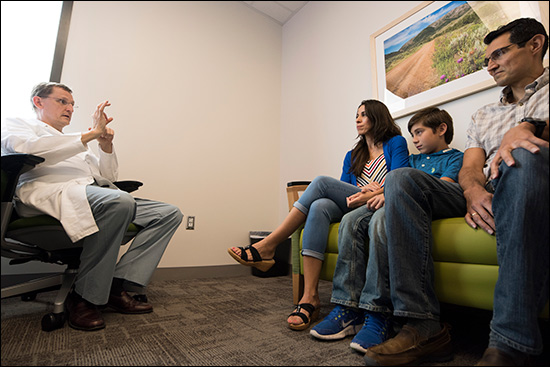
“From the very beginning of the design process, the opening discussion for every space has been about making sure the focus is on the patient and that they have everything they need,” said Texas Children’s Chief of Pediatric Cardiology Dr. Daniel Penny.

The outpatient clinic is situated across the 21st and 22nd floors of Legacy Tower and has been specially configured to offer families a more personal approach to care, and to handle high clinical volume. Last year, there were nearly 29,000 outpatient clinic visits, 2,300 of which were part of the Adult Congenital Heart Defect program, and more than 27,000 echocardiograms were performed.

On a recent walkthrough in advance of the opening of the new outpatient clinic, Penny showed off a few of its special features and described the care and painstaking attention to detail that has gone into every aspect of the facility.

Pod-based model
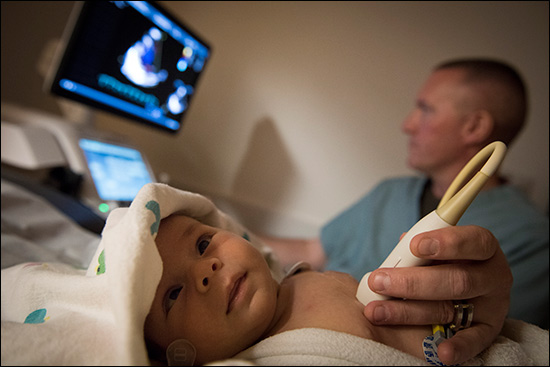
One of the key differences in the model of care in the new outpatient clinic compared to our previous facilities is the integration of echocardiography and exam rooms. To incorporate the two, a pod-based model that will enhance the patient experience and streamline the care we provide has been implemented.

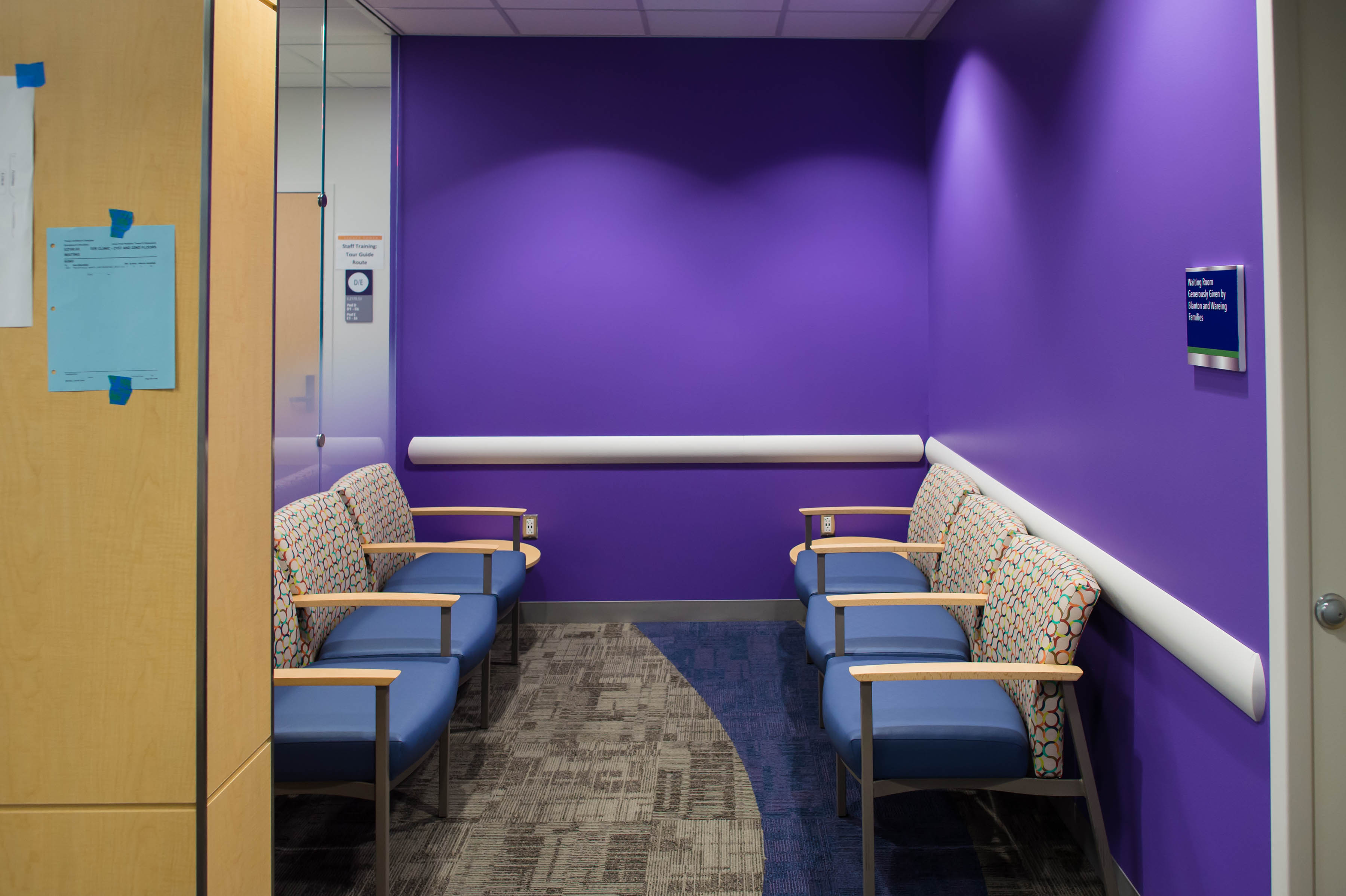
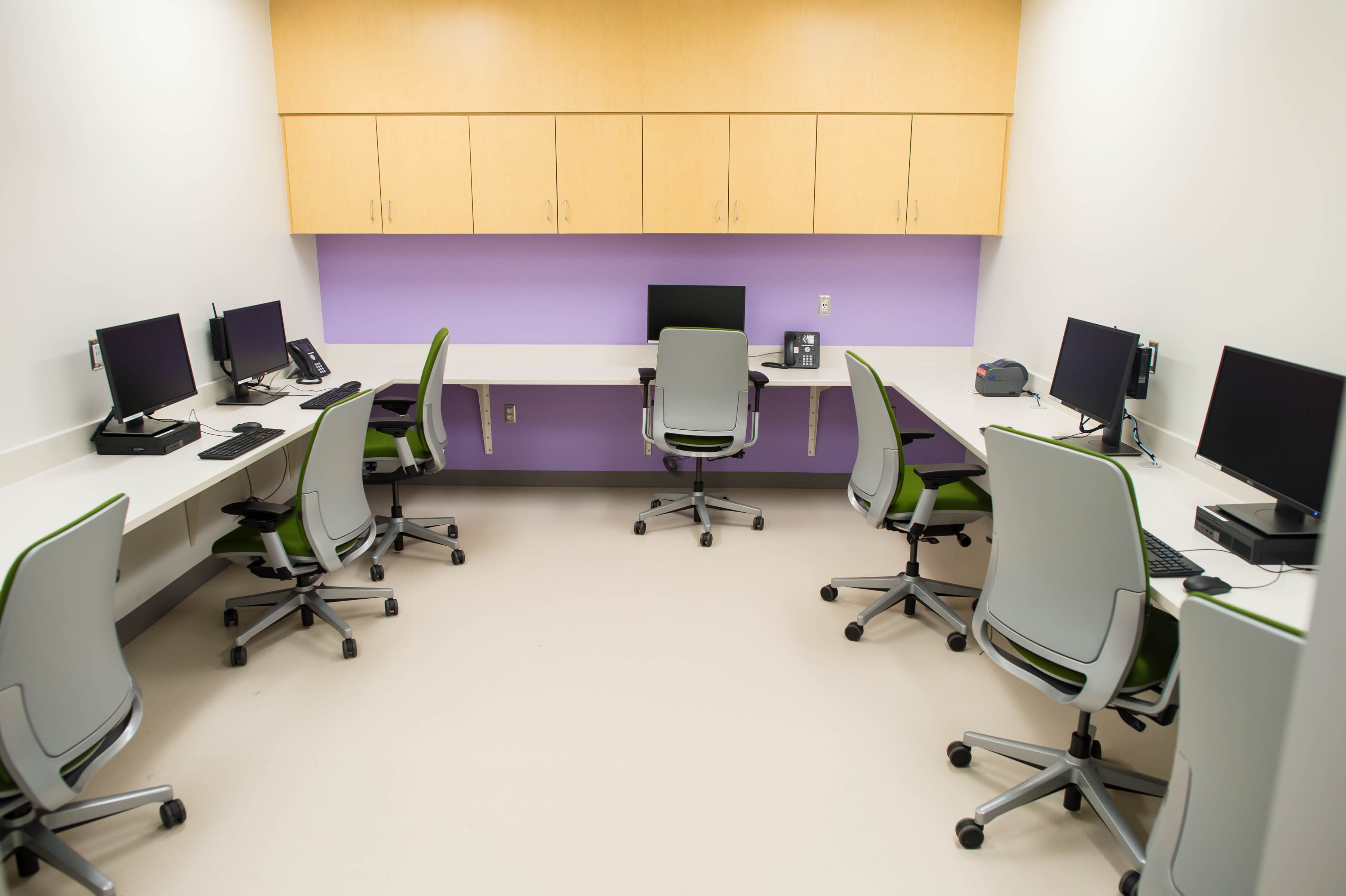
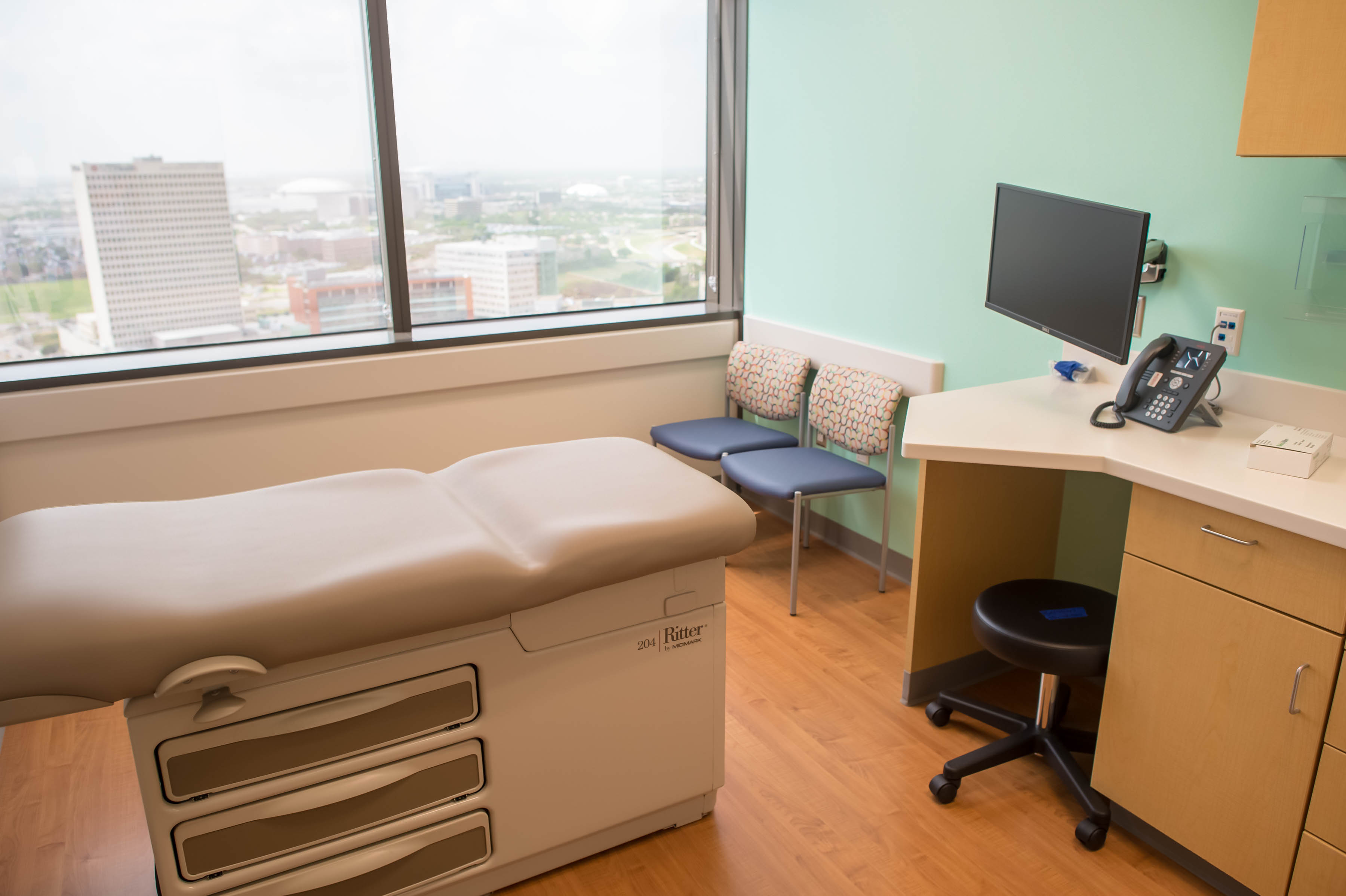
The clinic houses five pods, each with its own separate waiting area. Two of the pods comprise six exam rooms and four echo rooms apiece. Close proximity between rooms will enable greater coordination of care between care teams. A third pod has been designed specifically for patients in the Adult Congenital Heart Disease Program. It has three exam rooms, two echo rooms and a private waiting area. Two more pods are dedicated for cardiac surgery and arrhythmia specialists and house an additional six exam rooms apiece. Additionally, each pod is equipped with a large, centrally located high-definition care board to help teams monitor patients along the examination and treatment pathway.

“Now, rather than traveling from one side of a building to the other, families will have access to all the care they need in one convenient location,” Penny said. “This system will also encourage closer interaction between care givers. And even with the greatly expanded footprint, we have additional shell space that will allow for additional consult and echo rooms when the demand arises.”

Sedation Area
The Heart Center receives many echo patients, as well as patients transferred from inpatient units, who require sedation. The new outpatient clinic features an expansive six-bed sedation area, with an additional five echo rooms. The sedation area’s layout, similar to an anesthesia area or recovery room, has improved visibility and access, which will allow caregivers to monitor patients more closely. And its location will afford patients and families more privacy.

Exercise labs
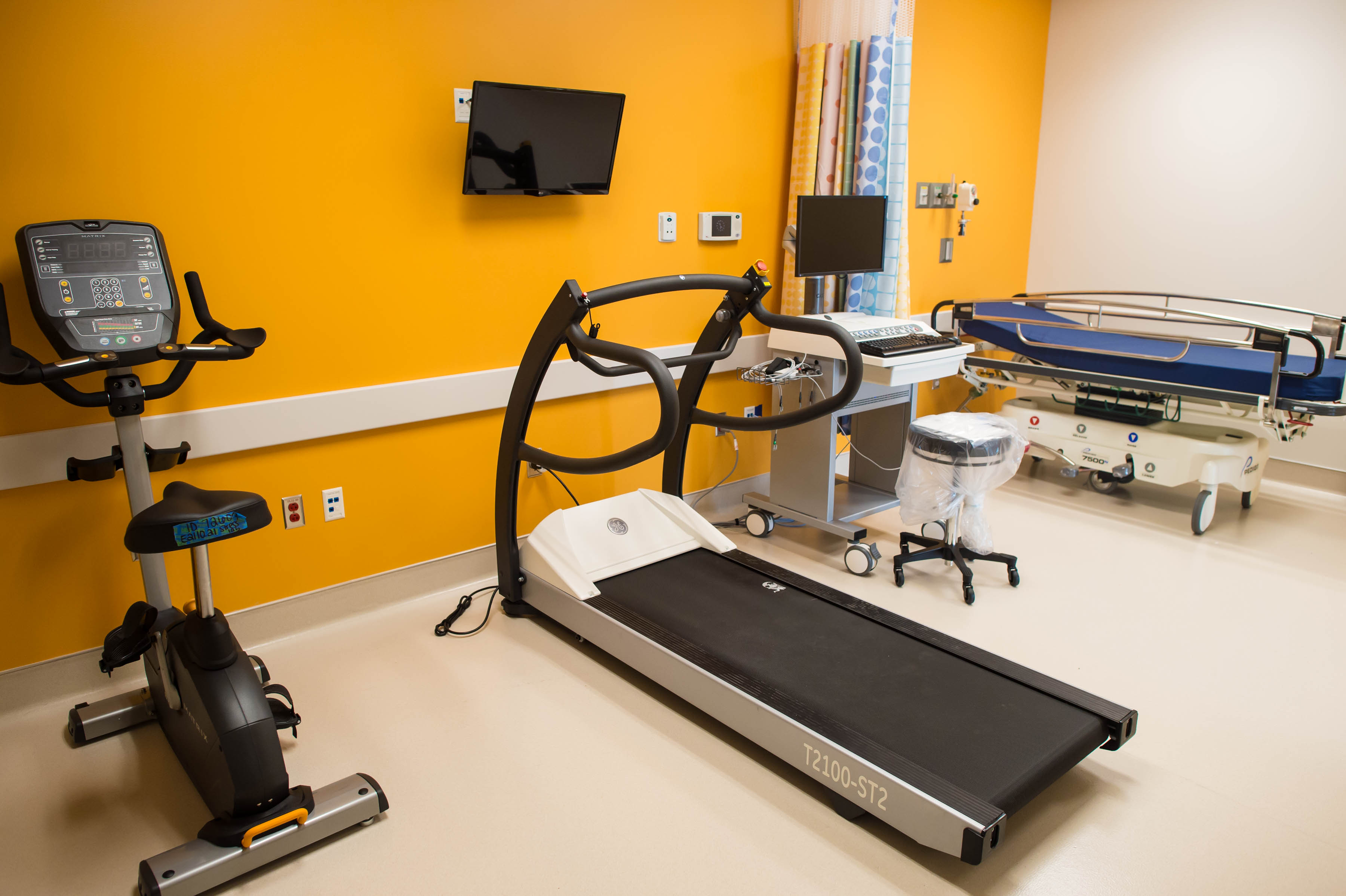
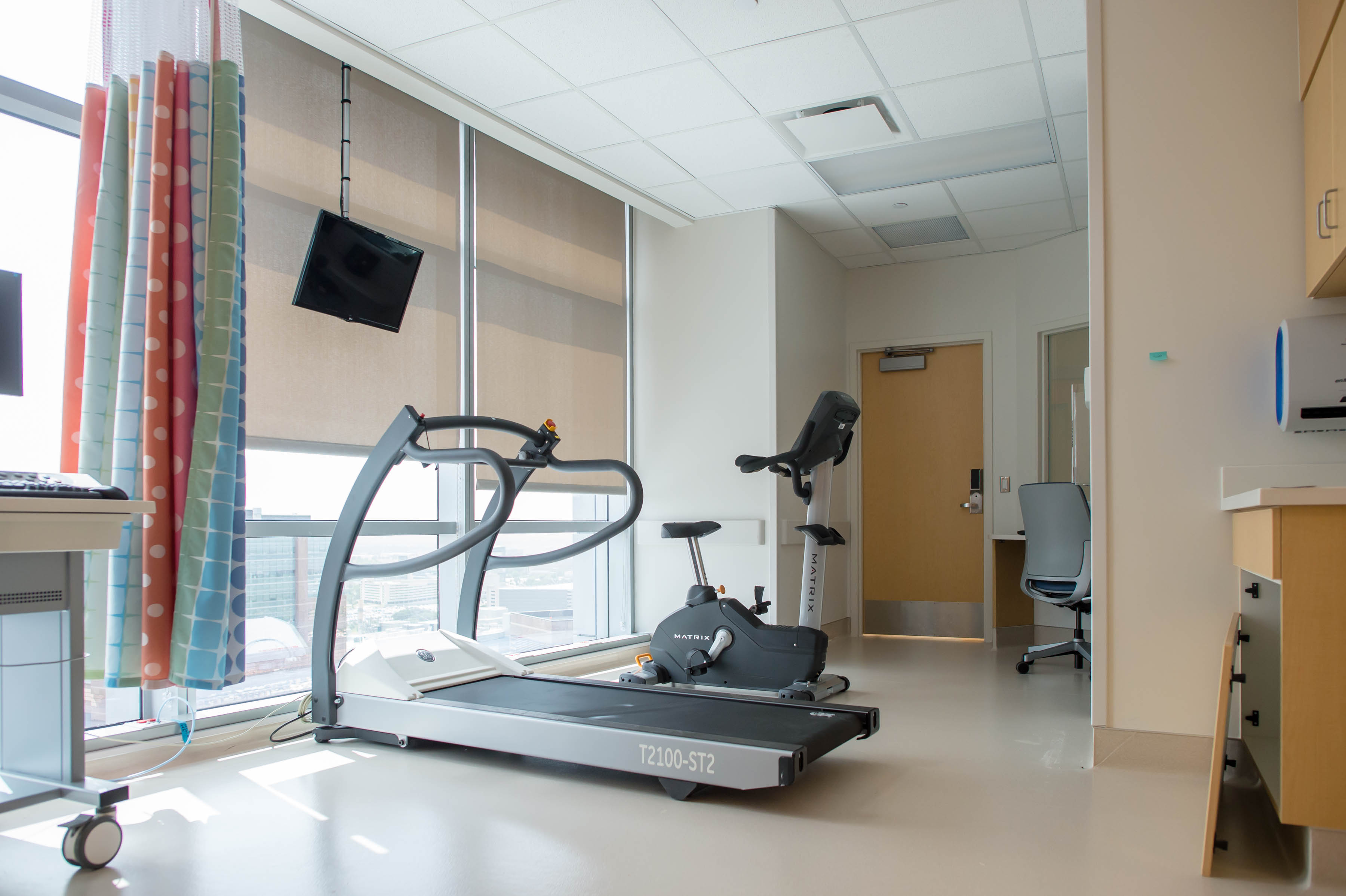
One of the most important aspects of a patient’s ongoing assessment is exercise function. For that reason, the new outpatient clinic has two exercise labs. The labs are linked by a central control room, similar to a catheterization lab, from which physicians can supervise tests and monitor real-time patient data displayed on banks of high-resolution monitors. The exercise lab also features a dedicated space for pacemaker care.

Simulation
Simulation and process mapping have been crucial in the clinic’s development. Because the layout of the new clinic’s pod-based space is significantly different than the previous outpatient clinic, simulations were necessary even as part of the initial design process.

High-fidelity simulations used mannequins to test clinical systems, documentation systems, patient safety processes and more for single-patient interactions. Comprehensive workload and patient flow simulations were conducted to test patient movement through the clinic at various volume levels, which is important for a clinic that often sees more than 80 patients in a day. This unique, hands-on process involved clinical staff and simulated patients and families entering the clinic, tracked the flow of multiple patients moving through the clinic simultaneously, and also monitored the utilization of space. Additionally, computer-based simulation models were used to monitor check-in processes, wait times and potential bottlenecks to help make necessary changes to the process flow.

Part of a united heart center
At Texas Children’s, cooperation and teamwork are pervasive across the hospital system, within specialty and subspecialty areas and across service lines. The same is true of the Heart Center, which combines cutting-edge technology and surgical expertise with research and compassionate, family-centered cardiac care – all located in the same, state-of-the-art complex.

“We’re not a cardiology section and a cardiac surgical section siloed from one another,” Penny said. “In everything we do, we want to emphasize that we are, both culturally and, indeed, physically, a unified heart center. That has been one of the fundamental philosophies of this whole endeavor: we can do more for our patients working together as a comprehensive team.”

Texas Children’s Heart Center is a global leader in pediatric cardia care, treating some of the rarest and most complex heart cases. With several multidisciplinary teams working in conjunction with pediatric subspecialties throughout the hospital, the Heart Center strives to provide unparalleled care at every point from diagnosis through treatment and follow-up to achieve the best outcome for every patient. For the past two years, Texas Children’s Heart Center has led the nation as the No. 1 place for children to receive cardiology and surgery care according to U.S. News and World Report.

Learn more about the Heart Center.

September 18, 2018

Flu season is almost here! While a record breaking 91 percent of our employees received their flu vaccine in 2017, we continue to strive to make the flu vaccination program even more successful. This year we have a lot of exciting new plans to share with you, such as an increased amount of flu vaccination events across the organization and a new online process for employees to submit proof of vaccinations. As a way to encourage our workforce to get vaccinated earlier in the season, all staff who receive their flu vaccine by Friday, November 2, will be entered into a drawing to win one of 25 Nutri Ninja Pro Blenders.
The Centers for Disease Control and Prevention (CDC) predicts this year’s flu season will begin in October. The CDC recommends a yearly flu vaccination as the first and most important step in protecting against the flu and its potentially serious complications. To learn more about the upcoming flu season, click here. Please remind staff that receiving a flu vaccine protects our patients and their families, reduces flu illnesses, doctor’s visits and missed workdays, and; helps to prevent flu-related hospitalizations.

Below is a more in-depth overview of what to expect for our Flu Program in 2018.

Flu Program Details
  • Employee Health will administer free flu vaccines to Texas Children’s employees, Baylor College of Medicine employees working at Texas Children’s facilities, Morrison, Crothall, or Compass contract employees and volunteers of Texas Children’s Hospital. Employee Health will administer free flu vaccines to Texas Children’s employees, Baylor College of Medicine employees working at Texas Children’s facilities, Morrison, Crothall, or Compass contract employees and volunteers of Texas Children’s Hospital.
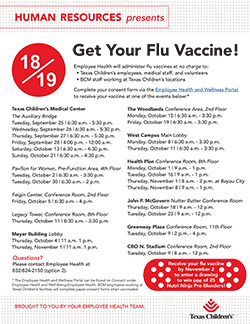
  • Click on the graphic to the right to view Texas Children’s vaccination event schedule.
  • Upon vaccination at Texas Children’s, staff will receive a 2018-2019 flu season sticker to place on their badges. Upon vaccination at Texas Children’s, staff will receive a 2018-2019 flu season sticker to place on their badges.
  • Employees who receive their flu vaccine by November 2, 2018, will be entered into a drawing to win one of 25 Nutri Ninja Pro Blenders. Employee Health will email winners at 3 p.m. on Wednesday, November 7.
  • In order to protect our patients from exposure to influenza, employees who decline the flu vaccine for approved exemptions should wear a surgical mask when providing direct patient care services for the duration of the influenza season. See In order to protect our patients from exposure to influenza, employees who decline the flu vaccine for approved exemptions should wear a surgical mask when providing direct patient care services for the duration of the influenza season. See Required Influenza Vaccination Policy and Procedure for more details.

Online Consent Form and Proof of Vaccination

  • Texas Children’s employees are to complete their Flu Vaccine Consent Form online via the Employee Health & Wellness Portal prior to attending a flu vaccination event.*
  • This process greatly reduced the wait times for flu vaccination last year, as well as eliminated the need to scan or fax the Flu Vaccine Consent Forms to Employee Health.
  • Click here to view a quick video tutorial on how to access the flu vaccine consent form online.
  • For instructions on how to log in to the portal click here or click here to view step-by step instructions.
  • New Process: Employees who receive their flu vaccine outside of Texas Children’s can easily submit their attestation and proof of vaccination via this online form. Employee Health will no longer accept proof of vaccination via fax or email.

If you have any questions, please contact Employee Health Services at 832-824-2150, option 2.

* Baylor College of Medicine employees working in Texas Children’s facilities will continue to complete paper consent forms when they receive the flu vaccine.

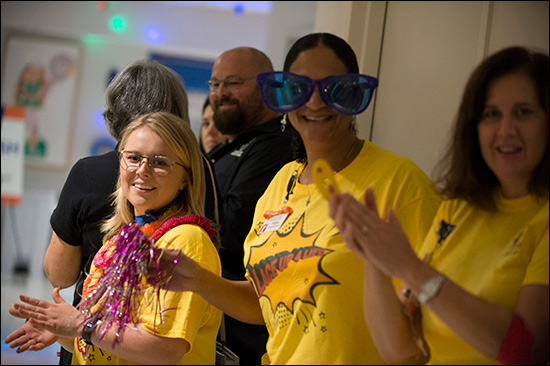
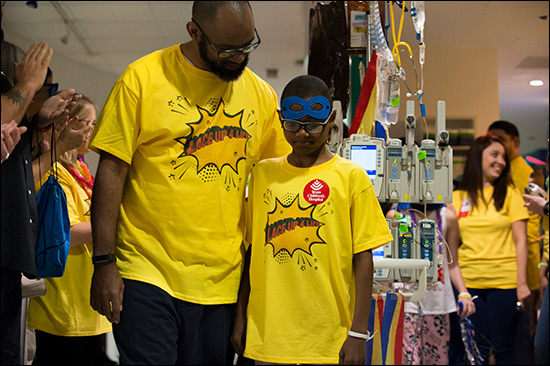
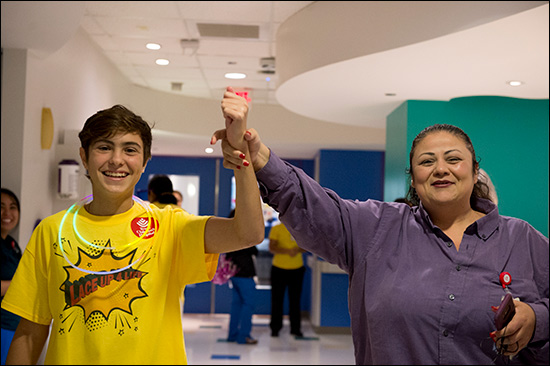
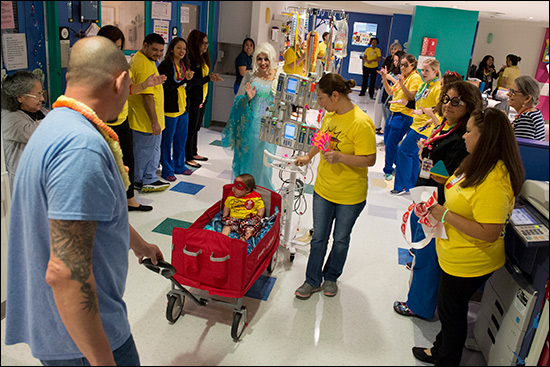
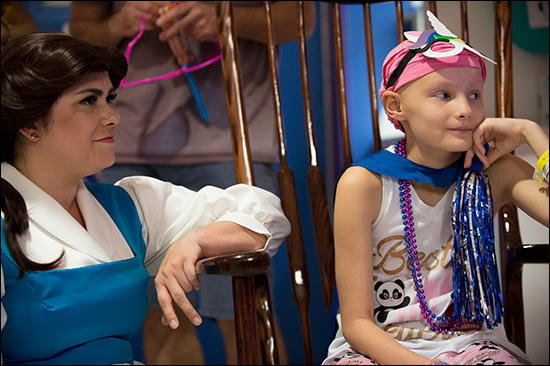
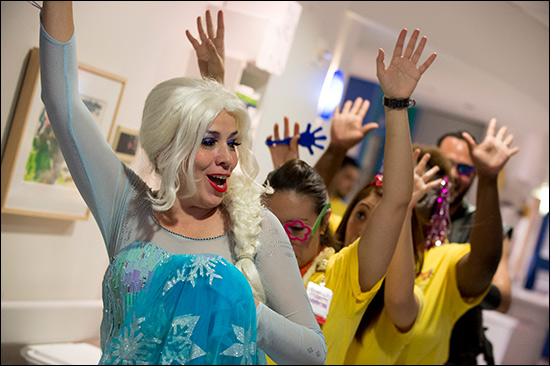
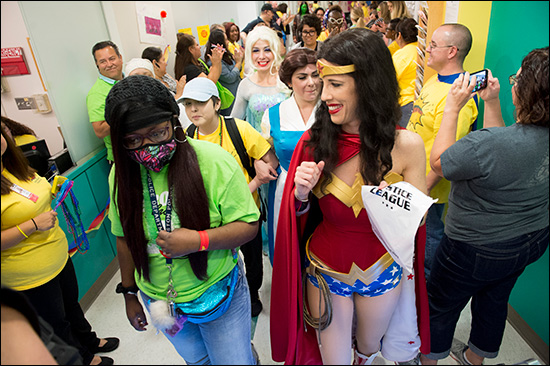
As part of National Childhood Cancer Awareness Month, Texas Children’s Bone Marrow Transplant Unit (BMT) was transformed for a few hours last week into a full-fledged parade route – music, costumes and all.
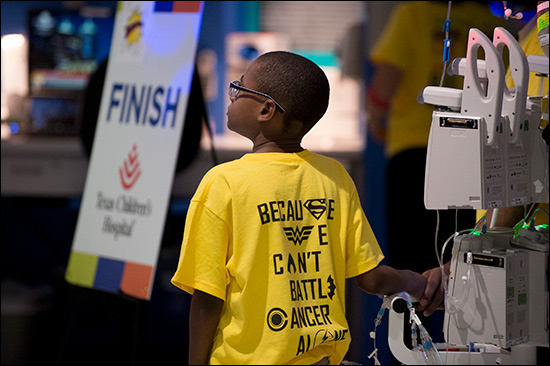
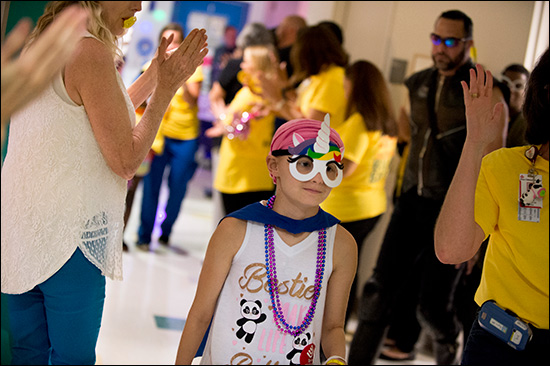
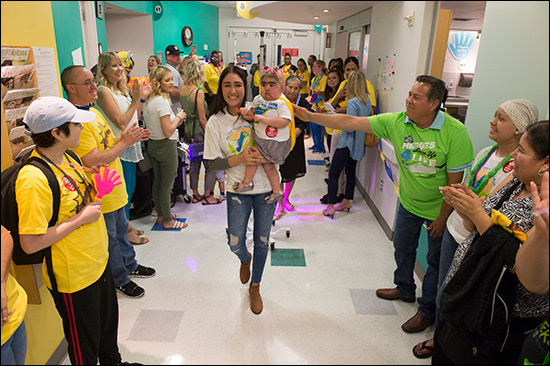
The Lace Up 4 Life event – hosted in part by Be The Match, which manages the largest and most diverse marrow registry in the world – began in the inpatient portion of the unit with patients dressed in super hero capes and costumes parading downs the halls with staff members by their side and cheering them on.

“We enjoy this event every year,” said Dr. Robert Krance, director of the Pediatric Bone Marrow Transplant (BMT)/Stem Cell Transplant Program at Texas Children’s Hospital. “It’s a time for us to celebrate the lives of those who have been saved by a bone marrow transplant, and to remember those who are still racing to find a match.”

After several laps around the inpatient unit, patients retired to their rooms while the parade continued to the outpatient portion of the unit, pausing for a special announcement from Hope Guidry-Groves with Be The Match.

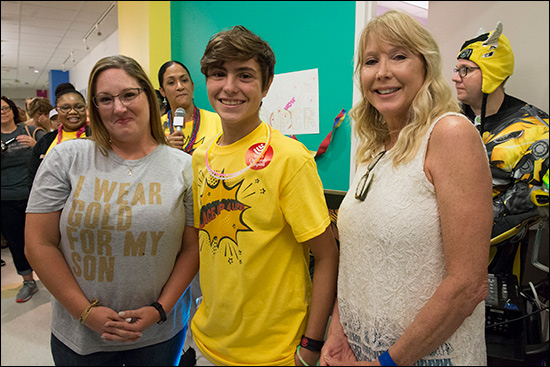
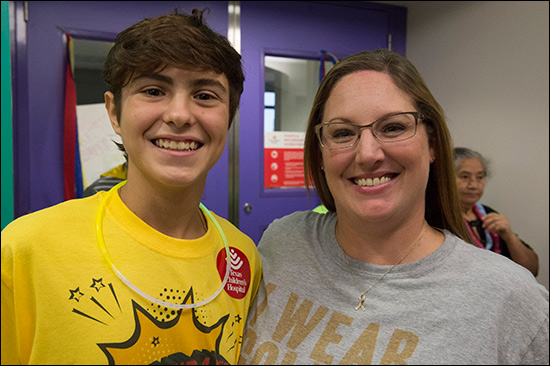
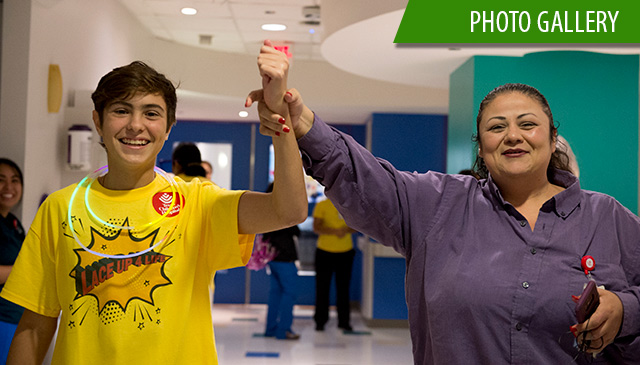
“Today, 16-year-old Jacob Bustamente is going to meet his donor, Heather Wallace, for the very first time,” Guidry-Groves said. “We are so fortunate to be a part of an organization that makes moments like these possible.”

Jacob is a patient at Texas Children’s and so is Wallace’s son. When they first laid eyes on one another they quickly embraced in a long, emotional hug.

“Thank you so much,” Bustamente said. “You are such a blessing.”

Wallace told the audience that everyone should join the marrow registry. “There’s no reason not to,” she said.

Texas Children’s Cancer Center has a premier bone marrow and stem cell transplantation program. Our state-of-the-art, 15-bed inpatient transplant unit is among the largest of its kind in the Southwestern United States and focuses exclusively on transplantation. The Bone Marrow Transplant Clinic performs over 100 transplants per year.

Texas Children’s works closely with Be The Match to find donors for our patients. Learn how marrow donation works, the steps of a patient transplant, steps of donation, and factors that can impact the likelihood of finding a match here. A marrow transplant may be someone’s only hope for a cure.

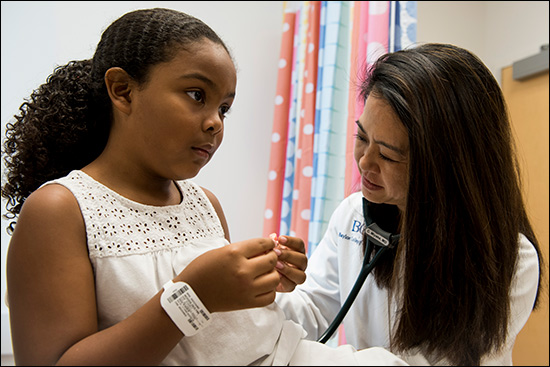
Imagine you’re the parent of a newborn with an arm injury. During your admission you’re told not to move the arm and to protect it all times. Now imagine coming back for your clinic appointment and hearing that it’s time to start moving the arm at home – unsupervised. For parents of children with brachial plexus birth palsy, this moment can be daunting.
Brachial plexus birth palsy occurs when there’s a stretch or tear in the bundle of nerves known as the brachial plexus, located near the neck and upper arm area. These injuries may cause weakness, pain, sensory loss and functional impairment. Sometimes the nerves need time to recover, anywhere from a few days to a year. Other times surgery might be required. Regardless, a focus on treatment during the waiting period can help prevent the shoulder joint from becoming stiff. The only way to keep the joint loose is through passive exercises, which must be performed early and often by the patient’s family.

“If we can find a way to keep these shoulders loose, we can eliminate many of the problems we see down the road,” said Dr. Chris Pederson, head of Texas Children’s Pediatric Hand and Microvascular Surgery programs. “Unfortunately, for a lot of parents performing the exercises can be an intimidating task.”

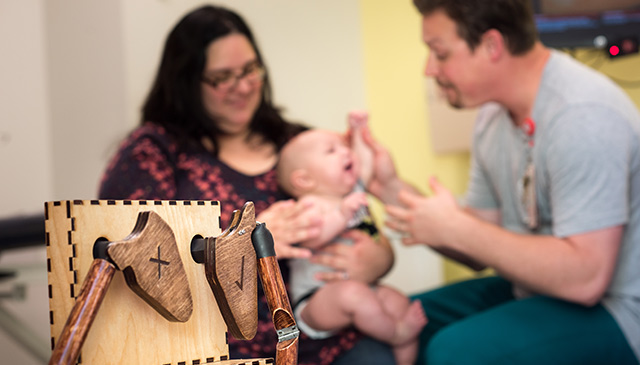
To help empower parents, Texas Children’s brachial plexus clinic recently teamed up with engineering students at the Oshman Engineering Design Kitchen at Rice University to develop a model that allows parents to practice movement exercises in clinic before performing them on their children at home. The project was part of an ongoing collaboration with Rice begun in 2014 by Texas Children’s Brachial Plexus Clinic Coordinator James Northcutt.

“I originally pitched the idea for the brachial plexus model to the freshman design class at Rice in the fall of 2017,” Northcutt said. “Using the model, I wanted parents to be able to identify the different parts of the shoulder and shoulder blade and feel the difference between a stiff shoulder and a healthy shoulder. And ultimately, I wanted to help alleviate the anxiety parents feel about moving their child’s arm by giving them the opportunity to practice the exercises on the model first.”

Northcutt met with the students monthly to serve as clinical lead on the project, providing information about anatomy, biomechanics, caregiver needs, therapy concerns and overall device application. Less than a year later, design team “Can’t Brachius,” produced a professional and well-functioning prototype. But it needed to be tested by parents. Mayra Oliver was the first.

When she was first told she’d need to perform exercises on her infant son, Raphael, Oliver was nervous and worried. But a demonstration of the model and the opportunity to use it herself had her feeling much more confident.

“When I first knew that Raphael was hurt, I was scared I’d do the exercises wrong and hurt him or somehow make his injury worse,” Oliver said. “Being able to feel the different parts of the shoulder on the model and then on Raphael, and then feeling the way the healthy shoulder should move freely, as opposed to the stiffness of an injured shoulder, was very helpful. I think this model will be very useful in helping families feel less nervous about doing the exercises.”

Using a survey developed in conjunction with the Rice design team, Northcutt will begin conducting a randomized control study over the coming months to determine the device’s efficacy both in educating families and in preparing them for the performing the exercises at home.

“I look forward to finding out more about our parents’ needs in helping these infants grow up to function at the highest level,” Northcutt said. “This project represents an attempt to improve patients’ futures by equipping parents to be informed, active care team members.”

The Brachial Plexus Clinic is part of Texas Children’s Brachial Plexus Program, which comprises plastic surgery, orthopedic surgery, physical medicine and rehabilitation, and occupational therapy. The clinic provides comprehensive care for brachial plexus injuries including specialized assessment, developmental and functional screening, primary nerve surgery when indicated, secondary orthopedic surgery for the shoulder and lower arm when indicated, and preoperative and postoperative care in the therapy setting. The brachial plexus team provides high-level, evidenced-based care, utilizing ultrasound to monitor shoulder integrity in infants recovering from brachial plexus injury, providing specialized splinting for prevention of joint contractures in the arm, and implementing best surgical practices for primary nerve and secondary orthopedic procedures.

Through dedication, hard work, research and partnership, Texas Children’s Newborn Center has lowered its rate of a serious lung condition in premature infants by more than 13 percent over the past year.

The center’s current rate of Bronchopulmonary Dysplasia (BPD) is below the national average for the first time in a decade and is well below what is expected based on the size of the unit and the type of patients cared for in the NICU at Texas Children’s Hospital, according to the Vermont Oxford Network, an organization that helps hospitals track outcomes of premature babies and allows comparison to other institutions across the country.

“This is a dramatic improvement for us,” said Dr. Monika Patil, one of the neonatologists involved in Texas Children’s campaign to lower BPD rates. “We now have the lowest rate of BPD since we joined the Vermont Oxford Network in 2006.”

Patil said every team member in the Newborn Center contributed to this outstanding achievement and that their work has been directed by the Avoiding Lung Injury (ALI) team. ALI is a multidisciplinary group focused on improving the respiratory outcomes of very low birth weight infants in the NICU through quality improvement projects. This team was created by Dr. Lakshmi Katakam, medical director of the NICU, and Dr. Gautham Suresh, chief of Neonatology, with the vision of empowering NICU staff to tackle one of the most important determinants of long-term outcomes in premature babies – that is, whether or not a premature infant develops BPD.

BPD is one of the key conditions that influences long-term outcomes in a low birth weight infant, Katakam added. And, for many infants, it determines whether they go home on oxygen or ventilator. That’s why close monitoring of these patients is so important.

What ALI has found, and clinicians have worked to implement, is that rates of BPD can be lowered if infants who need respiratory aid are treated with gentler modes of therapy that protect the premature baby’s lungs from being injured , such as Continuous Positive Airway Pressure (CPAP) instead of being intubated and placed on a ventilator. If intubation and assistance of ventilator are necessary, the group discovered infants fare better if clinicians closely watch the amount of ventilator support and oxygen being administered, only giving infants what they needed when they need it.

To implement and maintain these changes, the Newborn Center is trying innovative staffing models that enable nurses and respiratory therapists to become even more involved in respiratory care of premature patients. Instead of tending to more than one patient during their shift, nurses caring for infants on CPAP are now assigned to care for only one patient at a time during the first few days of life when premature babies’ lungs are most vulnerable to injury. There is also a team lead respiratory therapist that offers an extra layer of support and keeps a watchful eye to ensure that CPAP is successful.

“This method of care is highly involved and requires a lot of support from our nurses and respiratory therapists, but is what’s best for our patients during such a critical period in their lives,” Katakam said. “It’s also what sets us apart from other institutions that might not have the resources to give patients such individualized care.”

To ensure such close care is continued, the Newborn Center is working alongside nursing leaders, Rebecca Schiff and Heather Cherry, to perform a nursing research project to improve CPAP management. The project is focused on understanding the correlation between nurse-patient ratios and respiratory outcomes in infants on CPAP.

In addition, the ALI group is continuing its efforts to research and implement strategies for minimizing time a newborn spends on the ventilator by extubating as early as possible, using gentle ventilation modes, optimizing use of medications proven to be effective in reducing BPD, and minimizing exposure to oxygen, which can be harmful to premature infant’s lungs and eyes, if used in excess.

The ALI team is hosting a regional respiratory care conference on October 19 at Texas Children’s Hospital. NICU providers from all across the country will share their experiences and learn from experts at Texas Children’s. For more information about the First Annual Baylor Avoiding Lung Injury conference, please contact Katakam at Katakam@bcm.edu or ext. 6-1365. Online registration is available at https://www.bcm.edu/bali-conference.

“We are very excited about our progress but still have a long way to go,” Katakam said. “Preventing BPD is an ongoing effort but our team is determined and energized to do everything we can to prevent lung injury along a premature infant’s journey, from the time a baby takes the first breath in the delivery room to the time they leave our NICU.”

Excluding those mentioned above, those involved in the NICU’s effort to lower the rate of BPD in premature infants include:

  • Isa Baruah
  • Dr. Rebecca Cavazos
  • Dr. Milenka Cuevas
  • Dr. Shaeequa Dasnadi
  • Anne Debuyserie
  • Dr. Cary Fernandes
  • Jennifer Gallegos
  • Dr. Behru Gandhi
  • Suzanne Iniguez
  • Sheela John
  • Maxine Keller
  • Dr. Brian King
  • Dr. George Mandy
  • Jessica Ramirez
  • Dr. Rita Shah
  • Kymberly Sherwood
  • Dr. Binoy Shivanna
  • Dr. Nathan Sundgren
  • Eva Vuong