November 19, 2018

The shuttle commute for employees at the Medical Center campus continues to be quicker and easier following the addition of three new shuttles earlier this spring. We are now operating 12 shuttles, which are helping reduce midday wait times at the circulator stops. According to Facilities Operations, wait times have been cut in half since the addition of the shuttles.

“Midday traveling between the Meyer Building and the Medical Center Campus is a very busy time,” Facilities Operations Assistant Director Michael Jackson said. “So, decreasing wait times for midday riders is a very big win.”

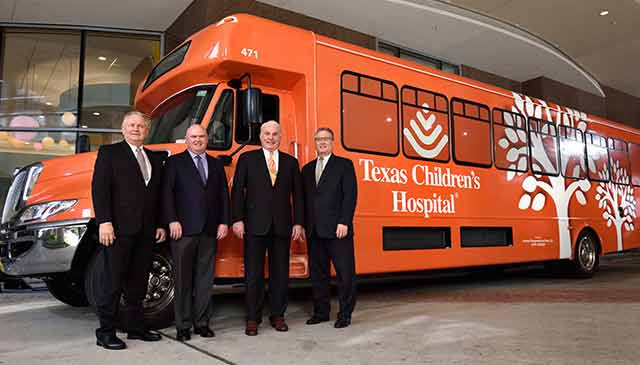
Most recently, two loaner shuttles were replaced with two new Texas Children’s-branded shuttles in bright orange and hot pink, which are diesel-fueled and have front entry and rear exits, vinyl seats, and audio-visual monitors. They’re also equipped with Double Map shuttle tracking, which, once active, will allow employees to locate and track the shuttle using a mobile phone app.

“Our goal is to improve the shuttle experience for employees by decreasing wait times and increasing the frequency of shuttles in the rotation to and from destinations,” Jackson said, adding that the number of employees riding the shuttles continues to increase. “The frequency between shuttles is now averaging five minutes with a shuttle round trip averaging 20 minutes. We are receiving no calls of negative effects on ridership at this time.”

Another operational change made was allowing the shuttle supervisor, who has primarily been stationed at the Garage 19 stop, to move to the Feigin stop during peak evening times to monitor shuttle frequency, ridership, and most importantly, communicate to riders when the next shuttle will arrive.

“We believe informing riders of the shuttle arrival status helps ease anxiety and set expectations,” Facilities Operations Manager Samuel Hines said. “With more staff parking at the Meyer South surface lots, we have asked our shuttle drivers to stop there on the return trip back to Garage 19 in the evenings. This will shorten the walk to their vehicles at night and during inclement weather.”

The enhancements Facilities Operations continues to implement for employees also help provide a better experience for patient families. Jackson says that the additional shuttles are expected to improve patient and family experience by opening up parking spaces at the hospital, as staff continue parking in their assigned garages and ride the shuttle.

The Facilities Operations team is excited about the new additions, and they are looking forward to continuing to make employees’ commute throughout the Medical Center a safe and efficient one.

“We ride the shuttles frequently, and we meet with the shuttle transportation company every two weeks to address any issue and pitch ideas,” Jackson said. ”Just being present, available, fostering that communication, and definitely being transparent is going to be the key to improving Texas Children’s transportation and parking as a whole.”

For more information, call the 24/7 shuttle hotline, ext. 4-2666.

Parking update

The Texas Children’s Parking Task Force is listening to your feedback about employee parking and shuttle experiences, and we are trying to create solutions to ease the frustrations that come with working and navigating in the world’s largest medical complex.

What has the Parking Task Force accomplished recently?

We are excited to share with you new developments and improvements made over the past few months. Click here for more details.

Where can I find more parking information?

The Benefits website is the best and most readily available resource for everything employees want to know about parking and commuting at Texas Children’s – one of the last institutions in the Medical Center to offer paid, off-campus parking as a benefit to our employees. Simply click on Parking at the top right corner of the Benefits homepage (next to Important Resources) for direct access to all things parking.

Under the “Locations & Commuter Options” section on the site, we have included new information about TMC parking at Garage 19, Meyer North, Meyer South as well as Smith Lands East and West. You can also find more information online about weekend and after-hours access to different garages, security services and no-cost METRO bus and rail passes.

How can we keep up with what the Parking Task Force is doing?

Communicating with our Texas Children’s employees and leveraging your feedback are major priorities for the Task Force. Be sure to look for future updates about the group’s activities and accomplishments on Connect.

I want to share my comments or concerns with the Parking Task Force. How do I get in touch?

The Parking Task Force maintains and monitors a dedicated email inbox every day to give our employees a place to share their parking and shuttle comments and suggestions directly with the team. Send your thoughts and feedback to tchparkingtaskforce@texaschildrens.org.

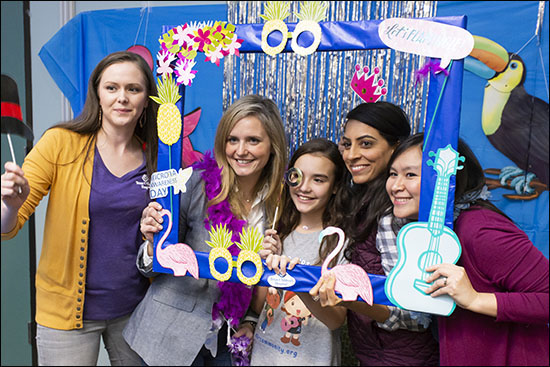
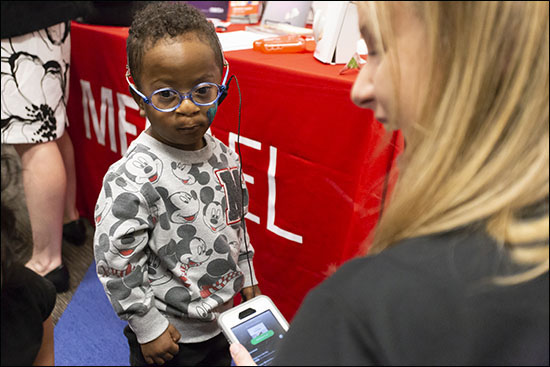
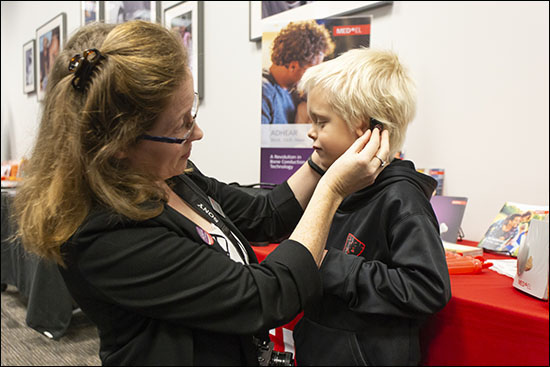
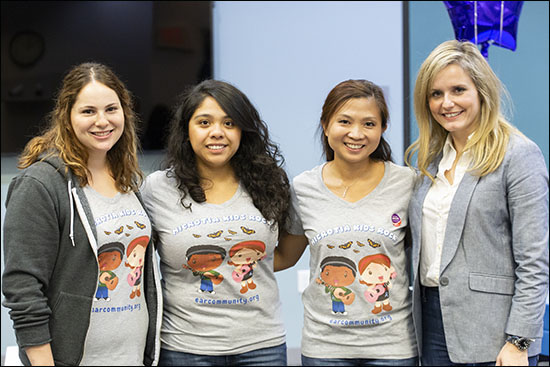
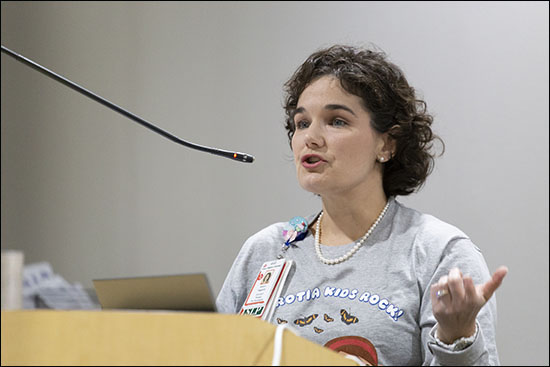
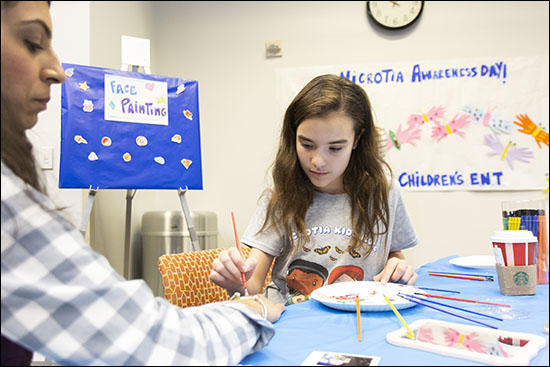
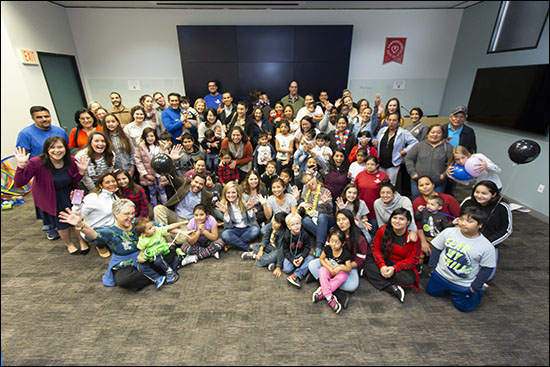
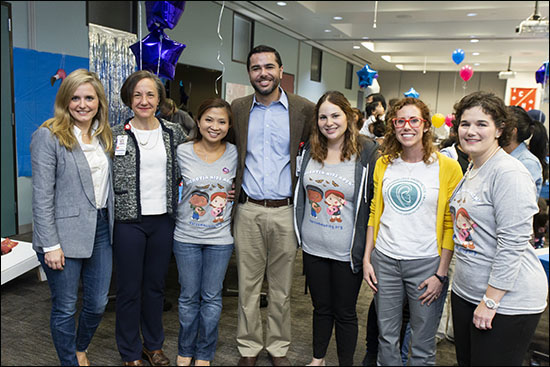
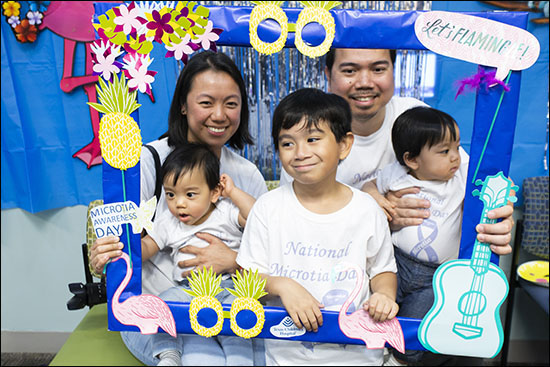
On November 10, nearly 100 people gathered at the Meyer Building for Texas Children’s first ever Microtia Awareness Day, sponsored by the Division of Otolaryngology’s Microtia Clinic.

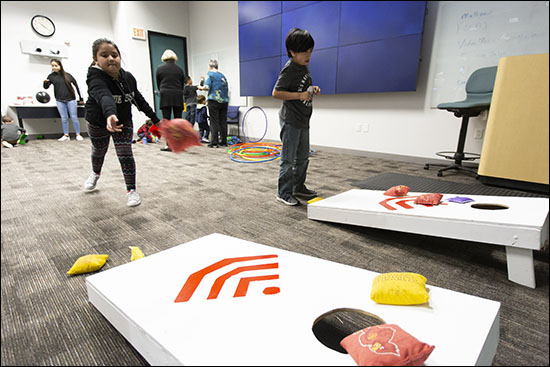
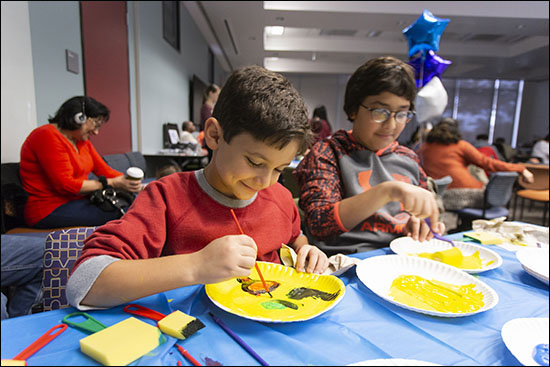
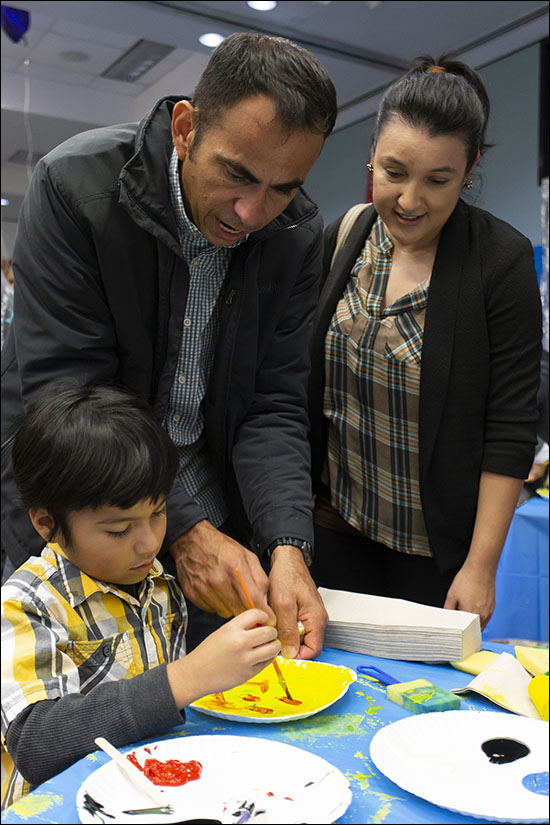
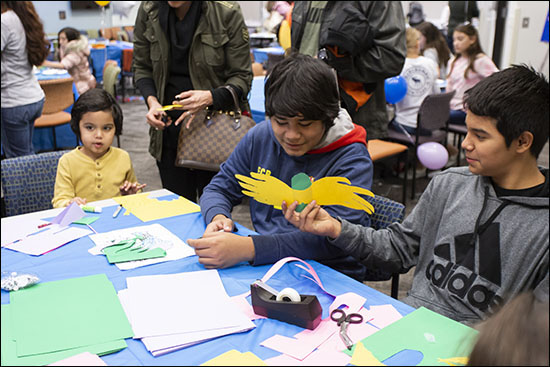
The event featured educational talks and Q&A sessions offered by experts across numerous Texas Children’s specialties and subspecialties, including Pediatric Otolaryngology, Speech and Language Pathology, Audiology and Anaplastology. There was also a full slate of games and activities for children, such as face-painting, a bean bag toss, Hula-Hooping and mini bowling, as well as a step-and-repeat for photos.

For patients and families alike, it was a wonderful new opportunity to meet with members of the multidisciplinary care team in Texas Children’s Microtia and Atresia Program, and to interact with other families who have been affected by these rare conditions.

“The event was extremely well received,” said Allison Haggerty, senior speech-language pathologist at Texas Children’s Hospital The Woodlands. “It was incredible to hear families say how they no longer felt like the ‘only ones,’ as they met so many others in similar situations.”

Microtia is a rare congenital malformation of the ear, occurring in about one in 10,000 births. Typically, the condition affects only one ear and the severity of symptoms can vary widely. In less severe cases, the ear might be slightly smaller than normal. However, in the most severe cases, the ear may be completely absent. Because the external and internal structures of the ear are so developmentally linked, children with microtia may also experience atresia – an absence or underdevelopment of the ear canal and middle ear structures. Atresia can potentially cause hearing loss and speech difficulties, which can in turn contribute to poor academic performance.

The effects of these conditions on physical appearance and on speech, hearing and learning, especially during crucial early developmental years, could potentially have a lasting negative impact on self-esteem and overall quality of life.

To meet the complex needs of patients with microtia and atresia, Texas Children’s has built the only comprehensive program in the state that offers the full spectrum of care, from reconstruction of the outer ear, to complex repair of aural atresia, to hearing aids or implants for appropriate candidates.

“With our program, we have created a one-stop shop where families have access to care for children of all ages – and our demand is high,” said Dr. Rodrigo Silva, director of Texas Children’s Ear and Hearing Center. “These conditions may be rare, but because of Houston’s size and diversity we see a very large number of patients each year.”

The Microtia and Atresia Program offers families a multidisciplinary approach to care that includes audiology, with experts trained in age-appropriate hearing testing and solutions; speech and language pathology; and surgical interventions to address cosmetic needs and hearing loss. The event gave Texas Children’s caregivers an opportunity to share the many ways we can help.

“We wanted to highlight our capabilities and let families know that we offer individualized treatment paths for each child we see,” said Texas Children’s pediatric otolaryngologist Dr. Yi-Chun Liu. “Whether the child needs a reconstruction surgery of the ear or ear canal, a hearing aid or implant, speech and language therapy, or some combination of all of these, we’re committed to providing them with the best possible care.”

At the end of the event, parents were given survey cards that asked for suggestions about the kinds of information regarding microtia and atresia that families might find most helpful when starting their care journey. There was also a section for feedback and comments.

Judging by some of the responses …

It was spectacular!”

We absolutely loved the event.”

It was so nice to meet other families with microtia.”

I want to thank you all for everything. I learned a lot.”
… the event was a success.

“We’ve already had requests to make it an annual event,” said Jessie Marcet-Gonzalez, CPNP, with the Division of Otolaryngology. “We had so many volunteers who helped make this day special for our families and in letting them know that we really care.”

Learn more about Texas Children’s Microtia and Atresia Program.

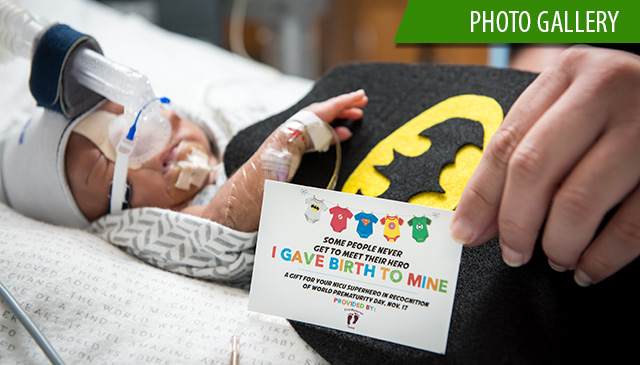
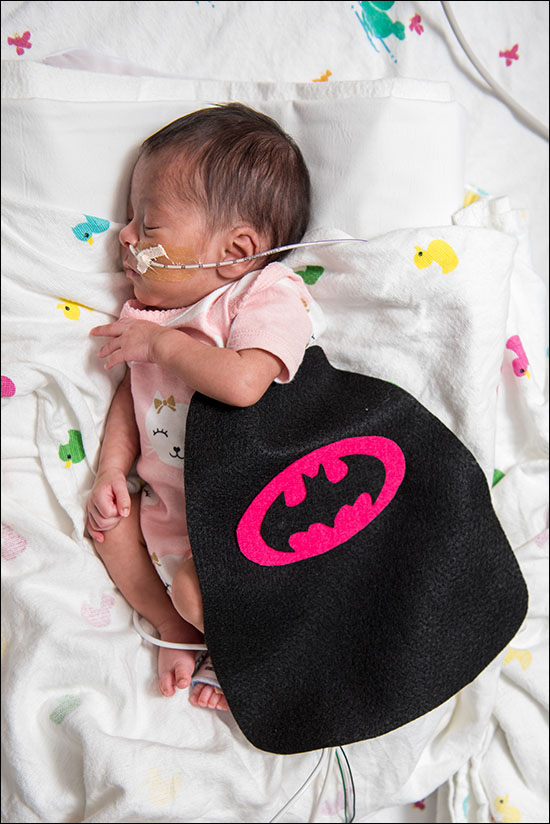
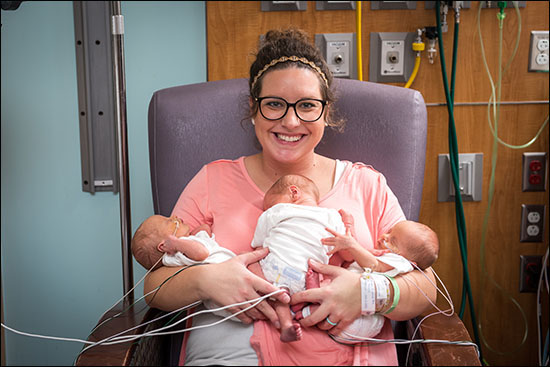
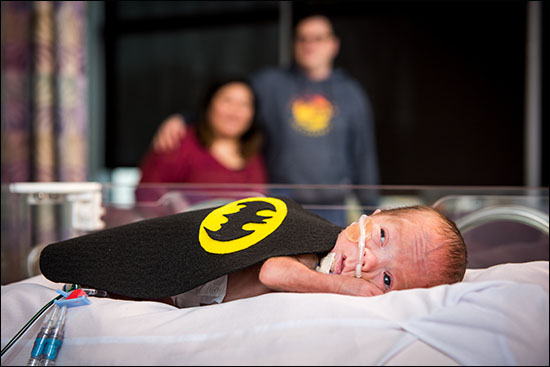
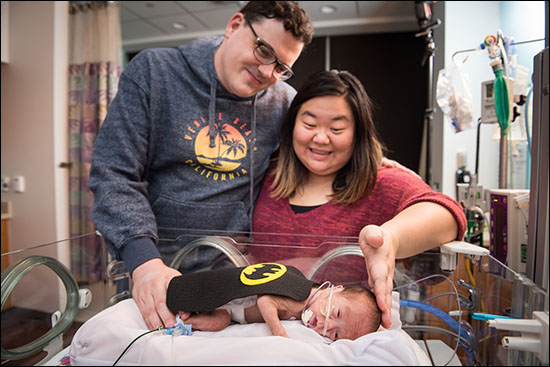
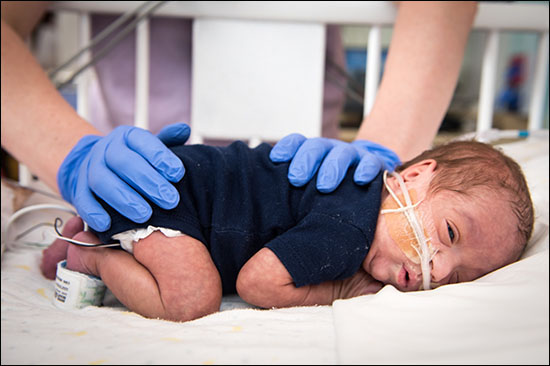
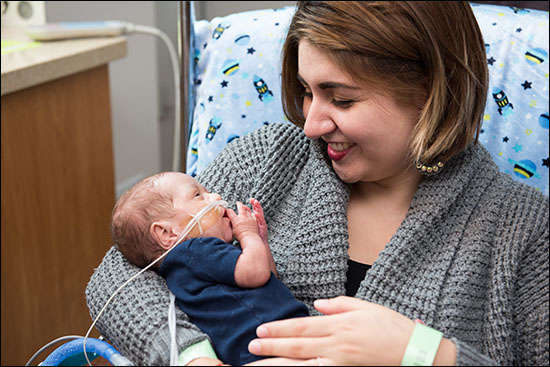
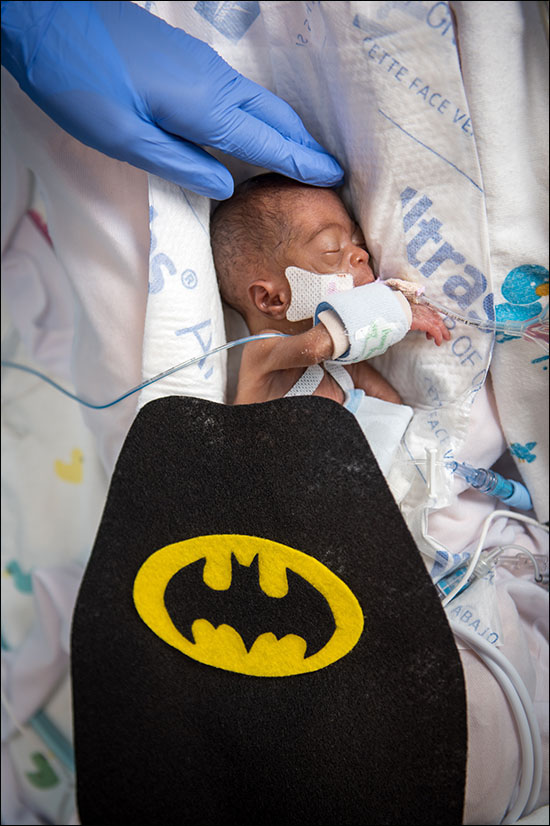
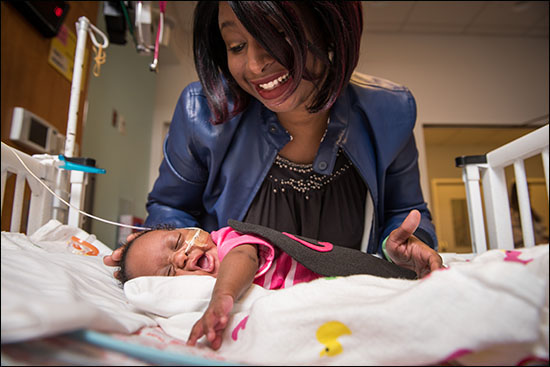
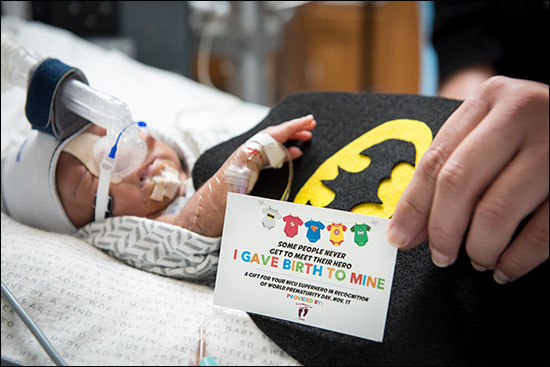
The neonatal intensive care unit (NICU) at Texas Children’s Pavilion for Women celebrated babies this past week in recognition of Prematurity Awareness Month. Infants on the unit received superhero capes, created by FirstMemories Texas, an all-volunteer organization dedicated to teaching families whose infants are in the NICU and CVICU at Texas Children’s Hospital how to celebrate, honor and tell their children’s stories through photography and album making.

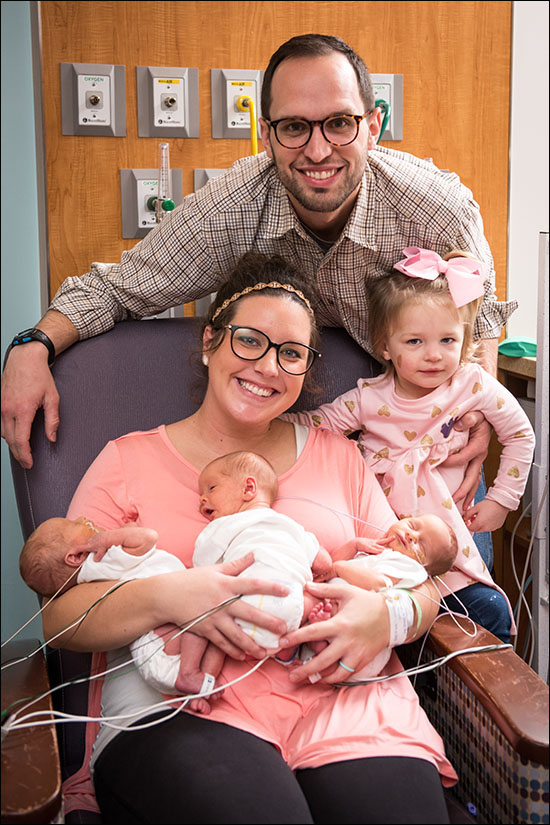
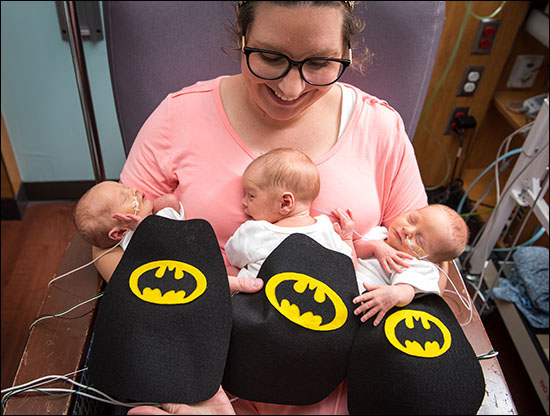
One family got three capes – one for each of their triplet sons, Barrett, Calvin and Jacob. The brothers were born on November 1 at 34 weeks gestation and have been in the NICU ever since. All three babies are healthy but need some extra attention and care before going home.

Dara Miller, the boys’ mother, said the care she and her boys have received at the Pavilion for Women has been incredible and that everyone they have encountered has been professional, compassionate and kind.

“We have had complete confidence in everyone who has taken care of us,” Miller said. “Everyone has always kept us informed and made us feel like we are in the best possible hands.”

The day her boys received their black and yellow batman capes was icing on the cake and ended up sparking a milestone moment. Until that day, she had never held her boys together, only separately. Joined by her husband, Mason, and 2-year-old daughter, June, Miller held her babies donned in capes big enough to cover almost their entire body and grinned widely.

“In that moment, we all came together as a family,” she said. “Until then, something felt incomplete.”

Kellie Kainer, assistant clinical director of nursing for the NICU, said comments like Miller’s and special events like the one with the capes bring smiles to her and her staff as well. Knowing that patients and their families are comfortable with the care they receive is huge.

“Everyone in the NICU has a passion for what they do,” she said. “We truly love caring for some of Texas Children’s most fragile patients.”

Texas Children’s Hospital, together with Texas Children’s Pavilion for Women, house the nation’s largest level IV NICU, the highest level of care available for premature and critically-ill newborns. Babies born prematurely require round-the-clock care and often need access to highly specialized services to have the most optimal outcomes. Complications from premature birth (before 37 weeks gestation) are the #1 cause of death of babies in the United States and 1 in 10 babies in the U.S. are born too soon.

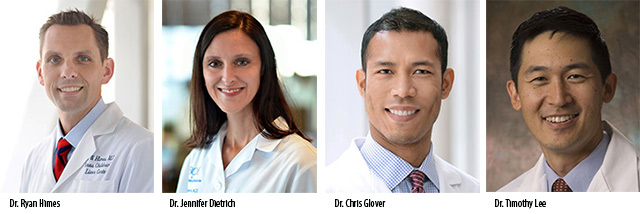
The Annual Medical Staff meeting and Awards ceremony was held on November 6. The event concluded with the announcement of the 2019 Medical Staff officers. The following persons were elected:

  • Dr. Ryan Himes – President Elect
  • Dr. Jennifer Dietrich – Secretary
  • Dr. Chris Glover, MEC rep
  • Dr. Timothy Lee, MEC rep

Be sure to congratulate the new officers and welcome them to their new roles.

November 16, 2018

Your name, title and department. How long have you worked here?
Jackie Pacheco, Health Coach in the Employee Health and Well-Being Department. I have worked at Texas Children’s for almost three years.

Tell us how you found out you won a super star award.
We were in our monthly HR Staff Meeting and during the thank you and congratulations section, my assistant director announced to the team that I had won the Super Star Award for the month of September. It was a complete surprise and I was overwhelmed with the warmth and amazing response from my colleagues.

What does it mean to be recognized for the hard work you do? How has the organization helped you achieve your personal and professional goals?
It means a lot to be recognized for all of the hard work that you put in. I work with an amazing team, and our work always impacts the people who work here at Texas Children’s with all of our health and well-being initiatives. I work with incredible people who support and encourage me every day and care for me both professionally and personally.

I recently became a certified wellness and health coach and have grown in my department because of this. I received encouragement from my leaders, and just knowing they are behind me and want to see me succeed, pushes me to do my best every day.

What do you think makes someone at Texas Children’s a super star?
A super star is someone who embraces the core values and finds a way to incorporate them into everything they do. They show up every day with a positive attitude and are enthusiastic about their work. We must always remember that we never know who we are going to make an impression on, so might as well always strive to make it positive.

What is your motivation for going above and beyond every day at work?
Knowing that I can make an impact on any single employee within the organization, keeps me going. Working on the Well-Being team, my job is to take care of the health and well-being of employees throughout our organization. If I can help our workforce develop healthy habits and empower them to achieve their well-being goals, I will not only help that individual but also develop a culture of health for the organization.

What is the best thing about working at Texas Children’s?
The best thing about working at Texas Children’s is the people. You will always see smiling faces in the hallways, and people are always willing to help. Our workforce’s enthusiasm and pride to work here is always eminent.

What does it mean to you that everyone at Texas Children’s is considered a leader? What is your leadership definition?
It is great to know that everyone who works at Texas Children’s is considered a leader. My definition of leadership is: A leader must enjoy what they are doing and maintain an enthusiastic, positive and optimistic attitude. Listen if they want to be heard and always remember that the most powerful tool that you possess is your own personal example.

Anything else you want to share?
I would like to say a special thank you to Julia Gaffney for taking the time to nominate me. I would also like to thank all of the Wellness Ambassadors who help promote wellness throughout the organization; without them my job wouldn’t be possible.

November 13, 2018

From our three hospital campuses to our health centers, urgent care and pediatric practices, Texas Children’s continues to make great strides in improving access to our patients and their families.

As part of Patient Access 2.0, Texas Children’s launched online scheduling in both English and Spanish on November 12 that allows current patients, new patients and referred patients to schedule appointments via DocASAP, Texas Children’s online scheduling partner. Texas Children’s is the only hospital of the top five on the U.S. News & World Report Honor Roll to offer online scheduling to patients.

“Since most families prefer online scheduling, it is important for us to pay attention to their needs and do more to help them out,” said Texas Children’s Surgeon-in-Chief Dr. Larry Hollier and co-chair of the Access Executive Steering Committee. “Because we really care about our families, we have to keep the doors open to our patients to ensure they get the right care, at the right time and at the right place.”

Led by Project Manager Sarah Ringold, Co-chairs Ryan Breaux, Diesa Samp, Jodi Harris and Executive Sponsor Michele Birsinger, online scheduling will be implemented in waves:

  • Wave 1 (November 2018): Allergy/Immunology, Cardiology, Gastroenterology, Endocrine, Neurology, Ophthalmology, Plastic Surgery, Pulmonology and Urology
  • Wave 2 (January 2019): Adolescent Sports Medicine, Centers for Women and Children Women’s Services, Genetics, Infectious diseases, Nephrology, Neurosurgery, Otolaryngology, Pediatric Surgery, Retrovirology, Rheumatology and Orthopedics
  • Wave 3 (March 2019): Centers for Women and Children Pediatrics, Gynecologic Oncology, Physical Medicine and Rehab, Psychiatry, Psychology, Reproductive Endo/Infertility, Urologic Gynecology and Women’s Psychiatry

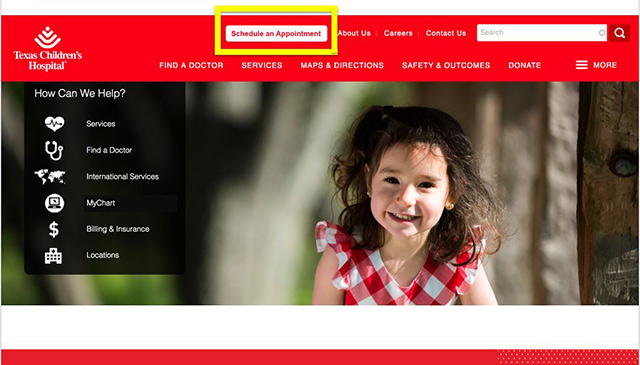
Texas Children’s patients can access the online scheduling button on Texas Children’s homepage. Once the button is clicked from the homepage, patients land on the new texaschildrens.org/appointment page and can view all scheduling options available: online scheduling, MyChart or calling the Customer Contact Care Center. Patients can also access online scheduling directly from provider profiles and department pages. From there, a scheduling widget will appear where patients and their families can schedule appointments online with a provider.

“Our patient families expect to be able to do so much online today, and it only makes sense that we offer them this capability as well,” said Ringold, who is also a practice administrator in Urology. “This new scheduling tool will also be beneficial to our providers as online scheduling typically results in better template utilization and reduced no show and cancellation rates.”

This project would not have been possible without the collaboration from multiple departments including Information Services, Marketing, Patient Experience, Central Scheduling, Revenue Cycle and HIM. Practice administrators, ambulatory directors and community leaders also devoted time, energy and expertise in this project.

“We have accomplished so much in a relatively short period of time through these collaborative efforts,” said Senior Vice President and Patient Access Leader Richelle Fleischer. “It has been exciting to see this project go from an initial request for proposal to actual implementation. It truly was a team effort.”

In addition to the online scheduling option via DocASAP, patients who sign up for MyChart can schedule their appointments through the MyChart online patient portal. Since implementing direct scheduling via MyChart in March of this year, over 2,000 appointments have been made across the hospital system.

Click here to access the FAQ for online scheduling via DocASAP.

Patient Access Initiative

Since the March 2018 launch of the Patient Access initiative, Texas Children’s has implemented several solutions to improve patient access across the organization. Click here to watch this video.

Below is an archive of recent Connect stories highlighting our patient access initiatives:

Texas Children’s implements first wave of solutions to enhance patient access
MyChart Madness: Scoring points for patient access system wide
MyChart Madness results in, enhancements continue to improve patient access
Patient access initiative continues to generate positive results for patient families
MyChart Shoot for the Stars Challenge: Scoring points for patient access

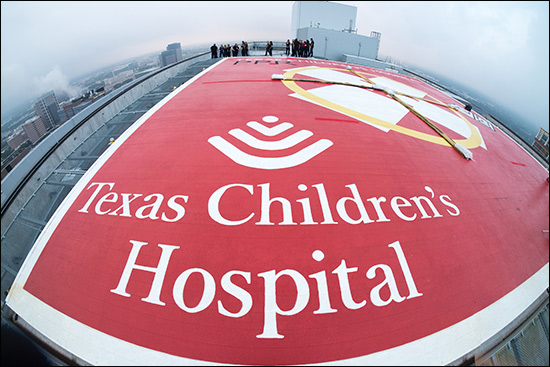
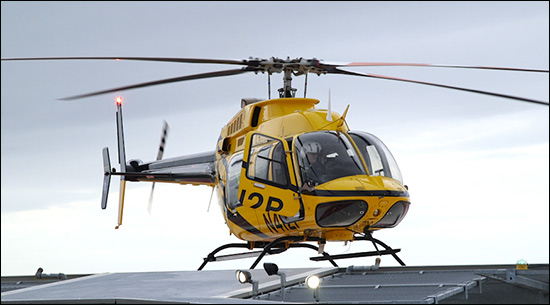
Early on the morning of November 7, an excited group including Texas Children’s Hospital clinical leadership, executives and members of the Kangaroo Crew and Mission Control teams gathered on the roof of Lester and Sue Smith Legacy Tower for a special ribbon cutting ceremony marking the opening of our new helistop.

Watch the video or view the photo gallery below.

“The Lester and Sue Smith Legacy Tower has always been about improving care for the sickest children we see,” said Surgeon-in-Chief Dr. Larry Hollier. “The helistop is important because it improves access for those children. Whether they’re being transported as part of a scene response for an auto accident or transferred from another hospital, we can now get children and women here in very rapid fashion within a 150-mile radius.”

The helistop is the final element of Smith Legacy Tower to go live and represents the culmination of a major expansion at our Texas Medical Center campus. Months of planning and multidisciplinary cooperation between medical staff, Transport Services and engineering and facilities teams went into preparations for the helistop opening.

“A tremendous amount of work has gone into making sure that the helistop is very safe – safe for the helicopters coming in, safe for those crew that are delivering the patients to us, and safe for our own staff,” said Executive Vice President Mark Mullarkey. “Bert Gumeringer, Gail Parazynski and Deb D’Ambrosio and their teams have been instrumental both in making sure we’re prepared to open the helistop and really in bringing Smith Legacy Tower to full completion.”

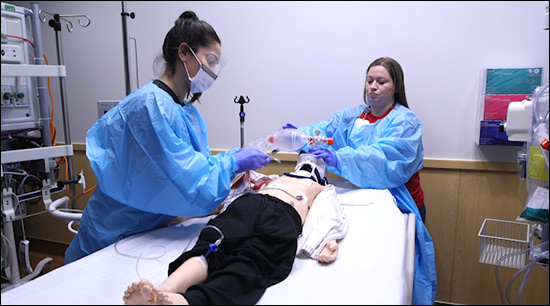
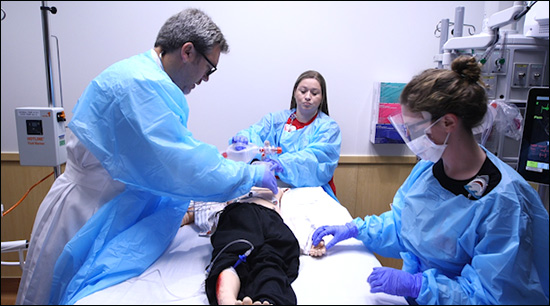
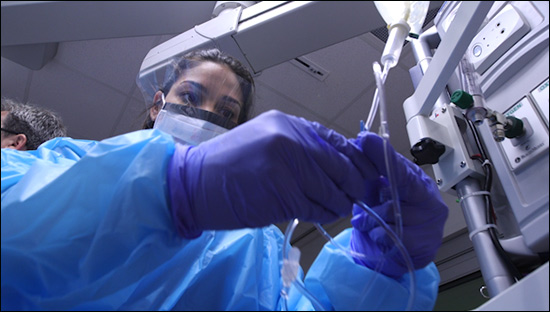
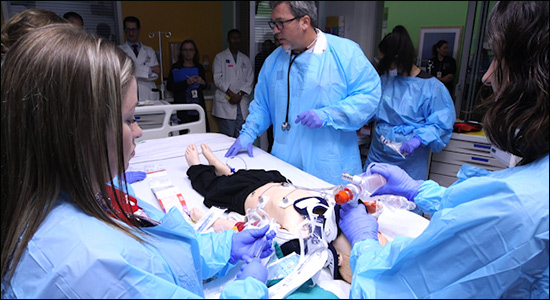
Extensive simulation exercises were also held to prepare care and transport teams for potential eventualities they may face, as well as to analyze and improve processes. This included helicopter landings, transferring patients from the helicopter crew to Texas Children’s transport teams, and moving patients from the helistop at Smith Legacy Tower to Trauma and the Emergency Center.

“The helicopter simulation was fantastic,” said Dr. Jeanine Graf, chief medical officer at West Campus and pediatric medical director of the Kangaroo Crew. “We brought together members from our trauma, surgery, ICU and NICU teams, as well as our experts in maternal-fetal medicine, for training and simulations, which were coordinated by our Texas Children’s Simulations Center. Dr. Cara Doughty really did an excellent job demonstrating how more than a hundred folks would be involved in the communication and execution of a helicopter landing at Texas Children’s.”

The helistop at Smith Legacy Tower is the third helistop in the Texas Children’s system, with others in operation at West Campus and Texas Children’s Hospital The Woodlands. The addition of the new helistop will facilitate the rapid transport of patients across all populations, including neonatal and maternal patients. Before the helistop opening, Texas Children’s received roughly 150 helicopter transports a year, which landed at nearby partner institutions. Now with our own helistop, we’ll be able to offer our care to even more patients who need us.

“The helistop really changes things for us,” said Deb D’Ambrosio, RN, director of Transport Services and Mission Control. “We’re certainly expecting high volume, but with the processes we’ve developed with our helicopter vendors and the high level of coordination between Transport Services and Mission Control, this is going to be so much better for our patients.”