August 26, 2019

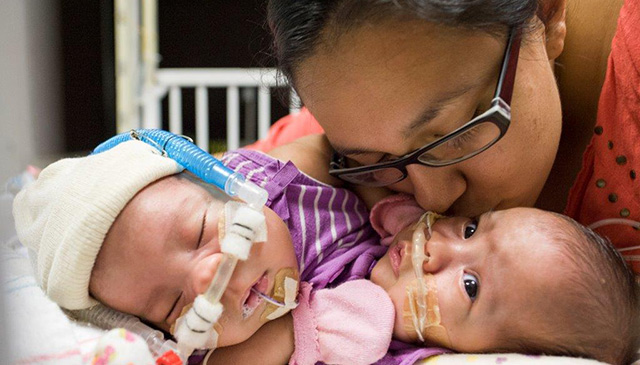
Formerly conjoined twins Knatalye Hope and Adeline Faith Mata, who turned 5 on April 11, have started Pre-K 4 in Littlefield, Texas, marking a significant milestone four years after being separated in a more than 20-hour surgery at Texas Children’s Hospital.

Previously, the girls received various therapies, including physical, speech and occupational therapy and schooling in their home. Their mother, Elysse Mata, said the girls love their teachers and especially love recess. They’re also looking forward to taking the bus to school starting next week.

Following a complex pregnancy monitored by experts at Texas Children’s Fetal Center, the twins were safely delivered at Texas Children’s Pavilion for Women in 2014. After spending the first 10 months of their lives in the hospital’s neonatal intensive care unit, they underwent a successful separation surgery on Feb. 17, 2015. A team of more than 26 clinicians including 12 surgeons, six anesthesiologists and eight surgical nurses, among others, worked together to separate the girls who shared a chest wall, lungs, pericardial sac (the lining of the heart), diaphragm, liver, intestines, colon and pelvis.

During the complex surgery, the team worked for approximately 23 hours on Knatalye and 26 hours on Adeline, with the official separation occurring approximately 18 hours into the surgery. Among the surgical subspecialties involved were pediatric surgery, plastic surgery, cardiovascular surgery, urology, liver surgery, orthopedic surgery and pediatric gynecology.

Both girls are doing extremely well and continue to thrive at home where they live with their parents, Eric and Elysse, older brother, Azariah, and younger sister, Mia. The family is very excited to see the girls sharing this special milestone together.

Hundreds of Texas Children’s employees walk into potentially dangerous situations every day.

Not only in the aftermath of a natural or man-made disaster, but on any given weekday. A routine Tuesday or Wednesday holds possible harm for these staff members.

So who are they?

They are our remote work force, which largely consists of a subgroup of Services Coordinators. They are the men and women who provide direct care and support inside of patients’ homes and out in the community.

They sit on the health plan side of the organization and spend the majority of their time in face-to-face interactions with families.

“Since the heart of our mission is to enhance the health and well-being of every child, our team is dedicated to the members we serve, and they live in every kind of neighborhood you can think of, including some that aren’t very safe,” said Ashley Simms, director of Care Coordination at Texas Children’s Health Plan. “When these employees are hired, they undergo the basic safety training, but we are now rolling out an entire suite of services to ensure that they are even safer on the job.”

What type of situations are they facing?

Katara Butler, assistant director of Care Coordination at The Health Plan, said the potential threats are varied.

“Unfortunately, we’ve had service coordinators physically attacked and threatened. There is also the potential for accidents or falls inside of a family home,” Butler said. “And, of course, by spending so much time on the road there is always the chance that there will be car trouble in an unsafe area.”

How are we ramping up safety for these employees?

Six different services will be available starting in October.

Workplace violence training

  • Live and online courses that teach employees how to stay aware of their surroundings, identify dangerous situations, predict when interactions may escalate and more.

Crisis prevention training

  • Coaching on self-defense and verbal de-escalation.

Risk management training

  • A course on how to avoid risky situations, evaluate risks in the moment and report any risk following a visit or interaction.

Disaster bag

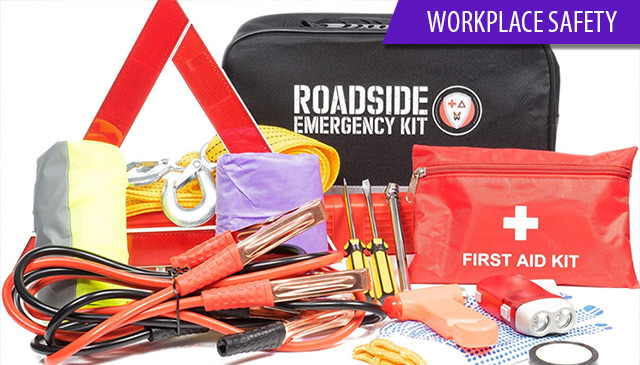
  • An emergency car kit will be placed in each vehicle.
  • The kit will include a first aid kit, a thermal blanket, a raincoat, jumper cables, a flashlight and basic tools.

AAA coverage

  • Each remote employee will receive a membership to AAA, which will include options for towing, a locksmith, tire changes and battery care.

My EOP (Emergency Operations Plan) app

  • An app that employees can download on their mobile devices, which offers information on how to handle a variety of situations like a fire, a bomb threat, severe weather, a cardiac arrest and much more.

Want more information?

Managers and supervisors will provide more information in the coming weeks.

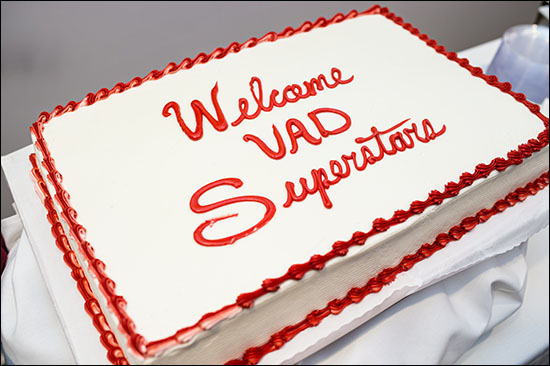
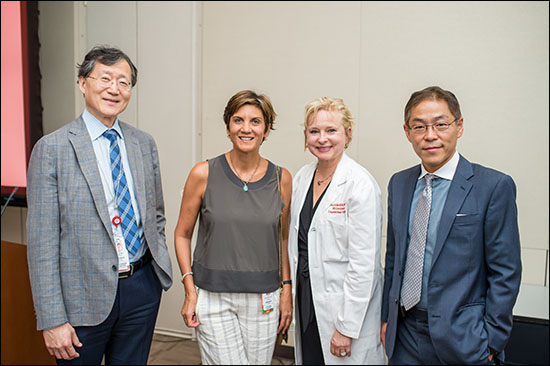
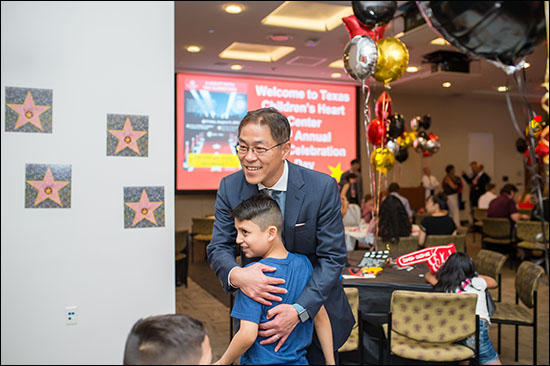
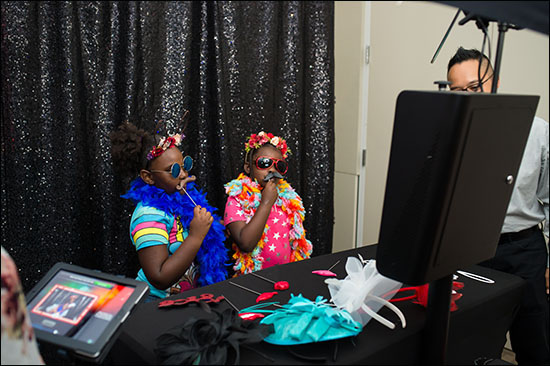
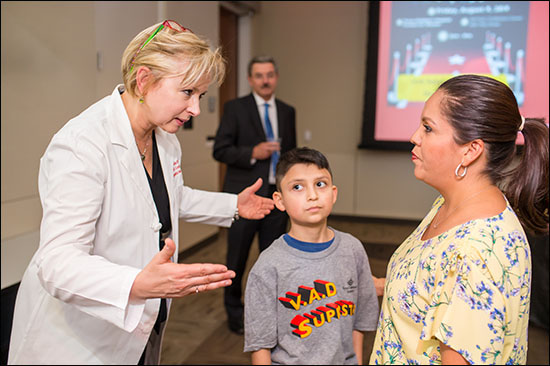
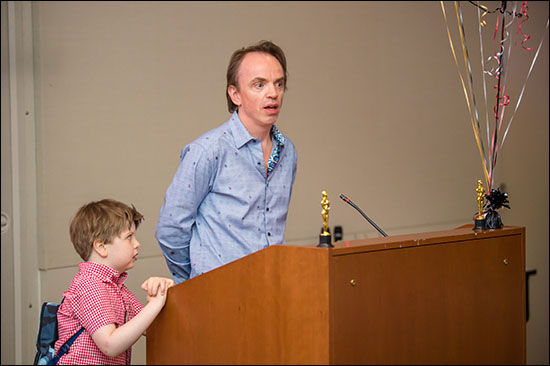
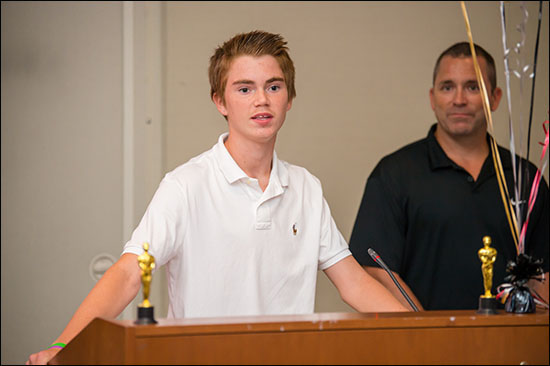
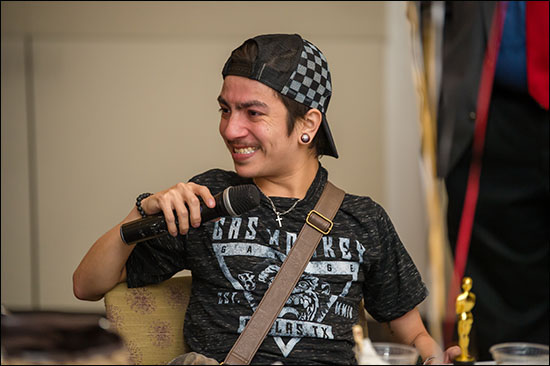
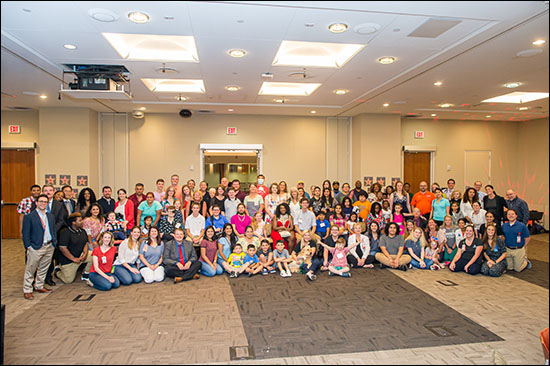
A group of 25 Texas Children’s ventricular assist device (VAD) patients of all ages and more than 100 other guests, including families, caregivers and guest speakers, recently attended the second annual VAD celebration – “A Night with VAD Superstars.”

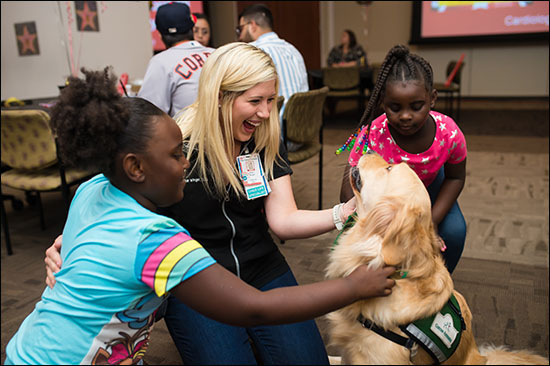
There was plenty of food, a visit from Child Life Specialist Adair Galanski with Bailey – the dedicated therapy dog for Lester and Sue Smith Legacy Tower – and games and activities provided by Physical Therapy, Occupational Therapy and Child Life.

The evening was emceed by Barbara Elias, VAD coordinator and the event’s founder, who started the celebration as a way to honor patients currently on heart pump or circulatory support, or those patients who have previously been on support but have had their pump removed or received a transplant. The VAD celebration also honors families and caregivers and has quickly become an outlet for information exchange and networking.

“Device patients are a special group that lead challenging lives, and their families and caregivers are with them every step of the way for what is sometimes a very long journey,” said Elias. “This event serves many purposes: It provides a forum for families to meet one another, share their experiences and build a community. It allows parents of children with VADs to meet other children or adults who have lived through the experience and persevered. And it gives caregivers – especially those from the ICU, who have seen these patients at their worst – an opportunity to see these patients living their lives and doing well.”

The evening’s speakers included Dr. William Dreyer, Texas Children’s medical director of Heart Failure, Cardiomyopathy and Cardiac Transplant; Dr. Lara Shekerdemian, chief of Critical Care; and Texas Children’s heart surgeon Dr. Iki Adachi. Attendees also heard from special guest speaker Dr. Richard Wampler, the inventor of Medtronic’s HeartWare® HVAD pump, a device frequently used in Texas Children’s patients. In turn, the event gave Wampler an opportunity to see firsthand how his invention has positively affected the lives of so many children at Texas Children’s.

“This event was testimony to what our VAD program has accomplished over the last decade,” said Adachi. “There is no doubt that VAD support has provided our patients with a chance for life. It was a pleasure seeing and sharing the happiness generated by such life-saving therapies with patients, families and medical colleagues.”

The VAD program’s expertise was on display in the evening’s two special patient honorees, Eugene Carrette and Jameson Finney. Eugene, who is from Belgium, was the smallest and youngest patient to receive a VAD since the beginning of the program. Thanks to the expert care he received at Texas Children’s, he has been able to travel with his family to Europe recently, a phenomenal feat for a young VAD patient. Jameson Finney earned the nickname “Daredevil” for living life to the fullest while on a device, running, golfing and riding bikes until receiving a heart transplant in 2018. Both the VAD implantation and the transplant were performed by Adachi. Jameson has been doing well since his transplant and continues to lead an active life.

The event concluded with a special moment of sharing and reflection. During this emotional and cathartic time of testimony, patients, families and caregivers who wished had the opportunity to share their stories and to speak frankly about living with a VAD. Many also thanked the experts at Texas Children’s for the care they received and how it has empowered them to live their lives.

“The event was extremely well received and was powerful for everyone in attendance,” said Elias. “I would like to thank Dr. Adachi, Dr. Hari Tunuguntla, my partner, VAD coordinator Jason McMullen, RN, the Heart Center Social Committee, and therapies including Physical and Occupational Therapy and Child Life, whose efforts allowed the event to occur.”

Texas Children’s Heart Center® was recently named the No. 1 pediatric heart center in the country for a third straight year by U.S. News & World Report. The VAD program is part of the Heart Failure Program and is one of the busiest pediatric programs in the country. There are currently 15 VAD patients in the program. Seven of those are full-time students.

Learn more about the Heart Center and its recent U.S. News ranking.

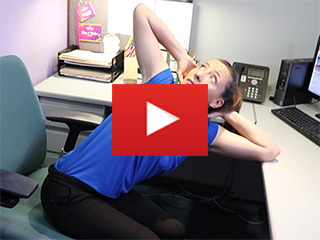
This month, Texas Children’s Health & Well-Being team partnered with colleagues from Environmental Health & Safety, Physical Medicine and Rehabilitation and Occupational & Physical Therapy to launch the “We’ve Got Your Back” video series, which empowers our employees with advice and insight to prevent back pain in the workplace – no matter your location, shift or role.

In the first three episodes of the series, our featured experts offered tips and instructions to empower employees to arrange a safe and comfortable work environment with attention to ergonomics; properly lift and lower objects with the right body mechanics and techniques; and complete hamstring stretches, hip flexor stretches and planks to maintain flexibility and strengthen the core. In the final video of the series on desk stretches, Health Coach Jackie Pacheco of Employee Health & Well-Being shares stretches you can perform at your desk any time to help loosen your spine and relieve tension.

“We have a large percentage of employees who work at a desk and spend prolonged periods during the day sitting down,” said Pacheco, who is also a certified personal trainer, ergonomics and safety specialist and athletic trainer. “I want to help our employees maintain their lower back flexibility and help prevent any discomfort that can happen when you’re stuck at a desk all day.”

Click here to watch the fourth and final episode of “We’ve Got Your Back,” which showcases several easy and effective stretches that you can complete without ever leaving your office. You’ll start off with a few moves to do right from your chair, then progress into sit-to-stands and lunges that ensure your tissue is fully extended. When you’re done, your body will be looser, more limber and ready to get back to work.

Missed an episode of “We’ve Got Your Back” or want to watch them all again? Follow the links below to access each video in the series.

Episode 1: Ergonomics
Episode 2: Proper Lifting Techniques
Episode 3: Exercises to Prevent Back Pain
Episode 4: Desk Stretches

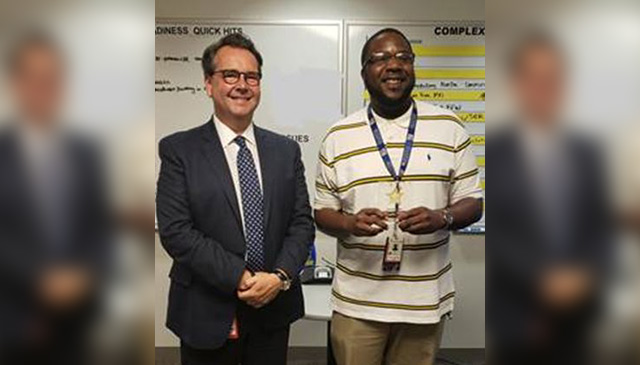
Karl Douglas, an imaging services technician in the Radiology department at Texas Children’s, recently received the Edward B. Singleton Staff Recipient Award. This prestigious award acknowledges individuals within Radiology whose outstanding leadership and/or contribution to the mission of the department has a significant and positive impact on advancing patient care, education, research or Texas Children’s core values.

Douglas began his career at Texas Children’s in 2003 and transferred to the Radiology department in 2010 as a technician assistant. For the past six years, he has been working in the imaging library helping our physicians and patient families obtain the images they need for patient care.

His colleagues describe Douglas as a person who goes above and beyond for patients and their families, as well as other departments, campuses and referring facilities. On several occasions, Douglas has been known to come into work early to lend a helping hand to his co-workers. His colleagues describe Douglas as a team player, and always finds a way to keep a smile on his face when handling difficult requests.

The Edward B. Singleton award was named in memory of Dr. Singleton, an early pioneer in radiology and long-time physician at Texas Children’s.

August 20, 2019

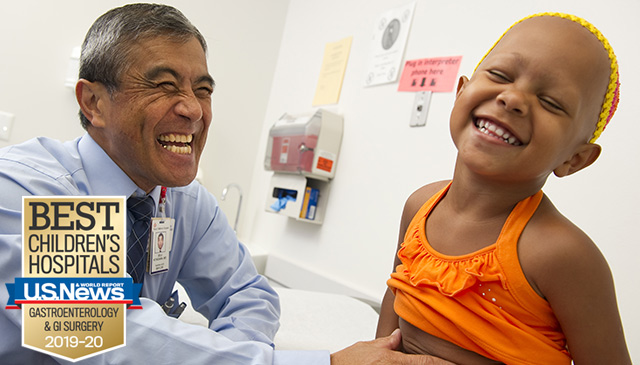
Texas Children’s Hospital recently celebrated a well-deserved milestone after being named No. 2 in the nation for Gastroenterology and GI surgery by U.S. News & World Report.

“Our team was delighted by this year’s ranking of No. 2 nationally,” said Dr. Benjamin Shneider, Chief of Gastroenterology, Hepatology and Nutrition. “I am particularly proud of the achievements our team has made in improving outcomes for the children and families who entrust us with their care.”

The U.S. News rankings uses a methodology that weighs a combination of factors including patient outcomes, quality of health, available clinical resources like specialized clinics and external accreditations, and compliance with best practices. Improved rankings show a health care organization’s commitment to providing high-quality care and identifying gaps where improvements are needed.

Big wins for patients and families

Building on the successes of previously existing programs, the Gastroenterology, Hepatology and Nutrition team, in collaboration with Pediatric Surgery and Liver Transplantation, continues to make great strides in patient care and outcomes which were recently noted in the U.S. News rankings:

  • Achieved successful Kasai procedures in infants with biliary atresia. The most common reason for pediatric liver transplantation is biliary atresia (BA), which occurs in infancy. Within weeks, the liver suffers from extensive scarring that eventually leads to end-stage liver disease. One way to slow disease progression is with an operation called the Kasai procedure. Kasai procedures performed earlier have the best chances of delaying or preventing the need for a liver transplant.

In the U.S. News rankings, Texas Children’s scored the highest score for success after the Kasai operation. The score reflects the world-class care given to patients with biliary atresia cared for at Texas Children’s Hospital. Texas Children’s provides comprehensive care to infants with BA and their families, including aggressive nutritional support, social work services, nursing expertise, and attention by leading pediatric surgeons, hepatologists and transplant surgeons.

BA research at Texas Children’s Hospital, led by Dr. Sanjiv Harpavat, is laying the foundation for a uniform way to detect infants with biliary atresia earlier, to ensure they receive the Kasai procedure at a young age. Texas Children’s researchers have developed a newborn screening tool, which they have implemented in nurseries around the city. This has led to earlier referrals and helped fuel the improved outcomes with the Kasai procedure. Texas Children’s researchers are now working to implement this early screening program across Texas and nationwide, to ensure that all infants with biliary atresia can receive an early Kasai procedure, delaying liver transplantation and potentially avoiding the need for liver transplantation.

  • Improved three-year survival for children undergoing liver transplantation. Texas Children’s has one of the largest and most successful pediatric liver transplant programs in the country. “Our team’s multi-disciplinary approach to pre and post-transplant care, further development of our Liver ICU, surgical innovations, and the incredible teamwork and dedication of our entire liver transplant teams, including our inpatient and outpatient nursing and support staff, have only enhanced our outcomes year after year,” said Dr. Daniel Leung, Director of Hepatology and Liver Transplant Medicine. Texas Children’s three-year liver transplant survival exceeds 92 percent and post-liver transplant length of stay is four days shorter than other high volume peer programs. Additionally, our one-year liver transplant survival exceeds 95 percent.
  • Improved prednisone-free remission rates in children with Inflammatory Bowel Disease (IBD). Since steroids carry significant side effects for children, steroid-free remission is a commonly used outcome measure of clinical care quality in Inflammatory Bowel Disease. To meet this metric, an automated mechanism was implemented in the electronic medical record (EMR) system, which alerts physicians about their patients’ steroid use, thereby focusing attention on the on-going need and appropriateness of steroid use for each patient in a real-time fashion. As part of a hospital supported effort, Texas Children’s also is part of the International Improve Care Now (ICN) registry of pediatric IBD patients, which allows GI physicians to closely monitor the hospital’s active patient cohort and improve their clinical care. Steroid free remission indicates optimal medical management and decreased potential for IBD-related complications in children suffering from these disorders. It is a big win towards improved quality of life for our patients.
  • Implemented successful community support groups

Our community hospital system at Texas Children’s has provided tremendous support to engage our children and families contending with IBD in the form of monthly Family Support Group meetings. These meetings create an outstanding venue for patient and family education, and enables parents to actively influence the care of their child. These interactions have helped to improve patient satisfaction and quality of life in children with IBD. Texas Children’s offers similar support programs for liver transplantation and intestinal failure.

Click here to learn more about our Gastroenterology, Hepatology and Nutrition Service at Texas Children’s Hospital.

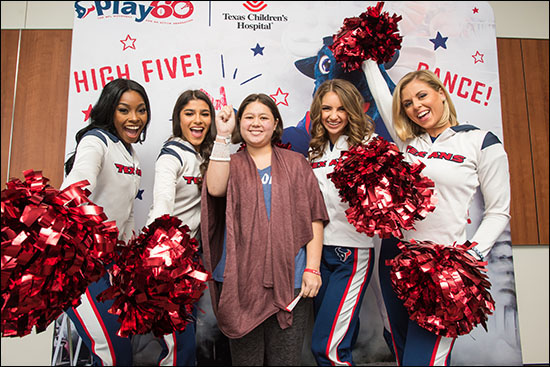
When 19-year-old Isabella Williams found out she was going to meet not one but 10 Houston Texans cheerleaders, her face lit up like a lightbulb.

“She LOVES to cheer,” said Child Life Specialist Natalie Juneau. “This is a perfect event for her.”

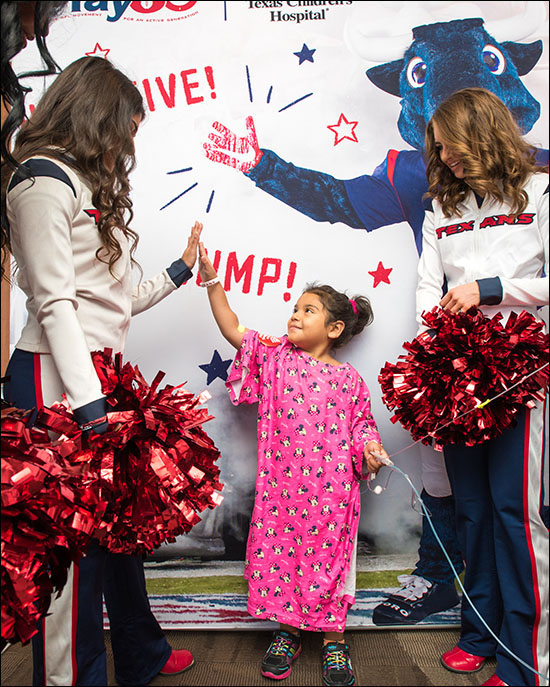
The event Juneau had the privilege of inviting Williams and other patients to on August 13, was the fourth Houston Texans Jr. Cheer Mini Camp. Held in a conference room on the fourth floor of the Pavilion for Women, the event brings the Texans Junior Cheerleader Program to children who wouldn’t be able to participate otherwise.

“This is one of my favorite events,” Texans cheerleader Shakila said. “I love being able to make the kids smile.”

View photos from the event below.

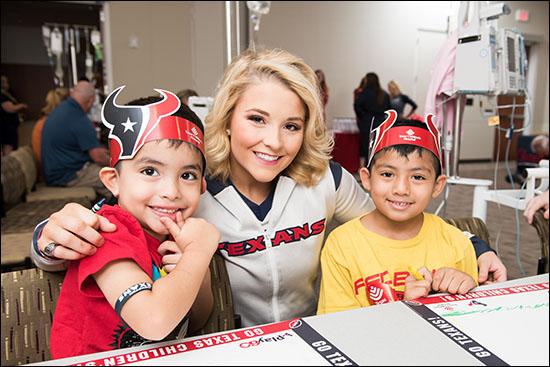
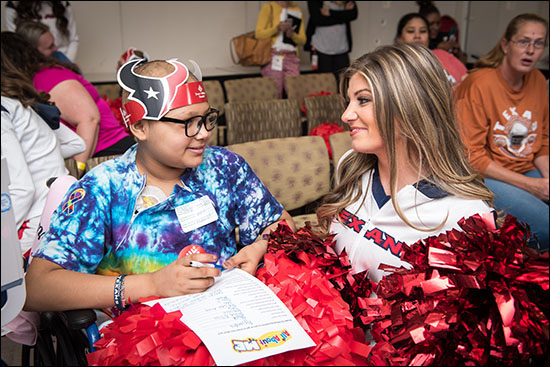
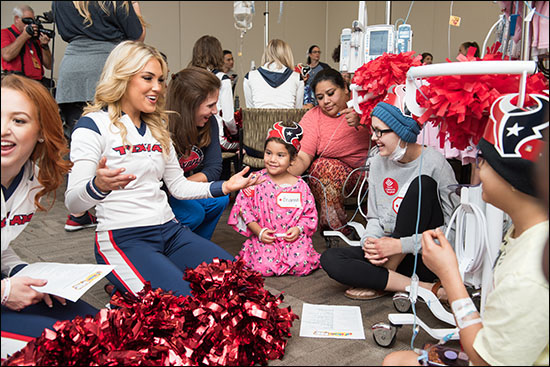
Shakila and her colleagues – Amanda, Ashley, Briana, Gabrielle, Kristin, Lainey, Natalie, Taryn and Taylor – spent about an hour with Isabella and several other Texas Children’s patients. The cheerleaders performed for them, did an arts and crafts project with them, signed autographs, posed for pictures, and handed out lots of goodies, including Junior Cheerleader T-Shirts, insulated water bottles and bright red pom-poms.

At one point during the event, the patients were divided into three teams with the cheerleaders – Liberty White, Battle Red and Deep Steel Blue –and asked to come up with their own group cheer and perform it for everyone in the room. Excitement filled the room as the patients cheered for their hometown NFL team.

“We are so glad to be here today,” Taryn said. “We can’t wait to get to know you and for you to get to know us.”

For 9-year-old Luci Warren, the visit from the cheerleaders was a bright spot on what could have been a pretty dull birthday spent in the hospital.

“I got very excited when I found out I was going to meet them,” Luci said.

Luci’s father, Rob Warren, said being able to attend the event was a pleasant surprise, especially since it fell around his daughter’s special day.

Following the event, the cheerleaders visited patients on the 11th floor of West Tower. These patients were unable to make it to the event at the Pavilion for Women and enjoyed seeing a friendly face.

The Houston Texans Jr. Cheer Mini Camp is made possible due to an ongoing partnership Texas Children’s has with the Texans to inspire children to lead healthier, more active lives through camps, programs and events all year long. Texas Children’s works alongside the Texans through community engagement and education programs to give Houston-area kids the tools necessary to make healthy choices throughout their lives.