April 14, 2015

41515AAP640

Texas Children’s mission is to create a community of healthy children through patient care, education and research. One way our physicians advance the health and safety of children is through their membership with the American Academy of Pediatrics (AAP) and the Texas Pediatric Society (TPS).

On September 30, 2013, Texas Children’s and the AAP signed a first-of-its-kind partnership agreement whereby every eligible faculty member of the Baylor College of Medicine Department of Pediatrics will be given membership in the AAP and the TPS.

“This partnership enhances Texas Children’s and Baylor’s visibility and representation on AAP committees and programs,” said Texas Children’s Physician-in-Chief Dr. Mark W. Kline. “Our physicians will have a greater voice in many issues impacting the health and well-being of American children and families.”

As members of the AAP and the TPS/TX Chapter, Texas Children’s faculty can access critical information on all child health-related issues and topics, advocate for children at the local and national levels to promote key child health care initiatives, and engage in scholarly pursuits and membership in AAP sections/councils in their respective areas of expertise.

“This is an important collaboration because it strengthens our shared dedication to the health of all children,” said Tina Morton, director of membership outreach and marketing at the American Academy of Pediatrics. “We are working together to further enhance quality health care delivery and advocacy for children and we are proud to have Texas Children’s as our partner.”

Since this partnership began a year and a half ago, Texas Children’s faculty has been actively involved with the AAP and TPS to champion the health, safety and well-being of children. Many of our physicians have been appointed to AAP committees/councils to spearhead child advocacy efforts.

  • Dr. Robert Voigt is editor of the AAP’s textbook, “Developmental and Behavioral Pediatrics” and is program chair of the AAP section on Developmental and Behavioral Pediatrics.
  • Dr. Robert Ricketts received the AAP’s prestigious Anne E. Dyson Child Advocacy Award celebrating the outstanding efforts of pediatricians-in-training as they work to improve the health of children in their communities. Ricketts recently wrote a children’s book titled, Our Little Soldiers, to encourage children with HIV to take their medicine.
  • Dr. Mark Gilger is on the executive council of the AAP section of Gastroenterology and played an instrumental role in getting the U.S. Consumer Product Safety Commission to impose swift regulatory action that banned the sale of high-powered magnets in toys to prevent children from accidentally ingesting super strong, rare- earth (or Neodymium) magnets.
  • Dr. Fernando Stein is one of the founding members of the AAP section on Critical Care, Dr. Carl Tapia serves on the AAP Community Access to Child Health Program, Dr. Mark Ward serves as president of the TPS, and Dr. Krithka Lingappan is the chair of Trainees and Early Career Neonatologists within the AAP section on Perinatal Pediatrics.

“We encourage our physicians to take advantage of their membership with the AAP and TPS,” said Texas Children’s gastroenterologist Dr. Bruno Chumpitazi, who is a member of the Texas Children’s/Baylor-AAP oversight committee. “Together, we can create a lasting and meaningful change for the patients we serve.”

Click here for more information about the AAP. Click here to learn more about the TPS.

41515VerticalEvacuation640

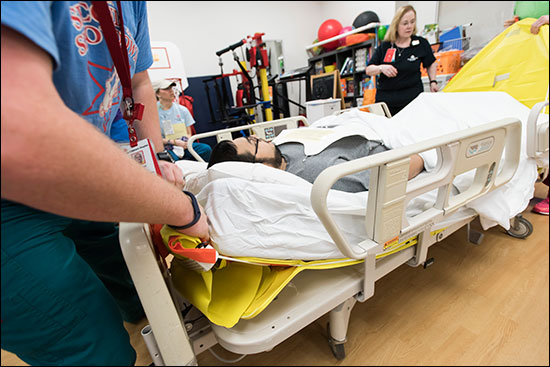
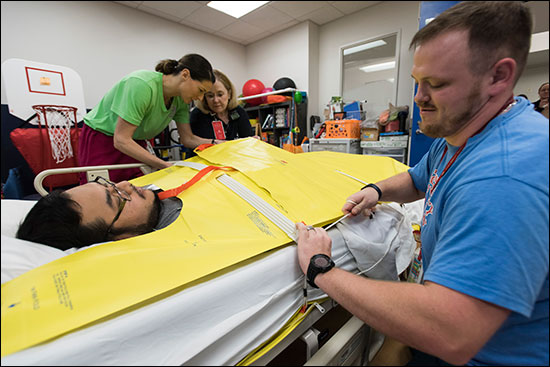
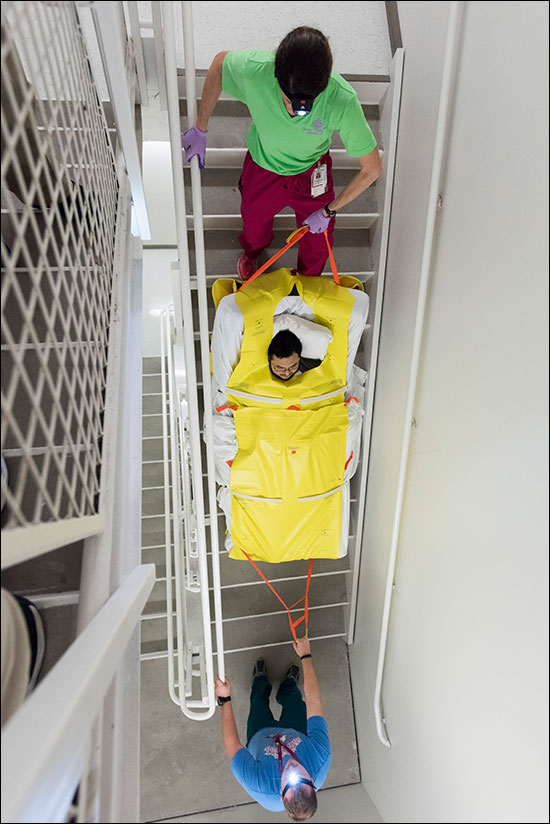
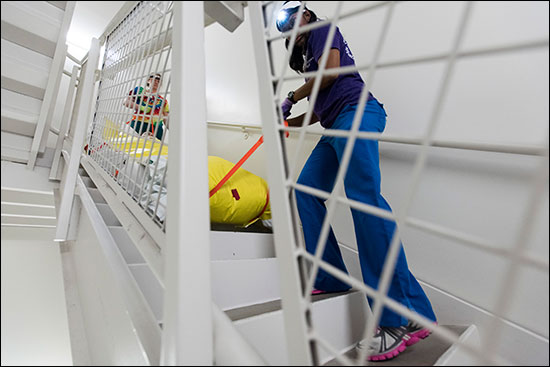
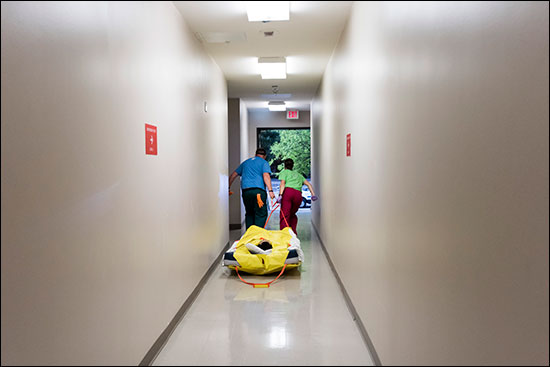
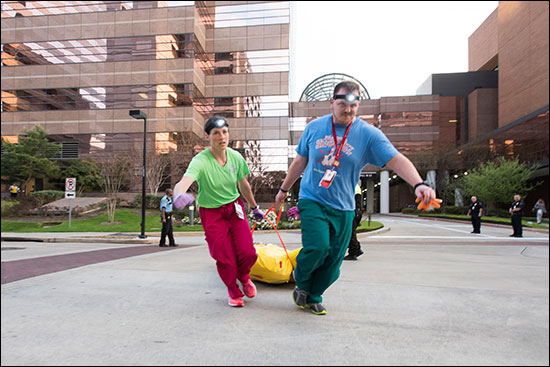
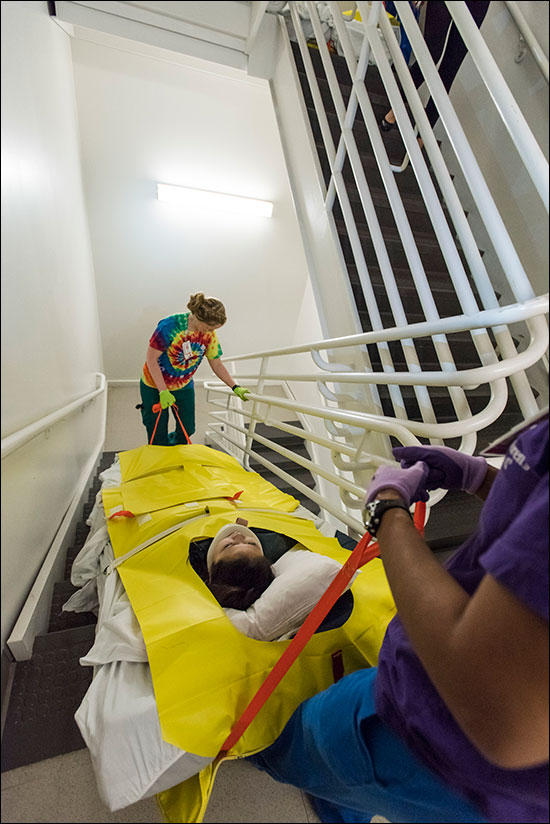
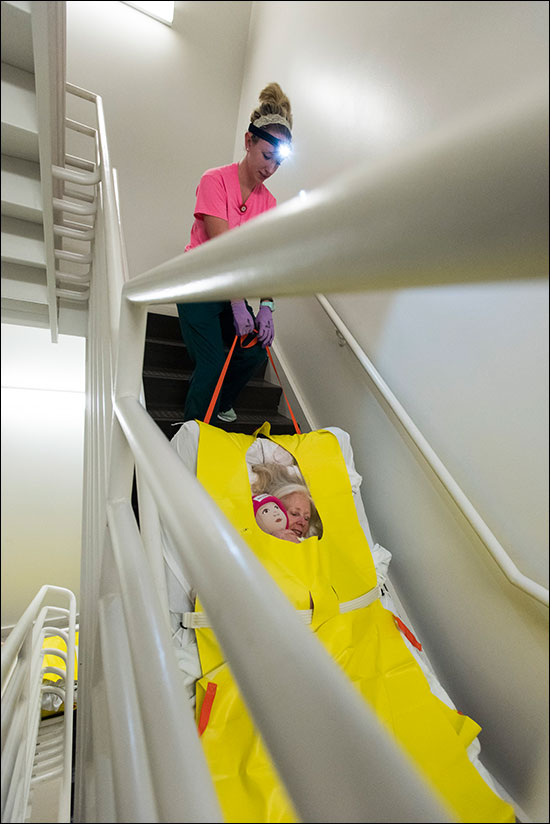
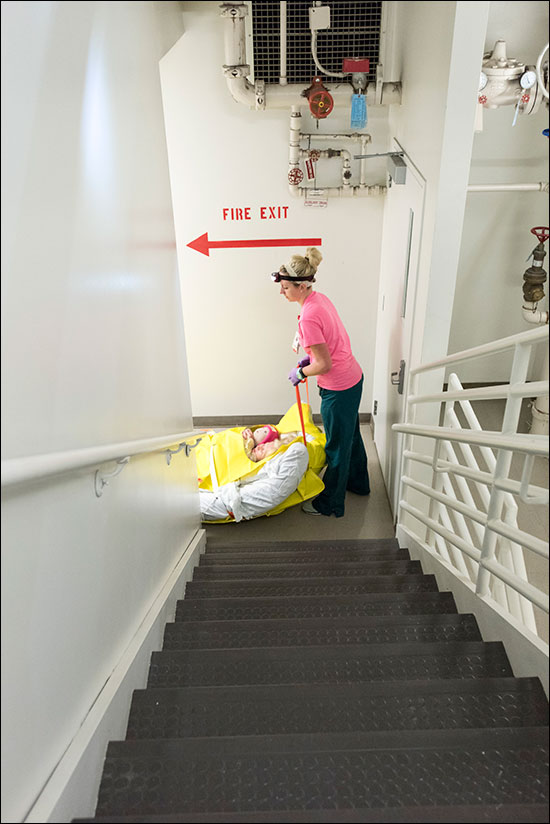
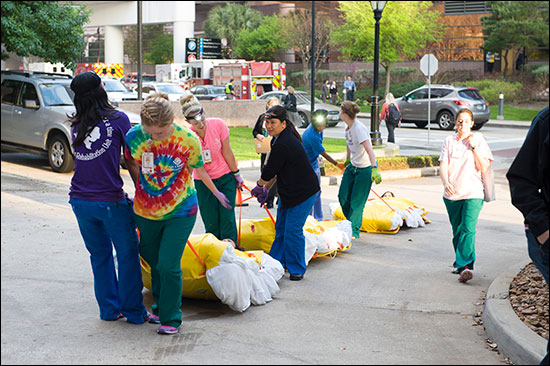
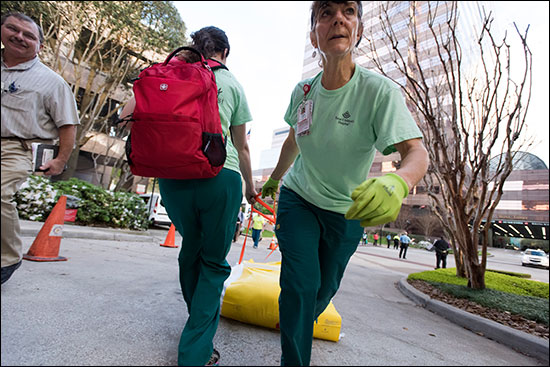
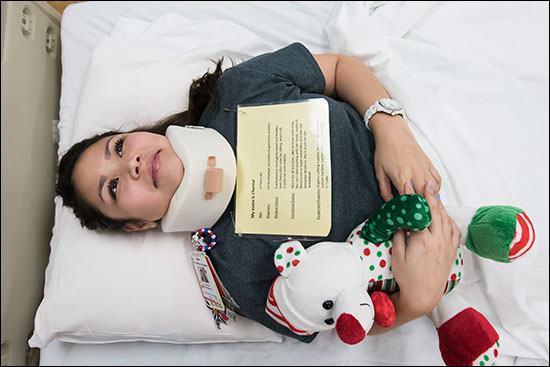
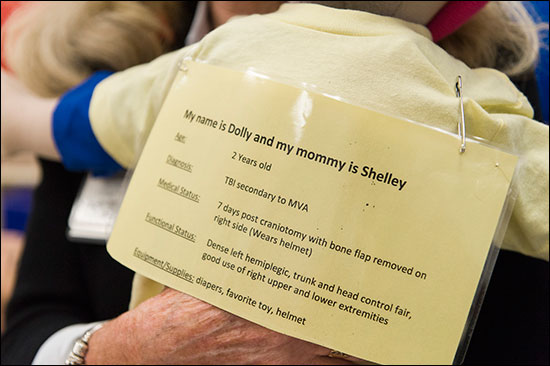
Shelley Ellison, director of Physical Medicine and Rehabilitation, was strapped inside an evacuation sled holding a doll, which represented a baby, and was evacuated from the Inpatient Rehabilitation Unit (IRU) down 12 flights of stairs and across a street to the Feigin Center for safety. It was just an exercise, but it was an exercise in preparedness.

The IRU practiced their vertical evacuation procedures to learn what it would take for the entire eight-bed unit to leave using the exit stairs in case of an emergency. This was the second time the team has taken part in this exercise that is required by the Commission on Accreditation of Rehabilitation Facilities (CARF), an international, independent, nonprofit accreditor of health and human services. The IRU received the highest level of CARF accreditation, last year. The Texas Children’s Hospital IRU is the only pediatric inpatient rehabilitation facility in the state of Texas, and one of only 31 worldwide with this accreditation.

These annual evacuation exercises, while required for CARF accreditation, are an excellent demonstration of preparedness and interdisciplinary teamwork.

“We want to demonstrate our proficiency in safely evacuating these patients who are “mobility impaired,” said Shelley Ellison, director of Physical Medicine and Rehabilitation. “The exercise goes beyond teaching us what needs to be done in an emergency; it gives our staff a sense of confidence in case they ever have to evacuate in a real scenario.”

The unit learned many lessons that are now being put into motion as they prepare for future exercises and education that is being presented to the staff.

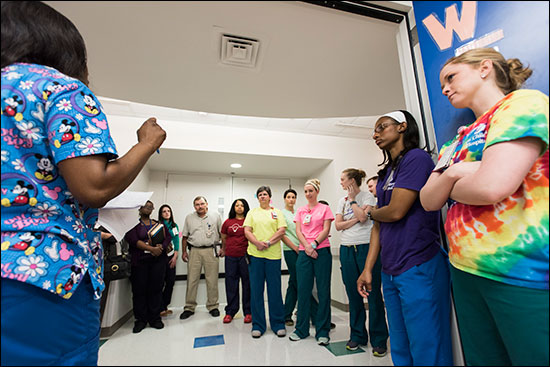
See photographs from the evacuation drill below.

Lessons learned
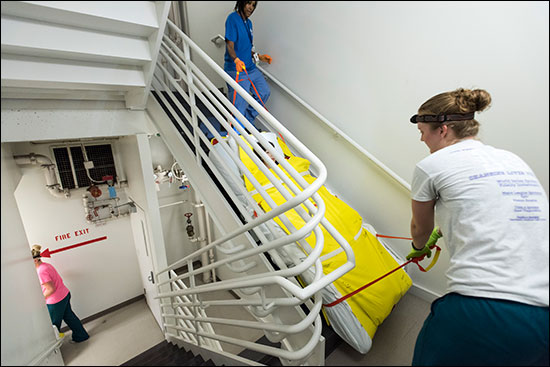
Once the drill began, each “patient” in the exercise was assessed for medical stability and was paired with two staff members deemed appropriate for the level of medical complexity for the entirety of the evacuation drill. In some cases, it was determined that the patient required extra medical equipment, so a third person was added to carry the equipment and perform “in transit emergent” procedures such as suctioning. From preforming this exercise twice, the team has determined that caregivers should be pre-assigned a patient for emergency evacuation procedures each shift in preparation for an emergency.

Evacuation from the 12th floor to the first and across a street to a pre-designated evacuation point is not an easy task, even given the EvacusledsTM that are designed for this specific instance. The sleds were difficult to maneuver down the narrow stairways, leading the two member teams to switch off their positions to share the burden of the weight.

Amy Puglia with Emergency Management said while the exercise isn’t being performed in every other unit, it helps our Emergency Management department determine the system-wide needs to best prepare for an emergency that would require a vertical evacuation.

“In these exercises we are demonstrating the plan and making sure the plan works,” Puglia said. “We have evacuation plans in place and these exercises are a way for us to ensure those plans are up to date and tested.”

A team effort
It took teams from across the organization including emergency management, security services and even the Houston Fire Department to pull off this exercise.

“To make this exercise successful, it took a lot of preparation and hard work on the part of many teams,” said Dr. Christian Niedzwecki, medical director of Inpatient Rehabilitation Unit. “It really is an indication that the caregivers of this institution are dedicated to ensuring the safety of our patients in an emergency.”

“All it takes is that one time,” Ellison said. “We hope it never happens, but we want to prepare in the event that it does. Catastrophic events have happened across the country and could happen anywhere.”

For Ellison, being on the evacuation sled gave a perspective of how the patients would feel in an emergency, giving another dimension to the emergency preparations.

Evacuation Drill Photo Gallery

April 7, 2015

4815pharmacy640

4815pharmacyinside640Texas Children’s draws roughly 100 therapeutic drug levels per day to examine the presence and the amount of specific drugs in the bloodstream of children. These levels determine how well a patient’s body breaks down the drug and how it interacts with other medications.

“With most medications, you need a certain level of drug in your bloodstream to obtain the desired effect,” said Brady Moffett, a clinical pharmacy specialist at Texas Children’s. “Some medications are harmful if the level rises too high and some do not work if the levels are too low.”

To promote quality improvement and to continue to ensure the safety of our patients, Texas Children’s Department of Pharmacy and Clinical Chemistry Service in the Department of Pathology have produced an online, comprehensive guide to help clinicians monitor the therapeutic drug levels in a patient’s bloodstream to ensure they are within a safe and effective range.

Drug level testing is especially important in children taking certain medications to treat health problems like abnormal heart rhythms, diabetes, epileptic seizures and bacterial infections, as well as organ transplant patients who must take immunosuppressant drugs during their lifetime.

Produced specifically for pediatrics, Texas Children’s 92-page therapeutic drug monitoring guide is the first of its kind produced at a children’s hospital and represents a multidisciplinary collaboration among our physicians, pharmacists and laboratory personnel.

“We worked extensively with specialists across multiple service lines to gather their input and expertise to bring this project to fruition,” Moffett said.

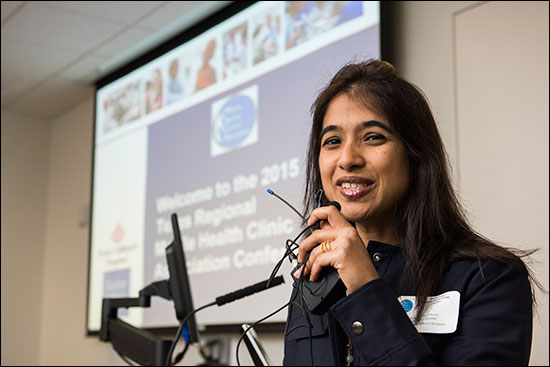
Moffett co-edited the therapeutic drug monitoring manual with Dr. Sridevi Devaraj, director of Clinical Chemistry and Point of Care Testing at Texas Children’s.

“The online version of this manual will be updated in real time as new drugs and technologies emerge,” Devaraj said. “It will provide us with better guidance on how to safely adjust the proper dosage of medications to meet our patients’ individual medical needs.”

Click here to access Texas Children’s Guide to Therapeutic Drug Monitoring.

March 31, 2015

4115Mobileclinics640

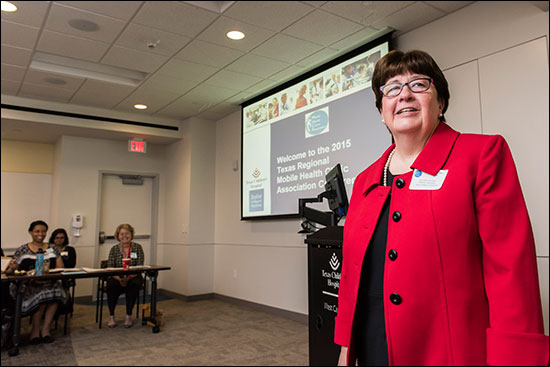
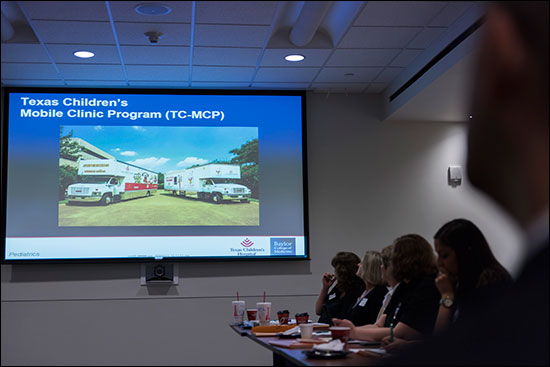
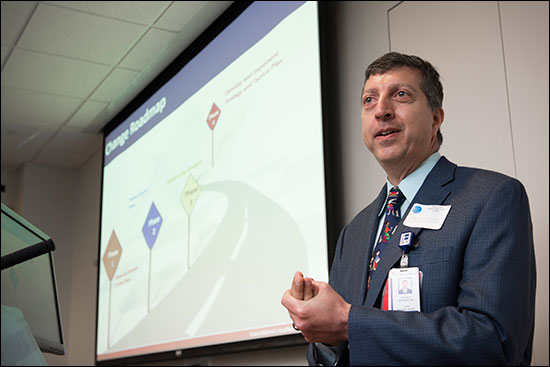
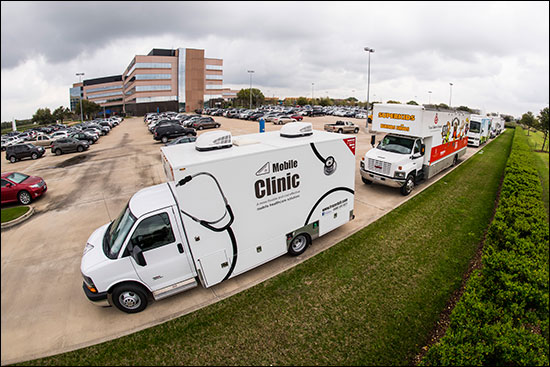
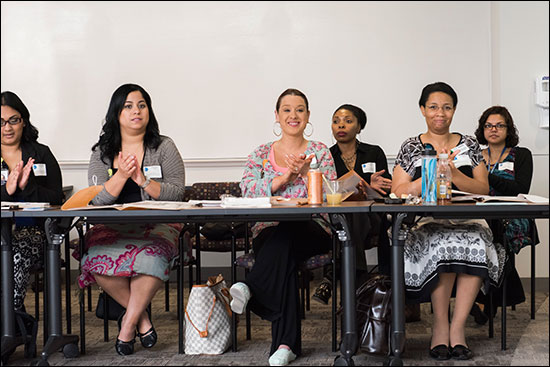
Texas Children’s Mobile Clinic Program hosted the Fourth Annual Texas Mobile Health Clinics Regional Coalition Meeting March 20 at Texas Children’s Hospital West Campus.

Forty mobile clinic professionals – the largest turnout in the conference’s four-year history – attended the half-day event designed so that attendees could share information about a service that brings quality medical care to those who can’t easily access it.

“The time we have at this conference is invaluable,” said Texas Children’s Pediatrics President Kay Tittle. “It’s the one time a year we can get together, talk shop and gain knowledge about how we can improve what we do.”

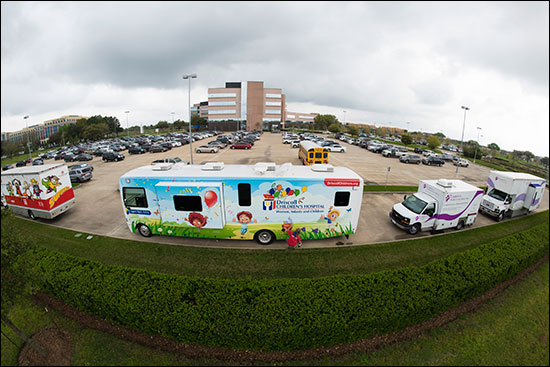
In addition to sharing knowledge, five conference participants, including Texas Children’s Mobile Clinic Program, brought their mobile clinics to West Campus for all to see.

“Having this hands-on learning tool was wonderful,” Tittle said. “It was nice to see how other hospitals do things.”

The Texas Children’s Mobile Clinic Program is composed of two clinics: The Superkids Mobile Clinic and the Ronald McDonald Care Mobile. The mission of the program is to provide underserved children in the Houston area with comprehensive health care and preventive education.

During the school year, the Super Kids Mobile Clinic travels primarily to Houston Independent School District schools, community centers and churches in the Southwest Gulfton area. The Ronald McDonald Care Mobile travels primarily to HISD schools, community centers and churches in the Southeast Hobby area.

The clinic provides free vaccinations to those who qualify for the Texas Vaccines for Children program and also provides free well child visits, sick visits and hearing or vision screenings for uninsured children in the Houston area. In addition, both mobile clinics have pharmacies that are stocked with common medications.

The providers can perform common laboratory tests. Lastly, providers and staff members educate all patients coming through the clinic about the different insurance options available to them.

In the summer, the clinics travel throughout the Houston area and sometimes even further to provide free vaccines to children before the school year starts.

March 17, 2015

31815measles640

Due to the increased number of measles cases in the United States, Texas Children’s Hospital has put appropriate plans in place to care for a patient with this highly contagious disease. The hospital also is making sure all employees are protected against this infection.

Employee Health and Wellness Director Jill Fragoso said nearly 98 percent of Texas Children’s employees have received the measles-mumps-rubella (MMR) vaccine or are immune by titer. She added that all employees can get a free MMR vaccine at the Employee Health Clinic.

“At Texas Children’s, we want to do everything possible to make sure our staff remains healthy and are immune to measles, and vaccination is the best way to do that,” Fragoso said. “Though much focus has been on measles cases in children, adults can pose an even greater risk of passing along the infection because of travel and the amount of people with whom we come in contact.”

Fragoso added that in addition to keeping ourselves safe, “we have a public health commitment to protect our coworkers, our families, our patients and our communities.”

If you aren’t sure whether you need the measles vaccine, medical personnel at the Employee Health Clinic can check your records or do a blood test to see if you carry antibodies to the infection. Please call Ext. 4-2150 to make an appointment today.

As for patient care, Dr. Judith Campbell, medical director of Infection Prevention and Control, said Texas Children’s Hospital is treating patients with suspected or confirmed measles like we would any other airborne transmitted infectious disease.

“Workflows are in place to identify and isolate suspected cases of the measles,” Campbell said. “There also are several mechanisms and venues in place to educate frontline employees about measles, an infection that was considered eradicated from the United States in 2000.”

In 2014, however, the United States saw a record-breaking number of confirmed cases of the infection, 644 from 27 states, including Texas where there has been one reported case since January, according to the Centers for Disease Control and Prevention.

In addition, measles is still common in many parts of the world, including some countries in Europe, Asia, the Pacific and Africa. Worldwide, an estimated 20 million people get measles and 146,000 people, mostly children, die from the disease each year.

“The CDC is urging health care professionals to consider measles when evaluating patients with febrile rash and to ask about a patient’s vaccine status, recent travel history, and contact with individuals who have febrile rash illness,” an agency flier about the infection says. “The government agency also is urging people to get vaccinated against the potentially deadly disease.”

Facts about the measles according to the CDC

What are the measles: Measles, also known as morbilli, rubeola, or red measles, is a highly contagious infection caused by the measles virus.

Can the measles be serious: Yes. About one in four people in the United States who get measles will be hospitalized; one out of every 1,000 people with measles will develop brain swelling, which could lead to brain damage; and one or two out of 1,000 people with measles will die, even with the best care.

How does the virus spread: Measles is an airborne disease that spreads easily through the coughs and sneezes of those infected. It may also be spread through contact with saliva or nasal secretions. Nine out of ten people who are not immune who share living space with an infected person will catch it. People are infectious to others from four days before to four days after the start of the rash. People usually only get the disease at most once.

What are its symptoms: The most common symptoms of measles are fever, runny nose, red eyes and rash. The rash is classically described as a generalized red maculopapular rash that begins several days after the fever starts. It starts on the head or back of the ears and, after a few hours, spreads to the head and neck before spreading to cover most of the body, often causing itching.

How is it prevented: The best protection against measles is measles-mumps-rubella (MMR) vaccine. MMR vaccine provides long-lasting protection against all strains of measles.

Vaccine Recommendations: The CDC recommends all children get two doses of MMR vaccine, starting with the first dose at 12 through 15 months of age, and the second dose at 4 through 6 years of age. Children can receive the second dose earlier as long as it is at least 28 days after the first dose.

Health care personnel should have documented evidence of immunity against measles. Health care personnel without evidence of immunity should get two doses of MMR vaccine, separated by at least 28 days. Adults who are not health care personnel and who do not have evidence of immunity against measles should get at least one dose of MMR vaccine.

31815retirement550

31815InfographicBenefitsinside640
Click on the graphic for a larger view.

Did you know that Texas Children’s is contributing to your retirement right now?

Unlike many other organizations, Texas Children’s offers employees both a fully funded Cash Balance Pension Plan and a 403 (b) plan with match dollars. The organization recently posted its 2014 deposit into the Cash Balance Pension Plan, which Texas Children’s pays the full cost of and you are automatically enrolled in on April 1 or October 1 once you reach 21 years old and have worked 1,000 hours or more during the 12 consecutive months after your initial date of hire.

To see how much your Cash Balance Pension Plan has grown, log in to Mercer’s website at www.ibenefitcenter.com. The website has useful tools that allow you to view your balance, estimate your future pension balance and verify/update your beneficiary information.

To learn more about the Cash Balance Pension Plan, click here to view the summary plan description or call the Texas Children’s Hospital Pension Plan Support Team at 800-752-8230 between 8 a.m. and 5 p.m. Monday through Friday.

In addition to the Cash Balance Pension Plan, Texas Children’s offers a 403 (b) plan. If you are not already enrolled in the plan, you should consider doing so. You don’t want to miss out on Texas Children’s 50 percent match of the first 6 percent of your pre-tax per paycheck contribution. You can enroll anytime by contacting Fidelity at 800-343-0860 or online at www.fidelity.com/atwork.

It is never too early to start saving for retirement. The Texas Children’s benefits team encourages you to take advantage of all the retirement benefits our organization offers.

“Investing in our people with competitive retirement and other benefits helps Texas Children’s attract, support and retain top talent like you,” said Jim Cuva, assistant director of Human Resources. “That’s why we are committed to your financial well-being.”

31815woodlandsExteriorSign615

To prepare for the opening of Texas Children’s Hospital The Woodlands, Texas Children’s has leased space on Lake Robbins Drive for human resources, development and marketing.

The new office, located at 1501 Lake Robbins Drive Suite 130, opened March 2 and is being used to recruit future employees, on-board staff and educate donors, said Jill Pearsall, assistant vice president of facilities, planning and development. The space will not be used for clinical services.

“We are very excited to have this new office in The Woodlands,” said President of Texas Children’s Hospital The Woodlands Michelle Riley-Brown. “It will allow us to have greater visibility in the community and to share information about the new hospital, which is scheduled to open and be fully operational in 2017.”

Once completed, The Woodlands facility will be a 560,000-square-foot complex and will offer inpatient and outpatient specialty pediatric care. Facilities will include 18 emergency center rooms, 85 outpatient rooms, five radiology rooms, four operating rooms and 32 acute-care and 12 PICU beds with future expansion plans for up to 200 beds.

Along with serving families throughout The Woodlands Area, Texas Children’s anticipates serving families in counties throughout Greater North Houston, including Montgomery, Walker, Grimes, Liberty, Harris, Polk, San Jacinto and Hardin.

In November, Riley-Brown was named president of the hospital and Dr. Charles Hankins was named chief medical officer of the institution. Riley-Brown and Hankins assumed their positions as The Woodlands leadership team in January.