February 14, 2017

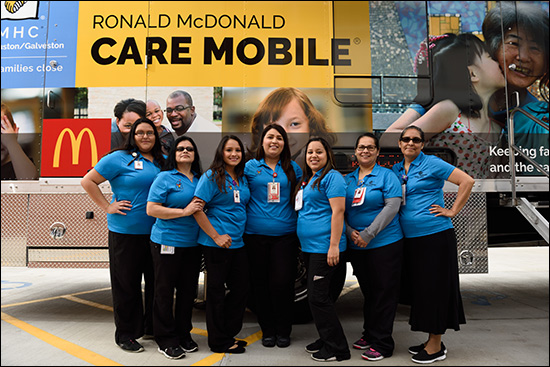
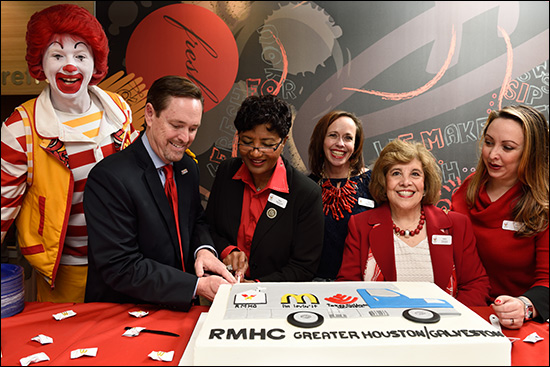
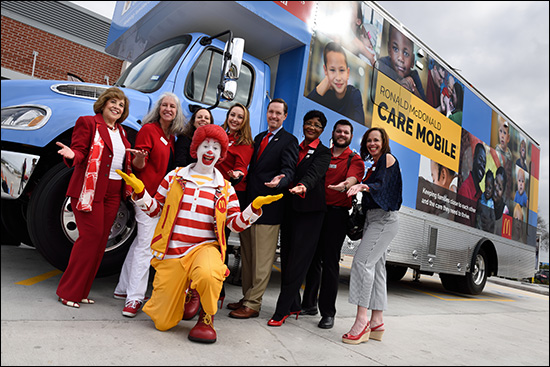
Ronald McDonald House Charities® (RMHC) of Greater Houston/Galveston in conjunction with Texas Children’s Hospital recently announced the unveiling of its new Ronald McDonald Care Mobile® medical unit. Operated by Texas Children’s, the Ronald McDonald Care Mobile® is a state-of-the-art, fully-equipped pediatric clinic on wheels designed to meet the health care and treatment needs of children in the Greater Houston and Galveston area.

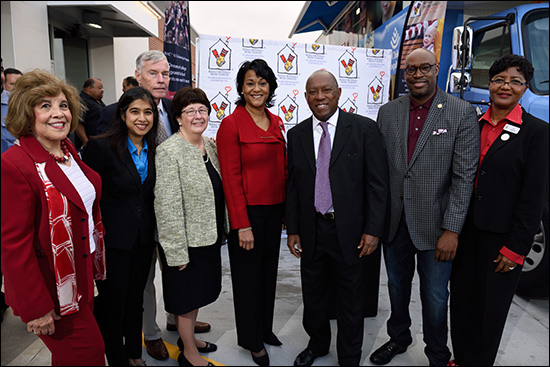
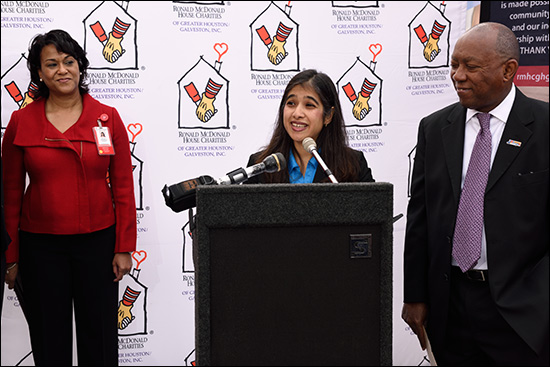
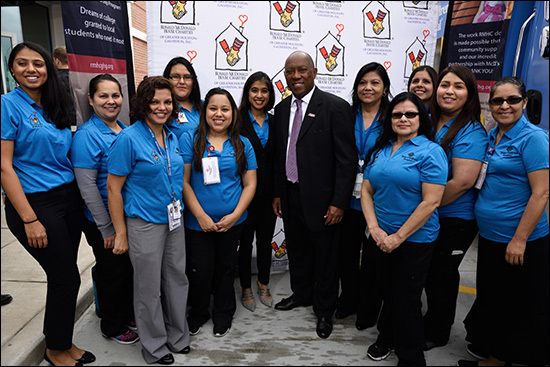
The medical unit was unveiled at a ribbon cutting ceremony with special guest and speaker Mayor Sylvester Turner on February 10 at the McDonald’s restaurant located at 1619 South Loop West.

“I am excited about this wonderful collaboration between Ronald McDonald House Charities and Texas Children’s Hospital,” the mayor said. “Thanks to Ronald McDonald Care Mobile®, many children in our community will have access to immunizations, well-child and urgent care visits, vision and hearing screenings, free medicine through an on-site pharmacy, and specialty care referrals, including mental health and social service referrals.”

In addition, Sylvester said, the Ronald McDonald Care Mobile® also will be offering sports physicals, allowing more area youngsters to have the opportunity to participate in school athletics.

Staffed by pediatricians, nurse practitioners, nurses, and medical assistants from Texas Children’s, Ronald McDonald Care Mobile® will provide medical care to more than 3,000 children per year in a 60-mile radius around the Texas Medical Center. The new unit’s arrival is expected to expand service reach by 10 percent in the first year.

Tanya Gee, Executive Director of RMHC® Houston & Galveston said that working in partnership with community health care leaders, the Ronald McDonald Care Mobile® bridges gaps between underserved children and local community agencies.

“It travels to locations lacking pediatric resources or underutilizing existing ones,” Gee said. “We want to thank our partners at Texas Children’s for their tireless dedication to our shared mission of service to the children of Houston and the local McDonald’s Owner for their incredible generosity.”

President of Texas Children’s Pediatrics Kay Tittle said her organization is looking forward to the continued impact the Ronald McDonald Care Mobile® will have on families in Houston.

“At Texas Children’s, our goal is to build a community of healthy children, and our mobile clinics allow us to provide trusted, high-quality medical services to children who normally might not have the opportunity to receive health care,” Tittle said.

The Ronald McDonald Care Mobile medical unit was made possible by a donation of $400,000 from the McDonald’s Owner/Operators Association of Greater Houston. Through its Fry Fund initiative, Houston area McDonald’s restaurants donated three cents for every case of French fries sold over the past four years.

“As local business people, we are committed to supporting the communities we live and work in,” said President of the McDonald’s Owner/Operators Association of Greater Houston Matthew Kades. “The families served by the Ronald McDonald Care Mobile® are our neighbors. McDonald’s is a big brand, and with partners like Ronald McDonald House Charities® and Texas Children’s Hospital, we can make a big impact right here in Greater Houston.”

Texas Children’s Executive Vice President Michelle Riley-Brown said that to date, the Ronald McDonald Care Mobile® has served more than 40,000 patients, and with this incredible updated unit, the impact will only continue to grow.

“Thanks you to everyone for your continued support of our Mobile Clinic Program,” Riley-Brown said. “We are looking forward to the continued impact the Ronald McDonald Care Mobile® will have on families in Houston.”

For more information about our Mobile Clinic Program click here. For more information about Ronald McDonald House Charities® click here.

February 7, 2017

2817transplant640Transplant Services at Texas Children’s Hospital continues to prove that we are at the forefront of pediatric transplantation in the United States performing 86 transplants in 2016.

Some of last year’s highlights include:

  • The heart transplant program finished the year as the No. 1 pediatric heart transplant program in the country with 25 transplants.
  • The lung transplant program tied with St. Louis Children’s Hospital’s for the No. 1 pediatric lung transplant program in the country spot with 8 transplants.
  • The kidney transplant program ended the year as the No. 2 pediatric kidney transplant program in the country, experiencing its highest volume since the program’s inception in 1988 with 32 transplants.
  • The liver transplant program performed 21 transplants and the liver and lung programs teamed up to complete a liver/lung transplant.

Dr. John Goss, medical director of Transplant Services, said Texas Children’s Transplant Services continues to earn its reputation as one of the best pediatric transplant programs in the country.

“I believe our success is a testimony to the skill and commitment of our multidisciplinary team, which offers an interdisciplinary approach to all aspects of the transplant process, from initial referral to hospitalization and outpatient management,” Goss said. “We also work closely with patients, families and referring physicians to help make the evaluation process as convenient and efficient as possible.”

Goss added that the success of Texas Children’s transplant program would not be possible without the gifts from our selfless donors and their families.

“They are the ones responsible for providing our patients with a second chance at life,” he said. “We are forever grateful for their unwavering kindness.”

To learn more about Texas Children’s Transplant Services, click here.

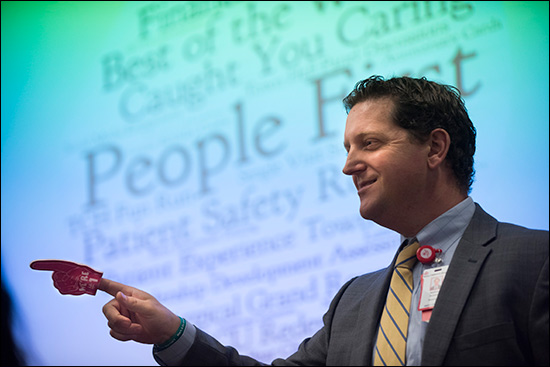
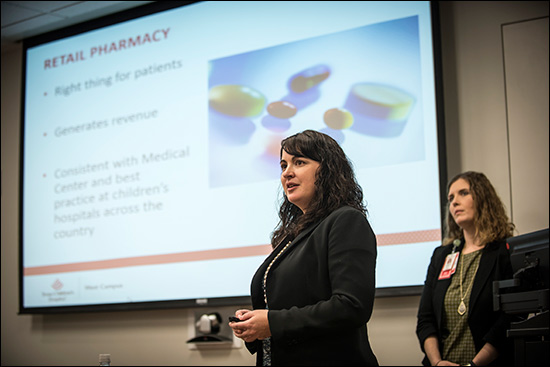
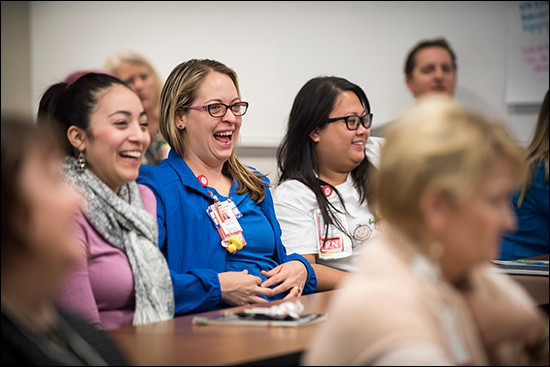
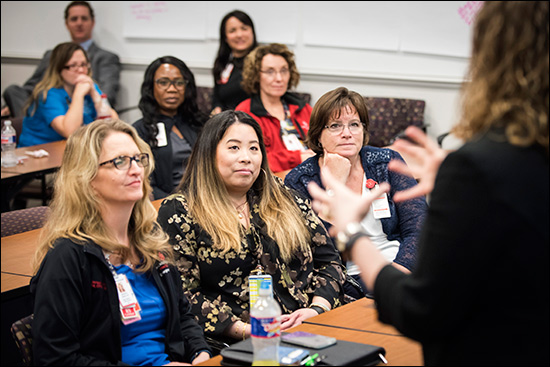
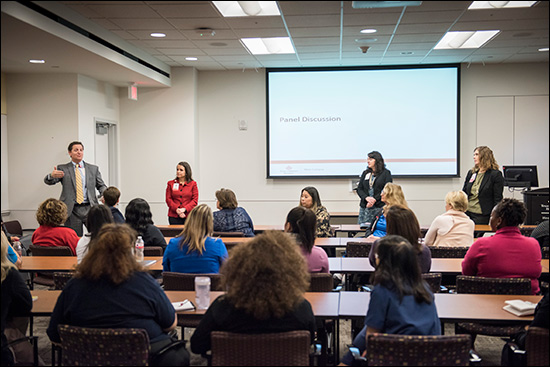
Since leaders opened the doors at Texas Children’s Hospital West Campus more than five years ago, they have held regular town hall-style meetings to keep their employees informed of the hospital’s progress, challenges and goals as well as to gain feedback from employees and answer their questions.

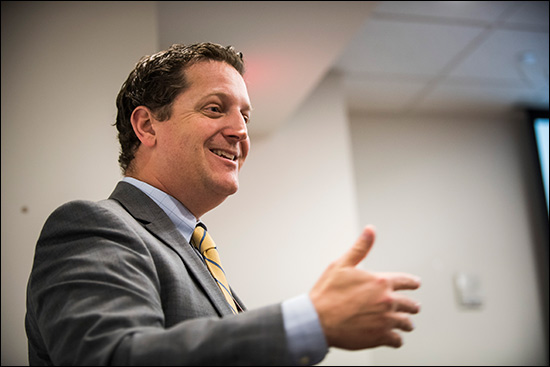
“Town halls are an opportunity to both provide information and solicit feedback,” said West Campus President Matt Schaefer. “It’s important that we take time to both ‘talk to’ and ‘talk with’ the team of talented folks across our campus.”

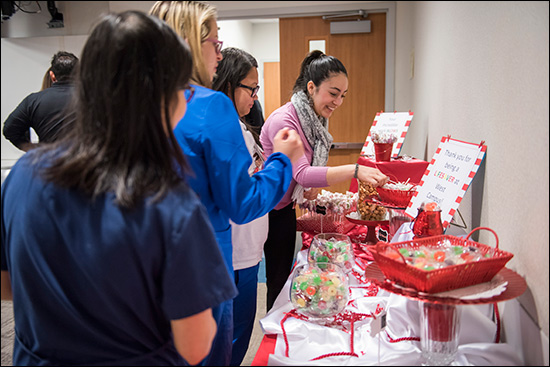
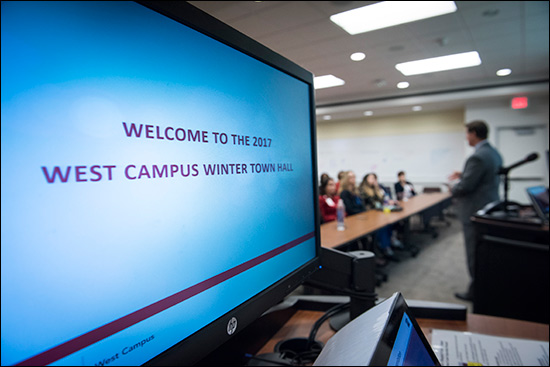
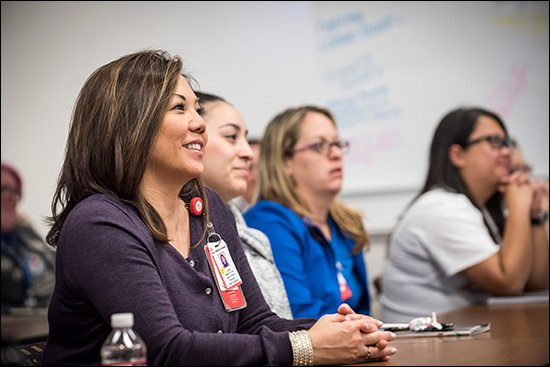
View photos below from the first of a series of town hall events and watch the video below to get a glimpse of West Campus’ accomplishments in 2016 and their goals and aspirations for this year.

Walking into a conference room with a standing-room-only crowd, Schaefer kicked off the first town hall meeting at West Campus on February 1 with a congratulatory statement and a thank you for making 2016 “a wildly successful year.”

“2016 was a fantastic year any way you look at it – we grew our capabilities, served more patients than ever, had stronger than ever patient satisfaction and continued high employee engagement results, and grew our team all at the same time,” he said. “But, we recognize there were various challenges each of you overcame to meet our goals and we thank you for that.”

Director of Support Services Amy Cress, director of Outpatient and Clinic Support Services Jennifer DiPrisco and director of Patient Care Services Jennifer Sanders took the stage next and shared plans for continued growth in 2017 and that there always will be challenges to overcome but that because of West Campus’ phenomenal staff anything is possible.

“The fuel to our success is you,” Cress said. “With your help, we, like in years past, we can accomplish anything we set our minds to.”

Cress and the other leaders went on to outline West Campus’ 2017 goals, which include:

  •  Opening the Bellaire Health Center in April
  •  Expanding clinic space on the third and fourth floors of the campus’ Medical Office Building
  •  Opening a new 22-bed critical care unit in October
  •  Starting the planning process for construction of an on-site Texas Children’s Urgent Care next to the hospital’s Emergency Center
  •  Additional town hall meetings are scheduled this week at the Sugar Land, Clear Lake and Cy-Fair Health Centers.

2817Vasudevan175Pediatric surgeon Dr. Sanjeev Vasudevan recently received a grant from the Macy Easom Cancer Research Foundation to forward his research on pediatric hepatocellular malignancy, an aggressive liver cancer.

The grant is for more than $130,000 and will provide funding for Vasudevan’s second year of research on his project titled: “Real-time vascular and tumor visualization as an adjunct to liver surgery for pediatric hepatocellular malignancy.”

Vasudevan’s research uses new imaging techniques to investigate intra-operative, real-time visualization of a tumor and blood vessels. This research is a collaborative project with the departments of Radiology and Surgery. Ketankumar Ghaghada with Radiology is the co-principal investigator on this research project. The project team is made up of multi-disciplinary specialists from both departments.

In other news, Vasudevan was named vice chair of the surgery subcommittee of the Pediatric Hepatic International Tumor Trial. The Pediatric Hepatic International Tumor Trial is an international prospective clinical trial on pediatric liver tumors through the Children’s Oncology Group.

For more information about Vasudevan, his expertise and clinical and research interests, click here. For more information about Ghaghada, click here.

2817LaurenKANE175Congenital heart surgeon Dr. Lauren Kane was recently awarded the Carolyn E. Reed Traveling Fellowship from The Thoracic Surgery Foundation (TSF). Kane is the first congenital heart surgeon to receive the distinguished honor.

Established in 2013 in conjunction with Women in Thoracic Surgery, The Carolyn E. Reed Traveling Fellowship is an annual award presented to an established female thoracic or cardiac surgeon. The award provides recipients the opportunity to travel to another institution to learn a new skill or technology.

“I am truly honored to receive this award,” Kane said. “Carolyn was a wonderful, well-respected and beloved leader in the field of cardiothoracic surgery. I am thrilled to have the opportunity to pay tribute to her legacy as I collaborate with surgeons internationally who share my passion for enriching the lives of children with congenital heart disease and defects.”

Kane plans to travel to New Delhi, India to collaborate with an outstanding program there focused on advanced congenital heart disease.

“Dr. Kane is a vital member of our team and I am proud that she has been recognized with this coveted fellowship,” said Surgeon-in-Chief Dr. Charles D. Fraser Jr. “I look forward to her returning from her travels with a unique perspective of the keys to success of international programs similar to ours.”

Texas Children’s Heart Center is ranked No. 2 nationally in cardiology and heart surgery by U.S. News & World Report. The Congenital Heart Surgery Service offers a comprehensive surgical program that includes every procedure available for the treatment of pediatric heart disease and defects. The team cares for children of every age, including preterm and low-birth-weight newborns, tailoring procedures and treatments to the needs of each individual child and his or her family. During surgery, this individualized approach includes cardiopulmonary bypass and neuroprotection strategies customized to each patient’s condition and needs, helping to ensure optimal outcomes are achieved. For more information visit texaschildrens.org/heart.

For more information about the fellowship visit TSF’s website.

January 17, 2017

It’s time to lace up your sneakers and hit the pavement! Texas Children’s and the Houston Marathon Foundation Family Fun Run are hosting not one but two family fun run events this year. Registration is open for both runs and spots are filling up fast. So, sign up today to guarantee a spot for you and your family.

Texas Children’s Hospital West Campus

West Campus will host the fifth annual West Campus Family Fun Run at its campus on Saturday, April 8, with a 9 a.m. start time. The event will include both a 1K and 3K course. Following the run, families can enjoy various activities until noon at the Family Fun Zone.

Registration for the West Campus Family Fun Run will close at 5 p.m. Monday, March 27. Click here to register.

Click on the play button below to watch a video promo for the run at West Campus.

Texas Children’s Hospital The Woodlands

Texas Children’s Hospital The Woodlands will host its inaugural Family Fun Run event on Saturday, April 29. The event will offer a 1-mile course and will be in celebration of the April 11 grand opening of the new hospital. Post-race activities will follow until 11 a.m.

Registration for The Woodlands Family Fun Run will close at 5 p.m. Monday, April 17, or whenever we reach our maximum event capacity of 1,500 runners. Click here to register.

Click on the play button below to watch a video promo for the run at The Woodlands campus.

Participants – including those who need walkers and wheelchairs – are welcome. There will not be prizes given to top finishers as all participants will receive an award for taking part in an event designed to educate and encourage Houston-area families to adopt active, healthy lifestyles.

Additional information, including training guides, a video from last year’s event and volunteer opportunities can be found here.

Good luck and happy running!

11817NEURO640“My 5-year old daughter is such a cute, vivacious little girl who lights up a room,” said mom Evonia Dunlap. “When Bristol was born, she was perfectly healthy but by the time she was 3 months old, she was failing to reach her milestones and began showing worrisome symptoms.”

Bristol could not lift her head up or sit upright, her body was unusually floppy and flexible, and her left eye began turning inward, even though her vision was fine. As Bristol grew older, she was slow to crawl, stand and walk, and had difficulties in chewing, swallowing and talking.

“My daughter seemed to be very resistant to physical pain,” Dunlap said. “She would never cry when she fell down, bumped into things or received her vaccine shots, which was very, very unusual.”

Bristol was diagnosed with congenital hypotonia, a symptom that can be caused by various neurological or non-neurological conditions, which explained the poor muscle tone throughout her body. She had corrective eye surgery and Dunlap credits the physical, occupational and speech therapies with helping her daughter sit, walk and communicate.

But there was one thing Dunlap wanted to know. What caused Bristol to develop hypotonia?

After consulting many specialists who performed a battery of diagnostic tests and assessments for cerebral palsy, Down syndrome, autism, muscular dystrophy and many others, the results came back negative. Whole exome sequencing, a test that looks for misspellings in a gene, was inconclusive.

After five years searching for answers, Dunlap’s medical odyssey ended at Texas Children’s when Bristol was referred to neurologist Dr. Hsiao-Tuan Chao and geneticist Dr. Michael Wangler, physician scientists in Dr. Hugo Bellen’s lab at the Jan and Dan Duncan Neurological Research Institute (NRI) at Texas Children’s.

Bellen’s team is an important part of the Undiagnosed Disease Project, a national network established by the National Institutes of Health. Through this initiative, they came to know of a 7-year-old boy who had symptoms remarkably similar to Bristol’s and carried a point mutation in the Early B-Cell Factor 3 (EBF3) gene.

After closely re-examining Bristol’s exome sequencing results, they found she also carried the exact same mutation that produces defective EBF3 protein. Since EBF3 is a master regulator of hundreds of other genes, even the tiniest alteration in its function could potentially cause widespread damage to the developing nervous system and muscles.

The team also learned of another little girl at NYU’s Langone Medical Center who had a similar medical history and was found to carry the exact same EBF3 mutation. The NRI team thought this was truly remarkable and postulated that variation in EBF3 could be the possible link between these two children and Bristol.

The team extensively studied the fruit fly and mammalian versions of EBF3 and concluded the point mutation in EBF3 was indeed the culprit behind the symptoms exhibited by Bristol and the others. In the last six months alone, at least 20 patients around the world have been found to carry the damaging mutations in the EBF3 gene.

While the journey to find a cure for this condition has just begun, Dunlap is happy to finally have some answers.

“Thanks to this study, physicians around the world will now have some understanding of this condition, which we anticipate, will help to diagnose many children in the future,” Dunlap said. “I fervently hope I can now connect with other families of children with EBF3-related disorders so we can learn from and support each other.”