August 17, 2022

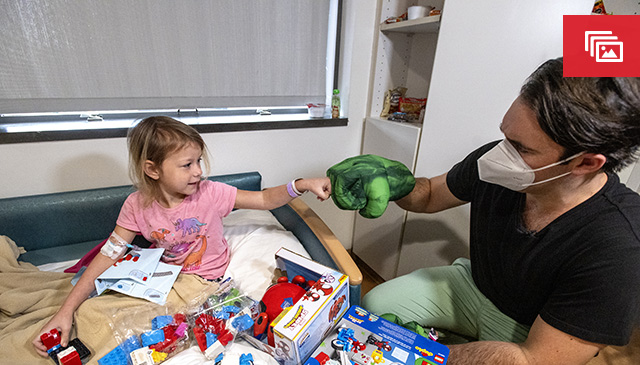
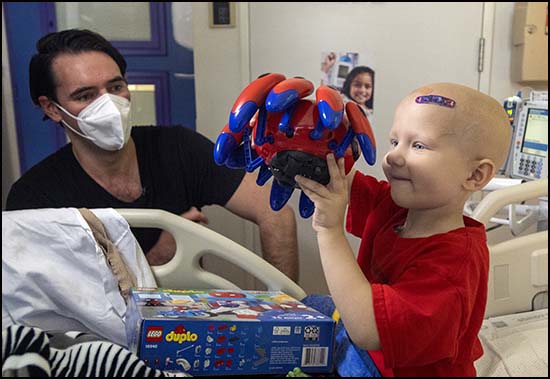
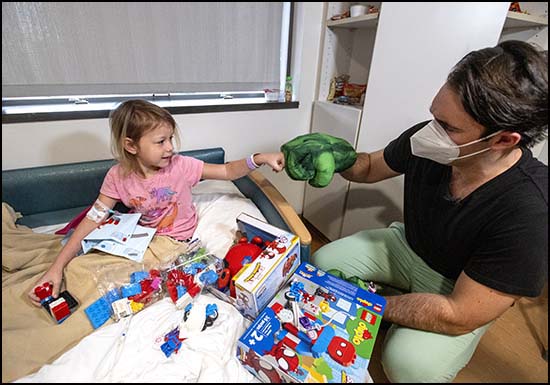
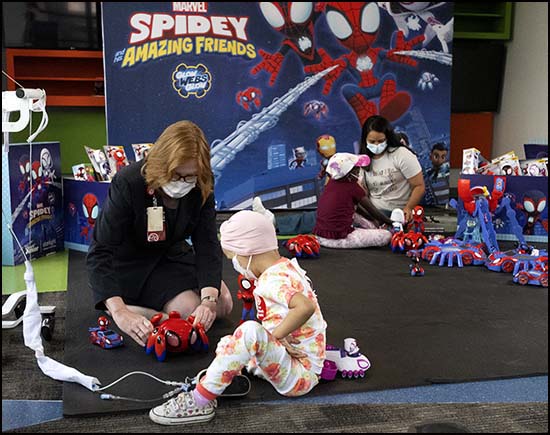
Disney and the nonprofit Starlight Children’s Foundation were recently featured on ABC13 KTRK-TV as they teamed up to host a Spidey-themed delivery event at Texas Children’s to celebrate the launch of “Marvel’s Spidey and his Amazing Friends,” season two. Our patients, their families, and our One Amazing team members were among the first in the United States to enjoy a pre-screening of the first episode of the hit series’ new season, which officially launches August 19 on Disney Channel and Disney Junior. Cast member Armen Taylor (voice of Hulk), made a special appearance during the celebration to meet with patients and their families.

“Our Texas Children’s physicians and staff were delighted to watch the joy and excitement on the faces of our hospitalized patients as they reveled in this unique Disney visit,” said Tabitha Rice, Executive Vice President, Administration. “Thanks to Texas Children’s established relationship with Disney and support from Starlight Children’s Foundation, our patients and their families experienced pure Disney joy – a most welcome reprieve from the many stresses that can accompany a child’s hospital stay.”

The event was part of Disney’s 2018 commitment of $100 million to help children’s hospitals reimagine the patient experience and deliver joy when it’s needed most. This partnership is transforming our hospital spaces with interactive murals and digital displays; creating personalized moments by delivering Disney-themed Starlight hospital wear, care packages and products; and providing complimentary access to Disney+ and special screenings of newly-released movies, along with our colorful employee badges featuring beloved Disney characters. The ultimate goal of these activities is to provide joy and comfort to patients and their families during appointments.

Read Texas Children’s press release about the event to learn more about our Disney partnership and the Starlight Children’s Foundation. You can also find Disney Partnership training in HealthStream to learn how you can be a Disney ambassador at Texas Children’s.

August 16, 2022

As One Amazing Team, we are overflowing with compassion – for our members, patients and their families, fellow team members and for those in our communities. We are connected not only by our shared compassion, but through our mission, vision and values: Embrace Freedom, Lead Tirelessly, Live Compassionately and Amplify Unity.

Whether speaking with patients, colleagues or friends, it’s not always easy to find the right words to say, especially if someone is confiding in you or needs your support. Understanding how using the right words can make others feel heard and valued can be comforting and empowering.

Researcher, author and fellow Texan Brené Brown said it best, “Language is our portal to meaning-making, connection, healing, learning and self-awareness…Having access to the right words can open up entire universes.” [Atlas of the Heart, 2021]

To help us live and speak our values every day, we are sharing “People Matter, Words Matter” resources on Connect, as well as hanging posters around campus. The American Hospital Association developed this series to highlight the ways our words have meaning and impact, in addition to sharing what words and phrases can go a long way to make people feel seen and heard. Look for the links on Connect to these important topics, and feel free to print the resources for yourself and your teams.

Even equipped with the right words, sometimes, it’s best to leave the conversation up to professionals. Texas Children’s offers the Employee Assistance Program to help employees deal with challenging personal and job-related problems. For on-site confidential counseling and EAP services, please call 832-824-3327. There are offices at The Woodlands, West Campus, Health Plan, Meyer Building and the Medical Center.

Now is the time to kick start your involvement in the annual Periwinkle Kickball Classic, which helps fund Periwinkle Foundation camps, arts and survivor programs for children, teens, and families affected by cancer and other life-threatening illnesses.

This year’s one-day tournament will be held Saturday, October 1, at Westbury Little League. Anyone age 14 or older is eligible to play. Rally with your co-workers, friends, families and neighbors to build teams of 10 (minimum 5 women) for this fun-filled event. Each team must raise at least $500 to enter.

Get kicking with your department now to form your team, register and start practicing! You will have the opportunity to select one of two divisions when you register:

Just for Fun – teams play in two round-robin games in the morning and do not participate in the playoffs. You are welcome to stay the rest of the day to cheer on teams in the competitive league.

In It to Win It – competitive teams participate in a double elimination tournament. Each team is guaranteed to play at least two games. Teams are encouraged to recruit 12-15 players to sub throughout the tournament. Keeping with tradition, a Texas Children’s bracket will be formed for our teams to compete to win the Texas Children’s 2022 Periwinkle Kickball Classic championship.

Contact Texas Children’s Pediatrics Sugar Land Physician Dr. Hubert Ho with any at questions about the tournament at hyho@texaschildrens.org.

Learn more about the Periwinkle Foundation.

A nutritional diet is essential to maintaining overall health – our healthy eating habits help provide the physical and mental stamina needed for our busy lives and protect us against many chronic diseases, such as heart disease, diabetes and cancer. Part of healthy eating includes consuming a variety of nutritional foods such as a fruits, vegetables, lean meats and whole grains, while minimizing processed foods, added salt and sugar.

As we approach fall and students are going back to school, this is a great opportunity to focus on eating smart.

Breakfast – the best way to start your day

Eating a healthy breakfast provides the fuel adults and children need to get off to the strongest start for work, school or play. It can simply be a bowl of whole-grain cereal (skip the sugary ones, aim for less than 10 grams of sugar per serving) + low-fat milk + a piece of fruit. The blog The benefits of eating (not skipping) breakfast, written by Texas Children’s Dietitian Erin Lindhorst, offers more information about the importance of breakfast and several simple breakfast meal ideas.

A rushed morning routine may keep you from sitting down for breakfast, and can add stress to the day. Some distressing tips can include setting aside 10 to 15 extra minutes to eat, or waking up a bit earlier. However, if you just don’t have time to sit, some quick grab-and-go options to have on hand include: pre-made breakfast burritos, overnight oats, and fruit and yogurt parfaits.

Healthy snacks – nutrients to keep you going strong

Think of snack times as additional opportunities during the day for adults and kids to eat more of the nutritious foods they might not be getting enough of during mealtimes. Make the most of snack time by eating or offering foods that have the nutrients everyone needs. Having healthy snacks like fruits and vegetables available keeps everyone from eating too many empty calories. Healthy snack ideas include:

  • Apple with a tablespoon of peanut or nut butter
  • Cup of yogurt
  • Healthy granola bar
  • Cheese and whole-grain crackers
  • Handful of nuts and a banana
  • Bowl of fresh berries
  • Whole grain bread and fresh avocado
  • Fresh vegetable and hummus or bean dip

If you don’t have time to prepare your own snacks, consider this list of healthy snacks that are already proportioned.

Nutritional inspiration when you need it

If you need any help with your nutritional needs or planning, Texas Children’s offers a free Nutrition Counseling Program. A dietitian will meet with you and work with you 1:1 to develop a personalized action plan for adopting a healthier lifestyle, provide ideas for new recipes, and share tips for managing portion sizes.

Having a good sleep routine is important for staying healthy and performing well in school and at work. A number of studies have shown a connection between sleep deprivation and experiencing health issues including a greater risk of obesity, diabetes, cardiovascular disease and depression; disorders or behaviors including hyperactivity, irritability and impulsivity; and a disruption in the skills needed for learning: attention, concentration, memory, problem-solving and decision-making. Let’s focus on our health by getting a healthy amount of sleep each night for ourselves and our families.

Determining the right amount of sleep

Part of ensuring exhaustion is not part of your day, is knowing the right amount of sleep you and your family may need. This can vary depending on age and individual needs. The American Academy of Sleep Medicine (AASM) recommends these ranges for how much sleep a person should get during a 24-hour period for ages:

  • 4-12 months – 12 to 16 hours (including naps)
  • 1-2 years – 11 to 14 hours (including naps)
  • 3-5 years – 10 to 13 hours (including naps)
  • 6-12 years – 9 to 12 hours
  • 3-18 years – 8 to 10 hours
  • 18-60 years – 7 or more hours
  • 61-64 years – 7 to 9 hours
  • 65+ years – 7 to 8 hours

The blog Children Need Sleep: The Effects of Too Few ZZZs also offers helpful information about the importance of making kids’ sleep a priority.

Getting back on track with healthy sleep schedules

For families with children, the days of staying up later and sleeping later are coming to a close as schools start back up in August. The best way to prepare your children for their back-to-school sleep schedule is by beginning the transition early – health professionals recommend ten days to two weeks out.

This goes for adults and anyone without children as well, as we can all get off track with our sleeping patterns in the summer and at other times in life. Everyone should revisit healthy sleep habits whenever needed throughout life.

Adopting healthy sleep habits

Recommendations to help with this transition begin with progressively waking up 15 minutes earlier each morning and preparing for bed 15 minutes earlier each evening until your children or you are back on track. Additional tips include:

Being consistent. Following a routine sleep schedule during the week and sticking to it through the weekend can help keep circadian rhythms (the body’s internal clock) regulated.

Maintaining a soothing bedtime routine. A bedtime routine will help signal to your body that it’s time to sleep. Establishing quiet time, reading a book, hearing a bedtime story, taking a warm bath or shower and other bedtime activities can help you wind down, relax and prepare for bed.

Limiting screen time before bed. Studies show that the light from cell phone, tablet and laptop screens can confuse our bodies into thinking it’s still light outside, making it harder to fall asleep. Turning off the TV and other electronics an hour before bed and keeping mobile devices outside the bedroom will help avoid this issue.

Creating a calm sleep environment. A dark and quiet room, comfortable bed and room temperature (68 to 72 degrees) are the basics of an environment that is conducive to sleep. A white noise machine, calming music or fan can also be effective in soothing you and/or your kids to sleep by creating a consistent and rhythmic sound. Click here to explore white noise machines on amazon.

Establishing a caffeine cut-off time. Six hours prior to bedtime is the recommended time to stop consuming caffeinated beverages that can interrupt natural sleep patterns.

Avoiding big meals before bedtime. Oversized portions or spicy foods can cause discomfort from indigestion and make it hard to fall asleep.

Exercising after school or work. Physical activity in the afternoon can help ensure a good night’s sleep by tiring you out, although some people find it harder to sleep if they exercise too close to bedtime. You know yourself and your kids best – make sure to encourage exercise at the ideal time.

In addition to the importance of a routine wake up time and exercise, in their video 3 tips for kids to get better sleep, the Mayo Clinic recommends avoiding naptime, which can cause difficulty staying asleep during the night. For adults, experts suggest keeping a firm bedtime each night in the video Mayo Clinic Minute: Tips for better sleep.

Fun apps for winding down before bed

Along with the tips mentioned above, you might want to try an app to help with getting to sleep and establishing a good sleep routine.

Suggested apps for adults to encourage healthy sleep:

Apps for kids that others have found helpful include:
Bedtime stories and meditations: Sleep Meditation for Kids, Sleepiest or Moshi
Spotify playlists: Calm Kids, Stress Relief for Children or Sleepy Lullaby Songs

Remember, no matter what nighttime routine you plan, it is important that you are consistent so that everyone’s bodies and minds know that it is time for bed and they naturally start winding down.

Finding the right words just got easier. Learn about reducing stigma and negative stereotypes and advancing health equity by using inclusive and culturally sensitive language. Read More

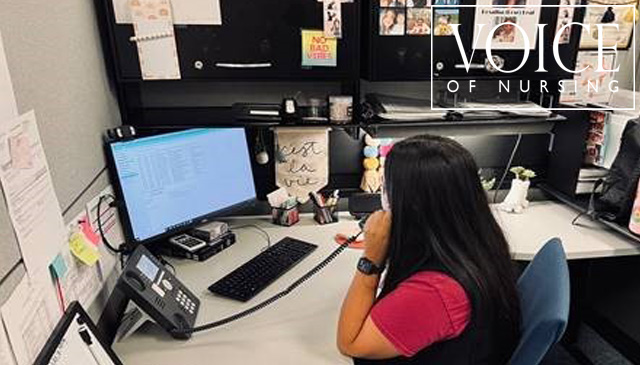
Rose Leal shares her experience of joining TCH this year as one of the first graduate nurses for an outpatient clinic. Read More