September 9, 2014

91014makingamark640

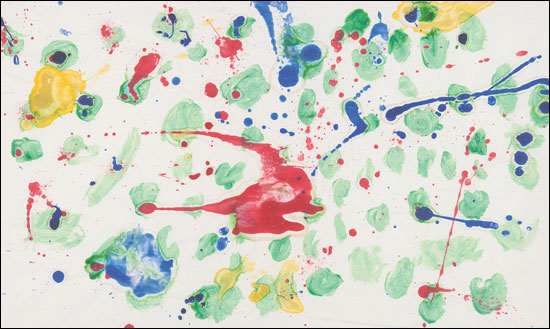
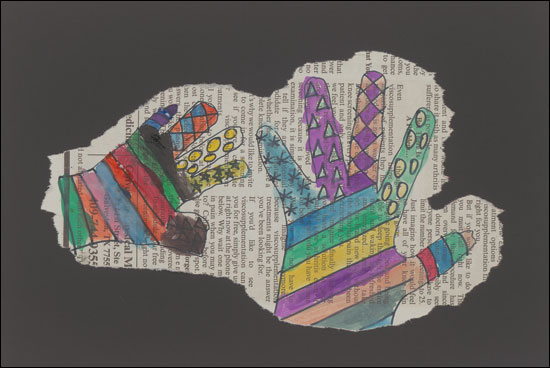
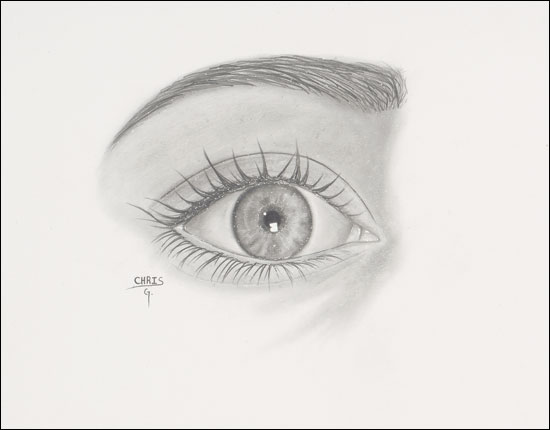
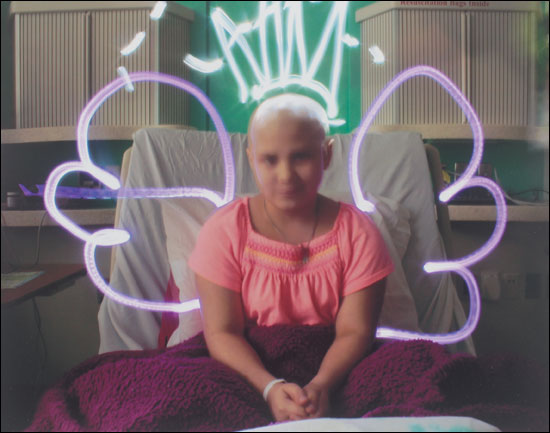
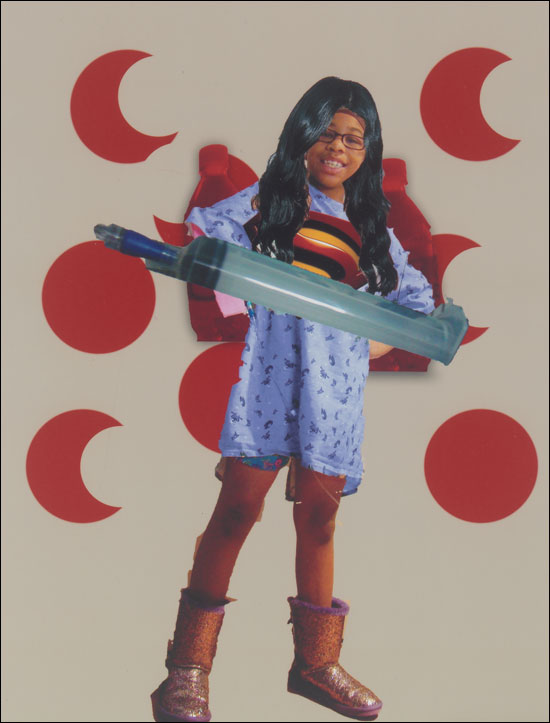
Texas Children’s Cancer Center’s Making a Mark art exhibition is showing on The Auxiliary Bridge until Friday, October 3. Sponsored by the Periwinkle Foundation, this exhibit showcases art created by children ages 3 to 22 who have been affected by cancer and blood disorders. This exhibit will travel to five other Texas locations.

A kick-off party was held in the clinic September 5, prior to the exhibit’s opening September 7.

A panel of judges selected purple ribbon pieces of art they felt most effectively represented Childhood Cancer Awareness Month.

91014milk640

Premature infants have special nutritional needs. Since their fragile bodies cannot consume as much breast milk as full-term babies, they need extra nutrients, minerals and protein to help them grow.

A recent Baylor College of Medicine study led by Texas Children’s Neonatologist Dr. Amy Hair, and published in The Journal of Pediatrics, found that adding a cream supplement in the diets of premature infants improved their growth outcomes in the Neonatal Intensive Care Unit (NICU).

“When premature babies are born, their lungs and other organs are still developing,” said Hair. “They need extra calories to help them grow adequately while in the NICU, thus improving their long-term health and developmental outcomes.”

Hair’s study examined 78 NICU infants weighing less than three pounds at Texas Children’s Newborn Center and the University Health System at San Antonio. Half of the infants received an exclusive human milk diet consisting of mother’s own milk or pasteurized donor breast milk, and a protein fortifier. The other half received the exclusive human milk diet plus a cream supplement derived from pasteurized human milk fat. Researchers found that premature infants who received the cream supplement had better growth outcomes in terms of weight and length than infants who received just the exclusive human milk diet.

“Premature babies can tolerate only a certain amount of feedings since their stomach and intestines are extremely sensitive,” said Hair. “The cream supplement is a natural way to give them fat and boost their caloric intake without changing the volume of milk.”

Texas Children’s is the first hospital in the world to add human milk-based cream to the diets of infants who weigh less than 3.3 pounds. Since our tiniest NICU patients are fed an exclusive human milk diet, this has significantly reduced the rate of necrotizing enterocolitis, a severe and potentially deadly intestinal infection common in premature infants.

“A mother’s milk is the best nutrition a baby can have, which is why we feed only breast milk to the babies in our NICU,” said Nancy Hurst, director of Women’s Support Services at Texas Children’s. “We depend on the generous mothers who donate their excess breast milk to our Milk Bank to ensure our NICU infants have a better chance of survival during this critical stage in their young lives.”

Additionally, Texas Children’s Pavilion for Women has implemented numerous breastfeeding programs for new mothers to ensure their babies get off to a healthy start. The hospital’s focus on neonatal nutrition underscored by its initiatives to promote successful breastfeeding, has helped Texas Children’s inch closer towards achieving the Baby-Friendly Hospital designation.

Click here to learn more about Texas Children’s Milk Bank Donation Program, and click here to read Dr. Hair’s Journal of Pediatrics study.

91014nordstrom640

On September 3, 1,500 guests sipped champagne and cocktails, savored dinner and dessert and shopped the season’s best looks at Nordstrom at The Woodlands Opening Gala. The sold out event’s ticket proceeds and generous donations raised more than $200,000 for Texas Children’s Hospital The Woodlands. The state-of-the-art hospital, slated to open in 2017, is being designed specifically to serve children and families. Guests were the first to preview the new 138,000 square-foot Nordstrom store, which officially opened September 5. The gala was co-chaired by Carol and Phil Garner, and Judy and Glenn Smith. Notable guests included Mark A. Wallace, president and CEO of Texas Children’s and fourth-generation family members Blake, Pete, Erik and Jamie Nordstrom.

DrTracyPatel320Watch the newest “I am Texas Children’s” video featuring employee Dr. Tracy Patel in West Campus – Diabetes and Endocrinology. “Texas Children’s is a wonderful place to learn and practice medicine.

I came here as a trainee in 2007 and decided to pursue my career here. It’s been a rewarding experience taking care of so many diverse patients.”

Check out her video, and find out how you and your coworkers can be featured in the “I Am Texas Children’s” section on Connect.


91014BWjaxon640

By: Sherrell Ogletree

Our son, Jaxon Robert Ogletree, was born on July 25, 2013 at Texas Children’s Pavilion for Women. Dr. Katharine Bolt was my obstetrician and she did a phenomenal job!

The Pavilion for Women was an amazing experience. My labor and delivery room was beautiful and my favorite amenity was the spa-like showers. The staff was very friendly and I even got a celebration cake when Jaxon was born. The nurses were super and the rooms were extremely clean. My room was so huge and the atmosphere really made it feel like home. I am so happy that I was able to have that wonderful experience with my last child.

91014BWjaxon2Once Jaxon was born, I was so excited to hold him and I couldn’t imagine what life would be like without him. He is the sweetest baby and is always full of joy. Having three boys is definitely an adjustment. Sometimes my husband and I look at each other and realize we are outnumbered.

Football season in my house is crazy. The boys rule the television and every so often you will hear yelling as their team scores a touchdown. Jaxon still holds on to his mommy for now but soon I know he will convert.

By Sherrell Ogletree

Being a mother of three boys has brought so much joy and chaos at the same time. After having Jaxon, I decided to start work as a nurse practitioner and I currently work in the Pediatric and Adolescent Gynecology department at Texas Children’s. Adjusting to the new position has been great and spending more time on the weekend with the kids has been even better. I still haven’t learned the concept of balance and I still feel like the term is not real. Instead I choose to place my faith, family, and friends as my priorities and everything else seems to fall into place.

Some of the tips that I have for moms are:

  1. Take joy in the good and the bad. It’s a learning experience in which you and your family grow.
  2. Make sure that you make time for your children EVERY day. Life can be hectic but be sure to sit down and spend time with your kids every day. Make sure it is quality time in which they have your undivided attention. That goes for your husband as well.
  3. Never skip date nights. I believe strong marriages build strong families.
  4. Be flexible. Things will go wrong sometimes but you just have to be adaptable and resilient.

Jaxon is getting so big. Recently, he just got his first hair cut. Since he learned how to walk last month, his adventures have included running from mommy and trying to climb the stairs when no one is looking.

He is still learning how to talk but can clearly let you know when it is time for him to eat. He is such a bundle of joy and smiles every chance he gets. He has six teeth and is learning how to bite more than food.

Life is great for me and my husband and I couldn’t be more grateful for my three boys. I am looking forward to the future.

September 3, 2014

9414conjoinedtwins640

On April 11, identical conjoined twin girls were born at Texas Children’s Pavilion for Women, each weighing about 3 pounds, 7 ounces. Born via Caesarean-section at 31 weeks gestation, Knatalye Hope and Adeline Faith share a liver, diaphragm, pericardial sac (the lining of the heart) and intestines. They were welcomed by their parents, Elysse and John Mata and their older brother Azariah.

Now estimated to weigh 10 pounds, 4 ounces each, the girls are being cared for by a team of specialists at Texas Children’s Newborn Center.

“The twins still require some respiratory support but they are doing well, and we don’t expect them to have any significant setbacks,” said Chief of Neonatology Dr. Stephen Welty.

Plans for surgical separation are being discussed among a team of multidisciplinary specialists. The Mata family and the care team’s goal right now is for the babies to continue to grow and gain weight.

“I expect it to go well,” Welty said in an interview with KHOU on Tuesday. “Will it be easy? No. The best thing to do is to do the safest thing, which is grow them up, get them bigger and healthier with great nutrition and great developmental care and then separate them at a time which is as safe as possible.”

Waiting a few months after the babies’ birth before proceeding with separation helps optimize the lung and organ function, which can minimize the risk of complications.

“Although other facilities have reported early separations, each case is different with regard to the number of organs that needs to be separated,” said Dr. Darrell Cass, co-director of Texas Children’s Fetal Center. “Also, in some instances those cases have experienced complications due to the early separation, which I believe can be avoided.”

Doctors anticipate beginning the twins’ separation process between the ages of 6 months and 8 months. First, our plastic surgery team will place tissue expanders to help induce the growth of additional skin that will be needed once the two babies are separated. The process of tissue expansion is six to eight weeks. Afterward, a multidisciplinary team of specialists will proceed with separation of the twins. The separation will involve many surgeons, including those from Pediatric General Surgery, Urology, Plastic Surgery, Orthopedic Surgery, Cardiac Surgery and Gynecology.

“There will be two surgical teams,” Cass said. “One team will start, and then once the babies are separated, the teams will separate to work on each infant and finish the reconstruction.”

The surgical teams include:

  • Anesthesiology: Dr. Helena Karlberg and Dr. Steve Stayer
  • Pediatric General Surgery: Dr. Darrell Cass (team lead) and Dr. Oluyinka Olutoye
  • Pediatric Urology: Dr. Patricio Gargollo and Dr. Chester Koh
  • Pediatric Plastic Surgery: Dr. Ed Buchanan and Dr. Larry Hollier
  • Pediatric Orthopedic Surgery: Dr. David Antekeir and Dr. Frank Gerow
  • Pediatric Gynecology surgery: Dr. Jennifer Dietrich

Cass said the surgery is risky, as there always is the risk of death for one or both children. However, he believes the risk is small and the team is anticipating an excellent outcome.

9414EMU640

10 West Tower, the epilepsy monitoring unit, recently celebrated 365 days without a hospital acquired pressure ulcer and kept achieving their goals making it now to 445 days without one. It was a team effort which helped improve patient care and outcomes for those who are receiving EEG or electroencephalography monitoring.

Top six ways EMU reached 445 without a HAPU:

  • Process and Practice modifications were implemented with the EMU patients, the techs received skills competency training
  • EMU nurses perform a skin assessment prior to the techs placing the EEG leads on every EMU patient and after the leads are removed
  • The patient is prepped with a less abrasive solution and the patient head is no longer wrapped
  • Use of disposable leads
  • Collodion TM-soaked gauze is applied to the top of the lead over the skin and dried in place.
  • Gel electrodes are utilized for the cheeks due to the sensitivity of this area.

9414EMUinside640

Nurses perform skin assessments twice a shift during prolonged EEG monitoring and at the completion of the study, which include tests for blanching and checking skin integrity. If there is an abnormal finding in the skin assessment, the physician is notified to consider removal of leads, and a referral to a wound care specialist is made.