March 17, 2015


31815NODA640

Mother Teresa once said that no one should die alone and that everyone should die with the sight of a loving face. Spiritual Care is making Mother Teresa’s words a reality at all Texas Children’s Hospital campuses, where unfortunately some of our patients don’t survive.

Most of those patients have loving family members or friends who are by their sides when it’s time for them to go but there are circumstances that don’t make that possible for everyone. For example, the family of a child who is rushed to our hospital for state-of-the-art care can’t make the trip or the mother of a newborn who remains inpatient far away and is the baby’s only family.

For patients such as these, it has typically been the care team’s responsibility to be there for the patient when they pass. The team’s other duties, however, don’t always make that possible. That’s why Spiritual Care has adopted the national, volunteer-centered program “No One Dies Alone,” which provides dying patients without family or friends available with a compassionate individual sitting with them at the time of death.

31815NODA550At Texas Children’s Hospital, that compassionate individual, called a compassionate companion, is an employee who has volunteered to be part of the “No One Dies Alone” program and who has gone through a two-hour training session that addresses the logistical and emotional aspects of being a compassionate companion.

When called to task, the volunteer’s expectation is simple: Quiet reading, perhaps holding a small patient or the hand of an older one. Being there is most important. The volunteer is invited to write in a journal about what happened during their shift. The journal will be given to surviving family or friends.

“The goal of the ‘No One Dies Alone’ program is death with dignity,” said Interim Social Work Manager Ellie Wallace. “Through this program, we can provide companionship to patients in the dying process who are truly alone, and in so doing, provide a gift of respect and dignity to another human being at the end of life.”

Spiritual Care is looking for people who are interested in becoming a “No One Dies Alone” volunteer. Below is some more information about the program and what your responsibilities would be as a volunteer. To sign up or for more information, please call Ext. 4-7223 or visit Spiritual Care’s website.

What is NODA?
“No One Dies Alone” is a national volunteer-centered program that was started at PeaceHealth in Eugene, Oregon in 2001 that has since been adopted for use at Texas Children’s Hospital. Its goal is to provide companionship and support for dying individuals so that no patient dies alone. To accomplish this, compassionate companions are notified by a volunteer phone coordinator to keep vigil. Compassionate companions will rotate through three-hour shifts until the patient passes. During the shifts, the compassionate companions can talk to the patient, hold hands or just be a comforting presence in the room. “No One Dies Alone” began at Texas Children’s Hospital because we believe that every person has worth. Dying is a time to remind individuals of their value to society. Compassionate companions do that as well as ensure that individuals are remembered.

Who can volunteer for NODA?
Any employee at Texas Children’s Hospital can volunteer. This can include students who are present at Texas Children’s Hospital for clinical training or administrative training.

What training is required to be a NODA volunteer?
We require a two-hour training session before you can become a “No One Dies Alone” volunteer. It will help address the logistical and emotional aspects of being a compassionate companion. Volunteer training sessions are held once a month.

How long would I need to commit for a vigil?
You are not expected to stay any longer than your three-hour vigil shift.

Do volunteers come in during all hours of the night?
Yes, the “No One Dies Alone” program is designed to provide the dying patient with continuous company until he or she passes. Volunteers will be scheduled for three-hour shifts until the patient passes.

I’m not religious. Can I still volunteer?
Yes, religious behavior is to only be initiated by the dying patient or family member and not by the companion. At the patient’s request or family members, you can find religious implements and sacred texts in the supply bag along with contact information for the chaplain. Regardless of your religion/non-religion, it should be noted that religious tolerance on both the part of the patient and compassionate companion is expected.

How will I be notified that a vigil is taking place?
Compassionate companions are asked to volunteer to be on call for three-hour blocks. If the program coordinator activates a “No One Dies Alone” vigil, the program coordinator will send an e-blast and begin calling the volunteers who expressed their availability for a vigil.

When are vigils activated?

  • Vigils are activated by the program coordinator when patients meet the following criteria:
  • Are on comfort care
  • Are on a DNR status
  • Are expected to die within 72 hours
  • Do not have family or friends locally
  • Do not have family and friends involved and present

Being a compassionate companion has been a very emotional experience. How do other people process and deal with it?
As a “No One Dies Alone” volunteer, you are privy to one of the most personal aspects of an individual’s life. We understand the significance of what you are experiencing and know the importance of connecting with other compassionate companions to discuss your experiences. Lunch meetings are held once per quarter to get feedback from volunteers. Another suggestion is that you find a way to record your experiences, whether it is painting, poetry or journaling.

31815woodlandsExteriorSign615

To prepare for the opening of Texas Children’s Hospital The Woodlands, Texas Children’s has leased space on Lake Robbins Drive for human resources, development and marketing.

The new office, located at 1501 Lake Robbins Drive Suite 130, opened March 2 and is being used to recruit future employees, on-board staff and educate donors, said Jill Pearsall, assistant vice president of facilities, planning and development. The space will not be used for clinical services.

“We are very excited to have this new office in The Woodlands,” said President of Texas Children’s Hospital The Woodlands Michelle Riley-Brown. “It will allow us to have greater visibility in the community and to share information about the new hospital, which is scheduled to open and be fully operational in 2017.”

Once completed, The Woodlands facility will be a 560,000-square-foot complex and will offer inpatient and outpatient specialty pediatric care. Facilities will include 18 emergency center rooms, 85 outpatient rooms, five radiology rooms, four operating rooms and 32 acute-care and 12 PICU beds with future expansion plans for up to 200 beds.

Along with serving families throughout The Woodlands Area, Texas Children’s anticipates serving families in counties throughout Greater North Houston, including Montgomery, Walker, Grimes, Liberty, Harris, Polk, San Jacinto and Hardin.

In November, Riley-Brown was named president of the hospital and Dr. Charles Hankins was named chief medical officer of the institution. Riley-Brown and Hankins assumed their positions as The Woodlands leadership team in January.

31815DrHowardEpps175

Dr. Howard Epps, assistant chief of Orthopaedic Surgery and medical director of Pediatric Orthopaedics and Scoliosis, was recently appointed leadership positions in two orthopaedic surgery professional organizations.

Epps will join the Board of Directors of the American Academy of Orthopaedic Surgeons as a member-at-large Thursday, March 26 and he will become president of the Texas Orthopaedic Association Saturday, April 18.

“I am honored to have been named to two such distinguished positions,” Epps said. “I take my responsibility with these organizations very seriously and will work hard in these leadership roles to continue to place the field of orthopaedic surgery at the forefront of modern medicine.”

Founded in 1933, the American Academy of Orthopaedic Surgeons is the preeminent provider of musculoskeletal education to orthopaedic surgeons and others in the world. Its continuing medical education activities include a world-renowned annual meeting, multiple CME courses held around the country and at the Orthopaedic Learning Center, and various medical and scientific publications and electronic media materials. The Board of Directors manages the affairs of the academy and the association. It is the administrative authority of the academy and the association and considers all of its activities and determines its policies.

The Texas Orthopaedic Association was founded in 1936 as the united voice of orthopaedic surgeons in the state. Its mission is to ensure outstanding musculoskeletal health for Texans.

Epps is renowned as a leader in the field of pediatric orthopedics, distinguishing himself in a variety of research, clinical and academic roles. His clinical interests include limb deformity and reconstruction, fractures, clubfoot, musculoskeletal infection and cerebral palsy, which led him to author more than 35 book chapters and publications in various academic and medical journals.

After earning an undergraduate degree from Harvard University, Epps received his medical degree from Johns Hopkins University School of Medicine. He did an internship in general surgery at Massachusetts General Hospital and his residency at the Harvard Combined Orthopaedic Surgery Residency Program. Epps also completed a fellowship in pediatric orthopaedic surgery at the Hospital for Sick Children in Toronto, Canada.

In 2002, Epps was an American Academy of Orthopaedic Surgeons Leadership Fellow and has served on the academy’s Patient Safety Committee, Nominating Committee, the Member Communications Oversight Group, the editorial board of AAOS Now, and the Board of Specialty Societies Health Policy Committee.

Epps currently serves as vice present of the Texas Orthopedic Association and secretary of the Pediatric Orthopaedic Society of North America.

31815DrPatricioGargollo175

Dr. Patricio Gargollo, director of the Program for Complex Urogenital Reconstruction, was recently named associate medical director for pediatric surgery of the Simulation Center.

Gargollo’s role in the new position will be to collaborate with the Simulation Center’s medical director, Dr. Jennifer Arnold, to create an expansion of medical simulation education into the areas of pre-, peri- and post-operative care.

“In essence, we want to expand our center to include surgical simulation training,” Gargollo said. “This will include procedural training for residents, fellows, nurses and advanced practice providers. It will also allow us to use the hospital’s international reputation to reach out to an international surgical audience through telemedicine and live simulation courses.”

Lastly, Gargollo said “my hope is to replicate complex surgical cases through simulation in order to prepare surgeons and other providers who may not have the exposure to the type of difficult cases we encounter here at Texas Children’s Hospital.”

“I am very excited about working with Dr. Gargollo and about this new opportunity for the Simulation Center, our staff and our patients,” Arnold said. “It is vital that we identify leaders and champions in surgery in order to expand the educational and patient safety benefits of health care simulation to our perioperative providers and patients.”

The Pediatric Simulation Center at Texas Children’s Hospital is a multidisciplinary, hospital-based center providing hands-on pediatric and obstetric simulation training in a realistic environment to improve patient safety and patient care. In addition to the physical space, the hospital supports the center by allocating full-time personnel including a medical director, assistant director, lead physician, training specialist, systems specialist and now a surgical director.

The hospital’s dedication to the center stems from the fact that 70 percent of mistakes in medicine are due to human error, not lack of medical knowledge. The Simulation Center trains pediatric health care professionals to react and respond to high-risk pediatric and obstetric scenarios in a life-like simulated environment so that risk to patients is substantially lowered in real life situations.

Simulation is a guided technique that recreates a clinical environment and gives health care professionals exposure to high-risk scenarios without putting actual patients at risk. The simulation training experience includes:

  • Simulation exercises on high-fidelity mannequins that mimic real emergencies to facilitate team communication skills and real-time responses
  • Review of video-recorded simulation
  • Debriefing of learners to review and discuss simulation experience

Gargollo recently participated in the Mata conjoined twin separation simulation. During the simulation he, several other surgeons and operating room staff practiced several aspects the surgery, which ended up lasting just over 24 hours.

“Each and every simulation I’ve participated in has helped me prepare for whatever procedure I was about to perform,” Gargollo said. “The experience is truly invaluable and most definitely contributes to the quality of patient care we offer here at Texas Children’s Hospital.”

Gargollo was recruited to Texas Children’s Hospital to be the director of the Program for Complex Urogenital Reconstruction, which specializes in the care of patients with bladder and cloacal exstrophy, cloaca and neurogenic bladder. He also is the co-director of the Urology Robotic and Minimally Invasive Surgery Program. After earning his medical degree at Harvard Medical School, Gargollo completed a residency in general surgery followed by one in urology at Massachusetts General Hospital. He also did a fellowship at Children’s Hospital Boston.

31815teddybearclinig640

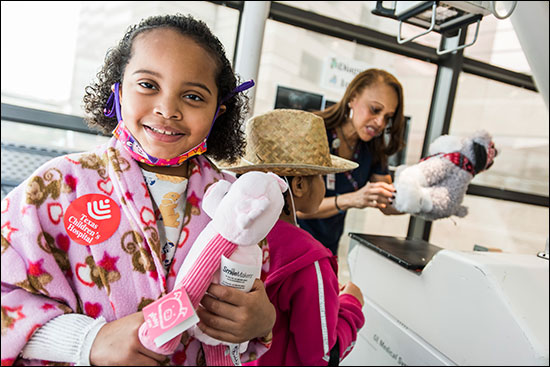
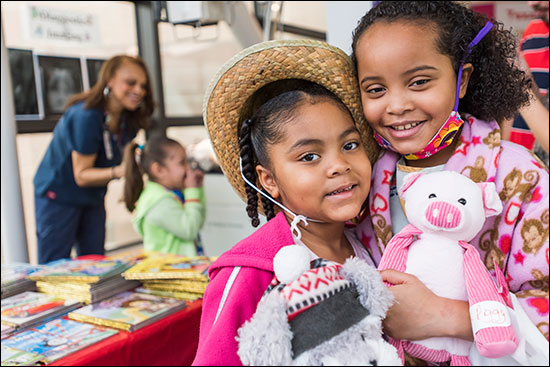
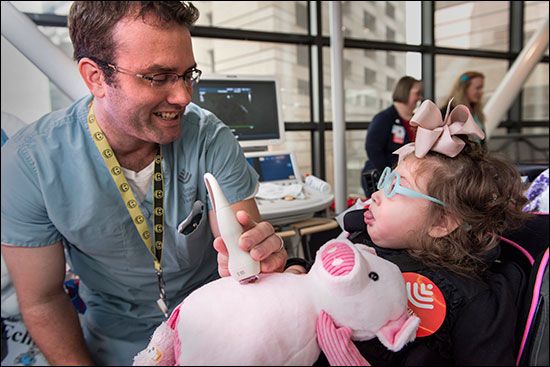
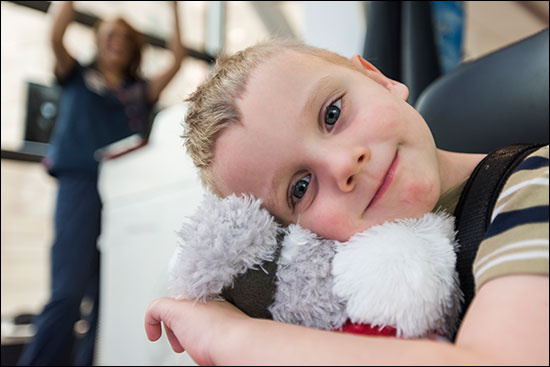
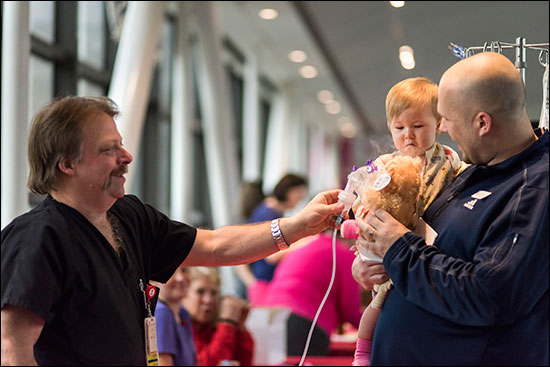
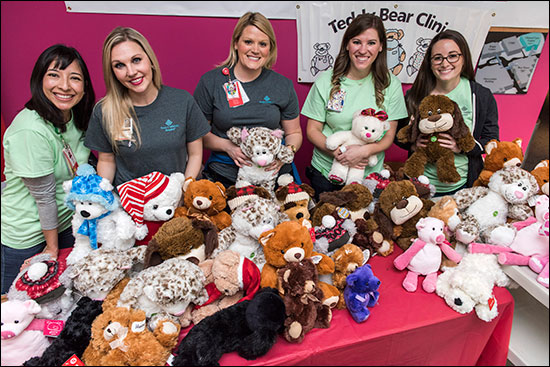
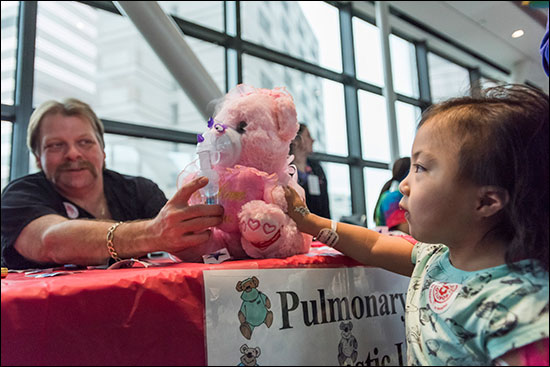
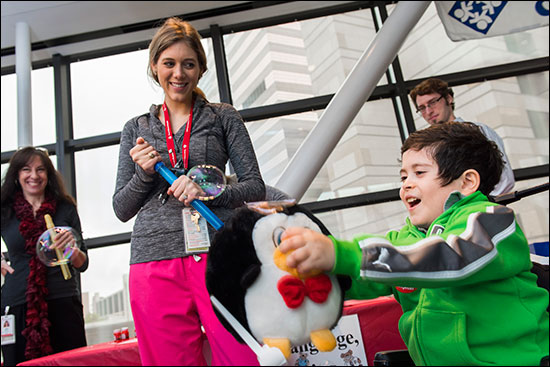
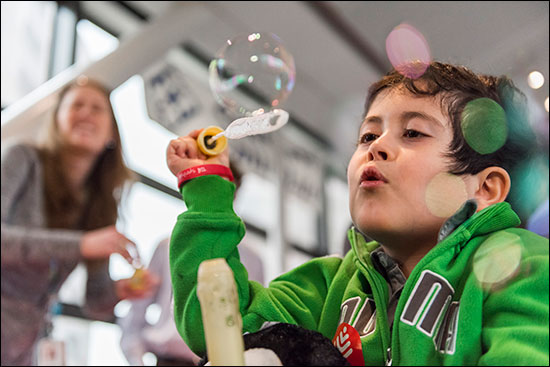
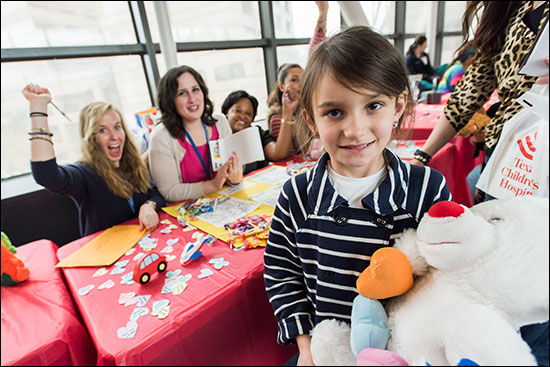
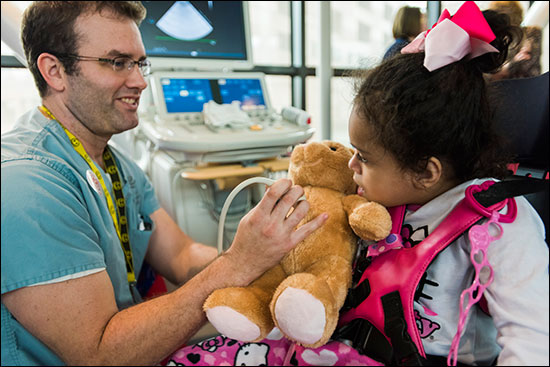
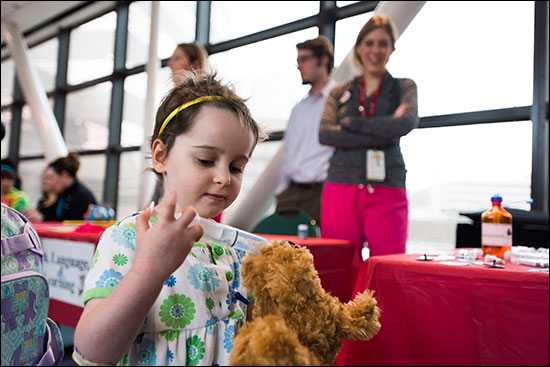
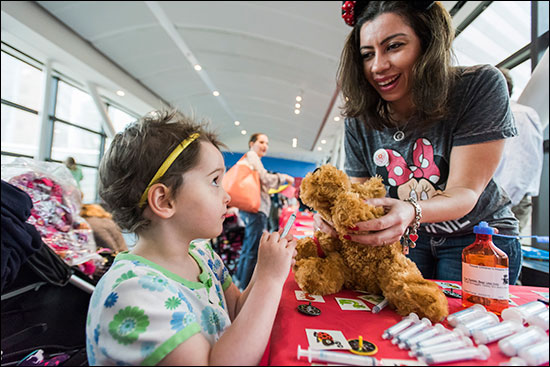
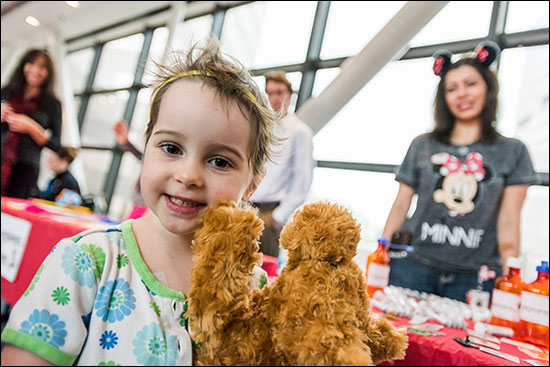
Texas Children’s Child Life Department hosted its annual “Teddy Bear Clinic” March 3 on The Auxiliary Bridge. Patients and families received a free stuffed animal to use as their patient while visiting various stations for check-ups, X-rays and other exams, with the goal of learning more about hospital procedures.

Texas Children’s Child Life department provides developmental, educational and therapeutic interventions for children undergoing medical treatment. Child Life services help children effectively manage stress, which reduces the need for sedatives and pain medications and helps children heal faster with less long-term psychological effects.

With more than 40 child life professionals, Texas Children’s has one of the largest Child Life departments in the country. Child life specialists are professionals who have studied normal child development and the reactions of children to health care settings. The Child Life department has activity coordinators who maintain hospital playrooms, provide bedside play opportunities and facilitate special events to help normalize the environment and promote developmentally appropriate play in all areas of the hospital. In addition, the Child Life department has a very active library for children and families where there are many programs provided from the community. There also is a partnership with HISD to provide educational opportunities for those patients that have long hospitalizations.

Photo Gallery of Event

March 10, 2015

bench and beside Header

Bench and Bedside is a digest of the previous month’s stories about the clinical and academic activities of our physicians and scientists. We welcome your submissions and feedback.

Top news story

Mata-twins-separation-surgery-P

Hope, faith and expertise: Surgical team leads historical Mata conjoined twins surgery

Knatalye Hope and Adeline Faith Mata, conjoined twin girls born at Texas Children’s Pavilion for Women in April 2014, underwent a successful separation surgery on February 17 at Texas Children’s Hospital. Led by surgeon Dr. Darrell Cass, a team of more than 26 clinicians worked together for more than a day to separate the girls who shared a chest wall, lungs, pericardial sac, diaphragm, liver, intestines, colon and pelvis. Watch the video or read the story for a behind-the-scenes look at this monumental undertaking.

February 25

Surgical Seed Grant Award recipients named

Six researchers representing congenital heart surgery, general surgery, ophthalmology and plastic surgery were recently named the recipients of the 2015 Surgical Seed Grant Awards given by the Department of Surgery. This grant program allows surgery researchers to generate the preliminary data necessary for National Institutes of Health (NIH) grant applications and other extramural funding. In total, more than $275,000 in grants will be awarded to the following recipients:

  • Ophthalmologist Dr. Lingun Kong Intravitreal Polymer Nanoparticle Drug Delivery System for Treatment of Retinopathy of Prematurity
  • Congenital Heart Surgeon Dr. Carlos Mery Development of a Novel Open Fetal Cardiac Surgical Intervention for Creation of an Atrial Septal Defect in Patients with Hypoplastic left Heart Syndrome & an Intact or Highly Restrictive Atrial Septum
  • Plastic Surgeon Dr. Edward Buchanan Psychometric Assessment of the Medical Interview in the Pediatric Population
  • Congenital Heart Surgeon Dr. Iki Adachi Pediatric Myocardial Alterations in Response to Ventricular Assist Devices
  • Ophthalmologist Dr. Mohamed Hussein Exploring the Role of the Choroid and the Autonomic Innervation in the Development of Retinopathy of Prematurity
  • Pediatric General Surgeon Dr. Sanjeev Vasudevan A “Pan-Omic” Analysis of Vascular Invasion in Pediatric Solid Tumors

Read more about the Surgical Seed Grant Awards.

February 24

22515autisminside495

Luna co-leads GI study to offer hope for son, children with autism spectrum disorders

Have you ever wondered why life leads us down certain career paths? For Dr. Ruth Ann Luna, the answer is obvious – her immense curiosity and passion for research to improve the quality of life for sick children. As director of Medical Metagenomics at Texas Children’s Microbiome Center, Luna focuses much of her research on the link between disturbances in the gut microbiome – bacterial communities in the gastrointestinal (GI) tract – and GI symptoms in children. Read more

February 17

Texas Children’s expands its subspecialty, therapy services to Kingwood

Quality is key, but convenience also plays a big part in the decision-making process when parents are looking for subspecialty and therapy services. That’s why Texas Children’s works to make such services convenient to families throughout the Greater Houston area. The organization’s most recent efforts focus on Kingwood, where Texas Children’s Specialty Care at Kingwood Glen recently, and Texas Children’s Hospital Outpatient Therapy at Kingwood Glen and Texas Children’s Hospital Sports Medicine Therapy at Kingwood Glen opened in October. Read more

21815placentapercreta640

Multidisciplinary care enhances outcomes for women with placenta accreta

Due to our success in treating the most severe cases of morbidly adherent placenta, Texas Children’s Pavilion for Women continues to attract numerous patients from across the country. With the rise of caesarean births in the U.S., this potentially life-threatening condition is becoming more common among pregnant women. Morbidly adherent placenta – known as placenta accreta, increta or percreta, depending on the depth of uterine invasion – occurs when the placenta and its blood vessels grow deeply into the wall of the uterus and is unable to detach after childbirth. “The number of women we care for with morbidly adherent placenta is rapidly escalating as our outcomes continue to attract a growing number of referrals,” said Texas Children’s OB/GYN-in-Chief Dr. Michael Belfort, a world-renowned placenta accreta expert and founder of the Morbidly Adherent Placenta Program at Baylor College of Medicine. Read more

Texas Children’s Pediatrics opens sixth Community Cares practice

In February, Texas Children’s Pediatrics announced Texas Children’s Pediatrics Kingsland as its newest practice. Located at 21715 Kingsland Blvd., Suite 103, in Katy, Texas Children’s Pediatrics Kingsland is among six practices in the Texas Children’s Pediatrics Community Cares Program. The Community Cares Program provides trusted, high-quality pediatric medical services for children who otherwise would seek care from emergency rooms or possibly go without care or treatment due to low family incomes and/or lack of health insurance. Dr. Punita Sunder serves as the primary physician at Texas Children’s Pediatrics Kingsland. Board certified by the American Board of Pediatrics, Sunder received her undergraduate degree from Rice University and earned her medical degree from Baylor College of Medicine. She earned her doctorate in philosophy from The University of Texas Medical Branch and completed her residency at Baylor. Read more

February 10

21115Twins3d640

3-D Model of Mata twins helps surgeons prepare for girls’ separation

In the months before the separation surgery of conjoined twin girls Knatalye Hope and Adeline Faith Mata, comprehensive, multidisciplinary planning was underway. With help from a Dallas printing company, Chief of Radiology Research and Cardiac Imaging Dr. Rajesh Krishnamurthy built a 3-D model of the twins’ anatomy to help surgeons plan for the girls’ separation. The model was built using a computerized image data set of the twins and a 3-D printer. The detailed model includes a detachable, transparent liver and was especially helpful in the planning of the pelvic portion of the surgery, which presented an interesting and challenging anatomical situation because each girl had her own pelvic organs but each of those organs received blood supply from the other girl. Watch the video or read the story about the 3-D model. Read more

Friends, colleagues attend Singleton tribute ceremony

Family, friends and former colleagues of the late Dr. Edward B. Singleton, Chief Emeritus of the Edward B. Singleton Department of Pediatric Radiology, gathered to celebrate the life of the late physician and relive their favorite memories of the jovial Singleton. Browse the photo gallery to see some of the moments from this tribute ceremony. View the photo gallery.

February 9

21115drmilewicz175

Milewicz named chief surgical officer at Texas Children’s Hospital West Campus

In February, Texas Children’s Hospital West Campus announced Dr. Allen Milewicz as chief surgical officer. In his new role, Milewicz will be responsible for organizing Texas Children’s surgery within the community, focusing on Texas Children’s Hospital West Campus. Additionally, he will be working in conjunction with the entire Texas Children’s Department of Surgery to optimize surgical service for patients, families and referring physicians. “I look forward to expanding surgical services in the community while ensuring that each patient receives the experience, expertise and clinical outcomes for which Texas Children’s is known,” Milewicz said. Read more

February 6

Cutting Edge of Pediatrics conference draws more than 100 participants

The first “Cutting Edge of Pediatrics” conference sponsored by the Department of Surgery was held in January, providing 138 Houston-area pediatricians, family practice physicians and advanced practice providers an opportunity to learn about common pediatric surgical conditions from Texas Children’s surgeons. The surgeons and pediatric providers engaged in lively discussions of the topics, which included anesthesia, ethics, adolescent gynecology, ophthalmology, orthopedics, otolaryngology, pediatric general surgery, plastic surgery and urology. Following a welcome from Surgeon-in-Chief Dr. Charles D. Fraser, Jr., presenters included Dr. Dean Andropoulos, Dr. Jennifer Bercaw-Pratt, Dr. David Coats, Dr. Nicolette Janzen, Dr. Edward Lee, Dr. Mark Mazziotti, Dr. Julina Ongkasuwan, Dr. Scott Rosenfeld and Dr. Veeral Shah. Read more

February 3

Texas Children’s researchers push for universal newborn biliary atresia screening

Texas Children’s pediatric gastroenterologist Dr. Sanjiv Harpavat is working to ensure every newborn is screened for biliary atresia, a rare but deadly liver disease affecting 1 in 10,000 births in the U.S. It’s the number one reason for liver transplants in infants. Biliary atresia occurs when the bile duct connecting the liver to the small intestine is blocked. The buildup of bile in the liver scars the tissue so rapidly that most infants need a liver transplant to survive. “Infants with biliary atresia have more scarring after the first few months of life than a chronic alcoholic’s liver,” said Harpavat. “An important way to improve their outcomes is by detecting and treating the disease early before symptoms appear.” Read more

February 2

2415cmdavis175

CRC presents research award to Dr. Carla Davis

The Clinical Research Center presented the Clinical Research Award for Fourth Quarter 2014 to Dr. Carla Davis, Pediatrics-Allergy & Immunology, Baylor College of Medicine. The award was established by the Clinical Research Center in collaboration with the Research Resources Office to recognize and honor individual contributions to protecting the best interest of the research subjects and compliance with applicable rules and regulations.

Submissions for Bench and Bedside

Bench and Bedside is produced monthly by Texas Children’s Corporate Communications team to spotlight recent news about Texas Children’s physicians and scientists. The team welcomes submissions related to speaking engagements, staff awards/recognition, research, clinical work and academic activities. Send your questions or submissions to connectnews@texaschildrens.org.

31115Neurologistsgroupwids640

Ten dedicated physicians recently joined Texas Children’s neurology team, which means more patients will receive enhanced access to care for neurological disorders with significantly reduced wait times.

As one of the largest pediatric neurology services in the nation, more than 30,000 patient visits occur each year in the 13 specialty clinics at Texas Children’s Neuroscience Center. Patients are treated for a number of conditions including epilepsy, cerebral palsy, Rett syndrome and movement disorders.

To ensure the full continuum of neurological care for these patients, Texas Children’s Chief of Neurology Dr. Gary Clark has always made it a priority to encourage and recruit more physicians into the field of neurology.

“As the medical community approaches retirement, we’re facing a local and national shortage of pediatric neurologists to fill this critical gap in patient care,” Clark said. “The average age of a child neurologist is 58.”

Using a portion of the $3.1 million received through a Medicaid waiver program from the state of Texas, Clark recruited 10 new neurologists, bringing the total of pediatric neurologists to 56. While many of the new recruits see patients at the Clinical Care Center on the Main Campus, Dr. Shannon DiCarlo is assigned to the Sugar Land location and Dr. Edward Espinelli sees patients in The Woodlands.

Besides expanding Texas Children’s neurology residency program, the additional state funding will be used to develop new programs for the hospital, including the nerve critical care service and a neonatal neurology service to diagnose and treat neonates with neurologic disease early to improve their long term developmental outcomes. Other priorities include expanding the neonatal follow-up program and developing the neurologic follow-up program.

“We are pleased to have these neurologists join our team so we can continue to better serve our patients and their families across the Greater Houston area,” Clark said.

New Neurologists

31115RohiniCoorg175Dr. Rohini Coorg:
Dr. Rohini Coorg is a neurologist within Texas Children’s Comprehensive Epilepsy Program and specializes in the diagnosis and treatment of children with seizures and epilepsy.
Coorg is board-certified in child neurology, clinical neurophysiology and epilepsy. She has a special clinical interest in genetic epilepsies, including Tuberous Sclerosis Complex, a rare genetic disease that causes children to develop benign tumors in their brain and other vital organs, increasing the risk of developing epilepsy and autism spectrum disorders.
Coorg obtained her undergraduate degree at Washington University in St. Louis and medical degree at the University of Texas Health Science Center at San Antonio. She completed a child neurology residency at University of California-Irvine and completed two fellowships in clinical neurophysiology and pediatric epilepsy at Washington University School of Medicine in St. Louis.
Coorg is an assistant professor of pediatrics and neurology at Baylor College of Medicine. She also is a member of the Child Neurology Society and American Epilepsy Society.

Dr. Gloria Diaz-Medina:
Dr. Gloria Diaz-Medina received her medical degree from the University of Puerto Rico School of Medicine and completed her pediatric residency at the University of Puerto Rico Pediatric Hospital. She completed a fellowship in pediatric neurology at Mayo Clinic College of Medicine in Rochester, Minnesota and a clinical neurophysiology fellowship at Baylor College of Medicine.
Diaz-Medina’s clinical and research interests include epilepsy and general pediatric neurology disorders.
Diaz-Medina is an assistant professor of pediatric neurology at Baylor. She is a member of the American Academy of Neurology, Child Neurology Society, Mayo Clinic Alumni Association and the American Epilepsy Society.

Dr. Shannon DiCarlo:
Dr. Shannon DiCarlo is a neurologist at Texas Children’s Combined Spasticity Management Clinic where she treats children with spasticity (muscle stiffness) associated with central nervous system disorders including cerebral palsy, traumatic brain injury, spinal cord injury and stroke. She also sees patients at Texas Children’s Sugar Land location.
DiCarlo obtained her undergraduate degree in psychology at the University of Texas in Austin and earned her medical degree from the University of Texas Houston Medical School. She completed residency training in pediatrics and child neurology at Baylor College of Medicine.
DiCarlo, an assistant professor of Pediatrics-Neurology at Baylor College of Medicine, is a member of the American Academy of Neurology and Child Neurology Society.

31115Emrick175Dr. Lisa Emrick:
Dr. Lisa Emrick received her medical degree from the University of Vermont College of Medicine. She completed her pediatric residency at Johns Hopkins Children’s Hospital in Baltimore and completed four years of training in neurodevelopmental disabilities (NDD) at Johns Hopkins and Kennedy Krieger Institute. Emrick moved to Houston to complete a two year genetics residency and a one year fellowship awarded by the United Mitochondrial Disease Foundation to focus on patients with mitochondrial disorders.
Emrick’s clinic and research interests include optimizing the care of children with neurogenetic disorders with an emphasis on mitochondrial disorders. Emrick collaborates with experts at Texas Children’s Fetal Center providing consults on fetuses with possible central nervous system malformations.
Emrick is a co-investigator on multiple clinical trials involving the management of children with neurogenetic disorders including Angelman syndrome and mitochondrial disorders. She also is a co-investigator for the National Institutes of Health’s Undiagnosed Diseases Network and has published research in multiple peer-reviewed journals.
Emrick is an assistant professor of child neurology at Baylor. She is a member of the American Academy of Neurology, Child Neurology Society, Kennedy Krieger Fellows Association, American Medical College of Genetics and Genomics, American Academy of Pediatrics and the Mitochondrial and Medicine Society.

31115EdwardEspinelli175Dr. Edward Espinelli:
Born and raised in North Houston, Dr. Edward Espinelli provides neurological care to patients at Texas Children’s The Woodlands Campus where he treats a broad range of neurological conditions including headaches, seizures, autism, developmental delay, cerebral palsy, dysautonomia and concussion.
Espinelli obtained his medical degree at the University of Texas Medical School at Houston, and while he was there, he completed his residency in pediatrics and a fellowship in pediatric neurology.
Espineli is board certified in Neurology with special qualifications in child neurology. His philosophy of care centers on caring for his patients as if they were his own family.
Espinelli is an assistant professor in the department of Neurology and Developmental Neuroscience at Baylor College of Medicine. He is a member of the Child Neurology Society, American Academy of Neurology, Texas Neurological Society, Texas Medical Association and the Harris County Medical Society.

Dr. Simon Kayyal:
Dr. Simon Kayyal, an assistant professor of pediatrics and neurology at Baylor College of Medicine, recently joined Texas Children’s neurology team where he will co-lead the development of a neonatal neurology service.
Kayyal received his medical degree from the University of Texas Medical School at Houston before completing his residency in pediatrics and child neurology at UT Southwestern Children’s Hospital of Dallas.
During his postdoctoral training, Kayyal observed many children and adolescent patients with irreversible brain injuries, which immediately sparked his interest in neonatal neurology. His philosophy of care centers on diagnosing neurologic conditions as early as possible when the brain is still developing to improve long-term outcomes. Kayyal is collaborating with neonatologists to develop Texas Children’s Neuro-NICU program and establish a protocol to determine where newborns will follow-up once they have been discharged from the Neuro-NICU.
In addition to this new role, Kayyal lectures medical students rotating through the neurology clerkship to help them prepare for the neurology shelf exams. He also provides specialized lectures to residents and fellows to prep them for the board exams and get better acquainted with the hospital and outpatient settings.

Dr. Meena Murti:
Dr. Meena Murti is a neurologist at Texas Children’s Sleep Center and Laboratory where she treats children with sleep disorders including hypersomnia, sleep apnea, insomnia, circadian rhythm disorders and restless leg syndrome.
Murti obtained her undergraduate degree in biochemistry and policy studies from Rice University and her medical degree from Baylor College of Medicine. She completed her pediatrics residency at Baylor and completed a fellowship in sleep medicine at the University of Michigan in Ann Arbor.
Murti is board certified in pediatrics and sleep medicine, and is a clinical assistant professor of sleep medicine at Baylor. She is also a member of the American Academy of Sleep Medicine and a fellow of the American Academy of Pediatrics.

Dr. Anuranjita Nayak:
Dr. Anuranjita Nayak received her medical degree from V.S.S. Medical College in Odisha, India. She completed her pediatric residency in Monmouth Medical Center in Long Branch, New Jersey and completed her child neurology residency at Saint Louis University School of Medicine in St. Louis, MO. She also obtained a fellowship in clinical neurophysiology from the University of Florida in Gainesville.
Nayak’s clinical and research interests include epilepsy, epilepsy surgery, neurocutaneous syndromes and pediatric strokes.
Nayak is an assistant professor of neurology and neurodevelopmental disabilities at Baylor College of Medicine. She is a member of the American Academy of Neurology, American Academy of Pediatrics and American Epilepsy Society.

Dr. Mered Parnes:
Dr. Mered Parnes is an attending neurologist at Texas Children’s Pediatric Movement Disorders Clinic where he treats patients with impairments of body movement and control.
Parnes earned his medical degree at Drexel University College of Medicine (formerly Medical College of Pennsylvania-Hahnemann School of Medicine) in Philadelphia. He completed his general pediatric residency at SUNY Downstate Hospital in Brooklyn before moving to Houston where he entered the Neurodevelopmental Disabilities Residency Program. Parnes became drawn to the field of movement disorders, and was invited to enter the Baylor Movement Disroders Fellowship Training Program. He is currently completing his fellowship while seeing patients in the Pediatric Movement Disorders Clinic.
Parnes is board certified in neurology with a special qualification in child neurology. His clinical and research interests include pediatric movement disorders such as Tourette syndrome and neurodevelopmental disabilities.
Parnes sits on the Tourette Syndrome Association of Texas Medical Advisory Board, and is a member of the American Academy of Neurology, the Child Neurology Society and the Movement Disorder Society.

Dr. Monika Ummat:
Dr. Monika Ummat is assistant professor of pediatrics at Baylor College of Medicine and serves as faculty in the Neurophysiology Department and Epilepsy Monitoring Unit at Texas Children’s.
She specializes in treating children with seizures, epilepsy and other neurological disorders.
Ummat obtained her medical degree from Bharati Vidyapeeth Medical College in Pune, India. She completed residencies in pediatrics and child neurology at Baylor before completing a child neurophysiology fellowship at Duke University Medical Center in Durham, North Carolina.
Ummat is a member of American Academy of Neurology, Child Neurology Society, American Epilepsy Society and Clinical Neurophysiology Society.