March 8, 2016

Honorary chairs

Texas Children’s Hospital is proud to announce Robert and Janice McNair as honorary chairs of Promise: The Campaign for Texas Children’s Hospital. The comprehensive $475 million fundraising effort will help ensure the future of Texas Children’s as the leading pediatric and women’s health care provider for greater Houston, the state of Texas and beyond.

“Bob and Janice McNair are highly respected leaders in the Houston community and faithful, longtime donors and friends of Texas Children’s Hospital,” said Mark A. Wallace, president and CEO of Texas Children’s Hospital. “Their support as honorary chairs of the Promise Campaign will be invaluable in helping us achieve our goal and ultimately fulfill our promise of providing specialized care to every child who comes to Texas Children’s for help.”

The Promise Campaign focuses on several initiatives including improving facilities for critical, surgical and emergency care services at the hospital’s main campus in>the Texas Medical Center, as well as the construction of Texas Children’s Hospital The Woodlands, a 548,000-square-foot dedicated pediatric hospital, which will care for children in communities north of Houston.

“Serving as honorary chairs of the Promise Campaign is a wonderful way for us to help ensure that every child in our community has the highest quality care and the best possible chance to live a long, fulfilling life,” said Robert McNair.

The goal of the fundraising endeavor is to help ensure Texas Children’s has the infrastructure in place to meet the needs of the patients it serves five, 10 and even 20 years from now.

“Any visionary can take on a bold endeavor,” said Michael Linn, Promise Campaign chair. “Successfully completing one of this magnitude requires a team with extraordinary leaders like Bob and Janice McNair, who embrace the vision, give their all to fulfill it and inspire others to do the same.”


Texas Children’s is committed to providing the very best care to all children who come to the hospital for help. It is essential to give the right care, at the right time, in the right place — and to do so, it is essential that Texas Children’s continue to grow.


For more information about the Promise Campaign, watch this video.


To learn more about the Promise Campaign, visit texaschildrens.org/promise.

hero-teddy-640

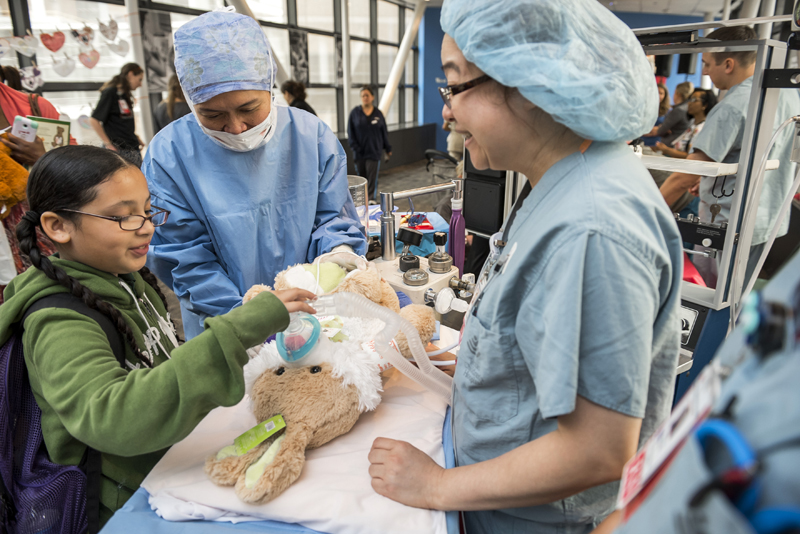
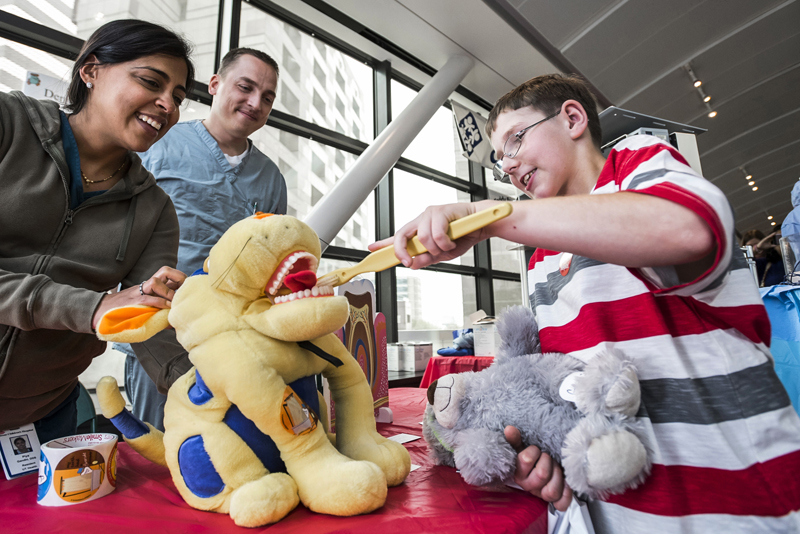
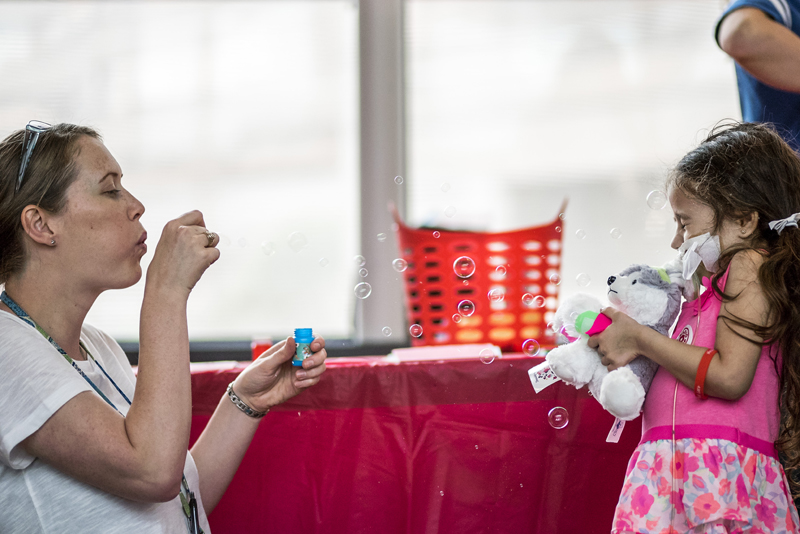
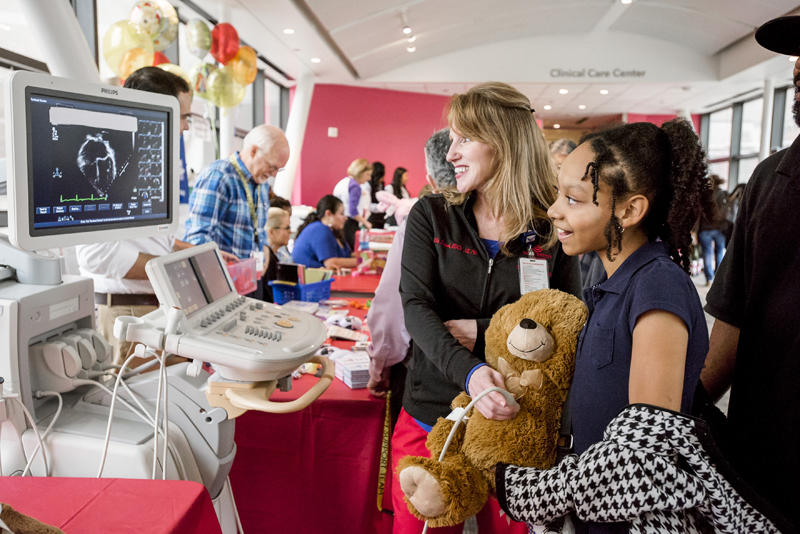
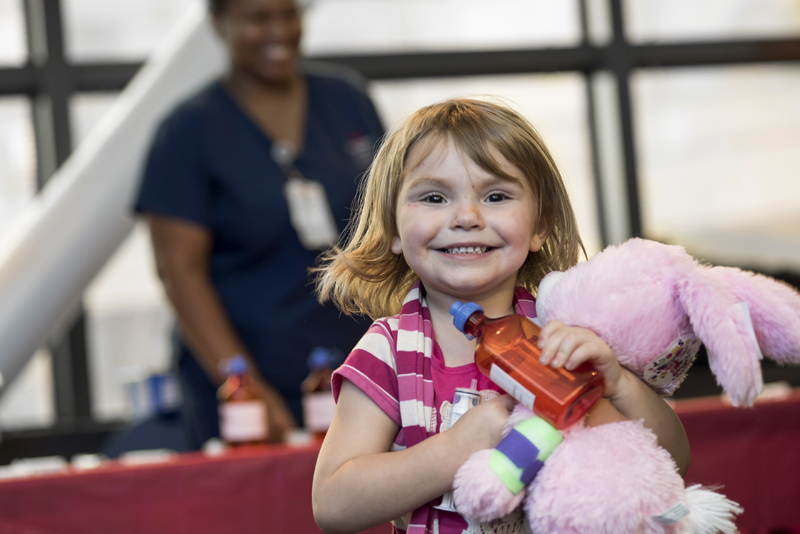
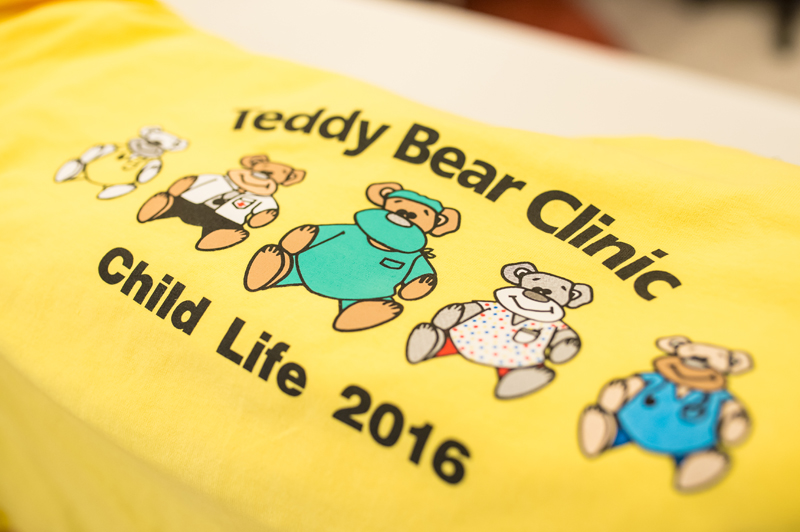
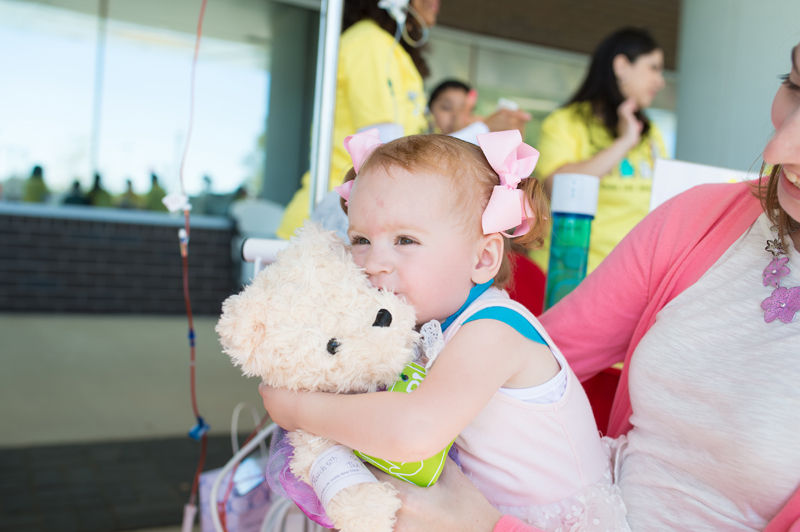
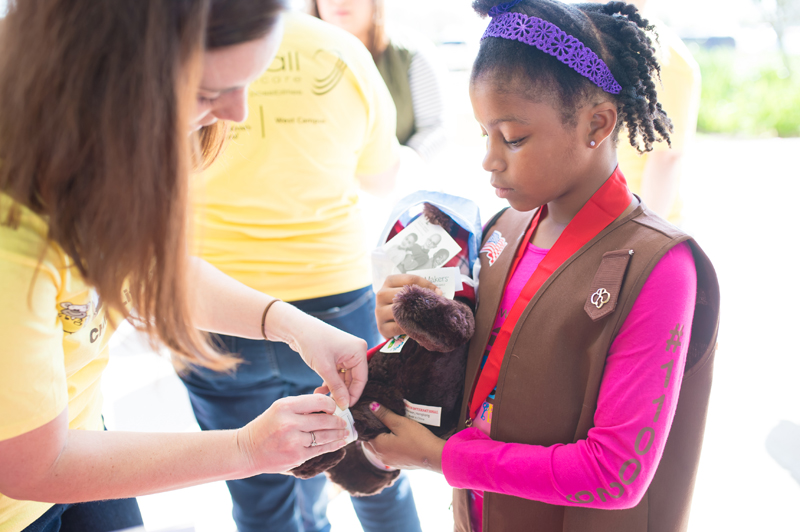
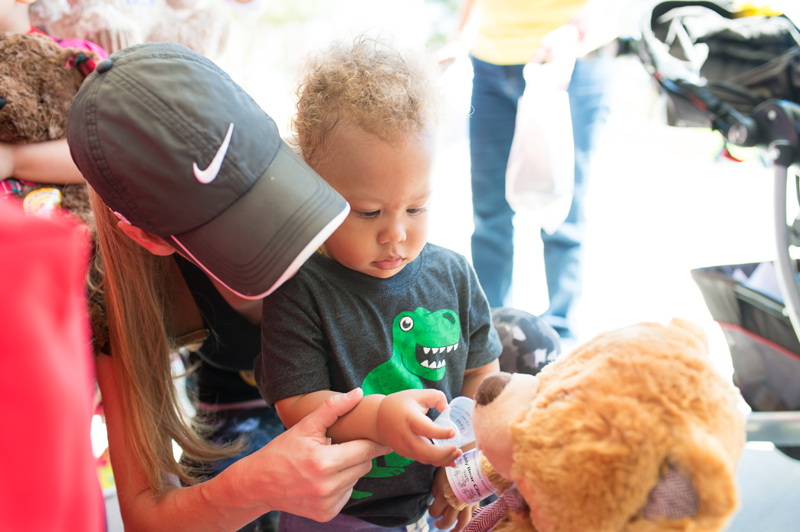
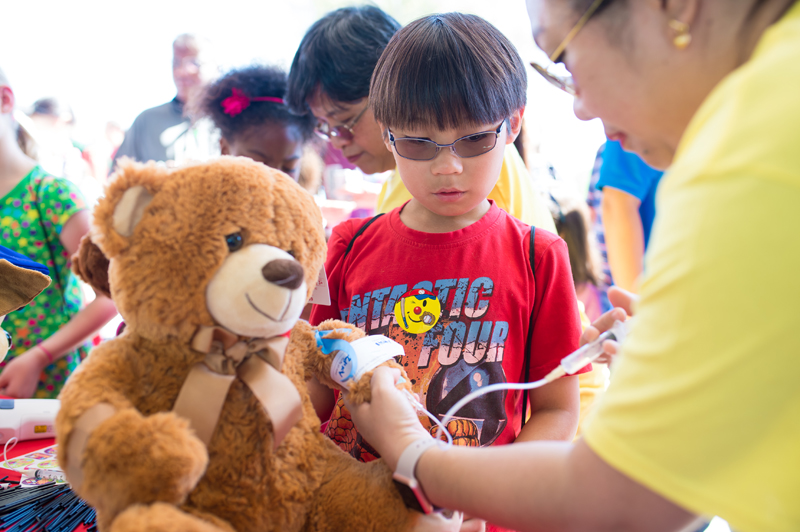
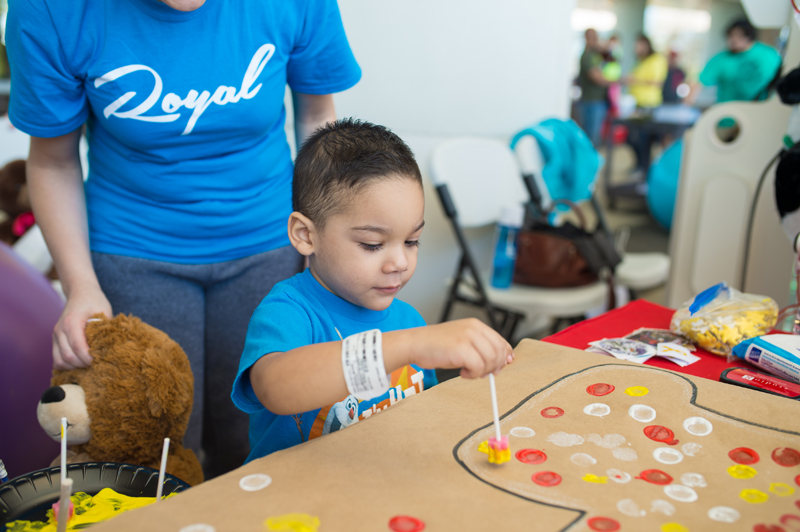
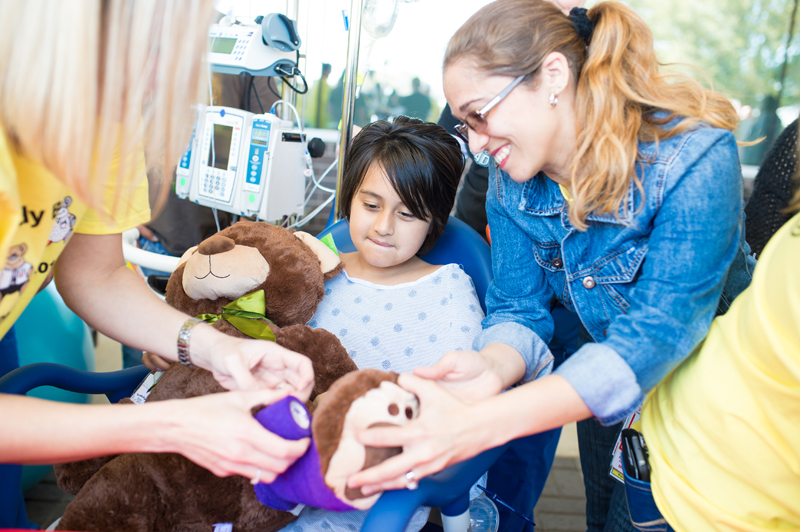
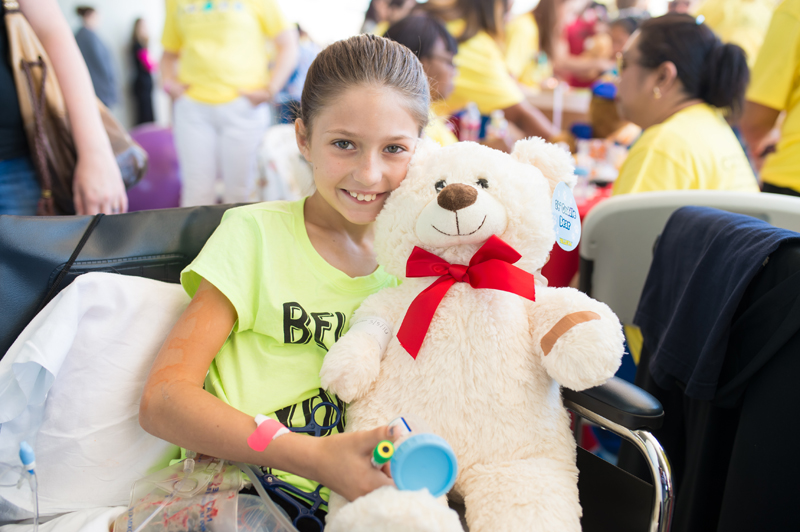
Hundreds of children recently gathered with hospital staff on the 3rd floor Auxiliary bridge of Texas Children’s Hospital and outside the main entrance of Texas Children’s Hospital West Campus to participate in one of the medical system’s most popular events – the annual teddy bear clinic.

During the clinic, children are given the opportunity to act out the roles of various health care staff such as doctors, nurses, therapists and technicians. Children pretend to perform a variety of tests, exams and therapies to diagnosis their Teddy bear’s symptoms and heal its body.

Hosted by Child Life to celebrate national Child Life Week, the event celebrates our patients and families and how the intimate world of play is used to encourage children’s learning and support children’s coping.

Pediatric Tower E simulations

What happens when a multidisciplinary team engages in 32 hours of simulated-based design tests on patient care spaces inside a mocked-up “critical care” warehouse? More than 100 latent safety threats are detected before construction begins.

As part of the Pediatric Tower E vertical expansion project, Texas Children’s Simulation Center and the CareFirst Quality, Service and Safety (QSS) Project Team coordinated a series of high-risk patient care scenarios to drive the design of the space for the patient rooms in the cardiovascular intensive care unit (CVICU), pediatric intensive care unit (PICU) and the progressive care unit (PCU).

“A specific concern in a new healthcare facility or patient care process is the existence of unrecognized or latent threats to safety that could affect actual patients once the facility opens,” said Texas Children’s Simulation Center Medical Director Dr. Jennifer Arnold. “Simulation allows us to test patient care spaces before final design decisions are made to avoid costly mistakes that could potentially impact patient safety, patient/family experience and provider satisfaction. To make modifications after a facility is built can be very expensive or sometimes even impossible.”

Following a needs assessment to identify the high-priority areas for testing of the new space, patient care simulations including the worst case scenario in the intensive care unit were conducted inside a large warehouse mock-up that resembled a critical care environment. A multidisciplinary team of intensivists, nurses, surgeons, anesthesiologists, respiratory therapists, patient families and other clinical support staff, participated in the four-day simulations and provided their feedback.

“I was involved on the PICU and PCU days and the staff who participated made me so proud,” said Texas Children’s Clinical Care Nursing Director Shannon Holland. “They were engaged and committed to ensuring we create the best possible environments to care for our patients and their families.”

During these simulations, 115 latent safety threats were identified and categorized based on Safe Hospital Design Principles outlined by the Agency for Healthcare Research and Quality.

Recommendations for design were received on the areas below. Clinicians prioritized recommendations and are continuing to work with the design team to incorporate into the final design.

  • Visibility into room
  • Visibility and monitoring between rooms
  • Equipment and technology placement within room
  • Storage solutions within room
  • Family space design

“All patient rooms will be configured to provide dedicated space for our patients, providers and families,” said CareFirst Clinical Senior Project Manager Maria Happe. “Providing a dedicated family space within the intensive care rooms helps to promote and enhance family engagement and patient and family-centered care for our most critically ill patients.”

Family advisors like Ed Wolff and his wife, whose daughter spent five and a half months in the NICU at Texas Children’s in 2004 followed by three and a half months in the CVICU, were key partners in the simulations. They shared valuable perspectives on how to customize the new space to fit the unique needs of patients and families in a critical care environment.

“These new rooms will bring family-centered care to the next level,” Wolff said. “A nurse may be with your child for 12 hours, and they see a lot, but the parents are there 24 hours a day during shift changes. By adding a family space, parents can be at the bedside with their critically ill child and can easily observe the monitors from the family space, which I think in the end, will lead to even better outcomes.”

Dr. Patricia Bastero, a pediatric intensive care physician and associate director of ECMO at Texas Children’s Heart Center, says these collaborations reflect our unwavering commitment to patient care.

“Building a simulated hospital to test all possible scenarios in real life, discard all the bad options and come up with the best solutions exemplifies our passion for what we do,” Bastero said. “This was a team effort on many different levels to ensure a safe environment of care is cultivated for our critically ill patients and their families.”

In just five short years, Texas Children’s Hospital West Campus has gone from being a brand new suburban hospital to a staple in the West Houston community. The services patients and their families previously drove to the Medical Center for are now at a convenient and accessible location near their own backyards.

Designed exclusively for children, West Campus boasts a highly trained pediatric team that engaged in more than 300,000 patient encounters last year through services in outpatient care, inpatient care, surgery and the emergency center. The number of patient encounters has tripled since West Campus opened its doors in April 2011 and totals 750,000 for the past five years.

During the first year West Campus was open, almost 2,000 surgical procedures and close to 16,000 radiology procedures were performed. Last year, nearly 6,000 surgical procedures and more than 49,000 radiology procedures were conducted at West Campus. That’s an increase of more than 200 percent.
Daily inpatient census at West Campus has skyrocketed too, going from seven during the hospital’s first year to 32 last year, an increase of almost 360 percent.

“West Campus has had unbelievable growth over the past several years,” said West Campus President Chanda Cashen Chacón. “We will continue to build on those successes, listen to the community and provide the services they need.”

Some major milestones for West Campus include:

  • Recognition for the past three years as a Top Children’s Hospital by the Leapfrog Group, an organization that provides the only national, public comparison of hospitals across safety, quality and efficiency dimensions. West Campus is among an elite group of only 12 children’s hospitals and is the only children’s hospital in Houston to be recognized with this prestigious distinction.
  • Activation of the system’s first helipad, which has been used frequently and allows for faster transport and subsequently quicker treatment.
  • Expansion of the Pediatric Intensive Care Unit from eight beds to 16 beds, allowing the unit to see more than 2,000 patients in just five months.
  • Construction of a $16 million, 18-bed expansion of the hospital’s acute care capacity. The new unit includes an eight-bed special isolation unit designed for children with highly contagious infectious diseases, such as pandemic influenza, entervirus D68, Ebola and many others. As a result of Texas Children’s preparation in the area of infectious disease, the medical system was designated by the State of Texas as a pediatric Ebola treatment center, which means if and when a pediatric patient with Ebola symptoms arrives in Texas, they will come to West Campus for treatment.

“The Texas designation as the pediatric treatment site for Ebola is an impressive accomplishment for the West Houston market,” Chacón said. “It really allows us to grow our specialization of care in the community.”

To remain one of the most active pediatric hospitals in the Houston community, West Campus is focusing on expanding inpatient capacity, ambulatory capacity and supporting hospital infrastructure. Last year, the Texas Children’s Board of Directors approved a $50 million capital improvement effort that will help expand the hospital’s acute care capacity and is allowing the hospital to move forward with the following projects over the next few years:

  • Create dedicated suite for Interventional Radiology services
  • Expand perioperative services to include increased pre-operative and post-operative areas as well as operative suites
  • Convert offices within existing clinics into additional clinic exam space to increase access to highly sought after subspecialty care in west Houston
  • Build office and administrative support space for dedicated physicians and providers
  • Expand inpatient acute care capacity by 42 beds to include the 18-bed special isolation unit as well as another 24-bed unit in existing shell space
  • Construct additional outpatient subspecialty clinic space to increase access to our growing patient demand

“The expansion we are seeing on our campus is amazing but what really differentiates us is the people who come here every day to serve the patients who seek our care,” Chacón said. “They go above and beyond because they are passionate about making memories for our patients and families.”

38165northceleb350Texas Children’s recently held a ribbon cutting to officially mark the opening of the newly renovated 16-bed acute inpatient care unit at 5 North Abercrombie.

The unit opened one week ahead of schedule on February 26 following last month’s flooding caused by a damaged water line that impacted patient care areas of 7 South Abercrombie. To optimize patient flow, the accelerated opening of the unit was successfully achieved as a result of meticulous collaboration and coordination from our clinical and nonclinical leadership and staff across the organization.

Dedicated leaders and employees representing several departments – Facilities, Nursing, Information Services, Security, Supply Chain, Bio-med, Environmental Services and Ancillary Services – met twice each day to ensure the successful opening of 5 North.

“Several crews worked overtime to ensure the unit construction was complete and all patient supplies and equipment were in place prior to the delivery of patient care,” said Monica Simmons, assistant clinical director for the patient units in Abercrombie. “A specific emphasis was placed on ensuring emergency routes were tested to allow for safe patient transport to critical care when needed.”

Prior to opening the unit, a Simulation-based Clinical System Test was conducted to identify and correct any latent safety concerns in the newly renovated hospital environment, systems and processes of care.

“Since the unit was new, it was ideal to use simulation to stress the emergency response systems, codes or other high-risk or high-impact patient care scenarios before actually putting patients in the unit,” said Dr. Jennifer Arnold, medical director of Texas Children’s Simulation Center.

The clinical staff at 5 North participated in several simulations including scenarios on an RRT to code response, an adult IMT to code response and a security response scenario. These simulations ensured that our response teams were aware of the location, the equipment and supplies for emergency response were available and staff members were prepared to respond to all types of medical emergencies.

Pediatric Hospital Medicine (PHM) is the primary admitting service to Abercrombie and consistently partners with acute care nursing to care for children with a variety of pediatric illnesses.

“Fostering a culture of family-centered, effective and efficient patient care has been the mission of PHM and the care teams in Abercrombie are key collaborators in this effort,” said Dr. Brent Mothner, medical director of Abercrombie. “Patient care, safety, and overall family satisfaction are our top priority. The tireless effort by nursing and hospital leadership to create this unit and rise to the challenge are a testament to their dedication to our patients.”

21016KidsTriathlon250Want to help build a generation of healthy, active responsible children? Sign them up for the 2016 Houston Texans Kids Triathlon and Texas Children’s Hospital will pay their registration fee.

As the event’s sponsor, the hospital will foot the bill for 25 children to participate in the event slated for April 23 and 24 at NRG Stadium.

Drawing more than 3,000 participants ages 6 to 15, the event is expected to be the largest USATriathlon sanctioned kids triathlon in the world.

Click here for more information and email mkvetter@texaschildrens.org if you are interested in receiving the registration discount.


3416ChristianSchaaf175Dr. Christian Schaaf, assistant professor at Baylor College of Medicine and investigator at the Jan and Dan Duncan Neurological Research Institute (NRI) at Texas Children’s, has been named the inaugural recipient of the Seldin-Smith Award for Pioneering Research.

The Seldin-Smith Award was established by the American Society for Clinical Investigation (ASCI) to recognize the most promising young physician-scientists in the country. One recipient will be chosen annually for this honor. Founded in 1908, ASCI is one of the oldest and most highly-respected medical honor societies for physician-scientists in the U.S.

“I am humbled to receive this prestigious award named after Drs. Donald W. Seldin and Lloyd H. ‘Holly’ Smith, heroes of academic medicine,” Schaaf said. “For the past 50 years, they’ve provided exemplary leadership in science, medicine and education. This award recognizes contributions to all three areas. For me, diligently pursuing patient care, science, and medical education has made my work profoundly meaningful.”

Schaaf, a medical geneticist who solves complex and challenging medical mysteries, combines astute clinical observations with meticulous basic research. His studies have led to important contributions in understanding the genetic basis of autism spectrum disorder and to the discovery of several genes for neurodevelopmental disorders and rare genetic syndromes. Two of these rare syndromes now bear his name: Bosch-Boonstra-Schaaf Optic Atrophy syndrome and Schaaf-Yang syndrome. Providing patients with an accurate diagnosis can be empowering. It ensures improved guidance, appropriate genetic counseling, and the ability to connect with similarly-affected families worldwide. These are important steps toward a better quality of life.

For the inaugural Seldin-Smith Award, ASCI sought nominations from outstanding physician-scientists who have demonstrated exceptional creativity and accomplishments in biomedical research. The selection committee comprised top luminaries in academic medicine, including four Nobel Laureates. Schaaf was chosen unanimously after a stringent two-step review of numerous nominations of exceptional early-stage physician-scientists from the U.S. and abroad.

Schaaf will be formally recognized at the ASCI dinner in Chicago on Friday, April 15. Drs. Seldin and Smith, as well as Schaaf’s mentor, NRI Director Dr. Huda Zoghbi, will be among the distinguished guests present at the ceremony.

In addition, Schaaf will receive an unrestricted grant of $30,000 to advance academic efforts, an invitation to deliver a research talk at the 2017 ASCI/AAP Joint Meeting and mentoring by the members of the Seldin-Smith Award Selection Committee and Advisory Committee.