September 20, 2016

92116laceup4life640On September 9, Texas Children’s Hospital hosted the fourth annual Lace Up 4 Life inpatient walk in honor of National Childhood Cancer Awareness Month.

Patients and staff on the Bone Marrow Transplant Unit participated in the walk on the inpatient and outpatient floor to raise awareness for Be The Match®, the largest and most diverse bone marrow registry in the world.

Patients on the unit are immunocompromised and were able to participate in the walk in a way that is safe as they undergo treatment. Each year, thousands of children are diagnosed with blood cancers like leukemia or lymphoma, sickle cell anemia or other life-threatening diseases. Seventy percent of people do not have a donor in their family and depend on Be The Match® Registry to find a match to save their life.

With a rotating disco ball projecting an array of bright colors on the walls of the unit, the Bone Marrow Transplant staff pumped up the crowd with high energy music while patient families and staff waved flags and cheered on our courageous patients as they crossed the finish line.

The inpatient walk preceded the first annual Lace Up 4 Life Walk/Run in Sugar Land on September 10 where Bone Marrow Transplant staff, patients and their families teamed up to represent Texas Children’s Hospital.

Texas Children’s Bone Marrow Transplant team dubbed “Team Transplantors” raised funds to support the Gulf Coast Marrow Donor Program and to raise awareness about childhood cancer. The donations will support patients who need a marrow or umbilical cord blood transplant to find a donor and receive treatment.

One of the most touching moments at the event was when a patient who underwent a bone marrow transplant at Texas Children’s met her bone marrow donor for the first time. Click here to watch the ABC-13 video. (It is the second video in the link.)

September 13, 2016

91416baylorbulidings2640On Monday, Texas Children’s finalized the purchase of the Baylor Clinic building at 6620 Main St. and the O’Quinn Medical Tower at 6624 Fannin St. The buildings were acquired from Baylor St. Luke’s Medical Center and will now be called the 6624 Fannin Medical Tower and the Baylor Medical Clinic at 6620 Main St.

“As we anticipate the future demands of our patient population and the community, finding additional space is critical,” said Texas Children’s President and CEO Mark A. Wallace. “We are fortunate that two properties in the Texas Medical Center, in such close proximity to our existing facilities, became available.”

Wallace added that the purchase of the buildings is not about bricks and mortar but our mission and our ability to better serve more children, women and families who require the unique services of Texas Children’s.

“This is an investment in our mission of advancing patient care, education and research,” Wallace said. “It’s all about investing in people: our medical staff, our employees and especially in our patients and their families.”

Click here for Mark Wallace’s blog post – TMC building acquisition: Planning for the future, growing for our people

Initially, Texas Children’s will lease back a portion of each building to its current tenants until CHI St. Luke’s Health and Baylor College of Medicine relocate to Baylor St. Luke’s Medical Center’s 27.5-acre McNair Campus. Texas Children’s Director of Real Estate Services David Perryman will provide oversight of third-party property management firm Jones Lang LaSalle (JLL) to operate the buildings until the leases expire and tenants relocate.

Meanwhile, a facilities master planning initiative is underway to integrate these two properties into Texas Children’s overall expansion and growth plans for pediatric and women’s services. Texas Children’s does not intend to actively market or lease existing or future vacancies.

“The purchase of these two buildings will help us connect our services even more so than they already are,” said Jill Pearsall, assistant vice president of Facility Planning and Development. “It also will offer a tremendous amount of support to our staff and physicians, and it will ultimately improve not only patient care but the quality of our patients’ experience when they seek our services.”

The Baylor Clinic Building was built in 2003, has 15 stories – 10 of which are parking – and comprises 227,670 square feet of rentable area. The O’Quinn Medical Tower was built in 1991, has 27 stories – six of which are parking – and provides 445,725 square feet of office and clinical space.

Executive Vice President and Chief Financial Officer Weldon Gage said Texas Children’s purchased the properties with money from the organization’s cash reserves, which are set aside specifically for capital expenditures and are separate from the hospital’s operating budget.

“This purchase is a perfect example of why we need to have significant cash on hand,” Gage said. “In doing so, we are able to take advantage of opportunities such as these that will further our mission.”

Below are additional details about the purchase, the buildings and how they will be used.

What is the short-term plan for both locations?
We will continue to lease space to the current tenants. Our facilities master planning also will help determine how these two properties can be used to support our overall growth of pediatric and women’s services.

Who will manage the leases?
Texas Children’s Director of Real Estate Services David Perryman will provide oversight of a third-party property management firm, JLL, to operate these buildings.

How long will we lease the space to the current tenants?
We will honor the leases of current tenants and determine future plans as part of our facilities master planning. We do not intend to actively market or lease existing or future vacancies.

Did we know these buildings would be available prior to beginning construction on Pediatric Tower E?
No, we did not. However, we are fortunate that two properties so close to our existing facilities became available, as they will help us address the growth of pediatric and women’s services we anticipate in the future.

What will backfill the relocated locations?
Our facilities master planning is underway to determine how these two properties will help us meet our overall growth of pediatric and women’s services. As this plan is finalized, we will be determining how vacated areas will be backfilled.

Will the buildings be renamed?
Eventually the buildings will be renamed, subject to any naming rights or restrictions transferred with the sale. We also want to be respectful of existing tenants and their patients who know the buildings by their current names. That is why the buildings initially will be called the 6624 Fannin Medical Tower and the 6620 Baylor Medical Clinic.

Are any improvements planned for the building?
We are developing short-term and long-term capital plans to help ensure an efficient, reliable and comfortable environment for our employees, tenants and the public.

Texas Children’s Cancer and Hematology Centers is the largest cancer and blood disorder center in the country. Patients from all over the world come here to receive their care because they know this is the best possible place they could be.

When Carrie Richardson’s daughter, Peyton, was diagnosed with acute lymphocytic leukemia in January 2015, she knew from the moment she arrived at Texas Children’s, her daughter would be cared for by an incredible team of amazing nurses and oncologists that any parent of a sick child could ever hope for.

“Peyton has been cared for in the most empathetic, loving and encouraging way possible,” Richardson said. “The oncologists and their team of nurse practitioners work together so seamlessly because they are working together with the best intentions for each child undergoing treatment. The comfort that Dr. Dreyer gives Peyton reassures her that every treatment she receives is one step closer to ringing the golden bell on the 14th floor of the Cancer Center.”

Ranked no. 2 in the nation by U.S. News & World Report, Texas Children’s Cancer Center comprises a multidisciplinary team of dedicated and compassionate physicians, nurses, child life specialists, social workers and other subspecialists who care for the physical, emotional and psychosocial needs of young patients.

“A diagnosis of a child with a pediatric cancer affects the entire family,” said Aisha Jones, a social worker at the Cancer Center. “It’s our job to help families to cope, to provide resources, to be there to help them problem solve and just to be a support system throughout the course of treatment and thereafter.”

Besides providing world-class, comprehensive patient care, our oncologists are leading the way in advancing pediatric cancer research. The Cancer Center has 42 laboratories and nearly 400 people who are engaged in research to help revolutionize cutting-edge therapies for treating and ultimately curing all childhood cancers.

“We’re looking at different ways to develop therapies through nanotechnologies, cellular therapies, immune-based therapies that are really cutting edge and helping us to move the field forward,” said Dr. Susan Blaney, deputy director of Texas Children’s Cancer Center. “We are looking for the best cures with the least toxicities.”

Dr. David Poplack, director of Texas Children’s Cancer Center, applauds the remarkable progress that has been made in the cure of childhood cancers.

“More than 30 years ago, we were curing 20 percent of kids with cancer and losing 80 percent,” Poplack said. “Now, we are curing over 80 percent of cancer and losing less than 20 percent, which is an incredible statistic and a reflection of the remarkable success we’ve achieved.”

Poplack says the majority of children with cancer in this world aren’t in the United States or North America. They are in the developing countries throughout the world like in sub-Saharan Africa where Texas Children’s is growing a global oncology program in Botswana, Malawi and Uganda and a hematology program in Angola to treat children with sickle cell anemia, an inherited blood disorder.

“We are building a unique program in sub-Saharan Africa so that we can bring knowledgeable physicians there to teach their physicians how to properly treat children with cancer,” said Dr. Parth Mehta, director of Texas Children’s Cancer Center’s Global Oncology Program. “Today in Botswana, we have an overall survival rate from pediatric cancer approaching 60 percent, which is unheard of in that region of the world.”

While major milestones have been reached in the field of pediatric oncology, Poplack says he and his team will continue to strive to reach their ultimate goal.

“We want to cure every child with cancer,” Poplack said. “Our job is not done until we cure 100 percent of kids and until we’re able to prevent these diseases.”

For Peyton’s mom, she knows that with each treatment, her daughter will be one step closer to ringing that golden bell. Peyton is in active treatment of her leukemia until 2017 but is doing exceptionally well and recently returned to school full time as a ninth grader. Her parents are grateful for her team of doctors at Texas Children’s.

“It takes a special person to care for children with cancer and the halls of the Cancer Center are filled with the most special people in this world,” Richardson said. “To know each nurse and each doctor is to love each of them like they are family.”

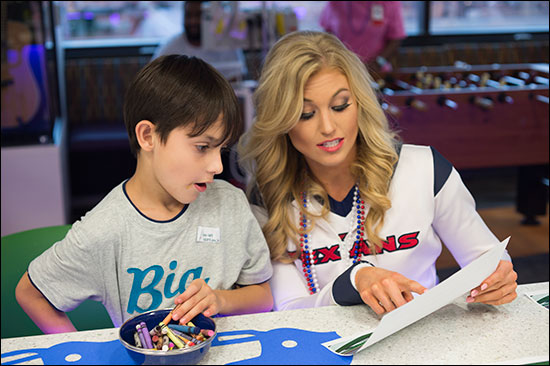
91416texans640To celebrate their first game of the season against the Chicago Bears, the Houston Texans hosted a party Friday for patients and families at Texas Children’s Hospital.

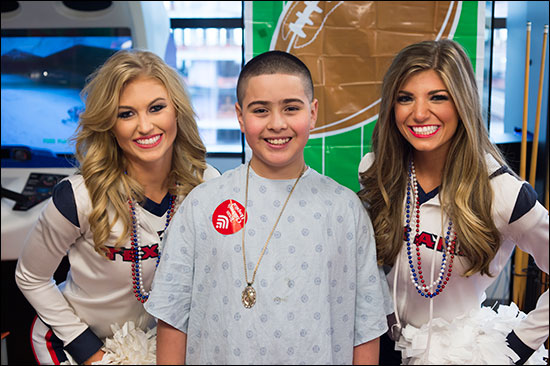
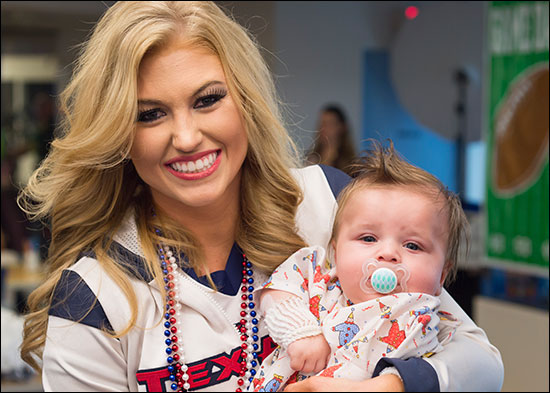
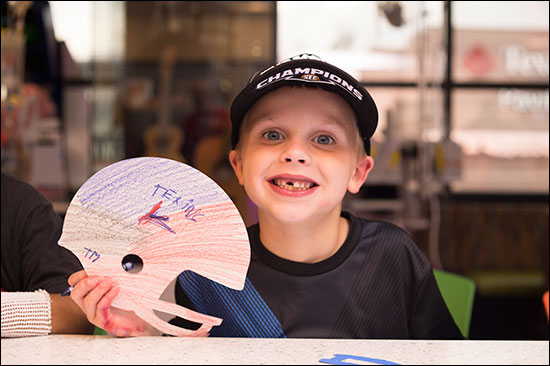
Held in the Child Life Zone on the 16th floor of West Tower, the party was filled with all sorts of fun, including sports-themed arts and crafts, goodie giveaways and visits from Texans cheerleaders Natalie and Taylor, and Texans ambassadors J.J. Moses and Eric Brown.

“This is amazing,” 11-year-old Alejandro Montelongo said as he walked into the room filled with activity. “I’ve never met an actual Texans player before.”

Sandwiched between Brown and Moses, Alejandro grinned for a photographer and proceeded to get the former football players’ autographs before moving on to the arts and crafts table where he made a sports wreath and a paper Texans football helmet.

Justin Mangham meanwhile threw on a pair of Texans socks that were part of the goodies offered at the event and waited patiently to get a photograph with Brown, Moses and the Texans cheerleaders. Mangham got a photo and an autograph from the players, something he hasn’t let out of his sight since.

When asked to describe the season kickoff event, Justin enthusiastically yelled, “Great!”

Texans Cheerleader Natalie said the event was her second on behalf of the team at Texas Children’s Hospital and that she too thought it was great.

“It is so good to be back,” Natalie said in between squeezing babies’ cheeks and doing whatever she can to get a laugh out of them. “I love putting a smile on the faces of these kids.”

The Texans had a reason to smile on Sunday after defeating the Bears 23 to 14. The team’s next game is at noon Sunday against the Kansas City Chiefs.

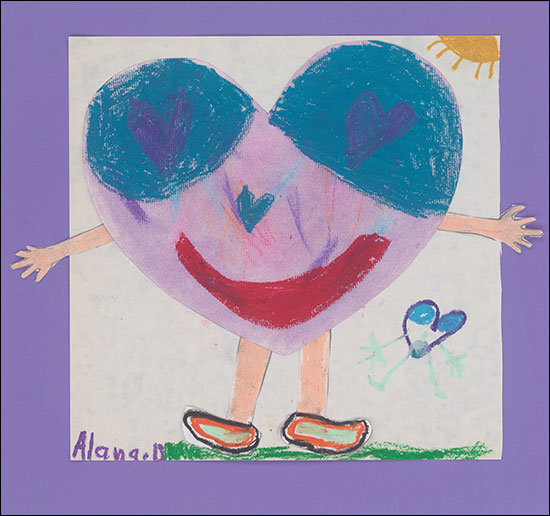
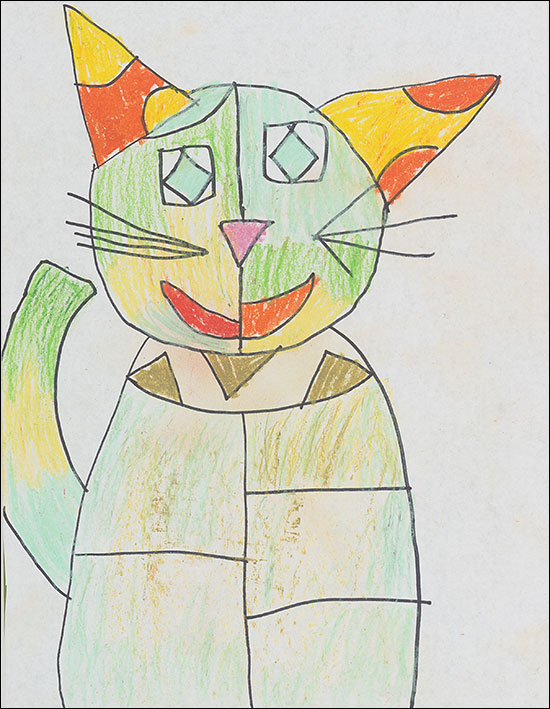
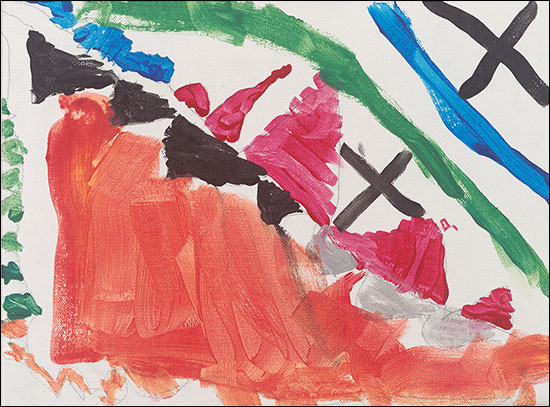
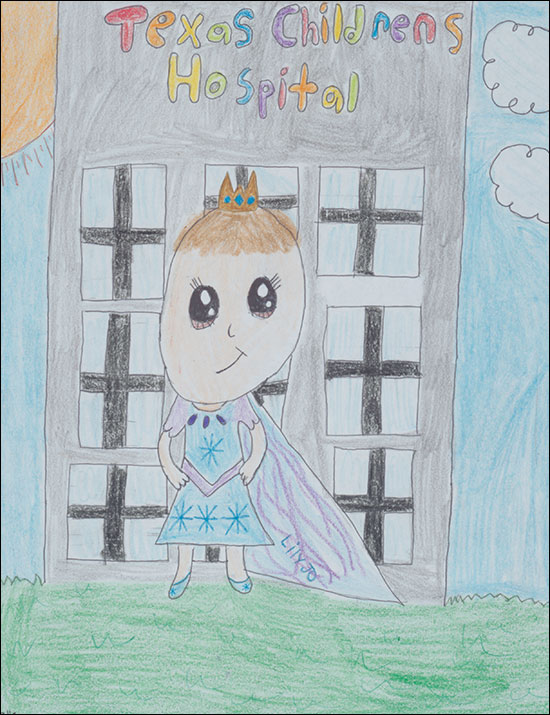
91416makingamark640Texas Children’s Cancer Center’s Making a Mark art exhibition is showing on The Auxiliary Bridge until Friday, October 7. Sponsored by the Periwinkle Foundation, this exhibit showcases art created by children ages 3 to 22 who have been affected by cancer and blood disorders. This exhibit will travel to seven other Texas locations.

A panel of judges selected purple ribbon pieces of art they felt most effectively represented Childhood Cancer Awareness Month.

91416biliaryatresia640Physicians at Texas Children’s Hospital and Baylor College of Medicine have found a way to detect biliary atresia and other neonatal liver diseases in newborns using a simple blood test. Infants with biliary atresia, a life-threatening and hard-to-detect disease of the liver and bile ducts, can now be diagnosed and treated earlier, which has the potential to reduce the number of infants needing liver transplantation.

“Biliary atresia is a particularly devastating disease and is the most common reason why children need a liver transplant,” said Dr. Sanjiv Harpavat, a pediatric gastroenterologist at Texas Children’s and assistant professor of pediatrics – gastroenterology, hepatology and nutrition at Baylor. “We know that diagnosing and treating biliary atresia earlier with an operation called the Kasai portoenterostomy could help children delay or even avoid transplant. However, we also know that biliary atresia is very challenging for clinicians to identify early.”

To address the problem of making an early diagnosis, Harpavat and his colleagues, including Dr. Benjamin Shneider, professor of pediatrics and George Peterkin Endowed Chair at Baylor and chief of the gastroenterology, hepatology and nutrition service at Texas Children’s, designed a study to test a simple way to screen infants for biliary atresia in the first 2 to 3 weeks of life. Their research appears in the August issue of the New England Journal of Medicine.

The population-screening study included all infants born in four hospitals around Houston during a 15-month period. The research now has been expanded to 10 hospitals in Houston and South Texas. The screening they developed is based on newborn direct or conjugated bilirubin measurements, a common test available in newborn nurseries. In previous research, Harpavat and colleagues showed that direct or conjugated bilirubin levels are elevated in all newborns with biliary atresia. This finding was somewhat unexpected as many believe the disease starts in the first few weeks of life.

All of the infants in the study were screened, and those identified as having bilirubin concentration exceeding the 95th percentile were rescreened at or before their first well-child visit. A total of 11 infants retested positive at the median age of 14 days.

“This new study presents preliminary data on a novel method for screening for biliary atresia in newborns, and shows that the test is very accurate,” Harpavat said. “If confirmed in larger studies, our screening method might be used to screen every infant born in the United States for biliary atresia, similar to the way newborns are routinely screened for other diseases.”

Biliary atresia accounted for about 60 percent of liver transplants in infants less than one year of age from 2005 to 2014, so developing a screening that can reduce the need for liver transplants in infants is a significant advancement, he said.

Researchers worked closely with primary care pediatricians throughout the city during the study, offering guidance and education when a patient tested positive initially, Harpavat said. Physicians have used the information and incorporated it into their own practice to identify infants with biliary atresia earlier who were not part of the screening protocol. “This was an unanticipated and very welcome benefit of the work. The landscape of biliary atresia in Houston has changed dramatically since these changes were instituted,” Shneider said.

Others who contributed to this work include Texas Children’s neonatologist Dr. Joseph A. Garcia-Prats, who also is a professor of pediatrics at Baylor College of Medicine. Research was supported by the Cade R. Alpard Foundation for Pediatric Liver Disease, the American Association for the Study of Liver Diseases Jan Albrecht Clinical and Translational Research Award and Baylor College of Medicine Junior Faculty Seed Award.

91416mattschaefer175Texas Children’s is pleased to announce that effective October 1 Vice President Matt Schaefer will be promoted to president of Texas Children’s Hospital West Campus.

Joining Texas Children’s in 2009, Schaefer has been part of the West Campus leadership team from its inception. Schaefer’s role during his tenure has progressed from one of strategic and financial planning, to business and support service leadership, to his current role as vice president of the West Campus.

“I have every confidence that Matt will do an outstanding job as president of West Campus, as we continue to grow that location and its significance in our integration of services across the Texas Children’s system,” Texas Children’s President and CEO Mark A. Wallace said.

Schaefer said he is humbled to serve the community in this new role. “As West Campus continues to grow,” he said, “our goal is to expand the services we provide to best meet the needs of the children and families we care for.”

Schaefer’s promotion comes after current West Campus President, Chanda Cashen Chacón, announced that she will be taking on the role of executive vice president and chief operating officer at Arkansas Children’s Hospital in Little Rock, Arkansas.

Chacón will be working with Marcy Doderer, president and chief executive officer of Arkansas Children’s, who was formerly with the CHRISTUS Children’s Hospital of San Antonio.

A 359-bed facility, Arkansas Children’s is building a new campus in northwest Arkansas, Arkansas Children’s Northwest, with the goal of developing a state-wide clinical network of care for pediatrics.

“This is a wonderful opportunity for Chanda, and we wish her well in her new role at Arkansas Children’s,” Wallace said.