December 20, 2016

122116chdpajamasinside250When Anne Currie was 5-years-old, she underwent her first congenital heart surgery at Texas Children’s Hospital. Following additional procedures, Currie, now in her 30s, leads a happy and healthy life and comes back to Texas Children’s for regular check-ups with the Adult Congenital Heart Disease Program (ACHD) team.

Texas Children’s ACHD Program enables patients with congenital heart disease to receive seamless continuation of care from birth to adulthood. Members of the multidisciplinary team, who are trained in both pediatric and adult congenital heart disease, offer a full spectrum of services and advise patients on the wide spectrum of medical problems that patients like Currie experience throughout their lives.

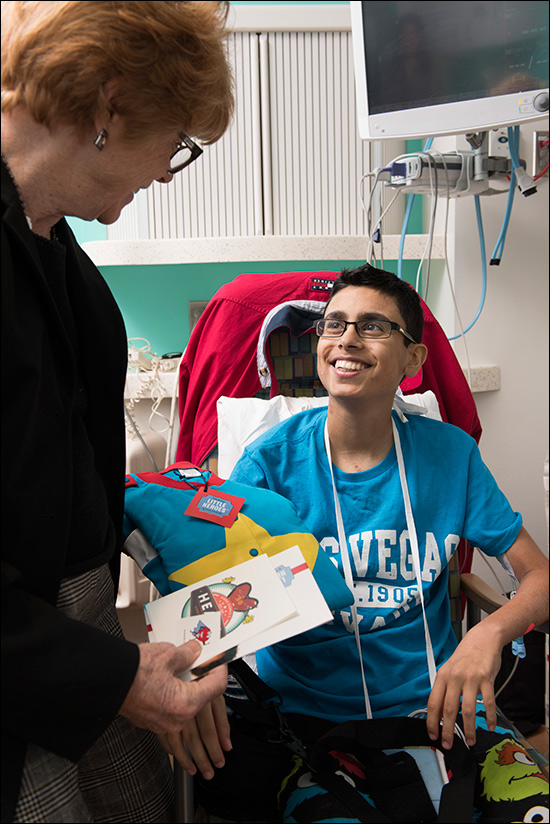
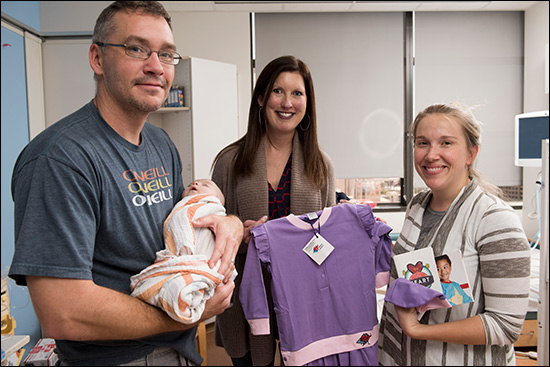
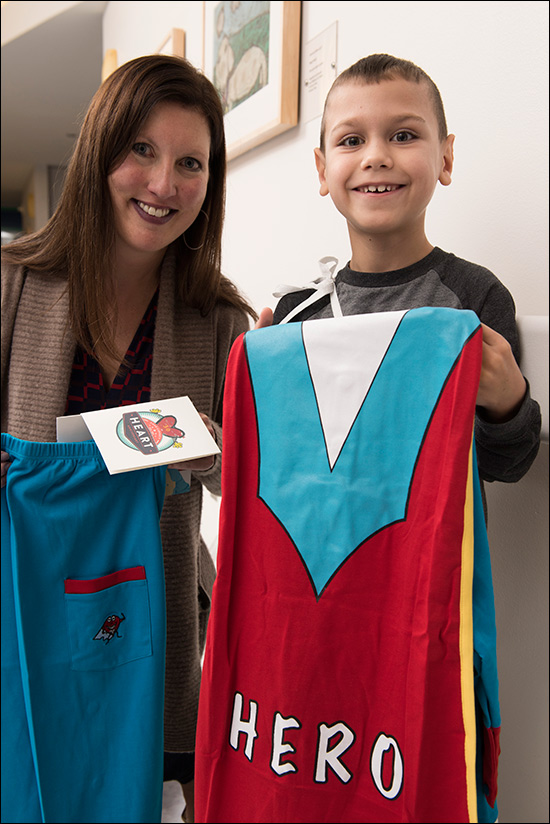
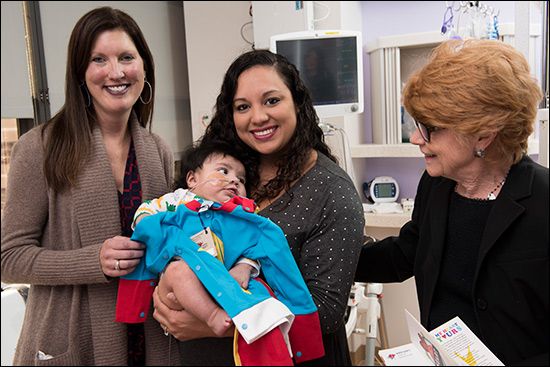
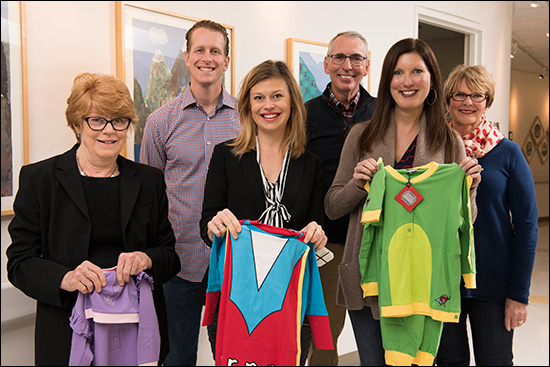
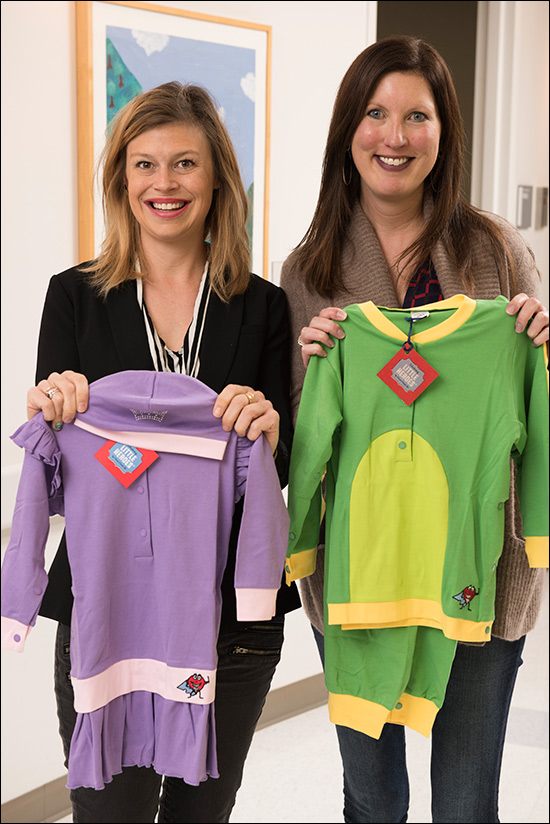
To celebrate the 30th anniversary of her first surgery, Currie enlisted the help of her friend and fellow adult congenital heart disease patient, Holly Hancock, to surprise heart patients at the hospital with specially-designed pajamas from Heroic Hearts®, a company Hancock created.

Hancock, who underwent her first heart surgery at just hours old, spent time at Texas Children’s when she was 9 and continues to be seen by Texas Children’s ACHD team, too. As a young patient, she dreaded putting on a drab hospital gown as the excess fabric made it hard to move around and was thin causing her to always be cold. Little Heroes® by Heroic Hearts® offers comfortable, creative, hospital-friendly apparel tailored to young heart patients.

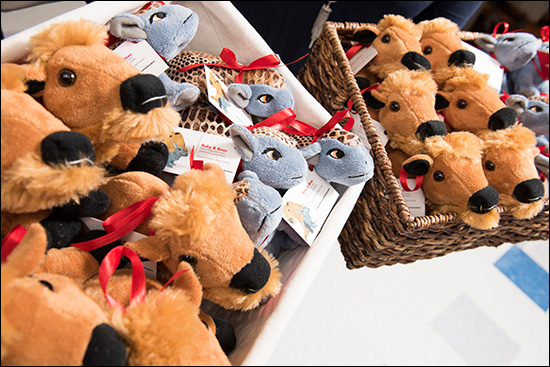
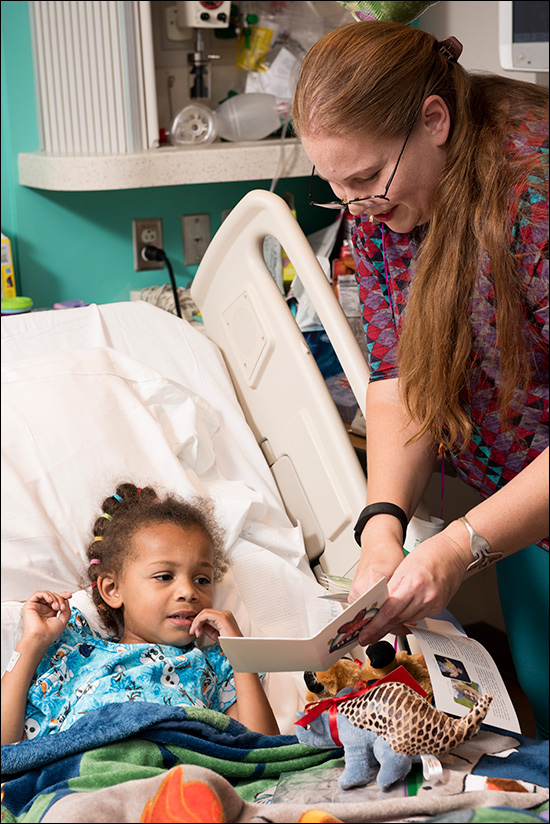
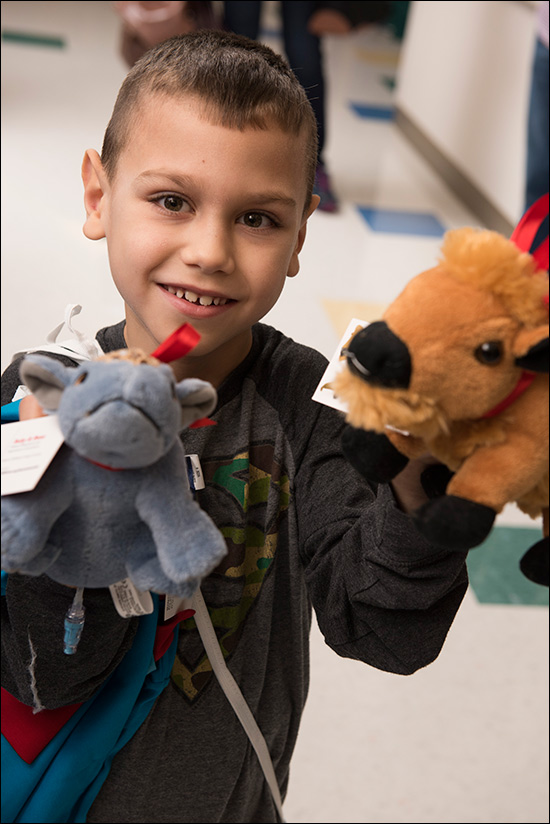
Recently, the pair, alongside Hancock’s husband and parents and Currie’s mom, gifted 10 current Texas Children’s heart patients and their families with pairs of the pajamas. The group shared stories with families about their time in the hospital and inspired them as the families were able to see how well the women are doing today. In addition to the pajamas, patients received stuffed animals named Ruby and Beau, who star in the hospital’s one-of-a-kind animated series of videos designed to educate families about complex heart conditions. To watch the series visit texaschildrens.org/hearteducation.

“My heart is so full and grateful going into this holiday season all because of you,” Currie said of the patients she met during her visit to Texas Children’s. “I hope they all understand that Texas Children’s is for life, not just for kids.”
The Texas Children’s family will always hold a special place in its collective heart for the staff, employees and Board of Trustee member we lost this year. Each will be greatly missed.

122116ssluisrauda175Luis Rauda, October 2016 Employee

Luis Rauda of The Center for children and Women – Greenspoint, is the latest Texas Children’s Super Star employee. “What you get by achieving your goals is not as important as what you become by achieving your goals.” Read more of his interview below and find out how you can nominate a Super Star.
Your name, title and department. How long have you worked here?
Luis Rauda, Medical Assistant for the Pediatrics Team. I’ve been with Texas Children’s for about two years. (I was hired in February 2014)

What month are you Super Star for?
October 2016

Tell us how you found out you won a super star award.
My colleagues surprised me, and I was terrified.

What does it mean to be recognized for the hard work you do? How has the organization helped you achieve your personal and professional goals?
A person who feels appreciated will always do more than what is expected. With that being said, I always feel appreciated by my family at The Texas Children’s Center.
What you get by achieving your goals is not as important as what you become by achieving your goals. Overall, this organization has not only helped me achieve personal and professional goals, it also has molded me into the person I am today.

What do you think makes someone at Texas Children’s a super star?
Personal Initiative – A person with personal initiative is self-starting and proactive; works independently of outside influence or control. This also can be applied in Teamwork.

What is your motivation for going above and beyond every day at work?
Self value and quality. The quality of an individual is reflected in the standards they set for themselves.

What is the best thing about working at Texas Children’s?
Texas Children’s is a place where one can self-improve endlessly, both professionally and personally.

What does it mean to you that everyone at Texas Children’s is considered a leader? What is your leadership definition?
True Leaders don’t create followers… they create more leaders. What better way to lead than to lead by example?

Anything else you want to share?
I’m not quite sure how I got picked to be a super star, but I believe that my entire family at The Center for Children and Women (Greenspoint and Southwest Location) are all super stars as well. Without them, I wouldn’t have been able to reach “super star status.” They allow me to be my best self and reach my full potential on a daily basis. For that reason, they also should be recognized. Please and thank you.

122116pathologyvietnaminsideSince 2005, the Department of Pathology & Immunology at Baylor and the Department of Pathology at Texas Children’s Hospital have played an important role in global health initiatives, first in Africa and later extending their outreach to Southeast Asia.

The Global Pathology Program at Texas Children’s launched a collaboration with the Vietnam Vascular Anomalies Center in Ho Chi Minh City in 2013, focusing on improving medical care for people in Vietnam through diagnostic pathology.

“One of our major goals is to improve medical care for the people in Vietnam by raising the standard of practice of pathologists who provide diagnostic workup for patients,” said Dr. Thuy Phung, associate director of Global Pathology at Texas Children’s and assistant professor of pathology & immunology at Baylor College of Medicine. “This includes improving physician training and pathology laboratory practice.”

Participants of the Global Pathology Program and the Vietnam Vascular Anomalies Center returned to Vietnam earlier this year for their sixth annual trip, accompanied by a team of more than 30 physicians, medical residents and students from the United States, South Korea and Thailand. Together they held a three-day CME conference in dermatology and skin and gynecologic pathology to train more than 90 pathologists on developing more accurate diagnosis.

Using the new technology of telepathology, participants were able to view digitalized images of stained tissue sections on their own computer monitor as if they were viewing through a microscope. Telepathology gives pathologists from anywhere in the world the opportunity to connect with one another through the internet to show and share pathology cases for diagnostic consultation, teaching and training. The consultation can take the form of a live videoconference, webcast or one-on-one discussion.

“Logistically, how this works is when pathologists in Vietnam have difficult skin biopsies, and they want my input as an experienced skin pathologist, they scan the tissue glass slides and send me the digital files,” Phung said. “With the digital files, I am able to view the slide image and move the virtual slide around to see different areas of the tissue. This imaging technology allows me to digitally view tissue in any way I want so that I can make the correct histologic diagnosis for the patient.”

Through telepathology, Phung has been able to provide expert consultation to pathologists in Vietnam in real time with high accuracy. She holds weekly live videoconferencing with Vietnamese pathologists to view the cases together.

“We view the digital images together and discuss the cases, and I share my opinion of each case,” she said. “Each week, we do this for about one hour, and usually look at 10 to 12 tissue biopsies that pose diagnostic dilemmas for the Vietnamese pathologists.”

Phung and her team have been holding weekly video meetings for a year and have broadened their training with pathologists in Ho Chi Minh City to include pathologists in other major cities in Vietnam such as Hanoi, Hue and Danang. “By conducting live telepathology, we not only provide correct tissue diagnosis in real time for patients in Vietnam, but equally important, we can use this approach to enhance the training of Vietnamese pathologists in diagnostic skin pathology,” she said.

“My hope is that they will become experts themselves in the future and be able to help even more patients than I can do myself here in the U.S.” said Phung.

There are now six Vietnamese pathologists who regularly participate in telepathology with Phung, and she believes their efforts will provide them the knowledge base to be experts in skin pathology in their own right.

“I like to think of this as innovation in global medical education involving virtual and interactive learning that has been enabled by today’s state-of-the-art technology in telemedicine and digital pathology,” she said. “This is a way to practically apply advanced technology and medical expertise that we have here at Baylor and Texas Children’s to help improve medical diagnosis and medical education in other countries, no matter where in the world.”

Currently, the Global Pathology team and the Vietnam Vascular Anomalies Center are working on expanding their work to Can Tho and Da Nang, two major provinces in Vietnam.

December 13, 2016

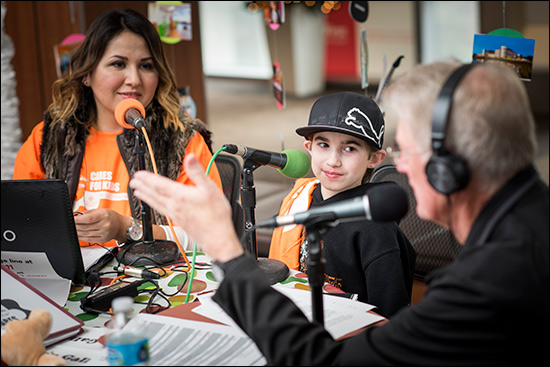
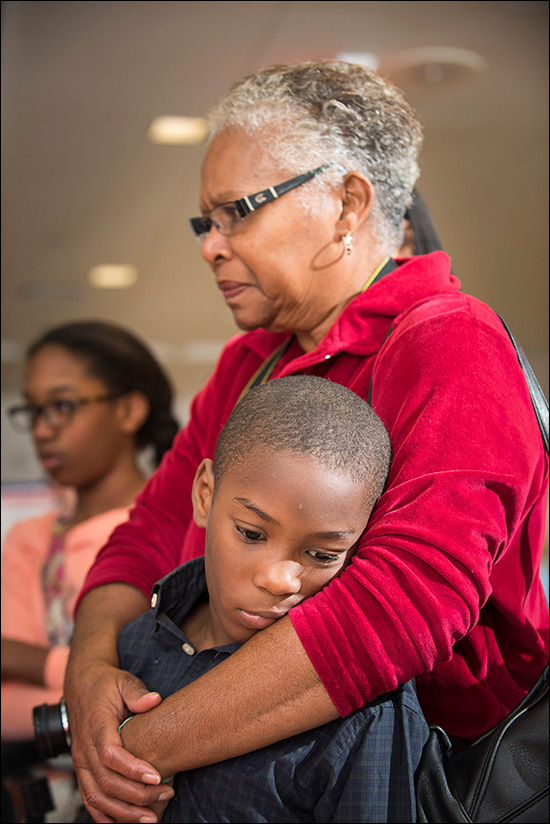
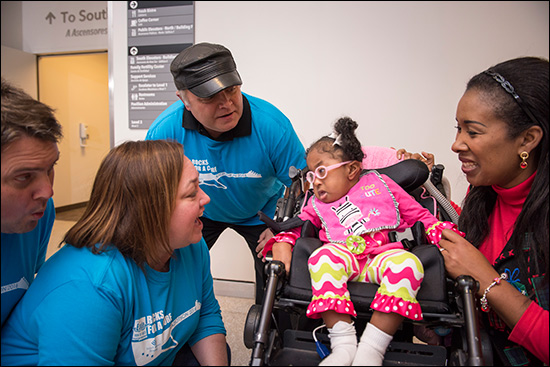
When Desiree Bradley delivered her daughter, she wasn’t sure how long the little girl would survive due to an extremely rare genetic disorder called Jarcho-Levin Syndrome, which affects the spine, ribs and respiratory system. Nine years later, however, Deonc Bradley is a sassy, joyful girl who can periodically be seen bouncing down the halls of Texas Children’s Hospital, where she sees 13 different specialists for her condition.

“If Deonc was cared for anywhere else but Texas Children’s Hospital, I truly believe she would not be here,” Desiree said. “So anything I can do to help Texas Children’s be the best place it can be, I’m willing to come out here and do.”

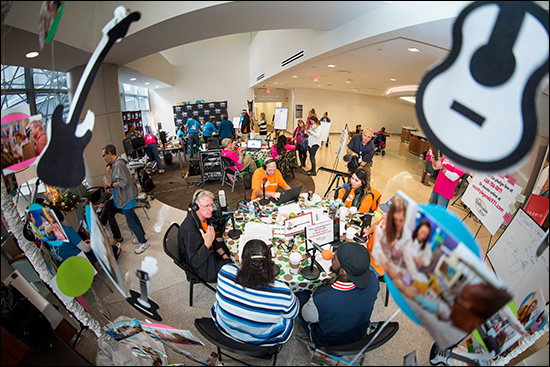
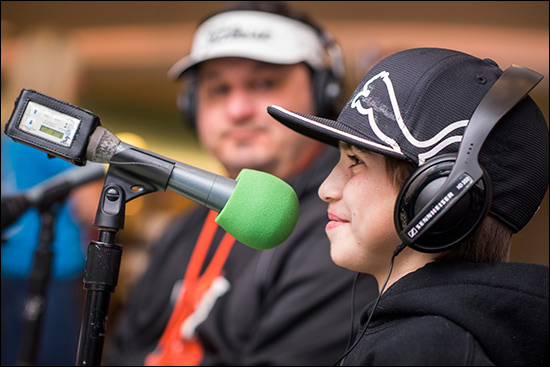
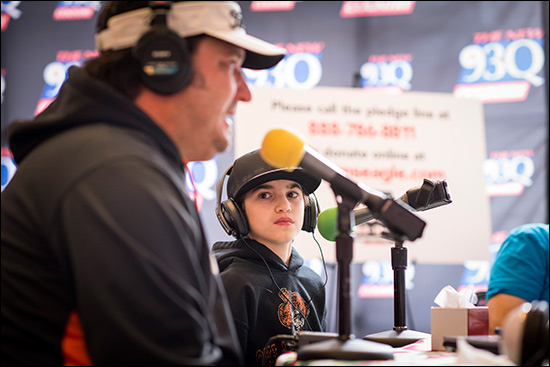
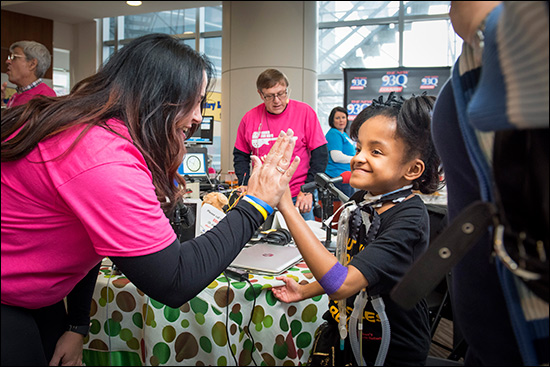
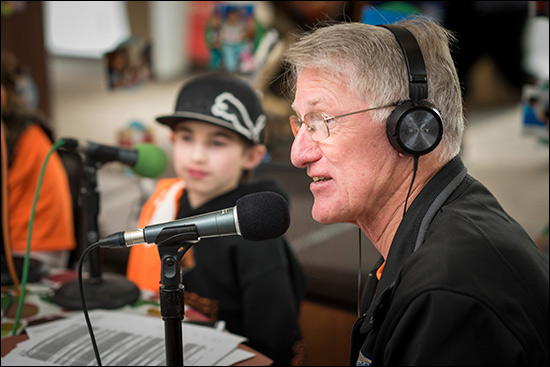
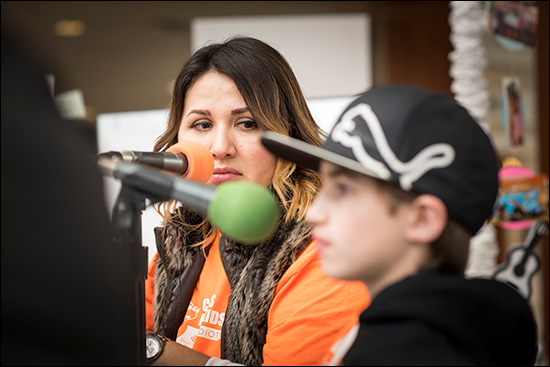
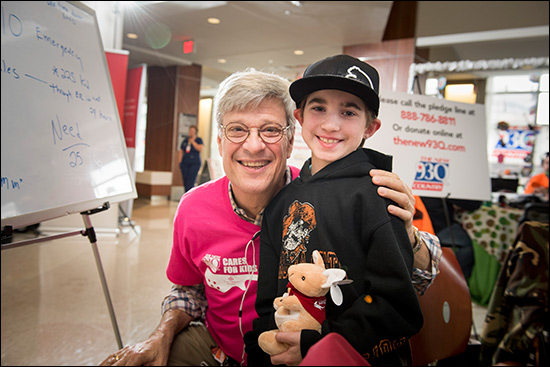
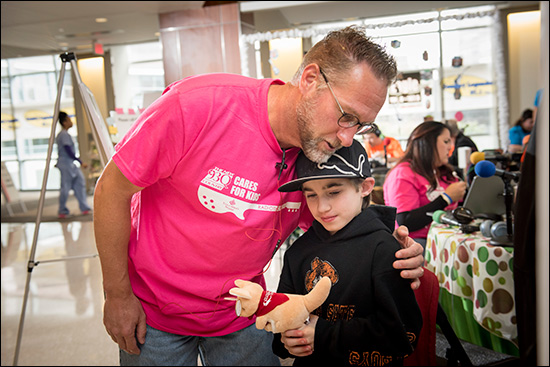
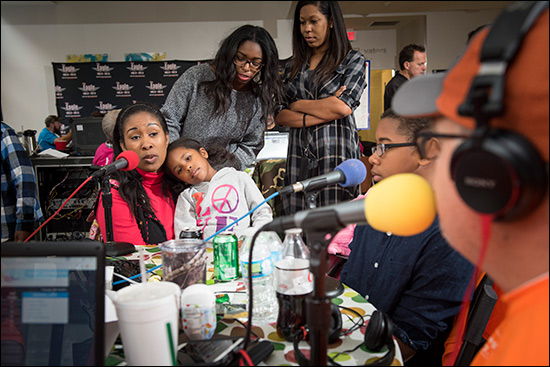
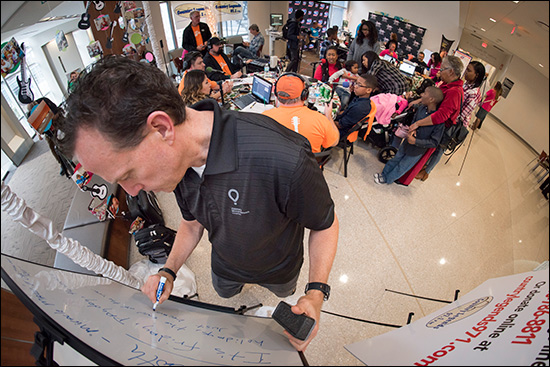
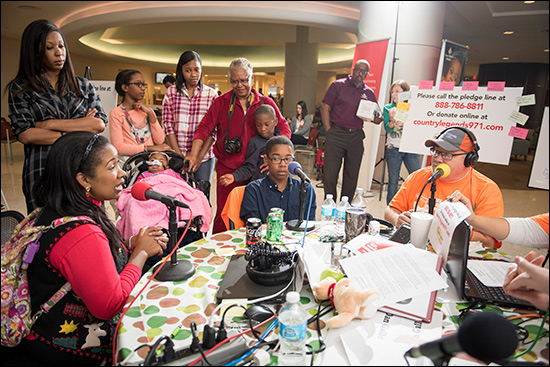
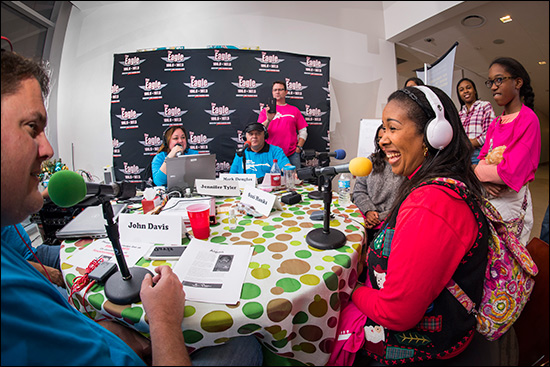
The Bradley family was one of several patient families that participated in the 2016 Texas Children’s Radiothon. Hosted by Cox Media Group Houston, the two-day event was held December 1 and 2 on the third floor of the Pavilion for Women near the Bistro Café.

Throughout the 48-hour period, people opened their hearts and their wallets donating $655,039 to the radiothon while listening to radio personalities from The Eagle (106.9 & 107.5), Country Legends (97.1) and The New 93Q (92.9) interview patients, their families and many of our clinical experts.

Texas Children’s employees gave $4,000 to the cause. Executive leadership matched those donations and added their own bringing the total amount given by Texas Children’s employees to $7,000. The Snowdrop Foundation – which was started by Kevin Kline with The Q Morning Zoo on The New 93Q, made a donation of $150,000. The foundation is dedicated to assisting patients and families at Texas Children’s Cancer Center through funding for continued research to eliminate childhood cancer and scholarships for college bound pediatric cancer patients and survivors.

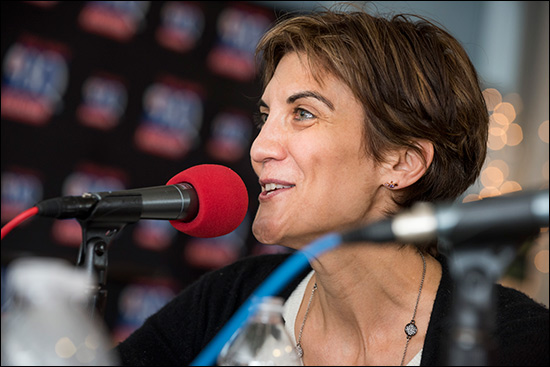
“This event makes a huge difference, and it tells our story,” said Jennifer Smart, a manager in the Office of Development and the program director for the hospital’s Children’s Miracle Network Program. “We couldn’t do it without them, so of course, we’re very appreciative of that.”

View a photo gallery from the event below.

Every dollar donated to the radiothon will help Texas Children’s continue to fulfill its mission to create a healthier future for children and women throughout our global community by leading in patient care, education and research. More specifically, the money will benefit Texas Children’s Cancer Center, the Pediatric Tower expansion and the new campus Texas Children’s is building in The Woodlands.

Christi Brooks with the New 93Q and Country Legends 97.1 has participated in the radiothon since its inception and said she’s met so many families over the years who have been touched by the “miracles” that happen every day at Texas Children’s Hospital.

“Thank God we have a facility like Texas Children’s Hospital here in our back yard,” she said. “This really is truly an amazing place of miracles.”

Desiree agreed and said Texas Children’s is her and Deonc’s home away from home.

“It’s a very special place, and until you step in these walls, you don’t understand just how special this place really is.”

“We’re on the eighteenth floor of the CVICU and watching the tower every single day make so much progress so quickly, makes us want it right now,” said Jessica Gaustad, a cardiology nurse at Texas Children’s Heart Center.

Like Gaustad and so many other Texas Children’s employees, it’s hard not to notice the incredible progress that’s been made on Texas Children’s Pediatric Tower. As each day passes, the tower is getting taller and taller. Since construction work began one year ago, 16 floors have been built on the existing 6-floor base next to Texas Children’s Pavilion for Women. Three more floors are being built to complete the external structure of the 19-floor vertical expansion of the pediatric tower.

To see how far we’ve come along, you don’t have to look very far. This time lapse video highlighting the pediatric tower construction also includes animation of the different critical care services that will be housed in the tower once the approximately 640,000-square foot structure is completed in August 2018.

Texas Children’s Heart Center will have eight dedicated floors in the new tower to house the Heart Center outpatient clinic, catheterization lab, cardiovascular intensive care unit, a cardiovascular operating room and cardiology acute care beds. Also, the tower will be home to a new Pediatric Intensive Care Unit that will span four floors and open with 84 beds, including neuro ICU rooms, surgical ICU rooms and a progressive care unit.

Additional features of the tower include a total of 10 operating rooms, one radiology suite, faculty offices and a helistop on the roof of the tower to transport high acuity patients to Texas Children’s.

Earlier this year, a series of pre-construction simulation activities led by Dr. Jennifer Arnold’s simulation team were conducted to ensure the final interior layout of the pediatric tower would be designed in a way that promotes the safest possible environments to care for critically ill patients and their families.

“We were able to tweak a lot of things from how we envisioned beds being situated in a room to where the code carts are going to be located to even simple things like clock placement,” Gaustad said. “Families were also a big part of this process as well. Their feedback was incorporated into the final design decisions.”

As for the design theme and colors, the pediatric tower’s public spaces will embody the Beauty of Texas. Floors will have different colors for wayfinding. Floor patterns will depict trails and streams. Curving walls and ceilings will mimic canyons, skies and clouds.

While much progress still needs to be made in anticipation of the August 2018 opening, Texas Children’s will host a topping out celebration on February 9, 2017, to mark the construction milestone of completing the tower’s external structure.

“There’s going to be a time before you know it, that we’re going to have space to accommodate families,” said NICU nurse Nicole Leathers. “We’re going to have space to make the patient family experience more comfortable and will have more space to deliver the best care to our critically ill patients.”

For Veronica Velez, an Orthopedic surgery coordinator, she envisions the many benefits the new tower will bring for many years to come.

“When I am a retired nurse and there’s a new generation of nurses working on those floors that are being built right now, they can say a lot of thought went into this and they did a great job.”

121416perfusionists640When a child has open heart surgery at Texas Children’s Hospital, they receive some of the best care in the country. Our Heart Center, ranked No. 2 in the nation, is equipped with state-of-the art technology, highly trained and skilled surgeons and anesthesiologists, as well as a team of unsung heroes called perfusionists.

Perfusionists operate the heart lung bypass machine needed to keep a patient alive during open heart surgery. The machine takes deoxygenated blood out of a patient’s body, runs it through an artificial lung to give it oxygen, and then pumps it back into the patient’s blood stream.

While the idea may sound simple, the procedure and process is not and is performed at the Heart Center by a longstanding team of experienced and professional perfusionists.

“Perfusionists are absolutely vital when we perform open heart surgery,” said Surgeon-in-Chief Dr. Charles D. Fraser Jr. “What they do is extraordinary and allows us to do very complicated operations on children who otherwise would not be able to survive.”

Fraser recognized the benefit of a strong perfusion team early on and is responsible for creating a dedicated pediatric team at Texas Children’s in 1995 shortly after being named chief of Congenital Heart Surgery. All three members of the original team – Mary Claire McGarry, Maryann Mueller and Deb Surprise – are still working in the Cardiovascular Operating rooms today and remember what it was like in the beginning.

Mueller remembered Fraser recruited her and her colleagues from the Texas Heart Institute where they worked with both adult and pediatric patients. The first few years at Texas Children’s, she said, were spent honing their skills to provide the best perfusion for children.

Surprise recalled how Fraser brought with him a new approach to pediatric perfusion. His idea was to create a specialized pediatric protocol that would be tailored to each individual child.

“Everyone was invested in the success of Dr. Fraser and what he was trying to accomplish,” Mueller said. “We wanted him to be successful – and for our patients to come in, have surgery and then head home to lead healthy lives.”

Over time the team grew to what it is today, eight perfusionists who work closely with the surgical team. Due to their ever evolving skill levels, the team continues to see more complex patients, many of whom have benefited from the hard work of the surgeons and clinical staff at Texas Children’s Heart Center.

Fraser and his team recently performed their 10,000th heart procedure with the use of heart lung bypass on Adult Congenital Heart Disease Program patient 31-year-old Stephanie Granger, who was born with a congenital heart defect and had two surgeries as a baby and another when she was 6. Years later, she developed secondary problems from her heart defect.

“I started having some abdomen pain, so I went to my primary doctor,” Granger said. “They ran a CT scan and found there was a problem with my liver due to my heart.”

Soon thereafter, Granger scheduled heart surgery at Texas Children’s not only for herself but for her newly adopted daughter, Zoey, as well. Zoey was born with a similar congenital heart defect and needed surgery just like her mother.

“When we adopted her, we told them we were open to various conditions,” Granger said. “We told them we had a family history of congenital heart disease and that we fully understood it.”

McGarry said she can’t believe the team just reached the 10,000 pump case milestone and that it’s a testament to how far they’ve come.

“People now from all over the world come to see what we do,” she said. “It’s amazing and makes me very proud to have been a part of the program for so long.”