April 11, 2017

We’ve all heard the saying, “Hard work pays off.”

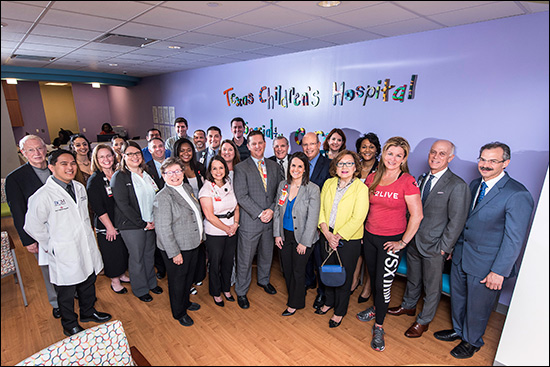
That old adage certainly rings true for Texas Children’s Newborn Center leadership and staff. On April 7, Texas Children’s neonatal intensive care unit (NICU) became the first hospital in the state to achieve Level IV NICU designation by the Texas Department of State Health Services.

“As a Level IV NICU, our neonatal team has the resources and expertise to deliver the highest level of care available for premature and critically ill newborns,” said Texas Children’s Chief of Neonatology Dr. Gautham Suresh. “This designation helps ensure our neonates, who require highly specialized resources and 24/7 multidisciplinary care, are treated in the right level of NICU to achieve the most optimal outcomes.”

The designation process comes as a result of legislation passed in 2013 requiring Texas to establish and implement neonatal and maternal level of care designations by March 1, 2018. Texas is one of the first states requiring NICUs to undergo a site visit to verify they meet the Neonatal Levels of Care classifications as defined in the Texas Administrative Code. Completing the designation process is a requirement in order to receive Medicaid reimbursement for neonatal services by September 1, 2018.

Reaching this milestone was no easy task. The process required tremendous collaboration among NICU leadership, staff and employees, as well as various support services that help the neonatal team care for these critically ill babies including pharmacy, respiratory, physical therapy, lactation, nutrition and social services.

“In June 2016, we started a weekly work group that included members from neonatology and various ancillary departments across the organization,” said Project Manager Sohail Azeem. “We led them through the Neonatal Level IV designation guidelines impacting each area and gathered all of the necessary materials and documentation to prepare for the 2-day site visit and for the application process that followed.”

Several key requirements for Level IV NICU designation included the development of a Quality Assessment and Performance Improvement (QAPI) committee and a program plan outlining the Newborn Center’s breadth and depth of services, policies, procedures and structure for prioritizing quality improvement initiatives. While the Newborn Center already had an active quality and safety program, it was incorporated into the QAPI program.

In addition to meeting these Level IV designation requirements, Texas Children’s also participated in a rigorous survey site visit conducted by the American Academy of Pediatrics NICU Verification Program in November 2016.

“The 2-day site visit included interviews with NICU nursing and physician leadership among others, as well as reviews of our policies, medical records and credentialing process,” said Newborn Center Director Heather Cherry. “Surveyors also toured all of our level NICUs and other hospital areas that support neonatal services.”

As the largest NICU in the nation, Texas Children’s is proud to receive this designation. As a Level IV NICU, Texas Children’s Newborn Center meets all level III capabilities plus has the ability to care for infants born earlier than 32 weeks gestation and weighing less than 1,500 grams, provide life support, perform advanced imaging including MRI and echocardiography and provide a full range of respiratory support, among many other criteria.

“A lot of hard work went into achieving our Level IV NICU designation and I am so proud that our teams pulled together,” said Newborn Center Vice President Judy Swanson. “This collaborative milestone solidifies our reputation in providing the highest level of neonatal care to our tiniest, most fragile patients and their families.”

The day many have been waiting and preparing for is finally here! Texas Children’s Hospital The Woodlands opened its doors to the public this morning marking another milestone in Texas Children’s history.

The 550,000-square-foot inpatient facility is the second community hospital in the Texas Children’s system and will serve patients and families in The Woodlands and beyond. The hospital has been in the making for several years and is the product of many long hours of dedicated planning and preparation.

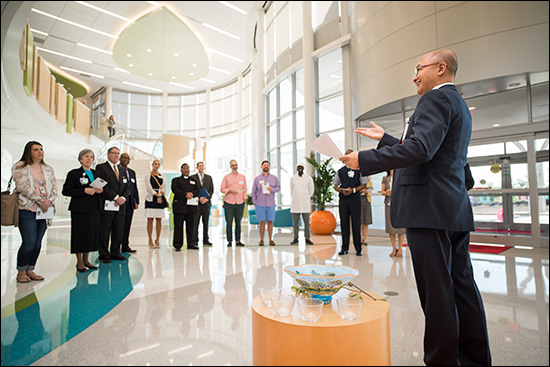
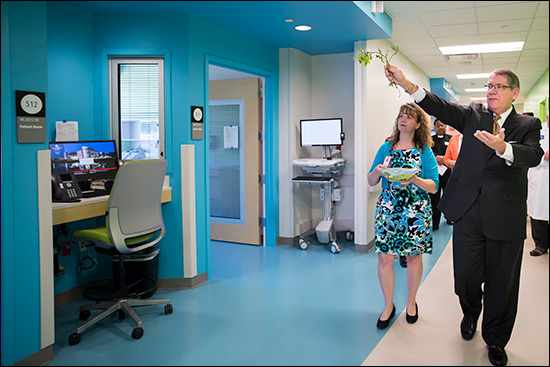
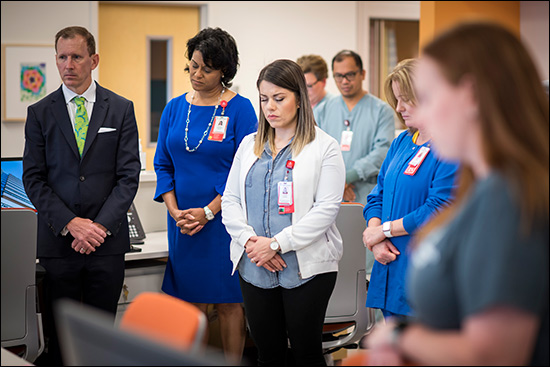
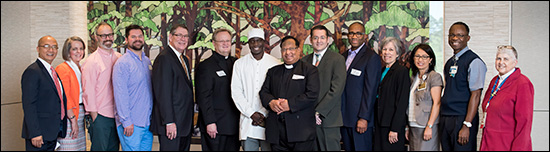
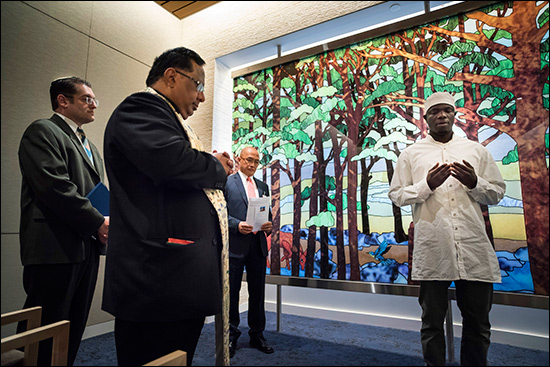
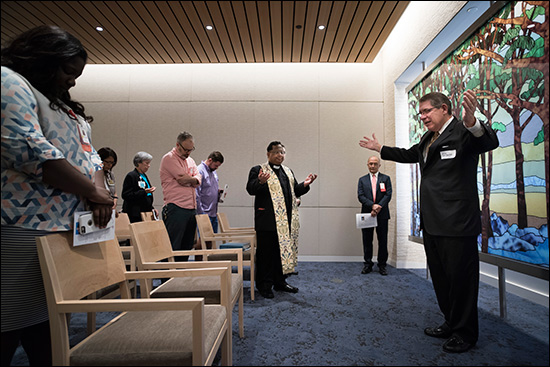
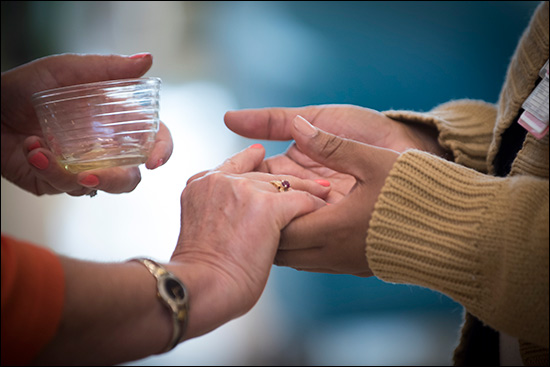
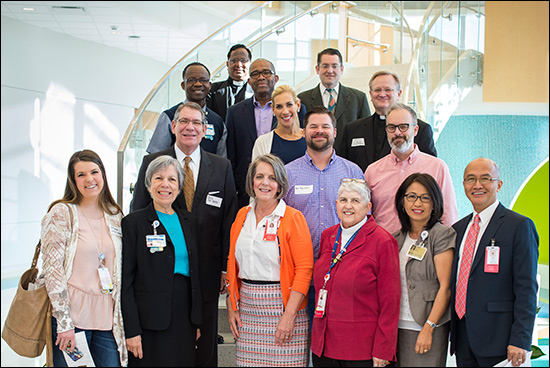
One of the last preparatory acts occurred on April 7 when members of the hospital’s leadership team joined Texas Children’s chaplains and representatives from various congregations throughout The Woodlands community to bless the hospital and its staff.

Texas Children’s Chaplain Pam Krinock began the blessing and prayer walk at the main entrance of the hospital with a few words of thanks and appreciation for the new facility as well as a request of peace for those who enter the building seeking care.

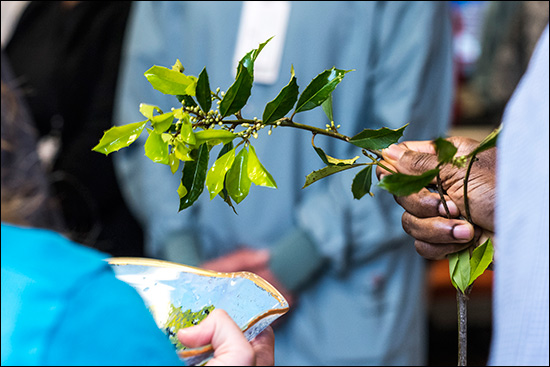
“Doors are a powerful symbol,” Krinock said as water and oil, symbolizing comfort and healing, were sprinkled on the hospital’s two main glass sliding doors. “We pray they will be a sign of welcome and comfort for all who enter here.”

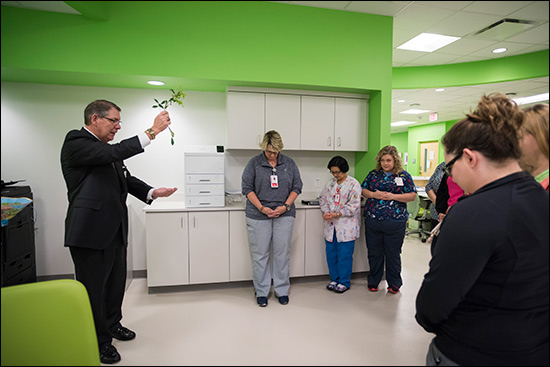
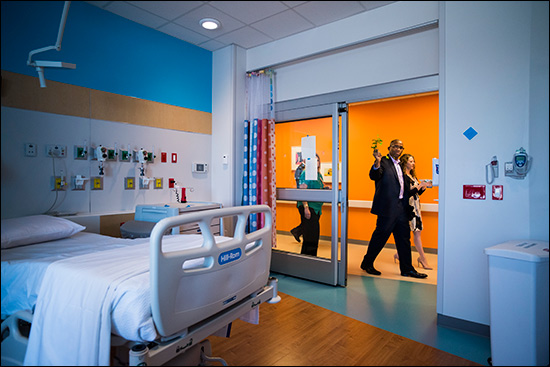
The group proceeded to the Emergency Center, Acute Care Unit, Pediatric Intensive Care Unit, Neonatal Intensive Care Unit and Operating Rooms, saying a prayer at each stop and blessing the areas and their staff with water and oil.

“We pray that comfort is provided to the families here, some of whom will be going through the toughest moments of their lives,” said Texas Children’s Chaplain Johnna Faber while the group was in the NICU. “We also pray for the staff who will hold and care for these children.”

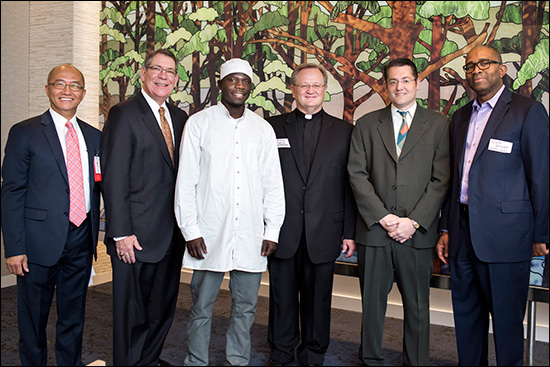
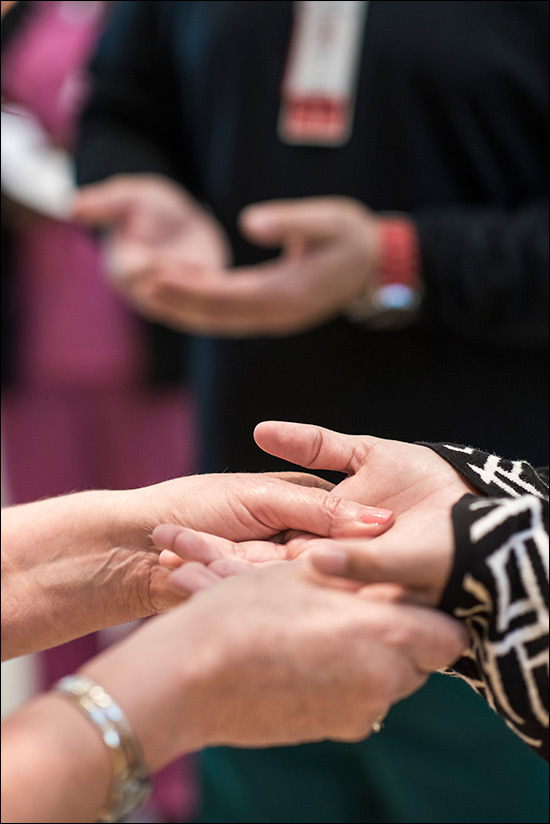
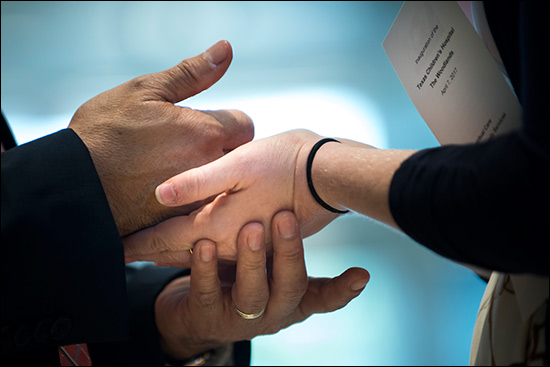
The prayer walk ended in the hospital’s chapel, a serine, tucked away space highlighted by a floor to ceiling stained glass image of a lush forest dotted with deer and birds. Standing in front of the stained glass, four community clergyman representing the Christian, Jewish and Muslim faiths blessed the chapel with words of peace, comfort, healing and strength. Later that day, Texas Children’s chaplains blessed the hands of several staff members in the hospital lobby.

“It is very important what happened here today because anything that begins with God’s blessing, goes well,” said Rev. Jayaraj Jones of St. Anthony of Padua in The Woodlands.

Al Caberra, the Texas Children’s chaplain who will be providing spiritual care in The Woodlands, agreed and said he looks forward to working with community clergy to provide spiritual care to patients and their families.

“We consider you part of our community and an extension of our chaplaincy program,” he said. “We want you to always feel welcome here and know we are extremely grateful for the added peace and comfort you will bring.”

Stay tuned for full coverage of the first day at the new Texas Children’s Hospital The Woodlands.

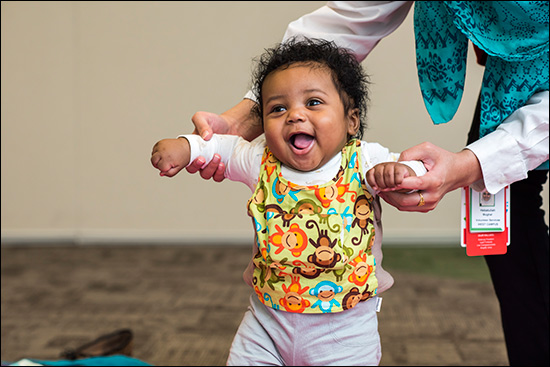
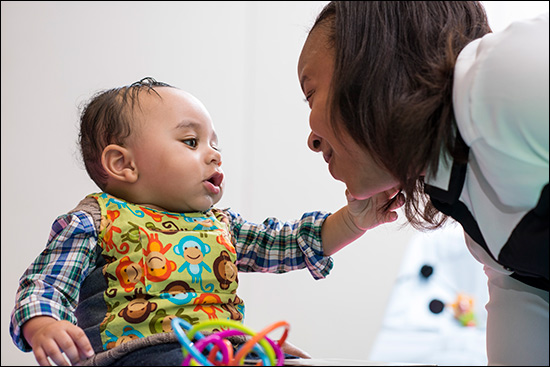
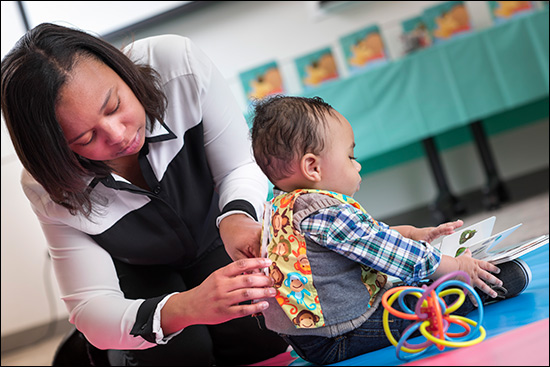
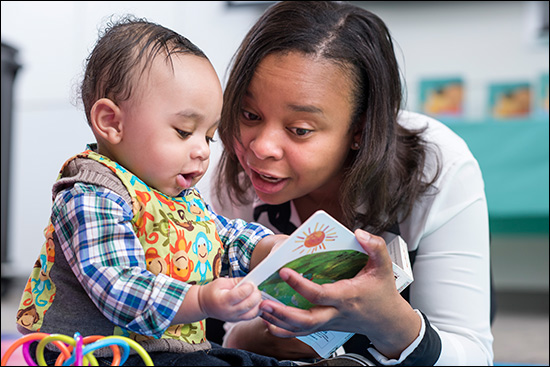
Almost a year after the launch of a program geared toward improving a baby’s language skills, parents are singing its praises, saying upWORDS has helped their children as well as themselves.

“It definitely met my expectations and beyond,” said Fylasan Hanible, whose son, Donnell David Price IV was 7 months old when he and his mother went through the program. “I didn’t know that I could increase it (language) as much as I have.”

Alexandrina Gonzalez agreed and said her 22-month-old daughter’s language skills have improved greatly as a result of upWORDS and that the program is something every parent can benefit from.

“upWORDS taught me about things I didn’t realize could help,” Gonzalez said. “As a result, everyone in my family has benefited.”

Click here to view photos from the first upWORDS class.

Developed in association with the LENA Research Foundation, the upWORDS program at Texas Children’s Hospital was launched last summer as a pilot program at Texas Children’s Hospital West Campus. Since then, 20 families have completed the four-month course and another 38 are currently enrolled in classes starting this month and in June and September at West Campus and the Cy-Fair Health Center.

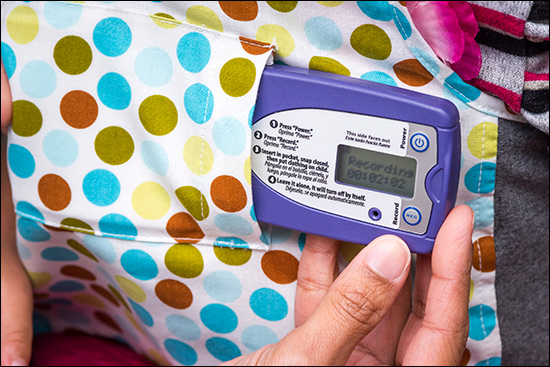
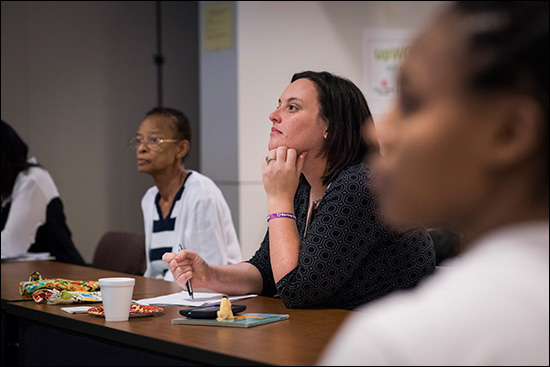
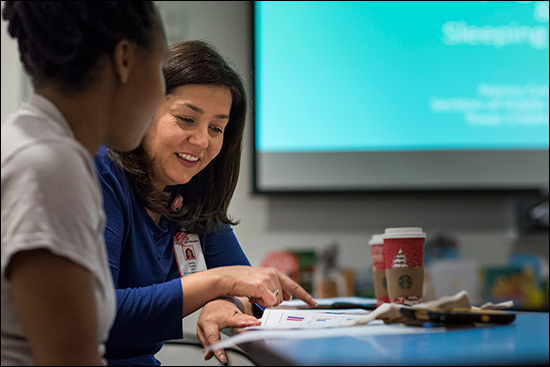
Available in both English and Spanish, the upWORDS program includes group classes where parents learn to use the LENA System™ to monitor their home language environment and are taught simple techniques to increase interactive talk with their child.

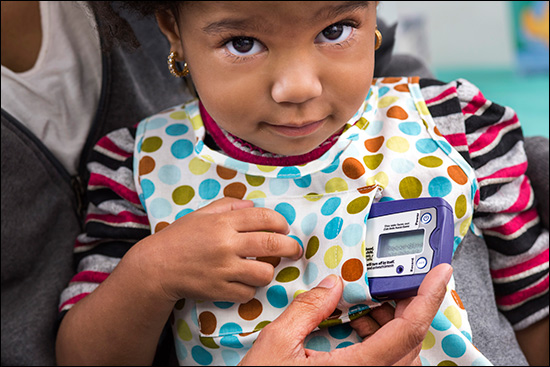
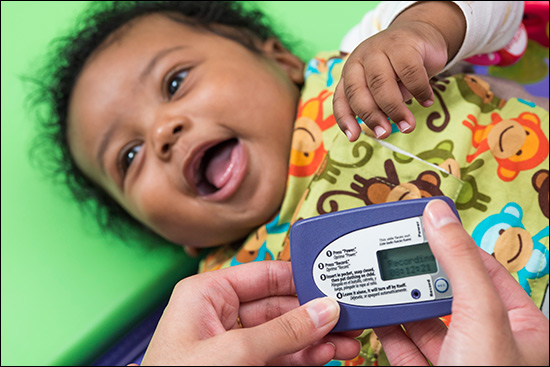
To measure a participant’s home language environment, the LENA System™ uses a small recorder that fits inside a vest worn by the child. The recorder measures the amount of words a family speaks to their child and how much their child responds in return. The recording is then translated into data that the parents can use to gauge how much they are talking to their child and identify opportunities to increase the level of spoken interaction they have with their baby.

At Texas Children’s, parents receive individual coaching in addition to the group classes to discuss their data results, gain the best results possible and to work through any additional obstacles that could potentially hinder their child’s development.

Dr. Christopher Greeley, chief of the Section of Public Health Pediatrics at Texas Children’s, said the initial response to the program has been impressive and shows an appetite for a program like upWORDS, which focuses on a child’s early language development.

“We conventionally think of worrying about language skills and children at 2 and 3 years of age, when they’re starting to read and learning their A,B,Cs,” Greeley said. “But the data are clear that babies, even young babies, are mindful of language and mindful of verbal and non-verbal communication even in the first few months of life.”

By the age of 3, 80 percent of a child’s brain development is complete. These first few years of a child’s life are therefore critical and provide the greatest opportunity to influence their success later in life.

Research shows that many children are exposed to nearly 30 million fewer words than their peers by the time they reach 3 years old. The upWORDS program helps parents of infants and toddlers (0 to 6 months for the pilot program) close the “talk gap” by teaching them how to talk and interact more with their babies to increase brain development and positively impact their child’s future.

To learn more about, or register for, the upWORDS program at Texas Children’s, click here.


One of the newest additions to Texas Children’s health system is Texas Children’s Specialty Care Bellaire.

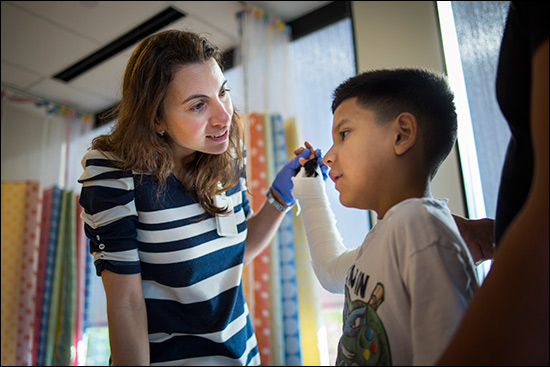
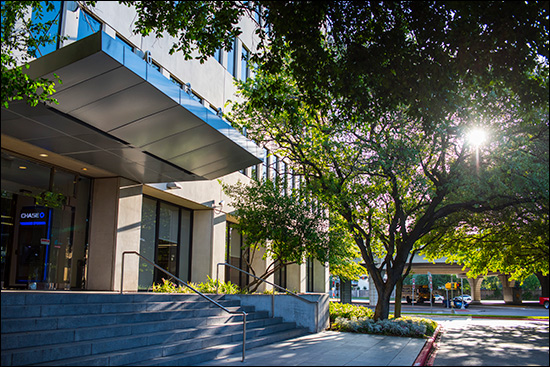
The clinic at 6330 West Loop South opened April 3 and offers services in otolaryngology, orthopedics, X-ray and audiology.

“This is an exciting day for us as we have wanted to be in Bellaire for quite some time,” said Kara Abrameit, assistant director of ambulatory services at Texas Children’s Hospital West Campus. “Being here provides an opportunity to area children and their families to access health care that will make a difference in their lives.”

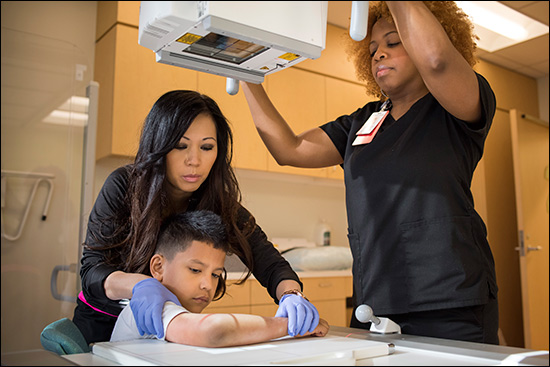
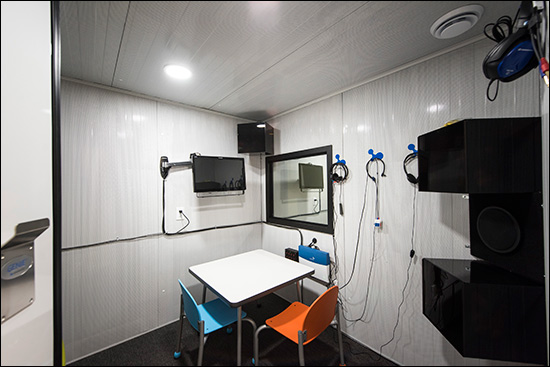
Six of the exam rooms at the clinic near Bissonnet Street are dedicated to otolaryngology services and the other six are for orthopedic care. There also are five rooms – two sound booths, an auditory brainstem response (ABR) room and a hearing aid fitting space – for audiology, a cast room and two radiology areas.

The radiology space can be used for patients at the specialty care location or for patients referred to the clinic for X-rays by other providers within the Texas Children’s system. Additional space in the office building where the clinic is housed is available for future expansion.

Chief Surgical Officer at Texas Children’s Hospital West Campus Dr. Allen Milewicz said the new clinic is a great example of how Texas Children’s continues to expand access to its high-level of pediatric care. “We will be able to deliver a level of convenience we weren’t able to previously provide,” Milewicz said. “It’s perfect for people living in this area and beyond.”
Staff at the clinic provide specialized clinical and diagnostic care.

“Everyone here has a passion for what they do and a desire to create a comfortable and caring atmosphere for our patients and their families,” said April Martin, manager of Texas Children’s Specialty Care Bellaire. “The new team has come together quickly with the goal of providing the highest quality of pediatric care.”
Ensuring that childhood cancer survivors in Texas receive health care that meets their unique needs has been the focus of the Passport for Care, developed by Texas Children’s Cancer Center and Baylor College of Medicine’s Center for Collaborative and Interactive Technologies, since it launched in 2008. A recent grant from the Cancer Prevention Research Institute of Texas expands the innovative, web-based program to reach even more survivors. The $1.5 million grant is the third from CPRIT for the Passport for Care project.

Texas is home to more than 35,000 survivors of childhood, adolescent and young adult cancer who face late effects of their cancer treatment that may impact their quality of life or even be life-threatening. Some of these late effects include infertility, second malignancies and cardiac failure. But childhood cancer survivors face obstacles in receiving quality care, including lack of access to cancer treatment summaries and limited knowledge – by the survivors themselves and by primary care physicians – of the risks for late effects and guidelines for follow-up screenings.

“Health concerns for childhood cancer patients do not end when their cancer treatment is successfully completed, but it can be complicated for survivors and their physicians to keep up with health care recommendations,” said Dr. David Poplack, director of Texas Children’s Cancer Center, the Elise C. Young Chair of Pediatric Oncology at Baylor College of Medicine and co-developer of Passport for Care. “We developed Passport for Care to translate complex follow-up guidelines into a user-friendly, personalized care plan.”

Passport for Care was launched with a clinician website that uses an algorithm to generate a set of potential late effects based on the survivor’s treatment history and deliver a corresponding set of follow-up screening recommendations based on Children’s Oncology Group guidelines. This clinician-based site is in use at 14 childhood cancer centers in Texas, reaching about 5,000 survivors. The survivors’ website was the next phase of Passport for Care, allowing childhood cancer survivors to have direct access to their treatment information and screening recommendations; about 2,800 survivors have enrolled.

With this latest CPRIT grant, Passport for Care will be expanded across Texas, targeting additional cancer clinics as well as individuals in the Texas Cancer Registry, a database of all cancer survivors in the state. Through outreach initiatives to survivors and clinicians, including a social media campaign, the goal is to double the number of Texans enrolled in Passport for Care. Other goals include improving the functionality of the Passport for Care survivors’ website and evaluating the program, including knowledge and follow-through of health and screening recommendations.

“Our goals through this CPRIT-supported expansion are to reach childhood cancer survivors across Texas, increase the number of people who understand the risks of late effects and expand the number of survivors who seek follow-up screening and care to reduce the potential morbidity and mortality resulting from the late effects of cancer therapy,” Poplack said.

Childhood cancer survivors interested in accessing Passport for Care can find more information online.

Texas Children’s Cancer Center is a joint program of Baylor College of Medicine and Texas Children’s Hospital and the pediatric program of the NCI-designated Dan L Duncan Comprehensive Cancer Center.

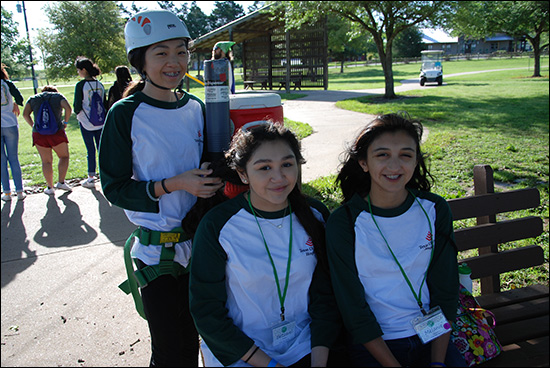
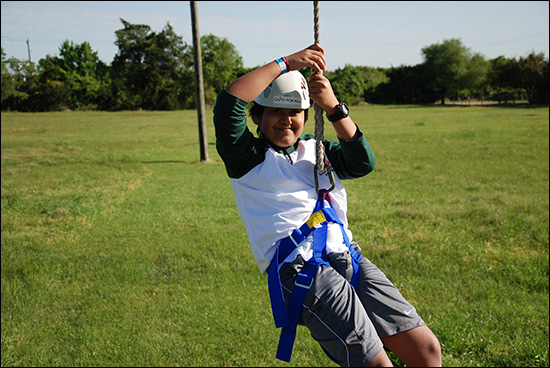
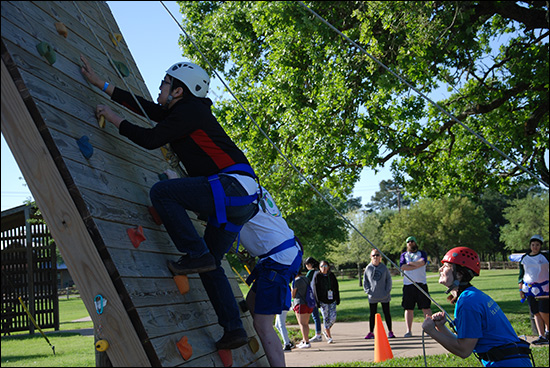
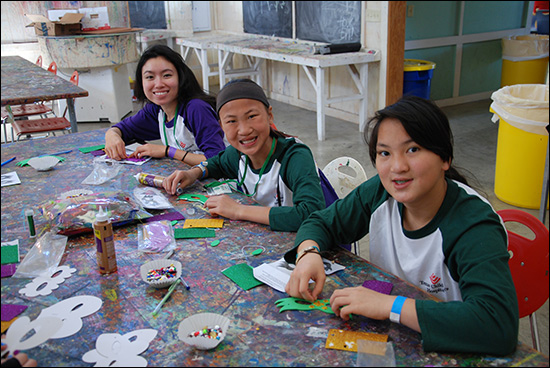
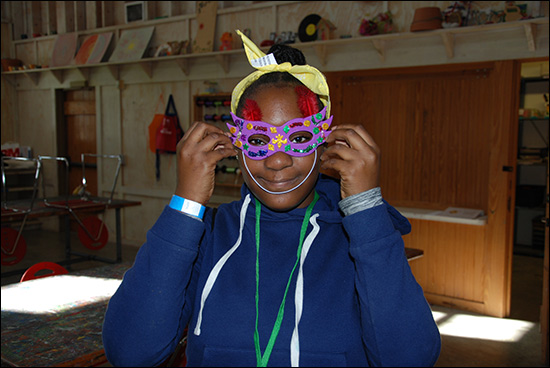
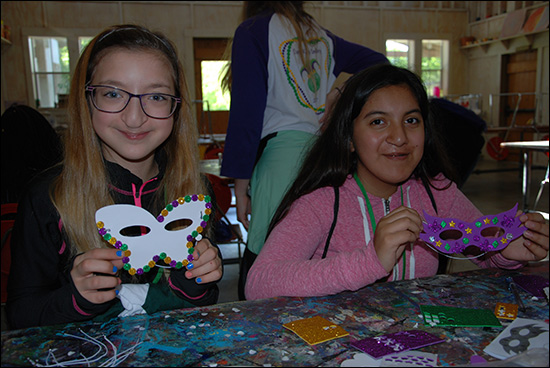
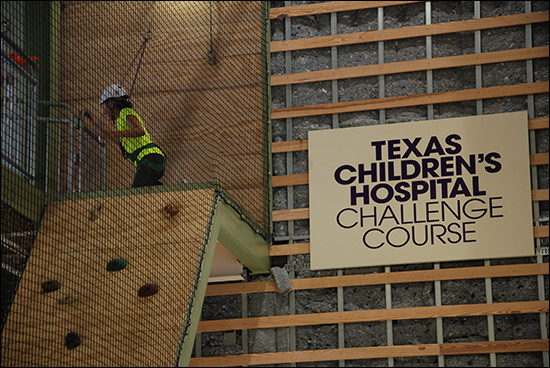
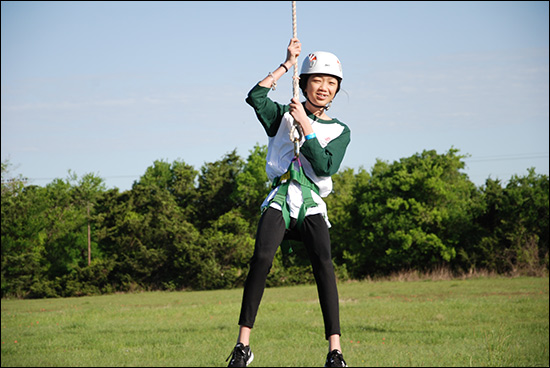
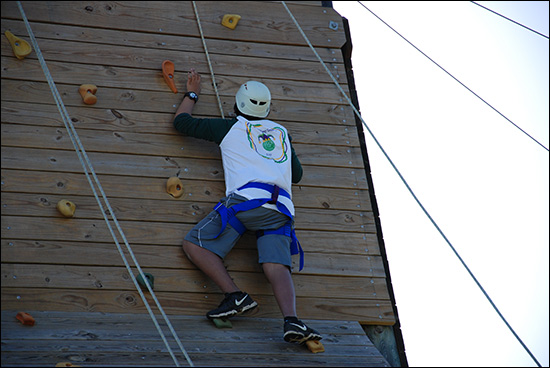
Forty-five campers attended Camp Keep Smiling’s Mardi Gras-themed weekend March 24-26, participating in everything from mask making to ropes courses and more.

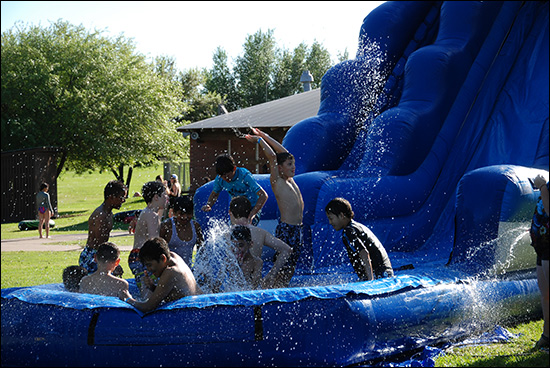
Camp Keep Smiling is a camp for children with cleft lip and palate. Hosted by the nonprofit Camp for All, the camp provides a safe, fun environment for patients between the ages of 10 and 16 to engage in meaningful social interaction and gain self-confidence. Participants can enjoy activities like canoeing, fishing, archery, ropes courses, basketball and arts and crafts.

Admission is free of charge for patients as it is supported directly by donations.

Texas Children’s Pediatric plastic surgeon Dr. Laura Monson, who helped start the camp, leads the camp with other team members from the plastic surgery division. Physicians, nurses, OR staff and child life specialists serve as counselors who notice tremendous strides in the campers towards the end of the session.

The Friends of the Baylor Faculty Wives Quilting Group visited with Dr. William Shearer, Terry Raburn, and Theresa Aldape to present quilts for newborns with perinatal exposure to HIV. The group formerly known as The Baylor Faculty Wives Quilting Group and now the daughters and granddaughters of the founding group are quilting beautiful quilts for the newborns seen at Texas Children’s Hospital. This group of quilters has been handcrafting colorful quilts and presenting them to Dr. Shearer for more than 25 years. Several of the quilts presented this year are in memory of Eileen Colquhoun who introduced her daughters to the quilt program and lovingly sewed many quilts herself throughout the years. Each quilt has “With Love and Comfort to You” written on the back panel, and it is signed with the first name of the quilter.

The quilting project known as the “Names Project AIDS Memorial Quilt” emerged from a national project started in the mid-1980s, and it was presented across the country. When a loved one passed away due to the complications of AIDS, the family and friends would sew and dedicate a special quilt in their memory. The quilt panels were sewn together to show the increasing number of people who lost their battle to AIDS. Today, the quilt is the largest piece of community folk art in the world. People around the world continue to quilt blankets for newborns with HIV exposure and for children, adolescents, and adults living with HIV/AIDS.

This year the Friends of the Baylor Faculty Wives Quilting Group brought an array of beautifully handcrafted quilts for the newborns being tested for HIV, and seen in the Allergy, Immunology and Rheumatology Department at Texas Children’s. We welcome the quilters every year and provide the quilts for newborns seen in the clinic or Clinical Research Center in the Abercrombie Building. The parents of newborns cherish their quilts, and we often see them with their treasured quilt blanket when they return for their appointments at Texas Children’s.

To quilt for newborns and children affected by HIV, please contact Theresa Aldape or call ext. 4-1385.