September 18, 2018

September is National Suicide Prevention Month and along with continuing to inform people about warning signs, Texas Children’s has recently elevated our prevention tactics with the use of the Columbia Suicide Screening Rating Scale (C-SSRS).

“Texas Children’s Hospital recognizes that our team, our system has an essential role to play in helping young people and their families who may be struggling with mental health problems and suicidal thoughts or actions,” said the Chief of Psychiatry at Texas Children’s Hospital, Dr. Laurel Williams. “Over the past 18 months our Psychiatry, Social Work, Psychology, Nursing and Pediatrician partners have been improving our assessment and care for these young people.”

According to the Columbia Lighthouse Project, C-SSRS supports suicide risk assessment through a series of simple, plain-language questions. The answers help users identify whether someone is at risk for suicide, assess the severity and immediacy of that risk, and gauge the level of support that the person needs.

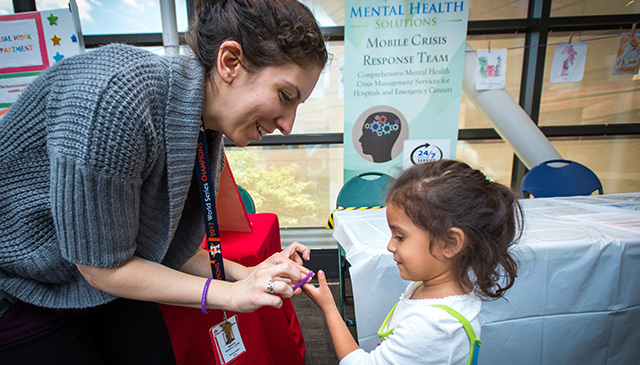
Texas Children’s is currently using the C-SSRS in all three emergency rooms for all youth over the age of 11 since March 2018, and to date we have screened more than 1,700 adolescents. Individuals who screen positive are given specific treatment plans based on the level of severity, including either further assessments by our psychiatry team or our partners, Mental Health Solutions. Mental Health Solutions is an outside team of social workers who will come to our hospital emergency rooms to assist parents. Their health care teams also locate appropriate locations for inpatient psychiatric care within Houston and surrounding counties for youth needing such specialty services.

“Additionally, the inpatient teams have undergone increased training for nurses and patient sitters in order to better address mental health needs for patients with either suicidal thoughts/actions or aggressive behaviors,” Dr. Williams said. “A safety sweep checklist was developed and is employed for any young person identified as having suicidal thoughts or actions to improve the care environment for them while admitted to our care.”

Suicide is the second leading cause of death in the United States among adolescents between the ages of 15 and 24. This is more than cancer, diabetes, cardiac and neurologic diseases and yet there is still a stigma attached to suicide. Over 450,000 emergency rooms visits annually are secondary to individuals who have self-inflicted injuries.

“This screening process has allowed our team at Texas Children’s Hospital to act on the information received to intervene prior to a suicide attempt,” Williams said. “A treatment plan is also designed to avert harm and improve the patient’s mental health.”

Future plans for C-SSRS include screening other localities within our system such as specialty and general pediatric clinics in conjunction with depression screening.

Suicide is preventable and overall, mental health disorders do have effective treatments. We encourage our entire team to fight against the stigma. For those who might be experiencing suicidal thoughts we encourage everyone to consider the following resources:

  • Emergency or urgent needs – 1-800 273-TALK (8255)
  • Texas Children’s Hospital’s Psychiatry Clinic, For outpatient assessments and treatment – 832-822-3750
  • Texas Children’s Hospital Employee Assistance Program – 832-824-3327

Click here to learn more about suicide prevention. Click here to become more involved in suicide prevention awareness.
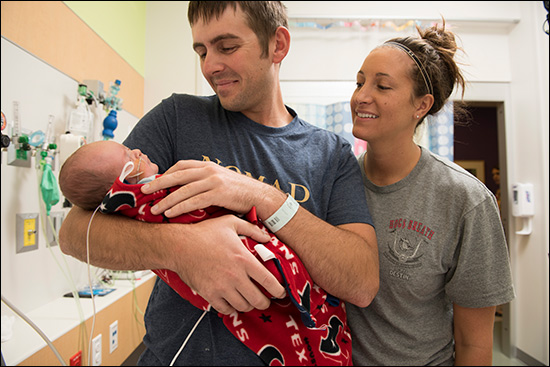
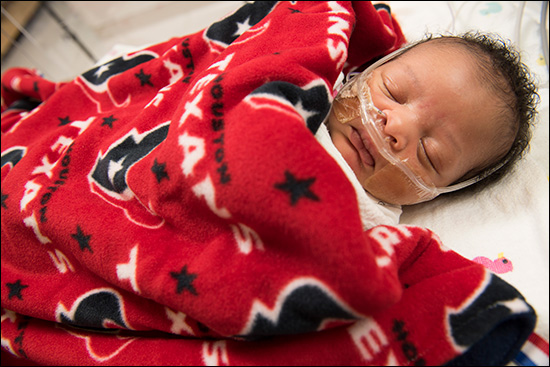
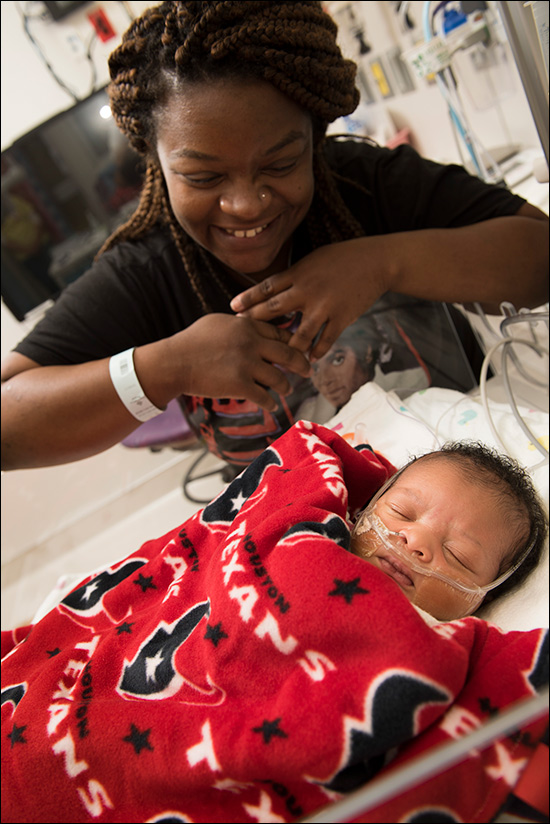
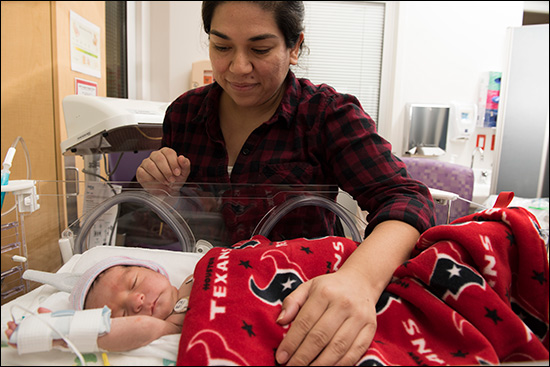
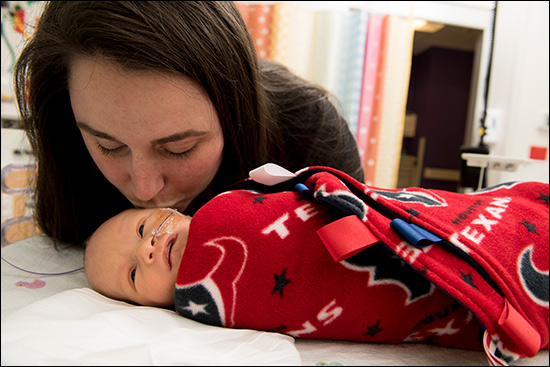
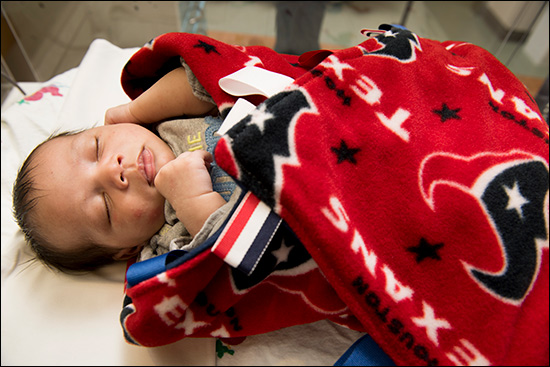
Some of the smallest and mightiest Houston Texans fans are celebrating #TexansFriday wrapped in new, handmade fleece blankets. As they cheer on their favorite team on Sunday, the blankets will add extra comfort and Texans spirit to patients in the neonatal intensive care unit (NICU) at Texas Children’s Hospital The Woodlands.

This unit is led by a multidisciplinary team of neonatal experts – physicians and nurses – who are internationally recognized for their level of experience and knowledge in the care of premature and critically-ill infants. The NICU at Texas Children’s Hospital The Woodlands means babies can get the care they need closer to home.

Texas Children’s is the Official Children’s Hospital of the Houston Texans. For more information visit texaschildrens.org/texans.

The National Committee for Quality Assurance (NCQA) recently accredited Texas Children’s Hospital’s Centralized Credentialing Office.
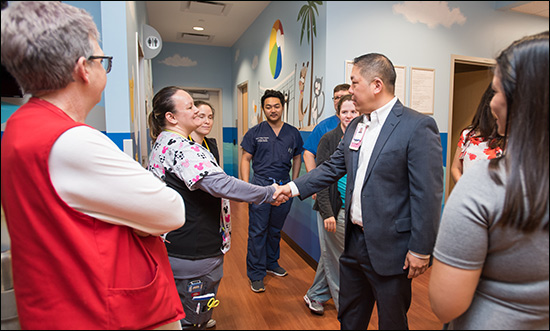
The NCQA is a nonprofit organization in that works to improve health care quality through the administration of evidence-based standards, measures, programs, and accreditation. An NCQA accreditation is considered a best practice in the field of credentialing.

To earn the status, NCQA auditors performed a comprehensive evaluation of the Credentialing Office to determine if it met the organization’s standards of having a well-defined credentialing and re-credentialing process. The office demonstrated excellence with a near-perfect score of 99.6 percent.

September 10, 2018

As the opening of the new Heart Center in Legacy Tower quickly approaches, one grateful patient family is commemorating their journey with Texas Children’s with a building project of their own.

Heartwood Acres is a new subdivision being developed by Rodgers Homes & Construction, a business owned and operated by Jenny and Philip Rodgers, who came to Texas Children’s in 2014 after a routine 20-week ultrasound revealed their baby had hypoplastic left heart syndrome. Their doctors in Shreveport, Louisiana, explained that repairing this rare, complex and life-threatening heart defect would require highly specialized care that wasn’t available locally, including at least three open-heart surgeries, the first just a few days after birth. But even with surgical intervention, survival wasn’t certain. The couple was devastated.

“When they told us something was wrong, everything changed,” Jenny recalled. “I cried for months. It was as though we were mourning the loss of the family life we’d envisioned.”

After researching fetal cardiology and surgical options at top regional and national hospitals, they decided their best chance was treatment at Texas Children’s. From the moment they walked in, they knew they’d made the right choice.

“We were immediately blown away by the facilities and how state-of-the-art everything was, but what really floored us were the people,” Jenny said. “Everyone was incredible and comforting. Dr. Nancy Ayres, our fetal cardiologist, met us in the hallway and stayed with us all day. We felt like we were being taken care of from day one.”

Prior to delivery, Jenny moved to Houston to be closer to Texas Children’s, where she would remain until after her baby’s second open-heart surgery. On May 19, 2014, after months of careful planning and monitoring at Texas Children’s Fetal Center®, Jenny gave birth to Aiden at Texas Children’s Pavilion for Women. Just four days later, Dr. Jeffrey Heinle, associate chief of Congenital Heart Surgery, performed the first of Aiden’s surgeries at Texas Children’s Heart Center®. The family stayed in Houston until Aiden was ready for his second surgery, performed when he was only four months old. Less than a month later, they were discharged to return home to Louisiana.

Today, Aiden is a happy four-year-old who loves superheroes and playing soccer. And though there’s another procedure on the horizon, part of Aiden’s three-stage palliative surgical path, Jenny knows her son and family will be in the best hands possible at the No. 1 heart center in the country according to the 2018-2019 U.S. News & World Report hospital rankings.

“Heart parents are fiercely proud of their heart centers,” Jenny said, laughing. “So we’re excited that ours is the actual No. 1 heart center, especially because the rankings are so comprehensive. That kind of transparency is vital for families that need to make important health decisions. The U.S. News rankings are an easy-to-understand resource that I give to any family I meet that’s in need of specialized care.”
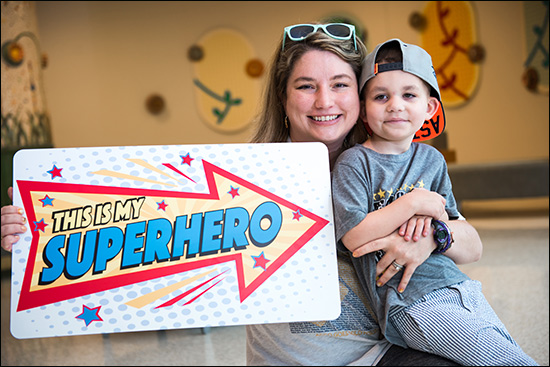
Of added comfort to the Rodgers family is the fact that when Aiden undergoes his final surgery, it will be in the new Heart Center in Legacy Tower. The Heart Center will occupy eight floors and will feature four cardiac catheterization labs including integrated MRI scanner, four cardiovascular operating rooms, three cardiovascular ICU floors with 48 private rooms, two cardiac acute care floors with 42 private patient rooms, and a dedicated space for families.

“I’m thrilled that we’ll have access to this awesome new facility,” Jenny said. “It’s huge to know that because of the layout of the new CVICU rooms, I don’t have to leave to sleep or shower. I can be right where I’m supposed to be – with Aiden.”

The road has been long and their journey isn’t over, but the Rodgers family is grateful for Texas Children’s and the care they’ve received. In honor of their experience, and their continued involvement in the pediatric heart community, the family decided to name their company’s first ever subdivision Heartwood Acres. When residents and visitors pass into the neighborhood, they’ll pass a plaque that tells Aiden’s story and how this place and its streets got their names. The first three streets are appropriately named Fannin, after the street where Texas Children’s stands, Ayres Circle and Heinle Way.

On September 6, the Rodgers family presented Drs. Ayres and Heinle with their own street signs, each with a personal inscription to the people who Jenny said held Aiden’s life – and his heart – in their hands.

The inscription reads:
Your care lit the path for our son Aiden’s life and we are honored to pave the streets in your name for others to live theirs.

“We wouldn’t have Aiden without them,” Jenny said. “They mean so much to us and we love them.”

Learn more of the Rodgers family’s story.

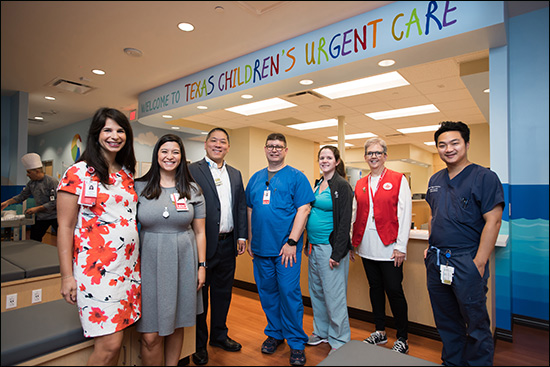
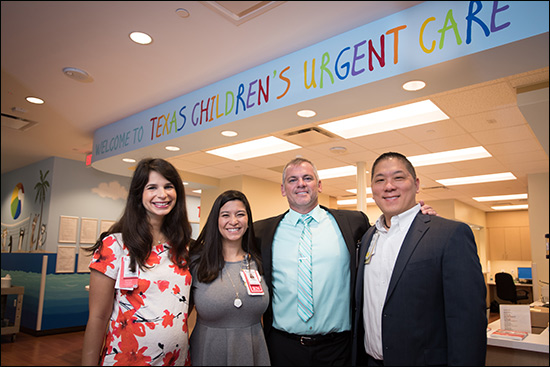
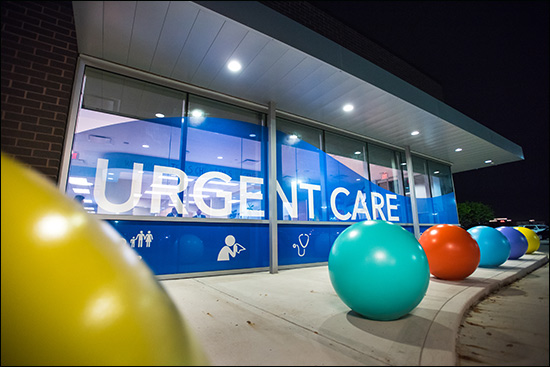
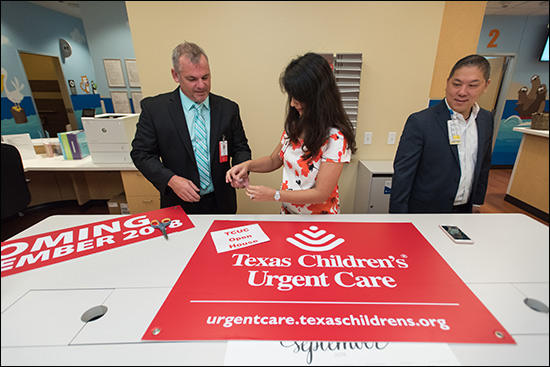
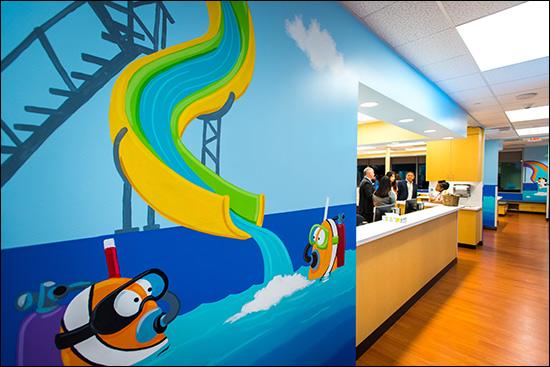
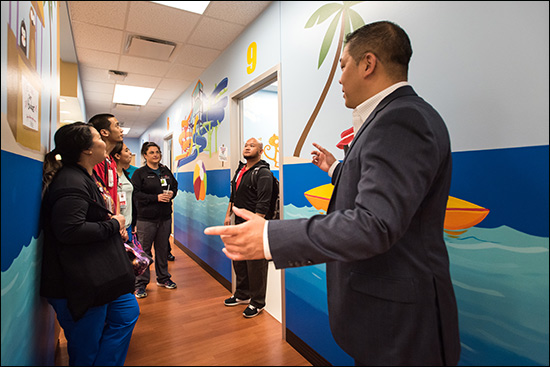
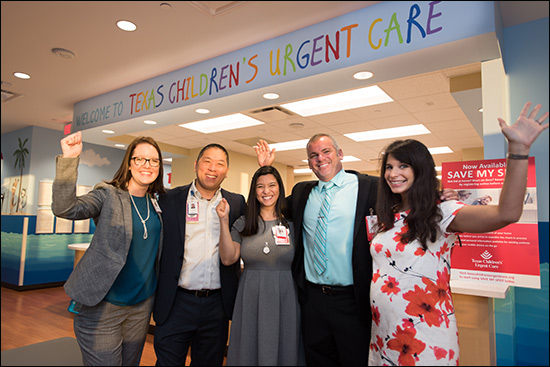
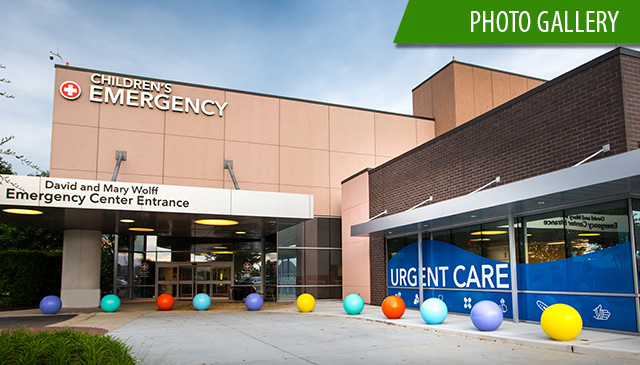
On September 11, Texas Children’s opened its 12th urgent care clinic, the second of which is located near a Texas Children’s Emergency Center.

The recently opened urgent care is located next to the Texas Children’s Hospital West Campus Emergency Center to help manage the Emergency Center’s low-acuity patient population and to serve patients and families in the West Houston area. The care team includes front office staff, nurses and clinical support staff, and board certified pediatricians and pediatric-focused advanced practice providers.

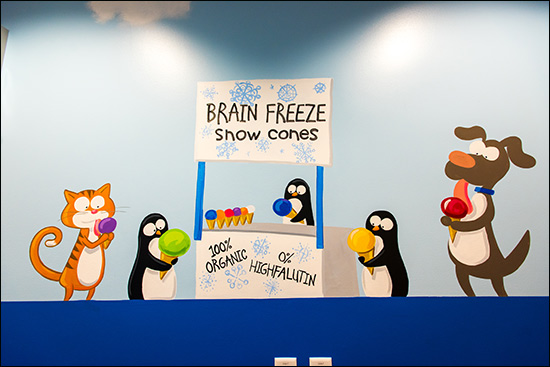
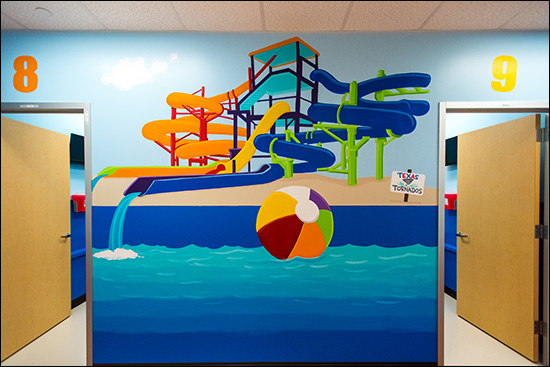
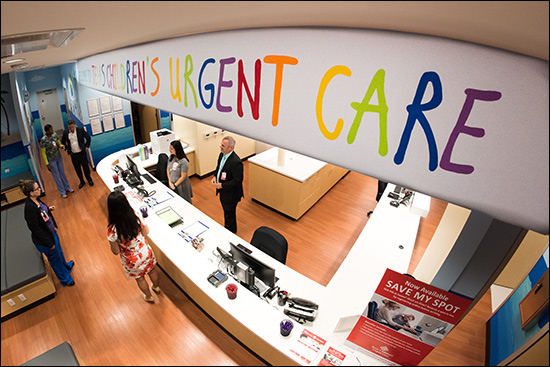
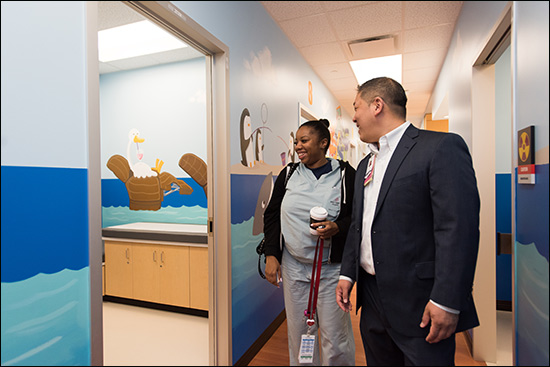
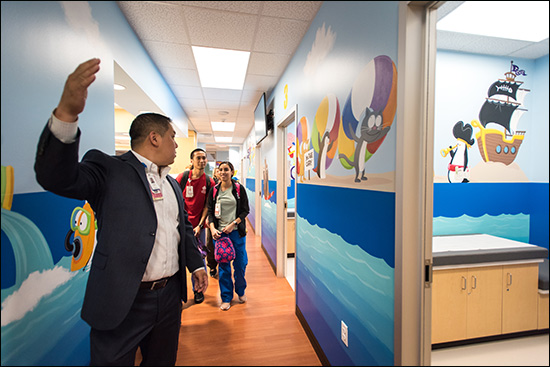
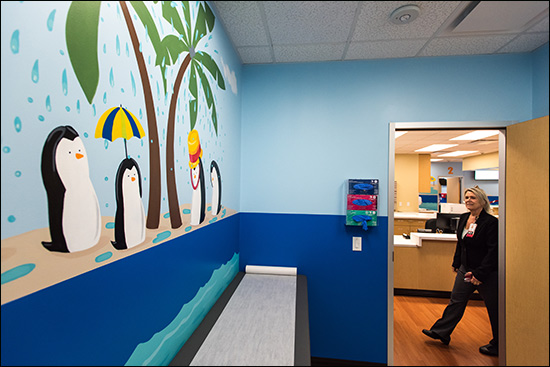
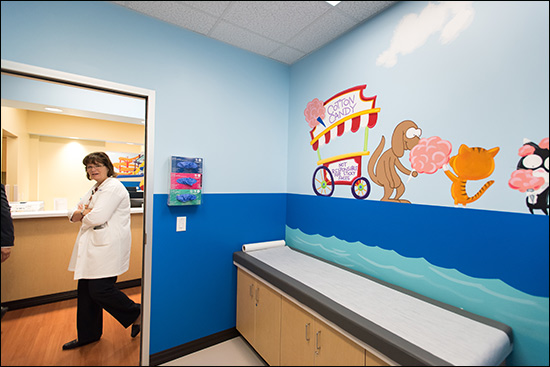
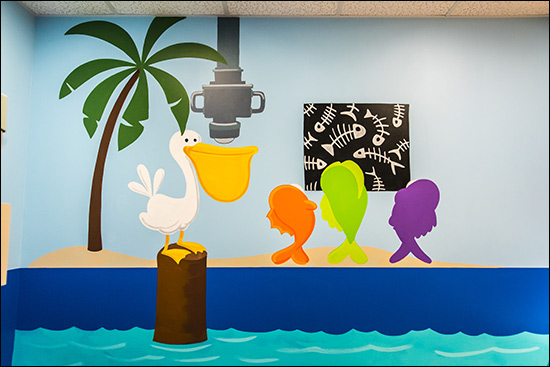
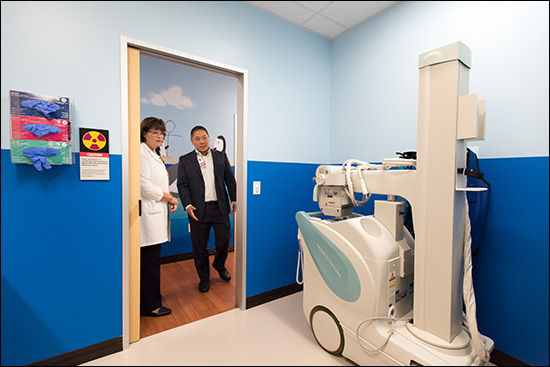
At 4,250 square feet, the clinic has 11 exam rooms, an X-ray room, and a spacious waiting area covered in murals, providing a relaxing, child-friendly atmosphere.

“A strong collaboration between this Urgent Care and the Emergency Center is going to be critical,” said Sara Montenegro, assistant vice President at West Campus. “It has been great so far as we have simulated ahead of time and practiced best and worst case scenarios to make sure we are as prepared as possible.”

This collaboration with the Emergency Center offers a quicker and less expensive option for low-acuity patients. To be seen at the clinic, patients can go directly there or be transferred from the Emergency Center after being assessed. If they are transferred, patients and their family members will be escorted to the clinic’s location.

“We are very excited to be out here at West Campus,” said Gary Macleod, the clinic’s director of clinical operations. “Hospital-based urgent cares are always really exciting for us. The ability to work hand-in-hand with the hospital makes us more effective.”

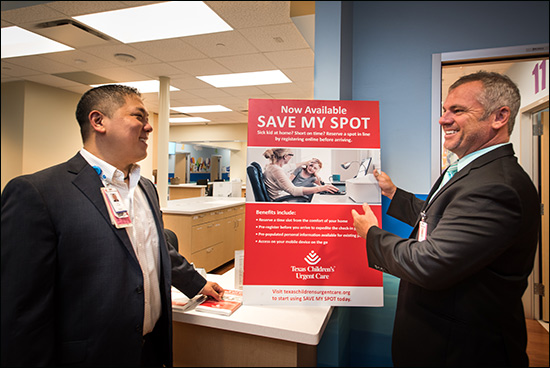
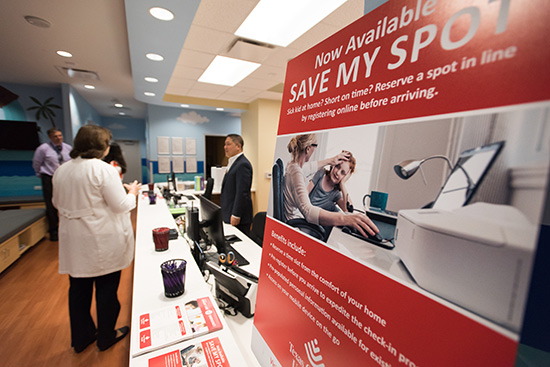
The West Campus Urgent Care is open from 11 a.m. to 11 p.m., seven days a week. The “Save My Spot” feature, which allows patient families to reserve a time slot at the clinic from the comfort of their own home, is live and wait times are also posted on the website so families know how long it will be before they are seen. Electronic check in is also available to expedite the registration process and potentially aid in lowering wait times.

“Our mantra is to ensure that patients are getting the right care, at the right place at the right time, and with us specifically, at the right cost,” said Roula Zoghbi Smith, director of Business Operations for the Urgent Care. “The urgent care is typically a more cost effective option for families, than seeking care in the Emergency Center, which is always appreciated.”

For more information about Texas Children’s Urgent Care and its locations, click here.

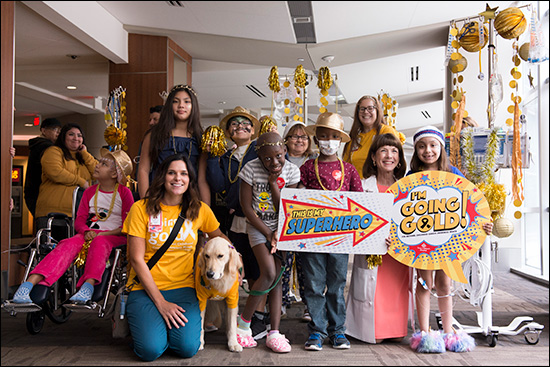
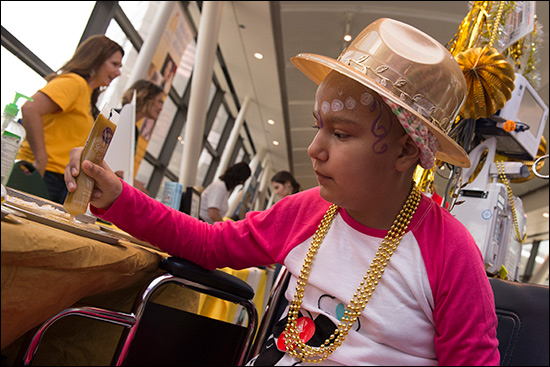
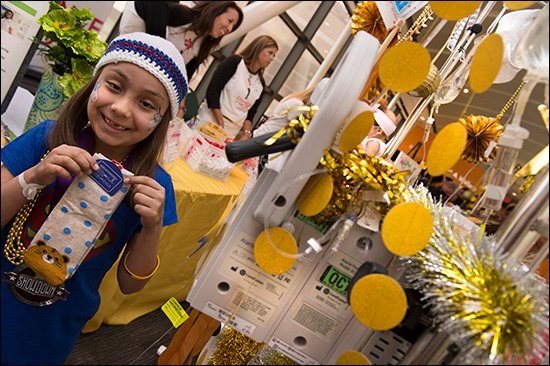
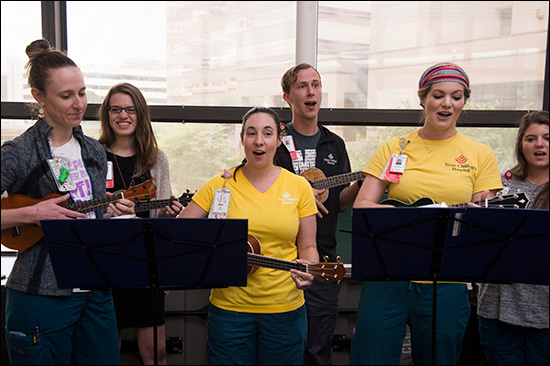
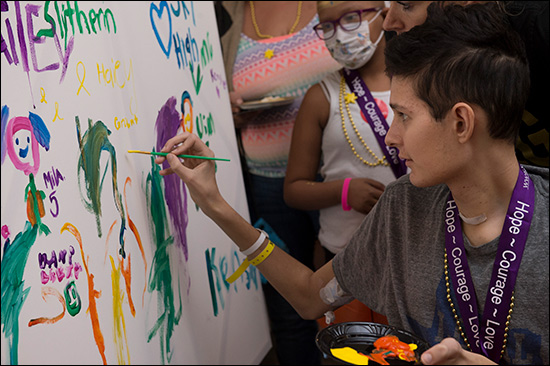
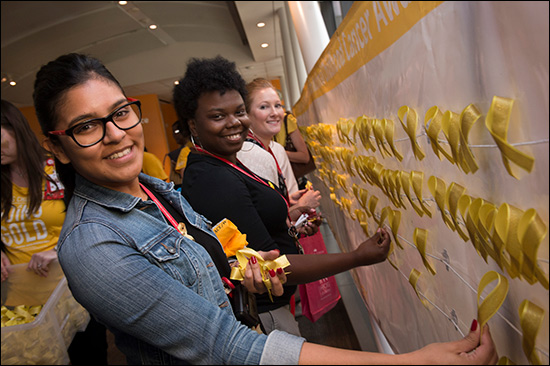
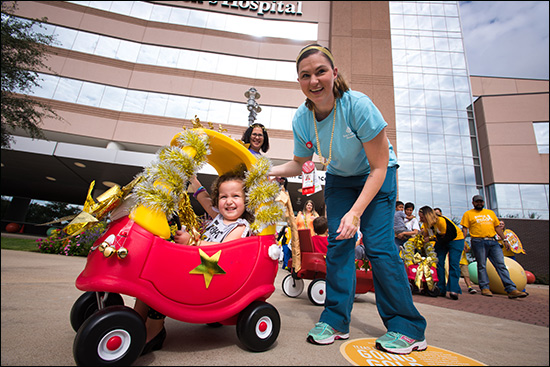
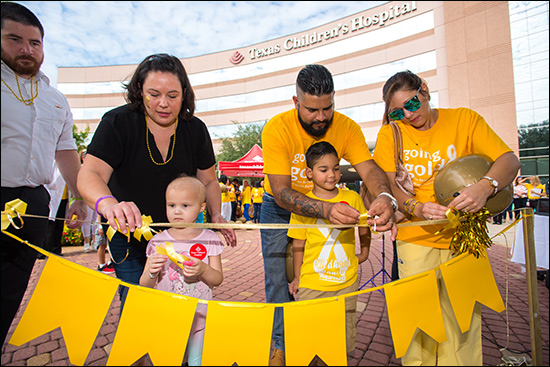
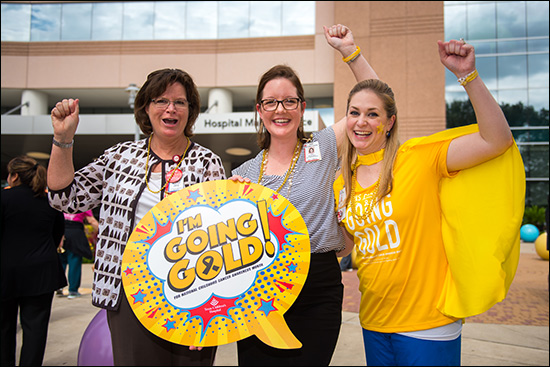
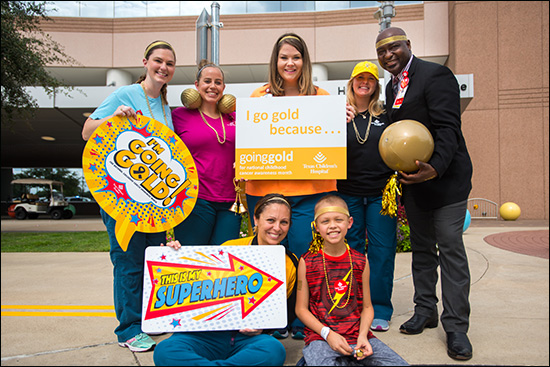
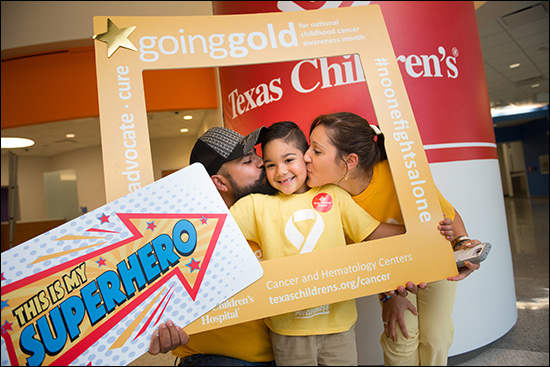
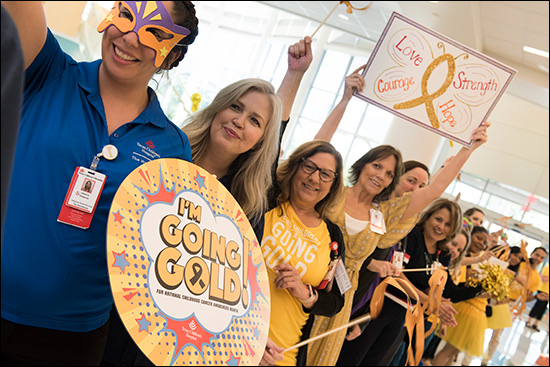
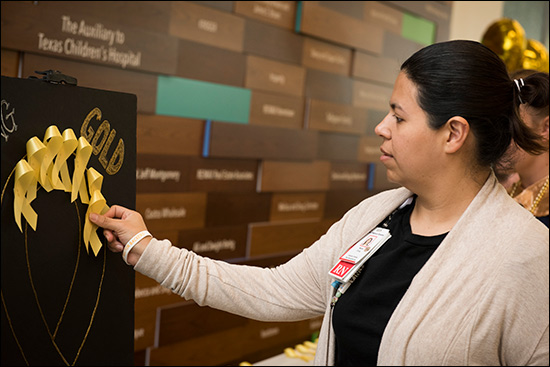
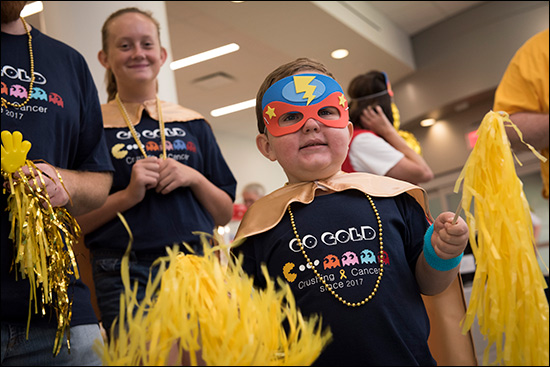
Texas Children’s Cancer Center showed their “Going Gold” spirit last week in honor of National Childhood Cancer Awareness month.

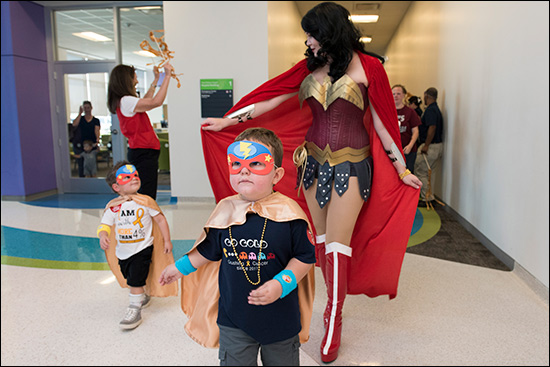
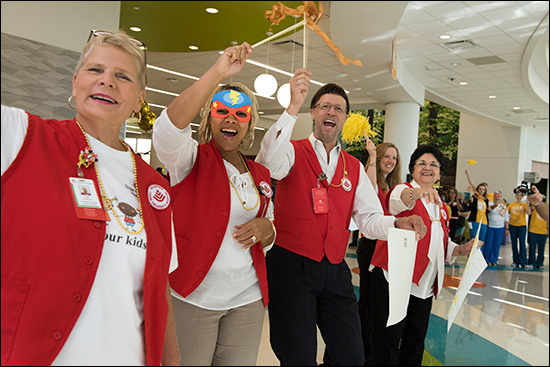
Patients, families and Texas Children’s Cancer Center employees wore everything gold, the official symbolic color for childhood cancer awareness, and participated in Going Gold parades, ribbon tying events and other festivities at Texas Children’s Hospital in the Medical Center, Texas Children’s Hospital West Campus, Texas Children’s Hospital The Woodlands and Vannie Cook Children’s Cancer and Hematology Clinic in McAllen, Texas.

View a photo gallery from the events below.

Dressed in bright gold shirts and donned with gold stars, hats, necklaces, bracelets and other festive gear, participants marched for the worthy cause. Vendors from organizations such as the Periwinkle Foundation were present at all three events offering additional support to patients and families. And, employees with the Cancer Center spoke about how important the celebration is to them, patients, families and anyone and everyone interested in beating this disease.

“We are thrilled to have the opportunity to have everyone here,” Dr. Susan Blaney, director of Texas Children’s Cancer and Hematology Centers, said to a packed room on the fourth floor of the Pavilion for Women before the parade at Texas Children’s Medical Center campus. “As you know, there have been significant advancements in oncology, making what was once a fatal diagnosis survivable here in the United States. However, there is still much more work that needs to be done, which is why we are here today.”

Dr. Ricardo Flores, clinical director of the Cancer and Hematology Centers at Texas Children’s Hospital The Woodlands, agreed and pointed out that every hour a child is diagnosed with cancer.

“We have made great enhancements, but still need a cure,” he said.

Dr. Deborah Shardy, associate clinical director of the Cancer and Hematology Centers at Texas Children’s Hospital West Campus, said those we honor and remember this month are the very people who inspire us to continue to look for a cure.

“Texas Children’s Cancer Center was inspired to “Go Gold” several years ago by a young patient, Faris D. Virani, who was perplexed as to why he didn’t see as much gold in September as he saw other colors in months representing other diseases,” she said. “Motivated by Faris’ concern, each year the Cancer Center has increased their level of “gold-ness.”

Faris’ mother, Asha Virani, said she knows her son, who lost his battle with Ewing’s sarcoma, is smiling because of all of the gold that is being shown around Texas Children’s in September.

By the end of this year, it is estimated that over 15,700 children nationwide will be diagnosed with a form of pediatric cancer. Please help spread the message that Texas Children’s Cancer Center is leading the battle against pediatric cancer. To learn more about Texas Children’s Cancer Center, please visit texaschildrens.org/cancer.

What happens when 32 specialties at Wallace Tower, 16 specialties at Texas Children’s Hospital The Woodlands, and 51 Texas Children’s Pediatrics practices take part in their own “Shoot for the Stars” MyChart challenge? It means more patients and their families are signing up for My Chart, the hospital’s online patient portal.

Due to the tremendous success of the 5-week MyChart Madness Challenge in March – which generated close to 2,000 same-day MyChart activations across the hospital system – clinical staff launched a second competition to add to these successes, while engaging their teams around Texas Children’s Patient Access Initiative.

MyChart Instant Activation is one component of the Patient Access Initiative, which essentially pushes a text or email notification to patient families that allows them to sign up for a MyChart account via phone instead of having to use a computer to sign up. Patients are then able to access their personal health information, communicate directly with their care team at any time, and schedule their clinic appointments online.

The Shoot for the Stars My Chart Challenge began on July 23 and ended on August 31. The competition generated impressive results across the organization which has helped to improve access for our patients and their families.

Wallace Tower and The Woodlands

Over the course of five weeks, Wallace Tower generated a total of 979 same-day MyChart activations. Of the 32 participating clinics at Wallace Tower, the neurology team won with 204 same-day activations. Over the course of four weeks, The Woodlands campus generated 100 same-day activations with Dermatology winning the challenge.

Texas Children’s Pediatrics

Texas Children’s Pediatrics (TCP) conducted their own competition which began on July 23 and ended on September 2. TCP generated a total of 11,206 My Chart activations. Several practices won weekly and overall raffles including TCP Baytown, Cy-Fair, Lakewood, Pasadena, PMG and Sterling Ridge.

Texas Children’s Pediatrics also conducted a creative competition where each TCP practice designed a creative campaign to display the benefits of MyChart and encourage MyChart activation.

Here are the top three creative campaign winners:

  • TCP Pasadena – “MyChart is Out of this World”
  • TCP Heights – “Be Incredible…Sign Up for MyChart
  • TCP Rayford – “MyChart-Land”

Click here to view all of the MyChart campaign posters.

Patient access: Opening the door at Texas Children’s

Since launching this initiative in March, Texas Children’s has seen significant improvements in patient access across the hospital system. Several enhancements were implemented in waves across specialties which included:

  • Standard clinic sessions: After evaluating 944 provider templates, extra slots were found where physicians could see patients for a duration of four hours. By standardizing clinic sessions for all specialties across Texas Children’s, over 53,000 new appointments have been added to the system.
  • MyChart activation: In October 2017, the organization had less than 8,000 monthly MyChart activations. To date, we have now exceeded over 60 percent activation for MyChart throughout the system.
  • Direct scheduling: More than 100 patients have used this online feature that allows current patients to quickly and easily schedule appointments online on MyChart.
  • Electronic waitlist: This MyChart feature automatically offers up available appointments to patients desiring a sooner appointment. Since its implementation, over 300 patients have accepted an appointment on average 52 days earlier than their prior appointment.

Click here to watch this video that highlights our patient access journey and our recent accomplishments.