October 29, 2018

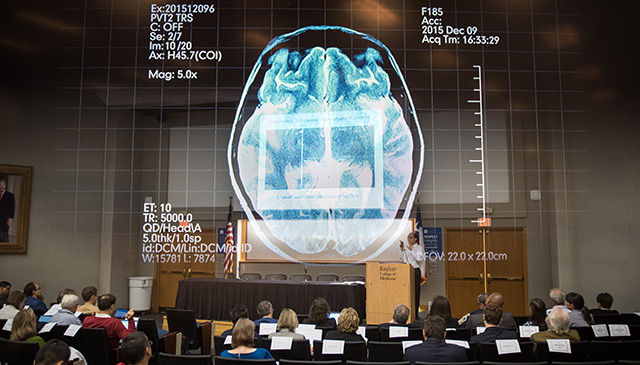
Some of the brightest minds in neuroscience recently converged on the Jan and Dan Duncan Neurological Research Institute (NRI) at Texas Children’s Hospital for its fourth biennial symposium and workshop, in partnership with Baylor College of Medicine.

The special two-day event brought together nearly 300 physicians, scientists, patients, patient advocacy groups, pharmaceutical industry experts and leaders from the National Institutes of Health (NIH), the National Institute of Neurological Disorders and Stroke, and the National Institute for Mental Health, to address key issues in the field of neuropsychiatry, an intersectional branch of medicine that deals with mental illnesses caused by organic disorders of the nervous system.

Neuropsychiatric disorders are a leading cause of disability and take a tremendous toll on society. In the United States alone, one out of five adults lives with mental illness. The spectrum of mental illnesses is vast, ranging from the extremely rare to more well-known conditions such as depression, anxiety, schizophrenia, ADHD, addiction and sleep disorders. Symptoms and their severity can vary widely from patient to patient, which makes them difficult to physiologically measure. For these reasons, neuropsychiatric disorders are some of the least understood – and some of the most difficult to treat.

“These disorders are a major health issue all over the world, however, therapeutic interventions remain limited,” said NRI/Baylor investigator and child neurologist Dr. Hsiao-Tuan Chao. “There is a growing need to understand the organic factors behind mental illness to facilitate a better understanding of the brain, as well as to develop more effective treatment strategies.”

The symposium opened with a welcome address from Dr. Huda Zoghbi, director of the NRI, and this year’s co-organizer, Dr. Steven Hyman, director of the Stanley Center for Psychiatric Research at the Broad Institute of MIT and Harvard. The pair stressed the importance of identifying new research paths in order to develop targeted therapies that could not only help treat neuropsychiatric symptoms, but could also help mitigate or eliminate side effects and toxicities that far too many patients experience.

Over the course of the first day, presentations from leading experts addressed hot topics in neuropsychiatry. These included a discussion on how genetic mutations contribute to neuropsychiatric disorders; the involvement of neuronal networks in neuropsychiatric phenotypes; the impact of immune cells on these disorders; and a look into how adaptive deep brain stimulation could potentially help specific conditions. Each session gave way to a 20-minute moderated panel discussion on the topic at hand. This feature of the symposium is unique in that it leads to immediate discussion and active participation among the many different types of stakeholders present.

Following a day of stellar research presentations, the investigators split into three working groups that focused on Molecular Bases of Disease and Human studies, Circuits and Neuromodulation, and Young Investigators. The groups discussed not only everything they had heard over the course of the day, but also their vision for the next 20 years in neuropsychiatry, including the obstacles that currently exist and what is needed to overcome them.

The next morning, key points that had emerged from these discussions were shared with the audience. The working groups identified increased access to resources and funding as a major need. But unanimously, all of the young investigators noted the critical importance of building interdisciplinary, multi-institutional collaborations, with a focus on team science and data sharing.

“Building bridges between various disciplines aids in the identification of important areas of neuropsychiatry that require further investigation and therapeutic development,” said Chao. “Neuropsychiatry itself is an interdisciplinary field, and unraveling the causes for these conditions will require continued interdisciplinary collaborations to accelerate the pace of discovery.”

The proceedings will be published as a white paper in Science Translational Medicine, a leading weekly online journal and one of the event sponsors.
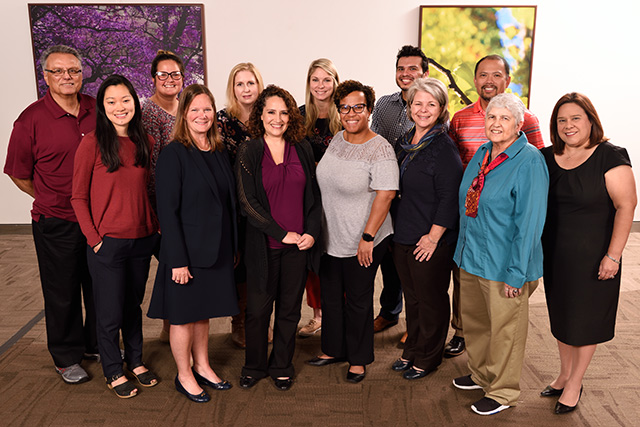
On October 18, Texas Children’s Hospital’s Social Work Department received the Compassionate Touch Roy Hatch Award 2018 at the Lifeline Chaplaincy & Compassionate Touch Benefit Dinner.

The Social Work team consists of over 75 social workers that are dedicated to enhancing the social functioning and overall well-being of our patients.

“The social work team has strength in its diversity and ability to provide compassionate care to patients and families through illness and/or hospitalization,” Director of Clinical Support Services, Michelle Lawson said. “Our patients and families come to Texas Children’s Hospital for excellent medical care, and our social workers are a part of the interdisciplinary team that help support families throughout their medical journey.”

The Compassionate Touch program was implemented to assist those without adequate financial support for non-medical needs. Lifeline Chaplaincy is dedicated to providing compassionate support to the seriously ill, their families and caregivers, and to being an educational resource for crisis ministry. Both organizations partnered together to annually acknowledge and reward extraordinary social workers who support Compassionate Touch.

The Roy Hatch Award is named after a NASA retiree who was highly devoted to Lifeline Chaplaincy. The award includes direct patient funding for selected medical institutions.

“The social work department is excited about the recognition from Lifeline Chaplaincy and the Compassionate Touch program,” Lawson said. “The selection as the recipient of the Roy Hatch award this year is a wonderful recognition of the strong partnership that our social work team has with Lifeline in providing assistance to the patients and families at Texas Children’s Hospital.”

October 23, 2018

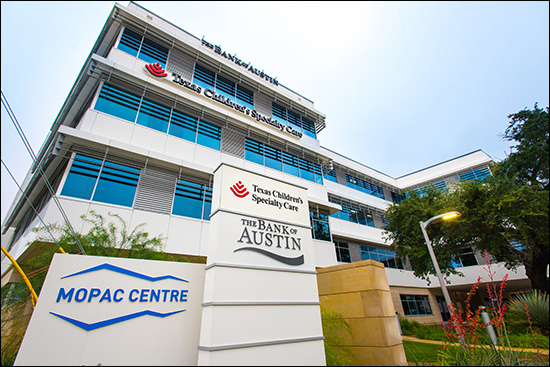
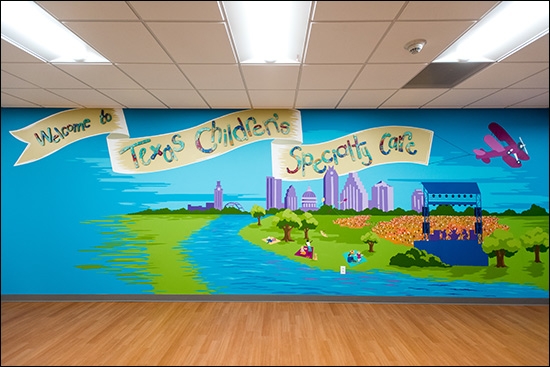
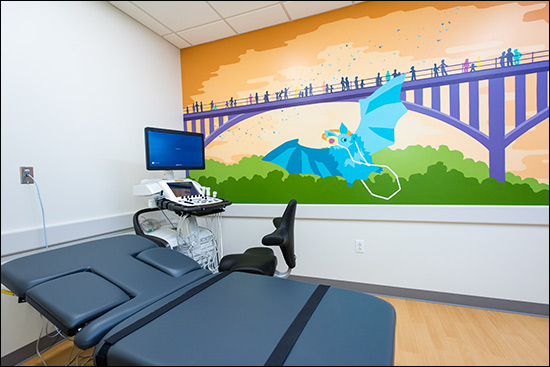
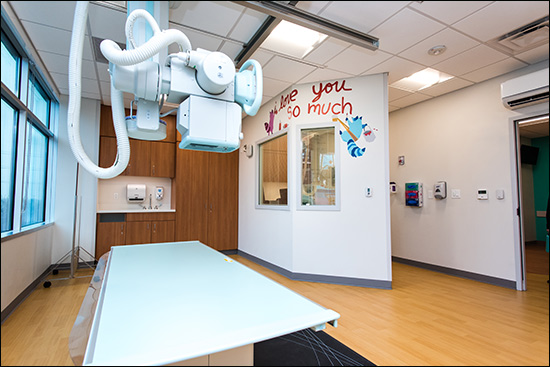
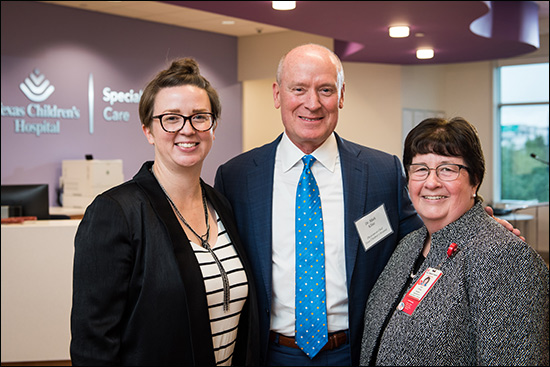
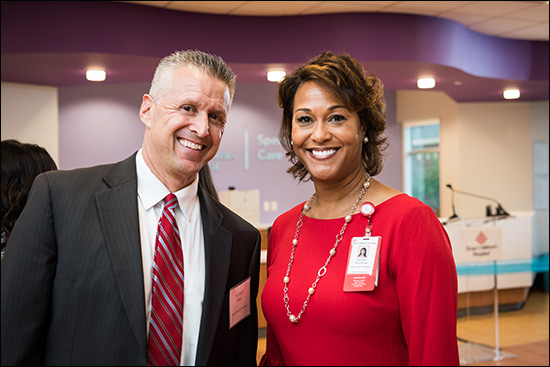
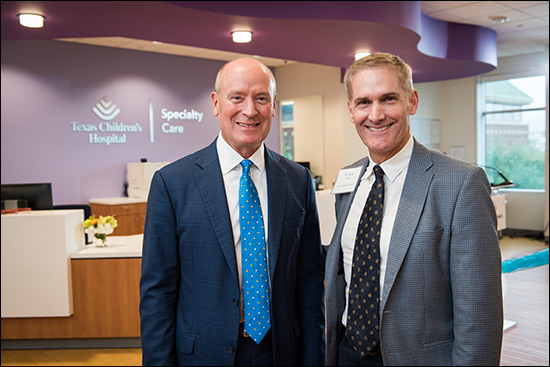
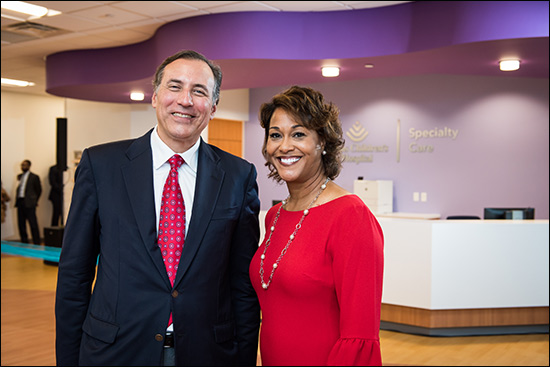
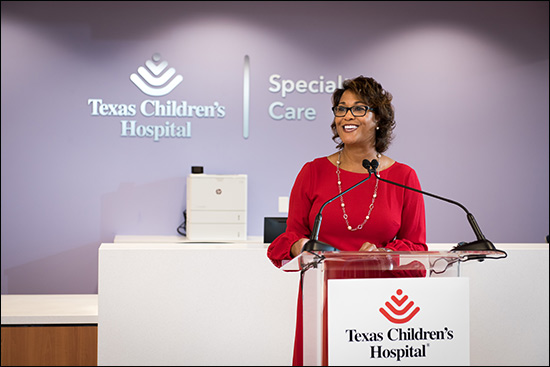
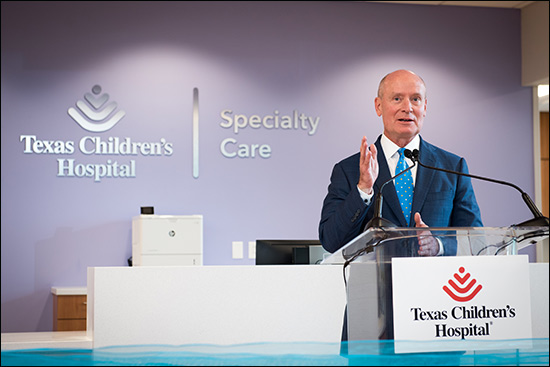
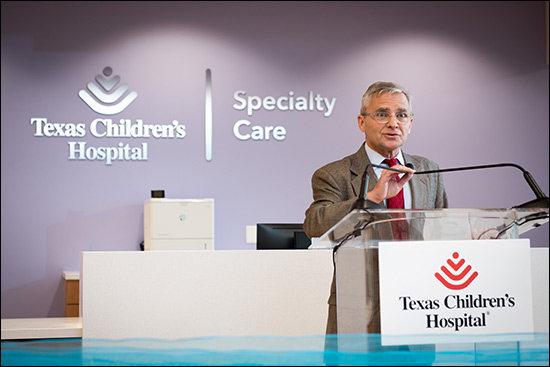
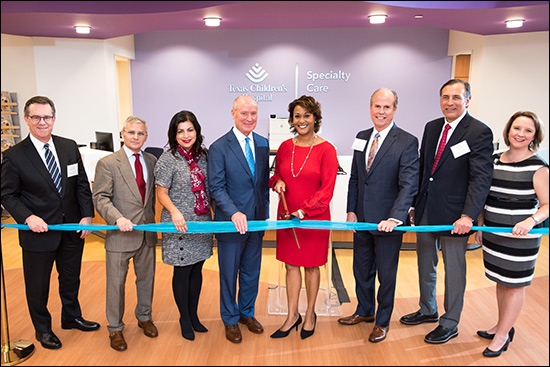
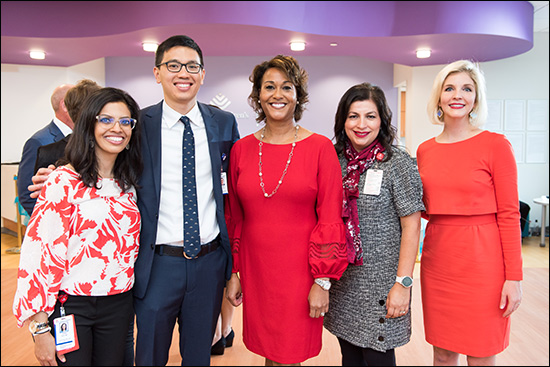
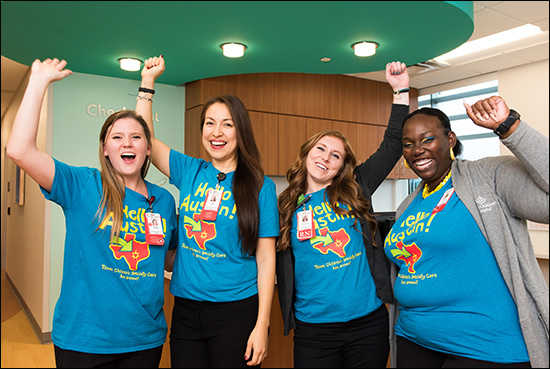
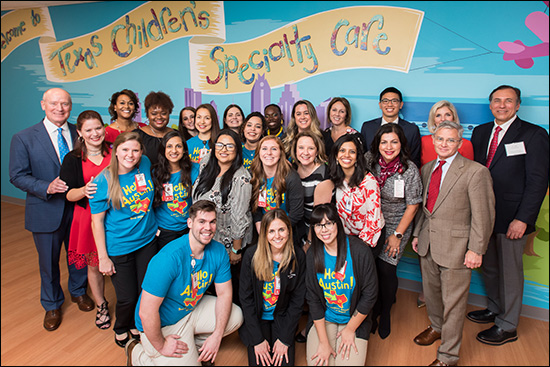
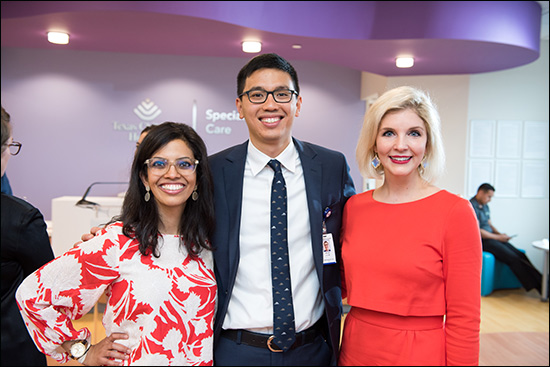
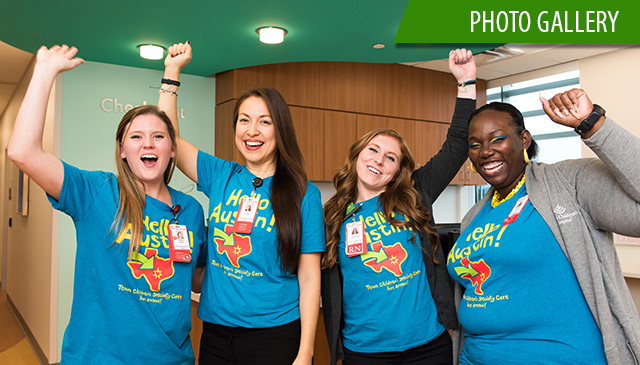
On October 19, Texas Children’s leaders cut the ribbon to our health system’s newest addition – Texas Children’s Specialty Care Austin.

The clinic, at 8611 N. Mopac Expressway, Suite 300, officially opens Thursday, October 25, and will offer services in cardiology, and ophthalmology. Pulmonology services will begin in mid-November and Allergy and Immunology will begin in December. Scheduling for cardiology, ophthalmology, and pulmonary is now open, and schedules for Allergy & Immunology services will open in November.

“Our goal is to supplement the great health care options already available to Austin-area families and improve access to specialty care in a convenient location,” Executive Vice President Michelle Riley-Brown said.

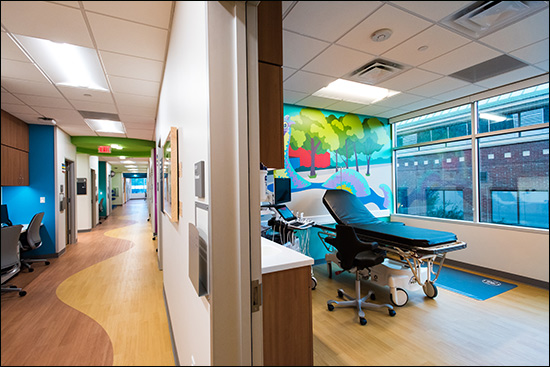
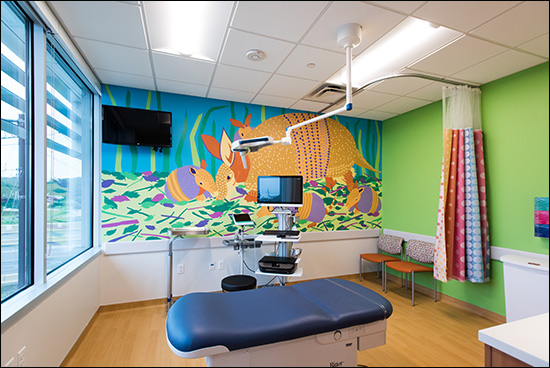
The 26,000 square foot clinic has 30 exam rooms including five eye lanes. This exam area is the comprehensive site where patients have their vision checked and ophthalmic professionals conduct exams and meet with patients. Each specialty has two to four dedicated rooms depending on the number of providers. There is an additional 26,000 square feet of shell space on the second floor available for future expansion.

Outpatient Radiology services are available for internal and external patients. For cardiology, EKGs are available to record heart activity, echocardiogram to capture images of the heart, and a portable device called holter monitors that also measures and records heart activity. There is also a pulmonary diagnostic laboratory available to perform a number of pulmonary tests such as spirometry, bronchodilator response evaluations and oxygen saturation.

“We have recruited the best and brightest,” Physician-in-Chief Dr. Mark W. Kline said. “We did it at West Campus, The Woodlands and we are doing it again here in Austin.”

Staff at the clinic provide specialized clinical and diagnostic care. Several specialties expected to be provided at the clinic in the future are:

  • Allergy & Immunology
  • Dermatology
  • Endocrinology
  • Gastroenterology
  • Neurology
  • Optometry
  • Plastic surgery
  • Urology

“At Texas Children’s, we are extremely proud to be in Austin,” Vice President Ivett Shah said. “Being here is an extension of our mission — so that we can provide the very best care to even more children who need it. We are honored to have everyone respond so positively and we are so grateful to be here, serving you.”

Click here to visit the website for more information, or call 737-220-8200 to schedule an appointment.

The New England Journal of Medicine (NEJM), one of the nation’s most respected peer-reviewed medical journals, has released a new study highlighting the groundbreaking work being done by the Undiagnosed Diseases Network (UDN), an National Institutes of Health-funded research consortium that includes the Jan and Dan Duncan Neurological Research Institute (NRI) at Texas Children’s Hospital, Baylor College of Medicine, Stanford University and other institutions.

Identifying the genes responsible for rare or unknown disorders using traditional approaches is time-consuming work and can take years, or sometimes even decades. And though genetic sequencing is now a routine part of the care people receive for these types of disorders, many patients are still left without a diagnosis. According to the NEJM study, the collaborative UDN model may already be changing that paradigm.

The study reports that the UDN defined 31 entirely new syndromes, and of 382 completed evaluations, 132 patients received diagnoses, a rate of 35 percent – all in just 20 months. The study also found that of the new diagnoses, 37 percent led to non-therapeutic changes in care, such as narrowing of diagnostic testing, and an amazing 21 percent led to changes in therapies for patients.

“This is a major accomplishment in genomic medicine and a giant step forward for these patients and their families,” said Dr. Huda Zoghbi, director of the NRI.

The UDN was established in 2014 with the mission of providing answers for the millions of patients and their families affected by mysterious and rare conditions, but who, after years of extensive testing, still hadn’t received a diagnosis.

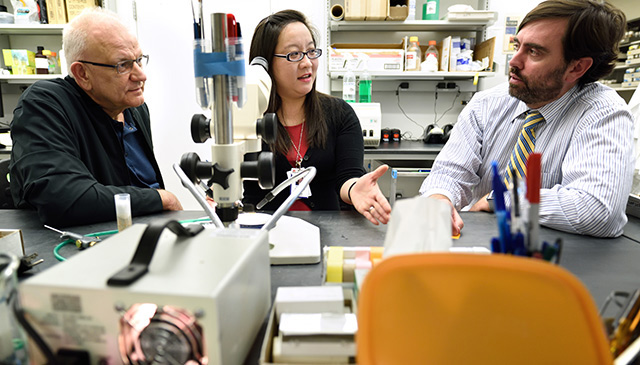
The NRI and Baylor have been at the forefront of discovery in the UDN since its inception, jointly serving as one of seven original clinical sites, where doctors and health care providers, ranging from neurologists, immunologists, nephrologists, endocrinologists and geneticists, come together to help find the cause of participants’ symptoms. Baylor, one of the UDN’s two original sequencing cores, currently acts as the network’s sole DNA sequencing site. The NRI and Baylor were also selected to serve as the UDN’s first Model Organism Screening Center (MOSC), which was spearheaded by NRI investigators Drs. Hugo Bellen, Shinya Yamamoto and Michael Wangler.

“The UDN recognized that the resources we had in place and our high throughput made us the ideal candidate to serve as a MOSC site,” Bellen said. “Because of our success with model organisms and the appreciation physicians have for our work, there will likely be a proliferation of MOSC sites in the future.”

In-depth fruit fly studies at the MOSC have helped physicians and scientists identify genes responsible for rare and undiagnosed disorders, leading to the diagnosis of some of the UDN’s most difficult cases. This collaborative effort, which also includes the University of Oregon, has already directly influenced how clinicians care for patients – patients like Avery Reilly.

At only a few months old, Avery began showing signs of a neurologic condition. She could not sit until age 3 or crawl until age 5, and today she cannot walk or speak. An appointment with Texas Children’s neurologist Dr. Timothy Lotze revealed Avery had poor muscle tone, which was delaying milestones. That initial appointment led to years of doctor visits and countless tests, all of which failed to reveal the cause of Avery’s developmental and speech delays.

Then in 2014, the Reillys heard about the NRI’s involvement with the UDN and submitted Avery’s case. For the first time in years, the family had hope. Using exome sequencing, researchers discovered Avery had a new type of genetic mutation. Then a team at the MOSC, led by Wangler, studied the mutation in a fruit fly model to see how the genes were affected. At long last, the Reillys had a diagnosis. What’s more, the discovery of Avery’s mutation led to a change in her medications, which could help slow the progression of her disease.

“The fact that we are able to help the UDN accelerate science to find actionable changes in therapies is very exciting,” said Zoghbi. “Helping people, and working to solve severe medical problems through basic research, and through unfettered collaboration, is what our work is all about.”

The NEJM study is the first to provide a detailed description of the inner workings of the UDN. It presents an in-depth analysis of the referral and acceptance patterns, diagnoses, impact rates and follow-up scientific investigations of 1,519 cases that were referred to the UDN in the last two years.

As the study points out, the most unique feature, and perhaps the biggest contributor toward UDN’s success, is its model of multi-institutional collaborations. Teams of researchers and physicians from participating institutions all over the nation leverage their multidisciplinary expertise and resources to quickly find specific diagnoses for patients with extremely challenging clinical cases, with no additional cost to the patients.

In addition to the original clinical sites and sequencing cores, the UDN also included a coordinating center as part of its phase I deployment. In 2015, a web-based portal, the UDN Gateway, was launched for patients and families to participate in UDN. The network recently expanded its footprint from seven to 12 clinical sites and also added a central biorepository, a metabolomics core and a new MOSC site.

Though the UDN’s larger focus is currently gene discovery, it’s the work being done at the NRI and Baylor that will set up the network’s next evolution.

“Once a gene is discovered, it’s natural that the focus should shift to finding out what the genes do, what the molecular mechanisms are, if they’re linked to other diseases, or if they can be manipulated with drugs,” Bellen said. “That’s what we’re doing at the NRI and Baylor now, and that will be instrumental in the next phase for the UDN. When that time comes, we’ll be ahead of the curve.”

Learn more about the recent research breakthroughs and patient success stories from the UDN and MOSC.

About the New England Journal of Medicine
For over 200 years, the New England Journal of Medicine has rigorously vetted and compiled the latest medical research in support of physicians and their patients. From the first uses of anesthesia to the most recent cardiology and cancer treatments, the New England Journal of Medicine has helped generations of clinicians enhance their knowledge and improve patient care.

Today, with rigorously peer-reviewed research, topical reviews, interactive clinical content and cases, the New England Journal of Medicine is the trusted source for essential findings in medicine.

Texas Children’s Palliative Care Team (PACT) will host the first annual Candle Lighting Ceremony to honor the memories of sons, daughters, brothers, sisters and grandchildren gone too soon from this world.

The event will be held at the University of Houston’s Student Center South on Sunday, December 9, in conjunction with the Compassionate Friends Worldwide Candle Lighting Day, which unites family and friends around the globe in lighting candles for one hour at 7 p.m. in memory of children who have passed away.

All families whose children died and were patients at Texas Children’s Hospital are invited to attend the ceremony. There will be free parking, refreshments and childcare (for event attendees only, not for volunteers and staff working the event) for children 10 and under.

Families whose children passed away in the past three years received an invitation in the mail. There is also a Facebook event to invite families whose children passed away prior to 2016. Please share the Facebook event to spread the word. We want as many families to hear about the ceremony as possible. You can find the event on Facebook here or by searching “Texas Children’s Annual Candle Lighting Ceremony 2018.” Families must register to attend the event. To do so, they can go here.

Texas Children’s staff are needed to help plan the ceremony and volunteer to help the day of the event. If you are interested in volunteering, please click here.

“Losing a child is devastating and takes a toll on the whole family,” said Taryn Schuelke, the grief and bereavement specialist with the Palliative Care team. “We hope this ceremony will provide a healthy outlet of remembrance for families grieving the loss of their child, and to begin to heal from the pain and sadness they are going through.”

The Pediatric Advanced Care Team (PACT) is an interdisciplinary team comprised of Attending Physicians, Physicians in Training, a Nurse, Chaplain, Social Worker, Grief and Bereavement Specialist, Nurse Practitioner, Research Coordinator and Administrators who work together to provide excellent Palliative Care to patients and their families across the Texas Children’s Institution.

The team is available 24 hours a day, 365 days a year to provide care in either the inpatient or outpatient setting in partnership with other healthcare providers. The team also supports staff. Just last year, the program earned The Joint Commission’s Gold Seal of Approval for Palliative Care Certification, making Texas Children’s Palliative Care Program the first of its kind in Houston and one of only 90 across the United States to receive such a distinction. To learn more about the team, click here.

Your name, title and department. How long have you worked here?
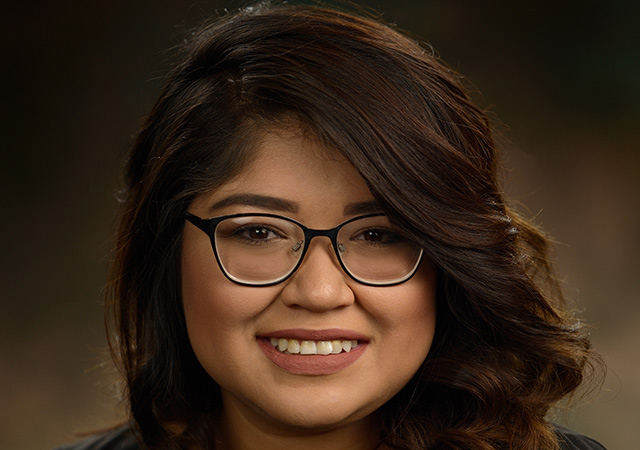
Lesly Reyes, Guest Services Representative, Guest Services Department. I’ve been part of Texas Children’s Hospital for four years.

Tell us how you found out you won a super star award.
I was completely caught off guard. My manager called me into her office for what I thought was the usual daily/weekly update. Before arriving to her office, she had me pick up some copies in the conference room and said one of the copies was for me to keep. It was actually a note congratulating me for the Super Star Recognition.

What does it mean to be recognized for the hard work you do? How has the organization helped you achieve your personal and professional goals?
I am absolutely humbled by this recognition. This organization has rewarded me with the opportunity of professional and personal growth and support. Texas Children’s has literally helped and watched me grow. I started my journey here as a 15-year-old junior volunteer and now I’m 22 years old working to accomplish my educational and professional goals. The achievement of those goals would not be possible without the endless opportunities this hospital has offered me. This award is just a reminder that the only three hours of sleep I get and continuous hard work are definitely worth it. And the best part is that this is just the beginning.

What do you think makes someone at Texas Children’s a super star?
Commitment, Dedication, and Service. Someone who’s devoted and passionate about what they do. Someone who is constantly striving not just for their success, but for the success of those surrounding them – patients, families, and co-workers.

What is your motivation for going above and beyond every day at work?
I love my job. The act of service itself is rewarding on its own. My motivation for going above and beyond is rooted on moments when a brief encounter can have such a positive impact in someone’s life. I want to continue working hard so that I can proudly wear scrubs and a Texas Children’s Hospital t-shirt and finally say I have accomplished my dream to work with one of the best teams that strives to help and save children’s lives.

What is the best thing about working at Texas Children’s?
The best thing about working at Texas Children’s Hospital is the experience and knowledge I gain every day from patients, co-workers, and leaders. You learn something new every day. Honestly, the atmosphere, the smiles, and the children make it hard not to love this place. Also, the fact that we can implement the Texas Children’s core Values into our daily lives is rewarding enough.

What does it mean to you that everyone at Texas Children’s is considered a leader? What is your leadership definition?
I was glancing over Texas Children’s Blogs and my eye caught a phrase that our leader strongly advocates and it has always reminisced in my mind. “Leadership always influences or determines outcomes – not some of the time, but all of the time.” – Mark Wallace. It’s an excellent daily reminder that everything we do can get us a step closer to our goals. Leadership is measured not only on your accomplishments, but rather in your influence leading others to their own success.

Anything else you want to share?
I want to thank everyone for their endless support and encouragement to help reach my educational goals.

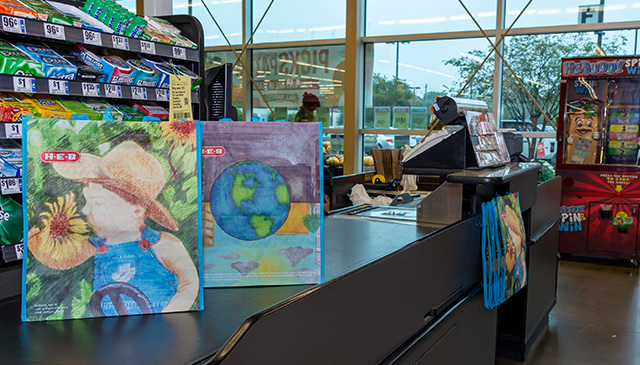
The Periwinkle Foundation and Texas Children’s Hospital have teamed up with H-E-B to offer limited-edition reusable shopping bags featuring original Making A Mark artwork created by children touched by cancer and blood disorders at Texas Children’s Cancer and Hematology Centers. Just in time for the holidays, the bags will be sold in various H-E-B locations in the Houston and McAllen area as an effort to help raise awareness about childhood cancer.

“We are proud to partner with H-E-B to create these unique grocery bags that spotlight two very special pieces of original artwork created by these young artists,” said Erin Locke, Community Programs Director at The Periwinkle Foundation. “Raising awareness about childhood cancer is so important, and we are very grateful that H-E-B has joined us in this initiative to help spread the word.”

The one-of-a-kind shopping bags highlight artwork from past Making A Mark artists, Bethany and Blanca. Lost in the Sunflowers by Bethany, 12, showcases a young boy in a cowboy hat admiring a vibrant sunflower in a sea of rich foliage while Untitled by Blanca, 15, depicts the different outlooks on life by showcasing the positive and negative through bright and dark colors.

“This project is meaningful to H-E-B Partners (employees) who have volunteered with The Periwinkle Foundation’s Arts in Medicine program at Texas Children’s Cancer and Hematology Centers,” said Lacey Dalcour-Salas, H-E-B Public Affairs. “We have showcased patient artwork through the Making A Mark exhibition at two of our store locations and look forward to sharing their inspiration with our customers while increasing awareness of childhood cancer with the creation of this reusable bag.”

Since 2001, The Periwinkle Arts In Medicine Program at Texas Children’s has brought unique opportunities for self-expression, empowerment and development of coping skills to patients and their families while enhancing the healing environment and treatment experience in a variety of settings including outpatient and inpatient care areas. Periwinkle’s Arts and Creative Writing Program culminates each year in Making A Mark®, a travelling exhibition of more than 350 pieces of art and creative writing by children and teens touched by cancer and other life-threatening illnesses.

These limited-edition bags will be available for sale at more than 30 H-E-B locations across Houston while supplies last.