February 5, 2019

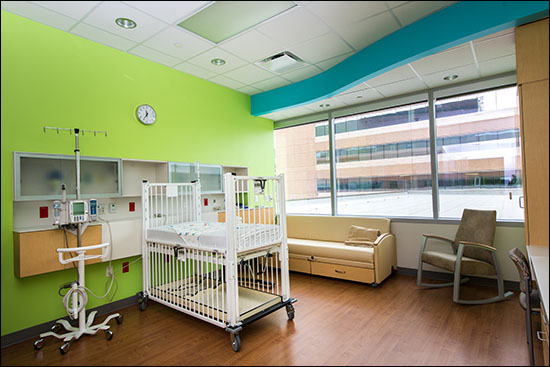
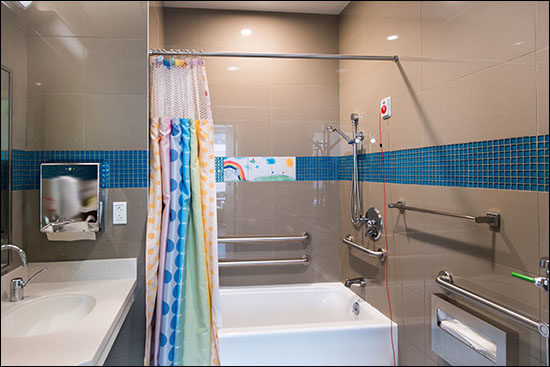
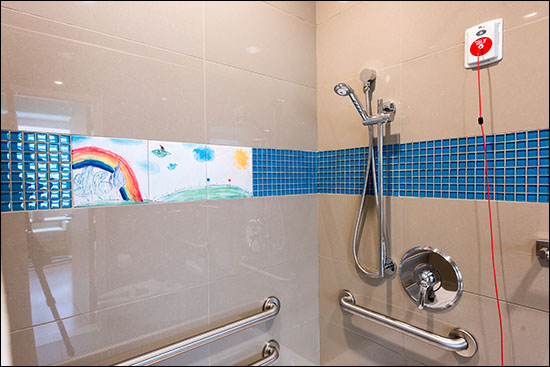
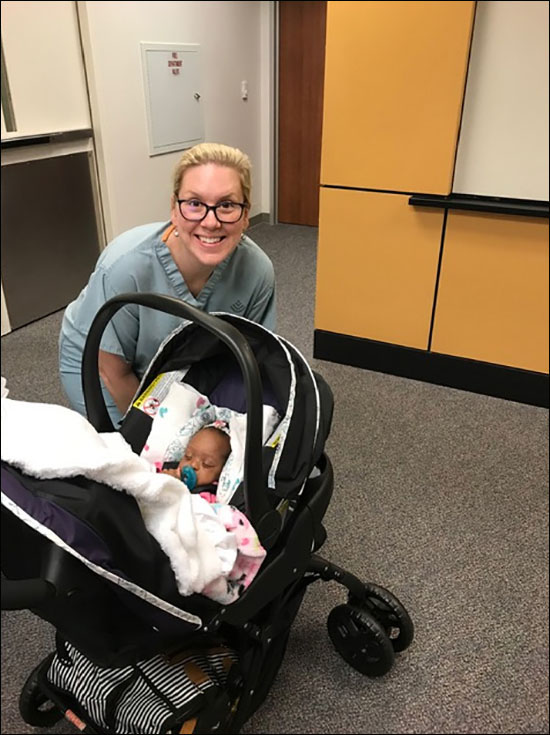
In response to an increased demand for short-term, non-chronic care, Texas Children’s Hospital The Woodlands has expanded its Acute Care Unit from 32 beds to 45.

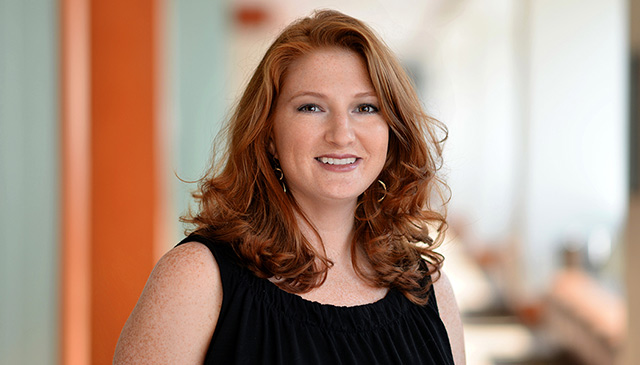
The need for the 14-bed expansion was evident shortly after the hospital opened its doors two years ago, said the unit’s assistant clinical director Roxanne Vara.

“We were at capacity several times last year,” Vara said. “This expansion will allow us to admit more of our patients closer to home.”

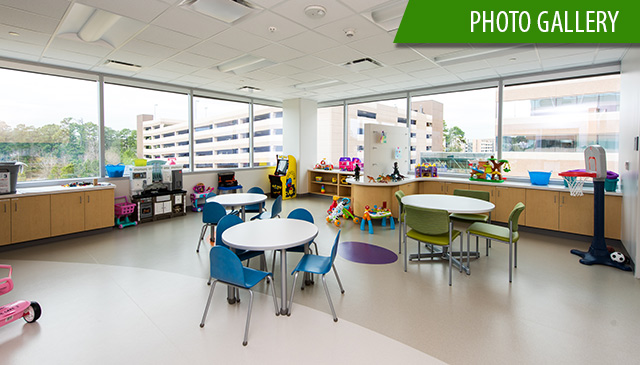
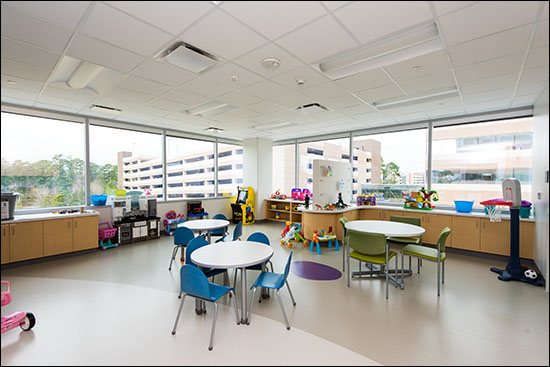
The additional beds in the Acute Care Unit are located on the third floor of the hospital. By mid-February, the expansion will include a playroom equipped with a section dedicated to patients 12 and older. This section will house a PAC-MAN video game donated by The Woodlands facilities team among other age-appropriate games.

“We always want to be able to say yes if a child needs a bed at our campus, and this expansion is how we are able to continue to do that,” said Assistant Vice President Ketrese White. “We are continuously strategizing about how and where to expand and move forward.”

February 4, 2019

For Jarred Bolt, receiving a job offer near the end of his internship with Project Search at Texas Children’s Health Plan (TCHP) was as unexpected as it was exciting.

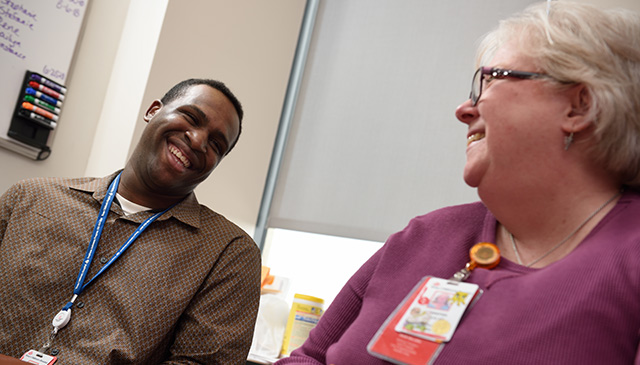
“When I received the great news from my job coach, I said, ‘This is impossible! How am I hired?’ And everyone cheered,” said Bolt, who’s now a claims and transactions entry clerk with the Health Plan.

Project Search, the program that brought Bolt and the Health Plan together, was launched in 1996 out of Cincinnati Children’s mission to help people with disabilities find employment opportunities. TCHP partners with Houston Independent School District (HISD) and the Texas Workforce Commission to place students with intellectual developmental disorders and other diagnoses in Project Search internships at the Health Plan. The program is in its third year at TCHP, and Bolt is their first internal hire.

“Jarred is just very personable,” said Health Plan Claims Administration Manager Jenni Aguilar. “He always speaks, and he always has a smile on his face. He’s just a good, smart young man, and he is a really good asset for our team.”

Throughout the duration of their year-long internships with Project Search, interns rotate to different departments where they learn various areas of the business, acquire new skills and meet new people. During Bolt’s final rotation, the Claims team started a big project that required all hands on deck. Although Bolt was interning in another department, the Project Search coaches suggested he be placed on the Claims project.

Bolt was a natural. He sped through data entries, and his work helped the team to push the project across the finish line. His dedication and willingness to step up caught the eye of Health Plan leaders, and he officially started as a full-time Claims employee in August.

For many of the interns, the skills they learn through Project Search are brand new. And typically by the end of the internships, they are able to apply their newly learned skills – like computer literacy and business etiquette – in future positions.

“You just have to give them a chance,” Aguilar said. “These kids are really smart. They may sometimes communicate a little bit differently or handle things a little bit differently, but that’s what makes them unique.”

Bolt rides the Metro to work, he clocks in by 7 a.m., and he promptly starts checking off tasks. He prizes punctuality and pitching in where needed. Some of the skills he’s learned, in addition to vast computer know-how, include mailing handouts, distributing mail and scanning forms.

“The Project Search partnership is a strong example of one of the many ways Texas Children’s invests in building healthy communities,” said Dr. Heidi Schwarzwald, chief medical officer of pediatrics at Texas Children’s Health Plan.

To qualify as interns with Project Search, students must be 18 to 22 years old and meet certain requirements, such as having a high school diploma or GED. At the Health Plan, in addition to their internship rotations, they take classes from an HISD teacher once a week. The application process gets competitive, as there are only 10 spots available, but the Health Plan hopes to eventually increase capacity.

“This is a program that could successfully expand across the system, and I’d be happy to talk to anyone who would want to be an advocate for seeing it through,” Schwarzwald said. “The more all of us at Texas Children’s get involved in programs like Project Search, the greater the influence we can have on helping differently abled people thrive.”

It’s time to lace up your sneakers and hit the pavement! Texas Children’s and the Houston Marathon Foundation Family Fun Run are hosting the West Campus Family Fun Run and The Woodlands Family Fun Run in April and May. Registration is open for both runs and spots are filling up fast. So, sign up today to guarantee a spot for you and your family.

Texas Children’s Hospital West Campus

West Campus will host the seventh annual West Campus Family Fun Run at its campus on Saturday, April 6 with a 9 a.m. start time. The event will include both a 1K and 3K course. Following the run, families can enjoy various activities until noon at the Family Fun Zone.

Registration for the West Campus Family Fun Run will close at 5 p.m. Monday, March 25. Click here to register and learn more about the upcoming event.

Texas Children’s Hospital The Woodlands

Texas Children’s Hospital The Woodlands will host its third annual Family Fun Run event on Saturday, May 4. The event will offer a 1-mile course and will begin at 9 a.m. Post-race activities will follow until 11 a.m.

Registration for The Woodlands Family Fun Run will close at 5 p.m. Monday, April 22. Click here to register and learn more about the upcoming event.

Additional information

Participants – including those who need walkers and wheelchairs – are welcome at both Texas Children’s Family Fun Run events. There will not be prizes given to top finishers as all participants will receive an award for taking part in an event designed to educate and encourage Houston-area families to adopt active, healthy lifestyles.

Good luck and happy running!

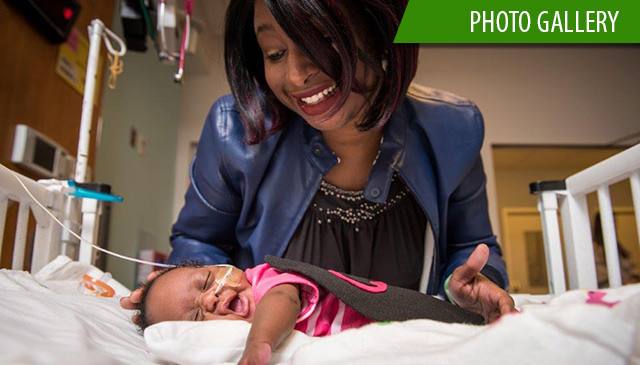
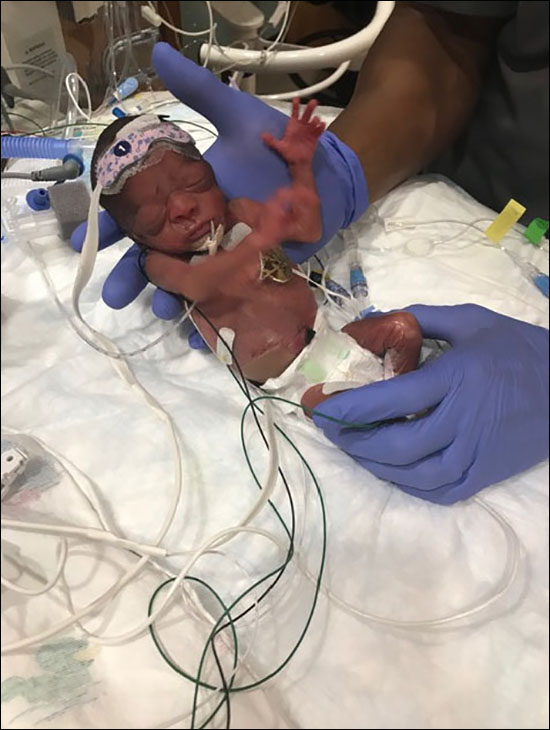
When Blessing Quartey was born, she was only 24 weeks old and weighed just 1.8 pounds.

To help boost her growth, Blessing’s mother, Eva Nehikare, agreed to enter her daughter into an ongoing study at Texas Children’s Pavilion for Women focused on the benefits of an exclusive human milk-based diet in extremely low-birth-weight babies. Five months later, Eva is thankful she did.

“Shortly after she got into the study, you could see her becoming more muscular and full,” Eva said. “When you look at her now, you would never know she is a preemie.”

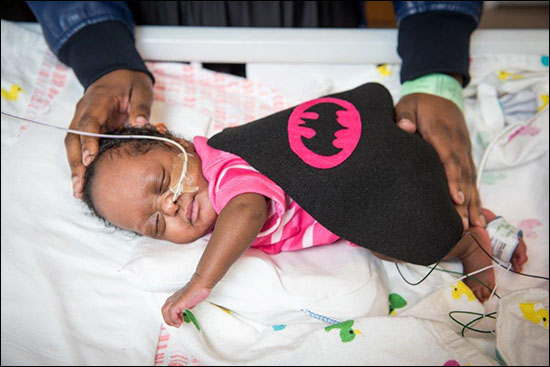
Today, Blessing weighs 8 pounds. She is steadily gaining weight and growing, and was discharged from the hospital just before the holidays.

Dr. Amy Hair, neonatologist and director of the neonatal nutrition program at Texas Children’s Hospital, is leading the study Blessing is in and said the infant’s outcome isn’t uncommon.

“We’ve known for a while that a human milk-based diet is best for low-birth-weight babies,” Hair said, noting that Texas Children’s was the first pediatric hospital to adopt an exclusive human milk-based diet in the neonatal intensive care unit (NICU) in 2009. “Now, we have a study and outcomes to back us up.”

Hair recently published some of the study’s outcomes in the BMJ, one of the world’s oldest and most highly revered peer-reviewed medical journals.

Specifically, the study looked at the benefits of an exclusive human milk-based diet in 51 premature infants. It compared post-discharge growth, obesity and metabolic outcomes of appropriate for gestational age (AGA) premature infants versus small for gestational age (SGA) premature infants who were fed an exclusive human milk-based diet in the NICU.

The first to look at long-term post-discharge growth of this population, the study found that at 2-years-old SGA premature infants who received an exclusive human milk-based diet showed greater catch-up growth without increased obesity or elevated insulin resistance compared with AGA premature infants. These findings suggest an exclusive human milk-based diet in the NICU could lead to favorable metabolic outcomes in SGA children.

“Historically, we have overfed premature babies with either formula or cow-based fortifier, which has led to a higher risk of heart disease and metabolic problems as young adults,” Hair said. “This study proves that feeding with human milk and human milk fortifier, low-birth-weight babies grow in a healthier manner. The study also challenges the current belief that SGA babies will never catch up to their counterparts. We are seeing that they are.”

Hair said the next paper to come out about the study will focus on participants’ neurodevelopment. She added that she and her partners have seen positive results and that the families involved are extremely pleased and more than willing to participate and come in for follow-up visits.

“I am so thankful for all of the care my daughter and I received at the Pavilion for Women,” Eva said. “The opportunity for us to be a part of this was an honor.”

On February 1, Texas Children’s officially welcomed Dr. Brian Smith as the new chief of the Division of Orthopedic Surgery.

“I am delighted that Dr. Smith has joined the Texas Children’s family,” said Surgeon-in-Chief Dr. Larry Hollier. “We believe he will provide seasoned leadership and mentorship for our Orthopedic Surgery faculty and staff.”

As chief of the Division of Orthopedic Surgery, Smith now helms one of the premier pediatric orthopedic surgery programs in the nation, with extensive expertise in the treatment of a variety of conditions, from minor fractures and sports-related injuries, to complex trauma and congenital and developmental disorders.

“I am honored and humbled to join the faculty at one of the very best children’s hospitals and pediatric orthopedic surgery programs in the country,” said Smith. “This division is poised to rise to an even higher level, and I couldn’t be more excited to help it get there.”

Smith joins Texas Children’s from Yale New Haven Children’s Hospital, where he served as Director of Pediatric Orthopedics for the past 11 years and also as Interim Surgeon-in-Chief from 2011 to 2012. Additionally, he served as Yale School of Medicine’s Orthopedic Surgery Residency Director from 2012 to 2018, with 25 residents and rotations at five area institutions.

Smith earned his medical degree and completed his orthopedic residency at Georgetown University School of Medicine before serving four years in the U.S. Air Force as an orthopedic surgeon, where he held the rank of major. He then completed a fellowship in pediatric orthopedic surgery at Boston Children’s Hospital.

Clinically, Smith’s primary interests are spinal deformities and spine surgery. Research interests include spinal deformity in children, maturity indicators in children to assess risk of scoliosis progression, and neuromuscular disorders and fractures.

An active member of the orthopedic professional community, Smith has served on the Board of Directors for the American Academy of Orthopaedics and the orthopedic section of the American Academy of Pediatrics. He has also been health council chair for the Pediatric Orthopaedic Society of North America and chairman of the ethics committee for the Scoliosis Research Society.

In addition to his clinical and research expertise, Smith brings a bright vision of the future for the Division of Orthopedic Surgery.

“My goal is to help us achieve even greater recognition as one of the preeminent destinations nationally and internationally for pediatric orthopedic care,” Smith said. “The opportunity to help this team reach new heights in terms of improving patient care and outcomes, facilitating research, and educating the next generation of pediatric orthopedists is incredible, and I’m looking forward to meeting the challenge.”

Learn more about the Division of Orthopedics and the services we offer.

Susan Kirk, a physician’s assistant with Texas Children’s Hematology Center, has been nationally recognized for earning a specialty credential called a Certificate of Added Qualifications (CAQ) from the National Commission on Certification of Physician Assistants (NCCPA).

Kirk was recognized for earning a CAQ in Pediatrics, a distinction earned by meeting licensure, education and experience requirements and then passing a national exam in the specialty. She is one 13 certified PAs in Texas to earn a CAQ in Pediatrics since the program’s inception in 2014.

As a 7-year veteran of the hospital, Kirk said she pursued a CAQ in pediatrics to demonstrate her dedication to the field and validate her subspecialty skills.

“Certified PAs who earn the CAQ demonstrate a strong commitment to lifelong learning and attention to evolving medical advancements in their area of practice,” says Dawn Morton-Rias, president and CEO of NCCPA. “Not only have they maintained certification through continuing medical education programs and assessments throughout their careers, they have pursued and been awarded this additional credential that attests to their knowledge and skills in their specialty.”

CAQs are offered to certified PAs in seven specialties: cardiovascular and thoracic surgery, emergency medicine, hospital medicine, orthopaedic surgery, nephrology, pediatrics and psychiatry.

The National Commission on Certification of Physician Assistants (NCCPA) is the only certifying organization for PAs in the United States. The PA-C credential is awarded by NCCPA to PAs who fulfill certification, certification maintenance and recertification requirements. There are more than 131,000 certified PAs in the U.S. today. For more information, visit www.PAsDoThat.net.

January 29, 2019

Texas Children’s is taking convenient pediatric subspecialty care to another level as we rebrand our Health Centers. All eight are now branded as Specialty Care Clinics and are located throughout the Greater Houston area. Our Specialty Care locations provide many of the same pediatric subspecialty services available at our three hospital locations, just closer to patients and their families.

“A few years ago we began rebranding our Health Centers and as Specialty Care Clinics because that more accurately describes the services we provide our families in the community,” said Julie Barrett, director of Outpatient and Clinical Support. “This rebranding is better aligned with Texas Children’s marketing messaging. We really are providing the right care, at the right time, in the right location, and this change more accurately conveys our strategic direction.”

The signage, Epic programming and patient materials now include the Specialty Care name and logo. Texas Children’s has expertise in more than 40 pediatric subspecialties. The name “specialty care” reflects and is more in line with our service offering of specialized care. Many of the same doctors who treat patients at our Medical Center Campus care for patients at specialty care locations. The rebranding of the centers was implemented through a project partnership between IS, Facilities and Marketing.

The seven Houston-area Specialty Care Clinics now include: Texas Children’s Specialty Care Bellaire, Upper Kirby, Eagle Springs, Kingwood, Clear Lake, Cy-Fair, and Sugar Land. And in October 2018, the first Specialty Care Clinic opened in Austin to provide our high quality specialized clinical and diagnostic care to children in the fastest-growing city in Texas. Although each location offers different services, they include a wide range of diagnostic services to accommodate the specific needs identified in the respective communities.

“As we continue to grow in the community and provide exceptional patient care, transitioning from Health Center to Specialty Care clarifies our purpose of creating a healthier future for children,” director of Outpatient and Clinical Support West Campus, Kara Abrameit said. “It renews our commitment to providing world class specialty care close to home for our patients.”

Special provider note:
For providers who would like to put in orders, the order class has changed from Health Center (HC) to Specialty Care (SC).

Click here for more information about Texas Children’s Specialty Care.