March 15, 2019

In May 2019, the Texas Children’s family will celebrate the one-year anniversary of the opening of Lester and Sue Smith Legacy Tower, one of the greatest achievements in the hospital’s history. We will also pause to remember the life, memory and faithful generosity of the man whose name the tower bears.

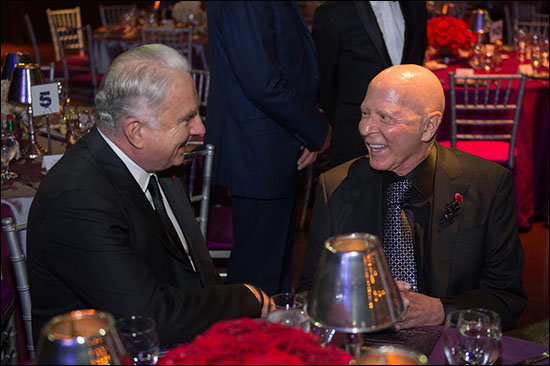
Lester Smith, legendary Houston philanthropist and ardent Texas Children’s supporter, has passed. He was 76.

“I was honored to call Lester Smith my friend and I am deeply saddened by the news of his passing,” said Texas Children’s President and CEO Mark Wallace. “He lived his life honorably, and among his greatest joys was his dedication to the service of others. Texas Children’s was lucky enough to be a beneficiary of his unwavering generosity over the years and his commitment to our patients and their families, notably our Cancer Center, was unmatched.”

A native of Wharton, Texas, Smith was a second-generation oil man – a wildcatter who made his mark on the industry, and his fortune, by taking chances others wouldn’t when it came to oil drilling exploration. In 1986, he started Houston-based Smith Energy Company, a provider of oil and gas exploration and production of oil and gas reserves, which he built into a successful multi-state operation. In the 90s, while on a scuba trip to Venezuela, he met the love his life, Sue. The two shared many passions, including competitive ballroom dancing, for which they won two U.S. championships

But following a series of health-related issues, Smith found his highest calling. Drawing from a place of gratitude for the life-saving care he received during battles with cancer, Smith and Sue dedicated more than $150 million to support research at numerous institutions, including Texas Children’s, Baylor College of Medicine and Harris Health System.

A statement from the Lester and Sue Smith Foundation released after his passing said, “his core philosophy, ‘to whom much is given, much is expected,’ drove his life-long passion for giving, touching millions of lives, leaving an indelible mark on our city and world.”

But nowhere will Smith’s legacy and passion for giving be felt more than here at Texas Children’s.

In two fundraising events in 2011 and 2012, Smith and wife, Sue, helped generate more than $41 million in donations to Texas Children’s Cancer Center, with more than $21 million directly donated by The Lester and Sue Smith Foundation.

The 2011 “Evening with a Legend” event honored actor Robert Duvall and showcased a live, on-stage interview by CBS veteran news anchor Bob Schieffer. In February 2012, the “Evening with Disco Legends” event featured performances by disco greats Gloria Gaynor, The Pointer Sisters and Nile Rodgers, and drew over 1,100 supporters – the largest single-evening fundraiser in Houston’s history at the time. By underwriting the event, the Smiths enabled 100 percent of the proceeds to directly fund research at Cancer Center.

“We are deeply saddened by the loss of Lester Smith, whose efforts have helped advance research and care for children with cancer and blood disorders,” said Director of Texas Children’s Cancer and Hematology Centers Dr. Susan Blaney. “Few have had such a transformational impact on our efforts at Texas Children’s Cancer and Hematology Centers to lead the way in research and care of childhood cancer.”

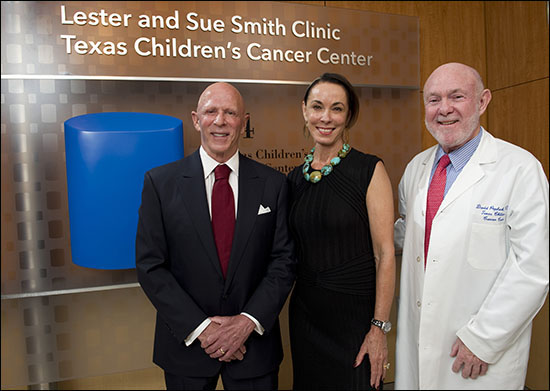
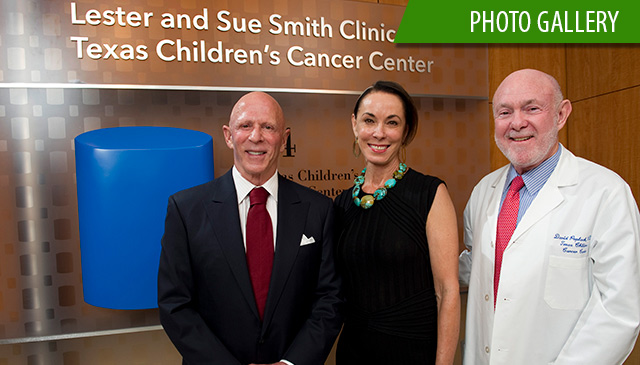
In honor of their unparalleled dedication to help find cures for pediatric cancers, Texas Children’s in 2012 named the Cancer Center outpatient clinic the Lester and Sue Smith Clinic at Texas Children’s Cancer Center.

But it seemed Smith, who was fiercely competitive, wanted an opportunity to outdo himself.

In September 2018, the Smiths chaired the “Legacy of Motown” gala in support of Legacy Tower – Texas Children’s new home for heart, intensive care and surgery – and to support patient care and research at the Cancer Center. The event, underwritten by the Lester and Sue Smith Foundation, raised a record $83,373,119, making it one of the largest single-night fundraisers in the state’s history. The Smith’s personal contribution was an astonishing $50 million.

In honor of that transformational give, Texas Children’s renamed the state-of-the-art, 640,000-square-foot expansion Lester and Sue Smith Legacy Tower.

“Giving to others is our guiding philosophy,” said Smith at the time of the event. “There is nothing more precious than a child, and we hope this gift will help support the incomparable patient care for which the hospital is known. It is truly our honor to leave a legacy of support for generations to come at Texas Children’s.”

The entire Texas Children’s family will forever be grateful for that selflessness and unfailing support.

“Lester’s incredible legacy will live on in the medical advancements, state-of-the-art care and infinite hope for our patients in the tower which now bears his name – Texas Children’s Lester and Sue Smith Legacy Tower,” said Wallace. “My thoughts and heartfelt condolences are with his biggest fan, Sue, as well as his children, Stuart and his wife, Limor, and Shelly and her husband, Brian.”

March 12, 2019

As patient care manager in the Emergency Center (EC) at Texas Children’s Medical Center Campus, Tashia Bush oversees a dedicated team of nurses that treat more than 75,000 children every year.

Given the fast-paced, high-stress nature of an emergency care setting, there is one common goal that Bush and her team focus on daily – cultivating a safer environment for patients and staff in the EC.

“Every day is patient safety day in the EC,” Bush said. “The key to creating an environment of safe patient care is ensuring our staff is equipped with the knowledge and tools they need to take preventive action.”
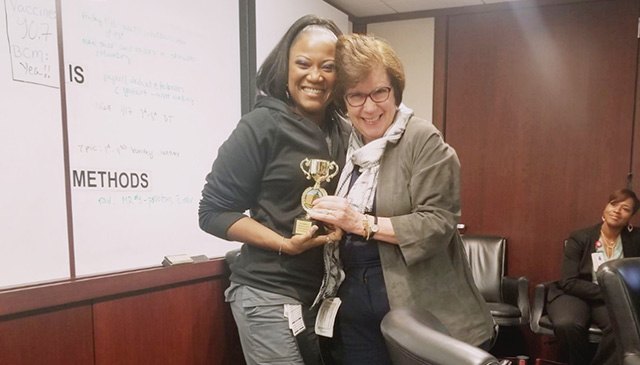
Bush recently was recognized for her patient safety efforts in the EC when she became the January 2019 recipient of the Shamrock Award, which is awarded every month to a patient safety champion.

Texas Children’s Safety and Quality Leadership Group presents this award to a person or group who has done something extraordinary to enhance patient safety across the organization like taking immediate action to avert a potential safety concern, spearheading improvements to enhance patient safety and other above and beyond actions that make a positive impact on the safety of Texas Children’s patients.

Last year, Bush created the Safety Promotion Team comprised of EC staff, a quality improvement specialist and 10 safety coaches that meet every month to review current trends in the EC, identify opportunities for improvement, and develop action plans to address potential patient safety concerns.

To promote transparency, safety scoop report cards are sent to staff each month to keep them abreast of the number of serious safety events reported in the EC. By comparing data trends on a monthly basis, staff can see what areas they have improved upon and what areas need additional reinforcement. Staff members can then share their ideas for improvement with the Safety Promotion Team for consideration.

“Through our educational efforts, our EC staff has made great strides in patient safety,” Bush said. “We have seen a decrease in the number of falls and central line infections, and we have implemented new processes to improve positive patient identification and reduce the potential for medication errors.”

Similar to the Shamrock Award, Bush also created a new program in her unit called “Catch of the Month,” that recognizes staff for making “great catches” that averted potential safety concerns in the EC.
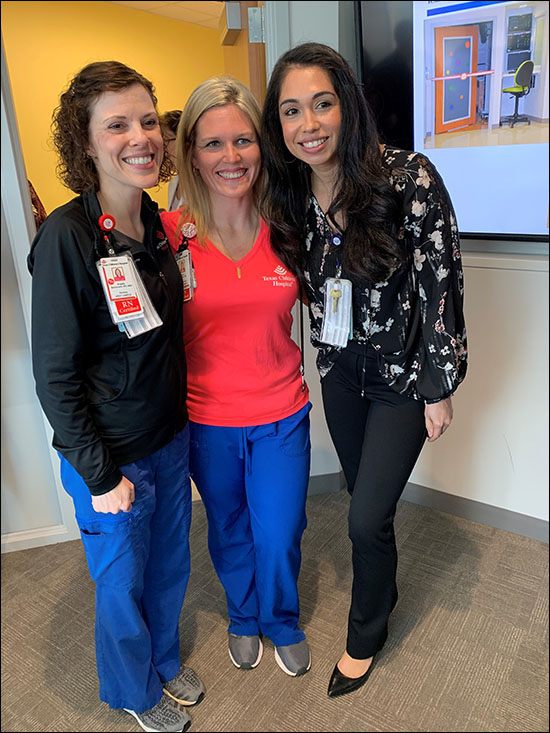
“There is no question our employees are making Texas Children’s safer,” said Texas Children’s Chief Safety Officer Dr. Joan Shook. “Since we launched the Shamrock program more than a year ago, there has been tremendous enthusiasm and the number of nominees has grown dramatically every month.”

The Shamrock Program is open to both clinical and non-clinical employees since everyone at Texas Children’s – regardless of their job title or position – plays an important role in cultivating a harm-free environment for our patients. Click here for a list of previous Shamrock Award winners.

For Bush, she says programs like this are a great morale booster and keeps patient safety top of mind.

“It is so important that we acknowledge our patient safety champions who play a critical role in the care of our patients,” Bush said. “Every time we let somebody know that they’ve done a great job, they are more apt to do more and become an inspiration for others to go the extra mile to keep our patients safe.”

Do you know someone who is deserving of the Shamrock Award? Click here to access the nomination form.

Don’t miss out on the fun at the seventh annual Texas Children’s Hospital and Houston Marathon Foundation Family Fun Run at Texas Children’s Hospital West Campus. Registration for the event ends at 5 p.m. Monday, March 25, so hurry and sign up if you haven’t already.

West Campus will host the fun run at its campus on Saturday, April 6 with a 9 a.m. start time. The event will include both a 1K and 3K course. Following the run, families can enjoy various activities until noon at the Family Fun Zone.

Participants – including those who need walkers and wheelchairs – are welcome. There will not be prizes given to top finishers as all participants will receive an award for taking part in an event designed to educate and encourage Houston-area families to adopt active, healthy lifestyles.

Click here to register and learn more about the upcoming event.

Texas Children’s and the Houston Marathon Foundation also are hosting a Family Fun Run in The Woodlands at Texas Children’s Hospital The Woodlands. For more information or to register for that event, click here.

Calling all volunteers
Volunteer registration also is open for our Family Fun Run events! Opportunities are available for bag stuffing, packet pick-up, day before set-up and race day. Requirements include:

  • Volunteers must be registered in advance.
  • If someone volunteers, we ask that they be available for their full shift.
  • They should not bring young children or other family members that are not registered.
  • The minimum age to volunteer is 12.

A T-shirt will be provided to all volunteers to wear during their shift.

Click here for West Campus volunteer opportunities.

Click here for Woodlands volunteer opportunities.

Thank you, good luck and happy running!

March 11, 2019


Transplant Services at Texas Children’s once again led the way as the nations’ largest pediatric transplant program, performing a remarkable 107 solid organ transplants in 2018. That figure includes the highest volume of pediatric liver, lung and kidney transplants in the United States.

For the year, we performed:

  • 44 pediatric liver transplants
  • 12 lung transplants
  • 31 kidney transplants
  • 20 heart transplants

“I want to congratulate everyone on our outstanding Transplant Services team, which continues to provide excellent care and support for our transplant patients and families,” said Texas Children’s Surgeon-in-Chief Dr. Larry Hollier. “I would also like to thank the leaders of our transplant programs – Dr. John Goss, Dr. Jeffrey Heinle, Dr. Jeff Dreyer, Dr. Tina Melicoff, Dr. Daniel Leung, Dr. Christine O’Mahony, Dr. Eileen Brewer and Dr. Ryan Himes – who go above and beyond to uphold high standards.”

Transplant Services provides a comprehensive, multidisciplinary approach to care through all aspects of the transplant process, from initial referral to hospitalization and outpatient management. Our team of experts includes physicians and surgical advanced practice providers, transplant coordinators, pediatric ventricular assist device coordinators, perfusionists, child life specialists, dieticians, social workers, financial counselors, pharmacists, inpatient and outpatient nursing and support staff, Perioperative Services, physical and occupational therapists, Radiology, Pathology, our LifeGift partners, and many others.

Our depth of skill and service enables us to offer world-class care for patients, from newborns to young adults, in need of heart, kidney, liver and lung transplants. That expertise has allowed us to successfully treat some cases that other national and international programs might consider untreatable.

“This is another tremendous milestone for our program,” said Dr. John Goss, medical director of Transplant Services. “I couldn’t be prouder of our team for their commitment toward achieving positive outcomes and for the dedication they show our patients every day.”

One of those patients is Jameson Finney.

For the first 12 years of his life, Jameson was an active little boy that always moved at 100 miles an hour, his parents said. There was never the slightest indication that he might have a heart condition. On Christmas Day 2017, while opening presents with his family, Jameson suddenly became ill. Two days later, he was admitted to Texas Children’s heart failure intensive care unit and diagnosed with dilated cardiomyopathy, a condition in which the heart muscle – typically starting in the left ventricle – begins to stretch and become thin. The dilation makes the muscle unable to contract properly, which weakens the heart and can lead to heart failure.

Jameson was experiencing severe heart failure and needed life-saving surgery as soon as possible. Texas Children’s congenital heart surgeon Dr. Iki Adachi implanted a ventricular assist device on December 31, which improved Jameson’s condition so much that we was able to go home after less than a month. But his journey wasn’t over. Jameson’s best chance at survival now was a heart transplant, and he was placed on the list on March 30, 2018 – Good Friday. Less than two months later, Jameson received the miraculous gift of a new heart. Adachi, who also performed the transplant, said Jameson has been doing very well since his surgery.

Jameson’s story is just one example of the amazing work done by Transplant Services in 2018. But none of the work we do would be possible without the selfless decisions that our donor families make during the most difficult time of their lives.

“Our donor families are heroes, said Goss. “They truly give our patients a second chance at life.”

Learn more about Transplant Services at Texas Children’s.

Director of the Center for Cell and Gene Therapy Dr. Helen Heslop was recently recognized with the American Society for Blood and Marrow Transplantation Lifetime Achievement Award at the Transplantation & Cellular Therapy Meetings of the American Society for Blood and Marrow Transplantation (ASBMT) and the Center for International Blood and Marrow Transplant Research.

The ASBMT Lifetime Achievement Award is presented annually and recognizes an individual who has made continuing contributions to the field of blood and marrow transplantation.

Heslop is Professor of Pediatrics and Medicine and Director of the Center for Cell and Gene Therapy at Baylor College of Medicine, Houston Methodist Hospital and Texas Children’s Hospital. In addition, she is the Dan L. Duncan Chair and the Associate Director for Clinical Research at the Dan L. Duncan Comprehensive Cancer Center.

Heslop is a key player in translational research focusing on adoptive T-cell immunotherapy to improve hematopoietic stem cell transplantation and cancer therapy. She was a Doris Duke distinguished clinical research scientist and is an elected member of the American Association of Physicians. She serves as Principal Investigator on several peer-reviewed research programs, including an NCI-funded program project grant (Enhancing T-Cell Therapy of Cancer) a Leukemia and Lymphoma Society Specialized Center of Research (SCOR) award (Immunotherapy of Lymphoma) and a SPORE in lymphoma from the NCI. She is a past President of the Foundation for Accreditation of Cell Therapy, American Society for Gene and Cell Therapy and the American Society of Blood and Marrow Transplantation.

Heslop’s research interests focus on adoptive immunotherapy for malignancy and viral infections. She has extensive experience in mentoring both clinical and laboratory trainees and is the principal investigator on an NHLBI-funded training grant in Cell and Gene Therapy.

Heslop’s clinical interests include immunotherapy of malignancies with antigen specific T-cells and immunotherapy with antigen specific T-cells to prevent and treat viral infections post transplant. She therefore has extensive experience in developing and conducting transplant studies and cell and gene therapy studies and currently, along with Malcolm Brenner and Bambi Grilley, holds over 20 Investigational New Drug Applications (INDs).

March 5, 2019

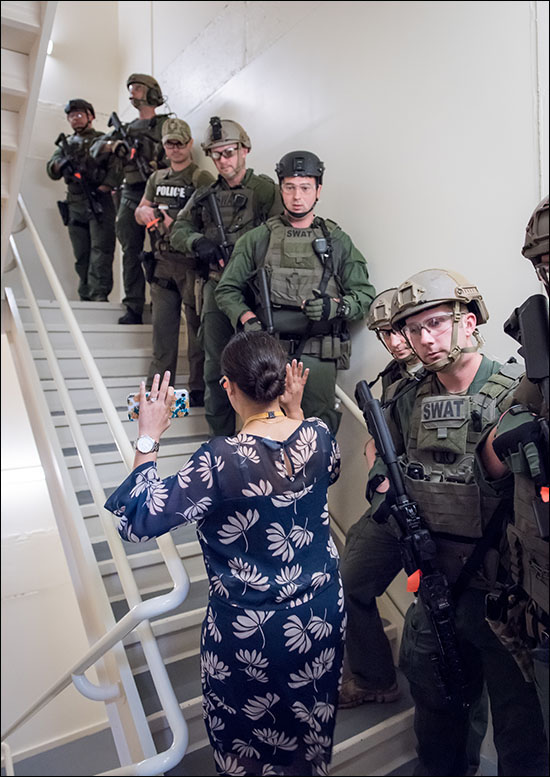
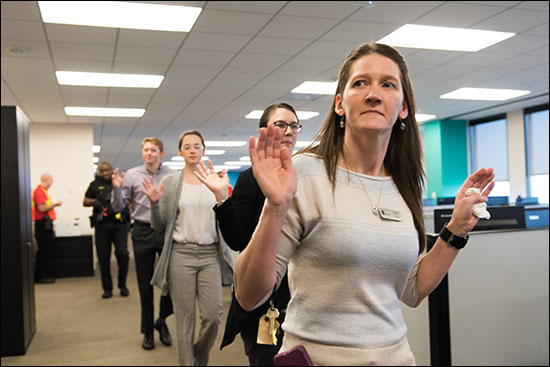
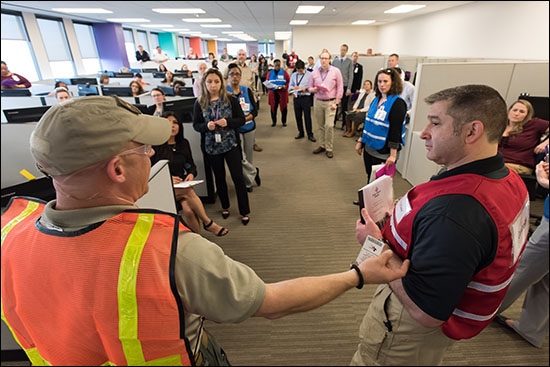
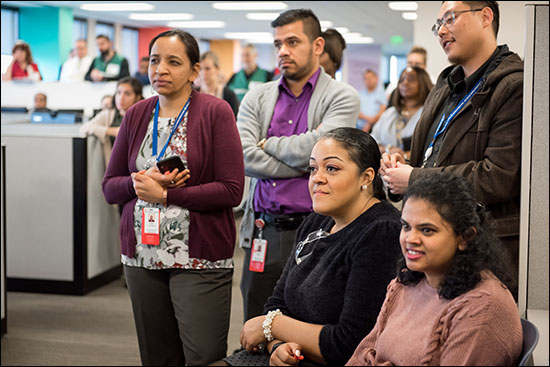
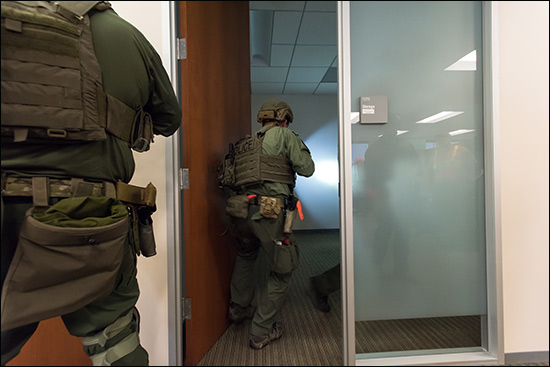
When opportunities arise, Texas Children’s Emergency Management plans functional active shooter exercises on our campuses. Thanks to the leadership and staff of the Texas Children’s Health Plan, or the first time on February 27, the exercise was geared toward those who work in an office environment rather than a clinical space.

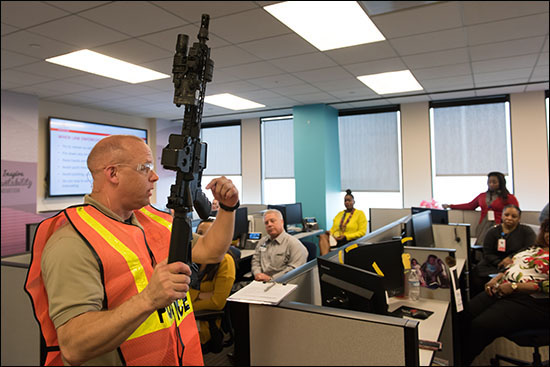
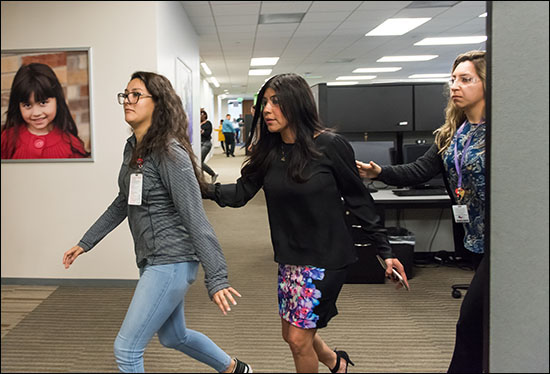
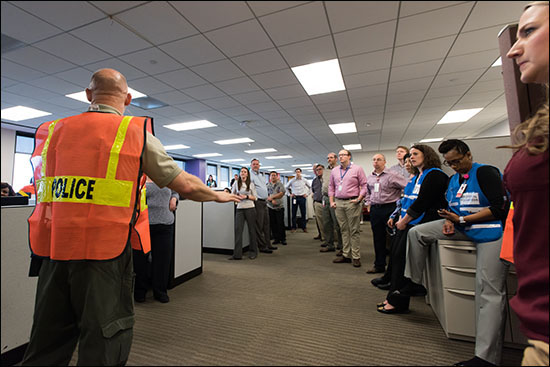
The purpose of these exercises is to test Texas Children’s emergency notification procedures, staff training for response to an active shooter (Run, Hide, Fight), and to give our law enforcement partners a chance to practice their tactical response to an active shooter. Holding this training in an administrative rather than a clinical setting provided an excellent opportunity to test the “Run, Hide, Fight” training and a different environment.

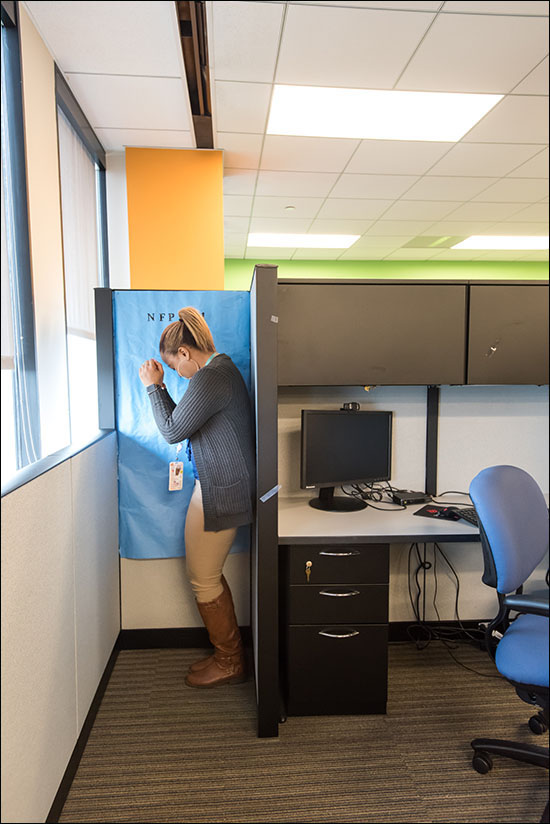
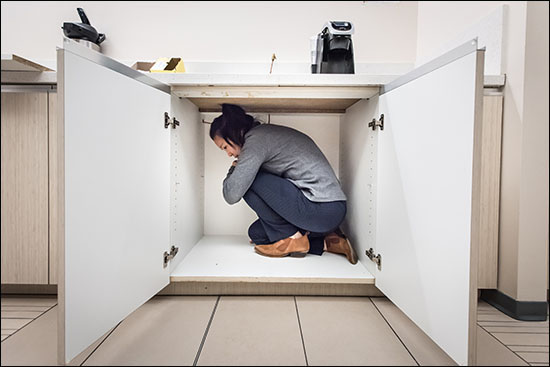
The most important aspect of the exercise is the difference in an administrative setting versus a healthcare setting. Hospitals have multiple patient rooms and storage rooms for other medical purposes, whereas, in most office buildings there are large open areas that have cubicles. When the staff practice the “Run, Hide, Fight” method, most people’s first thought is to hide under a cubicle desk.

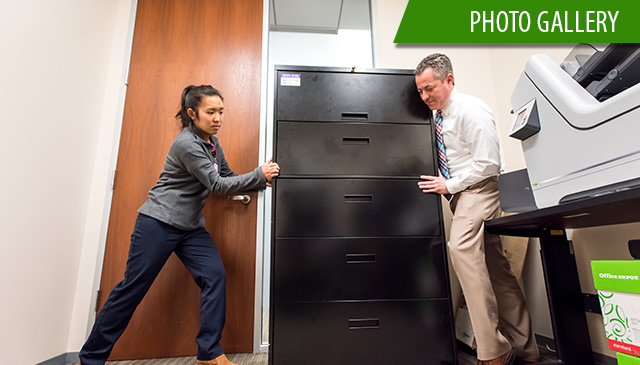
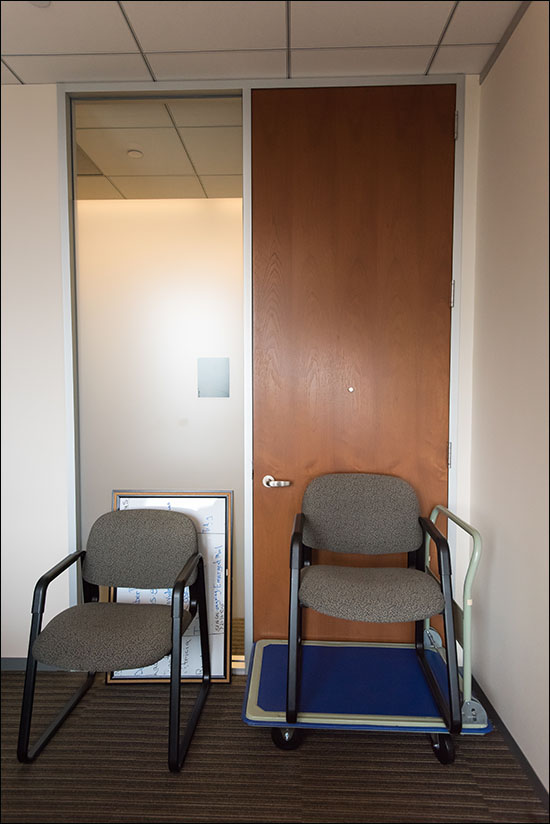
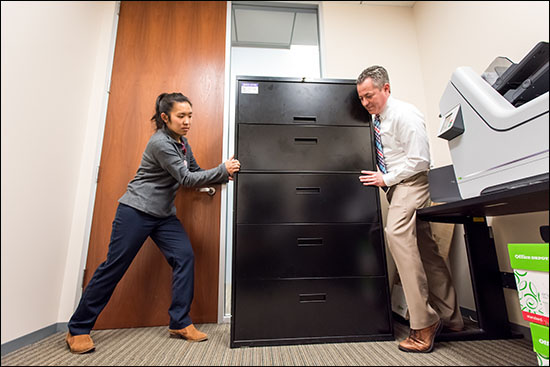
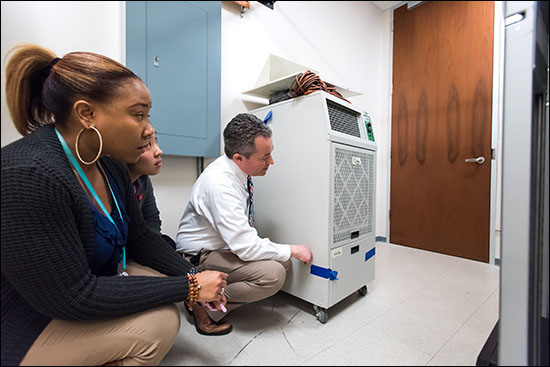
“That is not the safest place during an active shooter situation,” manager of Texas Children’s Emergency Management Aaron Freedkin said. “They need to find another place, either leave the floor or find a room that they can lock or block the door with furniture. That’s preferable to just hiding under a desk.”

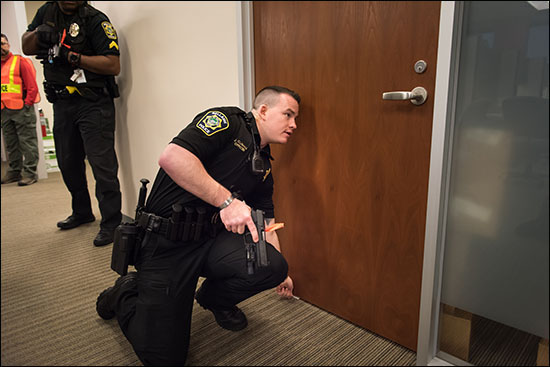
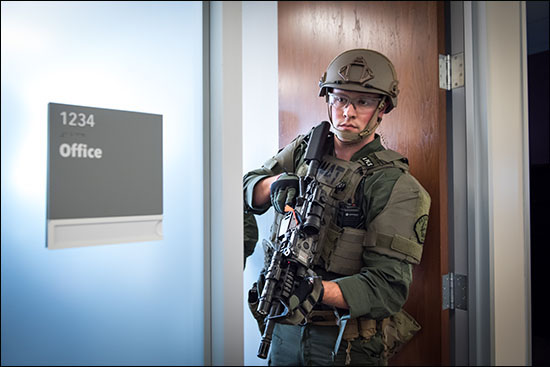
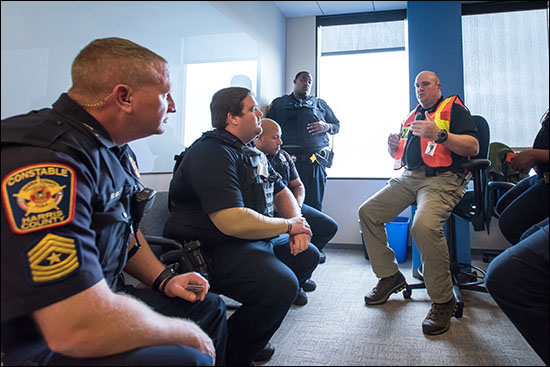
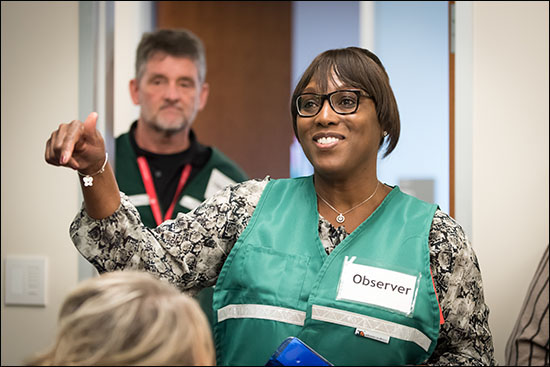
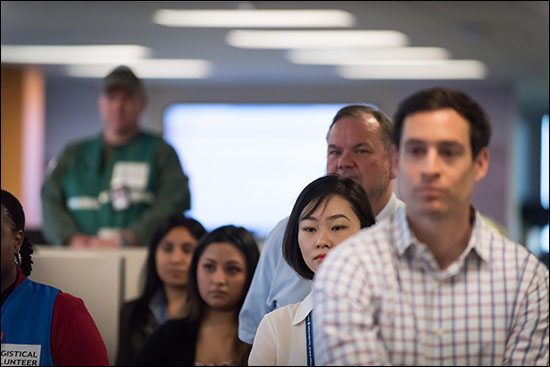
The exercise included 175 participants, 14 logistical volunteers, 32 observers and 48 law enforcement officers such as: UT Police, Bellaire Police, Houston Police Department, Precinct 5 Constables Office, and Pasadena Police Department SWAT. Having multiple agencies involved in simulating an active shooter incident response creates an environment that is as realistic as possible and allows law enforcement agencies to practice their skills in a new environment. A secondary benefit is having the opportunity to train in the office setting, which would be valuable in the event of a real active shooter incident. It is a chance for them to train together with other agencies and get exposed to different training aspects that ultimately have the same basic goals and mission.

“We are excited to partner with these law enforcement agencies,” Freedkin said. “They get many opportunities to practice in empty buildings with law enforcement participants. This exercise will give them all a chance to practice their building clearing and searches with the unpredictability of non-law enforcement officers playing the role of victims and so there is definitely something in it for everyone participating.”

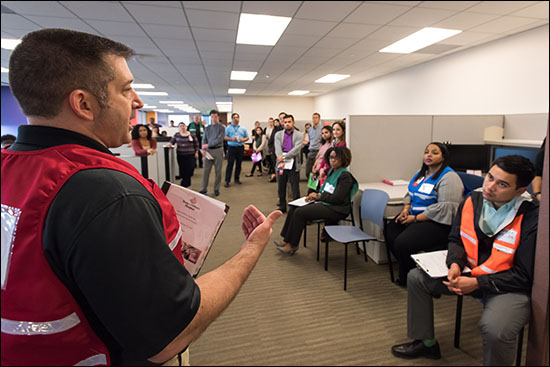
After the participants arrived, they were put through a safety briefing with Texas Children’s Hospital Emergency Management, followed by further orientation with The University of Texas Police Department, and “Run, Hide, Fight” training provided by Texas Children’s Security. During these exercises blank ammunition was used to simulate gunfire to increase realism while maintaining safety.

Law enforcement was staged on the 13th floor and the exercise began as they proceeded down the stairwell. Meanwhile, there is a person on the 12th floor acting as the aggressor toward employees. The challenge then comes as the aggressor engages in a discussion with the employee that may result in them not thinking immediately about, “Run, Hide, Fight.” After the exercise is reset and begins a second time, there is quicker movement of people because they have had time to immediately think about it and learn from their initial mistakes.

“It is always interesting to observe an exercise such as this because people react in unexpected ways such as seeking shelter and protection in places that are not ideal,” Freedkin said. “That is one of the reasons we conduct this training so that people have an opportunity in advance to consider their training and what their reaction should be.”

There were three sessions and all were structured the same way. Between the first evolution and second evolution of each session, a portion of the scenario changed. A debrief discussion was later held and everyone was able to reflect on their reactions.

“The exercise went extremely well and was well received by the exercise participants and senior leadership who were present,” Freedkin said. “For future exercises, we are working with our law enforcement partners to add additional elements of realism to the exercise while still maintaining the safety of our participants.”

The Emergency Management Team looks forward to providing more trainings geared toward the administration staff throughout the system, and wants people to know if an opportunity comes up to participate in an active shooter exercise like this, staff should take advantage of it. The more realistic your training experience the better you’re going to react in an actual incident.

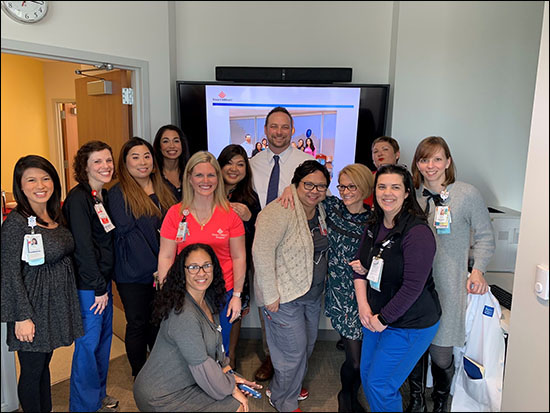
The Pediatric Intensive Care Unit (PICU) at Texas Children’s Hospital West Campus is celebrating more than just its 5th anniversary this week. The unit will mark the milestone without having any hospital-acquired infections, a significant achievement for the unit’s staff and a huge win for the patients treated there.

“It’s an amazing accomplishment to have gone this long without any hospital acquired infections,” medical director of the PICU at Texas Children’s Hospital West Campus Matthew Pesek said. “Limiting hospital acquired infections is a major hospital initiative, and it’s something we take tremendous pride in achieving.”

Pesek said nurses, physicians and the leadership team all played a part in the unit’s success. The PICU care team does weekly quality rounds, along with continuous monitoring and documenting to ensure compliance with best practices and quality bundles; care tactics that significantly improve patient outcomes.

“Infection prevention is at the forefront of everything the team does,” Pesek said. “They work to ensure central lines are kept clean, and nurses work collaboratively with physicians to determine if a line is absolutely necessary.”

The PICU nurses also are trained to place ultrasound-guided IVs in patients who are difficult to access. This new technique provides nurses with easier access and reduces the number of days a patient has a central line and the patient’s exposure to possible infection.

“I am so proud of our team and what we have achieved together,” assistant clinical director of the PICU at Texas Children’s Hospital West Campus Karen Sripan said. “It feels really great to know that, since we’ve been open, not only has our team provided great care, but our patients and the community have responded positively. Our Press Ganey scores were 100 percent for our hospital rating this past month, which is validation that we are doing an outstanding job.”

Since opening five years ago, West Campus’ PICU has grown to meet the evolving needs of patients in the community and beyond. Partially funded by a generous $1 million donation from the Lauren and Lara Camillo Family Trusts, the unit opened its doors in 2014 on the second floor of the hospital with eight beds. Three years later, the unit was moved to the fourth floor of the hospital and more than doubled in size, expanding to 22 beds.

“The acuity of our practice has just changed dramatically over the course of five years,” Pesek said. “We are taking care of patients who nobody dreamed would even be within our scope. The ability to manage critically ill patients in the community, to the highest quality, is a testament to the hard work and dedication of our team.”