March 25, 2019

When Texas Children’s Cancer Center opened its doors in 1954, only one in every 10 children with cancer survived. Today, more than 80 percent of children who are diagnosed with cancer will successfully fight the battle and be cured. However, the war with cancer will not be over until there is a cure for each and every child who is impacted by this disease.

The good news is, tremendous progress has been made. With powerful new weapons in our arsenal and incredible breakthroughs in technology and genetics, every day we uncover more information about what causes cancer and how to beat it, because losing even one child to cancer is still one too many.

To learn more about the history of Texas Children’s Cancer Center, our treatments, programs, staff and research, read “And So We Fight,” a publication dedicated to the mission of the Cancer Center and those it serves. The publication is now online. Click here to view.

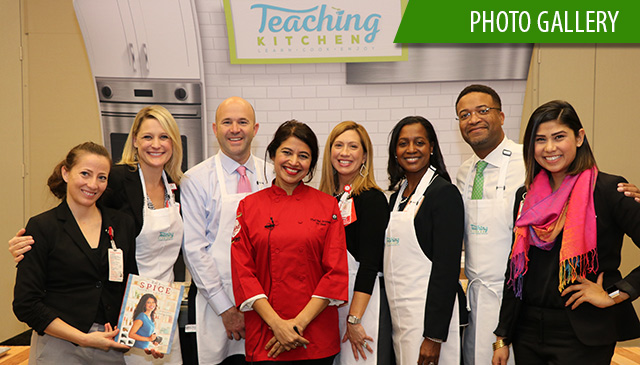
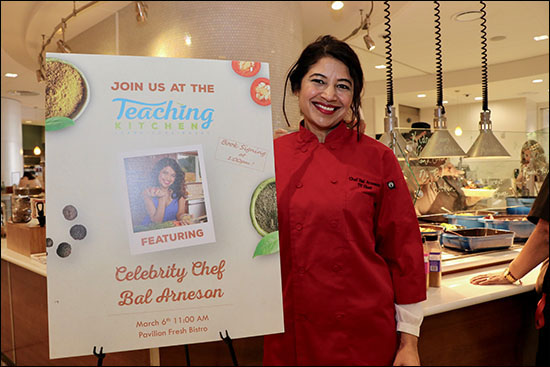
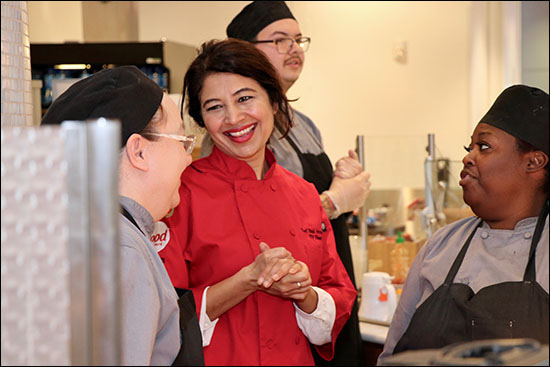
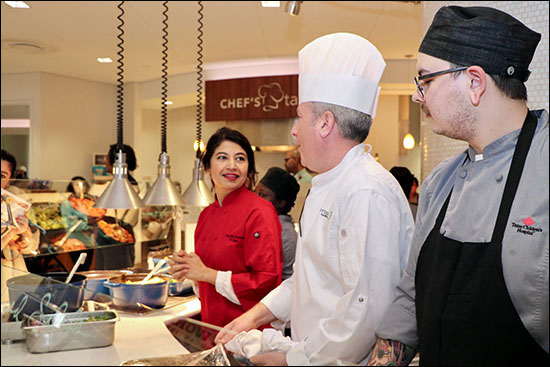
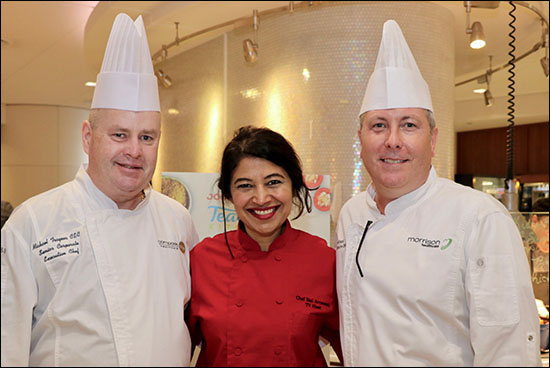
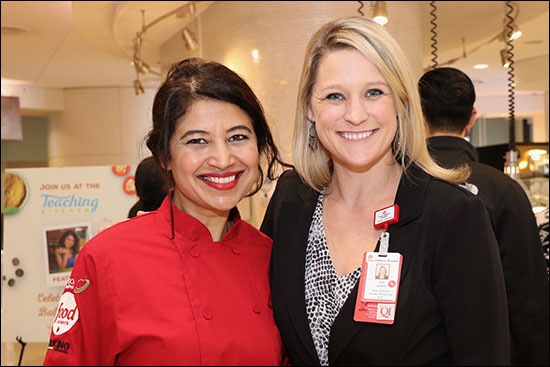
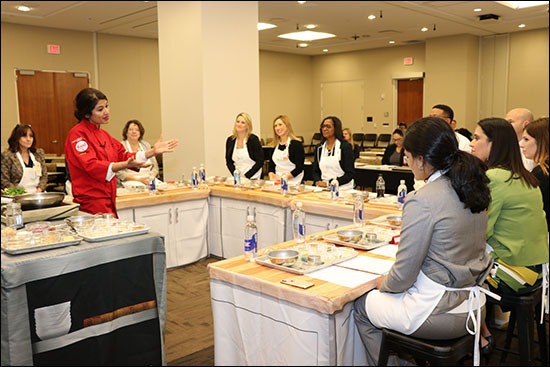
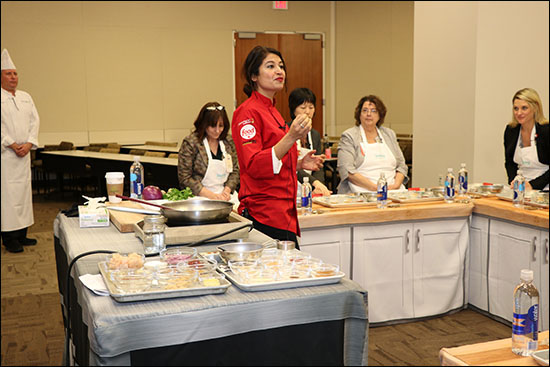
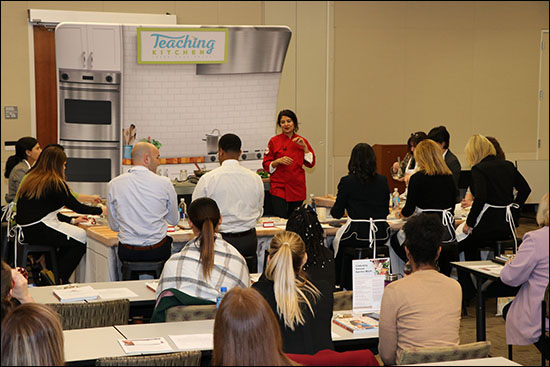
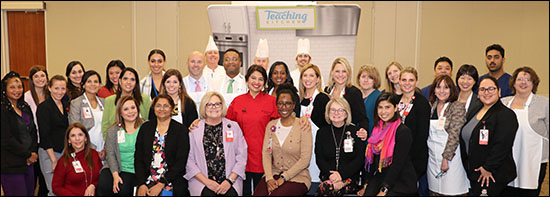
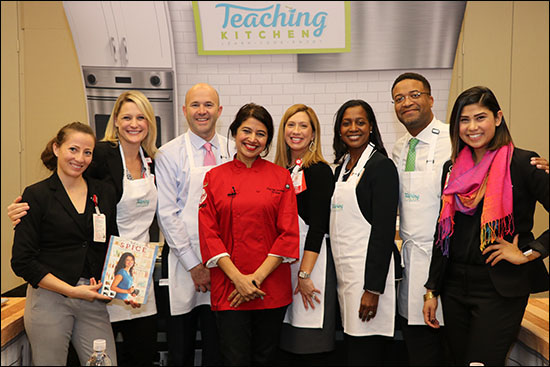
Texas Children’s employees enjoyed a spice-filled start to National Nutrition Month® on March 6 with a full menu of original Indian dishes available for lunch at the Fresh Bistro, created by award-winning Compass Celebrity Chef Bal Arneson.

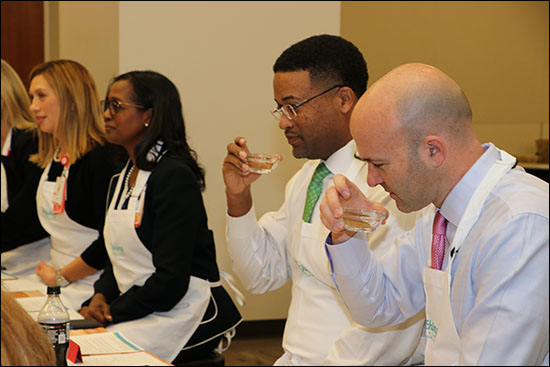
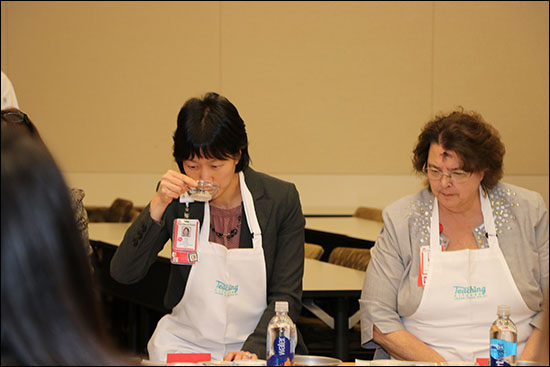
Employee Health & Well-Being partnered with Food and Nutrition Services and Morrison Food Services to bring Arneson to the Medical Center campus to share her cooking tips and recipes, which draw their flavor from carefully selected spices and healthful ingredients rather than cream and salt. Even her spin on classic butter chicken – a well-known dish that originated in Northern India – is made with yogurt instead of butter.

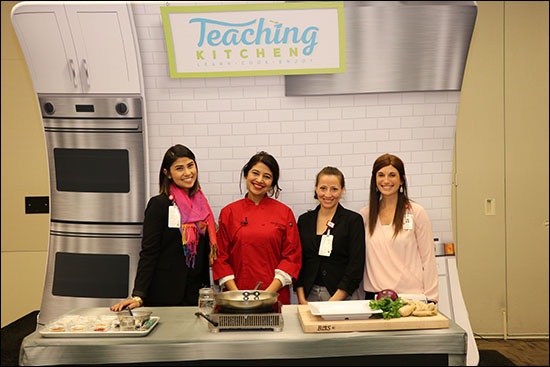
Arneson mingled with employees at the Fresh Bistro before doing a live cooking demonstration in Morrison’s Teaching Kitchen, which was set up in the Pavilion for Women conference rooms.

She also signed copies of her latest cookbook and answered questions about how home chefs can incorporate more spices into their family meals, noting that turmeric, coriander, cardamom, fennel and paprika are among her favorites for health benefits like reduced inflammation and more sound sleep.

The opportunity to bring her passion and love for food to Texas Children’s allowed Arneson to fulfill her ultimate purpose of serving others, she said. It was a special treat to use her knowledge and gifts to feed the people who heal and support our patients and their families.

“I believe the body is our temple and there is an energy inside us that needs to be nourished. You must fuel your body with the right nutrients,” Arneson said. “Food is your medicine and you are exactly what you eat.”

National Nutrition Month® continues

The National Nutrition Month® celebration at Texas Children’s will extend through the end of March with the following events at the Medical Center, The Woodlands and West campuses:

Wednesday, March 20 | 11 a.m. to 1 p.m.
Cigna Health Education Table
Pavilion for Women, in front of Fresh Bistro
Join Cigna Health Coach Staci Tobolowsky Astrein, MCN, RD/LD from the Employee Health and Well-Being team to learn about available Cigna programs and resources, fun giveaways and nutrition education.

Every Wednesday through March 27 | 11 a.m. to 1 p.m.
National Nutrition Month® Table Events
The Woodlands Lobby
Ask our registered dietitians your nutrition questions and learn tips for creating a healthier lifestyle.

March 1 – March 27
5-A-Day Fruit and Vegetable Challenge at West Campus
A month challenge to encourage employees at West Campus to eat more fruits and vegetables on a daily basis with a raffle drawing at the National Nutrition Month® Table on March 28. More information coming soon.

Thursday, March 28 | 11 a.m. to 1 p.m.
Eat a Rainbow Table Event
West Campus Corridor
Our West Campus dietitians will share tips on how to incorporate more fruits and vegetables in your daily routine. Ask your nutrition questions and learn tips for creating a healthier lifestyle.

For more information, visit the Well-Being page on Connect or email wellbeing@texaschildrens.org.

March 19, 2019

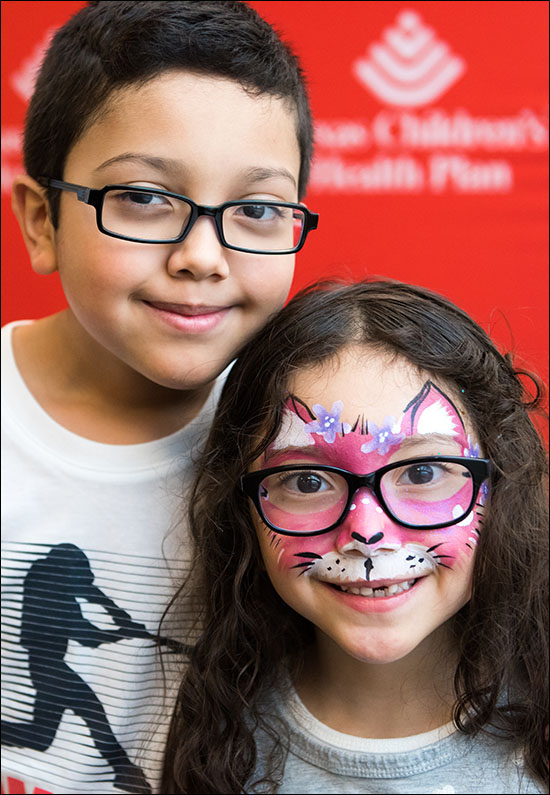
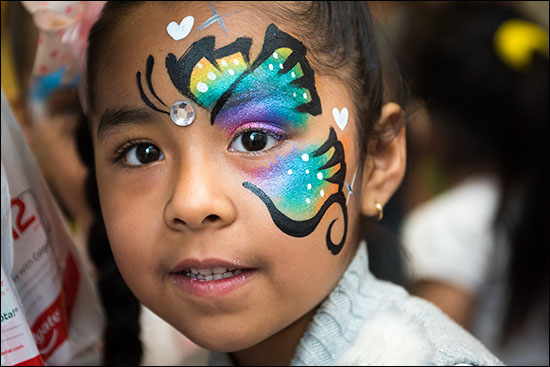
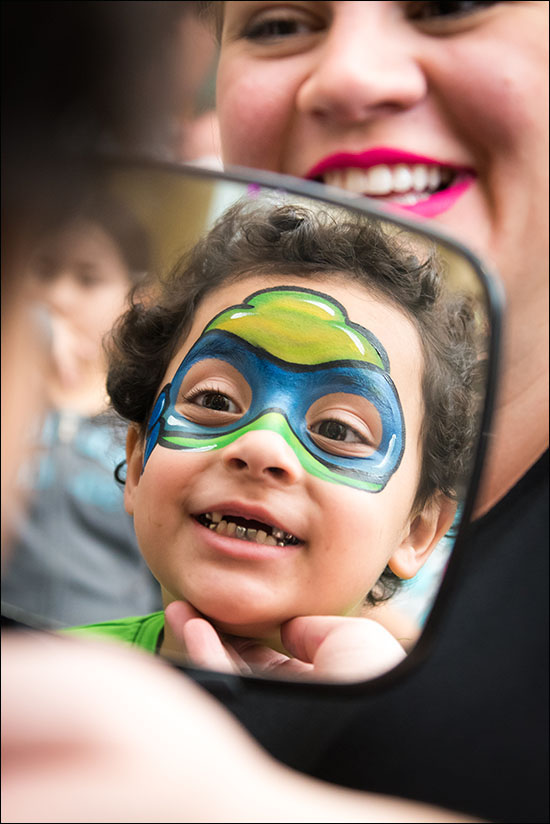
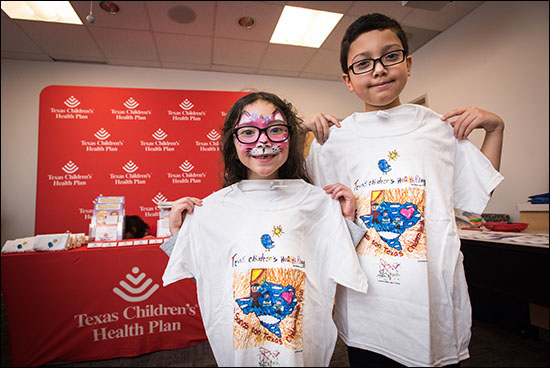
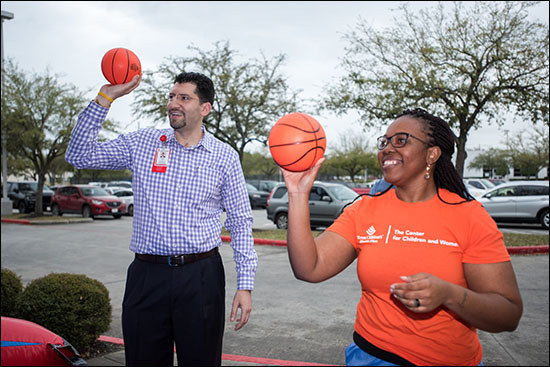
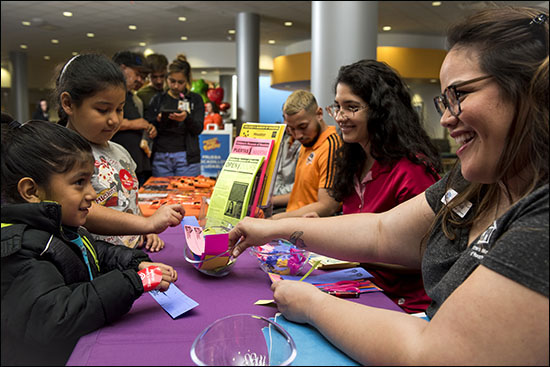
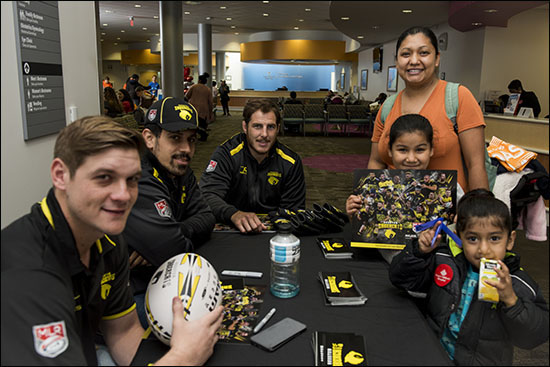
Patients along with their family members and even neighbors had the opportunity to enjoy Spring Break at an event hosted by The Center for Children and Women that included tons of family fun open to the community. The Center invited families to take part in over-the-top entertainment all while picking up a few health and wellness tips to get kids through the remainder of the school year.

The Center introduced this event about 5 years ago targeting physical fitness strategies and goals for children. This year they decided to bring this family affair back for Nutrition month.

“We have a lot of tips on nutrition, some on healthy snack options, along with resources that perhaps they would not have known about if they had not attended this event,” Marketing Manager at Texas Children’s Health Plan, Veronica Arzayus said. “We also welcome the opportunity for the community to see the Center and all the wonderful services that it offers while enjoying the festivities. This is definitely something that you would want to take your kids to in a safe and comfortable environment.”

This two-weekday event was held last week at The Center’s Greenspoint location on Wednesday and at the Southwest location on Friday. Despite unexpected rain and thunderstorms on the first day, according to The Health Plan, over 500 attendees flooded The Center as activities were brought inside.

Events such as this are important as one of our system-wide operational goals focuses on childhood obesity. The goal is to help prevent diabetes, high blood pressure, and high cholesterol in children, and promote a healthier lifestyle overall.

“It is important to shine a positive spotlight on healthy nutrition, activity, exercise, etc., all while engaging with the community in a meaningful way,” Vice President of Texas Children’s Health Plan, Tangula Taylor said. “I think that’s part of us giving back, helping, assisting, partnering with our community, the families that we serve to share healthy lifestyle options and alternatives that can have an impact on their overall quality of life.”

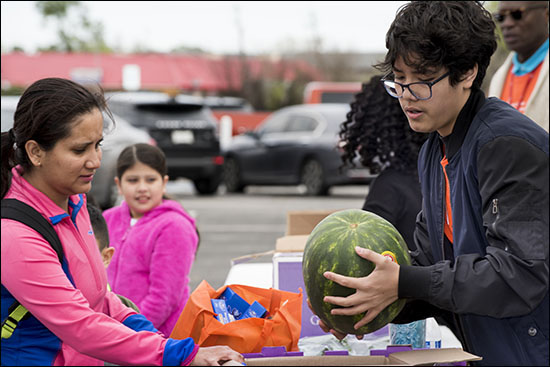
Along with providing educational material on nutrition, thanks to the corporate sponsors of the event, The Houston Food Bank, the Houston Dynamo, corporate partners, The Children’s Museum of Houston and Boys and Girls Clubs of Greater Houston, and community partner Kids Meals, there were also food and activities for the entire family to encourage exercise and healthy eating habits.

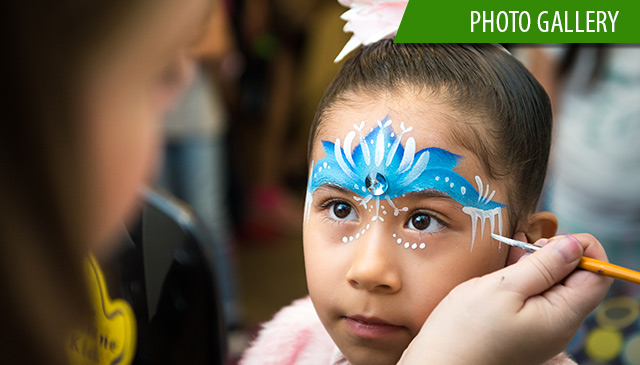
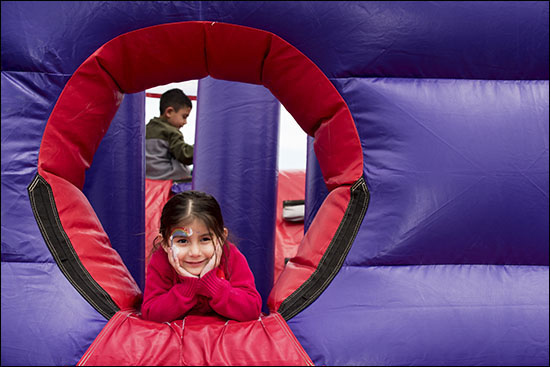
Other activities included, mini Zumba lessons, music and fun performances with a live DJ, face painting, an inflatable obstacle course hula hoop/ jump rope competitions, and a healthy snack tasting challenge.

With a total of over 800 participants for both days this year, The Center is excited to see this event continue annually.

“I’d like to see it grow. When you have an event such as this, you want it to be successful in terms of the number of participants, target audience, and then, once it’s successful, you want it to grow,” Taylor said. “We want to connect with more families, tell them about the Health Plan and the Center and ultimately be a partner for them along their health and wellness journey.”

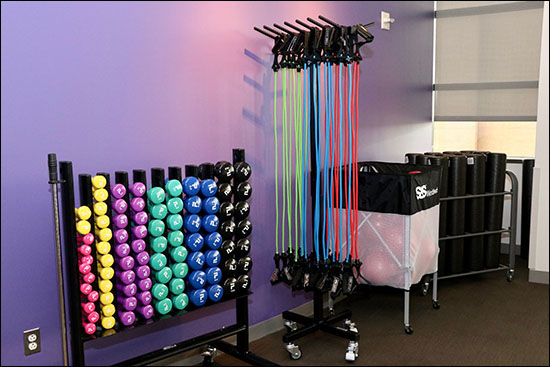
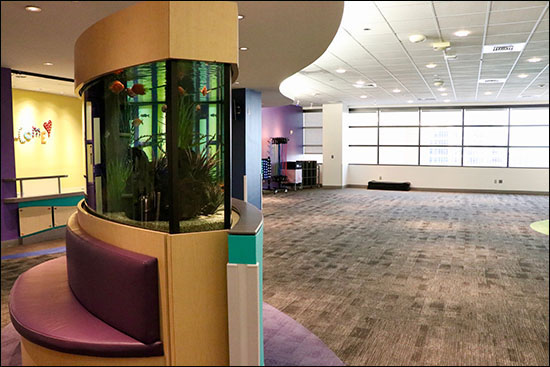
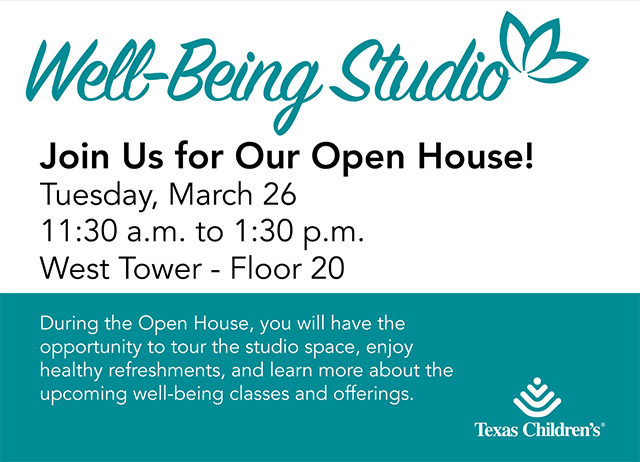
Invigorate your mind, body and spirit at Texas Children’s new Well-Being Studio, which opens Monday, March 25 on the 20th floor of West Tower at the Medical Center campus. Whether you want to find your Zen in a Mindful Morning class or burn some calories in Zumba, the studio provides our employees a dedicated space to turn holistic health goals into action and amplify unity with colleagues through group classes.

The Well-Being Studio is part of the Human Resource team’s continuous efforts to bring new programs and services that support our employees in achieving a healthier, more active lifestyle. The studio offers employees and BCM employees working on-site at Texas Children’s locations a full slate of classes for a variety of work schedules, interests and abilities. Employees are welcome to participate at no cost and at any location. Please click here for the Class Schedule.

Join us for Our Open House!
Tuesday, March 26 | 11:30 a.m. to 1:30 p.m.
West Tower- Floor 20
During the Open House, you will have the opportunity to tour the studio space, enjoy healthy refreshments, and learn more about the upcoming well-being classes and offerings.

What can I expect at the Well-Being Studio?
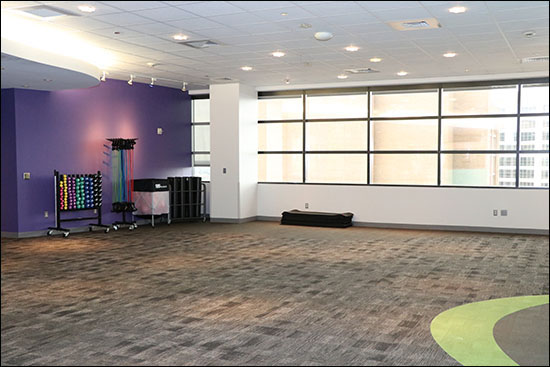
Formerly the Heart Center waiting area, the Well-Being Studio comprises nearly 2,000 square feet of open space for classes of up to 40 participants. Restrooms and water fountains are located just nearby, and open shelves are available for storage of personal items. As there are no locker rooms or showers in the studio, the class schedule has been designed for the more high-intensity, high-energy classes to take place after 5 p.m.

I want to take a class at the Well-Being Studio. How do I get started?
First, click here to register as a member and complete the release and waiver of liability forms.
Next, submit your completed forms in person before a class.
Once we have your forms, you will receive a sticker to put on your employee badge.
Finally, check out the Class Schedule and attend the sessions that interest you! The sticker on your badge will let us know your forms have been submitted and you’re cleared to participate.

What should I know about taking a class?
Class space is limited and participants are accepted on a first-come, first-serve basis, so be sure to arrive at the Well-Being Studio on time or even slightly early for your desired session.
To get to the studio, take the express elevators in the West Tower lobby. You’ll need your badge to access the 20th floor.
Remember to wear comfortable, loose-fitting clothing or exercise attire.

Not located near the Medical Center campus? We have also added well-being classes at Texas Children’s community campuses.

Health Plan: Boot Camp classes on Mondays from 5-6 p.m., and Tuesdays from 4:30 p.m. to 5:30 p.m., at the Fitness Center in the basement. Note, you must work in the Health Plan building to attend these classes.
Meyer Building: Boot camp classes on Thursdays from 5 p.m. to 6 p.m., on the roof of Garage 19. All employees are welcome.
The Woodlands: Boot camp classes on Wednesdays from 5 p.m. to 6 p.m., on the garage roof. All employees are welcome.
West Campus: Zumba classes on Tuesdays from 5 p.m. to 6 p.m., in WB.505.21 Ballroom on the 5th floor. All employees are welcome.

Texas Children’s badge holders can also receive reduced monthly membership rates, waived enrollment fees and discounted programs and services from numerous well-being partners. ClassPass, our newest partner, offers one of the world’s most flexible memberships that allows you to work out where you want, when you want and how you want – including on-demand videos and live-streaming classes. Visit the Well-Being page on Connect to learn more.

The Well-Being team would love to hear your questions and comments about the Well-Being Studio and all of our well-being offerings! Send us a message at wellbeing@texaschildrens.org.

March 18, 2019


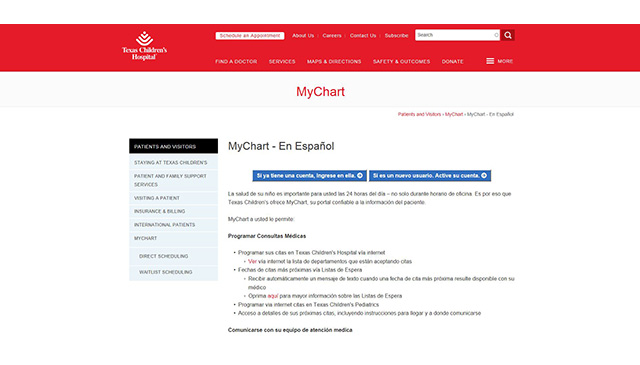
As part of Texas Children’s Care Coordination Initiative – and in an effort to ensure better care and communication between providers and their patients – MyChart is now available in Spanish.

“By having our patient portal available in Spanish, we want to ensure that we are providing information to families in a language they understand,” said Dr. Heidi Schwarzwald, executive sponsor of MyChart Spanish and Chief Medical Officer Pediatrics of Texas Children’s Health Plan. “Patients and providers can now use the same great functionality in MyChart to transmit messages and health information faster and more efficiently in whichever language our patient families are most comfortable with.”

Before or after patients log on to MyChart at mychart.texaschildrens.org, they can click on the “En Español” button and the MyChart patient portal switches to Spanish. From there, patient families can obtain their after visit summaries and immunization records electronically, reducing phone calls and delays. They can also request medication refills and other services. All of the main features from MyChart English are now in Spanish except for certain titles or sections, such as medication names.

Within MyChart, patient and families can also send and receive open messages. Care team members have three tools to translate Spanish messages from MyChart. Messages can be translated by Spanish-speaking staff who have been validated by Language Services or through a translation software, Systran. Staff can also send MyChart messages for translation to the Language Services team via Epic Inbasket. Each clinic has established their workflow on who and how incoming messages will be translated and can then respond to the concern or request using the current workflow for English messages.

“While over 60 percent of Texas Children’s patients use MyChart, only 27 percent of Spanish-speaking patients had accessed the MyChart patient portal which meant providers had to use different modalities to contact these families,” Schwarzwald said. “Now with the launch of MyChart Spanish, we hope this new communication tool will encourage more Spanish-speaking families to engage with us via MyChart.”

From Texas Children’s operations teams that provided the guidance for needed features to the technical teams that helped implement the new functionality to the Language Services department that provided translations for content, the MyChart Spanish rollout has been a huge team effort across the board.

Language Services provided all of the content and document translations that populated the server files for the Spanish MyChart implementation. This included everything from minor phrases and alert messages to full multi-page, terms of service and important FAQ translations. All of the patient-facing files and content needed to be translated and included in the Spanish MyChart build on the web servers.

“We provided knowledge and expertise to ensure the accuracy and reliability of the translation software and we’ve been working to create and build the software’s dictionary, which establishes the benchmark for accurate translation,” said Alma Sanchez, manager of Language Services. “Our team will continue to enhance the dictionary and translation memory to enable quick and complete responses to our patients.”

The soft launch of MyChart Spanish will give staff the opportunity to test the system and workflow processes before actively marketing this new service to our Spanish-speaking patients and families.

“We’re excited to roll out MyChart Spanish for our multilingual patients, families and staff that interact with Texas Children’s for their patient experiences,” said Colleen Julien, Epic Patient Engagement manager for Texas Children’s Information Services. “We are appreciative of the Care Coordination initiative and Dr. Schwarzwald’s leadership. This project has been on our road map for many years and the project took off when Care Coordination made it an operational priority to offer MyChart in Spanish.”

Click here to read the MyChart Spanish FAQs. For more information about MyChart, visit texaschildrens.org/mychart.

Just months after successfully expanding our spine surgery program outside the medical center, the Department of Surgery and Texas Children’s Hospital The Woodlands are celebrating another important milestone – the expansion of our bariatric surgery services.

“We are very pleased about the collaboration between all services in opening up the bariatric surgery program at our campus in The Woodlands,” said Surgeon-in-Chief Dr. Larry Hollier. “The Department of Surgery is committed to bringing the surgical services that families need closer to their homes.”

Previously, access to bariatric surgery was relegated to our Texas Medical Center campus. However, a review of comparative patient data and geographic analysis revealed that a large number of patients coming to Texas Children’s for bariatric surgery were coming from The Woodlands and other communities outside Houston. With support from Texas Children’s executive leadership and Department of Surgery leadership, a multidisciplinary team in The Woodlands began laying the groundwork to expand the program.

“Successfully setting up bariatric surgery in The Woodlands required extensive planning and coordination on many fronts,” said Ketrese White, assistant vice president at Texas Children’s Hospital The Woodlands. “In addition to putting necessary infrastructure in place – such as personnel, equipment and surgical space – and running simulations, this amazing team spent months mapping out optimum workflow processes, including solidifying how we identify patients and establishing a rigorous assessment plan.”

The pre-surgery assessment period for bariatric surgery is lengthy – usually six to eight months. In addition to meeting physical criteria, candidates must also undergo diagnostic testing, attend regular clinic visits, and receive lifestyle and diet education.

“We’ve been very thoughtful in developing our assessment criteria,” White said. “The team performed due diligence, reviewing best practices and consulting experts both inside and outside the Texas Children’s system, which has also helped us build relationships in the community.”

The hard work paid off. Last month, pediatric surgeon Dr. Shawn Stafford performed the first bariatric surgeries at Texas Children’s Hospital The Woodlands, the culmination of months of collaboration and preparation.

Meeting the challenge head on

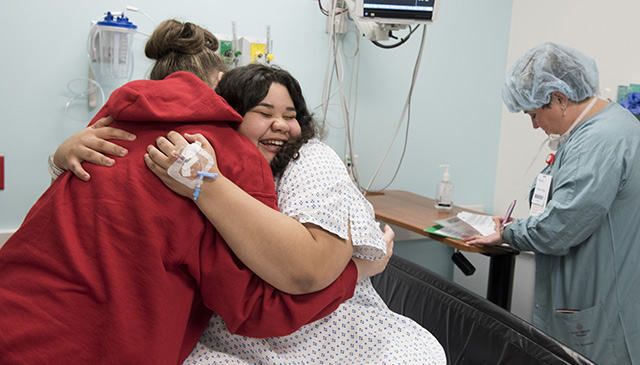
The expansion of our bariatric surgery services in The Woodlands helps us meet a major need in the community. Obesity-related health problems doctors once saw only in middle-aged people are now being seen in teenagers. These conditions include high blood pressure, type 2 diabetes, polycystic ovarian syndrome, obstructive sleep apnea, severe bone and joint issues, and hepatosteatosis (fatty liver), not to mention increased risk of heart attack and cancer.

“We have a unique opportunity to intervene and head off potentially debilitating, or even fatal chronic medical conditions, and ultimately to help make a lasting difference in these kids’ lives,” Stafford said.

Because each of these cases is so different, Texas Children’s experts put special emphasis on building a program of care around each unique patients’ needs, even helping tailor an exercise regimen based on their lifestyle and interests.

“Our goal is to communicate with each patient and find things they enjoy doing so that the changes they’re making to their lifestyle will be durable,” Stafford said.

While bariatric surgery isn’t a cure for obesity, Stafford says it is a valuable tool that makes victory against obesity a possibility. But changing a lifestyle still requires effort.

“I like to describe it as if they are trying to get over a wall: I can’t make them go over, but I can give them a boost so that, if they choose, they can pull themselves over.”

Learn more about bariatric surgery at Texas Children’s.

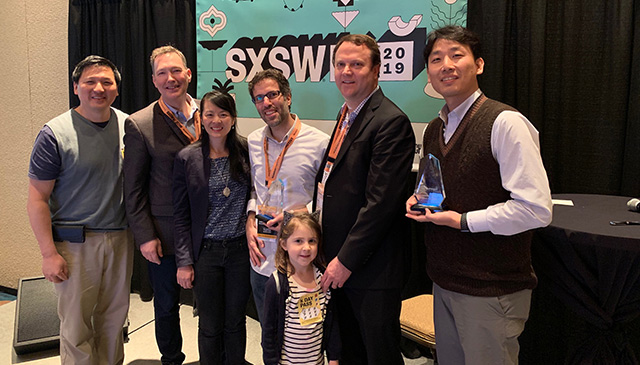
On March 9, twelve finalist startup companies vied for awards and valuable grant funding at the fifth annual Impact Pediatric Health, a one-of-a-kind pitch competition held at SXSW that showcases the best in pediatric health care innovations. Out of 50 national and international startup applicants, the judges selected four companies to receive $25,000 grants in the Medical Devices category, provided by Southwest National Pediatric Device Consortium (SWPDC).
The four grant recipients were:

  • Bardy Diagnostics (Seattle, Washington): Develops digital health and cardiac monitoring technology
  • Prapela (Boston, Massachusetts): Uses random vibration stimulation to help newborns breathe, relax and sleep
  • PolyVascular (Houston, Texas): Designs and develops polymer-based heart valves for children that accommodate growth and reduce need for repeat surgeries
  • Smileyscope (Cambridge, Massachusetts): Transforms pediatric care delivery using virtual reality

“We were blown away by the level of talent and incredible innovation showcased at this year’s Impact Pediatric Health pitch competition,” said Dr. Chester Koh, Executive Director of SWPDC and pediatric urologist at Texas Children’s Hospital. “At Impact Pediatric Health and SWPDC, we are always looking for the next cutting-edge breakthrough in the world of medical devices, and we are excited to stand beside these four companies, and to help accelerate the next generation of medical device companies impacting our youngest of patients.”

In addition to the Medical Devices category, tech startup applicants also competed in the pediatric Digital Health and Health Disparities and Equity categories. Sound Scouts of Sydney, Australia, won top honors in Digital Health for its work developing app-based hearing assessments for school-aged children. And PolyVascular – co-founded by Dr. Henri Justino, interventional cardiologist and director of the Charles E. Mullins Cardiac Catheterization Laboratories at Texas Children’s Hospital – also received the Health Disparities and Equity award.

Winners across each category and all participants benefited from valuable feedback from a host of industry experts serving as judges at the event, including representatives from the sponsoring children’s hospitals. The panel included:

  • Molly McCarthy MBA, RN-BC, National Director of US Provider Industry and Chief Nursing Officer at Microsoft
  • Bonnie Clipper, VP, Practice and Innovation at the American Nurses Association
  • Peggy Maguire, President of Cambia Health Foundation
  • Andrew El Bardissi, Principal of Deerfield Management
  • Stacy Feld, Vice President, Consumer Venture Investments & External Innovation at Johnson & Johnson.

This year’s event was hosted by emcee, Lisa Suennen, Managing Director of Manatt Health

The Impact Pediatric Health Startup Pitch Competition was created as an opportunity for up-and-coming digital health and medical device startups to pitch their innovations to a panel of children’s hospital executives and investors during SXSW in Austin, Texas. The event is co-sponsored by Texas Children’s Hospital and six other leading U.S. children’s hospitals – Children’s Healthcare of Atlanta, Boston Children’s Hospital, Cincinnati Children’s Hospital, Children’s Hospital Los Angeles, Seattle Children’s Hospital and Lucile Packard Children’s Hospital of Stanford Children’s Health.

About SWPDC

The Southwest National Pediatric Device Consortium (SWPDC) – anchored at Texas Children’s Hospital and Baylor College of Medicine – is a multi-institutional consortium that includes clinical, scientific, business, financial, regulatory, reimbursement, engineering, intellectual property and academic partners in the Houston / Southwest U.S. region. The consortium received a five-year, $6.75 million FDA P50 Pediatric Device Consortia (PDC) grant to support innovation, mentoring and collaborations amongst pediatric clinicians and surgeons, engineers, industry, and other partners for pediatric device development.