April 2, 2019

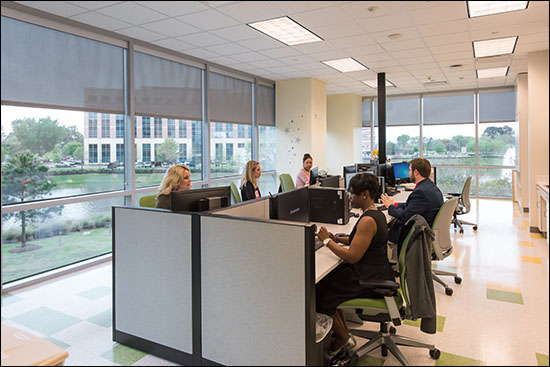
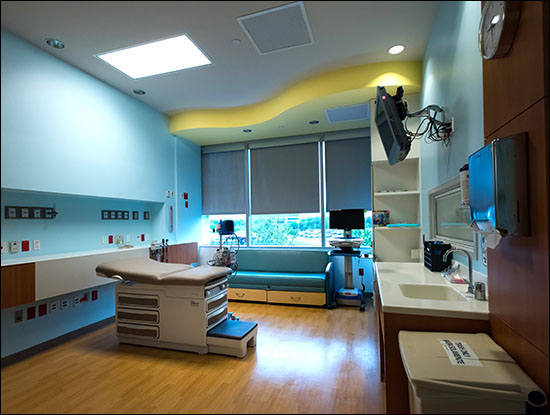
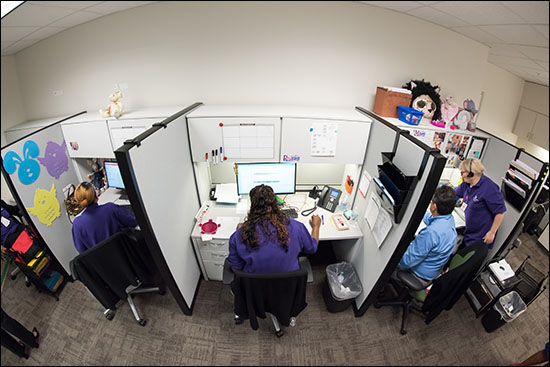
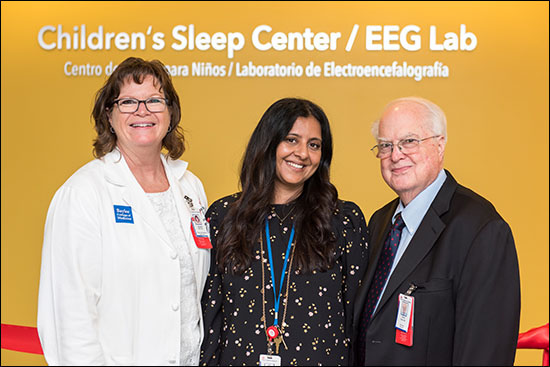
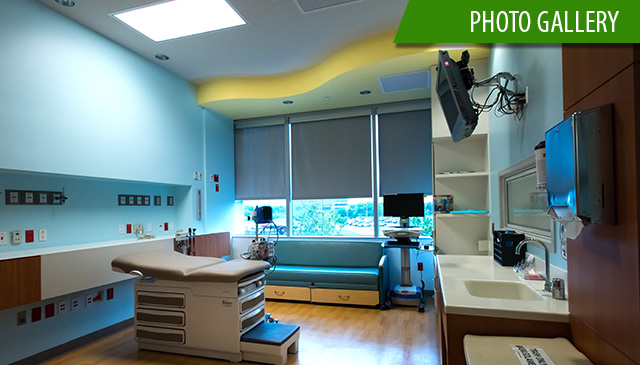
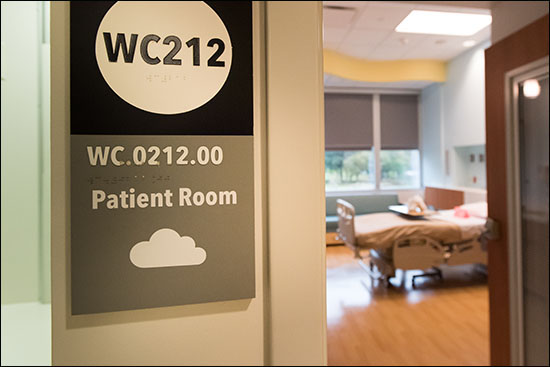
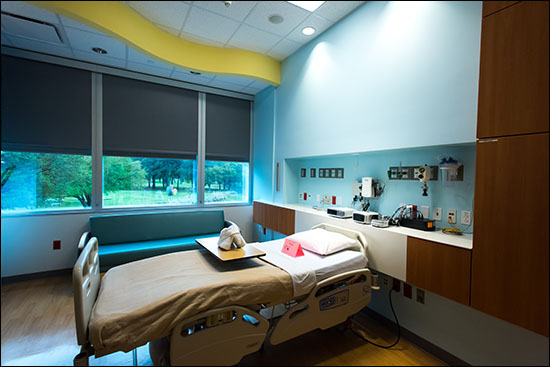
On March 25, the first patient was seen in the new expansion of Texas Children’s Hospital West Campus Sleep Center. Going from six beds on the fourth floor, to nine beds with six available for future expansion on the second floor, the center will now be able to improve access for patients waiting to be treated for sleep conditions.

“We get about 40 to 50 referrals for a sleep study per day,” Neurophysiology Manager Wes Moulden said. “We were looking at anywhere between three to seven month wait times. Now that we have expanded the sleep lab we’ll be able to start diagnosing more children with sleep disorders, and doing sleep studies more efficiently.”

Texas Children’s Sleep Center is one of the few accredited centers in the country specializing in children’s sleep disorders. A sleep disorder is a disruption in a child’s normal sleeping pattern. The sleep center evaluates and treats common sleep disorders in children including problems falling asleep or staying asleep, sleepwalking and abnormal movements during sleep.

“An accredited pediatric sleep center is very rare and all three of our sleep labs have that recognition, Moulden said. “Another unique thing about our sleep center from a diagnostic standpoint, is that all of our technologists are registered technologists who have been formally educated and trained in this skill which is not normally the case.”

Our prestigious credentials also draws the attention of patients from all over the country to our sleep centers. In 2013, Maria Wilson moved her family to Houston from Idaho so that her daughter Sophia could be treated at our sleep center for what was eventually diagnosed as narcolepsy.

“I knew it was going to be a better situation,” Wilson said. “It was very nerve racking and I was nervous, but I knew it was a better move for us to be seeing doctors that have more experience with my daughter’s condition.”

Since being diagnosed and treated frequently at our West Campus Sleep Center for the past six years, Maria says that Sophia is doing much better and is also receiving a great deal of help as they prepare to transition out of the pediatric care system.

“We love Texas Children’s Hospital! After we got established as patients, we got to know the doctors and built relationships with them. That really helped her quality of life when it comes to going to school and functioning better overall,” Wilson said. “Now she’s transferring slowly to adult doctors, and I’m kind of sad. But for us, we love Texas Children’s, we love the doctors and nurses here, and the care that she’s received, so it is comforting to know that we have them in our corner.”

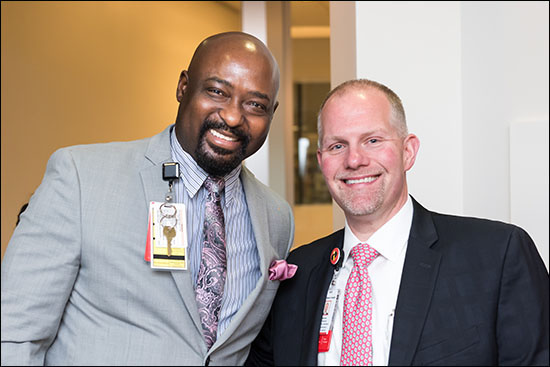
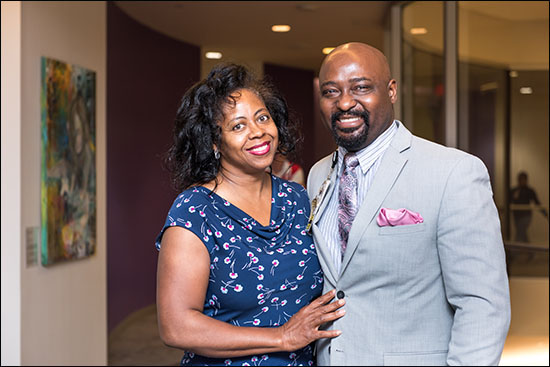
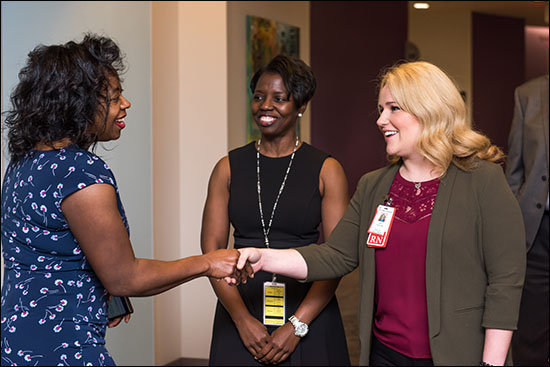
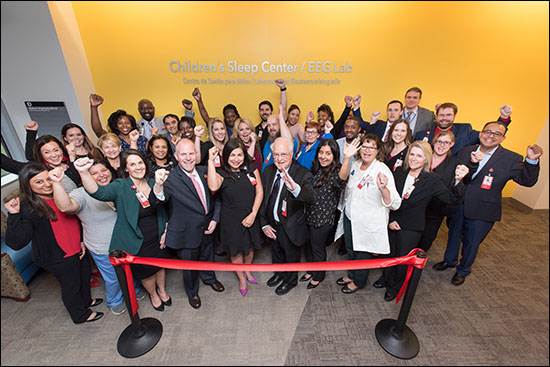
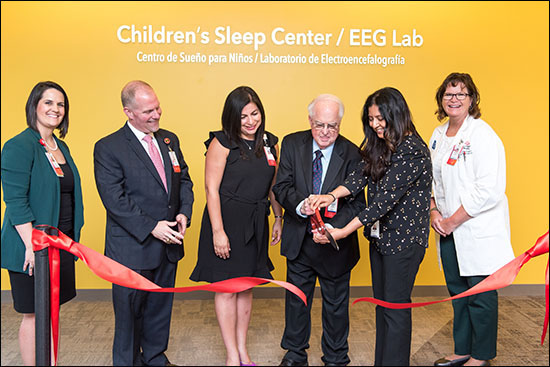
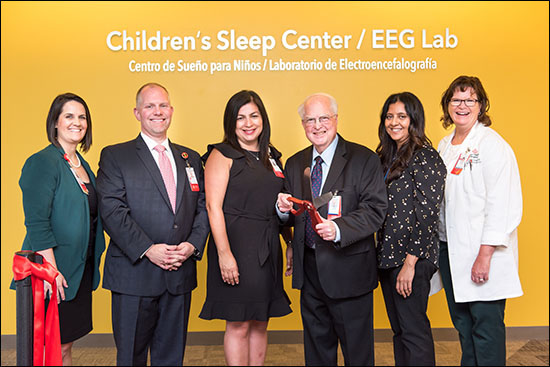
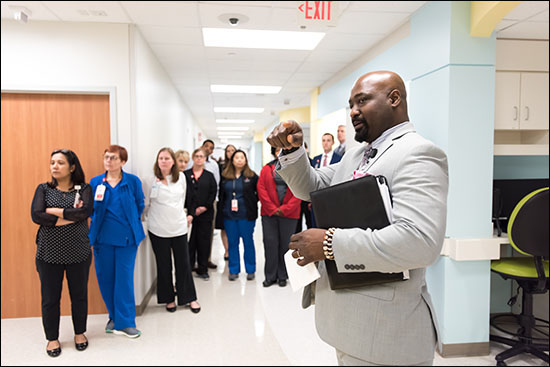
Last week the sleep center team members, administration, and executives gathered on the second floor of West Campus for a ribbon cutting that marked the opening of four sleep clinics, and nine sleep lab beds.

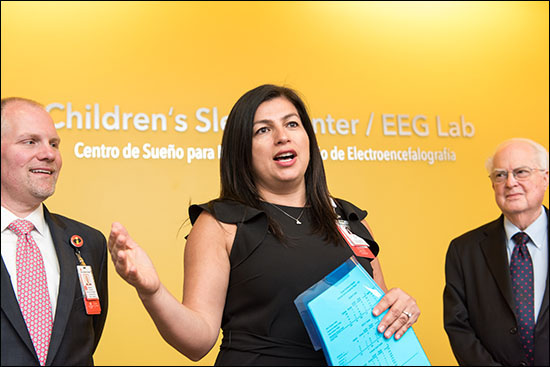
“I wanted to thank all physician leaders, operations leadership, and anyone who had a hand in this much needed expansion,” Texas Children’s Hospital West Campus Vice-President Ivett Shah said. “Texas Children’s is dedicated to improving access to care and this expansion is another way that West Campus continues to provide high-quality care to the West Houston community and throughout the state of Texas.”

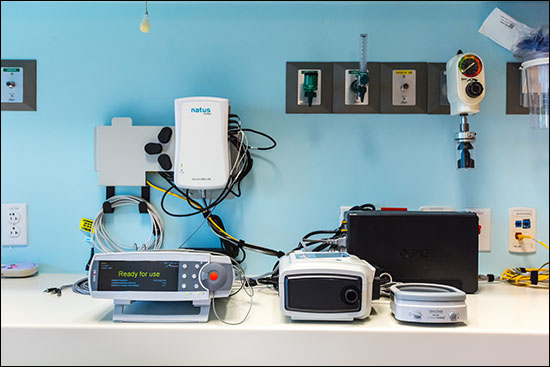
The rooms in the sleep center also have the capacity to perform electroencephalogram studies during the day (EEG), in-room monitoring devices, and a host of other quality equipment to ensure sleep studies are carried out properly, along with a scorer/nurse workroom.

“This space was specifically created with the comfort of the patient in mind,” West Campus Respiratory Care and Clinical Support Services Assistant Director Gbolahan Harris said. “Having these clinics and labs in one space helps to reduce patient and family anxiety while normalizing the experience for a sleep study within the sleep center.”

Rooms on the floor also have the flexibility to be converted back into Acute Care beds if West Campus reaches a point where there is a need.

In addition to larger rooms and more workspace, the idea was to increase the number of providers as well. Prior to opening the expansion Lacie Petitto began as the first full-time nurse-practitioner that will be working in the clinic.

“My background is in sleep medicine so I am so excited for the expansion and my new opportunity to treat children in the sleep center,” Petitto said. “When I was approached by the sleep division for this leadership position I was overjoyed to be a part of this opening. This type of work helps feed my passion for sleep medicine and treating patients with sleep disorders.”

Although they are not board certified to read sleep studies, however clinically, Advance Practice Nurses (APN) can see the patients, assess, diagnose, and treat them as well. This allows clinic volumes to open and more patients are seen and treated in a much more efficient way.

“That’s never been done before at Texas Children’s as far as having a full-time nurse practitioner for sleep,” Moulden said. “The center is multi-faceted we have a variety of providers. Some are neurologists, some are pulmonologists, and we are the primary pediatric partner for the Baylor College of Medicine Sleep Fellowship program where we train physicians as well.”

The ultimate goal of the sleep center moving forward is to continue to provide the same high-level services, but on a larger scale.

“Sleep providers should have dreams, and their dreams should come true as they have today,” Texas Children’s Sleep Center Medical Director Dr. Daniel Glaze said. “We anticipate a lot of work, but it will also be a lot of fun. We look for this to be a model for other sleep institutions, and are committed to providing the best diagnostic and overall care for children with sleep complications.”
Texas Children’s employees are now just a phone call or secure video conference away from connecting with board-certified doctors and pediatricians anytime, anywhere, for more than a dozen common or chronic health conditions.

All employees and their eligible dependents who are enrolled in a Texas Children’s medical plan have access to Cigna Telehealth, a new benefit introduced during 2019 Annual Enrollment. Eligible members can use Cigna Telehealth to reach a doctor from home or when traveling throughout the United States, for a variety of general issues: allergies, fevers, headaches, infections, insect bites, nausea, joint aches and more. Pediatric care for your covered dependents is also available via Telehealth for cold and flu, constipation, nausea, pink eye and earaches in children.

Consultation and prescribing are provided 24 hours a day, 365 days a year, by doctors from Amwell, a leading telehealth platform. All telehealth consultations are subject to the same confidentiality requirements that apply to consultations in a doctor’s office. Simply follow these instructions to download the Amwell for Cigna app to register, find a doctor and access services via phone or video for a $20 co-payment under Texas Children’s Traditional Plan, or a 20 percent coinsurance under the Consumer Plus Plan. For more information about Telehealth, click here to view this short video or visit our Benefits website (scroll down to Telehealth). Employees are highly encouraged to download the Amwell for Cigna app to their phones today and register their information in advance so they and their covered dependents can utilize the service immediately when a need arises.

Some members who have already used Telehealth have shared that the service has been a welcome addition to their Cigna benefits. Others have expressed how impressed they were by how easy it is to navigate and use the app, and how quickly they were connected with a doctor after requesting an appointment.

One Texas Children’s employee recently used Telehealth for her 12-year-old son, who needed treatment for an itchy and rapidly spreading rash. With the pediatrician’s office closed and her son more miserable by the minute, she downloaded the Amwell for Cigna app. The employee found it easy to enter relevant health history and upload pictures of the rash, and had a diagnosis from a doctor and a prescription called in to their pharmacy. The whole process took less than 30 minutes.

When another employee developed a case of poison ivy on a recent weekend, she downloaded the app and was face to face with a doctor via video conference in what she expressed “seemed like no time at all.”

Questions?
Please contact our Total Rewards team at 832-824-2421, select option 1 and then 7 to speak to a Benefits team member from 8 a.m. to 5 p.m., Monday through Friday or email totalrewards@texaschildrens.org.

Already used Cigna Telehealth?
We want your feedback on this new benefit offering! Please share your experiences with us via email at wellbeing@texaschildrens.org.

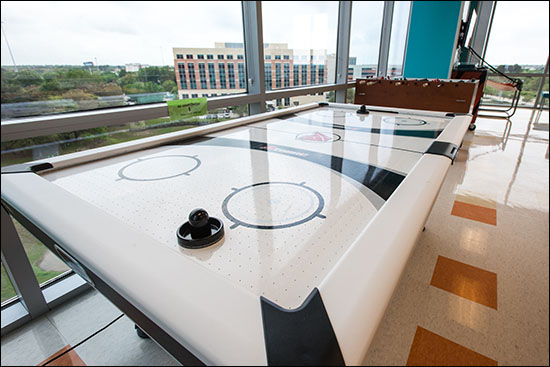
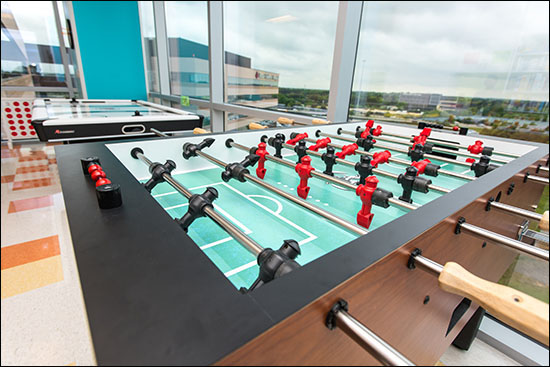
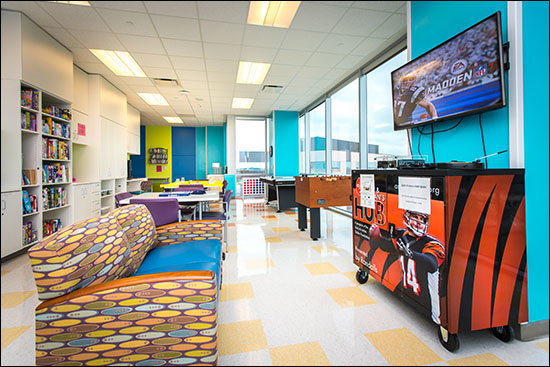
Teen and pre-teen inpatient children now have a place to get away and partake in age appropriate activities during their stay at Texas Children’s Hospital West Campus. On March 28, the Child Life department invited patients, families and staff to an open house for the Activity Room.

Over the years, the hospital has opened multiple child life activity spaces, typically playrooms, located on various floors of all three hospitals. These spaces provide a fun, safe and procedure-free environment for our inpatient population and their families.

The Child Life Department at Texas Children’s Hospital provides spaces for patients to get away from the medical setting and to enjoy and play as other children would at their age. For our teenage population, it is important to have an environment and activities that speak to their interests. At Medical Center Campus, through the support of Teammates for Kids, we have the Child Life Zone located in the West Tower that supports the activities and needs of our older patients.

As the Texas Children’s system continues to expand our locations and inpatient services, the Child Life departments continue to ensure that the pre-teen/teen population have a space where they can gather with other adolescents and know they have a space of their own.

“When you walk into most child life playrooms, you see toys intended for toddlers and young children,” Child Life Specialist Riley Hammond said. “There are toys and activities still in the Activity Room for kids of all ages, however; this space is geared specifically for children eight years and older.”

Located in the inpatient wing in the right corner on the fifth floor, the space that has been revamped into the new Activity Room. Previously, this space was a playroom and was underutilized due to staffing and volunteer availability, said Hammond.

Inside the new Activity Room, there are many developmentally appropriate devices and activities, some generously donated by our dedicated partners. In the far back, next to a large window that beams natural sunlight into the room is an electronic arcade-style basketball goal, generously donated by Wood, an energy services company, located next to West Campus that is a benevolent donor and supporter of Texas Children’s.

Right next to the basketball goal, is an all-in-one locker, known as “The Dalton Cart” that houses multiple electronic devices and video games. The Dalton Cart was generously donated by the Andy and Jordan Dalton Foundation, a foundation started by a professional football player, Andy Dalton, who calls Katy, Texas home. There is also an Xbox for patients to play the very popular, Madden, along with other video games generously donated by Child’s Play, a charity organization that seeks to improve the lives of children in pediatric hospitals through the kindness and generosity of video games.

The teen child life room also provides movies, board games, art materials, science kits and a host of other forms of entertainment. Most importantly, this space allows patients a place to simply get out of their hospital room. In the afternoon, there is a protected activity time for teens over the age of thirteen.

“It really helps kids and teens feel like themselves,” Child Life Activity Coordinator Mary Reddick said. “This is a room where they get to make choices for what they want to do, be in control and socialize. They meet other teens who are here at the hospital in the Activity Room and often realize, ‘hey I am not alone.’”

When Reddick and Hammond originally proposed this new play space, they wanted it to be easily accessible to patients and their families. The room is open Monday through Sunday, eight o’clock in the morning to eight o’clock in the evening, with intermittent child life staff and volunteer supervision.

Each campus now has a space that is dedicated to our teen population, and this is just one of the many ways that Texas Children’s Child Life Department works tirelessly to provide every child with a high-quality experience.

“It has been a huge transformation, not just with the physical things here in the room, but really I would say, the open accessibility has been one of our largest successes with this space,” Hammond said. “I’ve received ample feedback from staff with excitement that the space is open and being used by so many. We have many, many big dreams for what else can be in this space and we continue working closely with development to make this an even greater experience for our teens here at West Campus.”

March 26, 2019

Myra Davis, senior vice president of Information Services at Texas Children’s Hospital, received the 2019 Chief Information Officer (CIO) of the Year ORBIE Awards from the Houston CIO Leadership Association.

The CIO of the Year ORBIE Awards is the premier technology executive recognition program in the United States that is based upon a nominee’s leadership and management effectiveness, technology innovation, size and scope of responsibilities and engagement in industry and community endeavors.

“I am very grateful to receive this honor,” Davis said. “Information Technology, particularly in health care, has the opportunity to enhance, in many ways, how we deliver care to our patients and families. I love what my team and I are able to do and the boundless opportunities IT presents at Texas Children’s.”
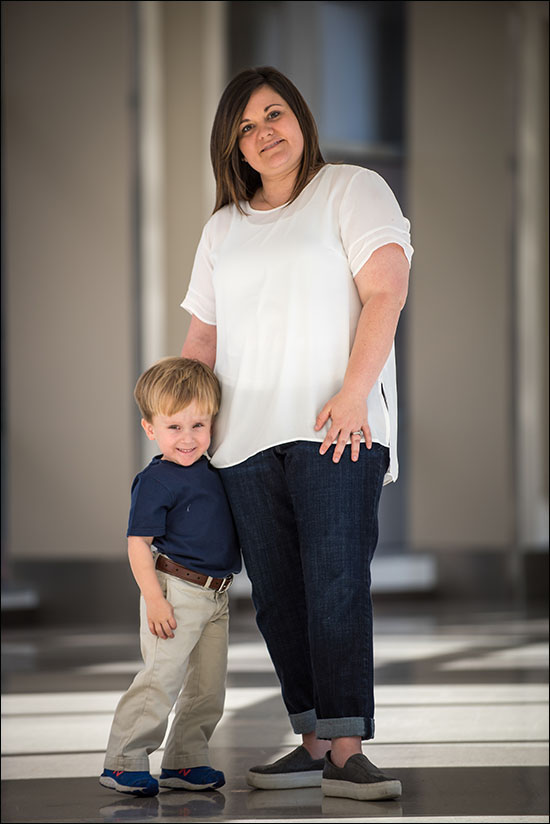
Since joining Texas Children’s 15 years ago, Davis has helped Texas Children’s consistently stand out amongst our peers, and it is her visionary leadership and passion for the hospital’s mission that keep Texas Children’s on the leading edge of technology, and perpetually surfing the innovation curve.

While her leadership philosophy centers on cultivating strong partnerships that drive the successful delivery of improved quality, safety and patient outcomes at Texas Children’s, Davis enthusiastically credits her team of more than 400 employees for helping to lead the organization through some major technological transformations, including spearheading the recent integration of Texas Children’s Health Plan systems into the hospital’s electronic medical record.

Davis and her team have been instrumental in other systemwide initiatives including implementing new MyChart enhancements that have significantly improved patient experience and access to care; building the technology infrastructure to support daily operations at our new Texas Children’s Lester and Sue Legacy Tower; upgrading the patient transport system used to document incoming and outgoing transfers; and implementing a stringent cyber security protocol throughout Texas Children’s that employs a layered defense to prevent unauthorized access to organizational assets and patient information.

“Our IS department is truly the village that makes everything happen on a daily basis,” Davis said. “I am grateful to work with such a dedicated and talented team, and look forward to what we can accomplish together to better serve our patients and their families, and our employees and staff at Texas Children’s.”
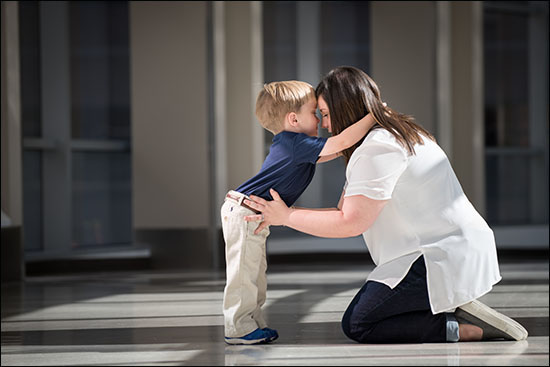
Beyond her leadership responsibilities at Texas Children’s, Myra also devotes much of her free time serving the community. She has developed a collaboration between local universities (Rice, UT Austin and University of Houston) and Texas Children’s, where students are able see how technology is used in health care and explore the possibility of wanting to work in healthcare technology post-graduation.

In addition to the CIO of the Year ORBIE Award, Davis has been the recipient of the 2017 Houston Business Journal CIO of the Year in addition to Association for Women in Computing Award for Leadership in Technology that recognizes women who are making a difference in their professions, companies and communities through hard work and innovative leadership.

March 25, 2019

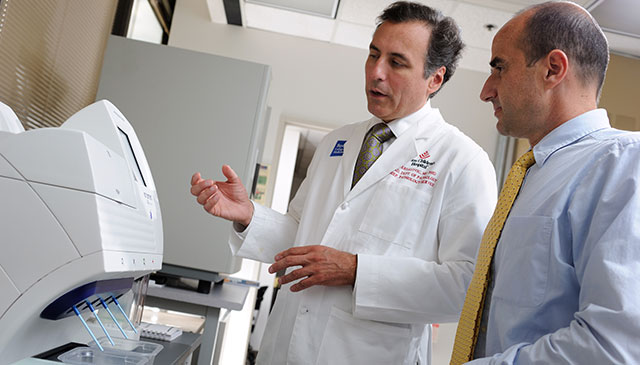
Dr. Richard Kellermayer, director of the Pediatric Inflammatory Bowel Disease program at Texas Children’s, has devoted much of his research to improving outcomes for children with chronic intestinal inflammation such as inflammatory bowel disease (Crohn’s disease and ulcerative colitis), as well as young patients who suffer from recurrent Clostridium difficile (C. diff) infections.

C. diff is a bacterium that causes diarrhea and inflammation of the colon, which can be severe on occasions,” said Kellermayer, associate professor of Pediatrics at Baylor College of Medicine. “Some patients are susceptible to C. diff recurrences following repeated treatment with antibiotics. It can be increasingly challenging to successfully treat these patients with conventional methods.”

In a recently published paper in the Journal of Pediatric Gastroenterology and Nutrition, Kellermayer and his colleagues provide guidelines for the safe use of fecal microbiota transplantation to treat children with recurrent C. diff infections who are unresponsive to standard antibiotic treatments. This paper resulted from the collaborative efforts of leading experts in the North American Society for Pediatric Gastroenterology, Hepatology and Nutrition (NASPHGAN) and the European Society for Pediatric Gastroenterology, Hepatology and Nutrition (ESPGHAN).

Texas Children’s is among few hospitals across the nation exploring fecal microbiota transplantation (FMT), a nonconventional treatment that delivers stool from healthy donors into the colon of patients with C.diff in an attempt to restore a healthy, diverse bacterial population in the gut. C. diff infection is commonly associated with the microbial imbalance created in the gut due to frequent or prolonged use of antibiotics. This lack of microbial diversity allows the bacterium to grow excessively and produce toxins that cause diarrhea and other symptoms.

FMT has been used to manage recurrent C. diff infections in adult patients, with the cure rates approaching 90 percent. While it is not fully understood how FMT works, it is believed that the transfer of stool from a healthy donor helps repopulate the recipient’s gut with many kinds of beneficial bacteria, which discourages excessive growth of C. diff.

Kellermayer along with leading experts in the field noted in the paper that the incidence of C. diff infection among hospitalized, as well as healthy children in the community, has increased dramatically in the last decade. Pediatric patients can also have recurrent infections, similar to adults while being treated with C. diff directed antibiotics.

“Repeated and prolonged use of antibiotics in children may increase their risk of developing other gastrointestinal disorders later in life,” Kellermayer said. “So, better treatment options are urgently needed to treat children with recurrent C. diff infection, and FMT seems to provide a safe and effective treatment option for these patients at present. The collaboration between our IBD program and the Texas Children’s Microbiome Center, led by Drs. James Versalovic and Tor Savidge, provides an outstanding opportunity for us to advance FMT research. We are very grateful to our benefactors led by the Wagner and Klaasmeyer families, who support our research through the Gutsy Kids Fund.”

New study underway to analyze genetic implications of complicated pediatric Crohn’s disease

In a separate study funded by the Crohn’s and Colitis Foundation, Kellermayer and his research colleagues at Texas Children’s and Baylor College of Medicine will study the genetic background of complicated pediatric Crohn’s disease, a type of chronic, inflammatory bowel disease that can affect any part of the gastrointestinal tract.

“We will conduct high-throughput, genome wide genetic analysis on patients with Crohn’s disease to see if we can find any new genes that shed light on the most aggressive forms of the disorder and what makes certain people prone to developing it,” Kellermayer said. “If we know the genetic associations, we might find new means of prevention and treatment in the future.”

Almost seven years ago, surgeons with Texas Children’s Fetal Center performed their first in-utero neural tube defect repair surgery. Just a few months ago, some of those same surgeons reached a milestone when they completed their 100th neural tube defect repair.

Of the 100 total cases, more than half were performed fetoscopically, an experimental, minimally-invasive surgical approach pioneered at Texas Children’s in 2014 by Obstetrician and Gynecologist-in-Chief Dr. Michael Belfort and Pediatric Neurosurgeon Dr. William Whitehead.

Texas Children’s was the first center in the U.S. to correct neural tube defects, also known as spina bifida defects, fetoscopically and is among just a few centers in the country that offers fetoscopic repair of spina bifida. Texas Children’s continues to offer open fetal surgery for spina bifida, the standard of care since 2012, for patients who do not qualify for or opt not to undergo a fetoscopic repair.

“This milestone shows that we are a mature program, that we have done a lot of these cases, and that our results are equivalent if not better, than anybody else out there doing this,” Belfort said. “We have a level of experience now whereby we can assure patients and families that what we offer is the best in terms of quality and safety.”

Neural tube defect repair surgeries are performed on babies with Myelomeningocele, a developmental defect in which the spine is improperly formed and the spinal cord is open to and fused with the skin. The condition, also known as spina bifida or an open neural tube defect (NTD), occurs in 3.4 out of every 10,000 live births in the U.S. and is the most common permanently disabling birth defect for which there is no known cure.

NTDs are usually associated with motor impairment and hydrocephalus, or the buildup of cerebrospinal fluid in the brain, which requires surgical treatment to drain the fluid via an implanted device called a shunt. It’s common for children with spina bifida to have abnormal function of their bladder, bowels and legs. The goal of fetal surgical repair of spina bifida is to preserve leg function and reduce the need for a postnatal shunt.

The standard of care for spina bifida is neurosurgical closure of the defect in the first days of life, however, advances in fetal surgery and the landmark clinical trial, known as the Management of Myelomeningocele Study (MOMS Trial), proved that a fetal surgical repair leads to decreased rates of hydrocephalus and improved leg function compared to a postnatal repair.

Through their research and outcomes data, Belfort and his team have shown that performing the surgery fetoscopically yields the same outcome for the baby as the open repair, while being significantly less invasive for the mother.

“We are thrilled to offer this innovative and minimally-invasive surgical approach to our patients and their babies,” Belfort said. “We thank the mothers and families who put their trust in our team and have the courage to undergo an experimental procedure.”

First fetoscopic case

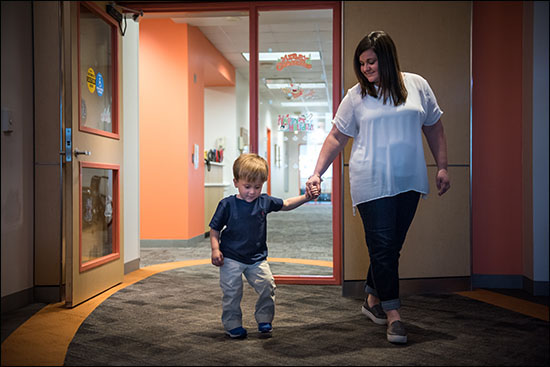
The first mother to undergo fetoscopic neural tube repair at Texas Children’s Fetal Center was Althea Canezaro. At 23 weeks pregnant, Althea learned during a routine ultrasound that her son, Grayson, had spina bifida. The Louisiana resident came to Texas Children’s shortly thereafter and met with Belfort and his team.

“After talking with them, it was like, OK, there’s something they can do for us, and if it didn’t work out everyone would be safe,” Althea recalled. “We knew that this was an opportunity to give him the best life that he could have. So, going forward, it was kind of like the ball was in their park. The weight was taken off our shoulders.”

A little more than four years later, Althea and Grayson are thriving. The blonde haired, blue-eyed boy never developed hydrocephalus and was born with full movement of his legs. He is hitting all of his developmental milestones and walks with and without the assistance of crutches.

“He’s a fighter,” Althea said. “You can’t tell him he can’t do anything. He has more determination than you ever want to believe.”

Reaching a milestone

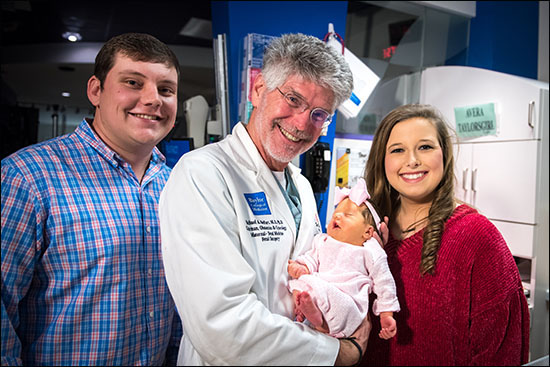
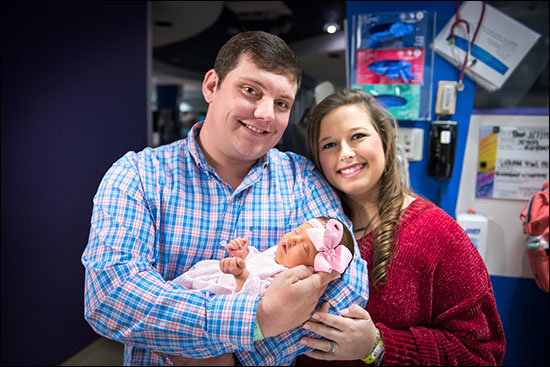
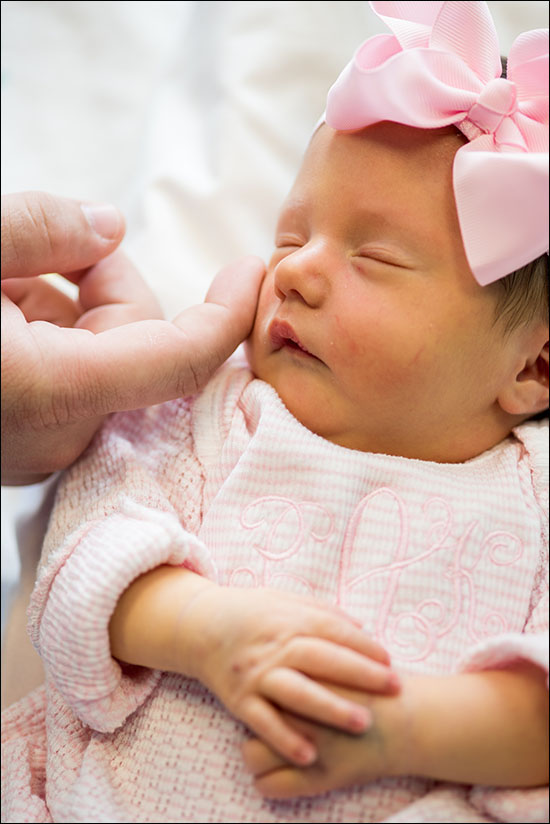
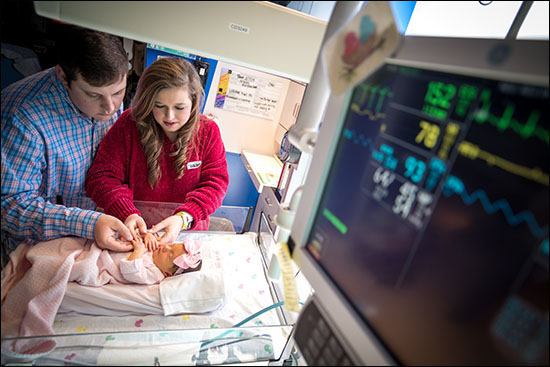
Belfort and his team performed the 100th neural tube defect repair late last year and delivered the healthy little girl, Parker Kate, on March 5. Taylor Avera, the newborn’s mother, said when she and her husband found out their child had spina bifida they were scared to death, but that what they learned at Texas Children’s put them at ease.

“Neither one of us questioned that this was what we needed to do,” Taylor said. “We were excited that we were candidates for the surgery and that we were going to be able to give our baby the best outcome she could have.”

The experimental surgery Althea and Taylor underwent continues to be subject to rigorous oversight by the U.S. Food and Drug Administration, was developed by Texas Children’s Fetal Center in partnership with Texas Children’s division of neurosurgery. The teams practiced on a child’s kickball that replicated the mother’s uterus. Inside the kickball, a doll acted as the fetus. By hoisting the ball into the air hung by various levers and pulleys, the team simulated the movement in the womb and practiced closing the spinal cord.

“The multidisciplinary collaboration with the Fetal Center on this surgical effort is an extraordinary example of the innovative spirit at Texas Children’s Hospital,” Whitehead said. “From a medical standpoint, we believe by closing the defect both in-utero and fetoscopically, is a less invasive procedure for the mother, reduces her risk of preterm delivery and reduces the need for shunts.”

View photos of both Grayson and Parker Kate below.

Texas Children’s Fetal Center is among the nation’s leaders in providing high-risk maternal care and the diagnosis and treatment of abnormalities in unborn and newborn infants. For more information, visit women.texaschildrens.org/fetal.

In this month’s episode of Medically Speaking, you’ll hear from Texas Children’s urologist, Dr. Ming-Hsien Wang. In her talk, Wang discusses best practices in the treatment of pediatric urinary tract infections (UTIs) and also shares the differing views between American Academy of Pediatrics guidelines and findings from a recent double-blind study on the use of prophylactic antibiotics to treat UTIs.

Learn more about the services provided and conditions treated by Texas Children’s Division of Urology.

Medically Speaking features some of the brightest minds from several Texas Children’s specialty and subspecialty areas. The series is meant to be a helpful educational resource for parents and a convenient way for physicians and other caregivers to stay up-to-date on the latest in pediatric medicine. Viewers can watch talks on a variety of interesting topics, including advancements in surgery, breakthroughs in research, new clinical trials, and novel and back-practice treatments for specific conditions.

Be on the lookout for more Medically Speaking episodes here on Connect, or view additional episodes now.

PLEASE NOTE:
This presentation is not intended to present medical advice or individual treatment recommendations, and does not supplant the practitioner’s independent clinical judgment. Practitioners are advised to consider the management of each patient in view of the clinical information. All content is shared for informational purposes only, and reflects the thoughts and opinions of the original author. No physician-patient relationship is being created by the use of this presentation. The presentation sets out recommendations based upon similar circumstances and is provided as an educational tool. The presenters are not attorneys, and to the extent this presentation provides commentary on current laws and regulations affecting health care activities, it is not intended as legal advice.