December 7, 2020

The story you are about to read is part of an ongoing series about Texas Children’s efforts to care for women and children around the globe. The series highlights Texas Children’s efforts in Malawi, one of the 17 countries we currently serve. Today’s story focuses on how Texas Children’s and Baylor together have expanded the scope of services they offer around the world due to the success their programs have had with diagnosing and treating children with HIV/AIDS.
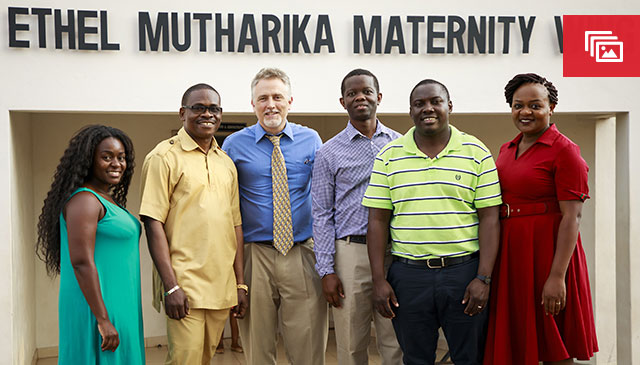
The foundation of what Texas Children’s and Baylor College of Medicine are doing in Malawi and six other countries across sub-Saharan Africa and Romania lies in the diagnosis and treatment of children with HIV/AIDS. The public-private partnerships formed over the years however now tackle other conditions in the developing world such as cancer, tuberculosis, malaria, sickle cell and malnutrition. They also focus on women, not just children and have expanded this work to Latin America.

“Texas Children’s in partnership with Baylor College of Medicine has created one of the strongest global health programs for children and women in the world,” said Texas Children’s Executive Vice President Dan DiPrisco. “The program started out with a narrow focus but has expanded its reach due to its success and dedication to its mission of providing quality health care, education and research in low-resource settings.”

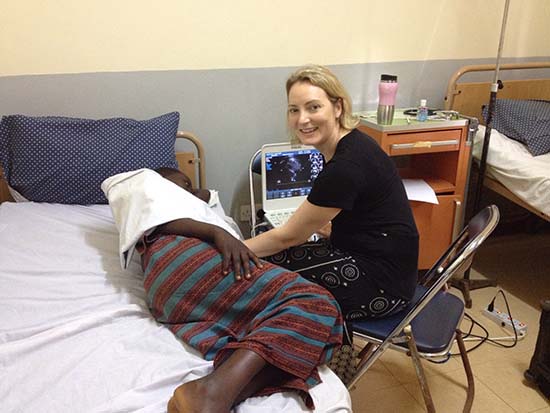
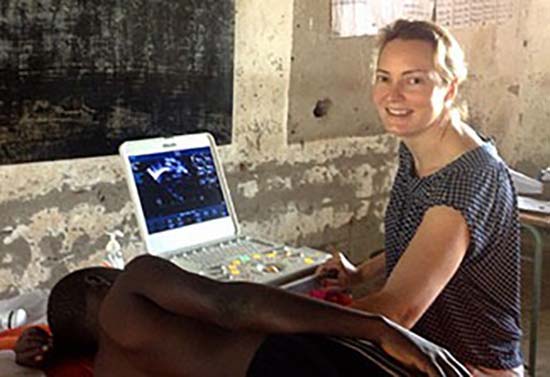
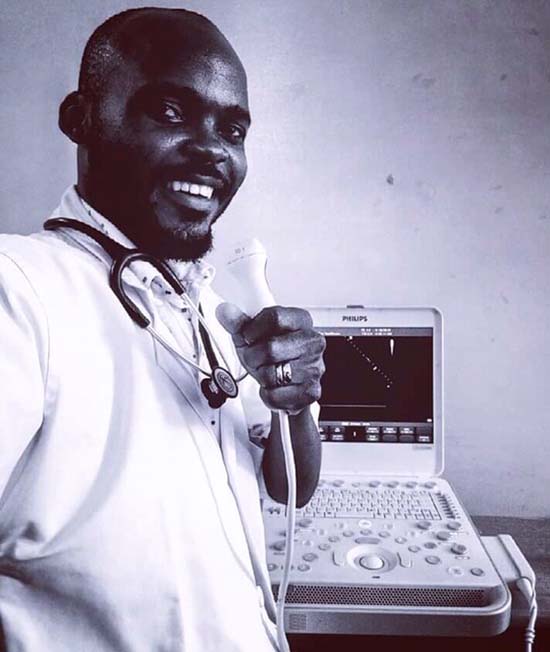
In addition to operating the Center of Excellence in Malawi, Texas Children’s and Baylor College of Medicine provide staff to support the pediatric ward at Kamuzu Central Hospital in Lilongwe, Malawi’s capital city. Staff also works in four busy government health centers in other areas of Lilongwe and performs outreach across the entire country. Texas Children’s and Baylor employ the only pediatric surgeon in the region, a cardiologist and a team of OB/GYNs. They also provide care and training for emergency medicine and have developed a robust oncology program called Global HOPE.

Below is a brief overview of some of these programs and how they are saving lives.

Surgery

Children living in resource-limited settings often lack access to doctors trained in both routine and advanced pediatric surgical and post-operative techniques. This holds very true in Malawi, where there are four pediatric surgeons practicing in the country – our Texas Children’s/Baylor College of Medicine surgeon in the capital, Lilongwe, and three surgeons in Blantyre, the largest city.

Dr. Bip Nandi is the surgeon in Lilongwe at Kamuzu Central Hospital. Being the only pediatric surgeon in a city of one million and a region of more than seven million, he performs about 500 surgeries each year. Some of his patients are just a few days old.

“We don’t take the decision to operate on these children lightly,” Nandi said. “But most of them would not survive without an operation.”

In addition to performing much-needed operations, Nandi said he spends a lot of his time training, teaching and building capacity, all of which are critical to sustaining a strong surgery program in low-resource settings. He is currently working with one local surgeon who is halfway through his general training and hopes to be working with another two soon with the goal of in five years having at least three locally trained pediatric surgeons. Nandi also is working to bolster anesthesiology and nursing as well, both of which support surgery and are key to its success in any setting.

“It’s important to have the institutional support that Texas Children’s and Baylor provide,” he said. “Up until now, we’ve done everything on a wing and a prayer, and you can only get so far on that.”

Maternal Care

Women are essential to social and economic progress yet they shoulder some of the greatest burdens of preventable disease and death. According to the World Health Organization, 303,000 women died as a result of pregnancy and childbirth in 2015 alone, disproportionately in poorer regions of the world. These women often leave children without anyone to protect and care for them, which contributes to staggering under-5 mortality rates. In 2015, 5.9 million newborns and toddlers died.

Since a child’s health is so dependent on its mother’s health, Texas Children’s and Baylor College of Medicine collaborate with public and private partners in regions of greatest need to increase access to and improve delivery of women’s health services. These wide-ranging obstetric and gynecological services include family planning, maternity care, and identification of preexisting conditions that may hamper a healthy delivery such as malnutrition, obstetric fistula, TB and HIV.

Texas Children’s offers community education on the benefits of smaller families, childhood nutrition and a host of other maternal and child health subjects, and its clinical research leads to better outcomes for mothers and children worldwide.

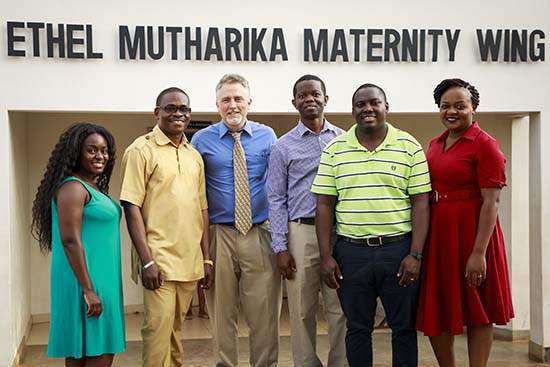
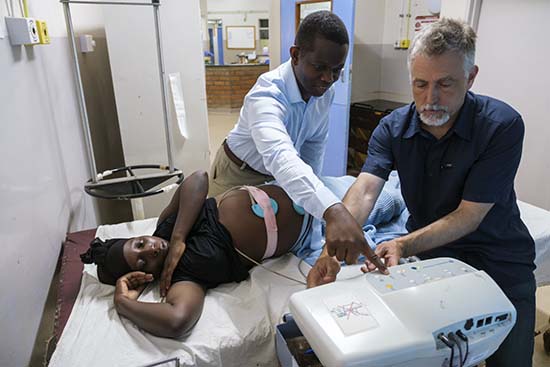
In Malawi, the program helped start the country’s first OB/GYN residency program at the University of Malawi College of Medicine in Lilongwe. Work also includes providing direct OB/GYN services to patients, operating two surgical care centers and training local healthcare providers. U.S.-based residents and fellows from across the U.S. rotate through our program in Malawi, which helps build their skills in a high-volume setting. In Malawi we support more than 6,000 deliveries and 300 c-sections annually. The organization also trains fellows interested in working in global women’s health.

In 2020, Texas Children’s began a new partnership with the International Federation of Obstetrics & Gynecology (FIGO) to support the FIGO Fistula Surgery Training Initiative (FSTI). This program identifies and trains local surgeons, and establishes local training and surgical centers to repair obstetric fistula. There are FSTI training centers in more than 20 countries around the world as well as a Fistula Surgery Training Manual translated into numerous languages.

On behalf of Texas Children’s and Baylor, Dr. Bakari Rajab works with KCH to supervise Malawi College of Medicine residents, teach the fellows from Houston while they are on their two-year rotation, and coordinate various specialized faculty who come to Malawi to help. He also looks after the mothers in the Teen Mother Program, following them throughout their pregnancies and deliveries.

“Having a strong partnership between OB/GYN and pediatrics is so important,” Rajab said. “We try our best as OB/GYNs to keep a mother and her baby healthy and alive during pregnancy. Once the baby is born, as an OB/GYN, you want to see that hard work continue and help toward making that baby into a functioning, well-developed human being.”

Global HOPE

Texas Children’s Global HOPE (Hematology-Oncology Pediatric Excellence) is focused on building long-term capacity to treat and dramatically improve the prognosis of children with cancer and blood disorders in sub-Saharan Africa. The program’s vision is to ensure that children with cancer and blood disorders in Africa receive the most effective therapies available, and ultimately experience treatment outcomes comparable to those in resource-rich settings.

The program operates in four African countries, including Malawi where they diagnose and treat pediatric cancer and hematological cases at Kamuzu Central Hospital. Global HOPE has sent physicians from Texas Children’s to KCH in Lilongwe since 2010. In 2016, the first patient diagnosed with leukemia at KCH was successfully treated by our physicians.

Since then, the program in Malawi has grown, additional patients have been successfully treated, local physicians have been trained and much-needed supplies have been made available.

“We have made a lot of progress in a relatively short amount of time,” said Dr. Nmazuo Ozuah, who oversees Global HOPE’s operations in Malawi. “Capacity building takes time but it is happening and it is making a difference.”

For more information about Texas Children’s Global Health programs, click here.

To make a donation to Texas Children’s global health efforts, click here.
The halls of Texas Children’s are now decked for the holiday season! However, while we are committed to making this celebratory season as memorable as possible for our patients, families and staff, it is also imperative that we shine a light on the numerous safety precautions we must take in order to prevent cases of COVID-19. Through a system-wide approach, an array of holiday programs and experiences have been re-imagined to honor our beloved traditions and bring a season of merriment, while also adjusting to adhering to necessary safety precautions.

  • Child Life and Volunteer Services teams will provide a wide array of safe activities and programs, including craft stations, holiday-themed games, goodie bags, photo booths with festive props, letters to Santa stations, as well as personalized virtual experiences with Santa.
  • Community donors are allowed to continue providing commercially prepared individually packaged meals for patient families. Food donations for staff will not be accepted.
  • This holiday season, special groups will not be permitted to provide onsite activities, serve meals or distribute gifts directly to patients and families.
  • As a reminder, potlucks, parties and social gatherings in the workplace should not be held. Please consider other options in celebrating the holidays with your team members. While gatherings are restricted at Texas Children’s, you are encouraged to think through alternative options for celebrating with your team members. Some ideas include facilitating a card exchange or hosting a virtual holiday party via Teams. Learn more about our Holiday Season Guidance.
  • If you are planning on attending or hosting a holiday gathering in the community, please be advised that the CDC offers direction and advises that you assess current COVID-19 levels in the community prior to making a determination on whether or not to host an event. Currently, the CDC recommends hosting celebrations virtually or with members of your immediate household only. To learn more, click here.

Thanks to the generous toy and gift donations from families, staff, organizations and our community, Texas Children’s receives many donations during the holiday season. To support this giving, Volunteer Services will host contactless Candy Cane Lane Donation Drive-Through events at designated locations, on Saturday, December 19. Donors may also schedule a donation drop-off by contacting Volunteer Services. For donation-related questions, please contact Volunteer Services at volunteerservices@texaschildrens.org.

Thank you for leading the way and setting an example for your team members, our patients, their families, your families and our community.

December 3, 2020

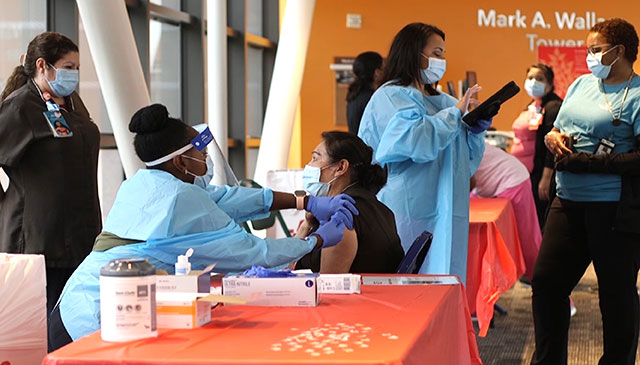
As of December 3, 77.2% of our team members are vaccinated against the flu. Receiving your vaccine is quick and easy; simply attend one of our upcoming vaccination events. Read more

December 1, 2020

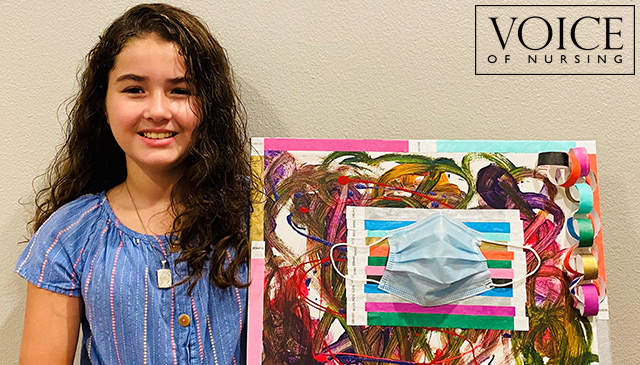
Jenny Tcharmchi shares how her 11-year-old daughter uses her passion for art to express her personal feelings about the impact of the COVID-19 pandemic. Read more

November 30, 2020

The benefits of the Epic Tapestry implementation just keep getting better as we consider our more than 2,500 provider groups.

Our providers – physicians, nurse practitioners, therapists and other specialists – who care for our members will be on the receiving end of an enhanced portal and an improved claims process for their payments.

“Our goal is to constantly improve the experience that our providers have when they care for our members,” said Cade Crumley, assistant director of Provider Relations. “The Tapestry implementation will allow network providers access to enhanced patient data, more timely communication and increased engagement with us.”

But what does this mean, specifically?

More timely and reliable information – Providers will now have no delay in system information updates.

Secure communication and a reduced call volume – Providers can reach out to our staff about members and resolve reimbursement questions by sending direct messages.

Review insurance information – Members’ coverage information, metered benefits, and submitted claims will be available on demand.

Manage referrals – It will soon be possible for providers to submit and review authorizations and notification letters electronically, which simplifies processing for utilization management staff and reduces the number of incomplete requests they receive.

Review and track claims – Providers will be able to review claims they’ve submitted for our members and see claim statuses, even before claims have been fully processed. After claims are processed, the remittance advice appears in the portal with details about payment and covered service.

Manage your population – The new portal will be integrated with Healthy Planet. Providers can also access care management tools, scorecards, and analytics that help to coordinate the care of your patient populations.

Benefits to our employees

“Like many departments at the health plan, Provider Relations is looking forward to this change in our work,” Crumley said. “Epic Tapestry will allow us to work within one system instead of multiple systems. A more efficient work day is definitely on the way.”

***

Missed the other stories in our series? Check them out!

The first one was all about Care Coordination and the Healthy Planet module.

The second one dived into Member Services.

Third was the Money Matters of Epic Tapestry.

Texas Children’s Team Members,

As Mr. Wallace announced on November 18, Texas Children’s has established a COVID-19 Vaccine Task Force to plan and manage the distribution of a COVID-19 vaccine to our team members beginning in mid to late December.

Since the pandemic began, the world has eagerly awaited a groundbreaking vaccine to help slow the spread of COVID-19. Given that our health care community has led the battle against this virus – and that supplies of the vaccine are likely to be limited initially – one of the first priorities will be distributing the vaccine to health care systems on the frontlines of providing compassionate care for patients and their families. This includes Texas Children’s, who has been selected as one of the first institutions to receive a COVID-19 vaccine authorized by the FDA for emergency use. Not only does this represent an opportunity for us to provide another layer of protection for our team members, it is also an opportunity for us to continue leading by example and demonstrating to our communities that the COVID-19 vaccine is a critical and necessary tool toward ending the pandemic.

Once appropriate regulatory approval has been granted, Texas Children’s expects to administer a vaccine produced by Pfizer and BioNTech. Please note that there are other COVID-19 vaccines currently under development or being tested, and Texas Children’s will continue to monitor and follow regulatory guidance of those options as they are approved and become available.

How do I opt in to receive a COVID-19 vaccine?

All Texas Children’s employees, Baylor College of Medicine faculty and staff partners will be eligible to receive this vaccine. Due to the size of our workforce, and because we anticipate initially having limited doses of the vaccine, our COVID-19 Vaccine Task Force has designed a fair and equitable approach for administrating the vaccine, based on recommendations from the National Academy of Medicine and aligned with state and federal guidance. Texas Children’s will evaluate multiple objective risk elements including a person’s risk of acquiring infection, risk of transmitting infection, risk of severe illness and death, along with risk to Texas Children’s ability to provide care for our community. To learn more, download Texas Children’s Framework for Equitable COVID-19 Allocation.

As part of this equitable allocation process, workforce members who opt in to receive the vaccine will be placed into different distribution phases. In order to do this, Texas Children’s will need to understand both a workforce member’s interest in receiving the vaccine, as well as some general information about any relevant health conditions. More information is provided below.

Phase 1 administration of the vaccine is currently scheduled to begin as early as December 14 (though subject to change) and additional phases will be scheduled as we receive more doses. Here is how to get started.

Step 1: Learn more about the vaccine.

To help our people learn more about the COVID-19 vaccine, we have created a website with links to additional resources. We encourage you to review the site to carefully make the best decision for you and your family.

Step 2: Submit a confidential Opt-In Questionnaire.

In order to receive a COVID-19 vaccine, you must submit an Opt-In Questionnaire. In this form, workforce members will be asked for additional information on any personal health factors that are known to increase the risk for severe illness or death related to acquiring COVID-19. All information will be kept strictly confidential and only accessed by Employee Health.

Click here to access the Opt-In Questionnaire

To be eligible to participate in the Phase 1 launch, you must submit this questionnaire no later than 2 p.m. on Monday, December 7. If you submit a form after this deadline, you will be assigned to a later phase. Workforce members may opt out at any time.

Step 3: Check your work email for a confirmation and vaccine scheduling link.

If you have been selected to participate in Phase 1, you will receive a confirmation email at your Texas Children’s or Baylor email address after December 7 and before Phase 1 administration begins. If you are not selected for Phase 1 vaccine administration, you will also receive an email notification advising of such. To ensure efficient distribution, as well as proper social distancing, an appointment to receive both doses of the vaccine will be required. In your confirmation email, you will find a link to schedule both of your vaccination appointments. Please note that the Pfizer/BioNTech vaccine requires two doses to be administered 21 days apart, and that you must be available during both appointment windows. If needed, please work with your leader to arrange shift coverage.

Questions

For more information about the COVID-19 vaccine, we encourage you to visit texaschildrensbenefits.org/CovidVaccine. This site is available 24/7 on or off the network via any device to provide the most up-to-date information about the COVID-19 vaccine, as well as details on steps for receiving a vaccination.

If you still have questions after reviewing the website, please contact our HR Employee Support Center at 832-826-4600 from 8 a.m. to 5 p.m., Monday through Friday, or email employeevaccines@texaschildrens.org.

Please continue to check your email, Connect and our COVID-19 Vaccine website for the latest information.

Thank you for your tireless leadership and your compassionate care of our patients, their families and one another throughout our COVID response.

Dr. Julie Boom and Jermaine Monroe
Co-Chairs, COVID-19 Vaccine Task Force

The story you are about to read is part of an ongoing series about Texas Children’s efforts to care for women and children around the globe. The series highlights Texas Children’s efforts in Malawi, one of the 17 countries we currently serve. Today’s story focuses on the Texas Children’s Global Health Corps and how its members support the hospital’s mission.

The Baylor College of Medicine International Pediatric AIDS Initiative at Texas Children’s Hospital (BIPAI) Centers of Excellence are supported by Texas Children’s Global Health Corps and the Dr. Kelly Descioli Global Child Health Residency.

The partnership brings doctors to countries where we work to learn, teach and help provide much-needed clinical services. Residents spend one year of their four-year residency program at one of our global health sites in Africa.

The Texas Children’s Global Health Corps is a successor to the landmark Pediatric AIDS Corps, founded by BIPAI in 2005, which has trained and sent about 150 pediatricians and family doctors to Africa to help scale up medical programs for children and families affected by HIV/AIDS. BIPAI, thanks in large part to its partnership with the Texas Children’s Global Health Corps, now provides HIV/AIDS treatment to about 320,000 children and families – more than any other program worldwide.

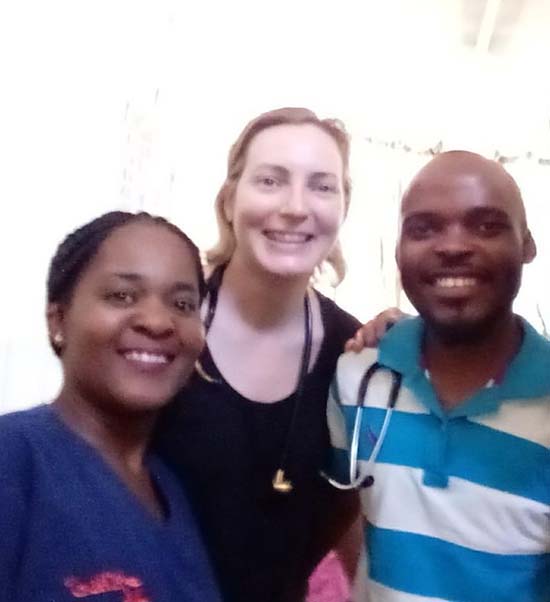
In Malawi, the partnership with the Global Health Corps has brought several pediatricians to the Center of Excellence there, including Amy Benson and Allison Silverstein, who talk in the following Q&A about their experience treating children with HIV/AIDS and other aliments in a low-resource setting.

Why did you choose to become involved in Texas Children’s Global Health?

Amy: After college, I was in the Peace Corps in Bolivia, and because of that experience, I knew I wanted to become a doctor and work in a low resource setting. Working in Global Health Corps has helped me reach that goal. It’s exactly what I want to be doing.

Allison: When I was in medical school, I took a year off between my third and fourth year and worked in Rwanda and Zambia doing policy work and helping to build research capacity. It was powerful but I wanted to be able to help clinically. I interviewed at a lot of residency programs but most connected with the model at Baylor and Texas Children’s. The way these organizations are truly building capacity and setting up this huge infrastructure to provide unparalleled care is how I ended up in the Global Health Corps.

Describe what you do in Malawi with the Global Health Corps.

Allison: Most of my time is spent in clinic at the Center of Excellence with pediatric HIV/AIDS patients. A typical day begins with a staff huddle that includes going over caseloads and doing a little singing and dancing to get us off on the right foot. Then, we see patients. Some of them are coming to the center to fill their medication or for a routine checkup. Others are sick and not feeling well, and we do our best to provide them with the best possible care. We see about 100 patients a day.

Amy: In addition to caring for patients at the Center of Excellence, I spend one week each month working at Kamuzu Central Hospital, the largest hospital in Lilongwe. At the hospital, I see children who have HIV/AIDS and have either been admitted to the hospital due to complications of the disease or who have been newly diagnosed. In addition to treating their immediate medical needs, I help get them hooked up with longer term services.

How has your work with the Global Health Corps made you a better doctor?

Amy: When I go outside of my comfort zone, it helps make me a better person and a better doctor. Being able to help take care of people and learn about people who have many different needs and struggles, helps me to understand people in a different way and to be more empathetic. And, that makes me a better doctor for sure, no matter where I’m working or who I’m working with.

Allison: I’m more thoughtful in my decision-making. When you don’t always have accessible imaging or the labs that you want, you have to rely on your clinical skills – your history and physical – and bring it all together to treat the patient.

Is there a patient or an experience that has made a significant impact on you?

Allison: I treated a 6-year-old patient who had recently lost her mother to tuberculosis. Not long after the mother’s death, the girl’s aunt brought the child to us with symptoms consistent with gastroenteritis. While treating her for that, we discovered the girl, like her mother, had tuberculosis. The girl’s aunt was devastated thinking she was going to lose her niece as well as her sister to the disease. But, she didn’t, and she was so unbelievably thankful for the treatment and attention we provided to that child.

Amy: What’s left an impression on me is the network of caregivers at the COE who work together to help these children and their families. For example, I was working in the hospital one day when a mom took her very sick baby home before she was ready to be discharged. One of our community health nurses knew where the woman lived, went to her village and convinced the mom to bring her child back to the hospital where the child could receive medicine for her newly diagnosed illness – HIV/AIDS. She made an effort to understand the mom and the reasons she had left and to offer the support that the mom needed to return. Without people like the community health nurses, that child might never have come back.

For more information about Texas Children’s Global Health Corps, click here. To make a donation to Texas Children’s global health efforts, click here.